
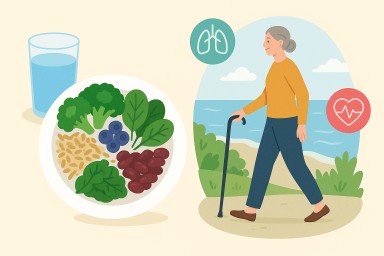
Living with aspergillosis, whether it is allergic bronchopulmonary aspergillosis (ABPA), chronic pulmonary aspergillosis (CPA), or another form, often means dealing with fatigue, coughing, breathlessness, repeated infections, and the side effects of treatment. Medicines such as antifungals and biologics are central to care, but everyday choices around food, activity, rest, and stress can also make a real difference.
This isn’t about strict rules or being told what you “should” do. It’s about finding small, realistic steps that help you feel stronger and more in control of daily life.
Why healthy habits can feel hard
Many people know what’s “healthy” but still find it difficult to change routines. That’s normal. Habits stick for lots of reasons:
-
Familiar routines feel safe, even if they’re unhelpful.
-
Stress, tiredness, or sadness can make comfort eating or smoking feel like a quick fix.
-
Friends, family, and culture shape our patterns.
-
Healthy food or exercise can seem expensive or time-consuming.
-
Mood and motivation play a huge part — especially if you’re already coping with illness.
Understanding why change is tough is the first step. You’re not failing — you’re human.
The potential benefits of living a little healthier
-
Easier breathing → avoiding smoke and doing gentle activity can help your lungs cope better.
-
Fewer flare-ups and infections → nourishing food, better sleep, and stress control support your immune system.
-
More energy → balanced eating and regular movement often boost stamina and reduce fatigue.
-
Treatments working better → some habits (like smoking or alcohol) interfere with antifungals; avoiding these can make medicines more effective.
-
Improved mood → routines such as exercise, cooking, or group activities can ease anxiety and give a sense of connection.
Diet and weight: it’s about health, not the scales
When weight feels like the focus
Many people are told to lose weight, but strict weight-loss diets rarely succeed in the long term. They can leave people frustrated or feeling worse. For aspergillosis, the aim is not chasing numbers on the scales — it’s about supporting your body so you can feel and function better.
Why diets often fail:
-
Cutting things out makes us crave them more.
-
The body resists weight loss by slowing metabolism.
-
Diets feel temporary, not sustainable.
-
One slip can feel like failure.
-
Stress and emotions drive food choices as much as hunger.
Breaking that cycle
Some people find it more helpful to:
-
Focus on health gains (more stamina, fewer infections, better mood) instead of weight loss.
-
Make small, sustainable swaps they can keep for years.
-
Add nourishing foods (protein, fruit, vegetables) instead of strict restriction.
-
Notice and celebrate everyday wins — walking further, coughing less, sleeping better.
When the struggle is keeping weight on
Not everyone has weight to lose. For some, infections, inflammation, and the effort of breathing can burn through calories, making it hard to maintain weight. In that case, the goal shifts to adding in extra energy and protein:
-
Eat smaller portions more often.
-
Fortify food with milk powder, cheese, cream, nut butters, or olive oil.
-
Keep calorie-rich snacks handy (flapjacks, trail mix, smoothies).
-
Try nutritional drinks (Fortisip, Ensure, or homemade shakes).
-
Ask your team for dietitian support if weight keeps dropping.
When to seek specialist help
General lifestyle tips are a useful starting point, but some people face severe or complex dietary problems. These can include:
-
Ongoing or severe weight loss / malnutrition
-
Difficulty swallowing or digesting food
-
Drug–food interactions (e.g. antifungals with certain juices or stomach acid medicines)
-
Other health conditions (diabetes, coeliac disease, kidney problems)
-
Persistent nausea, diarrhoea, or appetite loss from treatment
If this sounds familiar, the best step is to ask for a referral to a registered dietitian. A dietitian can:
-
Create a personalised nutrition plan to match your energy and protein needs
-
Suggest practical adjustments if eating is difficult
-
Ensure your plan is safe alongside antifungal or steroid treatment
-
Provide access to prescription nutritional supplements if needed
-
Monitor progress and adjust over time
What works for one patient may not be safe for another — professional advice ensures the plan is right for you.
Gut health and the microbiome
There’s growing interest in the link between the gut and the lungs — sometimes called the gut–lung axis. A healthy gut microbiome (the community of bacteria and other microbes in the digestive system) can support overall immunity and help regulate inflammation, which matters in conditions like ABPA and CPA.
-
Fibre feeds healthy gut bacteria → fruits, vegetables, oats, beans, and nuts help your gut produce anti-inflammatory compounds.
-
Probiotics (live “friendly bacteria” in yoghurts or supplements) may help some people, especially after antibiotics, but the evidence in aspergillosis is still limited.
-
Balance is key → too much fibre all at once can cause bloating; start gradually and pair fibre with calorie-rich foods if you struggle with weight.
-
Hydration matters → fibre works best when you’re drinking enough fluids.
-
Check before supplements → always discuss probiotic products with your team, especially if you are immunocompromised.
Small steps — like adding an extra piece of fruit or trying a yoghurt with live cultures — can gently support gut balance without overloading.
Starting small (and letting it grow)
Big lifestyle overhauls are rarely realistic. A more helpful approach is:
-
Pick one tiny change — a 10-minute walk, one less sugary drink, or a piece of fruit with breakfast.
-
Celebrate the success — each small step builds confidence and momentum.
-
Notice the ripple effect — walking more may improve sleep; better sleep may give more energy for cooking.
-
Climb the ladder slowly — the first step is hardest, but it makes the next ones easier.
Finding support
-
Share your goals with your medical team — they can suggest safe exercise, eating tips, or referrals.
-
Join pulmonary rehab, exercise groups, or online communities — peer encouragement makes a big difference.
-
Explore local schemes — social prescribing, community cooking, or walking groups can be free and welcoming.
-
Remember: mental health matters too. If low mood or anxiety makes change feel impossible, speaking with a GP or counsellor can help unlock progress.
The bottom line
Treatments like itraconazole and benralizumab are essential in controlling aspergillosis, but they work best when supported by healthy routines.
Living healthier means different things for different people:
-
For some, it’s cutting down alcohol or moving a little more.
-
For others, it’s eating enough to keep strength up.
-
For everyone, it’s about supporting your lungs, your body, your gut, and your wellbeing, not chasing numbers or perfection.
Even small, steady steps — chosen by you, at your pace — can add up to meaningful improvements and make daily life with aspergillosis a little easier.

Latest News posts
News archive