If you live with aspergillosis — whether chronic, allergic, or invasive — your lungs are especially sensitive to the air you breathe. Your home environment can have a big impact on your symptoms and overall health.
Living in a damp or mouldy home can make breathing problems worse, increase exposure to fungal spores (including Aspergillus), and lead to infections or flare-ups.
This article explains:
- Why damp and mould are a health risk for people with aspergillosis
- What you can do to improve air quality at home
- What professionals (including doctors and landlords) are expected to do under NICE guidance (NG149)
- How Awaab’s Law (2025) strengthens your rights to safe housing
- Where to find trusted information and support
🦠 Why damp and mould matter for aspergillosis
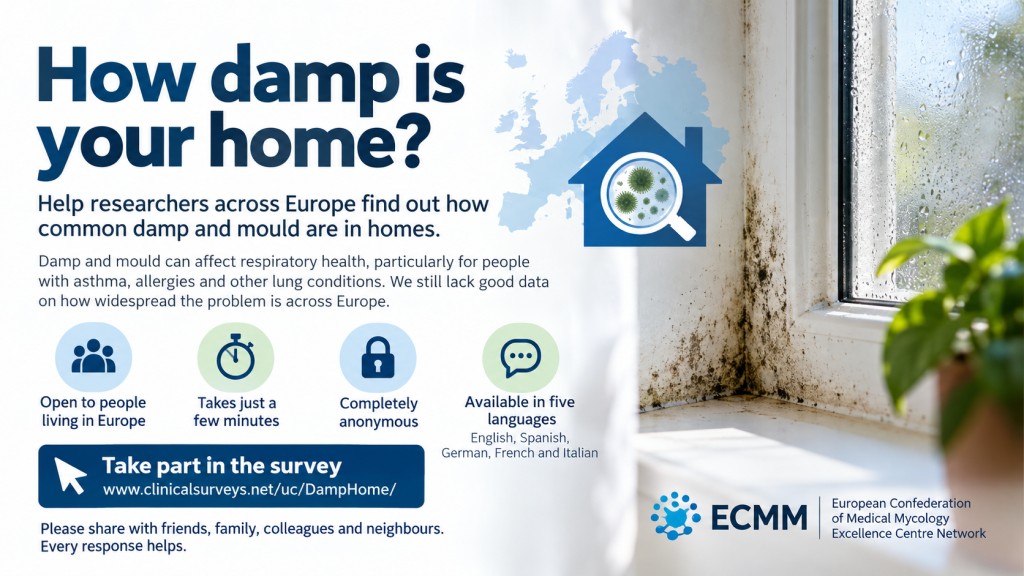
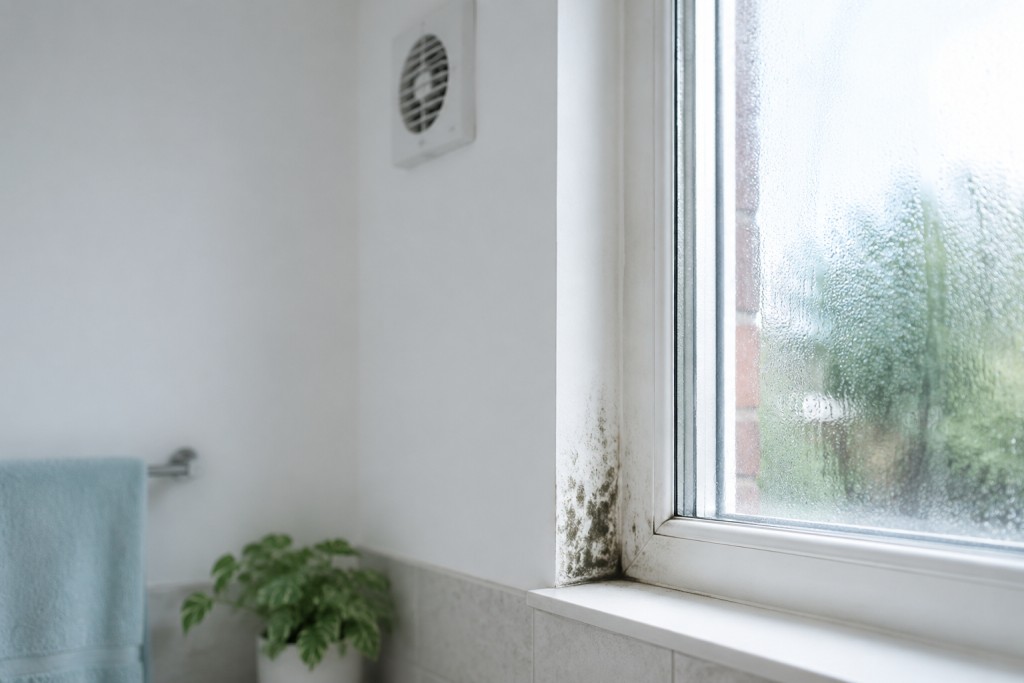
Moulds thrive where there’s excess moisture — on walls, ceilings, windows, and furniture. Common types include Aspergillus, Penicillium and Cladosporium.
For someone with aspergillosis, exposure to these spores can:
- Trigger inflammation or allergic reactions in the lungs
- Worsening symptoms such as cough, breathlessness or fatigue
- Increase the risk of infection or flare-ups
- Encourage dust mites and bacteria that irritate the airways
- Make cold, humid air harder to tolerate
Even if you can’t see mould, a musty smell or persistent condensation are early warning signs.
📘 Read more: NICE Guideline NG149 – Indoor Air Quality at Home
🏡 Practical steps to reduce damp and mould
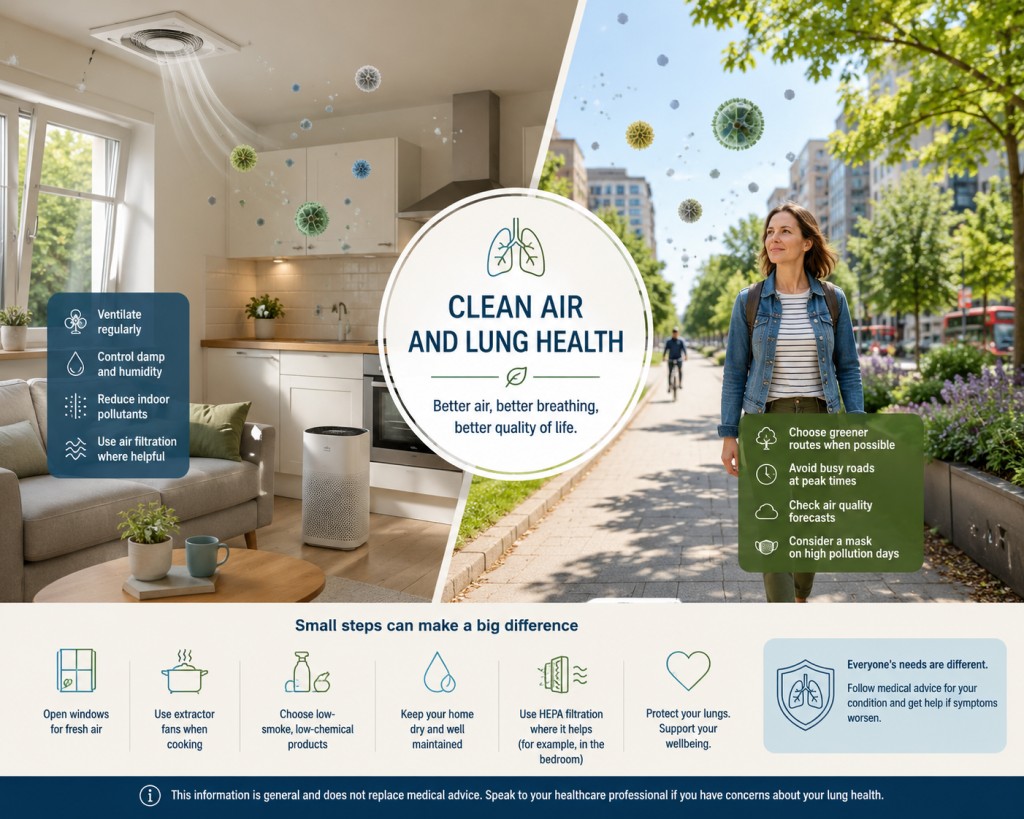
According to NICE, small changes at home can make a big difference.
1. Ventilate regularly
- Use extractor fans when cooking, bathing or showering.
- Keep trickle vents on windows open if you have them.
- Open windows briefly every day to let fresh air circulate.
👉 NICE recommendations on ventilation
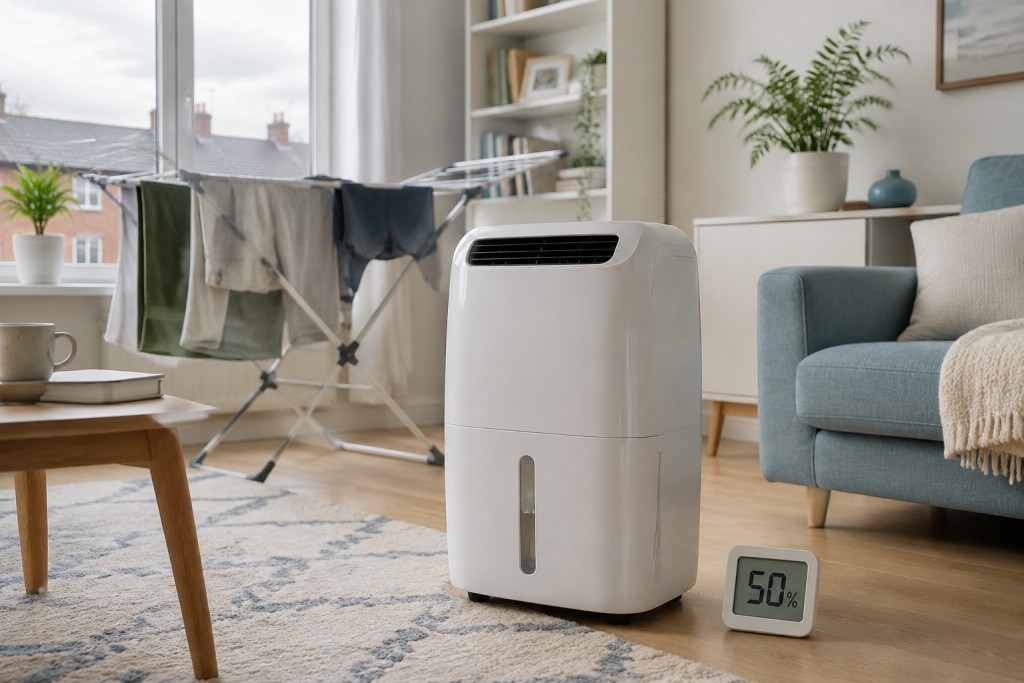
2. Control moisture
- Avoid drying clothes indoors unless ventilation is good or you have a vented tumble dryer.
- Wipe condensation from windows and surfaces each morning.
- Cover pans while cooking to reduce steam.
- Report and fix leaks promptly — from roofs, pipes or gutters.
3. Keep your home warm and insulated
- Steady background heating helps prevent condensation.
- Don’t let rooms go completely cold for long periods.
4. Clean safely
- If cleaning small patches of mould, wear gloves and an FFP2 (or better) mask.
- Don’t brush or vacuum dry mould — it releases spores.
- Avoid harsh bleach sprays, which can irritate the lungs.
- If mould keeps coming back, ask for a proper inspection — it usually means the underlying damp hasn’t been fixed.
📘 Full NICE guidance: Indoor Air Quality at Home (NG149)
🧑⚕️ NICE guidance applies to professionals too
The NICE recommendations are not just for residents. They also guide:
- Healthcare professionals – to ask about home conditions when people have chronic respiratory or allergic problems, and to help patients seek housing support if needed.
- Environmental health officers and housing providers – to recognise damp and mould as health hazards, not just maintenance issues.
- Social care workers, landlords and local authorities – to take prompt, coordinated action where vulnerable people (such as those with aspergillosis) may be at risk.
So if you discuss your housing situation with a doctor, nurse, or support worker, they are expected under NICE guidance to consider your living environment as part of your overall health care.
📘 Reference: NICE Guideline NG149 – Recommendations for Professionals
⚖️ Your legal rights – Awaab’s Law (from October 2025)
Following the tragic death of two-year-old Awaab Ishak from mould exposure, the UK government introduced Awaab’s Law to ensure faster action on damp and mould in social housing.
If you rent from a council or housing association, your landlord must:
| Action | Time limit under Awaab’s Law |
|---|---|
| Investigate reports of damp or mould | Within 10 working days |
| Provide written findings | Within 3 working days of investigation |
| Start repairs or make home safe | Within 5 working days of finding a hazard |
| Fix serious (emergency) risks | Within 24 hours |
| If repairs take longer | Provide safe temporary accommodation |
If your landlord does not act, contact your local council’s environmental health team or the Housing Ombudsman Service. Keep photos and written records of all contact.
If you rent privately, you are still protected under the Homes (Fitness for Human Habitation) Act 2018, which requires landlords to keep homes safe and free from damp or mould.
📘 Learn more:
- GOV.UK – Awaab’s Law: Guidance for Social Landlords
- GOV.UK – Awaab’s Law News Release
- Housing Ombudsman – Damp and Mould Guidance
- House of Commons Library – Helping Tenants with Damp and Mouldy Housing (England)
🩺 Talk to your healthcare team
If you live with aspergillosis and have problems with damp or mould:
- Tell your doctor, nurse or respiratory specialist about your housing conditions.
- They can write to your landlord or local authority to explain how mould exposure affects your health.
- Ask for advice on safe cleaning, mask use, and reducing spore exposure.
- Seek medical help promptly if you notice worsening cough, wheezing, or breathlessness.
💬 Key message
For anyone with aspergillosis, a dry, well-ventilated home is essential. Damp and mould can increase your exposure to Aspergillus spores and make your condition worse.
The NICE guidance shows how both individuals and professionals can act to improve indoor air quality.
And under Awaab’s Law, landlords now have a legal duty to investigate and repair damp and mould quickly.
Taking action early — and knowing your rights — helps you protect your lungs and your long-term health.
🔗 Useful Resources
- NICE Guidance NG149: Indoor Air Quality at Home
- NICE Recommendations for Professionals: NG149 – Recommendations
- Awaab’s Law (GOV.UK): Landlord Responsibilities
- Housing Ombudsman: Damp and Mould Information
- House of Commons Library: Helping Tenants with Damp and Mouldy Housing (England)
- Government Guidance: Understanding and Addressing the Health Risks of Damp and Mould

Did this page help you?
Tell us in one minute