

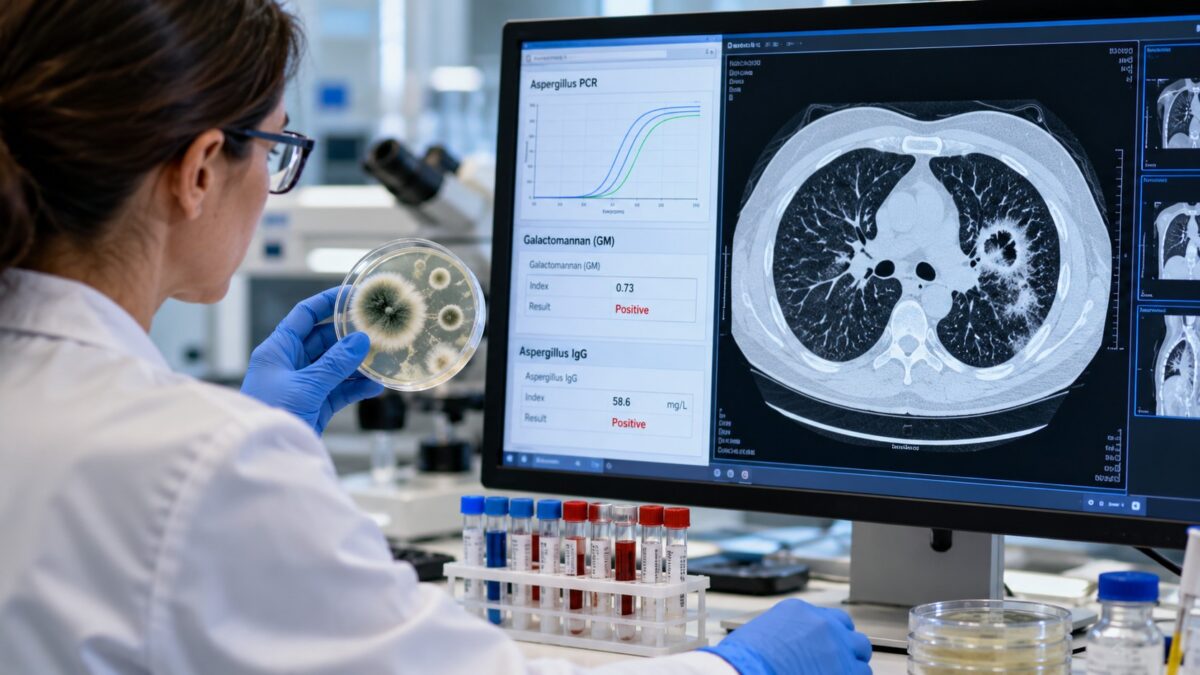
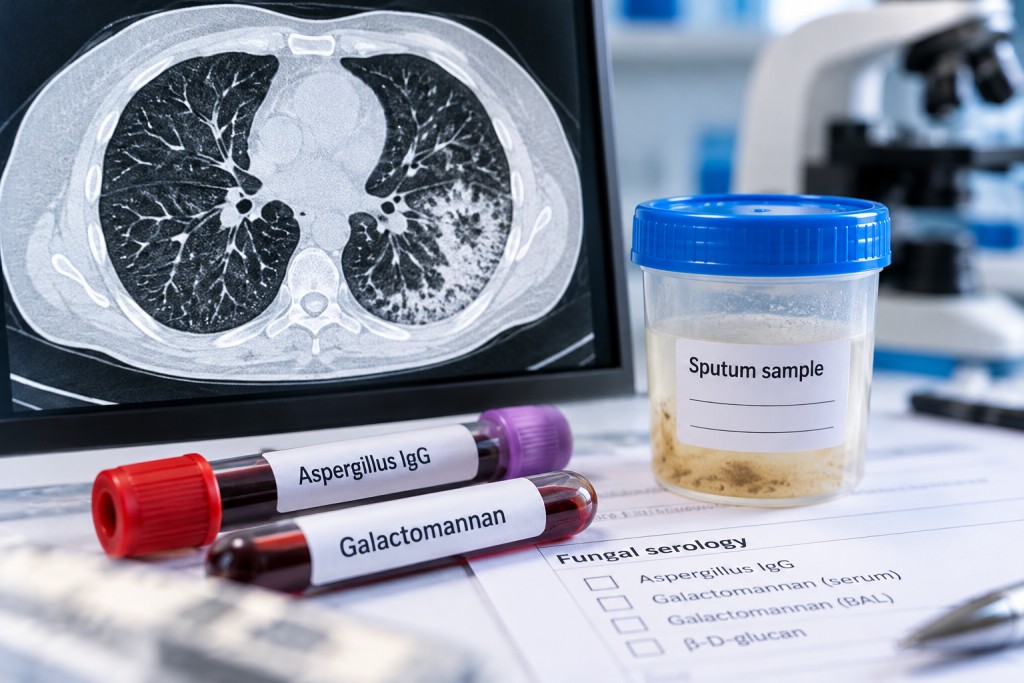
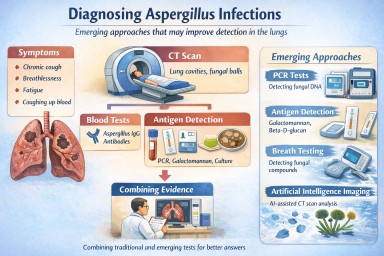
Diagnosing and monitoring aspergillosis usually involves several different sources of information, including symptoms, blood tests, sputum or other respiratory samples, lung function tests and medical imaging. No single test provides all the answers.
New to aspergillosis diagnosis? Start with our main guide to diagnosis and monitoring, which explains how doctors combine symptoms, scans, laboratory tests and clinical history to diagnose and follow aspergillosis.
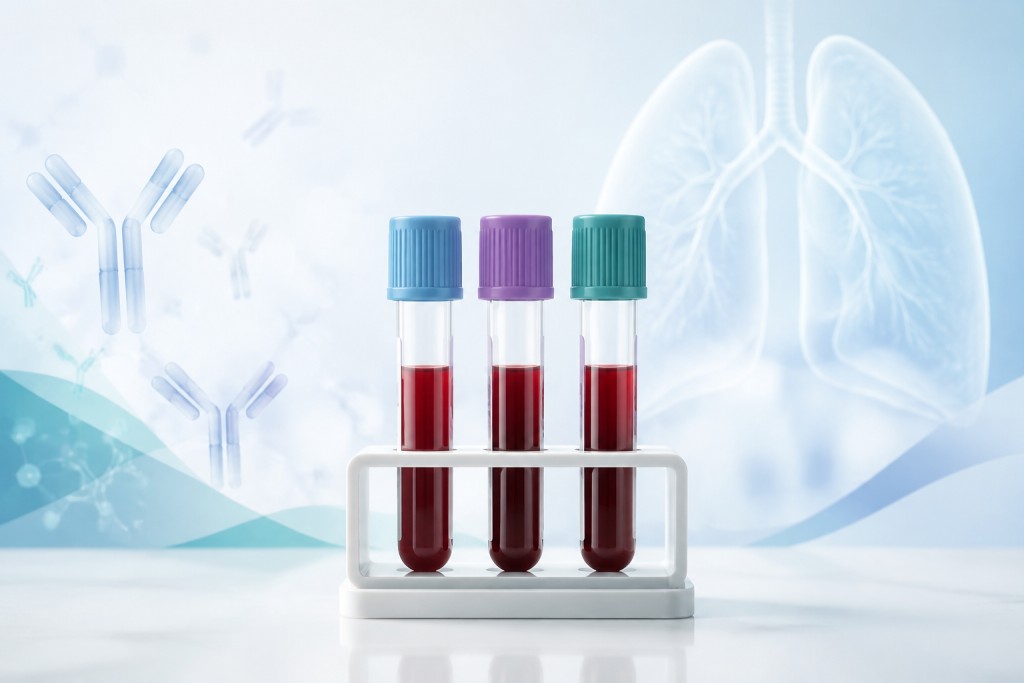
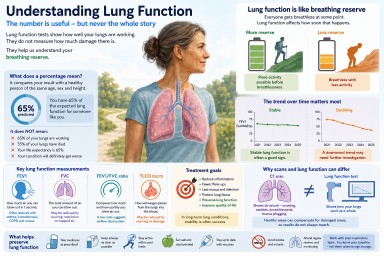
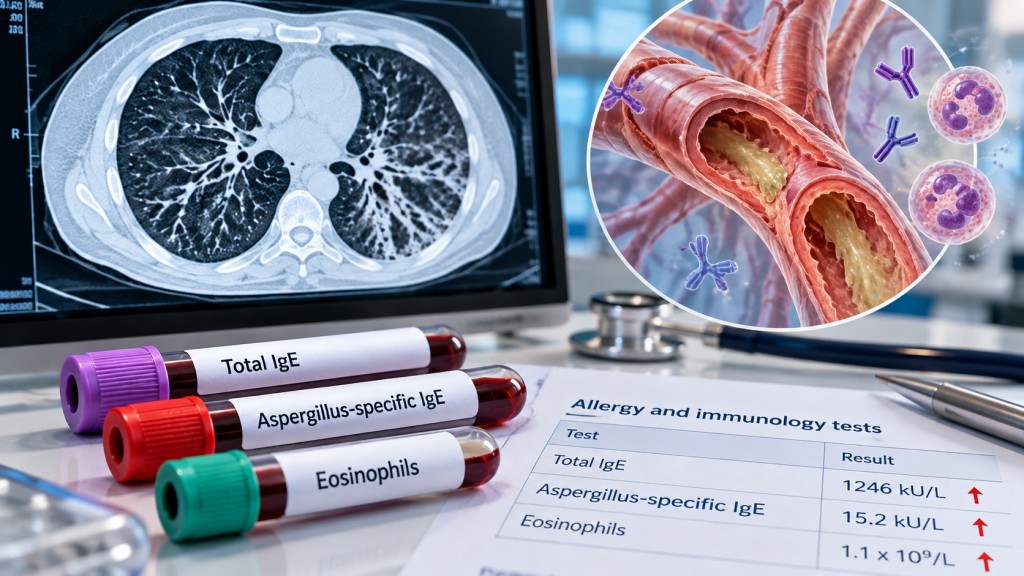
This hub brings together more detailed information about individual tests and monitoring tools, including Aspergillus IgG and IgE, eosinophils, galactomannan, sputum cultures, blood tests and lung function testing, and explains what results can — and cannot — tell you.
Understanding Your Diagnosis
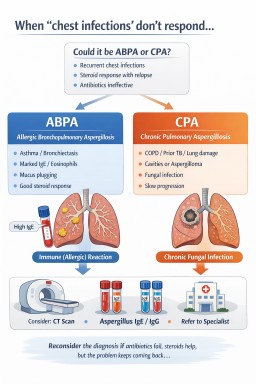
Different forms of aspergillosis require different investigations.
These guides explain how doctors diagnose fungal lung infections
and allergic conditions such as ABPA and SAFS.
Topics in This Hub
Latest Diagnostic Articles













Related Hubs
Did this page help you?
Tell us in one minute