


Side effects from Biologic Medication
It’s completely understandable to feel unsure before starting a biologic — especially when you’ve heard different experiences from different people.
Most patients with ABPA or severe Aspergillus-related asthma do very well on biologics. Side effects can happen, but they’re usually mild and settle quickly.
🌟 Most people report very few problems
Patients often say:
-
The injections are straightforward
-
They feel the same or better within days or weeks
-
There’s little or no impact on daily life
🌟 Common, mild side effects
These are the ones we hear most often across omalizumab, benralizumab, dupilumab and tezepelumab:
📌 Injection-site reactions
-
Redness
-
Itching
-
A small tender lump
-
Bruising
These usually disappear within 24–48 hours.
📌 Mild tiredness
Some people feel slightly “wiped out” after the first few doses.
📌 Headache
Very common with the first injection. Less so afterwards.
📌 Minor joint or muscle aches
A bit like the feeling after a flu jab.
📌 Nasal or sinus changes
Occasional mild dryness or congestion, especially with dupilumab.
🌟 Less common (still mild)
-
Mild tummy upset
-
Sore throat
-
A brief “flu-ish” feeling
-
Temporary increase in eczema (mainly with dupilumab)
-
Slight mood dip for a day or two (rare)
🌟 Rare but important
These are very uncommon, and your team will explain what to look out for:
-
Allergic reaction shortly after an injection
(This is why your first dose is supervised.) -
Eye inflammation — mostly linked to dupilumab, usually mild and treatable
Your team will give you clear advice on what to do if anything unusual happens.
🌟 What ABPA patients often notice
People with ABPA frequently describe:
👉 Fewer allergic symptoms
👉 Clearer breathing
👉 Much less mucus
👉 Fewer flare-ups and fewer steroids
But biologics don’t help everyone — which is why the first few months are monitored closely.
🌟 Final reassurance
For many aspergillosis patients, biologics are far easier than long-term steroids or antifungals. Most say the benefits outweigh the side effects — but every person’s experience is individual.


Could this new gene-therapy technology help aspergillosis patients?
Hunter syndrome stem cell treatment
Not directly now — but potentially yes in the longer term.
The gene therapy in the BBC story works because Hunter syndrome is caused by a single faulty gene. Doctors can take stem cells, insert a missing gene, and put them back into the body — and the body starts producing the enzyme that was missing.
Aspergillosis is different.
It isn’t caused by a single gene error — it’s caused by:
-
An over-reaction of the immune system in ABPA
-
Underlying lung damage or structural disease in CPA
-
A combination of genetics, environment, allergens and fungal exposure
-
Sometimes problems with mucus clearance
So gene therapy is not close to being used for aspergillosis in the same direct way.
But here’s why the technology could help in the future
The breakthrough still matters because it shows what is becoming possible:
1. Fixing immune-pathway problems
Some people with ABPA or severe asthma have genetic variants in pathways such as:
-
IL-4 / IL-5 / IgE regulation
-
Mucus clearance
-
Immune “switch-off” mechanisms
In the future, gene therapy could correct faulty immune pathways so the lungs stop over-reacting to Aspergillus.
2. Improving mucus-clearance biology
A big part of aspergillosis is mucus sticking in the airways. If gene therapy can one day boost the function of cilia or mucus-clearing enzymes, that would be a major benefit.
3. Helping people born with lung-structure problems
Some patients develop aspergillosis because they were born with subtle airway abnormalities or genetic bronchiectasis tendencies. Future gene therapies might stabilise or prevent these problems.
4. Fungal infection + rare-disease overlaps
Some immunodeficiency disorders (e.g., CARD9 deficiency) lead to severe fungal infections. This type of therapy is much closer to helping those patients already — because those are single-gene defects.
Realistic timeline
For ABPA or CPA specifically:
-
Short term (0–10 years): No direct gene therapy.
-
Medium term (10–20 years): Possible targeted immune-pathway correction for asthma/ABPA.
-
Long term (20+ years): Potential lung-repair gene therapies, airway-regeneration therapies, or personalised immune-modifying gene treatments.
So this breakthrough doesn’t change aspergillosis care today — but it shows that the tools are coming that could one day target immune-driven diseases much more precisely.

**Adrenal Insufficiency & Steroid Tapering:
A Complete Patient Guide**
People taking long-term steroids (prednisolone, methylprednisolone, hydrocortisone, dexamethasone) can develop adrenal insufficiency because their adrenal glands “go to sleep” and stop making cortisol.
During tapering, the body must slowly “wake up” again — and this needs careful monitoring.
This guide explains the symptoms, tests, warning signs, and emergency precautions to keep you safe.
⭐ 1. Why adrenal insufficiency happens
Long-term steroid use suppresses the HPA axis (hypothalamus–pituitary–adrenal system).
When daily steroid doses are reduced, your body must produce more of its own cortisol. This takes time.
If the steroid reduction is too quick, or the body is under stress, low cortisol symptoms appear.
⭐ 2. Symptoms to watch for during steroid tapering
These are early signs that your body may not be keeping up with the reduction.
✔ Early, mild symptoms
-
Fatigue / sudden exhaustion
-
Muscle weakness
-
Dizziness when standing
-
Nausea or reduced appetite
-
Flu-like aching
-
Low mood, anxiety, irritability
-
Brain fog
-
Feeling unusually cold
-
Worsening joint or muscle pain
These often improve if the taper is slowed or paused.
⭐ 3. More serious symptoms of low cortisol
These symptoms suggest steroid levels are too low and the taper needs urgent review:
-
Vomiting
-
Persistent dizziness
-
Very low blood pressure
-
Severe fatigue (unable to function normally)
-
Salt cravings
-
Ongoing nausea preventing eating
-
Faintness or near-collapse
These require medical advice (same day).
⭐ 4. Emergency symptoms — possible adrenal crisis
Call 999 or go to A&E immediately if you develop:
-
Severe vomiting or diarrhoea
-
Collapse or inability to stand
-
Severe dehydration
-
Confusion
-
Sudden severe abdominal or back pain
-
Pale, clammy skin
-
Rapid breathing
-
Loss of consciousness
This is a medical emergency.
Patients normally receive 100 mg hydrocortisone IM/IV, but patients allergic to hydrocortisone require a pre-agreed emergency alternative — your endocrinologist must document this clearly.
⭐ 5. Symptoms that mean you may need a temporary “stress dose” of steroids
Your cortisol requirement increases during physical stress.
If you have adrenal suppression, your body cannot produce this extra cortisol.
You may need a temporary increase in dose if you have:
✔ Illness
-
Fever
-
Chest infection
-
Flu-like illness
-
COVID
-
Urinary infection
-
Gastroenteritis
-
Diarrhoea
-
Persistent nausea
✔ Physical stress
-
Injury
-
Significant fall
-
Severe pain
-
Dental surgery
-
Medical or surgical procedures
✔ Emotional stress
-
Bereavement
-
Panic attacks
-
Trauma
If vomiting prevents taking steroids → seek emergency help immediately.
⭐ 6. Tests used to monitor adrenal function during tapering
Doctors rely on a combination of symptoms and laboratory tests.
✔ Morning cortisol (8–9 am)
A key test to assess recovery.
Typical interpretation:
-
> 400–500 nmol/L → likely normal function
-
150–350 nmol/L → recovering / borderline
-
< 100 nmol/L → adrenal insufficiency
(Exact thresholds vary.)
✔ ACTH level
Shows whether the pituitary is trying to stimulate the adrenals.
-
Low ACTH → still suppressed
-
High ACTH → trying to wake adrenals
-
Normal ACTH + low cortisol → gland slow to respond
✔ Short Synacthen Test (SST)
Gold standard.
A small ACTH injection tests whether your adrenal glands can produce cortisol.
Used when:
-
taper reaches low doses
-
symptoms appear
-
deciding if steroids can be stopped
✔ Electrolytes (U&Es)
Low cortisol may cause:
-
Low sodium
-
High potassium (less common in steroid-induced insufficiency)
✔ Blood pressure monitoring
Low cortisol → low BP, dizziness, faintness.
✔ Glucose levels
Low-normal glucose and shakiness may occur during withdrawal.
✔ Clinical symptom review
Symptoms are sometimes more sensitive than tests.
Doctors track:
-
fatigue
-
appetite
-
dizziness
-
illness triggers
-
salt cravings
-
mental state
-
recovery after small dose increases
⭐ 7. How tapering decisions are made
Tapering depends on:
-
how long steroids have been taken
-
current dose
-
symptoms
-
test results
-
presence of illness
-
rate at which symptoms develop
-
allergy restrictions (pred/hydrocortisone allergy requires specialist handling)
General principles (not schedules):
-
Higher doses can reduce more quickly.
-
Taper slows dramatically near physiological levels
(~4–6 mg pred-equivalent). -
If symptoms appear → pause, slightly increase, or slow taper.
-
SST is used near the end to confirm recovery.
⭐ 8. When to contact your medical team
Same day advice needed
-
worsening dizziness
-
persistent nausea
-
new vomiting
-
symptoms appear with each taper step
-
fainting
-
new severe fatigue
-
any infection (urinary, chest, flu)
Urgent / A&E
-
collapse
-
severe vomiting/diarrhoea
-
confusion
-
severe abdominal pain
-
unable to take oral steroids
-
suspected adrenal crisis
⭐ 9. What patients should do to stay safe
-
Carry a Steroid Emergency Card at all times
-
Keep emergency instructions from your endocrinologist
-
Know your Sick Day Rules
-
Ensure A&E or ambulance crews know about corticosteroid allergy
-
Keep a written record of tapering plan
-
Never stop steroids suddenly
-
Be cautious during illness
-
Know your emergency steroid plan (alternative if allergic to hydrocortisone)
⭐ Final reassurance
Adrenal insufficiency during tapering is common, manageable, and often reversible.
By monitoring symptoms, using regular blood tests, and following specialist guidance, tapering can be done safely.
You are not alone — your endocrine team will guide every step, especially if allergies (to prednisolone or hydrocortisone) make your case more complex.
With careful observation and a clear emergency plan, serious complications are rare and preventable.
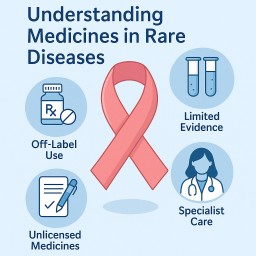
**Understanding Medicines in Rare Forms of Aspergillosis:
A Complete Guide for Patients with CPA, ABPA, SAFS and Aspergillus Bronchitis**
People living with chronic or allergic forms of aspergillosis often face treatments that fall outside the standard medicine licensing system. You may hear terms like off-label, unlicensed, specials medicines, or rare disease. This guide explains these concepts clearly and safely in a way that helps you feel informed and confident in your care.
⭐ 1. What is a rare disease?
In the UK and EU, a rare disease is defined as:
A condition affecting fewer than 1 in 2,000 people
(≈ fewer than ~33,500 people in the UK)
Although each rare disease affects relatively few people, over 7,000 rare diseases exist, so collectively they affect 1 in 17 people.
⭐ 2. Are CPA, ABPA, SAFS and Aspergillus Bronchitis rare diseases?
Here is how the main Aspergillus-related conditions compare to the rare-disease definition.
Chronic Pulmonary Aspergillosis (CPA)
-
~3,600 diagnosed UK patients (under-diagnosis likely, but still rare).
✔ CPA is officially recognised as a rare disease.
Allergic Bronchopulmonary Aspergillosis (ABPA)
-
Occurs in 2.5–5% of all people with asthma.
-
UK estimate: 125,000–250,000 patients.
✘ ABPA is NOT a rare disease (but it is under-recognised).
Severe Asthma with Fungal Sensitisation (SAFS)
-
~8,000 estimated UK cases.
✔ SAFS meets the definition of a rare disease.
Aspergillus Bronchitis
-
Likely <10,000 UK patients.
✔ Aspergillus Bronchitis qualifies as a rare disease.
⭐ Summary Table
| Condition | Approx UK Patients | Rare Disease? |
|---|---|---|
| CPA | ~3,600 | ✔ YES |
| ABPA | 125,000–250,000 | ✘ NO |
| SAFS | ~8,000 | ✔ YES |
| Aspergillus Bronchitis | <10,000 | ✔ YES |
Understanding whether a condition is rare helps explain why some treatments fall outside standard licensing.
⭐ 3. What is “off-label” prescribing?
Every medicine has a licence describing:
-
the condition it treats
-
dose
-
age group
-
how long it can be used
-
route (tablet, injection, inhaler)
Off-label means a doctor uses a licensed medicine in a way not included in the licence.
This can mean:
-
different disease
-
different dose
-
different age group
-
different route
-
different duration
Off-label prescribing is safe, legal, common and essential, especially in rare diseases.
⭐ 4. What is an “unlicensed” medicine?
An unlicensed medicine is one that has no UK licence at all.
Examples:
-
a medicine made specially for one patient (“specials”)
-
a liquid formulation when only tablets are sold
-
imported medicines licensed in another country
-
alternatives for patients with drug allergies
Unlicensed does not mean unsafe — it means the medicine isn’t commercially licensed in the UK.
⭐ 5. Why are off-label and unlicensed medicines common in rare diseases?
Rare diseases like CPA, SAFS and Aspergillus bronchitis:
-
affect small patient numbers
-
often have no licensed treatment
-
rely on specialist expertise and experience
-
require individualised dosing
-
cannot wait for slow or expensive licensing processes
Without off-label and unlicensed medicines, many rare-disease patients would have no treatment options.
This is why specialist centres exist.
⭐ 6. Biologics for ABPA: NOT licensed, but safe and widely used
This is a key point for patients.
❗ No biologic is licensed for ABPA
(as of 2025)
Not licensed for ABPA:
-
Omalizumab (Xolair)
-
Mepolizumab (Nucala)
-
Benralizumab (Fasenra)
-
Dupilumab (Dupixent)
All biologics used in ABPA are therefore off-label.
⭐ Why do specialists use them anyway?
Because evidence is strong that biologics:
-
reduce ABPA flare-ups
-
reduce steroid need
-
improve lung function
-
improve symptoms
-
control eosinophilic/IgE-driven inflammation
-
reduce hospital admissions
ABPA lacks a commercially licensed biologic
→ but specialist evidence supports them strongly.
This is high-quality off-label prescribing.
⭐ 7. How do doctors decide what evidence is “good enough”?
Doctors use several acceptable forms of evidence, including:
✔ Randomised controlled trials
✔ National/international guidelines
✔ NAC / BTS / ECCMID / IDSA specialist protocols
✔ Observational studies and real-world evidence
✔ Case series and case reports
✔ Pharmacological reasoning (mechanisms of disease)
✔ MDT (multidisciplinary team) agreement
✔ Expert clinical experience (important in rare diseases)
All of these count as legitimate evidence.
Rare-disease medicine relies on the best available evidence, not only the “highest-level” evidence.
⭐ 8. Who holds responsibility if something goes wrong?
The prescriber carries responsibility, even for:
-
off-label use
-
unlicensed medicines
-
imported medicines
-
specials items
They must:
-
justify the decision
-
explain risks and benefits
-
obtain consent
-
document
-
monitor
If they follow guidance, they are fully protected by:
-
NHS indemnity
-
GMC standards
-
Trust governance
Patients are not responsible for adverse outcomes.
⭐ 9. Is this risky for the doctor?
Only if done unsafely.
When the doctor:
✔ follows specialist guidelines
✔ explains the situation
✔ documents their reasoning
✔ uses MDT support
✔ monitors closely
…the risk is minimal and fully protected.
In rare diseases, NOT prescribing off-label can be riskier if it denies a patient effective treatment.
⭐ 10. How are patients protected?
Patients with CPA, ABPA, SAFS or Aspergillus bronchitis are protected by:
-
careful MDT assessment
-
specialist supervision
-
decades of centre experience
-
guideline-supported decisions
-
regular reviews and monitoring
-
clear communication and consent
-
NHS governance systems
Your care is safe, structured and evidence-based.
⭐ Final reassurance for Aspergillosis patients
If you have CPA, ABPA, SAFS or Aspergillus bronchitis:
-
You are not receiving “experimental” treatment.
-
Off-label or unlicensed medicines are normal, safe, and essential.
-
Your specialist team carries the responsibility for these decisions.
-
Biologics for ABPA are off-label because licensing is slow — not because they are untested.
-
You are protected by national standards, MDTs, and specialist expertise.
-
Your treatment is based on the best available evidence, even when the condition is rare.
This is expert, modern care designed to give you the best possible outcome.

Understanding Mucous Casts in Allergic Bronchopulmonary Aspergillosis (ABPA)
People living with Allergic Bronchopulmonary Aspergillosis (ABPA) often notice thick, unusual mucus coming up during a flare. Some of this mucus can look very different from “normal” sputum and may be described as mucous casts. This leaflet explains what they are, why they happen, and what they mean for your ABPA.
⭐ What are mucous casts?
A mucous cast is a thick, sticky plug of mucus that forms inside your airways.
It takes on the exact shape of the airway or branch it was sitting in – a bit like a soft mould of the inside of your lungs.
When coughed up, casts may look:
-
long and tube-shaped
-
soft and rubbery
-
curled or C-shaped
-
occasionally branching, like a twig
-
pale yellow/cream with darker specks
These darker flecks can include dead inflammatory cells, airway debris, and sometimes tiny amounts of fungal material trapped inside.
⭐ Why do they happen in ABPA?
ABPA is not an infection, but an allergic over-reaction to the Aspergillus fungus.
This allergic inflammation causes:
1. Excess mucus production
Your airways create far more mucus than usual.
2. Thicker, stickier mucus
Inflammation changes the chemistry of the mucus, making it harder to clear.
3. Swollen, narrowed airways
This makes it easy for mucus to get stuck and form plugs.
4. Trapped material
Casts can contain:
-
fungal spores
-
inflammatory cells
-
dust or other inhaled particles
-
old blood or tissue debris
All of this can glue together into a cast.
⭐ Are mucous casts harmful?
They are not dangerous on their own, but they can cause problems:
-
Airway blockage → breathlessness, wheeze, sudden tightness
-
Chest infections → trapped mucus is an ideal place for bacteria
-
ABPA flare-ups → casts often appear during periods of high inflammation
-
Reduced airflow on CT scans → seen as “bronchial impaction”
Telling your clinical team when you notice casts helps them judge how active your ABPA is.
⭐ What do mucous casts look like in ABPA?
Patients often describe:
-
“noodles”
-
“worms”
-
“rubbery plugs”
-
“little branches”
-
“specks of brown/black” within pale mucus
These appearances are normal in ABPA and do not mean your lungs are permanently worsening.
⭐ How are mucous casts managed?
1. Airway clearance
This is the most important step. Techniques include:
-
huff-coughing
-
active cycle of breathing
-
nebulised saline (hypertonic or isotonic)
-
flutter/PEP devices (Acapella, Aerobika)
-
chest physiotherapy
These help loosen and move mucus from deeper airways.
2. Medication
Depending on your treatment plan:
-
inhalers (bronchodilator + inhaled steroids)
-
biologics (e.g., mepolizumab, dupilumab, omalizumab)
-
antifungal medication if prescribed as part of your ABPA care
-
oral steroids if medically appropriate
Biologics can reduce the inflammation that causes casts, so many patients notice fewer plugs over time.
3. Monitoring
Your team may keep an eye on:
-
sputum samples
-
IgE levels
-
CT scan changes
-
symptom patterns
⭐ When should I tell my team?
Contact your clinical team if you notice:
-
more frequent mucous casts
-
sudden breathlessness or chest tightness
-
a drop in your usual oxygen saturation
-
fever or signs of infection
-
coughing up blood
-
a change in colour or smell of mucus
⭐ Reassurance
Mucous casts are very common in ABPA.
They can look alarming, but they are simply a sign that your airways are inflamed and producing thick mucus.
Coughing them out is helpful, not harmful.
It allows the affected airway to reopen and can rapidly improve breathing.
✅ Further Reading
For more patient-oriented information, you can visit the AFIT website where the term “casts” is discussed in the context of aspergillosis: Aspergillus.org.uk – search “casts”.

🌿 Your Immune System, Biologics, and Steroids: What’s Suppressed — and What Stays Strong
A clear, reassuring guide for people living with ABPA, CPA, asthma, SAFS, or bronchiectasis
Treatments for aspergillosis-related conditions often involve steroids, and more recently, biologics.
Many patients understandably wonder:
-
What do these medicines suppress?
-
Do they affect my ability to fight infection?
-
Why are biologics considered safer than long-term steroids?
-
Which parts of my immune system stay strong?
This guide explains the full picture in simple terms.
🧬 1. Understanding Your Immune System: The Three Layers
Your immune system has three major lines of defence.
⭐ A. Barriers — the first line
These stop pathogens entering in the first place:
-
Skin
-
Mucus in airways
-
Cilia sweeping mucus out
-
Tears, saliva, stomach acid
-
Healthy bacteria (microbiome)
👉 Biologics do NOT affect barriers.
👉 Steroids can weaken skin and airway lining if used long-term.
⭐ B. Innate immunity — fast responders
These act within minutes or hours.
Key cells:
-
Neutrophils → main killers of Aspergillus
-
Macrophages → engulf spores
-
Dendritic cells → show pathogens to T-cells
-
NK cells → kill virus-infected cells
Sensors:
-
Dectin-1 → recognises fungal walls
-
TLRs
-
Complement proteins
👉 Biologics do NOT weaken these.
👉 Steroids weaken several key functions, especially neutrophils and macrophages.
⭐ C. Adaptive immunity — targeted, long-term defence
Slower but specialised.
T-cells:
-
Th1 → fight bacteria/viruses
-
Th17 → major antifungal fighters
-
Th2 → allergic pathways (IgE, eosinophils)
-
Tregs → calm inflammation
B-cells & antibodies:
-
IgG / IgA / IgM → normal infection defence
-
IgE → allergy and ABPA pathway
👉 Biologics only suppress Th2/IgE pathways.
👉 Steroids suppress many T-cell and B-cell functions, not just allergy.
🎯 2. What Biologics Suppress (Targeted & Selective)
Biologics used in ABPA and difficult asthma (omalizumab, mepolizumab, benralizumab, dupilumab, tezepelumab) only turn down allergic inflammation, not infection-fighting immunity.
🔻 A. They suppress:
-
IgE
-
Eosinophils
-
IL-4 / IL-5 / IL-13
-
Type-2 allergic inflammation
-
Mucus hypersecretion (IL-13)
-
TSLP airway alarm signalling
🛡️ B. They do NOT suppress:
-
Neutrophils
-
Macrophages
-
Th1 immunity
-
Th17 antifungal pathways
-
T-cell killing function
-
Antibiotic/cell-mediated defences
-
Complement
-
Dectin-1 fungal recognition
This is why biologics do NOT increase fungal infection risk.
🔥 3. What Oral Steroids Suppress (Broad & Non-Specific)
Oral steroids like prednisolone reduce inflammation everywhere — including places you need for infection defence.
❌ A. They suppress key immune cells
-
Neutrophils → move slower, kill less effectively
-
Macrophages → reduced pathogen killing
-
T-cells → weaker antiviral/antifungal defence
-
B-cells → reduced antibody production
❌ B. They suppress important cytokines
-
IL-1, IL-2, IL-6
-
TNF-α
-
Interferons
-
IL-12, IL-23 (Th1/Th17 pathways)
These are essential for fighting viruses, bacteria, and fungi.
❌ C. They weaken antigen presentation
Dendritic cells and macrophages become less effective at “showing” pathogens to T-cells.
❌ D. They weaken barriers
-
Thinner skin
-
Thinner airway lining
-
Slower wound healing
This increases infection risk.
❌ E. They reduce eosinophils and IgE (similar to biologics)
But they do this alongside suppressing many healthy parts of your immune system.
🛡️ 4. What Remains Intact on Each Treatment
✔ On biologics (strongest preserved immunity):
-
Neutrophil antifungal killing
-
Macrophage function
-
Th1 & Th17 immunity
-
Antibodies (IgG, IgA, IgM)
-
Complement
-
Mucus & cilia defences
-
NK cell antiviral defence
-
Fever & inflammation responses
⚠️ On steroids (weaker preserved immunity):
-
Complement
-
Some antibody production
-
Basic barrier function (though thinner)
Many infection-fighting cells work less effectively.
🫁 5. Why Biologics Are Safer Long-Term for ABPA/SAFS
Because biologics:
-
target only a tiny portion of immunity
-
do not increase fungal growth
-
do not raise infection risk
-
reduce inflammation without broad suppression
-
help avoid long-term steroid complications
Steroids:
-
increase infection risk
-
can worsen fungal colonisation
-
damage lung structure over time
-
cause weight gain, bone thinning, adrenal issues
-
must be used short-term only when essential
🌈 6. Summary Table
| Immune Feature | Biologics | Steroids |
|---|---|---|
| IgE suppression | ✔ | ✔ |
| Eosinophil suppression | ✔ | ✔ |
| Neutrophils | Unaffected | Suppressed |
| Macrophages | Unaffected | Suppressed |
| Th1/Th17 antifungal pathways | Unaffected | Suppressed |
| Viral defence | Unaffected | Suppressed |
| Barrier integrity | Unaffected | Weakened |
| Infection risk | No increase | Increased |
| Long-term safety | High | Low |
🌟 7. One-Sentence Takeaway
Biologics turn down the allergic part of immunity (IgE, IL-4, IL-5, IL-13, eosinophils), while steroids suppress many of the infection-fighting parts as well — which is why biologics are much safer long-term.

❤️ Thinking About Donating Blood After Aspergillosis or Lung Treatment?
A supportive message for people living with ABPA, CPA, SAFS, and related lung conditions
When you live with aspergillosis or a long-term lung condition, you know what it means to go through difficult treatments, long recoveries, and moments of uncertainty.
So when someone says, “Once I’m well, I’d like to donate blood to help others,” it is an incredibly generous and hopeful act.
Many people in our community wonder whether blood donation is possible after lung surgery, long-term inhalers, antifungals, or biologics. The reassuring answer is:
👉 Yes — some aspergillosis patients can donate blood once fully recovered, but it depends on individual treatments and health status.
And even if you can’t donate, the spirit behind the idea is powerful and meaningful.
🌱 1. Recovery comes first — your health is the priority
Whether you’ve had:
-
ABPA flare-ups
-
CPA treatment
-
bronchoscopy
-
long-term antifungals
-
biologics
-
a lobectomy or wedge resection
…the NHS will want you to be:
-
fully healed
-
breathing comfortably
-
stable in your lung condition
-
free from infection
-
strong enough to safely donate
For major surgery like a lobectomy, this often means several months of recovery before you can even be reviewed for donation.
This protects your health, not just the receiver’s.
💊 2. Medications commonly used for aspergillosis can affect eligibility
NHS Blood and Transplant will look closely at what you’re taking.
Here’s a simple guide:
Often NOT permitted
-
Biologics (e.g., mepolizumab, benralizumab, dupilumab)
-
Long-term immunosuppressants
-
Regular systemic steroids
May require a delay after stopping
-
Itraconazole / voriconazole / posaconazole
-
Recent antibiotic courses
-
Short steroid bursts
Usually fine
-
Inhalers
-
Nebulised saline
-
Montelukast
-
Airway clearance treatments
-
Most pain medicines
Every case is assessed individually — there is no automatic “yes” or “no” for all aspergillosis patients.
🫁 3. Your lung condition does not automatically exclude you
Having ABPA, CPA, bronchiectasis, or SAFS does not automatically prevent blood donation.
What matters is:
-
your condition is stable
-
your oxygen levels are good
-
you are not prone to sudden flare-ups
-
you feel well and strong
Many people with asthma or mild-to-moderate bronchiectasis still donate safely.
🩸 4. Your blood type is always valuable
Whether you’re a universal donor type (O-negative) or any other type, your blood can help save lives.
Even wanting to donate is something to be proud of — especially after everything you’ve been through.
🌟 5. The intention to donate speaks volumes about your strength
People living with aspergillosis know:
-
what it means to struggle for breath
-
how it feels to wait for test results
-
the exhaustion of flare-ups
-
the courage needed for surgery
-
the patience required for long-term treatment
So when someone in this community says:
“If I recover well, I want to donate blood to help someone else.”
…it’s a truly inspiring message of recovery and generosity.
🌈 6. Even if you can’t donate — your kindness still matters
Because of medications or long-term conditions, some people with aspergillosis will be told they can’t donate blood. This is completely normal.
You can still help others by:
-
encouraging friends or family to donate
-
sharing your story to raise awareness
-
supporting patient groups, campaigns, and research
-
simply being there for someone newly diagnosed
Your contribution to the world is not measured by a needle — it’s measured by your compassion.
❤️ Takeaway message
If you want to donate blood after aspergillosis treatment or lung surgery, that’s a beautiful intention. When you’re fully recovered, the NHS can review your health and medications. Whether you can donate or not, the willingness to help others already makes a real difference.

🌿 ABPA: Infection, Allergy, Biologics, and What It All Means for You
A calm, supportive guide for patients living with Allergic Bronchopulmonary Aspergillosis (ABPA)
Allergic Bronchopulmonary Aspergillosis (ABPA) can be confusing.
Some people hear “fungus” and think it is a dangerous infection.
Others hear “allergy” and think it has nothing to do with fungi at all.
The truth is somewhere in the middle — and understanding this can make your treatment feel much clearer and less frightening.
This article explains:
-
Whether ABPA is an infection, an allergy, or both
-
How the fungus Aspergillus fumigatus fits into the picture
-
Why biologics help — and whether they allow the fungus to grow
-
Why your future with ABPA is more hopeful than ever
🌼 1. Is ABPA an infection or an allergic over-reaction?
The simplest explanation is:
ABPA happens when Aspergillus lives in mucus in the airways, and the immune system overreacts. It’s driven by allergy, not by fungal invasion.
In ABPA:
-
Aspergillus fumigatus sits in mucus, especially in asthma, bronchiectasis or cystic fibrosis
-
It does not invade or damage lung tissue
-
The immune system becomes over-sensitised and reacts too strongly
This allergic reaction triggers:
-
Very high IgE
-
High eosinophils
-
Swelling, tightness, wheeze
-
Thick “stringy” mucus or plugs
-
Repeated flare-ups that feel like chest infections
The inflammation — not the fungus — is what damages the lungs over time.
🌻 2. If it’s not a typical infection, why treat the fungus?
Even though ABPA is allergic, reducing fungal load can still help.
Here’s why:
-
Less fungus in mucus → less allergen
-
Less allergen → less immune reaction
-
Less reaction → fewer flare-ups, better breathing
This is why some people take antifungals.
But antifungals are not always necessary, especially today with the arrival of biologics.
🌈 3. Do biologics weaken the immune system and let the fungus grow?
No.
This is a very common worry — but the biologics used for ABPA do not suppress the parts of the immune system that keep you safe from fungi.
Biologics such as:
-
Omalizumab (anti-IgE)
-
Mepolizumab / Benralizumab (anti-IL-5)
-
Dupilumab (anti-IL-4/IL-13)
-
Tezepelumab (anti-TSLP)
target overactive allergic pathways, not antifungal defences.
They do not affect:
-
Neutrophils
-
Macrophages
-
Dectin-1
-
TLR antifungal pathways
-
Complement
These are the real fungus-clearing systems — and biologics leave them intact.
🍃 4. Do biologics actually help clear fungus? Surprisingly, sometimes yes.
Many patients on biologics show:
-
Fewer mucus plugs
-
Better airflow
-
Fewer positive sputum cultures
-
Reduced symptoms
-
Lower exacerbation rates
-
Less need for steroids or antifungals
When mucus plugs shrink, fungus loses its hiding place.
Your natural defences can finally clear it.
So biologics do not encourage growth — they may even help reduce fungal load.
🌺 5. Why are outcomes improving so much?
ABPA used to be a condition dominated by:
-
frequent flare-ups
-
repeated steroids
-
fear of lung damage
-
long periods of being unwell
Today, with biologics:
-
far fewer flare-ups
-
easier breathing
-
more stable lung function
-
much less steroid use
-
better quality of life
-
higher confidence and control
For many patients, biologics are transforming ABPA from a cycle of crises into a more manageable long-term condition.
🌼 6. Key reassurance
If you remember only one sentence, let it be this:
Biologics calm the allergic response that causes ABPA, without weakening your natural ability to clear fungus — and many patients do better than ever on them.
🌟 7. Moving forward with confidence
ABPA is complex, but it is treatable, manageable, and increasingly well-understood.
You are not dealing with a dangerous lung infection — you are dealing with an over-active immune response that modern treatments can control.
With the right support, airway clearance, the best inhalers, and (where needed) biologics or antifungals, most people:
-
stabilise
-
breathe more easily
-
reduce flare-ups
-
protect their lungs
-
live full, active lives
You’re not alone — and the future for ABPA care has never looked brighter.

⭐ How to Avoid Being Fooled by Misleading Products, Private Tests and Health Claims
A practical, evidence-based guide for people living with aspergillosis, asthma, bronchiectasis and COPD
People with long-term lung conditions are often targeted by persuasive marketing, “health influencers”, alternative practitioners, and private test companies.
These services frequently exploit fear, frustration, and the very understandable desire for answers.
This expanded guide explains why certain products look scientific, why most are biologically impossible, and how you can protect yourself from being misled or spending money on things that cannot help your condition.
This is about empowerment — never about blaming patients.
🧩 1. Why misleading products look convincing
Companies deliberately use wording and imagery that trigger trust:
-
lab coats
-
microscopes
-
graphs and biological diagrams
-
words like “antifungal”, “immune”, “toxins”, “wellness”, “clinical strength”
These features make a product appear evidence-based — but appearance is not evidence.
Many claims contain a grain of truth, e.g.:
-
“Tea tree oil kills fungus in the lab”
-
“Silver has antimicrobial properties”
-
“This herbal extract reduces inflammation in laboratory tests”
But the missing information is the critical part:
⭐ The lab conditions have nothing to do with the human body.
To “kill fungus in a dish”, companies use concentrations that:
-
would be toxic in humans
-
cannot reach the lung tissue
-
would be broken down in the gut or bloodstream
-
do not survive into the airways
Companies rely on the fact that most customers don’t know this.
🧬 2. “Plausibility comes before testing” — the rule companies hope you don’t know
Scientists follow a simple chain:
1️⃣ Is it plausible?
Can the substance reach the lung?
Does the pathway make sense?
2️⃣ If yes — test it.
If not — don’t.
Products sold online almost always fail at Step 1.
Examples:
Turmeric supplements
Even at huge oral doses, only a tiny amount enters the bloodstream — nowhere near the lung in meaningful levels.
Oregano oil
Kills fungi on metal plates in labs — but the amount needed inside the lung would be toxic.
Silver products
Irritate the lungs and accumulate in tissues — highly implausible as therapy.
Essential oils
Break down long before reaching the airways in meaningful amounts.
Herbal antifungals
Often metabolised by the gut and liver — never reach airways at therapeutic levels.
This is why clinical trials don’t happen —
not because no one has tried,
but because there’s no scientific reason to bother.
🛍️ 3. How companies use “allowed” claims to sound medical
Because these products are not classed as medicines, they must not claim to “treat disease”.
So companies use vague, legally safe wording:
-
“Supports immunity”
-
“Maintains wellness”
-
“Promotes respiratory health”
-
“Contains antifungal botanicals”
-
“Helps with mould exposure”
-
“Advanced detox science”
All of these sound medical but say nothing measurable.
Example:
A supplement cannot say:
-
“Improves aspergillosis symptoms”
But it can say:
-
“Supports healthy immune response”
This tricks the viewer into mentally connecting the dots without the company making any illegal claims.
🧊 4. Air filters — the rare partial exception
Air purifiers can help some people, because they reduce:
-
dust
-
pollen
-
irritants
-
pet dander
-
airborne particulate matter
These changes may ease coughing or wheezing in sensitive people.
BUT…
most devices sold online are far too weak.
A purifier needs:
-
True HEPA H13 filter (not “HEPA-type”)
-
CADR 250–350+ for most rooms
-
Strong fan to turn over room air 4–5 times per hour
Without these, a purifier is just an expensive fan.
What they cannot do:
-
cure aspergillosis
-
remove Aspergillus from the lungs
-
prevent exposure
-
substitute for ventilation
-
fix damp or mould in walls
They improve comfort, not disease.
👩⚕️ 5. Why alternative practitioners are so persuasive
Alternative practitioners often:
-
speak with confidence
-
promise personalised care
-
provide long consultations
-
listen sympathetically
-
use scientific-sounding language
-
offer simple explanations for complex symptoms
Their tests and treatments look legitimate, but the problems include:
❌ No training in lung disease
❌ Misunderstanding of immunology
❌ Misuse of lab dish studies
❌ Incorrect interpretation of “toxins”
❌ Selling supplements with no evidence
❌ Recommending dangerous inhaled substances (e.g., oils, peroxide)
❌ Relying on anecdotes, not data
Even well-meaning practitioners can unintentionally cause:
-
lung irritation
-
drug interactions
-
adrenal effects
-
delays in proper NHS treatment
-
unnecessary fear
🧪 6. Private test companies — why their results look real but mean nothing
Common private tests include:
-
mycotoxin urine tests
-
“mould illness panels”
-
detox pathway testing
-
food IgG tests
-
fungal metabolite tests
-
heavy metal hair analysis
-
“immune balance” panels
-
testosterone finger-prick kits
These results are presented with:
-
charts
-
colour-coded ranges
-
expert-sounding commentary
But the key issue is:
⭐ The reference ranges are invented by the company.
Often “high” simply means:
-
“higher than the average of people who bought this test”
Not:
-
higher than healthy people
-
higher than unwell people
-
linked to disease
GPs and consultants cannot act on these results because they are not medically interpretable.
👨⚕️ 7. Testosterone tests — a perfect illustration of misleading health screening
Companies advertise:
-
“Tired? Low mood? Low motivation?”
-
“Check your testosterone at home”
-
“Feel younger again”
They use US-style messaging that implies easy treatment.
But in the UK, testosterone treatment requires:
-
symptoms consistent with hypogonadism
-
two morning venous blood tests
-
validated hospital labs
-
endocrine specialist interpretation
-
ruling out multiple other causes
- testosterone levels fall slowly as part of ageing - it is normal
Finger-prick tests do not meet NHS criteria,
so patients end up:
-
anxious
-
misinformed
-
sold supplements
-
not eligible for NHS treatment
This perfectly mirrors the broader pattern of private testing.
🔍 8. The “curiosity gap”: why people buy tests that GPs won’t order
Patients understandably feel:
-
frustrated
-
curious
-
confused
-
not listened to
-
desperate for answers
When a GP says “That test won’t help,” it can feel like:
-
rejection
-
dismissal
-
obstruction
But the reality is:
⭐ GPs are following evidence-based pathways to protect you.
Most private tests:
-
do not answer a clinical question
-
have false positives
-
trigger unnecessary follow-up scans
-
cause anxiety
-
cannot be interpreted
-
do not influence treatment
Private companies exploit:
-
curiosity
-
frustration
-
the desire for answers
-
the emotional gap left by long waits or unexplained symptoms
But a meaningless test result is worse than no test at all.
🧾 9. Real-world examples: 15 common traps to avoid
1. Mould settle plates
All rooms grow mould on plates — totally meaningless for health.
2. IgG food sensitivity tests
Measure normal immune exposure, not allergies.
3. Finger-prick vitamin tests
Often inaccurate and label normal levels as “borderline”.
4. Lung detox drinks
Nothing you drink detoxes the lungs.
5. Hydrogen peroxide / silver nebulisers
Dangerous. Irritate lungs. Risk chemical burns and pneumonitis.
6. Essential oil diffusers marketed as “antifungal”
Irritate airways; no delivery to lung tissue.
7. Mycotoxin detox programmes
Based on non-diagnoses; push expensive supplements.
8. Immune-boosting products
No supplement boosts immunity in a useful way for aspergillosis.
9. “Black mould blood tests”
No such test exists; ranges are invented.
10. Ozone machines and air ionisers
Harmful to lungs; zero evidence.
11. Anti-mould paint additives
Mask damp; do not impact indoor fungal counts long term.
12. Red-light therapy devices
Cannot penetrate tissue; no lung benefit.
13. Detox foot patches
Turn brown from sweat; total scam.
14. Anti-mould laundry boosters
Irrelevant to aspergillus exposure.
15. Humidifiers sold for “lung support”
Raise humidity → increase mould risk.
🛡️ 10. The Anti-Fooling Checklist
Before you buy anything, ask:
✔ Has this been tested in people with aspergillosis?
✔ Can it physically reach the lungs?
✔ Does NHS medicine recognise or use it?
✔ Are the claims vague? (“supports immunity”)
✔ Are the reference ranges medically valid?
✔ Would my consultant recommend this?
✔ Is this a simple answer to a complex condition?
If any answer is no, it’s a red flag.
⭐ 11. Golden rule
If a treatment or test genuinely helped aspergillosis, your consultant would already be using it —
not influencers, Amazon sellers, or unregulated US labs.
🌟 12. Final message: It’s not foolishness — it’s human
You are not being “tricked” because you’re naïve.
These products are engineered to be emotionally irresistible.
People with chronic illness are targeted because they are thoughtful, curious, and trying hard to get better.
If you are ever unsure about a product or test:
-
ask NAC/CARES
-
ask your specialist
-
or bring it to your next appointment
You deserve real answers — not false hope.

⭐ Recent Aspergillosis Research & Guideline Updates (Week 47)
Several important new papers on aspergillosis, diagnosis, and antifungal therapy were published this week. These include updated UK guidance, new antifungal drug targets, and insights into diagnosing invasive disease in ICU settings.
1. British Society for Medical Mycology (BSMM) Best Practice Guidance
First author: Dr Rebecca Gorton
Institution: British Society for Medical Mycology (UK)
Published: Nov 2025
Focus: Diagnosis + antifungal stewardship + clinical scenarios
Summary
This newly updated best-practice article explains how clinicians should:
-
combine CT scans, IgG/IgE, PCR, and galactomannan
-
choose antifungals appropriately
-
avoid misdiagnosis
-
apply practical recommendations to real-world cases
It is one of the most up-to-date UK-relevant guidance documents.
Why this matters for patients
Better diagnosis → faster correct treatment → fewer unnecessary antifungals.
2. Diagnostic Algorithms for Invasive Aspergillosis in ICU Patients
First author: Dr Anne-Sophie Hartmann
Institution: University Hospital Freiburg, Germany
Published: Jun 2025
Focus: ICU diagnosis & emerging risk groups
Summary
This study shows that invasive aspergillosis is increasingly found in ICU patients, including those who do not have classic risk factors.
It tests new diagnostic “pathways” combining imaging and multiple laboratory markers.
Why this matters for patients
Improves early recognition of life-threatening fungal infections in critical illness.
3. Advances in Antifungal Drug Discovery (FK1 and new targets)
First author: Dr Jonathan Miles
Institution: University of Cambridge, UK
Published: Aug 2025
Focus: New drug targets & antifungal discovery
Summary
This review outlines progress in antifungal development, including:
-
Fungal Kinase 1 (FK1) as a new therapeutic target
-
new chemical classes
-
failings of older antifungals
-
the need for next-generation medicines
Why this matters for patients
Future antifungals may be more effective, safer, and active against resistant Aspergillus.
4. British Thoracic Society (BTS) Clinical Statement on Aspergillus Lung Disease
Lead author (Chair): Dr Elizabeth Sapey
Institution: University of Birmingham / British Thoracic Society
Published: May 2025
Focus: Chronic Aspergillus disease (CPA, ABPA, SAFS, Aspergillus bronchitis)
Summary
This statement sets out national guidance to improve diagnosis and management of chronic Aspergillus-related lung disease.
It supports earlier testing, consistent management, and clearer referral pathways.
Why this matters for patients
-
Better recognition of CPA and ABPA
-
Fairer access to specialist care
-
More consistent treatment across the UK
5. New Antifungal Drug Classes in Development (Rezafungin, Ibrexafungerp, Olorofim)
First author: Prof David Denning
Institution: University of Manchester / NAC
Published: Sep 2025
Focus: Emerging antifungal drugs
Summary
This review discusses the latest antifungal medicines in the pipeline:
-
Rezafungin – long-acting IV drug
-
Ibrexafungerp – new oral class
-
Olorofim – strong activity against resistant Aspergillus
It explains mechanisms of action, clinical trial progress, and potential future roles.
Why this matters for patients
New drugs are on the way to treat resistant and difficult Aspergillus infections.
📘 Summary Table (with authors & institutions)
| Title/Topic | Date | First Author | Institution | Key Focus |
|---|---|---|---|---|
| BSMM Best Practice | Nov 2025 | Dr Rebecca Gorton | British Society for Medical Mycology (UK) | Diagnosis & stewardship |
| ICU Diagnostic Algorithms | Jun 2025 | Dr Anne-Sophie Hartmann | University Hospital Freiburg, Germany | ICU diagnosis |
| New Antifungal Drug Targets (FK1) | Aug 2025 | Dr Jonathan Miles | University of Cambridge | Drug discovery |
| BTS Clinical Statement | May 2025 | Dr Elizabeth Sapey | University of Birmingham / BTS | Chronic Aspergillus disease |
| New Antifungal Classes (Rezafungin/Olorofim) | Sep 2025 | Prof David Denning | University of Manchester / NAC | New drug development |
💬 Overall Takeaway for Patients
Recent publications show strong progress:
-
Diagnosis is improving, especially in ICU and chronic disease clinics.
-
New antifungals are progressing, including drugs designed specifically to address resistance.
-
UK-specific guidance is strengthening, helping ensure more consistent, high-quality treatment for ABPA, CPA, SAFS, and Aspergillus bronchitis.
This is a period of rapid advancement in aspergillosis care, and the findings highlighted here directly support better outcomes for patients.