Reviewed: 23 July 2026
When health declines gradually, there may be no single moment when life changes. Instead, things are lost one by one: energy, independence, confidence, work, hobbies, relationships or the freedom to make plans without first consulting the body.
People living with chronic illness sometimes describe reaching a point where they wonder:
“Am I still living—or am I just existing?”
It is a difficult question, but not an unusual or shameful one. It does not necessarily mean that someone has given up. It may mean they are exhausted, grieving for the life they expected to have, or struggling to find meaning within circumstances they did not choose.
Chronic illness can involve real grief
We usually associate grief with bereavement, but people can also grieve for parts of their own life that have been lost.
This might include:
- the person they were before becoming unwell;
- work or responsibilities that gave them purpose;
- physical abilities and independence;
- spontaneity and freedom;
- roles within the family;
- plans for retirement, travel or relationships;
- the expectation that treatment would restore their previous health.
These are genuine losses. They may not be visible to other people and there may be no ceremony or recognised period of mourning. The person is often expected to adapt and continue while the losses are still happening.
This is one reason gradual decline can be so emotionally difficult: each new change may bring back grief that seemed to have been settled.
Adjustment is not a straight line
Coming to terms with chronic illness is sometimes described as if it were a destination. Once we have “accepted” the illness, we are expected to remain calm and positive about it.
Real adjustment rarely works that way.
A person may feel accepting one week and angry the next. They may manage well until an infection, scan result or cancelled outing reveals another limitation. A good day may create hope; a setback may revive fear and sadness.
This movement between coping and struggling does not mean that adjustment has failed. It is often part of adapting to a situation that continues to change.
Acceptance does not mean liking what has happened
The word acceptance can sound passive. People may hear it as:
- stop fighting;
- expect less;
- do not complain;
- be grateful things are not worse.
But acceptance does not require approval, optimism or surrender.
It can simply mean recognising what is true at this moment, so that limited energy is not spent constantly fighting the fact that life has changed. It may allow someone to ask a more useful question:
“Given where I am now, what would make life more bearable, meaningful or enjoyable?”
Acceptance can exist alongside treatment, rehabilitation, advocacy and hope. A person can acknowledge present limitations while still asking whether symptoms could be better controlled or whether more support is available.
Quality of life is personal
From the outside, people often judge quality of life by visible activity: going out, travelling, working or managing without help.
But quality of life cannot be measured only by how much a person can do.
For one person, independence may matter most. For another, it may be relationships, comfort, creativity, faith, learning, nature, humour or remaining involved in family life. Someone whose physical world has become smaller may still experience closeness, curiosity, pleasure and purpose.
Equally, we should not romanticise severe illness. Pain, breathlessness, fatigue, isolation and dependence can genuinely make life very difficult. Telling someone to “focus on the positives” may leave them feeling even less understood.
Both things can be true: life may contain profound loss, and some parts of it may still be worth protecting.
When every day is organised around illness
Life can begin to feel like existing when most of the day is consumed by:
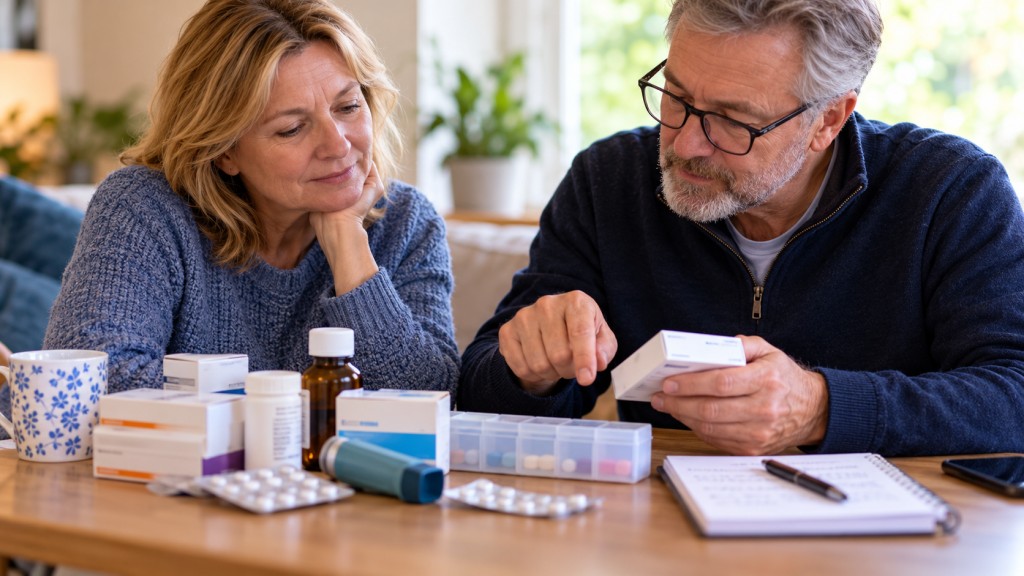
- taking medicines and completing treatments;
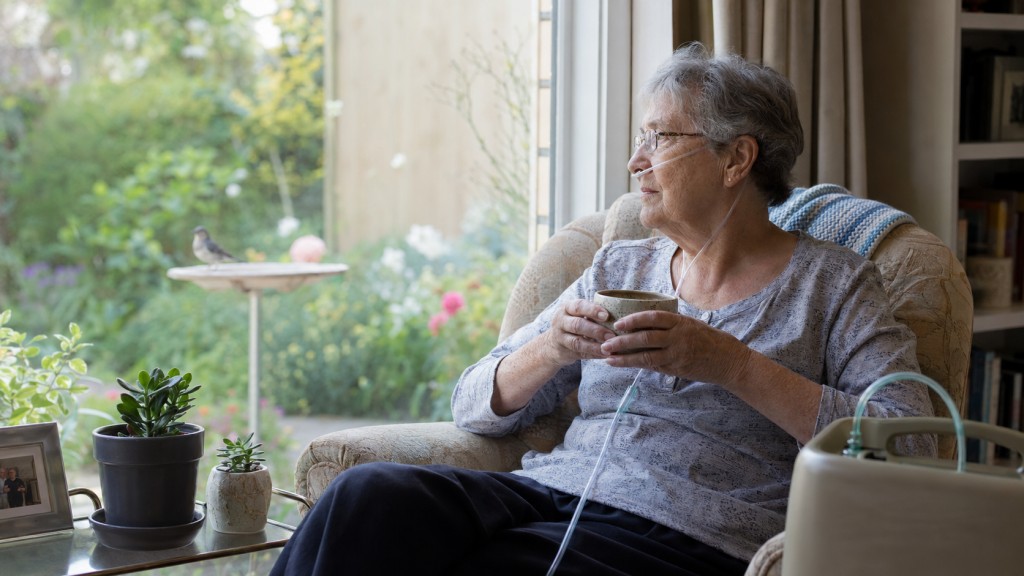
- clearing mucus or managing oxygen;
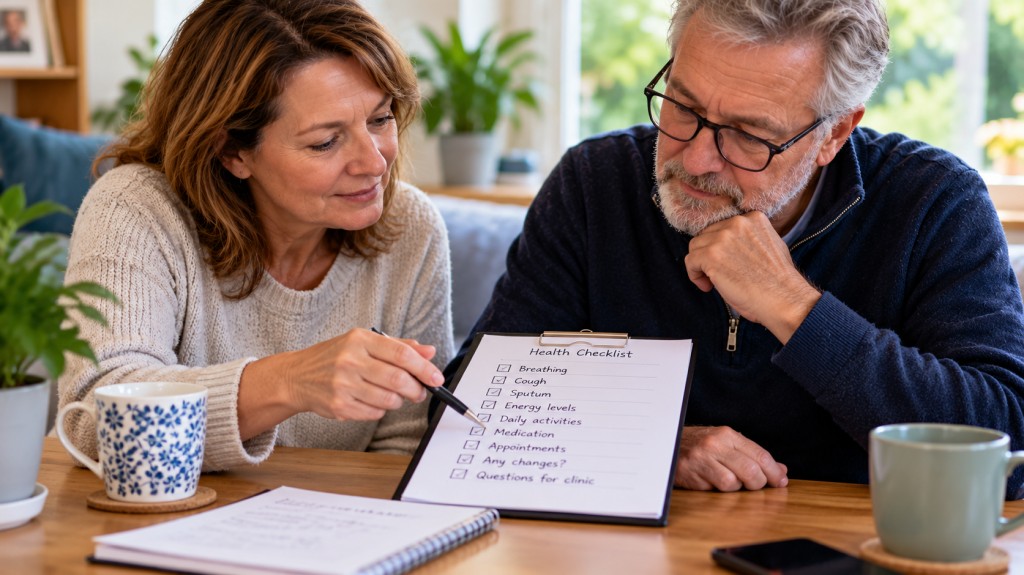
- attending appointments and chasing results;
- recovering from ordinary activities;
- watching for signs of another infection;
- trying to obtain care, benefits or practical support.
These tasks may be necessary, but they can allow the role of “patient” to take over almost every other identity.
It may help to ask whether treatment routines can be simplified or arranged differently. A pharmacist, respiratory physiotherapist, specialist nurse, GP or hospital clinician may be able to review the burden of treatment as well as its medical purpose.
The question is not only “Is each treatment justified?” but also “What is the combined effect of all this treatment on the person’s life?”
Creating room for something that is not illness
When energy is very limited, advice to “take up a hobby” can feel unrealistic or dismissive. The aim is not to fill every day with activity. It is to preserve some experience of choice, identity or connection.
That might be something very small:
- choosing when and where to rest;
- listening to music or an audiobook;
- sitting outside or noticing a changing season;
- having one conversation that is not about illness;
- helping another person with knowledge or encouragement;
- following a subject that still creates curiosity;
- altering an activity so it remains possible in a different form.
Small does not mean meaningless. When illness has removed many choices, even modest acts of agency can matter.
It may be the environment—not the person—that needs to change
People are sometimes encouraged to adjust psychologically when practical changes could improve their lives.
Before concluding that someone must simply accept a restricted existence, it is worth asking:
- Are pain, breathlessness, coughing, fatigue and sleep being treated as well as possible?
- Could pulmonary rehabilitation, physiotherapy or occupational therapy help?
- Is anxiety making breathlessness or activity more difficult?
- Would mobility equipment, home adaptations or social care increase independence?
- Is the treatment schedule unnecessarily burdensome?
- Is loneliness contributing to the loss of meaning?
- Could financial, employment or benefits advice relieve some pressure?
- Has the person’s own definition of a worthwhile life been discussed?
Loss of quality of life should not automatically be treated as an inevitable consequence of disease. Sometimes there are neglected symptoms or unmet needs that can be addressed.
Sadness is understandable—but depression deserves help
Sadness, anger and grief can be natural responses to declining health. They are not automatically signs of mental illness.
However, chronic physical illness can increase the risk of depression. It can be difficult to recognise because fatigue, poor sleep and reduced activity may also result from the physical condition.
Signs that additional help may be needed include:
- persistent low mood or hopelessness;
- losing interest or pleasure in nearly everything;
- feeling worthless, guilty or like a burden;
- withdrawing from other people more than usual;
- being unable to imagine anything improving;
- thinking that life is not worth living;
- thinking about death, self-harm or suicide.
These feelings should not be dismissed as an inevitable part of chronic illness. A GP or another trusted member of the healthcare team can help distinguish understandable distress from depression and discuss appropriate support.
Asking “what matters to you?”
Healthcare conversations often focus on test results, medicines and what is clinically possible. These are important, but they do not tell the whole story.
A different conversation begins with questions such as:
- What matters most to you now?
- What part of your life are you most afraid of losing?
- Which symptoms or restrictions are hardest to live with?
- What would make an ordinary day feel better?
- What are you continuing treatment for?
- Which burdens of treatment are becoming too great?
- Who do you want involved in decisions about your care?
The answers may change over time. That is why discussions about quality of life should not happen only once or only when someone becomes extremely unwell.
Could supportive or palliative care help?
Palliative care is often misunderstood as care provided only during the final days of life. Its broader purpose is to improve quality of life when someone is living with a serious or progressive illness.
It can include support with physical symptoms such as pain and breathlessness, as well as emotional, social and spiritual concerns. In appropriate circumstances, it can be provided alongside active treatment rather than replacing it.
Not everyone with chronic illness needs specialist palliative care. However, when symptoms remain severe, treatment is becoming burdensome or quality of life has deteriorated substantially, it may be reasonable to ask the healthcare team what supportive services are available.
This is not giving up. It is asking the health service to pay attention not only to how long someone lives, but also to how they are living.
A worthwhile life may look different from the life we planned
There is no simple answer to the question “When is life just existing?” Only the person living that life can describe what it feels like from within.
But the question should invite conversation, not silence.
It may reveal uncontrolled symptoms, depression, loneliness, exhaustion, loss of identity or a need for different priorities in care. It may also help someone identify small but important parts of life that remain their own.
Coming to terms with declining health does not mean pretending that everything is acceptable. It means making room for grief while continuing to ask what might still be changed, supported or protected.
A meaningful life after illness may not look like the life once imagined. It can be smaller in some ways and still contain connection, dignity, choice and moments that matter.
If life no longer feels worth living
If you are thinking about harming yourself, feel unable to keep yourself safe or believe there is an immediate danger, seek urgent help now through emergency services or the nearest emergency department.
If there is no immediate danger but life regularly feels pointless or unbearable, tell someone. This could be your GP, another healthcare professional or a trusted person in your life. You do not have to wait until you are in crisis before asking for help.
Further information
- NICE: Depression and long-term physical health problems
- NHS: What palliative and end-of-life care involve
- NHS England: Palliative and end-of-life care
This information is intended to support, not replace, discussions with your healthcare team.

Did this page help you?
Tell us in one minute