


Pelvic health, chronic cough and aspergillosis
Living with aspergillosis can mean dealing with a persistent cough, breathlessness, repeated airway-clearance exercises and treatment side effects. These can sometimes affect bladder or bowel health, but many people feel embarrassed to mention it.
You do not need to put up with bladder or bowel problems. They are common, can affect people of any sex, and help is available.
Chronic cough and stress urinary incontinence
Stress urinary incontinence means leaking urine when pressure builds up in the abdomen—for example when coughing, laughing, sneezing, lifting or exercising. A chronic cough can place repeated strain on the pelvic floor muscles, which help support the bladder and bowel.
This can be especially frustrating when you are doing airway-clearance physiotherapy or lung function testing. It may lead people to avoid activity, social situations or drinking enough fluid. Please mention it to your GP, respiratory team or physiotherapist: it is a health issue, not something to feel ashamed of.
Getting the right support
A GP can assess possible causes, review medicines and refer you to continence services or a pelvic-health physiotherapist where appropriate. A pelvic-health physiotherapist can assess how your pelvic floor is working and provide an individual plan. Pelvic-floor exercises are not always one-size-fits-all, so it is best to seek advice before relying on exercises found online.
Keeping a short bladder or bowel diary before an appointment can be useful. Note when symptoms happen, what you were doing, drinks or medicines that may be relevant, and any leakage, urgency, constipation or diarrhoea.
Bowel health
Constipation, diarrhoea, urgency and wind can affect quality of life and may be related to medicines, diet, infection, stress or another health condition. Repeated straining can also put pressure on the pelvic floor.
If bowel symptoms are persistent, recurrent or affecting daily life, discuss them with your GP or pharmacist rather than trying to manage them alone. They can check for possible causes and advise on the safest treatment for you.
When to seek prompt medical advice
Contact your GP promptly if you notice:
- blood in your urine or stools, or black stools
- a persistent change in bowel habit
- unexplained weight loss, marked tiredness or loss of appetite
- new severe abdominal or pelvic pain
- difficulty passing urine, inability to empty your bladder, or recurrent urinary infections.
Seek urgent help for severe abdominal pain, heavy bleeding, or if you are unable to pass urine.
Further information
- NHS: urinary incontinence
- Bladder & Bowel UK
- Pelvic, Obstetric and Gynaecological Physiotherapy (POGP)
Key message
Bladder and bowel symptoms can be difficult to talk about, but they are not an inevitable part of living with a long-term lung condition. Asking for help can make airway clearance, activity and everyday life more manageable.
This page provides general information and does not replace advice from your own clinical team.

Respiratory Infections and Aspergillosis: Reducing Your Risk and Knowing When to Seek Help
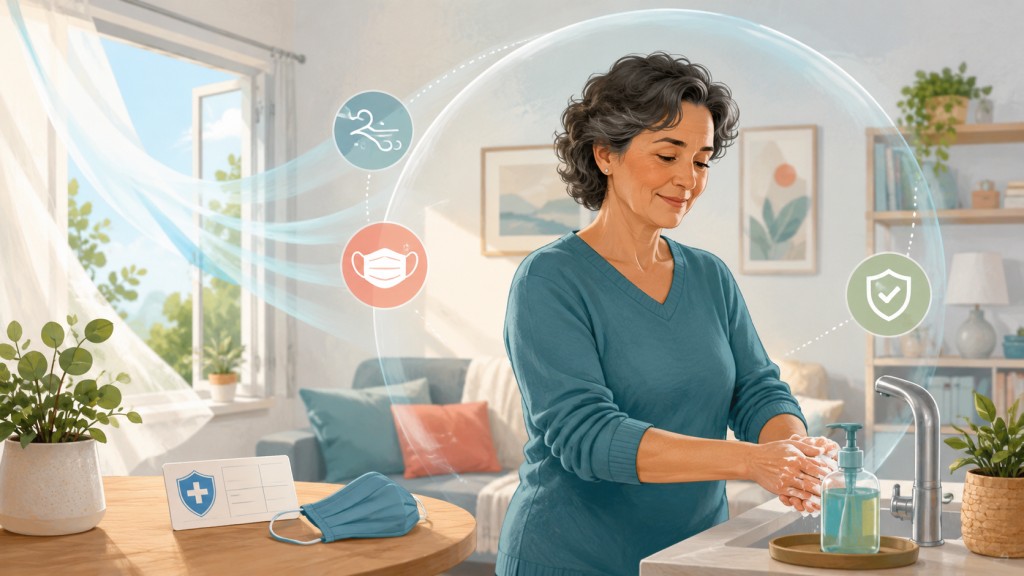
Respiratory infections are difficult to avoid completely, but a combination of vaccination, cleaner air, good hygiene and early action can reduce both your risk of infection and the chance of becoming seriously unwell.
For people living with aspergillosis, ABPA, bronchiectasis, asthma or another chronic lung condition, an ordinary cold or viral infection can sometimes cause a significant worsening of respiratory symptoms. This guide explains how to reduce your risk without withdrawing unnecessarily from everyday life—and what to do if you become unwell.
Why can respiratory infections matter more when you have aspergillosis?
Respiratory infections include the common cold, influenza (flu), COVID-19, respiratory syncytial virus (RSV) and bacterial chest infections. Most are not caused by Aspergillus, but they can still affect an existing fungal lung condition.
An infection may:
- increase coughing, wheezing and breathlessness;
- increase mucus production or make mucus thicker and harder to clear;
- trigger an asthma or ABPA flare;
- cause an exacerbation of bronchiectasis or COPD;
- allow a secondary bacterial chest infection to develop;
- temporarily reduce exercise tolerance and oxygen levels;
- make recovery slower in someone whose lungs are already damaged.
Some people are also more vulnerable because they take corticosteroids or other treatments that affect the immune response. The degree of risk varies considerably, so ask your clinical team if you are unsure how vulnerable you are.
Use several layers of protection
No single precaution can prevent every infection. Protection is usually strongest when several practical measures are used together, particularly when respiratory viruses are circulating widely or someone close to you is unwell.
1. Keep vaccinations up to date
Vaccination may not prevent every infection, but it can substantially reduce the risk of severe illness, hospital admission and complications.
Depending on your age, medical history, treatment and current NHS eligibility, vaccinations to discuss with your GP or respiratory team may include:
- the annual influenza vaccine;
- COVID-19 vaccination when offered;
- pneumococcal vaccination;
- RSV vaccination if you are in an eligible group.
People with chronic respiratory conditions are commonly eligible for influenza and pneumococcal vaccination. Eligibility for COVID-19 and RSV vaccination can change between programmes, so check the current NHS guidance rather than relying on an old list.
If you have previously reacted to a vaccine or take medication that affects your immune system, discuss this with a healthcare professional. Do not assume that vaccination is unsuitable without asking.
2. Pay attention to the air you share
Respiratory viruses can spread through particles released when an infected person breathes, talks, coughs or sneezes. Risk is generally higher during prolonged close contact in crowded, enclosed or poorly ventilated places.
Useful measures include:
- opening windows or doors to bring in fresh air when practical;
- meeting outdoors or choosing a well-ventilated venue;
- avoiding particularly crowded indoor settings when infection levels are high;
- shortening the time spent in a poorly ventilated space;
- asking visitors to postpone their visit if they are unwell.
Ventilation does not have to mean making the home uncomfortably cold. Even opening a window for a short period can help replace contaminated indoor air. Take particular care during cold weather if you are sensitive to low temperatures.
3. Consider a well-fitting mask in higher-risk situations
A well-fitting mask can reduce the spread of respiratory particles from someone who is infected and may also provide the wearer with some protection.
You might consider wearing one:
- in a crowded or poorly ventilated indoor space;
- on busy public transport;
- in a healthcare waiting area;
- when respiratory infections are particularly widespread;
- when you need to be near someone who is unwell.
A mask should fit closely around the nose, cheeks and chin. Higher-filtration masks generally provide more protection when they fit well, but the best option is one that you can wear safely and comfortably. Some people with severe breathlessness may need individual advice.
4. Clean your hands at useful times
Handwashing remains helpful, particularly after blowing your nose, coughing, using public transport or returning from a public place, and before preparing food or touching your face.
- Wash with soap and water for about 20 seconds.
- Use alcohol-based hand sanitiser when washing facilities are unavailable.
- Cough or sneeze into a tissue and dispose of it promptly.
- Avoid sharing drinking vessels with someone who is unwell.
- Clean frequently touched surfaces if there is an infection in the household.
Hands and surfaces matter, but they are only part of prevention. For infections that spread through the air, ventilation and reducing close exposure are also important.
5. Support your usual lung health
Keeping your underlying lung condition as stable as possible may help you cope better if you catch an infection.
- Take prescribed inhalers, antifungals and other medicines as directed.
- Continue your usual airway-clearance exercises if you have been taught them.
- Keep nebulisers and airway-clearance equipment clean according to the manufacturer’s and clinical team’s instructions.
- Stay physically active within your abilities.
- Avoid smoking and second-hand smoke.
- Ask for a written self-management or exacerbation plan if you experience recurrent flare-ups.
What if someone in your household becomes unwell?
Complete isolation is not always practical, but temporary precautions can reduce the chance of infection spreading:
- increase ventilation in shared rooms;
- avoid prolonged close face-to-face contact where possible;
- sleep separately for a few nights if this is practical and appropriate;
- do not share towels, cups or cutlery before they have been washed;
- consider masks in shared areas;
- clean frequently touched surfaces;
- ask the unwell person to cover coughs and dispose of tissues promptly.
The person who is unwell should avoid visiting someone who is especially vulnerable until they are feeling better and no longer have a high temperature.
If you develop symptoms
Symptoms such as a runny nose, sore throat and mild cough are often caused by a virus and may improve with rest, fluids and time. However, people with existing lung disease should watch for changes from their normal respiratory symptoms.
Possible signs of a chest infection or respiratory exacerbation include:
- increasing breathlessness or wheeze;
- coughing more than usual;
- producing more sputum;
- a change in sputum colour, thickness or smell;
- fever, chills or feeling markedly unwell;
- chest discomfort;
- unusual tiredness or reduced ability to carry out normal activities;
- oxygen readings that are persistently below your normal level, if you have been advised to monitor them.
These changes do not prove that an infection is bacterial, and they do not necessarily mean that your aspergillosis has worsened. Viral infection, bacterial infection, airway inflammation and an exacerbation of an existing condition can produce overlapping symptoms. Medical assessment may be needed to distinguish between them.
Follow your personal treatment plan
If you have bronchiectasis, COPD, asthma or recurrent chest infections, your clinical team may have given you a written action plan or prescribed rescue medication.
- Follow the plan you have been given.
- If advised, collect a sputum sample before starting antibiotics—but do not delay urgent treatment solely because you cannot produce a sample.
- Only start standby antibiotics or corticosteroids according to your agreed plan.
- Tell your GP or respiratory team when you use a rescue pack, particularly if you are not improving.
Do not use leftover antibiotics or another person’s medicine. Antibiotics do not treat viral infections, and the correct antibiotic for someone with bronchiectasis may depend on previous sputum results.
If you take long-term corticosteroids or have adrenal insufficiency, follow your steroid sick-day rules and seek advice if you cannot keep medication down. Do not abruptly stop prescribed corticosteroids.
When should I seek medical advice?
Contact your GP, respiratory team or NHS 111 promptly if:
- your breathing, cough or sputum is clearly worsening;
- you have a high temperature or feel significantly more unwell than with an ordinary cold;
- your symptoms are not beginning to improve;
- you are needing your reliever inhaler more frequently than usual;
- your oxygen level is persistently below the range agreed with your clinical team;
- you cough up blood, even if the amount is small;
- you are taking antibiotics but continue to deteriorate or are not improving as expected;
- you are immunosuppressed and develop symptoms of an infection.
Seeking advice early can be particularly important if you have severe bronchiectasis, reduced lung function, previous hospital admissions or a history of rapidly worsening infections.
Seek emergency help
Call 999 or go to A&E if you:
- are severely breathless, gasping or unable to speak in complete sentences;
- develop blue, grey or unusually pale lips or skin;
- become confused, very drowsy or difficult to wake;
- have severe or persistent chest pain;
- cough up more than a few streaks or spots of blood;
- have a sudden, substantial fall in oxygen level accompanied by worsening symptoms.
Finding a sensible balance
It is not possible—or desirable—to avoid all contact with other people. Social contact, activity and time outside the home are important for physical and emotional health.
The aim is to use proportionate precautions at times and in places where they are most useful. For example, you might choose good ventilation and a mask for a crowded winter journey while continuing to meet friends outdoors or in a spacious, well-ventilated room.
Your choices may vary according to:
- how stable your lung condition is;
- whether you are taking immune-suppressing treatment;
- how much respiratory infection is circulating locally;
- whether someone nearby has symptoms;
- the importance of the activity to you.
Rather than trying to remove every risk, concentrate on the precautions that provide meaningful protection with the least disruption to your life.
Key points
- Common respiratory infections are not the same as aspergillosis, but they can worsen an existing lung condition.
- Vaccination, ventilation, masks in selected situations and good hand hygiene provide complementary layers of protection.
- Know what is normal for your cough, sputum, breathing and oxygen level.
- Ask for a personalised exacerbation plan if you experience recurrent chest infections.
- Use antibiotics or corticosteroids only as prescribed or directed in that plan.
- Seek advice early if your respiratory symptoms are significantly worsening.
Further information
- NHS vaccinations and when to have them
- NHS flu vaccine guidance
- NHS RSV vaccine guidance
- UK guidance for people with symptoms of a respiratory infection
This information is intended as general guidance and does not replace advice from your own healthcare team. Vaccination programmes and eligibility criteria can change, so check current NHS information.
Last reviewed: August 2026
Cannabis, Smoking and Aspergillosis: What Patients Need to Know
Fungal contamination, smoking, vaping, prescribed cannabis and what people with aspergillosis need to know
Cannabis—also called marijuana—may be used recreationally, obtained as a prescribed cannabis-based medicinal product or purchased as a cannabidiol (CBD) product. These products and methods of use are not interchangeable.
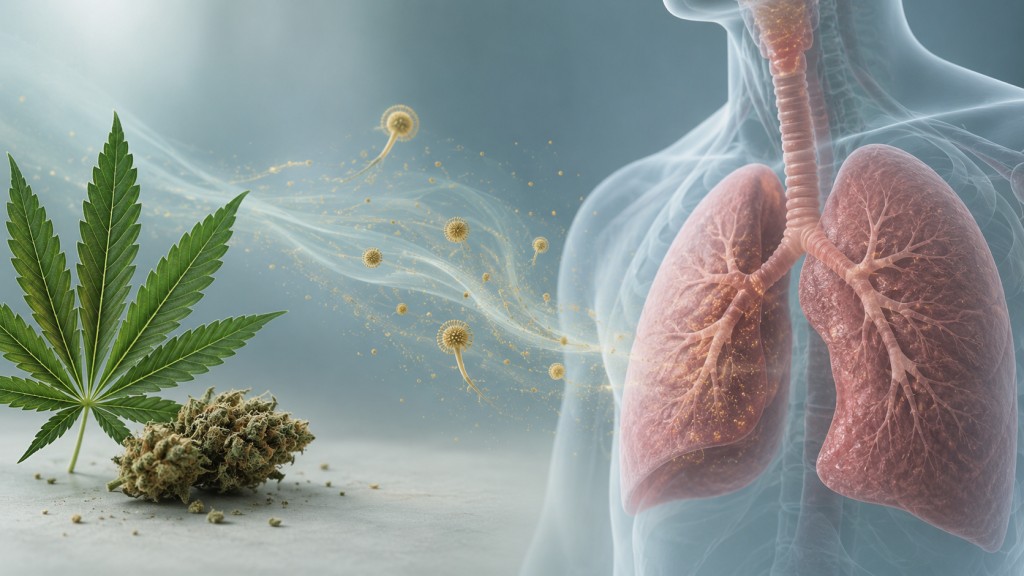
For someone with aspergillosis or another chronic lung disease, the greatest concern is inhaling cannabis smoke or aerosol. Dried cannabis flower can carry fungi, including Aspergillus, while smoke and vapour can irritate already vulnerable airways.
Key message
People with aspergillosis should avoid smoking cannabis. Those who are immunocompromised or at risk of invasive aspergillosis should also avoid inhaling vaporised cannabis flower and discuss any cannabis use with their specialist team.
Heating cannabis does not provide a reliable guarantee that fungal contamination has been removed. A prescribed or regulated product may have stronger quality controls than an unregulated product, but inhalation still affects the lungs.
Contents
- Why is cannabis relevant to aspergillosis?
- What does the evidence show?
- Can cannabis contain Aspergillus?
- Smoking cannabis
- Vaping or vaporising cannabis
- Edibles, oils, sprays and other non-inhaled products
- What if cannabis has been prescribed?
- Who is at greatest risk?
- Practical advice and talking to your clinical team
- When should I seek medical advice?
- The position in the UK
Why Is Cannabis Relevant to Aspergillosis?
There are two separate respiratory concerns.
1. Fungal contamination
Cannabis is a plant product. During cultivation, harvesting, drying, storage or handling, it may become contaminated with fungi. Studies have detected several fungal genera on cannabis, including Aspergillus.
A contaminated product may look and smell normal. Visible mould is a clear reason not to handle or use it, but the absence of visible mould does not prove that a product is free from fungal spores.
2. Irritation and injury from inhalation
Burning cannabis produces smoke containing particles and chemicals that irritate the airways. Regular cannabis smoking has been associated with cough, sputum production, wheeze and symptoms of chronic bronchitis. Those symptoms are particularly unhelpful for someone already living with asthma, bronchiectasis, ABPA or chronic pulmonary aspergillosis.
Vaporising avoids combustion but still delivers an aerosol into the lungs. It should therefore not be described as harmless, especially in people with established respiratory disease.
What Does the Evidence Show?
The evidence consists of several different types of information:
- laboratory studies demonstrating fungal contamination of cannabis
- case reports describing aspergillosis in people who used cannabis
- observational evidence linking cannabis use with fungal-infection diagnoses
- respiratory studies linking cannabis smoking with bronchitic symptoms
Cases of invasive aspergillosis associated with cannabis have been reported particularly in people receiving cancer treatment, people with leukaemia, transplant recipients and others with severely weakened immune systems. ABPA and chronic forms of pulmonary aspergillosis have also been reported, but these reports cannot establish how often cannabis was the cause.
A 2020 analysis of US insurance records found coded fungal infections in 0.08% of people with a cannabis-use code and 0.03% of those without one. After adjustment for age and recorded immunocompromising conditions, fungal infections remained more frequently coded among cannabis users.
That study shows an association, not proof of causation. It could not determine whether cannabis was smoked or eaten, whether products were contaminated, or whether other differences—including illness severity and tobacco use—explained part of the finding. Cannabis use was also likely to be substantially under-recorded.
Putting the risk in perspective
Documented fungal infections were uncommon, even in the observational study. However, aspergillosis can be severe, and inhaling a potentially contaminated plant product is an avoidable exposure—particularly for someone who already has aspergillosis or a weakened immune system.
Can Cannabis Contain Aspergillus?
Yes. Aspergillus, Penicillium, Mucor and other fungi have been detected in cannabis samples. Contamination depends on cultivation, humidity, drying, processing, storage, testing and handling.
Unregulated cannabis has no dependable, independently verifiable production or microbial-testing standard. The user cannot know:
- where or how it was grown
- whether fungicides or other chemicals were used
- how it was dried and stored
- whether it has been tested for fungi, bacteria, pesticides or heavy metals
- whether a vape cartridge contains what its label claims
Regulated medicinal products are subject to quality requirements, and some cannabis flower is treated to reduce microbial contamination. This should reduce risk, but “tested” or “treated” does not necessarily mean sterile. Patients at high risk of invasive fungal disease still need individual advice.
Does smoking or vaporising kill the fungus?
Do not assume so. Heating can reduce the number of viable microorganisms, but the effect depends on temperature, time, device and how the material is used. It is not a validated home sterilisation process.
Grinding, loading or smelling dried flower may also disturb contaminated material before it reaches the heated part of a device. Neither smoking nor vaporising provides a reliable guarantee that fungal particles will not be inhaled.
Do not attempt to rescue visibly mouldy cannabis by heating, drying, washing or cutting away the affected area.
Smoking Cannabis
Smoking is the least suitable route for someone with aspergillosis or chronic lung disease.
It can:
- deliver fungal particles from contaminated material directly towards the lungs
- irritate and inflame the airways
- increase cough, sputum and wheeze
- make it harder to distinguish smoking-related symptoms from infection or worsening lung disease
- add tobacco exposure when cannabis and tobacco are mixed
- expose other people through second-hand smoke
Deep inhalation and breath-holding do not make cannabis medically more effective and may increase deposition of smoke and particles in the lungs.
Water pipes or bongs do not make smoke safe. Water does not reliably remove fungal spores or the harmful products of combustion, while inadequately cleaned equipment can become another source of contamination.
Vaping or Vaporising Cannabis
Two different practices are often described as vaping:
- heating dried cannabis flower in a vaporiser
- heating a liquid, oil or concentrate in a vape cartridge
Neither involves burning the product in the same way as smoking, so exposure to combustion products may be lower. That does not make either option safe for diseased lungs.
Vaporised dried flower
The raw plant material remains the possible source of fungal contamination. Device heating should not be treated as guaranteed sterilisation. A person with aspergillosis may also cough or wheeze in response to the aerosol itself.
THC oils and cartridges
A properly manufactured extract is different from dried flower, and fungal spores may be less likely after validated processing. However, illicit or informal cartridges introduce other risks: unknown ingredients, contaminants, diluting agents, pesticides, heavy metals and inaccurate THC concentrations.
Severe lung injury has occurred with some unregulated THC vaping products. Never use an informal, refilled or homemade cartridge on the assumption that vaping is automatically safer.
Edibles, Oils, Sprays and Other Non-Inhaled Products
A non-inhaled formulation avoids delivering smoke, aerosol and plant particles directly into the lungs. For someone who has been prescribed a cannabis-based medicine, it may therefore be reasonable to ask whether a licensed or regulated non-inhaled alternative can meet the same clinical need.
Non-inhaled does not mean risk-free. Depending on the product, possible issues include:
- sleepiness, dizziness and falls
- changes in mood, perception, memory or concentration
- delayed and unpredictable effects from edible products
- interactions with alcohol, sedatives and other medicines
- effects on the liver
- inaccurate strength or ingredients in unregulated products
CBD and THC can affect the way other medicines work. This matters in aspergillosis because many patients take several medicines, and azole antifungals themselves have extensive drug–drug interactions.
Before combining a cannabis or CBD product with itraconazole, voriconazole, posaconazole, isavuconazole or other regular medication, ask the prescribing clinician or pharmacist to check the interaction.
What If Cannabis Has Been Prescribed?
Do not stop a prescribed medicine abruptly because of this article. Contact the prescribing specialist and explain that you have aspergillosis, bronchiectasis, asthma or another respiratory condition.
Useful questions include:
- Is this a licensed medicine or an unlicensed cannabis-based product?
- Does it contain THC, CBD or both?
- Is the intended route inhaled or non-inhaled?
- Has the product undergone microbial testing or a validated decontamination process?
- Is there a suitable oral, sublingual or spray alternative?
- Could it interact with my antifungal, steroid or other medication?
- What symptoms or side effects should prompt me to stop and seek advice?
Prescribed cannabis flower should only be used exactly as directed by the specialist. In the UK, cannabis-based medicinal products cannot legally be administered by smoking.
Who Is at Greatest Risk?
The strongest advice to avoid inhaled cannabis applies to people at increased risk of invasive fungal infection, including some:
- stem-cell or solid-organ transplant recipients
- people with neutropenia or certain blood cancers
- people receiving chemotherapy or intensive immunosuppressive treatment
- people taking prolonged high-dose systemic corticosteroids
- people with advanced immune deficiency
- people with a previous invasive mould infection
People with ABPA, severe asthma, bronchiectasis or CPA may not have the same risk of invasive disease, but smoke, aerosol and fungal exposure can still aggravate airways or complicate symptom assessment.
Risk is individual. A low-dose inhaled steroid for asthma does not create the same degree of immune suppression as transplant treatment or prolonged high-dose oral steroids.
Practical Advice and Talking to Your Clinical Team
Healthcare professionals need accurate information to assess symptoms and medicine interactions. Tell them:
- what product you use
- whether it is prescribed, regulated or obtained informally
- whether you smoke, vaporise, eat or use it under the tongue
- how often and approximately how much you use
- whether it contains THC, CBD or tobacco
- whether respiratory symptoms change after use
This is clinical information, not a confession. An honest, non-judgemental conversation can prevent missed interactions and help separate airway irritation from infection or progression of aspergillosis.
If you are not ready to stop
The safest respiratory option is not to inhale cannabis. If you are continuing while seeking advice:
- do not use visibly mouldy, musty or damp material
- do not rely on smell or appearance as proof that a product is safe
- do not mix cannabis with tobacco
- do not use illicit or homemade vape liquids or cartridges
- do not share smoking or vaping equipment
- keep devices clean and dry according to their instructions
- avoid using cannabis around anyone with lung disease or a weakened immune system
- ask for help with stopping or changing route rather than concealing use
These steps reduce some risks but do not make inhaled cannabis safe for aspergillosis.
Growing cannabis
Cultivation adds exposure to soil, compost, humid growing environments, decaying leaves and mouldy plant material. Someone with aspergillosis—particularly a person who is immunocompromised—should avoid handling mouldy plants or working in a contaminated growing space.
When Should I Seek Medical Advice?
Seek clinical advice if you develop new or worsening:
- cough, sputum or wheeze
- breathlessness or chest pain
- fever or systemic illness
- coughing of blood
- oxygen levels below your normal range
Seek urgent help for severe breathing difficulty, blue or grey lips or skin, confusion, fainting, significant chest pain or major haemoptysis. Follow the emergency advice appropriate to your country.
Do not start leftover antifungal treatment following a cannabis exposure. Aspergillosis requires proper assessment, and azole antifungals have important side effects and interactions.
The Position in the UK
Cannabis-based products for medicinal use have been available under specialist prescription in the UK since 2018, but prescriptions remain limited. NHS prescriptions are normally initiated by, or used under the supervision of, a specialist hospital doctor.
Possessing or supplying non-prescribed cannabis remains illegal in the UK, and cannabis is a Class B controlled drug. Smoking a cannabis-based medicinal product is not a permitted method of administration.
CBD food supplements are not the same as prescribed cannabis medicines. Product composition, evidence, regulation and intended use differ. Laws also vary between countries and may change, so check current official guidance for your location.
Summary
- Cannabis can carry fungi, including Aspergillus.
- Smoking adds airway irritation and bronchitic symptoms to the contamination concern.
- Vaporising dried flower avoids combustion but does not guarantee sterilisation or protect diseased lungs.
- Unregulated THC cartridges introduce additional contamination and lung-injury risks.
- Non-inhaled prescribed formulations avoid direct lung exposure but still have side effects and drug interactions.
- People who are immunocompromised should avoid inhaled cannabis and obtain individual specialist advice.
- Tell clinicians what you use and how you use it so that symptoms and interactions can be assessed accurately.
For lungs already affected by aspergillosis, avoiding inhaled cannabis is the clearest risk-reduction step.
Further Reading and References
- NHS: Medical cannabis
- NICE guideline NG144: Cannabis-based medicinal products
- NHS: Cannabis—health effects and UK law
- Benedict K, Thompson GR and Jackson BR: Cannabis use and fungal infections in a commercially insured population
- Gwinn KD and colleagues: Fungal and mycotoxin contaminants in cannabis and hemp flowers
- Sopovski DS and colleagues: Investigation of microorganisms in cannabis after heating in a commercial vaporiser
- Tashkin DP and colleagues: Impact of changes in regular marijuana and tobacco use on chronic bronchitis
- NHS England: Cannabis-based products for medicinal use
Last reviewed: August 2026.
Anti-allergen products: what is worth buying?
Last reviewed: August 2026
Products described as “anti-allergen”, “allergy friendly” or “air purifying” are widely advertised. Some can reduce particular allergens or airborne particles, but others offer little practical benefit. No household product can completely remove Aspergillus or prevent or treat aspergillosis.
The most useful approach is to identify the source of exposure and deal with that first. An appliance or special cleaning product should support good ventilation, moisture control and appropriate cleaning—not replace them.
Key points
- Choose a product for a specific problem rather than relying on a general “anti-allergy” claim.
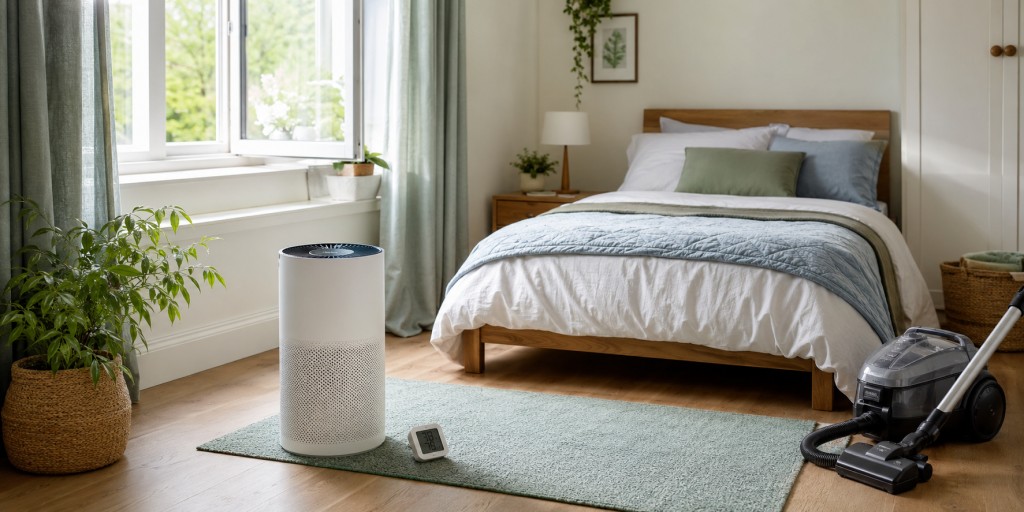
- A properly sized HEPA air cleaner can reduce airborne particles, including some mould spores, but cannot correct dampness or remove mould growing in a building.
- A sealed, high-filtration vacuum cleaner can reduce the amount of dust released while cleaning.
- Allergen-proof bedding is mainly intended for people with house dust mite allergy; it does not protect against aspergillosis.
- Dehumidifiers can help control condensation and humidity, but leaks, defective ventilation and other building problems still need repairing.
- Avoid air cleaners that deliberately generate ozone, and be cautious about ionisers and heavily scented cleaning products.
Start by identifying the problem
Different products are designed for different allergens. House dust mites, pollen, pet dander and mould spores do not behave in exactly the same way, so a product that helps with one may have little effect on another.
If allergy is contributing to asthma, rhinitis or other symptoms, a doctor or allergy specialist may be able to identify relevant sensitivities through the clinical history, skin-prick testing or blood tests. Testing must be interpreted alongside symptoms: a positive allergy test does not always mean that the allergen is causing the person’s current problems.
For people with allergic bronchopulmonary aspergillosis (ABPA) or another fungal allergy, reducing heavy exposure to mould may be sensible. However, it is almost impossible to avoid Aspergillus completely, and environmental measures do not replace prescribed treatment.
HEPA air cleaners
A portable air cleaner containing a genuine high-efficiency particulate air (HEPA) filter can reduce airborne particles passing through it. These may include pollen, pet allergens, fine dust and some airborne mould spores.
Evidence that air cleaners improve allergy or asthma symptoms is less consistent than the evidence that they remove particles. They are most likely to help when:
- there is a clearly identified airborne trigger;
- the cleaner is large enough for the room;
- it moves an adequate volume of air;
- it is operated regularly, rather than occasionally;
- doors and windows are managed appropriately while it is running;
- filters are replaced according to the manufacturer’s instructions.
Look at the recommended room size or clean air delivery rate, noise at a usable fan speed, energy consumption and the cost and availability of replacement filters. Descriptions such as “HEPA-type” or “HEPA-style” do not necessarily demonstrate the same filtration performance as a properly tested HEPA filter.
An air cleaner does not remove carbon dioxide, control most sources of moisture or replace ventilation. It also cannot solve mould growing behind furniture, beneath flooring or within damp building materials.
Avoid appliances that deliberately produce ozone. Air ionisers can also produce ozone and may offer little benefit compared with mechanical filtration. Current UK government guidance on air-cleaning units recommends HEPA filtration rather than ozone generators or ionisers.
Dehumidifiers and humidity monitors
A small digital hygrometer is inexpensive and can show whether indoor humidity is persistently high. Humidity varies during the day and between rooms, so it is the pattern over time that matters.
A dehumidifier may help where excess humidity and condensation are contributing to dampness. As a practical guide, indoor relative humidity is often best kept between about 40% and 60%; people trying to control dust mites may aim for below 50%, provided the air is not made excessively dry.
Empty and clean the water tank regularly and maintain the filter. A neglected dehumidifier can itself become dirty.
A dehumidifier will not repair a leaking roof, defective gutter, plumbing leak, penetrating damp or an inadequate extraction system. Government guidance emphasises that the underlying cause of damp and mould must be identified and corrected; simply cleaning the visible surface is not enough.
See also: Preventing damp in your home and Reducing exposure to mould at home.
High-filtration vacuum cleaners
Vacuuming can temporarily put fine dust and allergens back into the air. A well-sealed vacuum cleaner with effective filtration is therefore preferable to one that leaks air around its casing or dust container.
Useful features include:
- a genuine HEPA or similarly high-efficiency exhaust filter;
- a sealed body so air cannot bypass the filter;
- a bag or dust container that can be emptied without releasing a cloud of dust;
- replacement filters and bags that remain readily available.
If vacuuming triggers symptoms, ask someone else to do it where possible and stay out of the room while dust settles. Damp-dusting hard surfaces can remove dust without spreading as much of it into the air. Cambridge University Hospitals provides further practical advice for people with house dust mite allergy.
Do not vacuum visible mould from walls or porous building materials with an ordinary domestic vacuum cleaner. This can disturb the growth and spread spores.
Allergen-proof bedding
Mattress, duvet and pillow encasements are designed mainly to reduce exposure to house dust mite allergen. They may be worth considering when a person has confirmed dust mite allergy, particularly as part of a wider programme that includes washing suitable bedding and controlling humidity.
Encasements should completely surround the item, have a secure fastening and remain breathable and washable. Covers used alone do not consistently improve asthma symptoms, and they are not a specific measure against Aspergillus.
Cleaning sprays, laundry products and treated fabrics
“Anti-allergen” sprays, carpet treatments and laundry additives should not be assumed to produce a health benefit merely because they reduce an allergen under laboratory conditions. Aerosol sprays, perfumes and volatile chemicals can irritate sensitive airways.
Choose low-odour or fragrance-free products if scents provoke coughing or breathlessness. Follow the instructions, ventilate during and after cleaning, and never mix cleaning chemicals.
Special paints, surface treatments and mould-resistant coatings may help after the moisture source and contaminated material have been dealt with. Painting over active mould or applying repeated sprays without correcting the damp will not solve the problem.
Air conditioning and ventilation
Air-conditioning filters may capture some particles, but units must be maintained and their condensate drainage kept clean. Damp, dirty equipment can become a source of microbial growth. Portable evaporative air coolers are different from refrigerant air conditioners and deliberately add moisture to the air.
Read more: Air-conditioning units and Aspergillus.
What does an approval mark mean?
Independent certification is more useful than an unsupported claim made by a manufacturer. For example, products in the Allergy UK Approved Product Directory have been reviewed or tested against stated criteria.
However, an approval mark does not mean that everyone with allergy or aspergillosis will benefit. Check exactly what was tested: particle filtration, allergen reduction, chemical content or another property. Laboratory performance does not always translate into noticeable symptom improvement in a particular home.
Before spending money
- What allergen or source am I trying to reduce?
- Is there a damp, ventilation or building problem that needs fixing first?
- Is there independent test information for the product’s specific claim?
- Is the appliance adequately sized for the room?
- How much will replacement filters, bags and electricity cost?
- Can the product be cleaned and maintained safely?
- Does it produce ozone, fragrance or other potential airway irritants?
- How will I judge whether it is helping?
If you try a product, change one thing at a time where practical and record symptoms, reliever-inhaler use and any obvious environmental changes. Stop using it if it causes irritation or worsening breathing.
Most important: no anti-allergen product should delay medical assessment, prescribed treatment, repair of a damp building or professional mould remediation when this is needed.
Heatwaves
We usually think of winter as being the worst season for respiratory conditions, but heatwaves can be just as dangerous – and they are becoming more frequent. Many people with aspergillosis have to juggle several long-term health conditions (e.g. COPD, diabetes, anxiety), so it is important to be well-prepared
Severe heat puts extra strain on the body and destabilises the core routines that keep a person well:
- Harder to get good-quality sleep
- Lack of appetite
- Exercise is more tiring
- Holidays & visiting family away from home
Air pollution
- Carry your inhaler
- Check the air pollution forecast for your neighbourhood at DEFRA or BreatheLondon
- Check the pollen forecast for your region at the Met Office
- Check the national fungal spore count at Worcester University
- Be cautious about travelling to regions experiencing wildfires
- Plan your route: walk via tree-lined side streets and parks that are generally cooler and have much lower levels of particulates than busy main roads
- Consider staying indoors with the windows closed on very high pollution days, or when neighbours are having BBQs or bonfires (read our guide to choosing an indoor air purifier)
- Read more tips at Asthma & Lung UK,
Humidity is often higher in the UK than other countries, so the heat feels worse
- Humidity should be around 30-50%
- Damp air can trap pollution like pollen, ozone and traffic fumes. Check the air quality before you go out on the DEFRA website
- Damp conditions can encourage growth of mould, especially in bathrooms and kitchens that will take longer to dry out
- Read more: Healthline,

Dehydration
- Your urine should be the colour of pale straw – if it is darker, you need to drink more water
- Sip water throughout the day so that your body can absorb it gradually
- Keep a jug of water in the fridge with a few slices of lemon, cucumber or a sprig of mint for variety
- Freeze plenty of ice cubes before the heatwaves starts
- Carry extra water on day trips and journeys – you may get stuck in a traffic jam or train delays
- Salads and ice lollies help boost your water intake
- Close the curtains on south-facing windows, or tape tin foil to the glass
- Turn off any lights and electrical devices while not in use
- Open windows in the morning and evenings, but close them if the heat outside becomes hotter than the air inside
- Use a fan to blow air over ice cubes or a bottle of frozen water
- Place a damp flannel on your neck and sit in front of a fan – the evaporation produces a strong cooling effect
- Keep any water reservoirs and paper elements in air cooling devices clean otherwise they may grow mould over time

It is important to read the information leaflet for every medication you take, and ask your pharmacist for advice if you have any questions
- Be VERY careful about sun exposure if you are taking voriconazole, as it can causes photosensitivity. Even short amounts of time in the sun can cause severe sunburn and blistering. Avoid direct sunlight as much as possible by staying in the shade and wearing long loose clothing. Don’t forget your feet!
- Check each of your medications for the correct storage temperature. Be careful never to leave medication in a hot car.
- If medication needs to be kept in the fridge (~4°C), put it on a shelf (the door changes temperature every time you open it). Ask your pharmacist for advice on using a cool pouch to carry medication on day trips
- If medication must be kept at room temperature, do NOT put it in the fridge as it can damage the formulation (e.g. some antibiotics)
- Be aware of any side-effects that may become worse in hot weather
- Diuretics –> dehydration
- Vomiting/diarrhoea –> dehydration
- Nausea –> loss of appetite –> tablet absorption
- Injected medications may absorb faster than usual
- Carry your rescue inhaler (even if you rarely use it)

Swimming is a great way to keep cool
- Outdoor water can contain harmful microbes that may be dangerous for immunocompromised people. Check the water quality of UK beaches using the Swimfo tool produced by the Environment Agency. Be cautious about ‘wild swimming‘ in rivers or lakes, especially in urban or agricultural areas
- Never jump into water if you don’t know how deep or cold it is. If you do experience cold water shock, try to float on your back and breathe steadily – you will recover within a couple of minutes
- Be careful not to overdo it! It’s easy to use more energy than you expect, especially in cooler water. Take regular breaks and remember to reapply sunscreen. Bring a drink/snack in your bag and check your blood sugar regularly (if relevant). Warm up gradually and pace yourself. Consider bringing a buoyancy aid (e.g. flotation belt, kick board, pool noodle) to reduce the energy demand
ADRENAL INSUFFICIENCY affects some aspergillosis patients who take steroids for a long time
www.addisonsdisease.org.uk/hot-weather
- Stay hydrated (bottled water often has very low sodium)
- Carry salt tablets or salty snacks
- If you feel tired and dizzy, you may need more of your medication
- Build in plenty of rest time (even if it feels a bit boring)
- Carry your emergency kit and card
- If away from home, keep the phone number and postcode handy for where to get medical help
- Be quick to seek help if you feel unwell in ANY way, even if it’s inconvenient

DIABETES is common among older people
www.diabetes.org.uk/about-diabetes/looking-after-diabetes/hot-weather
- Injected insulin may be absorbed faster
- Factor in changes in activity and food (maybe keep a diary)
- Check your blood sugar more often (especially right before and after exercise)
- Keep insulin cool and watch for cloudiness or brownish colour
- Make sure friends and family know how to help you in case of a hypo
Preventing Damp in Your Home — A Guide for People with Aspergillosis
If you live with aspergillosis — whether allergic, chronic or invasive — your home’s indoor environment becomes especially important. Damp, condensation, and poor ventilation can increase exposure to fungal spores (including Aspergillus) and exacerbate lung symptoms.
This updated guide explains what damp is, why it matters for you, how to prevent it, your rights and responsibilities, and what to ask your healthcare and housing teams.
What is damp, and why does it matter?
Types of damp
-
Condensation: When warm, moist air hits colder surfaces (windows, external walls) and water droplets form. This is the most common cause of visible mould. National Energy Action (NEA)
-
Rising damp: Moisture from the ground moving up through the walls (less common, but serious). HomeOwners Alliance
-
Penetrating damp: Water entering from outside through leaks, broken guttering, damaged roofs/walls. National Energy Action (NEA)
Why this matters if you have aspergillosis
-
Damp and mould release spores, allergens and irritants that affect lungs and airways. GOV.UK
-
Homes with damp or mould have been linked to worsened respiratory outcomes, including risk of aspergillosis. GOV.UK
-
Controlling damp is part of protecting your lung health — it’s not just about comfort.
How to prevent damp in your home
Here are practical steps that help minimise damp, condensation and mould — especially useful for those with sensitive lungs.
1. Ventilate well
-
Use kitchen and bathroom extractor fans whenever cooking, bathing or showering.
-
If you have windows with trickle vents, keep them open (even a small gap helps).
-
Open windows briefly each day if safe — even 5–10 minutes helps remove moist air. Centre for Sustainable Energy
-
Make sure furniture isn’t placed so tightly against external walls; allow airflow behind wardrobes/cupboards. Centre for Sustainable Energy
2. Control moisture production
-
Avoid or minimise indoor clothes-drying unless you have good ventilation or a vented tumble dryer. Great Places
-
Cover pans when cooking; use lids to reduce steam. Centre for Sustainable Energy
-
After showers/baths, open window or use fan until the room is dry and wipe down surfaces.
-
Wipe away condensation from windowsills and frames each morning — this prevents mould-forming spots. National Energy Action (NEA)
3. Keep your home warm and insulated
-
Cold surfaces (walls, windows) promote condensation. Insulation and maintaining a reasonable background temperature reduce the risk. Energy Saving Trust
-
Even a low level of heating is better than letting rooms go cold and damp.
-
Ensure external walls, guttering, drains are in good condition — water should not be pooling near building fabric. HomeOwners Alliance
4. Address structural issues promptly
-
Leaks from roofs, windows, gutters or external walls can lead to penetrating damp. These often require professional repair. Citizens Advice
-
If you repeatedly see mould in the same place even after cleaning — it likely means the root cause (moisture/ventilation/structural issue) is still present.
-
Use fungicidal washes for small mould patches if you’re healthy enough to clean safely. Always wear a mask (e.g., FFP2) and gloves if you have lung disease.
5. Set up good habits
-
After cooking or showering: close the door, open a window or run the extractor fan.
-
Don’t dry wet laundry in bedrooms or closed rooms unless ventilation is adequate.
-
Move air-flow-blocking furniture away from external walls.
-
Use a hygrometer (humidity meter) if you can — aim for indoor relative humidity of ~ 40-60% (lower is better for respiratory health).
Housing rights and responsibilities
For tenants
-
If you rent, report any damp/mould in writing to your landlord or housing provider as soon as you notice it. Describe the location, frequency and any health effects.
-
Keep photos, notes of communication and copies of any inspections.
Who is responsible?
-
If the cause is structural (e.g., leaking roof, defective damp-proof course) the landlord is usually responsible. Citizens Advice
-
If the home lacks adequate ventilation/heating or multiple loads of moisture build-up occur, the landlord may also be responsible.
-
As a tenant, you can help by ventilating, wiping away condensation and reporting problems.
For people in social housing in England
-
Under new rules (following the law known informally as Awaab’s Law), social landlords must act quickly when damp/mould is reported (investigate, summarise, repair) — this places a stronger obligation on housing providers.
For owners/occupiers
-
If you own your home, you still benefit from these prevention steps. You may need to pay for repairs yourself or via your insurance, but the health benefits are clear.
Where to go for help
-
Energy Saving Trust – Fixing damp and condensation Energy Saving Trust
-
Citizens Advice – Repairs & housing conditions: damp Citizens Advice
When to speak with your healthcare team
If you have aspergillosis and you live in a home where the conditions above apply:
-
Inform your specialist or respiratory nurse about your housing and ventilation.
-
Ask them to record your housing conditions in your health record and provide a letter if needed to your landlord/housing provider.
-
If you notice increased cough, breathlessness, or more frequent exacerbations and suspect your home environment may be playing a part — mention this to your healthcare provider.
-
Consider discussing with them whether a housing/ventilation assessment referral is appropriate.
Final thoughts
Preventing damp is not just about making your home look better — for people with lung conditions like aspergillosis it is a key part of protecting your lungs and health.
By improving ventilation, controlling moisture, maintaining warmth and taking prompt action on structural issues, you reduce avoidable risk and support better respiratory outcomes.
If you notice persistent damp or mould, report it and follow up. Your home can be part of your health programme.
** Last Reviewed Oct 2025
Toxic Mould & Mycotoxins: What People With Aspergillosis Need to Know
For people living with aspergillosis (whether allergic, chronic, or invasive), the quality of your home environment is especially important. Dampness, mould growth and poor indoor air quality can contribute to higher exposure to fungal spores — including Aspergillus — and may worsen symptoms or risk of infection. Understanding how moulds grow, what mycotoxins are, and how housing conditions and laws impact your health can help you take informed action.
What are moulds and mycotoxins?
- Moulds (fungi) grow in moist, poorly ventilated places: for example, damp walls, ceilings, window frames, or poorly maintained air-conditioning systems.
- Some moulds (including strains of Aspergillus) produce chemicals called mycotoxins — toxic substances which have been studied mainly in agricultural contexts (e.g., contaminated food and animal feed).
- Research on inhaling mycotoxins from indoor mould-growth is limited, especially in humans. What we do know:
- Mycotoxins can be airborne in some damp buildings.
- The dose of mycotoxin inhaled in most homes appears far lower than doses known to cause acute poisoning via ingestion.
- Repeated low-level exposure over time is less well understood.
- Other co-factors in damp homes (allergen exposure, dust mites, bacterial growth, structural damp) also play important roles.
Why this matters for people with aspergillosis
- If you live with a lung condition like aspergillosis, your respiratory system is already vulnerable. Exposure to mould spores, damp-air allergens or possible mycotoxins may make symptoms worse: increased cough, wheeze or breathlessness.
- Damp and mould also tend to co-exist with poor ventilation, excess humidity, condensation and structural issues — all of which can amplify respiratory risk.
- While we can’t definitively say inhaled mycotoxins cause aspergillosis flare-ups, what we do know is that damp housing is clearly associated with worse respiratory health outcomes.
- For clinicians, housing conditions are therefore part of the picture: it is reasonable to ask about damp, mould and ventilation when a patient with aspergillosis reports worsening symptoms or infection.
What you can do at home
Here are practical steps to reduce damp, mould growth and improve indoor air quality — especially relevant if you have aspergillosis:
1. Ventilate well
- Use extractor fans in bathrooms and kitchens when showering, bathing or cooking.
- If your windows have trickle vents, keep them open (even a small amount helps).
- When safe, open a window briefly each day to let fresh air in.
2. Control indoor moisture
- Avoid drying lots of clothes indoors unless you have good ventilation or a vented dryer.
- Wipe away condensation from windowsills and frames each morning.
- When cooking or showering, reduce steam (e.g., lids on pans, fans running).
- Check for leaks (plumbing, roof, guttering) and ask for prompt repair.
3. Maintain a warm and dry home
- A background level of heating helps — cool rooms more easily develop condensation and mould.
- Don’t rely solely on closing doors or de-humidifiers — structural/ventilation issues often need addressing.
4. Clean mould safely
- For small areas of visible mould: wear gloves and a suitable respiratory mask (e.g., FFP2 or better) if you have lung disease.
- Do not dry-brush or vacuum mould-spots — this can release fungal spores or fragments.
- Avoid using bleach in enclosed rooms — it can irritate lungs and may not kill all mould types.
- If mould recurs after cleaning, it means the underlying moisture/ventilation problem remains — prompt housing action is needed.
Housing & Legal Rights – An Important Context
Guideline for professionals and patients
The National Institute for Health and Care Excellence (NICE) Guideline NG149 – Indoor Air Quality at Home applies not only to patients, but also to health professionals, housing officers, social care workers and landlords. It emphasises that:
- Damp, mould and poor ventilation affect health.
- Professionals should ask about housing conditions, especially for people with chronic respiratory illnesses.
- Housing providers and landlords have a role in ensuring safe indoor air environments.
📘 Read more: NICE NG149
New legal protections – Awaab’s Law (England)
For social housing tenants, as of October 2025, this law gives strict time limits on how quickly damp and mould must be investigated and repaired:
- Investigation of reported damp/mould: within 10 working days.
- Written summary of findings: within 3 working days post investigation.
- Repairs or making the home safe: within 5 working days of confirming a hazard.
- Emergency health risks: within 24 hours.
Landlords must provide safe temporary accommodation if repairs take longer.
📘 Learn more: GOV.UK – Awaab’s Law
For private rented homes, the Homes (Fitness for Human Habitation) Act 2018 still applies — landlords must keep properties free from damp and mould.
What we don’t yet know (and why caution matters)
- There is insufficient direct evidence that inhaling indoor mycotoxins at the low levels typically found in UK homes causes specific diseases in humans.
- Mould- and damp-related symptoms often overlap with allergy, asthma, anxiety and other conditions — making diagnosis complex.
- If you have aspergillosis and new or worsening symptoms, it may be difficult to attribute them solely to mycotoxins or damp — your healthcare team may need to rule out multiple causes.
- Because of these uncertainties, it is safer to treat damp and mould as preventable risks rather than waiting for definitive proof of harm.
When to speak to your healthcare team
- If your symptoms are getting worse and you live in a damp or mould-affected home, tell your respiratory specialist or nurse.
- Ask for a letter or report for your landlord/housing association explaining how your lung condition can be affected by mould/damp.
- If you or your family members are experiencing symptoms like increased cough, wheeze, shortness of breath, fatigue, or sinus problems — mention housing conditions.
- Discuss with your healthcare provider whether any assessment of indoor air quality or housing referral is needed.
Final Thoughts
For people living with aspergillosis, a dry, well-ventilated and well-maintained home is far more than comfort — it is a part of maintaining your respiratory health.
While the role of indoor mycotoxins remains under investigation, what we do know is that damp housing and mould growth are clearly associated with poorer respiratory outcomes.
By improving ventilation, controlling moisture and using your housing rights, you reduce avoidable risk and support your health. Don’t wait until symptoms intensify — act early, seek help, and prioritize improving your home environment.
Useful Resources
- NICE – Indoor Air Quality at Home (NG149)
- GOV.UK – Awaab’s Law: guidance for social landlords
- Housing Ombudsman – Damp and Mould Guidance
- Commons Library – Helping Tenants with Damp & Mouldy Housing (England)
- Government – Understanding and Addressing the Health Risks of Damp & Mould in Rented Housing
Why are damp homes bad for our health?
Damp conditions in homes are a significant health concern, particularly for individuals with respiratory conditions, the elderly, and young children. Exposure to dampness can lead to various health issues, including:
- Respiratory problems: Increased risk of asthma, chronic obstructive pulmonary disease (COPD), and respiratory infections.
- Allergic reactions: Symptoms such as sneezing, runny nose, red eyes, and skin rashes.
- Worsening of existing conditions: Particularly in individuals with asthma or weakened immune systems.
The World Health Organization has highlighted that exposure to dampness and mould elevates the risk of respiratory infections and allergies by up to 50%.
🧫 What Is Mould?
Mould is a type of fungus that thrives in damp environments. It produces spores that can be inhaled, leading to health issues. Common types include:
- Aspergillus: Particularly concerning for individuals with chronic pulmonary aspergillosis (CPA) or allergic bronchopulmonary aspergillosis (ABPA).
- Penicillium: Often found in water-damaged buildings.
- Cladosporium: Common in both indoor and outdoor environments.
These moulds can produce allergens, irritants, and mycotoxins, which may contribute to health problems (nhsinform.scot).
🌍 Causes of Dampness
Dampness in homes can arise from various sources:
- External factors:
- Leaking roofs or walls.
- Broken guttering.
- Flooding.
- Internal activities:
- Cooking and showering.
- Drying clothes indoors.
- Breathing and sweating by occupants.
- Unvented tumble dryers.
These activities can introduce significant moisture into the air, contributing to damp conditions .
⚠️ Who Is Most at Risk?
Certain groups are more susceptible to the health effects of damp and mould:
- Children and babies
- Older adults
- Individuals with existing respiratory conditions (e.g., asthma, COPD)
- People with weakened immune systems
- Individuals with skin conditions (e.g., atopic eczema)
These individuals should avoid exposure to damp and mould as much as possible (nhsinform.scot).
🛠️ Prevention and Management
To mitigate the risks associated with damp and mould:
- Maintain indoor humidity levels: Use dehumidifiers and ensure proper ventilation.
- Control indoor temperature: Maintain a consistent indoor temperature between 18-21°C to prevent mould growth (thesun.co.uk).
- Address leaks promptly: Repair any leaks in roofing, plumbing, or walls.
- Use mould-resistant products: Consider mould-resistant paints and materials.
- Seek professional help: In cases of severe mould infestation, consult professionals for remediation.
For tenants in rented accommodations, it's important to report damp and mould issues to landlords or housing associations promptly. In the UK, landlords are legally obligated to maintain properties in a habitable condition, and tenants may be entitled to compensation if health issues arise due to dampness (england.shelter.org.uk).
🧠 Mental Health Considerations
Living in damp and mouldy conditions can also impact mental health, leading to stress, anxiety, and depression. Addressing these environmental factors can contribute to overall well-being.
📞 Seeking Assistance
If you or someone you know is affected by damp and mould:
- Consult healthcare professionals: Discuss any health concerns with a GP or specialist.
- Contact local authorities: Reach out to local councils or environmental health departments for support.
- Legal advice: Consider seeking legal advice if living conditions are not addressed by landlords.
For more detailed information and resources, visit the Aspergillosis Patients & Carers Support website.
**Last Reviewed Oct 2025
Health Hazards from Damp – What People with Aspergillosis Should Know
Updated 2025
Living with an aspergillosis condition (such as allergic or chronic pulmonary aspergillosis) means your lungs are more vulnerable to environmental conditions — including what’s going on in your home. One of the most important hazards is damp (and associated mould and poor ventilation). This article explains why damp matters, what the health risks are, what you can do, and how your housing and health care teams should respond.
Why damp is a hazard
Damp in homes typically arises from three main causes: condensation, penetrating damp (water entry from outside), and rising damp (ground moisture moving up through walls). Whatever the cause, excess moisture provides the conditions for mould growth, dust-mite proliferation, bacteria and fungal spores — all of which can affect indoor air quality and thus your lungs.
Homes affected by damp and mould are recognised in guidance from National Institute for Health and Care Excellence (NICE) as being associated with poorer health outcomes. nice.org.uk The World Health Organization and other reviews also highlight that occupants of damp or mouldy buildings may have up to a 75 % higher risk of respiratory symptoms. World Health Organization exposure to spores (including Aspergillus) and irritants triggers symptoms or worsens infection risk.
What are the health risks?
Respiratory & lung risks
-
Damp and mould are strongly associated with increased incidences of coughing, wheezing, breathlessness, and respiratory infections. iaqscience.lbl.gov
-
They are linked with the development or worsening of asthma, allergic rhinitis, and other inflammatory lung conditions. GOV.UK
-
For people living with aspergillosis, damp homes can mean higher fungal spore loads, greater irritation, and possibly increased risk of complications or flare-ups.
Other physical health impacts
-
Eye irritation, itchy skin, nasal and throat discomfort may occur in some people exposed to damp/mould‐dominated environments. GOV.UK
-
For people with weakened immune systems, there is evidence (though less strong) that some fungal infections may be more likely in damp or mouldy homes. NCBI
Mental health & wellbeing
-
Living in a damp or mould-affected home can lead to anxiety, stress and feelings of loss of control — especially if repairs are slow or you feel blamed for the conditions. GOV.UK
-
The combination of physical symptoms + poor housing environment + financial/housing stress can impact overall quality of life.
Who is more at risk?
People with the following are at increased risk from damp/mould:
-
Existing respiratory illnesses (such as aspergillosis, asthma, COPD)
-
Immune compromise
-
Young children, pregnant women, older people — all more vulnerable to poor indoor air quality. nice.org.uk
-
People on low income, in poorly insulated homes, or renting socially — these homes are more likely to have damp/mould. GOV.UK
What you (or your clinician) should do
For you (the patient)
-
Monitor your home environment: Look for repeated condensation, musty smells, damp patches, and black mould growth.
-
Tell your healthcare team: If you notice worsening respiratory symptoms (cough, wheeze, shortness of breath) alongside signs of damp/mould, inform your specialist nurse or physician. Based on NICE guidance, you should:
“Ask about their housing conditions. If housing factors are a health concern … help them request a housing assessment.” nice.org.uk
-
Document the issues: Take photos, notes of communication with landlord/housing provider (if applicable).
-
Take protective steps at home: Ensure good ventilation, control moisture, keep heating consistent (see the separate “Damp Prevention” article on the website for detailed steps).
-
If living with aspergillosis, in consultation with your specialist, consider whether a housing referral or indoor air assessment is appropriate.
For your healthcare/support team
-
Recognise that housing conditions are part of the care package for people with lung disease.
-
Ask routinely about the housing environment in history-taking for patients with recurrent respiratory symptoms.
-
Make referrals (housing assessment, environmental health) when conditions suggest damp/mould may be contributing to health problems. nice.org.uk
-
Work across sectors: link with housing providers, social care, and environmental health to ensure a coordinated response.
For housing providers/landlords (context)
-
Damp and mould must not be seen as “cosmetic” issues—they are health hazards. Guidance emphasises that simply removing visible mould without fixing the underlying issue is inadequate. GOV.UK
-
Landlords and housing providers should have policies to inspect, document and address damp/mould, especially where tenants have known health vulnerabilities. GOV.UK
Key message
If you live with aspergillosis, living in a dry, well-ventilated, well-maintained home is not optional — it’s essential. Damp and mould are proven risk factors for respiratory illness and can undermine your management of aspergillosis.
Combined with what you can do at home (ventilate, control moisture, maintain warmth) and initiating action via your healthcare and housing teams, you can reduce the preventable risks related to your home environment.
Useful Links & Further Reading
-
NICE Guideline NG149 – Indoor Air Quality at Home: https://www.nice.org.uk/guidance/ng149
-
GOV.UK – Understanding and Addressing the Health Risks of Damp and Mould in Rented Housing: https://www.gov.uk/government/publications/damp-and-mould-understanding-and-addressing-the-health-risks-for-rented-housing-providers/understanding-and-addressing-the-health-risks-of-damp-and-mould-in-the-home--2
-
Research overview: “Health Risks of Dampness and Mold in Houses” (Lawrence Berkeley Lab): https://iaqscience.lbl.gov/health-risks-dampness-and-mold-houses

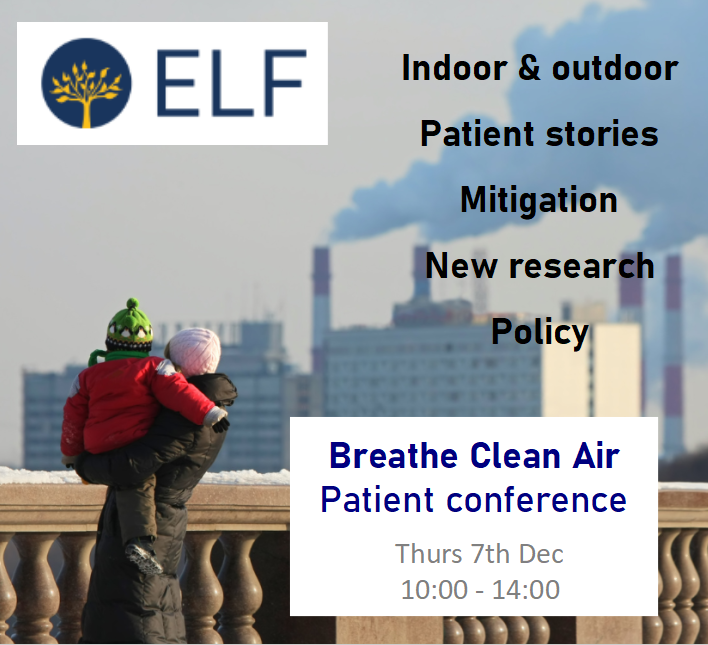
ELF holds their first Breathe Clean Air patient conference
Last week the European Lung Foundation held their first Air Pollution and Climate Change patient conference, where people came together to share personal experiences and hear about the latest research. All recordings are available to watch on demand via their YouTube channel, including moving personal stories from Tessa Jelen (Breathe Easy Westminster) and Rosamund Adoo-Kissi-Debrah (mother of Ella Roberta)
This will hopefully be the first in a series, so keep watching their website for dates of future meetings (it’s free and online). ELF organise many patient advocacy activities and also hold patient conferences for topics such as bronchiectasis, pulmonary fibrosis and asthma.
How can we improve indoor air quality at home?
Many aspergillosis patients find their symptoms are aggravated by poor air quality within the home, especially if they have related conditions such as asthma or COPD. Cigarette smoke and damp/mould are obvious sources, but problems can also be caused by the products we use to keep our homes smelling nice.
Triggers vary greatly from person to person and the scientific data on this subject is currently quite incomplete, so people are often not believed. Family, friends and even shops can be very reluctant to believe that their air fresheners and scented candles could be harmful. If you have problems with family and friends doubting, try sharing this infographic
- Damp and mould are hazardous to health and should be minimised for everyone, particularly children and those with lung conditions. NICE (NHS) issued guidelines for professionals in 2021 that give specific recommendations for doctors, construction and local authorities. Shelter provide a guide for people living in damp rentals or council housing.
- Gas cookers release particulates that should be removed by using an extraction fan (remember to change the filter regularly!) and opening a window for 10 minutes after cooking. If you are replacing your cooker, consider switching to electric/induction hob
- Scented candles and incense produce large amounts of particulates and should not be used regularly, especially in small, poorly-ventilated rooms like bathrooms
- Volatile organic compounds (VOCs) can be found in cleaning products and deodorant sprays
How can we improve outdoor air quality for everyone?
Unfortunately many aspects of air pollution are beyond our individual control, so it is also important for lung patients to come together and advocate for better laws and protections.
- Attend future ELF patient conferences
- Get involved in Healthy Lungs for Life
- Become an ELF clean air advocate
- Watch out for ELF activities at the European Respiratory Society medical conference (Sep 2024)
- Follow ELF on X (formerly Twitter)