We usually think of winter as being the worst season for respiratory conditions, but heatwaves can be just as dangerous – and they are becoming more frequent. Many people with aspergillosis have to juggle several long-term health conditions (e.g. COPD, diabetes, anxiety), so it is important to be well-prepared
Severe heat puts extra strain on the body and destabilises the core routines that keep a person well:
- Harder to get good-quality sleep
- Lack of appetite
- Exercise is more tiring
- Holidays & visiting family away from home
Air pollution
- Carry your inhaler
- Check the air pollution forecast for your neighbourhood at DEFRA or BreatheLondon
- Check the pollen forecast for your region at the Met Office
- Check the national fungal spore count at Worcester University
- Be cautious about travelling to regions experiencing wildfires
- Plan your route: walk via tree-lined side streets and parks that are generally cooler and have much lower levels of particulates than busy main roads
- Consider staying indoors with the windows closed on very high pollution days, or when neighbours are having BBQs or bonfires (read our guide to choosing an indoor air purifier)
- Read more tips at Asthma & Lung UK,

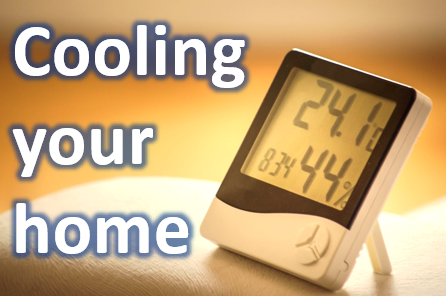
Humidity is often higher in the UK than other countries, so the heat feels worse
- Humidity should be around 30-50%
- Damp air can trap pollution like pollen, ozone and traffic fumes. Check the air quality before you go out on the DEFRA website
- Damp conditions can encourage growth of mould, especially in bathrooms and kitchens that will take longer to dry out
- Read more: Healthline,
Dehydration
- Your urine should be the colour of pale straw – if it is darker, you need to drink more water
- Sip water throughout the day so that your body can absorb it gradually
- Keep a jug of water in the fridge with a few slices of lemon, cucumber or a sprig of mint for variety
- Freeze plenty of ice cubes before the heatwaves starts
- Carry extra water on day trips and journeys – you may get stuck in a traffic jam or train delays
- Salads and ice lollies help boost your water intake
- Close the curtains on south-facing windows, or tape tin foil to the glass
- Turn off any lights and electrical devices while not in use
- Open windows in the morning and evenings, but close them if the heat outside becomes hotter than the air inside
- Use a fan to blow air over ice cubes or a bottle of frozen water
- Place a damp flannel on your neck and sit in front of a fan – the evaporation produces a strong cooling effect
- Keep any water reservoirs and paper elements in air cooling devices clean otherwise they may grow mould over time

It is important to read the information leaflet for every medication you take, and ask your pharmacist for advice if you have any questions
- Be VERY careful about sun exposure if you are taking voriconazole, as it can causes photosensitivity. Even short amounts of time in the sun can cause severe sunburn and blistering. Avoid direct sunlight as much as possible by staying in the shade and wearing long loose clothing. Don’t forget your feet!
- Check each of your medications for the correct storage temperature. Be careful never to leave medication in a hot car.
- If medication needs to be kept in the fridge (~4°C), put it on a shelf (the door changes temperature every time you open it). Ask your pharmacist for advice on using a cool pouch to carry medication on day trips
- If medication must be kept at room temperature, do NOT put it in the fridge as it can damage the formulation (e.g. some antibiotics)
- Be aware of any side-effects that may become worse in hot weather
- Diuretics –> dehydration
- Vomiting/diarrhoea –> dehydration
- Nausea –> loss of appetite –> tablet absorption
- Injected medications may absorb faster than usual
- Carry your rescue inhaler (even if you rarely use it)

Swimming is a great way to keep cool
- Outdoor water can contain harmful microbes that may be dangerous for immunocompromised people. Check the water quality of UK beaches using the Swimfo tool produced by the Environment Agency. Be cautious about ‘wild swimming‘ in rivers or lakes, especially in urban or agricultural areas
- Never jump into water if you don’t know how deep or cold it is. If you do experience cold water shock, try to float on your back and breathe steadily – you will recover within a couple of minutes
- Be careful not to overdo it! It’s easy to use more energy than you expect, especially in cooler water. Take regular breaks and remember to reapply sunscreen. Bring a drink/snack in your bag and check your blood sugar regularly (if relevant). Warm up gradually and pace yourself. Consider bringing a buoyancy aid (e.g. flotation belt, kick board, pool noodle) to reduce the energy demand
ADRENAL INSUFFICIENCY affects some aspergillosis patients who take steroids for a long time
www.addisonsdisease.org.uk/hot-weather
- Stay hydrated (bottled water often has very low sodium)
- Carry salt tablets or salty snacks
- If you feel tired and dizzy, you may need more of your medication
- Build in plenty of rest time (even if it feels a bit boring)
- Carry your emergency kit and card
- If away from home, keep the phone number and postcode handy for where to get medical help
- Be quick to seek help if you feel unwell in ANY way, even if it’s inconvenient

DIABETES is common among older people
www.diabetes.org.uk/about-diabetes/looking-after-diabetes/hot-weather
- Injected insulin may be absorbed faster
- Factor in changes in activity and food (maybe keep a diary)
- Check your blood sugar more often (especially right before and after exercise)
- Keep insulin cool and watch for cloudiness or brownish colour
- Make sure friends and family know how to help you in case of a hypo

Did this page help you?
Tell us in one minute