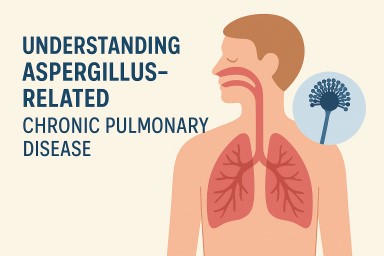
Understanding the Different Types of Chronic Pulmonary Aspergillosis (CPA)
CPA is a long-term lung condition caused by a common fungus called Aspergillus. It usually affects people who already have lung damage — from infections like tuberculosis (TB), conditions like COPD or asthma, or diseases such as sarcoidosis.
There are five main types of CPA. Knowing which one you have can help guide your treatment and follow-up.
🟠 1. Chronic Cavitary Pulmonary Aspergillosis (CCPA)
Most common form
-
Caused by Aspergillus growing in one or more cavities in the lungs
-
Cavities may slowly get larger or thicker
-
Often develops in people with previous lung disease
Symptoms:
-
Long-term cough
-
Fatigue and weight loss
-
Breathlessness
-
Sometimes mild or moderate coughing up blood
Treatment: Long-term antifungal tablets (e.g. itraconazole or voriconazole)
⚠️ 2. Chronic Fibrosing Pulmonary Aspergillosis (CFPA)
Advanced stage of CPA
-
Happens when long-term infection causes lung scarring (fibrosis)
-
Lungs become stiff, making breathing harder
Symptoms:
-
Worsening breathlessness
-
Low oxygen levels
-
Severe fatigue
Treatment: Focuses on antifungals, symptom relief, and oxygen if needed
🟢 3. Simple Aspergilloma
A single fungal ball in a lung cavity
-
A round ball of fungus (aspergilloma) forms in an existing lung cavity
-
Often found during scans done for other reasons
-
Some people have no symptoms at all
Main risk: Coughing up blood (sometimes serious)
Treatment:
-
Monitoring if mild
-
Surgery or embolisation if bleeding occurs
🔴 4. Subacute Invasive Aspergillosis (SAIA or CNPA)
Faster-moving form of CPA
-
Occurs over weeks to months
-
Often seen in people with weaker immune systems (e.g. due to diabetes, steroids, or alcohol dependence)
-
Infection starts to invade deeper lung tissue
Symptoms:
-
Fever
-
Worsening breathlessness
-
Severe weight loss
Treatment: Prompt antifungal treatment and close medical monitoring
🟡 5. Aspergillus Nodules
Small lumps caused by Aspergillus
-
These are solid nodules in the lungs, often found by chance on a CT scan
-
They may be mistaken for cancer at first
-
Often cause no symptoms
Treatment:
-
Usually watch and wait
-
Sometimes surgery or biopsy if uncertain
🩺 Why Knowing Your CPA Type Matters
Understanding your CPA type helps your medical team:
-
Choose the best treatment for you
-
Monitor for bleeding or lung damage
-
Decide when to repeat scans or adjust medication
💬 Questions to Ask Your Doctor
-
Which type of CPA do I have?
-
Will I need long-term antifungal treatment?
-
How often should I have scans or blood tests?
-
What should I do if I cough up blood?
🧘 Final Note
CPA is a chronic condition, but many people manage it well with the right treatment and regular check-ups. You are not alone — support and information are available.
Allergic Bronchopulmonary Aspergillosis (ABPA) Without Asthma: A Hidden Reality
Most people – including many doctors – associate Allergic Bronchopulmonary Aspergillosis (ABPA) almost exclusively with asthma or cystic fibrosis. In fact, the current diagnostic criteria for ABPA often assume the presence of asthma as a prerequisite. But what happens when a patient has all the features of ABPA… without ever having had asthma?
This article explores the possibility – and growing recognition – of ABPA without asthma.
🔍 What Is ABPA?
ABPA is an allergic (hypersensitivity) reaction to the fungus Aspergillus fumigatus, which can colonise the lungs and cause:
-
Severe allergic inflammation
-
Damage to lung tissue (bronchiectasis)
-
High levels of IgE (often >1000 IU/mL)
-
Positive skin tests or blood tests for Aspergillus
Traditionally, ABPA is diagnosed in people with asthma or cystic fibrosis, where the airways are already vulnerable.
❗But Can ABPA Occur Without Asthma?
Yes. Though uncommon, there are confirmed cases where ABPA occurs in people who:
-
Do not have asthma
-
Have no wheeze, breathlessness or variability in symptoms
-
Show no reversibility on a bronchodilator test
-
May not respond to inhaled corticosteroids
This presentation is now increasingly recognised – particularly:
-
After viral infections like COVID-19
-
In people exposed to environmental moulds
-
In those with no personal or family history of asthma
🧪 Diagnostic Clues
Patients with ABPA but no asthma typically still show:
-
Very high total IgE levels
-
Positive Aspergillus-specific IgE and IgG
-
Radiological changes like central bronchiectasis
-
Sometimes eosinophilia in blood
But they do not show:
-
Classic asthma symptoms (e.g. wheeze, reversible breathlessness)
-
Improvement with bronchodilators
-
Variable peak flow readings
🧬 How Might This Happen?
There are a few theories:
-
Some people have a strong allergic immune response (IgE-driven) to Aspergillus alone, even without underlying asthma
-
COVID-19 and other infections may prime the immune system or damage airways enough to allow fungal colonisation
-
Not all bronchial hypersensitivity is asthma — the airway inflammation in ABPA is unique and not always “asthmatic” in pattern
✅ What Tests Can Help Confirm or Rule Out Asthma?
For patients who have ABPA but no clear asthma symptoms:
-
Bronchodilator reversibility test → May be negative
-
Methacholine or histamine challenge test → Gold standard for confirming asthma
-
FeNO test → Measures eosinophilic airway inflammation (may be high in both ABPA and asthma)
-
Peak flow monitoring → Often stable in ABPA without asthma
These tests can help clarify the diagnosis and prevent mislabeling patients as asthmatic when they are not.
🧭 Why Does It Matter?
Correct diagnosis matters because:
-
Not all ABPA patients benefit from inhaled corticosteroids or asthma drugs
-
Treatment should be tailored — e.g. antifungals and oral steroids for ABPA, but not unnecessary asthma medications
-
Misdiagnosis may delay the right treatment and overburden patients
🩺 A Call to Clinicians
If a patient has high IgE, bronchiectasis, and strong Aspergillus sensitisation — but no clinical asthma — consider ABPA without asthma.
Request confirmatory tests before labeling someone asthmatic for life. In these rare cases, asthma criteria do not fully apply — but the patient still needs support for ABPA.
🧾 Summary
| Feature | ABPA With Asthma | ABPA Without Asthma |
|---|---|---|
| Wheeze/breathlessness | Common | May be absent |
| Bronchodilator response | Often positive | Usually negative |
| Total IgE | High | High |
| Aspergillus IgE/IgG | Positive | Positive |
| Imaging (HRCT) | Bronchiectasis | Bronchiectasis |
🙋 What Can Patients Do?
If you’ve been diagnosed with ABPA but don’t believe you have asthma:
-
Ask your doctor about further testing to confirm or rule out asthma
-
Keep a record of your symptoms, peak flow (if used), and medication response
-
Discuss your IgE levels, CT scan results, and whether other diagnoses (e.g. chronic pulmonary aspergillosis) might apply
Adrenal Insufficiency in Aspergillosis: Important Risks for Patients and GPs

🫁 Who is at Risk?
People with aspergillosis — especially ABPA (Allergic Bronchopulmonary Aspergillosis) and CPA (Chronic Pulmonary Aspergillosis) — are often treated with:
- Steroids (inhaled or oral, such as fluticasone or prednisolone)
- Azole antifungal medications (like itraconazole, voriconazole, posaconazole)
Both of these can affect the adrenal glands, though azole antifungals only do so indirectly in combination with a steroid medication. When used together, or when steroids are used on their own for long periods of time at a high dose, they can significantly increase the risk of a serious condition called adrenal insufficiency (AI) — when the body can’t produce enough cortisol to respond to stress or illness.
💊 Why Azole Antifungals Make This Worse
Azoles (itraconazole, voriconazole, posaconazole) block liver enzymes (CYP3A4) that normally break down inhaled or oral steroids. As a result:
- Even inhaled steroids (like fluticasone or budesonide) can build up in the body
This can lead to systemic steroid effects, including:
- Adrenal suppression
- Cushing’s-like symptoms (weight gain, moon face, skin thinning)
- Higher risk of adrenal crisis if steroids are stopped too fast or during illness
This is especially well documented with fluticasone + itraconazole — a known high-risk combination.
🚨 What is Adrenal Insufficiency?
Adrenal insufficiency means your adrenal glands cannot produce enough cortisol, the hormone your body needs to:
- Regulate blood pressure and sugar
- Respond to infections and illness
- Maintain energy, mood, and salt balance
Without cortisol, even a minor illness can become life-threatening — this is called an adrenal crisis.
🔍 Warning Signs of Adrenal Suppression
- Fatigue and muscle weakness
- Low mood or confusion
- Weight loss or loss of appetite
- Dizziness when standing (low blood pressure)
- Nausea, abdominal pain
- Skin changes (e.g. thin skin, stretch marks, bruising)
- Cushingoid appearance (round face, fat on upper back)
- During stress (infection, surgery, trauma), people may:
- Vomit or collapse
- Become drowsy or disoriented
- Experience dangerously low blood pressure or blood sugar
🛡️ What GPs and Patients Should Do
For GPs:
- Be alert to the interaction between inhaled corticosteroids and azoles
- If a patient is using inhaled fluticasone or budesonide and starts azoles:
- Consider switching to a non-CYP3A4-metabolised inhaler (e.g. beclometasone)
- Monitor for signs of adrenal suppression or Cushing’s
- If adrenal insufficiency is suspected:
- Arrange morning cortisol testing
- Consider Short Synacthen Test (SST)
- Educate patients on sick day rules and ensure:
- A steroid emergency card is provided
- An adrenal crisis plan is in place
- Emergency hydrocortisone is prescribed if needed
For Patients:
Tell your GP or specialist if you are on:
-
- Azoles (like itraconazole, posaconazole)
- Any form of steroids (inhaled, nasal, oral, injected)
- Never stop steroids suddenly — they may need to be reduced slowly
- Report symptoms like fatigue, nausea, or dizziness
- Ask about a sick day plan — you may need to double your steroid dose during illness
- If you become very unwell, tell emergency services you are at risk of adrenal crisis
💬 Summary
Adrenal insufficiency is a real and under-recognised risk in aspergillosis — especially when azole antifungals are used alongside inhaled or oral steroids. Patients and GPs should work together to prevent and manage this serious complication.
🌿 Tezepelumab (Tezspire) and ABPA: What You Need to Know
If you’ve been living with ABPA and find your symptoms keep coming back despite steroids and antifungal treatment, your consultant may suggest a biologic (monoclonal antibody). One of the newer options being offered to some patients in the UK is Tezepelumab, brand name Tezspire.
💡 What is Tezepelumab?
Tezepelumab is a biologic injection that targets a molecule called TSLP (thymic stromal lymphopoietin). TSLP is an early trigger in the chain reaction that leads to inflammation in the lungs. By blocking it, Tezepelumab can calm multiple allergic and eosinophilic pathways, which makes it different from most other biologics that only block one type of inflammation.
✅ Who Might Be Offered Tezepelumab?
Tezepelumab is approved by NICE for use in the NHS in people aged 12+ with severe asthma, especially those who:
-
Are on high-dose inhaled steroids and still struggling
-
Have had 3+ asthma flare-ups in the last year, or
-
Need to take regular oral steroids
If you have both ABPA and severe asthma, you might be offered Tezepelumab—even though it isn’t specifically licensed for ABPA.
🔍 How Does It Compare to Other Biologics?
Here’s a quick comparison:
| Biologic Name | Target | NHS Use | Needs High IgE or Eosinophils? |
|---|---|---|---|
| Omalizumab | IgE | Severe allergic asthma | ✅ Yes – High IgE needed |
| Mepolizumab | IL-5 | Eosinophilic asthma | ✅ Yes – High eosinophils needed |
| Benralizumab | IL-5 receptor | Eosinophilic asthma | ✅ Yes |
| Dupilumab | IL-4/13 | Allergic asthma | ❌ No, but usually allergy-type |
| Tezepelumab | TSLP (upstream) | Severe asthma (NICE-approved) | ❌ No – works across all types |
🧠 Why this matters: If your IgE or eosinophil levels aren’t high, Tezepelumab may still work for you—even when other biologics aren't suitable.
💷 Is Tezepelumab Expensive?
Yes—but it's funded on the NHS for patients who meet NICE criteria.
-
List price: ~£1,265 per injection (monthly)
-
NHS pays less through a confidential discount agreement
-
It’s not necessarily cheaper than other biologics, but it offers wider eligibility and broad activity
⚖️ Is It Better Than Other Biologics?
It depends. Some patients respond well to older biologics like omalizumab or mepolizumab, especially if their ABPA overlaps with allergy or eosinophilic asthma. But Tezepelumab may be a better fit if:
-
You don’t qualify for the others (e.g. your IgE is too low)
-
You’ve tried other biologics and they didn’t help enough
-
Your ABPA overlaps with hard-to-control asthma
While Tezepelumab isn’t licensed specifically for ABPA, its upstream targeting may help reduce flare-ups in those with overlapping conditions.
💉 Side Effects
Most people tolerate Tezepelumab well. Possible side effects include:
-
Injection site reactions (redness, swelling)
-
Headache or sore throat
-
Allergic reaction (rare)
It's given by subcutaneous injection once a month, often at hospital initially, but home administration may be an option later on.
👩⚕️ What to Ask Your Consultant
-
Why are you recommending this biologic for me?
-
Will it help with both my ABPA and asthma?
-
How soon should I expect results?
-
Can I stop steroids if this works?
Keeping a symptom diary and reporting back is really useful to your team.
🧾 Summary
| Question | Tezepelumab (Tezspire) Answer |
|---|---|
| Licensed for ABPA? | ❌ No, but used off-label when asthma overlaps |
| Approved for NHS use? | ✅ Yes – via NICE for severe asthma |
| IgE or eosinophils needed? | ❌ No |
| Dose/frequency | Monthly injection |
| Broad anti-inflammatory effect? | ✅ Yes – acts early in the pathway |
Tezepelumab is opening new doors for people with ABPA and severe asthma who’ve struggled with flare-ups, steroid side effects, or biologics that didn’t work. It’s not for everyone, but it’s worth a conversation with your specialist.
🧬 Biologic Treatments for ABPA (Allergic Bronchopulmonary Aspergillosis)
Many people with ABPA who continue to experience flare-ups despite steroids and antifungals are now being offered biological therapies—also known as monoclonal antibodies.
These treatments target specific parts of the immune system involved in allergic inflammation. They're often used when:
-
Steroids are needed frequently or at high doses
-
Antifungals alone aren’t enough
-
ABPA keeps recurring and affecting quality of life
💉 Biologics Currently Used in ABPA
The following biologics are being used in the UK, particularly in specialist centres and often in patients with ABPA plus severe asthma or eosinophilic disease:
| Biologic Name | Target | Brand Name | Notes |
|---|---|---|---|
| Omalizumab | IgE | Xolair | Most commonly used; good for high IgE and allergic asthma |
| Mepolizumab | IL-5 | Nucala | For eosinophilic inflammation; steroid-sparing |
| Benralizumab | IL-5 receptor (IL-5Rα) | Fasenra | Rapidly reduces eosinophils; monthly or 8-weekly injection |
| Dupilumab | IL-4 and IL-13 | Dupixent | Used in allergic-type asthma and some ABPA patients |
| Reslizumab | IL-5 | Cinqaero | IV infusion; less commonly used in ABPA |
| Tezepelumab | TSLP (upstream cytokine) | Tezspire | Newest option; blocks multiple inflammatory pathways; doesn’t require high IgE or eosinophils |
👉 Note: No biologic is officially licensed specifically for ABPA, but many are used off-label in patients with overlapping severe asthma or allergic disease.
✅ What Do Patients Say?
Many people treated with biologics report:
-
Fewer flare-ups or “chest infections”
-
Less need for oral steroids
-
Clearer breathing, less coughing, and better energy
Not everyone responds, but many see significant improvement in control and quality of life.
⚠️ Side Effects
Biologics are generally well-tolerated. Possible side effects include:
-
Mild injection site reactions (redness, swelling)
-
Headaches or fatigue
-
Allergic reactions (rare)
They’re usually given every 2–8 weeks as an injection under the skin, sometimes in hospital at first and then possibly at home.
🩺 What to Ask Your Consultant
-
Why have you chosen this biologic for me?
-
Will it help my asthma as well as ABPA?
-
How soon will I know if it’s working?
-
Will I still need antifungals or steroids?
-
Are there any alternatives if this one doesn’t work?
📌 Summary
| Key Point | Biologics in ABPA |
|---|---|
| Used when | Steroids aren’t enough or cause side effects |
| Most used | Omalizumab, Mepolizumab, Tezepelumab |
| Goals | Reduce flares, improve breathing, lower steroid use |
| Licensed for ABPA? | ❌ No – but used off-label in many UK centres |
| NHS funding? | ✅ Yes – when criteria for severe asthma are met |
Understanding Aspergillosis: A Guide for Expert Patients and Clinical Professionals
Aspergillosis is an umbrella term for a group of diseases caused by infection or hypersensitivity to fungi in the Aspergillus genus, most commonly Aspergillus fumigatus. The spectrum of disease ranges from benign colonisation to aggressive, life-threatening invasive infection, depending on the host’s immune status and pre-existing lung condition.
🔍 Main Forms of Aspergillosis
| Type | Description | Typical Host |
|---|---|---|
| Allergic Bronchopulmonary Aspergillosis (ABPA) | A hypersensitivity reaction to A. fumigatus in the airways, with airway inflammation and mucus plugging | Asthma or cystic fibrosis patients |
| Chronic Pulmonary Aspergillosis (CPA) | Long-term infection of damaged lung tissue; may form cavities, fibrosis, or fungal balls (aspergilloma) | Patients with COPD, TB history, sarcoidosis, or bronchiectasis |
| Aspergilloma | A fungal ball within a lung cavity, often seen in CPA | Pre-existing lung cavity from TB or sarcoidosis |
| Invasive Aspergillosis (IA) | Rapid tissue-invasive fungal infection, often bloodstream dissemination | Immunocompromised hosts (neutropenia, transplant, high-dose steroids, haematological malignancy) |
| Sinopulmonary and Disseminated Aspergillosis | Involvement of sinuses, CNS, bone, or multiple organs | Usually in immunocompromised or advanced disease |
| Allergic Aspergillus Sinusitis (AAS) | Similar to ABPA but in the sinuses | Atopic individuals, often with nasal polyposis |
👥 Who Is Vulnerable?
Risk varies by form:
1. ABPA
-
Adults or children with moderate-to-severe asthma
-
Patients with cystic fibrosis
2. CPA / Aspergilloma
-
Structural lung disease: TB scarring, COPD, sarcoidosis, bronchiectasis
-
Immune dysregulation: diabetes, corticosteroid use
3. Invasive Aspergillosis
-
Neutropenic patients (especially haematological malignancies)
-
Solid organ or stem cell transplant recipients
-
Chronic granulomatous disease
-
ICU patients (especially with influenza or COVID-19)
⚠️ Main Symptoms and Diagnostic Red Flags
| Symptom | Suggestive Of |
|---|---|
| Persistent cough, often productive | ABPA or CPA |
| Wheeze, breathlessness, chest tightness | ABPA |
| Haemoptysis (mild to severe) | Aspergilloma, CPA, sometimes ABPA |
| Weight loss, fatigue, night sweats | CPA or IA |
| Facial pain, nasal discharge | Aspergillus sinusitis |
| Fever, hypoxia, sepsis signs | Invasive aspergillosis |
🧪 Diagnosis
📌 ABPA
-
Elevated total IgE (>1000 IU/mL)
-
Raised Aspergillus-specific IgE/IgG
-
Eosinophilia
-
Chest CT: central bronchiectasis, mucus impaction ("finger-in-glove")
-
Positive sputum culture or PCR for A. fumigatus
📌 CPA
-
Symptoms >3 months
-
Chest imaging: cavitary lesions, fungal ball, pleural thickening
-
Positive Aspergillus IgG
-
Repeated positive cultures/PCR from sputum or BAL
-
Exclusion of TB and other mimics
📌 Invasive Aspergillosis
-
Imaging: halo sign, air crescent sign on CT
-
Serum galactomannan, (1→3)-β-D-glucan, PCR
-
BAL galactomannan and culture
-
Tissue biopsy (definitive)
💊 Treatment Approaches
🟦 ABPA
-
Oral corticosteroids (mainstay)
-
Itraconazole or posaconazole to reduce fungal burden
-
Biologics (e.g. omalizumab, mepolizumab, benralizumab) in steroid-dependent or resistant cases
🟧 CPA
-
Long-term triazole antifungals (e.g. itraconazole, voriconazole, posaconazole)
-
Monitoring of serum drug levels, liver function
-
Surgical resection in selected cases (aspergilloma)
-
Inhaled amphotericin B in refractory cases
🟥 Invasive Aspergillosis
-
Voriconazole (first-line)
-
Liposomal amphotericin B (alternative)
-
Duration: typically 6–12 weeks
-
Manage immunosuppression, treat underlying disease
🧭 Monitoring and Follow-up
-
Serial imaging (CT or X-ray)
-
Aspergillus IgG/IgE titers
-
Liver function and antifungal serum levels
-
Patient-reported symptom scores and quality of life
📚 Further Information and Resources
-
National Aspergillosis Centre (NAC): aspergillosis.org,
-
UK Clinical Guidelines: BTS CPA Guidelines (2016), ERS ABPA position paper (2020)
-
Support Groups: NAC Patient Support Facebook Group, Aspergillosis Trust
-
Referral Pathway: Respiratory teams can refer to NAC via NHS e-Referral system or Advice & Guidance. NAC is a tertiary NHS service so referrals cannot be made by a GP.
- Weekly Aspergillosis Research Update: New Diagnostics, CAPA Evidence, and Why Azole Tolerance Matters
- About the National Aspergillosis Centre (NAC)
- Why the UK’s Infection Specialist Workforce Matters to People Living with Aspergillosis
- Aspergillus Otomycosis: A 2026 Update for Clinicians and Expert Patients
- More Than a Referral Centre: How the National Aspergillosis Centre Supports Patients and Healthcare Professionals Across the UK
- Professional Aspergillosis Update: May 2026
- What the UK Infection Workforce Report Means for Aspergillosis Patients and Specialists
- Why Antifungal Drug Interactions Matter — and How AntifungalInteractions.org Can Help
- Weekly Aspergillosis Research Update April – May 2026
- Weekly Aspergillosis Research Update: Week ending 27 April 2026
COVID-19 Associated Pulmonary Aspergillosis (CAPA) for Expert Patients and non-Specialist Clinicians
Expert Information for Patients, GPs, and Specialist Nurses
🔎 What Is CAPA?
CAPA is a form of invasive pulmonary aspergillosis (IPA) that develops in patients with severe COVID-19, particularly those in intensive care units (ICU) with acute respiratory distress syndrome (ARDS). It is an opportunistic fungal infection caused by Aspergillus fumigatus, occurring without traditional risk factors such as neutropenia.
CAPA is part of the broader group of IAPA (Influenza-Associated Pulmonary Aspergillosis) and VAPA (Viral-Associated Pulmonary Aspergillosis).
🧬 Pathophysiology
-
Severe viral pneumonia (COVID-19) damages the airway epithelium.
-
Inhaled Aspergillus spores invade damaged lung tissue.
-
Corticosteroids (e.g. dexamethasone), immunomodulators (e.g. tocilizumab), and prolonged ventilation increase susceptibility.
👥 Who Is at Risk?
Primarily affects patients with:
-
Severe COVID-19 pneumonia, especially those with:
-
ICU admission
-
Mechanical ventilation
-
ARDS
-
-
Corticosteroid therapy or IL-6 inhibitors (e.g. tocilizumab)
-
Underlying lung disease (COPD, asthma)
-
Diabetes mellitus
📍 CAPA may occur even in immunocompetent individuals due to local lung immune disruption.
⚠️ Clinical Features
Often non-specific and difficult to distinguish from worsening COVID-19:
-
Persistent or worsening respiratory failure
-
New pulmonary infiltrates on imaging
-
Fever despite antibacterial therapy
-
Haemoptysis or pleuritic chest pain (less common)
-
Increased oxygen or ventilatory support requirement
🧪 Diagnosis
CAPA is challenging to diagnose and relies on clinical suspicion, radiology, and mycological evidence.
Diagnostic Tools:
-
CT Chest:
-
Nodules, cavitations, halo sign (often non-specific in COVID)
-
-
Bronchoscopy with BAL:
-
Galactomannan (BAL GM ≥1.0 = probable CAPA)
-
Culture and PCR for Aspergillus
-
-
Serum Galactomannan or β-D-glucan:
-
May be positive but less sensitive than BAL
-
-
Histopathology (rarely obtained due to ICU setting)
Diagnostic Categories (ECMM/ISHAM 2020):
-
Proven: histology showing fungal invasion
-
Probable: radiology + mycology from BAL
-
Possible: suggestive clinical picture + limited microbiology
💊 Treatment
First-Line:
-
Voriconazole (IV or oral)
-
Isavuconazole (alternative with fewer side effects)
-
Consider liposomal amphotericin B if azole resistance or intolerance
Additional Considerations:
-
Therapeutic drug monitoring (TDM) required for voriconazole
-
Duration: typically 6–12 weeks depending on response and immune status
-
Minimise immunosuppression where possible
Empirical antifungal therapy may be started in ICU when suspicion is high, even before full confirmation.
🧾 Monitoring
-
Respiratory function
-
Repeat imaging to assess progression or resolution
-
Serum galactomannan
-
Liver function, renal function, and drug levels
-
Screen for drug interactions (especially with azoles)
📚 More Information
-
CAPA is a recently recognised entity, requiring close coordination between ICU, respiratory, and infectious disease teams.
-
Early antifungal treatment improves outcomes, but diagnosis is often delayed due to overlapping features with COVID-19 pneumonia.
-
Resources: ECMM/ISHAM CAPA definitions, aspergillosis.org
Severe Asthma with Fungal Sensitisation (SAFS) for Expert Patients and non-Specialist Clinicians
Expert Information for Patients, GPs, and Specialist Nurses
🔎 What Is SAFS?
SAFS describes a clinical subgroup of patients with severe asthma who are sensitised to environmental fungi, particularly Aspergillus fumigatus, but who do not meet criteria for ABPA (i.e. no high total IgE or central bronchiectasis).
Fungal sensitisation may contribute to poor asthma control, airway inflammation, and increased exacerbations.
🧬 Pathophysiology
-
IgE-mediated sensitisation to fungi in the airways
-
Chronic airway inflammation exacerbated by fungal allergens
-
Unlike ABPA, no eosinophilia, mucus plugging, or significant IgE rise
👥 Who Is at Risk?
SAFS affects adults or children with:
-
Severe asthma (high-dose ICS + additional controller medication)
-
Recurrent exacerbations or persistent symptoms
-
Evidence of IgE sensitisation to fungi, especially A. fumigatus, Alternaria, Cladosporium
It may overlap with ABPA, and some patients may transition between the two.
⚠️ Common Symptoms
-
Poor asthma control despite optimal treatment
-
Frequent exacerbations
-
Airflow limitation (FEV1 often <80%)
-
Increased oral corticosteroid use
-
Wheeze, cough, chest tightness
🧪 Diagnosis
SAFS is a diagnosis of exclusion in patients with severe asthma and fungal sensitisation, but without ABPA.
Required Features:
-
Severe asthma, typically on BTS Step 4–5 therapy
-
Positive fungal-specific IgE (skin prick or blood) to at least one fungus
-
Aspergillus fumigatus most common
-
-
No ABPA: i.e., total IgE <1000 IU/mL, no eosinophilia, no central bronchiectasis
Investigations:
-
Skin prick testing or specific IgE blood test
-
Total IgE to exclude ABPA
-
CT chest to rule out ABPA or CPA
-
Sputum culture for A. fumigatus (not required for diagnosis)
💊 Treatment
Antifungal Therapy:
-
Itraconazole (first-line): 3–6 months may improve asthma control, reduce exacerbations
-
Posaconazole (alternative)
-
Liver function and drug levels must be monitored
The EVITA 3 and Fungal Asthma trials suggest modest benefit with antifungal therapy in SAFS.
Asthma Management:
-
High-dose inhaled corticosteroids + LABA
-
Leukotriene receptor antagonists
-
Macrolides in selected patients (anti-inflammatory benefit)
-
Biologics:
-
Omalizumab (anti-IgE)
-
Mepolizumab, Benralizumab (anti-IL-5)
-
Dupilumab (anti-IL-4/13)
-
🧾 Monitoring
-
Asthma control questionnaires (ACT, ACQ)
-
Exacerbation frequency
-
Spirometry
-
Fungal IgE titres (do not typically change with treatment)
-
LFTs and drug levels if on antifungals
📚 More Information
-
SAFS patients often benefit from review in a specialist asthma clinic or severe asthma network centre.
-
Overlap with ABPA: patients should be periodically reassessed to detect transition to ABPA.
-
Patient resources: aspergillosis.org, Asthma + Lung UK, BTS asthma guidelines
- Resource: SAFS
Allergic Bronchopulmonary Aspergillosis (ABPA) for Expert Patients and non-Specialist Clinicians
Expert Information for Patients, GPs, and Specialist Nurses
🔎 What Is ABPA?
ABPA is a complex hypersensitivity reaction to Aspergillus fumigatus colonising the airways. It is not a fungal infection in the classic sense, but rather an exaggerated immune response — particularly involving IgE and eosinophils — seen in people with asthma or cystic fibrosis (CF).
It leads to recurrent inflammation, mucus plugging, and bronchial damage (including central bronchiectasis) if untreated.
🧬 Disease Mechanism
-
Type I and III hypersensitivity to A. fumigatus
-
Chronic airway inflammation causes mucus impaction and permanent lung damage
-
Associated with elevated total and specific IgE, eosinophilia, and recurrent flares
👥 Who Is at Risk?
-
Moderate to severe asthma
-
Cystic fibrosis
-
Rarely, patients with bronchiectasis or other chronic airway disease
ABPA is often underdiagnosed, especially in adults with difficult-to-control asthma.
⚠️ Common Symptoms
-
Worsening asthma control
-
Wheeze and chest tightness
-
Cough with thick mucus plugs
-
Shortness of breath
-
Intermittent low-grade fever
-
Haemoptysis (less common, usually mild)
-
Fatigue and poor response to inhaled steroids alone
🧪 Diagnosis
Diagnosis is based on a combination of clinical, radiological, and immunological features.
Core Investigations:
-
Total IgE ≥1000 IU/mL (or >500 in treated patients)
-
Aspergillus-specific IgE positive
-
Aspergillus-specific IgG (or precipitating antibodies)
-
Blood eosinophilia (>0.5 x10⁹/L typically)
-
Chest CT: central bronchiectasis, mucus plugging (“finger-in-glove”), fleeting infiltrates
-
Sputum culture or PCR positive for A. fumigatus
Diagnostic Criteria:
Use updated ISHAM criteria (2024 version preferred) combining major and minor features.
💊 Treatment
First-Line:
-
Oral corticosteroids (e.g. prednisolone) – cornerstone of flare management
-
Typically tapered over 3–6 months
-
Adjunct:
-
Itraconazole or posaconazole – reduces antigen burden and steroid need
-
3–6 months or longer; monitor liver function and drug levels
-
Steroid-Sparing Options:
-
Biologics (increasingly used, especially in steroid-dependent or relapsing patients):
-
Omalizumab (anti-IgE)
-
Mepolizumab, Benralizumab (anti-IL-5)
-
Dupilumab, Tezepelumab (emerging options)
-
🧾 Monitoring
-
Total IgE every 1–3 months (a 25–50% rise may indicate relapse)
-
Pulmonary function tests (FEV1, peak flow)
-
Repeat CT if clinical deterioration or poor steroid response
-
Sputum cultures in persistent symptoms (to exclude Aspergillus bronchitis)
⚠️ Complications
-
Progression to bronchiectasis
-
CPA (if antifungals are stopped prematurely in chronic cases)
-
Recurrent flares leading to irreversible damage
-
Steroid side effects (weight gain, osteoporosis, adrenal suppression)
📚 More Information
-
Specialist referral: patients should be considered for referral to the National Aspergillosis Centre (NAC) or local respiratory immunology team for persistent/recurrent ABPA.
-
Patient support: aspergillosis.org, CF Trust, Asthma + Lung UK
-
Key guidelines: Guidance
Aspergillus Tracheobronchitis (ATB) for Expert patients and non-Specialist Clinicians
Expert Information for Patients, GPs, and Specialist Nurses
🔎 What Is Aspergillus Tracheobronchitis?
Aspergillus tracheobronchitis (ATB) is a rare but serious form of airway-invasive aspergillosis that primarily affects the trachea and large bronchi, rather than the lung parenchyma. It occurs predominantly in immunocompromised patients and may present with obstructive airway symptoms or respiratory failure.
ATB can exist on a spectrum from superficial colonisation to ulcerative or pseudomembranous invasion of the bronchial wall.
🧬 Pathophysiology
-
Inhaled Aspergillus spores adhere to and invade damaged airway mucosa.
-
Occurs more commonly when local airway immunity is impaired (e.g. in transplant recipients or critical illness).
-
May co-exist with invasive pulmonary aspergillosis (IPA) or appear in isolation.
👥 Who Is at Risk?
High-risk groups include:
-
Lung transplant recipients
-
Hematopoietic stem cell transplant patients
-
Severe COPD or structural airway disease
-
Patients with prolonged corticosteroid use
-
Critically ill or mechanically ventilated patients
-
COVID-19 or influenza patients (sometimes overlapping with CAPA/IAPA)
⚠️ Clinical Presentation
Symptoms depend on the degree of airway obstruction and depth of invasion:
-
Cough (dry or productive)
-
Worsening breathlessness
-
Stridor or wheeze
-
Hoarseness or vocal changes
-
Fever unresponsive to antibiotics
-
Haemoptysis (may be life-threatening)
-
Airway obstruction or collapse in advanced cases
ATB may be mistaken for tracheobronchial malignancy, infection, or stenosis.
🧪 Diagnosis
Bronchoscopy is essential for diagnosis:
-
Direct visualisation of:
-
Ulceration
-
Pseudomembranes
-
Plaques
-
Necrotic debris
-
-
Biopsies may reveal fungal hyphae invading mucosa.
Microbiological Investigations:
-
Culture and PCR for Aspergillus from BAL or brushings
-
BAL galactomannan
-
Serum galactomannan or β-D-glucan may be supportive
-
CT chest may be normal or show airway thickening, bronchial wall invasion, or tree-in-bud opacities
💊 Treatment
Systemic Antifungals:
-
Voriconazole is first-line
-
Isavuconazole or liposomal amphotericin B if azole intolerant or resistant
Airway Management:
-
Debridement or bronchoscopic removal of pseudomembranes in severe obstruction
-
Airway stenting in refractory strictures
-
Nebulised antifungals (e.g. amphotericin B) may be used as adjunct in selected cases
Prompt initiation of antifungal therapy is vital. Delays can lead to respiratory failure or death.
🧾 Monitoring
-
Clinical response: breathlessness, cough, fever
-
Repeat bronchoscopy in some cases
-
CT imaging of airways
-
Antifungal drug levels
-
Liver and renal function
📚 More Information
-
ATB is under-recognised, especially in non-neutropenic or critically ill patients.
-
Should be considered in transplant recipients or ICU patients with persistent respiratory symptoms and negative bacterial cultures.
-
Referral to respiratory, infectious diseases, and ICU teams is essential.
-
Resources: aspergillosis.org ; BTS Statement on aspergillosis