

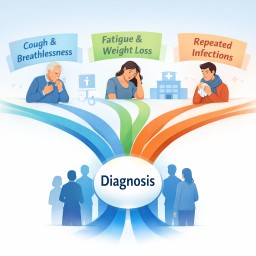
Why Diagnosis Can Take Time — and Why You Are Not Alone
Last reviewed: 18 March 2026
Key points
- Long diagnostic journeys are common in many chronic and rare conditions—not just aspergillosis.
- Delays do not mean your symptoms were not real or important.
- Diagnosis often becomes clear over time, as patterns develop.
- Many patients go through similar experiences before reaching answers.
- Specialist centres play an important role when conditions are complex.
You are not alone in this
One of the most important things to understand is this:
Long and difficult diagnostic journeys are common—especially in chronic or complex illness.
Many people living with conditions such as chronic pulmonary aspergillosis (CPA) or allergic bronchopulmonary aspergillosis (ABPA) describe months or years of symptoms before a clear diagnosis was made.
This experience, while frustrating, is not unusual—and it does not mean your care has failed.
This happens in many conditions
Aspergillosis is not unique in this respect.
Similar diagnostic journeys are seen in:
- chronic lung diseases
- autoimmune conditions
- rare infections
- conditions with overlapping symptoms (e.g. fatigue syndromes)
In all of these, the same pattern often occurs:
- early symptoms are non-specific
- common conditions are treated first
- tests may initially be normal
- the true pattern only becomes clear over time
Why time helps diagnosis
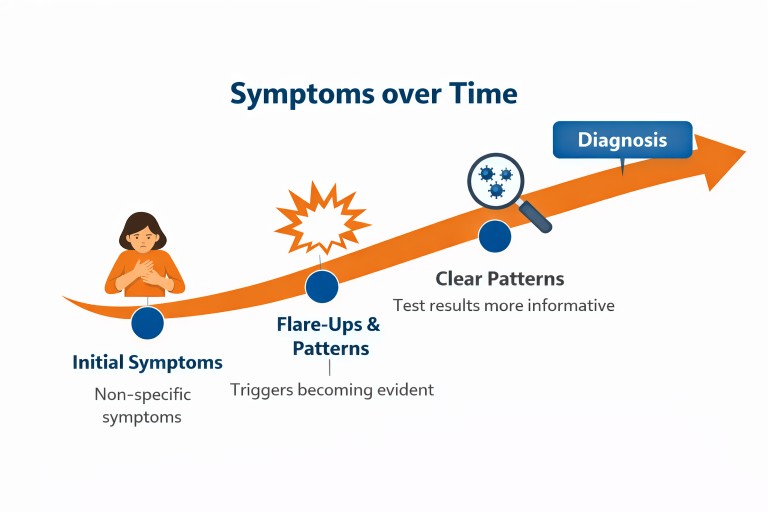
Although it can feel like delay, time often provides essential information.
Patterns emerge
- symptoms become more consistent
- flare-ups follow recognisable triggers
- response to treatment becomes clearer
Tests become more informative
- changes appear on imaging (e.g. CT scans)
- blood markers become more clearly abnormal
- microbiology results become more consistent
What was unclear early on can become much more visible later.
The turning point
Many patients describe a moment when things begin to change:
- symptoms no longer fit common conditions
- treatments stop working as expected
- a clinician recognises a pattern
This is often the point where less common diagnoses—including aspergillosis—are considered.
The role of specialist centres
Complex conditions are often best diagnosed in specialist centres with experience in that field.
In the UK, the National Aspergillosis Centre provides:
- expert multidisciplinary assessment
- access to specialist diagnostics
- experience in recognising patterns of disease
Referral to a specialist centre is often a key step in reaching a diagnosis.
The emotional impact
Long periods without answers can be deeply challenging.
Patients often describe:
- frustration and uncertainty
- feeling unheard or misunderstood
- loss of confidence in their own body
These reactions are entirely understandable.
Your experience is valid—even if the diagnosis took time to emerge.
Moving forward
Once a diagnosis is made, many patients feel a sense of relief—even if treatment is still needed.
A diagnosis provides:
- an explanation for symptoms
- a direction for treatment
- a clearer future plan
Even before diagnosis, it is important to remember:
You are still on a pathway—just not always a straight one.
Common questions
Does a long delay mean something was missed?
Not necessarily. Many conditions are only diagnosable once they have developed further.
Should I have been referred earlier?
Sometimes earlier referral is helpful, but it usually depends on how symptoms evolve over time.
Is this unique to aspergillosis?
No—this pattern is seen across many chronic and rare conditions.

Why Aspergillosis Is So Hard to Diagnose
Last reviewed: 18 March 2026
Key points
- Aspergillosis is often difficult to diagnose because its symptoms can look very similar to those of more common conditions.
- Diagnosis usually depends on several pieces of evidence being brought together, rather than one simple test.
- Doctors are trained to consider common conditions first, because this is usually the safest and most efficient approach.
- This approach works well for many patients, but it can delay recognition of conditions such as aspergillosis.
- Delays are often caused by the way healthcare systems are organised, not by lack of care or effort from individual clinicians.
- Patients can help by keeping a clear record of symptoms, tests, treatments, and how things have changed over time.
Why diagnosis can be difficult
Aspergillosis is not a single illness but a group of conditions caused by Aspergillus, a mould commonly found in the environment. These include:
- Allergic bronchopulmonary aspergillosis (ABPA)
- Chronic pulmonary aspergillosis (CPA)
- Other airway and colonisation-related conditions
Diagnosis usually depends on combining:
- symptoms over time
- CT scan findings
- blood tests (including immunological tests)
- sputum microbiology
- clinical history
There is rarely a single “yes or no” test, which is why diagnosis can take time.
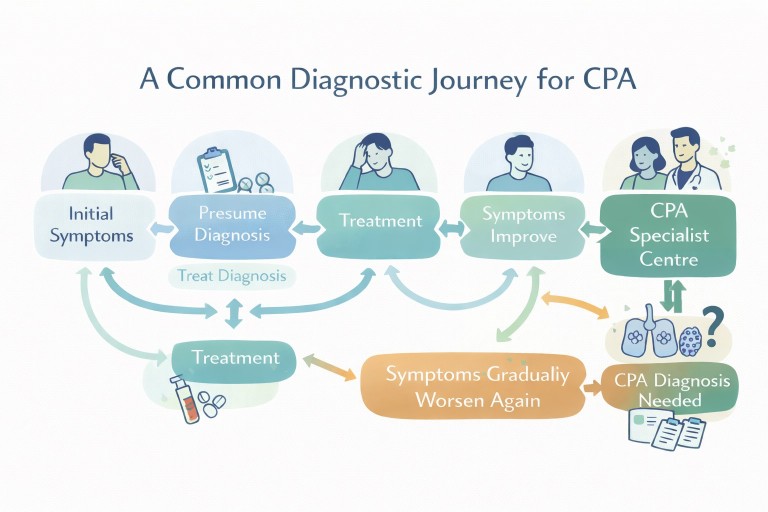
What the patient journey often looks like
Early symptoms
Symptoms such as cough, breathlessness, fatigue, or sputum are common across many conditions including bronchiectasis, asthma, and infection.
Treatment for common conditions
Initial treatment often includes antibiotics, inhalers, or steroids. These are appropriate first steps based on clinical guidelines such as those from the British Thoracic Society (BTS).
Ongoing symptoms
When symptoms persist or return, further investigation is usually needed.
The turning point
At some stage, fungal disease may be considered and tests for Aspergillus are performed.
Why doctors tackle common conditions first
Why do doctors start with common conditions?
Doctors treat common diseases first, prioritizing efficiency, patient safety, and high-probability outcomes. This approach, considering the most likely diagnosis first, helps manage patient health efficiently and effecctively before investigating rare or complex conditions.
This approach is safe and effective for most people, but conditions like aspergillosis can sit outside these usual pathways.
Where delays can happen
Overlap of symptoms
Symptoms overlap with many conditions, including tuberculosis and lung cancer.
No single definitive test
Diagnosis often requires combining multiple test results rather than relying on one.
Gradual disease progression
Conditions such as CPA may evolve over months or years.
Multiple conditions
Patients may have more than one lung condition at the same time.
Why this is often about the system, not the individual doctor
Healthcare systems are designed to manage large numbers of patients efficiently and safely. This means prioritising common conditions first.
However, aspergillosis often requires specialist input. In the UK, this may include referral to the National Aspergillosis Centre, which provides expert assessment and management.
International guidance from organisations such as ESCMID (European Society of Clinical Microbiology and Infectious Diseases) also highlights the complexity of fungal diseases.
What patients can do
- Keep a record of symptoms and treatments
- Ask when diagnosis should be reviewed
- Discuss whether further tests are needed
- Use trusted information sources such as our diagnosis guide
A more balanced way to think about delay
Diagnosis is often not a single event but a process that unfolds over time.
The goal is to recognise patterns earlier and ensure patients who need specialist input are identified sooner.
Common questions
Why was I treated for other conditions first?
Because those conditions are more common and more likely.
Should I ask about aspergillosis?
Yes, especially if symptoms are persistent or unusual—but it should be part of a broader discussion.
When to seek medical advice
- Persistent or worsening symptoms
- Coughing up blood
- Unexplained weight loss
References and further reading
When Symptoms Are Real but Answers Are Not: Understanding Uncertainty
Last reviewed: 18 March 2026
Key points
- Many people experience a period where symptoms are real but no clear diagnosis has been made.
- This can sometimes feel like being told “nothing is wrong” or “it is all in your head”.
- In most cases, this reflects uncertainty in the system, not disbelief from clinicians.
- Conditions such as aspergillosis can take time to become recognisable.
- Physical and psychological factors can overlap—but unexplained symptoms are still real symptoms.
- Clear communication and ongoing review are key to moving forward.
The experience many patients describe
During a long diagnostic journey, many people reach a point where they hear phrases such as:
- “Your tests are normal”
- “We can’t find anything serious”
- “It may be stress or anxiety contributing”
Even when these words are carefully chosen, they can feel like:
“Nothing is wrong” or “it’s all in my head”
This can be one of the most difficult parts of the journey—especially when symptoms are ongoing, disruptive, and clearly real.
Why this happens
This situation usually reflects the limits of current medical systems rather than a lack of concern.
Tests do not always give clear answers
Modern medicine relies heavily on tests. But for many conditions—including chronic pulmonary aspergillosis (CPA)—tests may:
- be negative early on
- show unclear or borderline results
- require interpretation over time
This creates a gap between:
- what the patient is experiencing
- what can currently be measured
Medicine is designed to provide answers
Clinicians are trained to explain symptoms and reassure patients. When no clear diagnosis is available, they may turn to explanations such as:
- stress
- anxiety
- functional symptoms
These are real and valid factors—but if introduced too early, they can feel like the search has stopped.
Time pressure
Short consultations can mean:
- less time to explain uncertainty
- less opportunity to validate patient experience
- simplified explanations that lose nuance
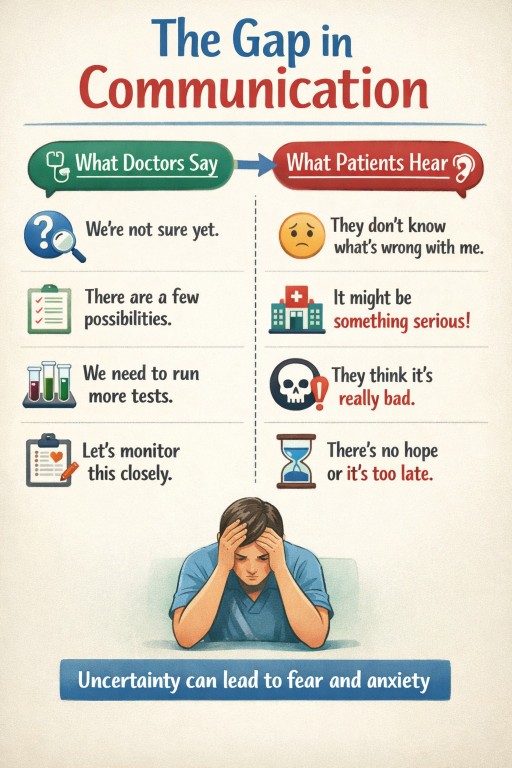
What doctors mean vs what patients hear
Often, the issue is not what is said—but how it is understood.
| What may be said | What may be heard |
|---|---|
| “Your tests are normal” | “Nothing is wrong” |
| “We haven’t found a cause yet” | “There is no cause” |
| “Stress may be contributing” | “It’s all in your head” |
Understanding this gap can help both patients and clinicians move forward more constructively.
A critical clarification
Not having a diagnosis is not the same as not having a disease.
Unexplained symptoms are still real symptoms.
Medicine does not always have immediate answers—especially for conditions that develop slowly or do not fit standard patterns.
Physical and psychological overlap
It is important to take a balanced view.
- Physical illness can lead to anxiety, fatigue, and distress
- Anxiety can worsen physical symptoms such as breathlessness
This relationship is two-way, not either/or.
The problem arises when psychological explanations replace further investigation, rather than sitting alongside it.
Why this matters in aspergillosis
Conditions such as aspergillosis often:
- develop gradually
- have non-specific symptoms
- require multiple tests over time
This makes periods of uncertainty more likely, particularly before a diagnosis such as allergic bronchopulmonary aspergillosis (ABPA) or CPA is confirmed.
You can read more about this in Why Aspergillosis Is So Hard to Diagnose.
What patients can do
- Keep a record of symptoms and how they change over time
- Ask what the current working diagnosis is
- Ask when the situation should be reviewed
- Share concerns clearly, but remain open to different explanations
Helpful questions include:
- “What else could this be?”
- “What would make you reconsider the diagnosis?”
- “When should we review this again?”
A shared understanding
This situation is not about:
- patients being dismissed
- clinicians not caring
It reflects a deeper reality:
Medicine does not always have immediate answers—especially for complex or evolving conditions.
The goal is to keep the process open, respectful, and moving forward.
Common questions
Does this mean doctors think I’m imagining symptoms?
No. It usually reflects uncertainty rather than disbelief.
Can stress really affect physical symptoms?
Yes—but this should not stop appropriate medical investigation.
What should I do if I feel dismissed?
Ask for clarification, a review plan, or a second opinion if needed.
Aspergillosis Research Highlights - Week 11
Mid-March 2026 Literature Update
This update summarises notable recent publications mentioning aspergillosis, prioritising studies relevant to chronic pulmonary aspergillosis (CPA), allergic bronchopulmonary aspergillosis (ABPA), diagnostics, epidemiology and management.
Table of Contents
Key Highlights
- Pulmonary aspergilloma review published in CHEST: a substantial review summarises modern understanding of pulmonary aspergilloma, including diagnosis, haemoptysis risk and management.
- Rapid diagnostic technologies emerging: new CRISPR-based and LAMP molecular approaches show promise for faster identification of Aspergillus fumigatus and antifungal resistance.
- Nebulised antifungal therapy explored for ABPA: a case report describes inhaled antifungal therapy in a patient with treatment-limiting comorbidities.
- Microbiome disruption may increase susceptibility to Aspergillus infection: experimental data suggest antibiotics can impair neutrophil-mediated antifungal immunity.
- Global burden continues to emerge: recent studies again show Aspergillus infection in patients initially suspected of tuberculosis or pneumonia.
Clinical and Review Papers
Pulmonary Aspergilloma: Comprehensive Clinical Review
Seo C, Dumoulin E, Thornton CS.
Spore Wars: A Comprehensive Review of Pulmonary Aspergilloma and Its Clinical Management.
CHEST, 12 Mar 2026.
PubMed: https://pubmed.ncbi.nlm.nih.gov/41831523/
This review provides an updated overview of pulmonary aspergilloma, covering pathogenesis, imaging findings, haemoptysis risk and current management strategies.
- Aspergilloma develops in pre-existing lung cavities, often related to previous tuberculosis or other structural lung disease.
- The major complication is haemoptysis, which can be severe or life-threatening.
- Management may include monitoring, antifungal therapy, bronchial artery embolisation or surgical resection in selected patients.
Systematic Review Planned on ABPA Therapies
Nwankwo L, Maidment I, Periselneris J, Jackson DJ, Agarwal R, Asano K, Nuh A, Ni M, Shah A, Armstrong-James D.
Protocol for a systematic literature review and network meta-analysis of the evidence for therapies in allergic bronchopulmonary aspergillosis (ABPA).
Systematic Reviews, 11 Mar 2026.
PubMed: https://pubmed.ncbi.nlm.nih.gov/41814377/
This protocol sets out a planned network meta-analysis comparing therapies used in ABPA.
- Will assess the evidence for oral corticosteroids, antifungal therapy, biologics and combination approaches.
- Aims to address the continuing lack of strong comparative evidence between treatment strategies.
Diagnostics and Detection Advances
Rapid Antifungal Susceptibility Testing for Aspergillus fumigatus
Nozue S, Furuhashi K, Toguchi A, Ishikawa J, Nagura O, Yamashita K, Maekawa M, Iwaizumi M.
Rapid antifungal susceptibility testing for Aspergillus fumigatus using a loop-mediated isothermal amplification method.
Journal of Microbiological Methods, 12 Mar 2026.
PubMed: https://pubmed.ncbi.nlm.nih.gov/41831694/
This study describes a loop-mediated isothermal amplification (LAMP) method for rapid antifungal susceptibility testing.
- Designed to identify antifungal resistance more quickly than conventional culture-based testing.
- Potentially useful for early recognition of azole resistance.
CRISPR-Based Detection of Aspergillus fumigatus
Jiang Q, Zeng X, Zhang Q, Yang F, Lv T, Zhang Y, Wang J, Li F, Xu D.
Development and application of a rapid detection system for Aspergillus fumigatus based on ERA/CRISPR-Cas12a.
BMC Microbiology, 9 Mar 2026.
PubMed: https://pubmed.ncbi.nlm.nih.gov/41803678/
This paper reports a rapid molecular detection platform combining ERA amplification with CRISPR-Cas12a.
- Aims to detect A. fumigatus DNA rapidly and accurately.
- Represents the wider move toward faster molecular fungal diagnostics.
Sputum Galactomannan for Diagnosing IPA in COPD
Lan Y, Li H, Su D, Liao X, Zhang Q, Ma Q.
Clinical value of sputum galactomannan testing in the diagnosis of invasive pulmonary aspergillosis among chronic obstructive pulmonary disease patients.
European Journal of Medical Research, 9 Mar 2026.
PubMed: https://pubmed.ncbi.nlm.nih.gov/41803989/
This study evaluates sputum galactomannan as a less invasive diagnostic tool for invasive pulmonary aspergillosis in patients with COPD.
- Could provide useful diagnostic information when bronchoscopy is not feasible.
- May complement serum or bronchoalveolar lavage-based testing.
Immunology and Pathogenesis
Antibiotics and Susceptibility to Aspergillus Infection
Aufiero MA, Hohl TM.
Antibiotic-induced microbiota disruption impairs neutrophil-mediated immunity to respiratory Aspergillus fumigatus infection in mice.
mBio, 11 Mar 2026.
PubMed: https://pubmed.ncbi.nlm.nih.gov/41810941/
This experimental paper suggests that antibiotic-driven microbiome disruption can impair neutrophil responses and increase vulnerability to Aspergillus infection.
- Antibiotics altered microbial communities in ways that weakened antifungal immunity.
- The findings support a protective role for the microbiome in respiratory host defence.
Therapeutic Developments
Nebulised Antifungal Therapy in ABPA
Carrasco Sánchez M, Llopis Pastor E, García-Salmones Martín M.
Nebulised antifungal therapy in allergic bronchopulmonary aspergillosis in a patient with treatment-limiting comorbidities.
Medicina Clínica (Barcelona), 12 Mar 2026.
PubMed: https://pubmed.ncbi.nlm.nih.gov/41832814/
This case report describes use of nebulised antifungal therapy in ABPA where standard systemic treatment was limited by comorbidities.
- Suggests inhaled delivery may occasionally offer a practical workaround in selected patients.
- Evidence remains limited and this should still be viewed as a niche or exploratory approach.
Epidemiology and Public Health
Aspergillus Positivity in Patients With Tuberculosis-Like Symptoms
Ebong SMA, Kengne VN, Ayong MNA, Foko LPK, Ambono JLN, Ndzana GM, Baïdam MT, Youguitcha O, Abah OZA, Ayangma C, Koro FK.
Positivity rate of Aspergillus spp. in patients with tuberculosis-like symptoms in Yaoundé, Cameroon and antifungal resistance profile.
BMC Infectious Diseases, 9 Mar 2026.
PubMed: https://pubmed.ncbi.nlm.nih.gov/41803790/
This study found Aspergillus positivity in patients initially presenting with tuberculosis-like symptoms.
- Shows again how pulmonary aspergillosis can be confused with TB.
- Also assessed antifungal resistance patterns.
Pulmonary Fungal Infection in Pneumonia
Shokohi R, Mehraban Z, Darvishi F, Fatahinia M, Kiasat N.
Epidemiology and Clinical Features of Pulmonary Fungal Infections in Patients with Pneumonia: A Single-Center Study from Southwestern Iran.
Research Square preprint, 11 Mar 2026.
Preprint: https://www.researchsquare.com/article/rs-1164127
This preprint reports that aspergillosis was a significant component of pulmonary fungal infection among patients with pneumonia.
- Suggests fungal infection may be more common in severe respiratory disease than often recognised.
- As a preprint, findings should be interpreted cautiously until peer reviewed.
Aspergillosis in Complex Clinical Settings
Brain Abscess With Tuberculosis and Aspergillosis
Mirg S, Parihar J, Vibha D, Garg A, Singh G, Singh U, Sharma MC, Tripathi M.
Brain abscess with concurrent infection: tuberculosis and aspergillosis.
Practical Neurology, 13 Mar 2026.
PubMed: https://pubmed.ncbi.nlm.nih.gov/40784749/
This case report describes a rare brain abscess caused by concurrent tuberculosis and aspergillosis.
- Illustrates the complexity of diagnosis when multiple serious infections coexist.
- Highlights the need to keep fungal infection in the differential diagnosis.
Nosocomial Aspergillus calidoustus Infection in CAR-T Cell Therapy
Aubry A, Joris M, Choquet M, Kemp H, Bigot J, Braule B, Lemonnier D, Merlin-Brochart J, Lebon D, Maizel J, Guitard J, Chouaki T.
Nosocomial invasive Aspergillus calidoustus infection in a CAR-T cell-treated patient with concomitant Aspergillus fumigatus respiratory infection.
European Journal of Clinical Microbiology & Infectious Diseases, 12 Mar 2026.
PubMed: https://pubmed.ncbi.nlm.nih.gov/41817606/
This case highlights invasive infection by the rarer species Aspergillus calidoustus in a highly immunocompromised patient.
- Occurred alongside respiratory infection with A. fumigatus.
- Emphasises the diverse Aspergillus species that may affect profoundly immunosuppressed patients.
Additional Papers Mentioning Aspergillosis
These papers mention aspergillosis but are not primarily focused on it.
- Seffar L et al. Beyond Classification: An Antineutrophil Cytoplasmic Antibody-Associated Vasculitis Overlap Case. Cureus, 14 Mar 2026. PMC: https://www.ncbi.nlm.nih.gov/pmc/articles/PMC12983185/
- Jandric M et al. Continuous Renal Replacement Therapy for Patients With Sepsis in a Low-Resource Medical Intensive Care Unit (MICU): Incidence, Risk Factors, and Outcomes. Cureus, 14 Mar 2026. PMC: https://www.ncbi.nlm.nih.gov/pmc/articles/PMC12979951/
- Koh M et al. Understanding disease burden, challenges in current treatment strategies and call for action for management of severe asthma in Asia: a position statement from Asian respiratory experts. Frontiers in Allergy, 14 Mar 2026. PMC: https://www.ncbi.nlm.nih.gov/pmc/articles/PMC12979456/
- Mustafa J et al. Phytochemical profiling of Vitex negundo seeds via UHPLC-QTOF-MS/MS analyses with antimicrobial evaluation and in silico targeting of DNA Gyrase B and Secreted Aspartic Proteinase 2 (SAP2). PLoS One, 13 Mar 2026. PubMed: https://pubmed.ncbi.nlm.nih.gov/41824429/
- Mitchelmore P, Duggan S. Candida in the lung: Fact, fiction, friend or foe? PLoS Pathogens, 10 Mar 2026. PubMed: https://pubmed.ncbi.nlm.nih.gov/41805870/
- Xie Y, Zhang A, Wang Y, Wang R. Community-Acquired Pneumonia in Patients With Diabetes: Narrative Review. JMIR Diabetes, 10 Mar 2026. PubMed: https://pubmed.ncbi.nlm.nih.gov/41805689/
- Long MB et al. Design and rationale of the AIR-NET trial: a randomised, open-label, multifactorial, multicentre, adaptive platform trial using a range of repurposed anti-inflammatory treatments to improve outcomes in patients with bronchiectasis within the EMBARC clinical research network. ERJ Open Research, 9 Mar 2026. PubMed: https://pubmed.ncbi.nlm.nih.gov/41809869/
- Zablonski KG et al. Successful allogeneic stem cell transplant in a patient with a left ventricular assist device: a novel case report. Annals of Hematology, 11 Mar 2026. PubMed: https://pubmed.ncbi.nlm.nih.gov/41807548/
- He D et al. Amphotericin B promotes respiratory viral entry by enhancing late endosomal maturation and fusion via glucocerebrosidase-mediated ceramide remodeling. Nature Communications, 9 Mar 2026. PubMed: https://pubmed.ncbi.nlm.nih.gov/41803143/
Overall Trends
- Rapid molecular diagnostics for Aspergillus detection and resistance testing continue to advance.
- Global awareness of fungal lung disease is improving, especially in patients initially thought to have tuberculosis or bacterial pneumonia.
- Host immunity and microbiome research is expanding understanding of why some patients become vulnerable to Aspergillus disease.
- Alternative treatment approaches, such as inhaled antifungal therapy, are being explored in selected difficult cases.
Diagnosing Allergic Forms of Aspergillosis
How doctors diagnose allergic reactions to Aspergillus in the lungs
Key points
- This page explains how doctors diagnose allergic diseases caused by Aspergillus, rather than Aspergillus infection.
- The best-known allergic form is allergic bronchopulmonary aspergillosis (ABPA).
- Another related condition is severe asthma with fungal sensitisation (SAFS).
- In allergic disease, the main problem is an exaggerated immune reaction to Aspergillus, rather than fungal growth directly damaging tissue.
- Diagnosis usually depends on a combination of symptoms, asthma history, blood tests, imaging, and sometimes sputum tests.
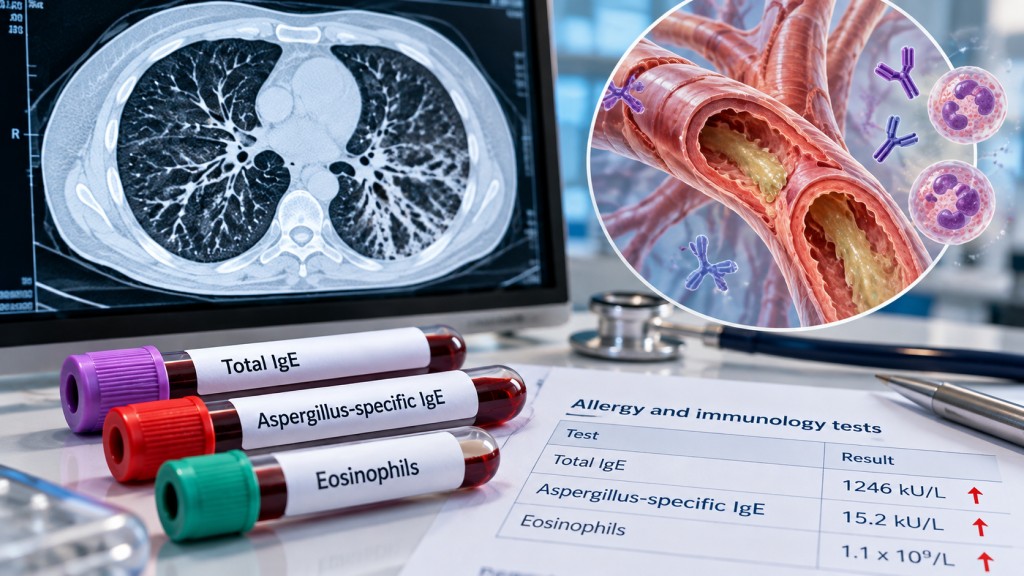
- The most important tests often include total immunoglobulin E (IgE), Aspergillus-specific IgE, eosinophil count, and a computed tomography (CT) scan.
Who is this page for? Patients, carers, general practitioners, and non-specialists who want to understand how allergic Aspergillus diseases are diagnosed.
Please note: This page is about allergic Aspergillus disease. Diagnosis of Aspergillus infection, such as chronic pulmonary aspergillosis (CPA), uses a different emphasis and is best covered separately.
What is allergic Aspergillus disease?
Aspergillus is a group of moulds commonly found in the environment. Most people breathe in Aspergillus spores regularly without becoming unwell.
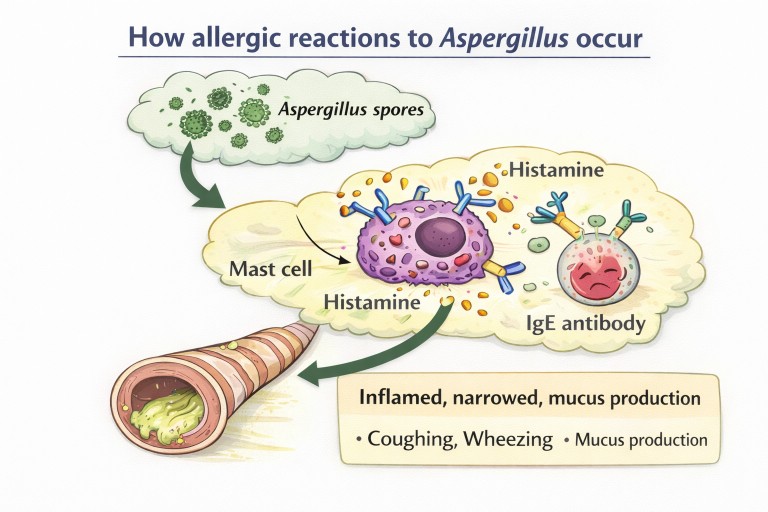
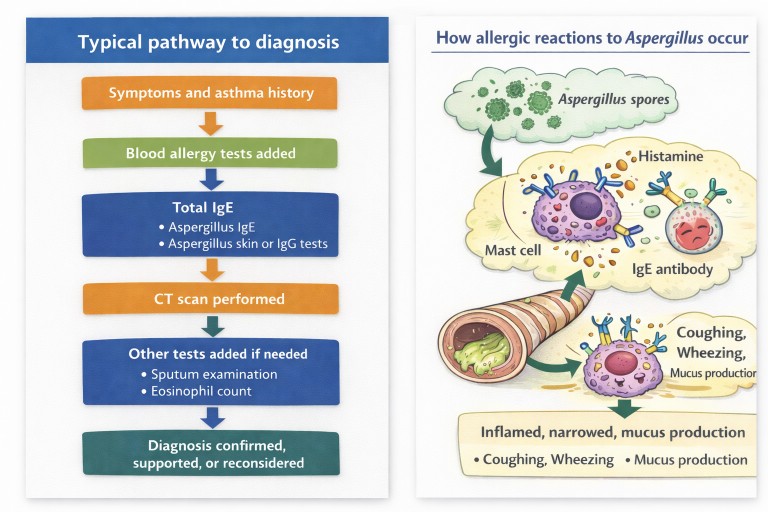
In some people, however, the immune system becomes over-sensitive to Aspergillus. Instead of ignoring the spores, it reacts strongly. This reaction can cause airway inflammation, mucus production, coughing, wheezing, and worsening asthma symptoms.
Unlike Aspergillus infection, where the fungus itself is growing and causing damage, allergic Aspergillus disease is mainly driven by the body’s immune response.
Why allergic reactions to Aspergillus happen
Allergic Aspergillus disease usually happens in people who already have an underlying airway condition, especially asthma or sometimes cystic fibrosis or bronchiectasis.
In these conditions, mucus may build up in the airways and spores may remain there longer than usual. The immune system may then become sensitised to Aspergillus and start to recognise it as a threat.
Once sensitisation has happened, breathing in Aspergillus spores can trigger an allergic response involving:
- immunoglobulin E (IgE)
- mast cells
- eosinophils
- release of inflammatory chemicals
- airway swelling, narrowing, and mucus production
This is why many patients develop symptoms such as wheeze, cough, chest tightness, increased mucus, and repeated flare-ups.
Main allergic Aspergillus conditions
Allergic bronchopulmonary aspergillosis (ABPA)
Allergic bronchopulmonary aspergillosis (ABPA) is the best-known allergic Aspergillus condition. It usually occurs in people with asthma or cystic fibrosis, although it can occasionally appear in other settings too.
In ABPA, the immune system reacts strongly to Aspergillus in the airways. This can lead to:
- worsening asthma
- cough
- thick mucus or mucus plugs
- breathlessness
- recurrent chest flare-ups
- bronchiectasis over time
Severe asthma with fungal sensitisation (SAFS)
Severe asthma with fungal sensitisation (SAFS) refers to patients with severe asthma who are sensitised to fungi such as Aspergillus, but who do not meet the full criteria for ABPA.
These patients may still have significant fungal-driven airway inflammation, but the pattern is not the same as classic ABPA.
How doctors diagnose allergic Aspergillus disease
Doctors usually diagnose allergic Aspergillus disease by combining several different types of evidence:
- symptoms and history, especially asthma history
- blood tests showing allergic sensitisation
- blood tests showing the degree of allergic activity
- computed tomography (CT) scan findings
- sometimes sputum findings
The overall aim is to show that:
- the patient is sensitised to Aspergillus
- the immune system is reacting strongly enough to cause disease
- the lungs show changes that fit that diagnosis
- other explanations do not fit better
Blood tests
Blood tests are central to diagnosing allergic forms of aspergillosis.
Total immunoglobulin E (IgE)
Total IgE is a measure of overall allergic immune activity. In ABPA, it is often substantially raised. It helps show that a strong allergic process may be taking place.
Aspergillus-specific immunoglobulin E (IgE)
This test measures whether the immune system has made IgE antibodies specifically against Aspergillus. A positive result shows that the immune system recognises Aspergillus as an allergen.
Aspergillus-specific immunoglobulin G (IgG)
Aspergillus IgG may also be measured. It can help support the overall picture, although it is not as specific for allergic disease as Aspergillus-specific IgE. It is often more associated with chronic infection, so the result has to be interpreted carefully.
Eosinophil count
Eosinophils are white blood cells involved in allergic inflammation. Many patients with ABPA have raised eosinophils, although not all do. Steroid treatment can also reduce the eosinophil count, which may affect interpretation.
Skin allergy testing
Some patients have a skin prick test using Aspergillus allergen. If the immune system is sensitised, a small raised itchy bump appears at the skin test site.
This can provide useful evidence of sensitisation, although many centres now rely more on blood tests.
Computed tomography (CT) scans and imaging
A computed tomography (CT) scan helps doctors look for airway changes that support the diagnosis.
Findings may include:
- central bronchiectasis
- mucus plugging
- airway wall thickening
- patchy collapse or inflammation in some areas of lung
These findings do not prove ABPA on their own, but they can strongly support the diagnosis when the blood tests and history fit.
Sputum tests
Sputum may sometimes show:
- Aspergillus growth
- mucus plugs
- eosinophils
However, the presence of Aspergillus in sputum does not on its own prove allergic disease. It has to be interpreted alongside the patient’s symptoms, allergy tests, and scans.
Diagnostic criteria for allergic bronchopulmonary aspergillosis (ABPA)
Doctors usually diagnose ABPA using a combination of features rather than a single test. Depending on the guideline used, these may include:
- asthma or cystic fibrosis
- evidence of Aspergillus sensitisation, usually Aspergillus-specific IgE
- a raised total IgE
- supportive findings such as raised eosinophils
- CT scan changes such as central bronchiectasis or mucus plugging
Not every patient has every feature, and some patients sit somewhere between clear-cut categories. That is why doctors look at the whole pattern.
Why several tests are often needed
No single test can diagnose allergic Aspergillus disease on its own.
For example, a raised total IgE shows allergic activity, but not necessarily that Aspergillus is the cause. A positive Aspergillus-specific IgE shows sensitisation, but not necessarily that the patient has ABPA. A CT scan may show bronchiectasis, but bronchiectasis has many causes.
Doctors therefore combine the evidence:
- Do the symptoms fit?
- Is there asthma or another predisposing airway condition?
- Is there clear Aspergillus sensitisation?
- Are the allergic markers sufficiently raised?
- Do the scans show changes that support the diagnosis?
When several of these line up, the diagnosis becomes much more reliable.
Common questions patients ask
If Aspergillus is common in the air, why do only some people develop allergic disease?
Only some people become sensitised. Underlying asthma, airway disease, genetic factors, and repeated exposure may all contribute.
Is allergic bronchopulmonary aspergillosis (ABPA) the same as infection?
No. In ABPA, the main problem is the immune reaction to Aspergillus. In infection, the fungus itself is growing in a way that causes direct disease.
Can someone have both allergy and infection?
Yes, in some circumstances, a person may have overlapping problems, which can make diagnosis more complicated.
Why are eosinophils important?
Eosinophils are part of the allergic inflammatory response. A raised eosinophil count can support the diagnosis, although it is not present in every patient and can be lowered by steroid treatment.
When to seek medical advice
Seek medical advice if you have:
- worsening asthma control
- frequent chest flare-ups
- persistent cough or thick mucus
- wheezing that is getting worse
- unexplained breathlessness
- new mucus plugging or bronchiectasis on imaging
Earlier diagnosis can help reduce inflammation and may help prevent longer-term airway damage.
References
- Agarwal R, Chakrabarti A, Shah A, et al. Revised ISHAM-ABPA working group clinical practice guidelines for diagnosing, classifying and treating allergic bronchopulmonary aspergillosis and related mycoses.
- Patterson KC, Strek ME. Allergic bronchopulmonary aspergillosis. Proceedings of the American Thoracic Society.
- Reviews on severe asthma with fungal sensitisation (SAFS), Aspergillus sensitisation, eosinophilic airway disease, and fungal allergy in asthma may also be helpful for a fuller professional companion page.
Clinical Trials and Emerging Treatments for Chronic Aspergillosis
Last reviewed: 12 March 2026
Key points
- Only a small number of antifungal drug classes are currently available to treat aspergillosis.
- New treatments are needed because of drug resistance, side effects, drug interactions and the long-term burden of chronic disease.
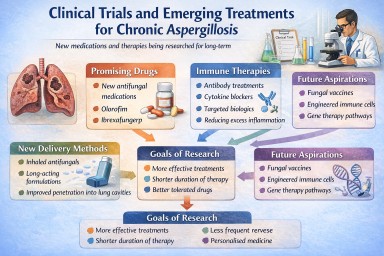
- Research is now exploring not only new antifungal drugs, but also inhaled therapies, biologics, immune-modulating treatments and combination approaches.
- Most new drugs are first tested in invasive aspergillosis before being studied in chronic pulmonary aspergillosis (CPA) or allergic bronchopulmonary aspergillosis (ABPA).
- Clinical trials are essential for showing whether new treatments are safe and effective.
Table of contents
- Overview
- Why new treatments are needed
- How new treatments are developed
- Clinical trial phases
- Regulatory approval and NHS use
- New antifungal drugs in development
- Other emerging treatments for chronic aspergillosis
- Why new treatments are often tested in invasive aspergillosis first
- How to find clinical trials
- Common questions
- Further information
- Author and review information
Overview
Treatment options for aspergillosis have improved over time, but there are still important limitations. Only a small number of antifungal drug classes are available, some fungi develop resistance to existing medicines, and some patients cannot tolerate treatment because of side effects or drug interactions.
This is particularly important in chronic aspergillosis, where treatment may need to continue for months or years. Research is therefore focused not only on new antifungal drugs, but also on better drug delivery systems, immune-based treatments, biologic therapies and combinations of treatments.
Clinical trials are the main way that researchers test whether these new approaches are safe and effective.
Why new treatments are needed
New treatments for chronic aspergillosis are needed for several reasons:
- the number of available antifungal drug classes is limited,
- Aspergillus can develop resistance to azole antifungals,
- some patients experience significant side effects or important drug interactions,
- long-term treatment can be difficult to sustain,
- chronic disease may continue to affect symptoms, lung function and quality of life even when treatment is helping.
Because chronic pulmonary aspergillosis (CPA), allergic bronchopulmonary aspergillosis (ABPA) and related conditions can behave differently, researchers are exploring a wider range of therapies than in the past.
How new treatments are developed
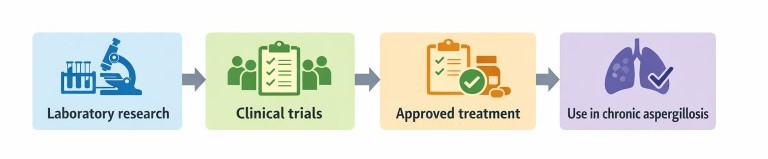
Before a new treatment can be used routinely, it must pass through several stages of development.
| Stage | Description |
|---|---|
| Basic research | Scientists study the disease and identify targets that could be affected by a new drug or treatment approach. |
| Drug discovery | Researchers screen chemical compounds or modify promising molecules to find potential treatments. |
| Pre-clinical studies | Potential treatments are tested in laboratory systems and sometimes animal models to assess activity and safety. |
| Application to begin human trials | Researchers apply to regulators and ethics committees for permission to test the treatment in people. |
Clinical trial phases
Clinical trials are usually carried out in phases.
| Phase | Purpose |
|---|---|
| Phase 0 / Phase I | Small studies, often in healthy volunteers, to understand how the treatment behaves in the body, including absorption, distribution and safe dose ranges. |
| Phase II | Studies in patients with the disease to identify useful doses and gather early information on effectiveness and side effects. |
| Phase III | Larger studies comparing the new treatment with existing care to assess effectiveness and safety more accurately. |
| Phase IV | Post-marketing studies that monitor how the treatment performs in real-world use after approval. |
Regulatory approval and NHS use
If a treatment performs well in trials, the manufacturer can apply for approval from a medicines regulator such as the European Medicines Agency (EMA) or the U.S. Food and Drug Administration (FDA).
In the United Kingdom, a treatment may also be assessed by the National Institute for Health and Care Excellence (NICE) to determine whether it should be funded for routine use in the NHS.
Even when a drug is not recommended for routine NHS use, doctors may sometimes apply for individual funding if they believe it could benefit a particular patient.
New antifungal drugs in development
Many new antifungal drugs are first developed for severe invasive fungal infections and may later be studied in chronic conditions such as CPA or ABPA.
Olorofim
Olorofim is a novel antifungal from a completely new class called the orotomides. It targets fungal pyrimidine synthesis, a pathway not affected by current azole, echinocandin or polyene antifungals.
Rezafungin
Rezafungin is an echinocandin designed to have a longer duration of action and improved pharmacokinetic properties compared with older drugs in the same class.
Ibrexafungerp
Ibrexafungerp belongs to a new group of antifungals called triterpenoids. It acts on fungal cell wall synthesis in a way that is similar to echinocandins, but its structure is different and it can be given orally.
Fosmanogepix
Fosmanogepix is a first-in-class antifungal that blocks production of a molecule needed for fungal cell wall construction and self-regulation.
Oteseconazole
Oteseconazole is one of the newer tetrazole agents designed to improve selectivity and reduce side effects compared with traditional azoles.
Encochleated Amphotericin B
This is a reformulated version of amphotericin B designed to improve delivery and reduce toxicity.
ATI-2307
ATI-2307 is an arylamidine antifungal that interferes with mitochondrial function in fungal cells.
Other emerging treatments for chronic aspergillosis
Although new antifungal drugs are an important area of research, scientists are also exploring other ways to treat chronic forms of aspergillosis such as chronic pulmonary aspergillosis (CPA) and allergic bronchopulmonary aspergillosis (ABPA). These approaches aim to improve treatment effectiveness, reduce side effects, or target the immune response to the fungus.
Inhaled antifungal treatments
One area of research is the development of antifungal medicines that can be delivered directly to the lungs using inhalers or nebulisers. Delivering medication directly to the lungs may allow higher drug concentrations at the site of disease while reducing side effects elsewhere in the body.
Examples being explored include inhaled or nebulised formulations of amphotericin B, itraconazole and voriconazole.
Immune-modulating therapies
In some patients with aspergillosis, the immune response to the fungus plays an important role in how the disease develops or persists. Researchers are studying treatments that help modify the immune response rather than directly killing the fungus.
Examples include therapies that may enhance antifungal immunity or reduce harmful inflammation.
Biologic therapies
Biologic drugs that target specific immune pathways are already used to treat severe asthma and allergic disease. Some of these medicines are now being studied or used in fungal-related airway disease.
Examples include drugs targeting immunoglobulin E (IgE) or eosinophilic inflammation, such as omalizumab, mepolizumab, benralizumab, dupilumab and tezepelumab. These may be particularly relevant in ABPA or severe asthma with fungal sensitisation (SAFS).
Combination therapies
Future treatment strategies may combine different approaches, for example antifungal medication together with biologic therapy, inhaled therapy or immune-modulating treatment. Combination treatment may improve outcomes in patients whose disease does not respond fully to a single treatment alone.
Research is ongoing to determine which combinations are most effective and safest for patients with chronic aspergillosis.
Why new treatments are often tested in invasive aspergillosis first
Many new antifungal drugs are first tested in patients with invasive aspergillosis before being studied in chronic forms of the disease such as chronic pulmonary aspergillosis (CPA) or allergic bronchopulmonary aspergillosis (ABPA).
There are several reasons for this:
- Disease progression is faster. In invasive infections the illness progresses quickly, so researchers can more easily measure whether a new treatment is working.
- Clearer treatment outcomes. Invasive infections often have well-defined clinical outcomes such as survival or clearance of infection.
- Smaller studies can provide useful results. Because invasive infections are severe, treatment effects may be detected in smaller numbers of patients.
Chronic forms of aspergillosis usually progress more slowly. This means clinical trials often need to run for longer periods and include larger numbers of patients to demonstrate whether a treatment is effective.
Once a new antifungal drug has shown benefit in invasive disease, researchers may then study how it performs in chronic conditions such as CPA or ABPA.
Specialist centres such as the National Aspergillosis Centre contribute to research that helps evaluate new treatments for chronic forms of aspergillosis and improve care for patients living with these conditions.
How to find clinical trials
Clinical trials involving human participants must be registered publicly for ethical and regulatory reasons.
You can search for ongoing or completed studies at:
This database allows you to search for studies by disease, location, treatment or trial status.
Not all studies test new drugs. Some trials investigate diagnostics, biomarkers, new ways of using existing medicines, or observational registries that help researchers understand disease patterns over time.
If you are interested in taking part in a clinical trial, discuss this with your specialist respiratory team.
Common questions
Why are new treatments needed if antifungal drugs already exist?
Current antifungal drugs help many patients, but they do not work for everyone. Some fungi develop resistance, some patients experience side effects or interactions, and chronic disease can remain difficult to control.
Are all new treatments new antifungal drugs?
No. Research now includes new antifungal drugs, inhaled treatments, biologics, immune-modulating therapies and combination approaches.
Why are there more trials in invasive aspergillosis than CPA?
Invasive aspergillosis progresses more quickly, so trial results can often be measured sooner and with fewer patients. CPA usually changes more slowly, which makes trials longer and more difficult to run.
Can patients with chronic aspergillosis join clinical trials?
Sometimes, yes. Eligibility depends on the trial design, the type of aspergillosis, previous treatment and other health factors. Your specialist team can advise whether there may be suitable studies.
Do clinical trials always involve testing a completely new drug?
No. Some studies test new doses, new combinations, new formulations such as inhaled treatment, or new diagnostic approaches.
Further information
You may find these pages helpful:
- Antifungal medicines for aspergillosis
- Biologics and eosinophilic asthma
- Inhalers and nebulisers
- Chronic pulmonary aspergillosis (CPA)
- Allergic bronchopulmonary aspergillosis (ABPA)
More information about the medicine development process can be found through major medicines regulators, clinical trial registries, and specialist respiratory teams.
Author and review information
Author: Aspergillosis Website Editorial Team
Audience: Patients, carers, GPs and non-specialists
Last reviewed: 12 March 2026
Clinical Trials and Emerging Diagnostics for Aspergillus Infections
How new diagnostic technologies may improve detection of Aspergillus lung infections
Last reviewed: March 2026
Author: Graham Atherton
Key points
- Diagnosing Aspergillus lung infections can be challenging because symptoms often resemble other lung diseases.
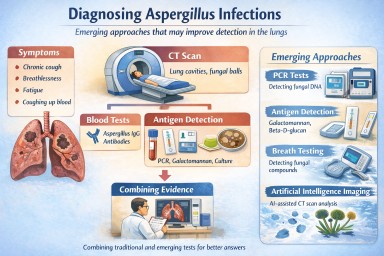
- Doctors usually combine CT scans, blood tests and microbiology tests to make a diagnosis.
- Researchers are developing new diagnostics that detect fungal DNA, fungal molecules, or drug-resistant strains.
- Emerging tools include PCR tests, antigen detection, rapid tests, sequencing technologies and artificial intelligence imaging.
- This page focuses on Aspergillus infections rather than allergic conditions such as Allergic Bronchopulmonary Aspergillosis, Severe Asthma with Fungal Sensitisation, or Aspergillus bronchitis.
- Many of these newer technologies are being studied in clinical trials and research programmes worldwide.
Table of contents
- 1. Important note: infection vs allergy
- 2. Why better diagnostics are needed
- 3. How Aspergillus infections are diagnosed today
- 4. Detecting the immune response vs detecting the fungus
- 5. Simple diagram: two ways of looking for Aspergillus disease
- 6. DNA testing (PCR diagnostics)
- 7. Fungal antigen detection
- 8. Rapid diagnostic tests
- 9. Breath diagnostics
- 10. Sequencing technologies and the lung microbiome
- 11. Detecting antifungal resistance
- 12. Artificial intelligence and CT imaging
- 13. Flowchart: how doctors diagnose chronic Aspergillus infection
- 14. The future diagnostic pathway
- 15. Common questions patients ask
- 16. When to seek medical advice
- 17. References
1. Important note: infection vs allergy
This article focuses on diagnosing Aspergillus infections of the lungs, particularly:
- Chronic Pulmonary Aspergillosis
- Aspergillus nodules
- Aspergilloma (fungal ball)
- Subacute invasive aspergillosis
These conditions involve the fungus growing in lung tissue or in pre-existing lung cavities.
This is different from allergic Aspergillus disease, such as:
- Allergic Bronchopulmonary Aspergillosis (ABPA)
- Severe Asthma with Fungal Sensitisation (SAFS)
- Aspergillus bronchitis (which overlaps with airway disease rather than the classic cavity-forming infections discussed here)
In allergic disease, diagnosis focuses more on immune reactions, such as IgE antibodies, eosinophils, allergy testing and markers of Type 2 inflammation.
This page therefore focuses mainly on diagnostics for Aspergillus infection rather than allergy. A separate article can cover immune diagnostics in allergic Aspergillus disease.
2. Why better diagnostics are needed
Chronic Pulmonary Aspergillosis often develops in people who already have damaged lungs, for example from:
- tuberculosis
- Chronic Obstructive Pulmonary Disease
- bronchiectasis
- sarcoidosis
- previous severe lung infections
- lung surgery
Symptoms may include:
- chronic cough
- breathlessness
- fatigue
- weight loss
- coughing up blood
- chest discomfort
These symptoms are not specific, meaning they can occur in many other lung diseases.
Aspergillus is also very common in the environment, so detecting it in sputum does not always mean it is causing disease. Sometimes it may simply be present without invading tissue or causing progressive damage.
For these reasons, diagnosing chronic aspergillosis usually requires multiple tests interpreted together, rather than relying on one result alone.
3. How Aspergillus infections are diagnosed today
Doctors usually combine three main types of evidence.
| Diagnostic method | What it shows |
|---|---|
| CT scan | Structural lung changes such as cavities, nodules or fungal balls |
| Blood tests | The body's immune response to Aspergillus |
| Microbiology tests | Evidence of the fungus itself |
The most important blood test for many patients with Chronic Pulmonary Aspergillosis is Aspergillus IgG antibodies.
CT scans are also critical because they can reveal features such as:
- lung cavities
- fungal balls
- nodules
- thickened cavity walls
- progressive lung destruction or scarring
Microbiology may include sputum culture, bronchoscopy samples, microscopy, molecular testing and antigen detection.
No single test is perfect. Doctors usually look at the whole picture: symptoms, scan findings, blood tests, microbiology, and how things change over time.
4. Detecting the immune response vs detecting the fungus
Some diagnostic tests detect how the body reacts to Aspergillus, while others try to detect the fungus itself.
Immune response tests
Examples include:
- Aspergillus IgG antibodies
- general inflammatory markers
These tests show that the immune system has encountered Aspergillus, but they do not always prove that the fungus is currently active, growing, or causing ongoing damage.
Direct fungal detection
Other tests look for components of the fungus itself.
| Test | What it detects |
|---|---|
| PCR | Aspergillus DNA |
| Galactomannan | Fungal cell wall molecules |
| Beta-D-glucan | Fungal structural components |
| Culture | Growth of the fungus in the laboratory |
These tests can sometimes provide more direct evidence that fungal material is present.
Why not rely only on the immune response?
Immune-response tests are extremely useful, but they are indirect. They tell us what the body is doing, not necessarily what the fungus is doing at that moment.
Antibodies may remain raised for quite a long time, may change only slowly, and may vary from person to person. Some patients also produce weaker immune responses than others.
By contrast, tests that detect fungal DNA or fungal cell wall components may sometimes give a better sense that fungal material is actually present in the lungs.
The footprints analogy
A useful way to understand this difference is:
- Immune response tests are like seeing footprints in the snow – they show that someone has been there.
- Direct fungal tests are like seeing the person themselves – they show that the organism is present.
In practice, doctors usually combine both kinds of evidence to make the diagnosis more reliable.
5. Simple diagram: two ways of looking for Aspergillus disease
Two broad diagnostic approaches
| Approach | Examples | Main question |
|---|---|---|
| Looking for the body's response | Aspergillus IgG, inflammation markers | Has the immune system reacted to Aspergillus? |
| Looking for the fungus itself | PCR, galactomannan, Beta-D-glucan, culture | Is fungal material present? |
| Looking for damage caused in the lungs | CT scan | Has Aspergillus or another disease caused structural lung change? |
This is why diagnosis is usually based on a combination of evidence rather than any single test.
6. DNA testing (PCR diagnostics)
Polymerase Chain Reaction, usually shortened to PCR, detects the DNA of Aspergillus fungi.
These tests can be performed on samples such as:
- sputum
- bronchoscopy samples
- lung tissue
Advantages of PCR include:
- faster results than fungal culture
- detection of very small amounts of fungus
- possible detection even when cultures are negative
However, PCR also has challenges. It may detect fungal material even when it is not clearly causing disease, and methods are not yet fully standardised across all laboratories.
Even so, PCR is one of the most important emerging tools in fungal diagnostics and is increasingly used in specialist centres.
7. Fungal antigen detection
Some tests look for molecules released by fungal cells. These are often called antigen tests.
Galactomannan
Galactomannan is a molecule found in the cell wall of Aspergillus.
It is already widely used in diagnosing invasive aspergillosis and is being studied more closely in chronic forms of disease as well.
Beta-D-glucan
Beta-D-glucan is a structural component found in the cell walls of many fungi.
Raised levels can suggest fungal infection somewhere in the body, although it is not specific for Aspergillus alone.
Researchers are interested in how these markers might be used alongside CT, antibody testing and PCR to improve accuracy.
8. Rapid diagnostic tests
Researchers are also developing rapid antigen tests that can detect fungal molecules within minutes.
These tests work in a similar way to a simple strip test and may offer:
- quick results
- minimal laboratory equipment
- possible use in clinics with fewer resources
These tests are promising, but they still need careful evaluation to show how accurate and reliable they are in real patients with chronic Aspergillus disease.
9. Breath diagnostics
Fungi release small chemicals called volatile organic compounds. Some experimental devices aim to detect these compounds in exhaled breath.
If successful, breath testing could provide:
- completely non-invasive testing
- rapid screening
- repeat testing over time without invasive procedures
This remains an early and experimental field, but it is attractive because it could make testing much easier for patients.
10. Sequencing technologies and the lung microbiome
Modern sequencing technologies can analyse all microbial DNA in a sample.
This means they may identify:
- fungi
- bacteria
- viruses
These approaches may help doctors understand mixed infections and the broader lung microbiome, especially in people with bronchiectasis or complex chronic lung disease.
In the future, sequencing may help explain why some patients have persistent symptoms or repeated flares involving more than one organism.
11. Detecting antifungal resistance
Some strains of Aspergillus fumigatus have developed resistance to azole antifungal drugs.
Newer diagnostic tests can detect genetic mutations linked to drug resistance, especially in the CYP51A gene.
Earlier detection of resistance could help doctors:
- choose effective antifungal drugs sooner
- avoid ineffective treatment
- improve long-term outcomes
This is an important area of research because antifungal resistance is a growing international concern.
12. Artificial intelligence and CT imaging
Artificial intelligence is increasingly being explored as a way to analyse CT scans more precisely.
These systems may eventually help doctors:
- detect subtle lung changes earlier
- measure cavity size or progression more consistently
- monitor disease over time
- compare scans more accurately
Artificial intelligence is unlikely to replace expert radiologists or specialist teams, but it may become a useful support tool.
13. Flowchart: how doctors diagnose chronic Aspergillus infection
Typical diagnostic pathway
Symptoms
persistent cough, breathlessness, fatigue, weight loss, coughing up blood
↓
CT scan
looking for cavities, fungal balls, nodules, scarring or progressive damage
↓
Blood tests
especially Aspergillus IgG and general inflammatory markers
↓
Microbiology
sputum, bronchoscopy, culture, PCR, antigen tests
↓
Clinical interpretation
combining symptoms, imaging, blood tests and microbiology
↓
Diagnosis and follow-up
deciding whether this is infection, colonisation, another lung condition, or mixed disease
This flowchart is simplified, but it shows the basic principle: diagnosis depends on combining evidence.
14. The future diagnostic pathway
In the future, diagnosing Aspergillus infection may involve several rapid tests used together.
A possible pathway could look like this:
Symptoms → CT scan → fungal antigen test → PCR confirmation → resistance testing
This approach could allow:
- faster diagnosis
- more personalised treatment
- earlier detection of complications
- better treatment monitoring
The aim is not necessarily to replace older tests, but to make the whole diagnostic process earlier, clearer and more precise.
15. Common questions patients ask
Why can Aspergillus infection take time to diagnose?
Because no single test can confirm the disease on its own. Doctors usually need to combine scan findings, blood tests, microbiology and the clinical history.
Why do some tests detect antibodies while others detect the fungus?
Antibody tests show how the immune system has reacted. Molecular and antigen tests try to show whether fungal material is present. Both are useful, but they answer slightly different questions.
Why is a CT scan so important?
A CT scan shows whether there is structural lung damage such as cavities, nodules or fungal balls. This helps doctors judge whether Aspergillus is likely to be causing disease rather than simply being present.
Are these new diagnostics available now?
Some are already used in specialist centres, but many are still being evaluated in clinical trials and research studies.
Will these newer tests replace existing blood tests?
Probably not completely. More likely, they will be used alongside existing tests to improve accuracy and speed.
16. When to seek medical advice
You should seek medical advice if you have symptoms such as:
- persistent cough
- worsening breathlessness
- unexplained fatigue
- weight loss
- coughing up blood
- new or worsening chest pain
These symptoms can have many causes, but they should be assessed properly, especially if you already have underlying lung disease.
17. References
- Denning DW, Cadranel J, Beigelman-Aubry C, Ader F, Chakrabarti A, Blot S, Ullmann AJ, Dimopoulos G, Lange C; European Society for Clinical Microbiology and Infectious Diseases and European Respiratory Society. Chronic pulmonary aspergillosis: rationale and clinical guidelines for diagnosis and management. Eur Respir J. 2016 Jan;47(1):45-68. doi: 10.1183/13993003.00583-2015. PMID: 26699723.
- Kosmidis C, Denning DW. The clinical spectrum of pulmonary aspergillosis. Thorax. 2015 Mar;70(3):270-7. doi: 10.1136/thoraxjnl-2014-206291. Epub 2014 Oct 29. PMID: 25354514.
- Takazono T, Izumikawa K. Recent Advances in Diagnosing Chronic Pulmonary Aspergillosis. Front Microbiol. 2018 Aug 17;9:1810. doi: 10.3389/fmicb.2018.01810. PMID: 30174658; PMCID: PMC6107790.
Author and review information
This page is intended for patients, carers, and non-specialist clinicians. It provides general educational information and should not replace individual medical advice.
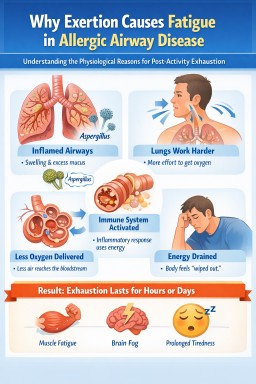
Managing fatigue and energy in aspergillosis and allergic fungal lung disease
Key points
- Many people with aspergillus-related lung conditions experience extreme tiredness after physical or mental exertion.
- This fatigue can last hours or even several days.
- Breathing, immune activity, inflammation and sometimes hormone imbalance all use extra energy.
- Activity can temporarily increase airway inflammation and mucus.
- Managing energy carefully (“spoon theory”) can help prevent fatigue crashes.
Contents
- Why people with lung disease feel exhausted after exertion
- What is happening in the lungs and body
- Managing energy: the “spoon theory”
- Practical ways to manage energy
- Nutrition and adrenal health
- Warning signs you are running out of energy
- Why fatigue in lung disease is different from normal tiredness
- Daily energy management checklist
- Can this fatigue be treated?
- When to talk to your doctor
Why people with lung disease feel exhausted after exertion
Healthy lungs have a large reserve capacity. When we exercise or do physical work, breathing becomes deeper and faster, but the lungs can usually cope easily.
In people with aspergillosis or allergic airway disease, the airways may already be:
- inflamed
- narrowed
- filled with mucus
- sensitive to allergens such as Aspergillus fumigatus
When the body demands more oxygen during activity, the lungs must work much harder to supply it. Activities that seem minor to other people may therefore require much greater effort from the body.
What is happening in the lungs and body?
Inflamed airways
Many aspergillus-related conditions involve inflammation in the airways. The immune system releases chemicals that cause:
- swelling of airway walls
- increased mucus production
- greater airway sensitivity
During exertion, breathing becomes faster and deeper, which can irritate these inflamed airways further.
Mucus affecting airflow
Inflamed airways often produce extra mucus. This mucus can partly block airflow and lead to:
- coughing
- wheezing
- breathlessness
- uneven airflow within the lungs
This may reduce how efficiently oxygen enters the bloodstream. Doctors sometimes refer to this as ventilation–perfusion mismatch.
Breathing uses more energy
In healthy people, breathing uses only a small fraction of the body's energy. In lung disease, breathing may require much more effort.
Additional muscles may assist breathing, including:
- chest muscles
- neck muscles
- shoulder muscles
These muscles can become fatigued during activity, just like leg muscles after exercise.
Immune system activity
If the immune system reacts to fungal proteins or allergens, it releases signalling chemicals called cytokines. These chemicals can produce symptoms similar to mild illness, including fatigue, brain fog and muscle aches.
Delayed inflammation after activity
Some people notice that fatigue appears later rather than immediately. Physical effort can trigger inflammation that develops over 12–48 hours, increasing mucus production, airway irritation and tiredness.
This explains why people sometimes feel worse the day after a busy day.
Managing energy: the “spoon theory”
Many people with chronic illness find it helpful to think about their energy using the idea of spoon theory.
In this idea:
- each spoon represents a small unit of energy
- you start the day with a limited number of spoons
- each activity uses some of those spoons
Because breathing and inflammation already use energy, people with lung disease may begin the day with fewer spoons available.
Example of spoon use
| Activity | Possible energy use |
|---|---|
| Getting dressed | 1 spoon |
| Showering | 2–3 spoons |
| Cooking a meal | 2 spoons |
| Doctor’s appointment | 3–4 spoons |
| Busy social day | Many spoons |
If too many spoons are used early in the day, the body may run out of energy, leading to exhaustion lasting hours or even days.
Practical ways to manage energy
Plan activities around your best time of day
| Time of day | Suggested activities |
|---|---|
| Morning | Errands or appointments |
| Midday | Light household tasks |
| Afternoon | Quieter activities |
| Evening | Rest and recovery |
Break tasks into smaller steps
Large tasks can overwhelm the lungs and muscles. Instead of doing everything at once:
- clean one room at a time
- cook in stages
- prepare things earlier in the day
Use the 50–70% rule
Try to stop activity when you reach about half to two-thirds of your limit. Stopping early often prevents the fatigue crash that can occur later.
Use breathing techniques
Pursed-lip breathing
- breathe in through your nose
- breathe out slowly through gently pursed lips
Rhythmic breathing
Match breathing with movement, for example when climbing stairs.
Keep mucus moving
Mucus increases the work of breathing. Helpful strategies include:
- airway clearance techniques
- staying well hydrated
- gentle movement
- using inhalers or nebulisers as prescribed
Maintain gentle regular activity
Although exertion can cause fatigue, complete inactivity can worsen the problem. Gentle activity such as walking or pulmonary rehabilitation exercises helps maintain muscle strength.
Protect sleep
- maintain a regular sleep routine
- clear mucus before bedtime if needed
- avoid heavy exertion late in the evening
Nutrition and adrenal health
Nutrition and energy
Good nutrition helps support energy levels. Helpful strategies include:
- eating regular meals
- including protein for muscle repair (eggs, fish, dairy, beans or nuts)
- eating complex carbohydrates for steady energy
- drinking enough fluids
Some people find that smaller, more frequent meals reduce breathlessness compared with large meals.
Important nutrients
- protein
- vitamin D
- iron
- B vitamins
Doctors may check for deficiencies if fatigue is severe.
Adrenal insufficiency
Some patients who have taken long-term steroid medications may develop adrenal insufficiency. The adrenal glands normally produce cortisol, which helps regulate energy and stress responses.
Symptoms may include:
- severe fatigue
- dizziness
- muscle weakness
- difficulty recovering after exertion
Patients with adrenal insufficiency usually take hydrocortisone replacement therapy and should follow their doctor’s advice carefully.
Warning signs you are running out of energy
- breathing becomes faster or more difficult
- increased coughing or mucus
- arms or legs feel heavy
- dizziness or weakness
- difficulty concentrating
- chest tightness or wheezing
When these warning signs appear, it is usually best to stop and rest before continuing.
Why fatigue in lung disease is different from normal tiredness
Fatigue in lung disease is not simply normal tiredness. Several factors occur at the same time:
- breathing requires more energy
- the immune system may be active
- oxygen exchange may be less efficient
- nutrition and hormone balance may influence recovery
Because of this combination, fatigue may appear suddenly and last longer than expected.
Daily energy management checklist
Pacing and activity
- spread activities across the day
- stop before exhaustion
- plan demanding tasks when energy is highest
- allow recovery time after busy days
Breathing and airway care
- use breathing techniques during exertion
- perform airway clearance if needed
- take inhalers or nebulisers as prescribed
- stay well hydrated
Nutrition and medication
- eat regular meals
- include protein for muscle strength
- take medications as prescribed
- follow sick-day rules if you have adrenal insufficiency
Sleep and recovery
- maintain a regular sleep routine
- clear mucus before bedtime
- rest when warning signs appear
Can this fatigue be treated?
Fatigue associated with aspergillosis, allergic fungal airway disease, or severe asthma can sometimes be improved when the underlying causes are treated. Because several different processes contribute to fatigue, treatment usually focuses on improving multiple factors rather than a single cure.
Treating airway inflammation
Inflammation in the airways is one of the major contributors to fatigue. When the airways are inflamed:
- breathing requires more effort
- mucus production increases
- oxygen exchange becomes less efficient
Treatments aimed at reducing airway inflammation may include:
- Inhaled corticosteroids – commonly used in asthma to reduce inflammation directly in the airways.
- Antifungal therapy – in some patients, reducing fungal growth can reduce immune activation and inflammation.
- Biologic therapies – newer treatments that target specific immune pathways involved in allergic and inflammatory lung disease.
Biologic treatments
Biologics are one of the most promising areas of treatment for severe asthma and allergic airway disease. These medications target specific parts of the immune system that drive inflammation.
| Biologic | Target | Effect |
|---|---|---|
| Omalizumab | IgE | Reduces allergic inflammation |
| Mepolizumab / Benralizumab | IL-5 pathway | Reduces eosinophilic inflammation |
| Dupilumab | IL-4 / IL-13 | Reduces type-2 inflammation |
| Tezepelumab | TSLP | Blocks upstream inflammatory signalling |
Some patients with conditions such as allergic bronchopulmonary aspergillosis (ABPA) or severe asthma report improvements in breathlessness, symptoms and overall energy levels when inflammation is better controlled.
Improving mucus clearance
Mucus in the airways increases the work of breathing and can contribute to fatigue. Strategies that may help include:
- airway clearance techniques
- physiotherapy
- maintaining good hydration
- using prescribed inhalers or nebulisers correctly
Treating other contributing factors
Fatigue can also be worsened by other health issues that are common in chronic lung disease, such as:
- iron deficiency
- vitamin deficiencies
- poor sleep
- adrenal insufficiency
- muscle deconditioning
Addressing these factors can sometimes improve overall energy levels.
Pulmonary rehabilitation
Pulmonary rehabilitation programmes combine exercise training, breathing techniques and education about pacing activities. These programmes can improve muscle efficiency and exercise tolerance, and many patients report reduced fatigue and improved quality of life.
Future treatments
Research into inflammatory lung diseases is advancing rapidly. New biologic drugs and other targeted therapies are being developed that may improve control of airway inflammation.
Researchers are also studying how the lung microbiome (bacteria and fungi living in the airways) influences inflammation. In the future, this may lead to more personalised treatments for patients with fungal-related lung disease.
Inflammatory fatigue
Researchers are increasingly recognising that chronic inflammatory diseases can cause a form of fatigue sometimes called “inflammatory fatigue.”
In these conditions, immune signalling chemicals released during inflammation can affect the brain and energy metabolism. Similar patterns of fatigue are seen in diseases such as rheumatoid arthritis and inflammatory bowel disease.
This may help explain why some treatments that reduce inflammation — including biologic therapies — can improve fatigue even when lung function measurements change only modestly.
Interrupting the fatigue cycle
Treatment aims to interrupt the cycle that can develop in chronic lung disease:
Airway inflammation
↓
Breathing requires more effort
↓
More energy used by respiratory muscles
↓
Immune system activity
↓
Reduced overall energy and fatigue
By improving airway inflammation, mucus clearance, muscle strength and overall health, many patients find their energy levels become more manageable.
When to talk to your doctor
Seek medical advice if:
- fatigue becomes progressively worse
- breathlessness increases
- new symptoms appear such as chest pain or coughing up blood
- fatigue prevents normal daily activities
A reassuring message
Many people with aspergillosis or allergic airway disease worry that exhaustion means their condition is worsening.
In most cases it reflects the extra energy required for breathing, inflammation and immune activity. Learning to pace activity can help people live more comfortably with chronic lung disease.
Author: National Aspergillosis Centre information team
Review: Clinical review recommended
Last reviewed: 2026
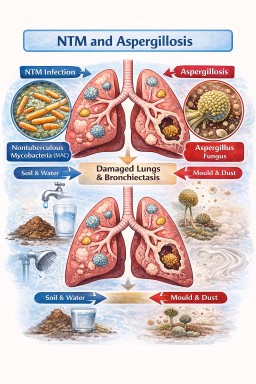
Nontuberculous Mycobacteria (NTM–MAC) and Aspergillosis
Why these infections sometimes occur together
Audience: Aspergillosis patients, carers, GPs and non-specialist clinicians
Some patients with Allergic Bronchopulmonary Aspergillosis (ABPA) may be investigated for nontuberculous mycobacteria (NTM), because airway damage from ABPA can increase susceptibility to other lung infections.
Key points
- Nontuberculous mycobacteria (NTM) are environmental bacteria that sometimes infect damaged lungs.
- The most common NTM causing lung disease is the Mycobacterium avium complex (MAC).
- NTM infection and aspergillosis often occur in the same patients because both thrive in damaged airways such as bronchiectasis or lung cavities.
- Some patients with ABPA are investigated for NTM because ABPA can lead to bronchiectasis and impaired mucus clearance.
- NTM infections usually grow very slowly, so treatment is sometimes monitored rather than started immediately.
- Treating NTM and aspergillosis together can be difficult because some NTM antibiotics interfere with antifungal medicines.
- Doctors usually treat the infection causing the most harm first while monitoring the other carefully.
Table of contents
- What are NTM?
- What is Mycobacterium avium complex (MAC)?
- Why NTM infections occur in some people
- What is bronchiectasis?
- Why patients with ABPA may be asked about NTM
- Why NTM and Aspergillus infections often occur together
- The lung infection cycle
- Chronic lung disease as a microbial ecosystem
- Why treatment can be complicated
- When treatment for NTM may be delayed
- How doctors balance treatment decisions
- NTM vs Aspergillosis – comparison table
- Common questions patients ask about NTM and Aspergillus
- When should patients seek medical advice?
- Reducing exposure to NTM in the environment
What are nontuberculous mycobacteria (NTM)?
Nontuberculous mycobacteria (NTM) are bacteria found naturally in the environment.
They live in:
- soil
- water
- dust
- plumbing systems
- shower heads and taps
Unlike tuberculosis, these bacteria are not normally spread between people.
Most people inhale them regularly without becoming ill. However, in some people with damaged lungs, these bacteria can establish a long-term lung infection.
What is Mycobacterium avium complex (MAC)?
The Mycobacterium avium complex (MAC) is the most common cause of NTM lung disease.
This group includes:
- Mycobacterium avium
- Mycobacterium intracellulare
MAC lung disease usually develops slowly over months or years.
Symptoms may include:
- chronic cough
- sputum production
- breathlessness
- fatigue
- weight loss
Because symptoms develop gradually, diagnosis can sometimes take time.
Why NTM infections occur in some people
NTM infections usually develop in people who already have structural lung disease.
Examples include:
- bronchiectasis
- chronic obstructive pulmonary disease (COPD)
- cystic fibrosis
- previous tuberculosis
- severe asthma
- aspergillosis
In these conditions, the lungs have damaged or widened airways, making it harder to clear mucus and microbes.
What is bronchiectasis?
Bronchiectasis is a condition where the airways become permanently widened and distorted.
In healthy lungs, mucus is cleared using:
- mucus movement
- tiny hair-like structures called cilia
- coughing
In bronchiectasis:
- mucus collects in the airways
- microbes become trapped
- infections become more likely
Bronchiectasis is common in patients with Allergic Bronchopulmonary Aspergillosis (ABPA) and other chronic lung diseases.
Why patients with ABPA may be asked about NTM
Some patients with Allergic Bronchopulmonary Aspergillosis (ABPA) are surprised when their doctors start investigating nontuberculous mycobacteria (NTM).
This usually happens because ABPA can lead to bronchiectasis, which increases the risk of other lung infections.
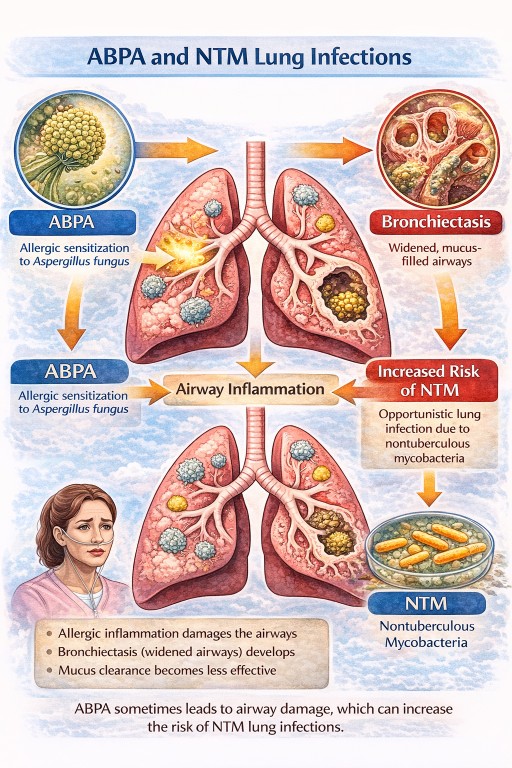
In ABPA:
- inflammation caused by allergic reactions to Aspergillus can damage the airways
- over time the airways may become widened and distorted, causing bronchiectasis
- mucus clearance becomes less effective
When mucus accumulates in the airways, microbes that are normally cleared from the lungs can sometimes persist. These may include:
- nontuberculous mycobacteria (NTM)
- Pseudomonas bacteria
- other organisms that affect bronchiectasis patients
For this reason, doctors sometimes test patients with ABPA for NTM if:
- CT scans show bronchiectasis or nodules
- sputum cultures repeatedly grow unusual organisms
- symptoms worsen without a clear explanation
Importantly, having ABPA does not mean you will develop NTM infection. Most patients with ABPA never develop NTM disease.
However, because the conditions share similar risk factors, doctors sometimes check for both.
Why NTM and Aspergillus infections often occur together
NTM bacteria and Aspergillus fungi both thrive in damaged lungs.
Three factors explain the overlap.
1. Damaged airways trap microbes
When airways are widened or distorted:
- mucus collects
- microbes are not cleared effectively
This allows organisms such as NTM and Aspergillus to persist.
2. Chronic infection causes further lung damage
NTM infection can lead to:
- inflammation
- worsening bronchiectasis
- lung nodules
- sometimes lung cavities
These cavities can then be colonised by Aspergillus, which may lead to chronic pulmonary aspergillosis (CPA).
3. Aspergillus can worsen structural damage
Once Aspergillus becomes established it can cause:
- inflammation
- enlargement of lung cavities
- worsening bronchiectasis
This further damage makes the lungs even more susceptible to infection.
The lung infection cycle
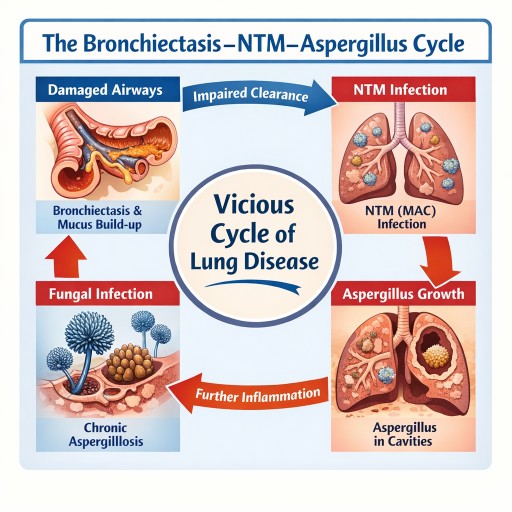
In many patients the relationship between bronchiectasis, NTM and Aspergillus becomes a cycle:
- Lung disease develops
- Bronchiectasis forms
- NTM infection establishes
- Lung damage worsens
- Aspergillus colonises damaged tissue
- Chronic aspergillosis develops
- Lung damage continues
At this stage the lungs may contain multiple organisms simultaneously.
Chronic lung disease as a microbial ecosystem
Doctors increasingly recognise that damaged lungs may contain several interacting microbes rather than a single infection.
Common organisms include:
- Mycobacterium avium complex (MAC)
- Aspergillus species
- Pseudomonas bacteria
- other organisms
For this reason clinicians sometimes describe chronic lung disease as a disturbed lung microbial ecosystem.
Why treatment can be complicated
NTM and aspergillosis treatments can interact.
Typical MAC treatment includes:
- azithromycin or clarithromycin
- ethambutol
- rifampicin
However rifampicin strongly reduces levels of antifungal drugs, including:
- itraconazole
- voriconazole
- posaconazole
These antifungals are commonly used to treat chronic pulmonary aspergillosis.
Because of this interaction, treating both infections at the same time can be challenging.
Other medicines that may interact with rifampicin
Rifampicin affects how the liver processes many medicines. This means it can reduce the effectiveness of several commonly used drugs, including some treatments for heart conditions, blood thinners, hormonal medicines, and certain antidepressants.
Because of this, doctors and pharmacists always review a patient’s medication list before starting rifampicin. Patients should tell their healthcare team about all medicines they take, including over-the-counter medicines, inhalers, and herbal supplements. In most cases, safe alternatives or dose adjustments can be used if needed.
When treatment for NTM may be delayed
Unlike many bacterial infections, MAC often progresses slowly.
Doctors sometimes monitor the infection before starting treatment. This approach is called active monitoring or watchful waiting.
Monitoring may include:
- CT scans
- sputum cultures
- lung function tests
- symptom assessment
Treatment may be delayed if:
- symptoms are mild
- CT scans are stable
- another condition requires more urgent treatment
For example, aspergillosis may be treated first if it is causing the main symptoms or lung damage.
How doctors balance treatment decisions
When both infections are present, clinicians try to identify which infection is currently causing the most harm.
Doctors consider:
Symptoms
- worsening cough
- breathlessness
- fatigue
- weight loss
- haemoptysis (coughing blood)
CT scan findings
- enlarging cavities
- fungal balls
- nodules typical of NTM disease
- worsening bronchiectasis
Laboratory results
- sputum cultures for NTM
- Aspergillus blood tests, such as Aspergillus IgG
If one infection clearly explains the patient’s symptoms, that infection usually becomes the treatment priority.
Treatment plans may then change over time as the balance of disease changes.
NTM vs Aspergillosis – What’s the difference?
| Feature | NTM (MAC) Lung Disease | Aspergillosis |
|---|---|---|
| Type of organism | Bacteria | Fungus |
| Source | Soil, water, plumbing | Airborne fungal spores |
| Spread between people | Rare | Does not spread |
| Typical speed | Slow, chronic infection | Variable |
| Typical CT findings | Nodules, bronchiectasis, cavities | Cavities, fungal balls, airway inflammation |
| Treatment | Long antibiotic courses, often 12–18 months | Antifungal medicines |
| Drug interaction issues | Rifampicin interferes with antifungals | Antifungal levels can be reduced by rifampicin |
Common questions patients ask about NTM and Aspergillus
If MAC grows slowly, why treat it?
Although MAC grows slowly, it can still cause progressive lung damage over time.
Treatment is usually recommended if there is:
- worsening symptoms
- declining lung function
- progressive CT scan changes
Can NTM be present without causing disease?
Yes. Some people have NTM colonisation without active infection.
Doctors diagnose NTM lung disease only when symptoms, imaging findings and repeated cultures all support the diagnosis.
Why do NTM and Aspergillus often occur together?
Both organisms tend to grow in damaged airways, especially where bronchiectasis is present and mucus clearance is poor.
Will both infections always be treated?
Not necessarily. Doctors often treat the infection causing the most immediate problem while monitoring the other.
Does NTM mean my aspergillosis is worsening?
Not necessarily. Both infections occur in damaged lungs, so they may simply share the same environment.
Can NTM lead to aspergillosis?
Sometimes. If NTM infection causes lung cavities or worsening bronchiectasis, these damaged areas may later become colonised by Aspergillus.
Should I worry if my doctor decides not to treat NTM immediately?
Not necessarily. Because MAC often progresses slowly, doctors sometimes choose active monitoring rather than immediate treatment.
When should patients seek medical advice?
People living with aspergillosis, bronchiectasis or NTM infection often have ongoing symptoms such as cough and sputum production. These symptoms may fluctuate and do not always mean the disease is worsening.
However, certain changes should prompt medical review.
Seek medical advice if you notice worsening breathing symptoms
- increasing breathlessness
- a significant increase in cough
- a noticeable increase in sputum production
- sputum becoming thicker, darker or foul-smelling
These symptoms may indicate:
- bacterial infection
- worsening bronchiectasis
- progression of NTM infection
- worsening aspergillosis
Coughing up blood (haemoptysis)
Haemoptysis can occur in both bronchiectasis and aspergillosis.
Seek medical advice if:
- bleeding increases
- blood appears repeatedly
- there is more than a small amount of blood
- bleeding occurs suddenly with breathlessness
Large amounts of blood should be treated as a medical emergency.
Unexplained weight loss or increasing fatigue
Persistent or worsening:
- weight loss
- fatigue
- loss of appetite
may indicate:
- progressive infection
- increasing inflammation
- advancing NTM disease
Fever or feeling unwell
New symptoms such as:
- fever
- chills
- chest discomfort
- feeling generally unwell
may suggest a new infection, such as a bacterial chest infection, which may require treatment.
Rapid change in symptoms
Seek medical advice if you experience:
- sudden worsening breathlessness
- significant chest pain
- new wheezing
- severe fatigue developing quickly
Symptoms that may remain stable
Many people with chronic lung disease experience symptoms that remain relatively stable for long periods, including:
- a chronic cough
- daily sputum production
- mild breathlessness
- intermittent fatigue
Doctors monitor these symptoms over time using:
- CT scans
- sputum cultures
- lung function tests
These investigations help clinicians determine whether infections such as NTM or Aspergillus are stable or progressing.
Reducing exposure to NTM in the environment
Patients with bronchiectasis, ABPA, or other chronic lung diseases sometimes ask whether they should try to avoid environmental exposure to nontuberculous mycobacteria (NTM).
NTM are very common in the natural environment and cannot be completely avoided. They are found in:
- soil and compost
- garden dust
- natural water sources
- tap water and plumbing systems
- showerheads
- hot tubs and spa pools
For most people, the goal is sensible risk reduction rather than strict avoidance. Major lifestyle restrictions are usually not necessary.
Water exposure
NTM can grow in biofilms inside plumbing systems, including showerheads. Small amounts of bacteria may become airborne when water is aerosolised.
Some simple precautions may help reduce exposure:
- avoid frequent use of hot tubs or spa pools
- allow taps or showers to run briefly if they have not been used for several days
- clean showerheads periodically to remove biofilm and limescale
Normal showering and bathing are considered safe for most patients.
NTM infection occurs when bacteria are inhaled into the lungs rather than swallowed. Drinking ordinary tap water is therefore considered safe for most people, and patients are not usually advised to avoid tap water for drinking.
Gardening and soil exposure
NTM bacteria are often present in soil and compost. Gardening can still be enjoyed safely with a few sensible precautions.
- wear gloves when gardening
- avoid inhaling dust from dry compost or soil
- dampen compost before handling to reduce dust
- wash hands after gardening
For people with bronchiectasis or NTM disease, wearing a mask during dusty gardening activities may help reduce inhalation of soil particles.
Reducing dust exposure
Activities that generate dust can increase inhalation of environmental microbes.
Helpful precautions include:
- avoiding sweeping very dusty areas indoors
- ventilating indoor spaces
- wearing a mask during dusty tasks such as handling compost or dry soil
Cleaning showerheads
Cleaning showerheads periodically can help remove limescale and biofilms where microbes may grow.
A simple method is:
- Remove the showerhead if possible.
- Soak it in white vinegar for about 30–60 minutes.
- Gently scrub the spray holes with a small brush.
- Rinse thoroughly.
- Run hot water for 30–60 seconds before use.
If the showerhead cannot be removed, a plastic bag filled with vinegar can be tied around the head so that it soaks.
Cleaning every 1–3 months is usually sufficient.
What is usually not necessary
Experts generally do not recommend major lifestyle changes to avoid NTM exposure. In most cases it is not necessary to:
- avoid showers
- avoid gardening completely
- install specialised water filtration systems
These activities are important for quality of life and general health, and evidence that strict avoidance prevents NTM disease is limited.
The most important protection
For patients with ABPA, bronchiectasis or aspergillosis, the most important protective measures remain:
- good airway clearance
- regular medical monitoring
- prompt treatment of infections
- maintaining overall lung health
Reducing environmental exposure may help slightly, but good management of lung disease remains the most important factor.
Key message
When NTM and Aspergillus infections occur together, treatment decisions focus on which infection is currently causing the most damage, while avoiding harmful drug interactions.
For patients with ABPA, one reason NTM may be discussed is that ABPA can lead to bronchiectasis and impaired mucus clearance, which can make other infections more likely.
Many patients live with these conditions for years with careful monitoring and specialist management.
Author: National Aspergillosis Centre Patient Information Team
Last reviewed: March 2026
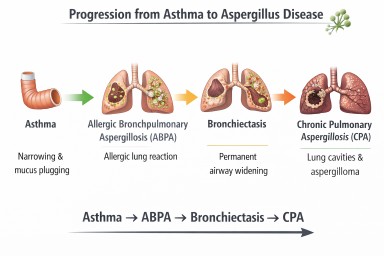
Asthma and Aspergillosis
How fungal spores interact with asthma and other lung diseases
Every day we inhale thousands of microscopic fungal spores from the environment. One of the most common fungi in the air is Aspergillus fumigatus. In healthy lungs these spores are removed quickly by the lungs’ natural defence systems and cause no illness.
However, in people with asthma—particularly severe asthma—the interaction between the lungs and Aspergillus can be very different. The fungus may trigger allergic inflammation, grow in mucus within the airways, or occasionally contribute to chronic lung disease.
Understanding this relationship helps explain several important conditions including:
-
Aspergillus sensitisation
-
Severe Asthma with Fungal Sensitisation (SAFS)
-
Allergic Bronchopulmonary Aspergillosis (ABPA)
-
Aspergillus bronchitis
-
Chronic Pulmonary Aspergillosis (CPA)
Although asthma is the most common condition linked to Aspergillus allergy, other lung diseases such as bronchiectasis, Chronic Obstructive Pulmonary Disease (COPD), and tuberculosis-related lung damage can also create environments where the fungus becomes important.
Why Asthma Creates a Favourable Environment for Aspergillus
Asthma is a disease of airway inflammation and hyper-reactivity. The bronchi narrow during attacks because the airway wall becomes swollen and the surrounding smooth muscle contracts.
Several features of asthma make it easier for Aspergillus spores to remain in the lungs.
Mucus production
Asthma often causes increased production of thick airway mucus.
Normally mucus traps inhaled particles and moves them upward toward the throat via the mucociliary escalator.
In asthma:
-
mucus becomes thicker
-
clearance becomes less efficient
-
spores remain trapped
This trapped environment allows fungal spores to persist in the airway mucus.
Allergic immune responses
Many asthma patients have Type-2 (T2) inflammation (50-70%), involving immune pathways driven by:
-
Immunoglobulin E (IgE)
-
Interleukin-4
-
Interleukin-5
-
Interleukin-13
-
eosinophils
These pathways respond strongly to fungal allergens. When the immune system recognises Aspergillus proteins it may trigger allergic inflammation in the airways.
Fungal sensitisation is increasingly recognised as an important contributor to severe asthma (PMID: 24735832).
Aspergillus Sensitisation
Many people with asthma develop allergic sensitisation to Aspergillus.
Sensitisation means the immune system produces antibodies against fungal proteins.
Features include:
-
positive Aspergillus skin test or IgE blood test
-
worsening asthma symptoms
-
increased exacerbations
Studies suggest 10–25% of patients attending severe asthma clinics show Aspergillus sensitisation (PMID: 24735832).
However, sensitisation alone does not necessarily cause lung damage.
Severe Asthma with Fungal Sensitisation (SAFS)
Some patients with severe asthma have fungal sensitisation but do not meet the criteria for ABPA.
This condition is known as Severe Asthma with Fungal Sensitisation (SAFS).
Typical features include:
-
severe or poorly controlled asthma
-
fungal allergy
-
moderate IgE elevation
A randomised controlled trial demonstrated that antifungal therapy may improve symptoms in some SAFS patients (PMID: 18948425).
Allergic Bronchopulmonary Aspergillosis (ABPA)
Allergic Bronchopulmonary Aspergillosis is the most important Aspergillus-related disease associated with asthma.
ABPA occurs when Aspergillus grows within airway mucus and triggers a strong allergic immune response.
Typical findings include:
-
very high total IgE levels
-
Aspergillus-specific IgE and IgG antibodies
-
eosinophilia
-
mucus plugs containing fungal hyphae
-
central bronchiectasis
ABPA occurs in approximately:
-
1–2% of all asthma patients
-
up to 10–15% of severe asthma patients
These figures come from global prevalence estimates of ABPA in asthma populations (PMID: 23210682/.
Modern diagnostic criteria for ABPA were updated by the International Society for Human and Animal Mycology (ISHAM) in 2024 (PMID: 38423624).
Asthma and Aspergillus Disease Pathway
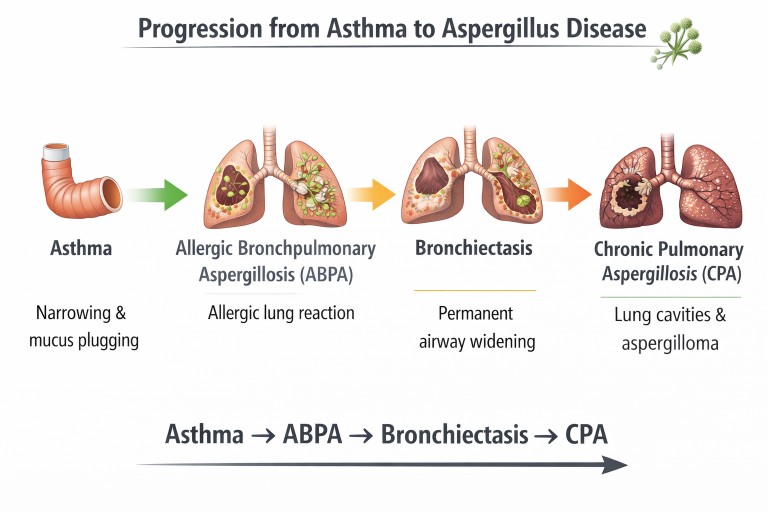
Possible interactions between asthma and Aspergillus. Some patients develop allergic disease (ABPA) which may lead to airway damage such as bronchiectasis (NB Progression to CPA is very rare).
When ABPA Causes Bronchiectasis
Repeated inflammation from ABPA may damage airway walls and lead to bronchiectasis.
Bronchiectasis occurs when airways become:
-
permanently widened
-
distorted
-
unable to clear mucus effectively
Instead of being cleared from the lungs, mucus pools in the airways.
This retained mucus creates an environment where microorganisms—including fungi—can grow.
Aspergillus Bronchitis
In some patients with bronchiectasis or chronic lung disease, Aspergillus may persist in airway mucus and cause chronic airway infection rather than allergy.
Symptoms may include:
-
chronic cough
-
sputum production
-
repeated positive Aspergillus cultures
IgE levels are usually lower than in ABPA.
Chronic Pulmonary Aspergillosis (CPA)
Chronic Pulmonary Aspergillosis is a slowly progressive fungal infection of damaged lung tissue.
CPA usually develops in lungs containing:
-
cavities
-
severe structural damage
Common underlying diseases include:
-
tuberculosis
-
sarcoidosis
-
severe COPD
Globally, the most common cause of CPA is previous tuberculosis infection (PMID: 22271943).
Asthma alone rarely causes CPA, but severe bronchiectasis or ABPA-related lung damage may occasionally lead to it.
Aspergillosis and Immune Competence
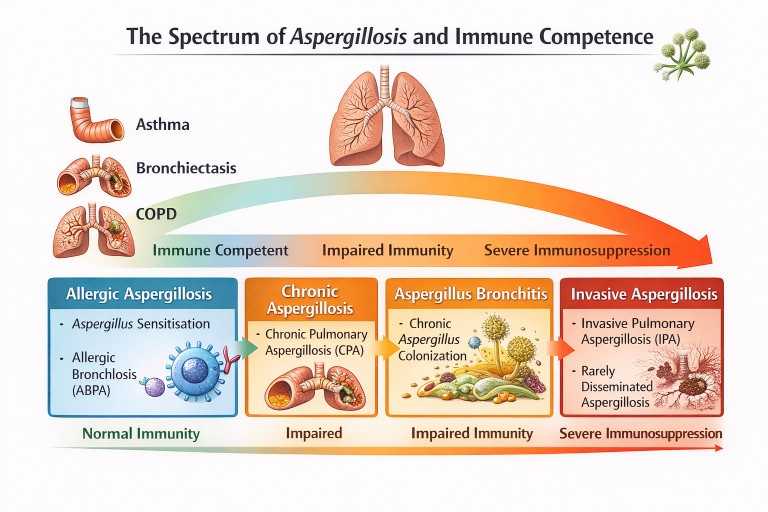
Different forms of aspergillosis occur depending on lung damage and immune function.
Other Lung Diseases Linked to Aspergillus
Although asthma is the most common condition associated with Aspergillus allergy, several other lung diseases can predispose to fungal disease.
Bronchiectasis
Dilated airways trap mucus, allowing fungi and bacteria to persist.
COPD
Chronic airway inflammation may lead to Aspergillus bronchitis or chronic pulmonary aspergillosis.
Tuberculosis
Post-tuberculosis lung cavities are the most common global cause of chronic pulmonary aspergillosis (PMID: 22271943).
Key Messages
-
Asthma is one of the most important diseases associated with Aspergillus-related lung conditions.
-
Many asthma patients develop fungal sensitisation.
-
A smaller proportion develop Allergic Bronchopulmonary Aspergillosis (ABPA).
-
Repeated inflammation from ABPA can lead to bronchiectasis.
-
Chronic pulmonary aspergillosis is rare in asthma alone but may occur if significant lung damage develops.
Understanding these interactions helps guide diagnosis and treatment for people living with asthma and Aspergillus-related disease.
Further reading
Agarwal R, Chakrabarti A, Shah A, Gupta D, Meis JF, Guleria R, Moss R, Denning DW; ABPA complicating asthma ISHAM working group. Allergic bronchopulmonary aspergillosis: review of literature and proposal of new diagnostic and classification criteria. Clin Exp Allergy. 2013 Aug;43(8):850-73. doi: 10.1111/cea.12141. PMID: 23889240.
Denning DW, Pleuvry A, Cole DC. Global burden of chronic pulmonary aspergillosis as a sequel to pulmonary tuberculosis. Bull World Health Organ. 2011 Dec 1;89(12):864-72. doi: 10.2471/BLT.11.089441. Epub 2011 Sep 27. PMID: 22271943; PMCID: PMC3260898.