Hydrocortisone Injection Changes in the UK: What It Means for Aspergillosis Patients
Last reviewed: March 2026
Audience: Patients, carers, and non-specialist healthcare professionals
Key points
- A ready-to-use hydrocortisone injection (liquid solution) is no longer available in the UK.
- Patients are now usually given a hydrocortisone injection that must be mixed before use.
- The medication itself is unchanged, but preparation is more complex.
- This may feel more difficult during an emergency, especially if someone is unwell or distressed.
- Training and preparation can help reduce delays.
- Always seek urgent medical help in a suspected emergency.
Table of contents
- Overview
- Why hydrocortisone matters in aspergillosis
- What has changed in the UK
- What this means in practice
- Potential concerns and risks
- Practical steps for patients and carers
- Common questions
- When to seek medical help
- References
Overview
Hydrocortisone is a steroid hormone used as cortisol replacement in people whose bodies cannot produce enough cortisol, a condition known as adrenal insufficiency.
Some patients with aspergillosis may be affected by this change because:
- long-term steroid use can suppress the body’s natural cortisol production
- adrenal function may be reduced during or after treatment
- some patients may already have adrenal insufficiency or need emergency steroid cover
In emergencies, hydrocortisone injections can be life-saving.
Why hydrocortisone matters in aspergillosis
Patients with aspergillosis may encounter adrenal-related issues for several reasons. For example, some people with allergic bronchopulmonary aspergillosis (ABPA) have needed prolonged courses of steroid treatment. Over time, this can reduce the body’s own cortisol production.
There can also be concerns about drug interactions, especially where antifungal medicines and steroid medicines affect the way the body handles hormones. Not every aspergillosis patient will be affected, but for some people this is an important part of their wider treatment plan.
If cortisol levels are too low during illness, injury, vomiting, or other physical stress, this can lead to an adrenal crisis, which is a medical emergency.
What has changed in the UK
Previously, some patients were supplied with a ready-made liquid hydrocortisone injection. This was already in solution and could be given more quickly.
This ready-to-use product is no longer available in the UK.
Most patients who need emergency hydrocortisone injection are now supplied with a preparation that includes:
- a vial containing hydrocortisone powder
- a liquid for mixing
- a syringe and needle for drawing up and giving the injection
The medicine itself is still hydrocortisone and remains standard treatment. What has changed is the practical process: it now needs to be prepared before it can be injected.
Diagram: preparing hydrocortisone injection
Preparing a hydrocortisone injection (Video) : https://www.youtube.com/watch?v=NXXB3w1ADcI
What this means in practice
For many patients, this change is manageable with training and practice. However, it does change the experience of using emergency medication.
Compared with a ready-made solution, there are now more steps involved. In a calm situation, that may not seem significant. In an emergency, it can feel much harder.
This is especially relevant if the person is:
- very unwell
- vomiting
- dizzy or confused
- trying to guide a family member or carer through the process
For some patients, this could potentially cause a delay in giving the injection. That does not mean the current treatment is ineffective or unsafe, but it does mean that confidence, familiarity, and training matter even more.
Potential concerns and risks
1. More steps may mean more delay
The current injection usually has to be mixed before use. That means opening the kit, preparing the medicine, drawing it up, and then giving the injection. In an emergency, even a short delay may feel important.
2. Stress makes practical tasks harder
Patients and carers are often being asked to act quickly during a frightening situation. Even people who have previously been shown what to do may lose confidence if they rarely need to use the injection.
3. Training may vary
Not everyone receives the same level of teaching or refresher support. Some people may feel very confident. Others may feel unsure, especially if their kit has changed.
4. Aspergillosis patients may already be managing a lot
Some patients are already coping with breathlessness, fatigue, infections, multiple medicines, and complex follow-up. Adding a more complicated emergency injection process can feel like an extra burden.
It is important to keep this concern in proportion. Many patients and carers do use mixed hydrocortisone kits successfully. The key issue is not that the medicine no longer works, but that the loss of a ready-made formulation may make emergency use less straightforward.
Practical steps for patients and carers
If you have been prescribed emergency hydrocortisone, it may help to:
- check that you know exactly which product you have been given
- ask for a demonstration of how to prepare and inject it
- ask for a refresher if you are not confident
- make sure family members, carers, or trusted friends also know what to do
- keep the emergency kit somewhere accessible and check expiry dates regularly
- carry any steroid emergency information you have been given, such as a steroid card
These steps cannot remove all risk, but they may reduce hesitation and confusion if the injection is ever needed urgently.
Common questions
Has hydrocortisone been withdrawn completely?
No. Hydrocortisone is still widely used. The main issue is that a ready-to-use liquid injectable form is no longer available in the UK.
Is the current injection less effective?
No. The medicine remains hydrocortisone. The change is in the formulation and the preparation steps, not in the intended effect of treatment.
Why does this matter so much?
In an emergency, simple treatments are often easier to use correctly and quickly. A preparation that needs mixing may be more difficult for some patients or carers under pressure.
Does this affect every aspergillosis patient?
No. This is mainly relevant to people who have adrenal insufficiency, adrenal suppression, or a clear plan from their clinical team to keep emergency hydrocortisone available.
Should patients be worried?
Patients should not panic, but it is reasonable to recognise this as a practical concern. If you rely on emergency hydrocortisone, it is sensible to make sure you understand your current kit and feel as confident as possible using it.
When to seek medical help
Seek urgent medical help if there are symptoms suggesting a possible adrenal emergency, especially if there is:
- severe weakness
- collapse or near-collapse
- confusion or marked drowsiness
- vomiting or inability to keep medicines down
- sudden severe illness or infection
If an emergency hydrocortisone injection has been prescribed, follow the instructions given by your clinical team and seek urgent medical care immediately.
References
- British National Formulary (BNF): hydrocortisone medicinal forms
- Society for Endocrinology guidance on adrenal crisis and emergency steroid treatment
- NHS information on steroids, steroid emergency cards, and urgent care
- UK endocrine and Addison’s patient group communications on hydrocortisone supply changes
Author and review information
Prepared for: aspergillosis.org
Purpose: General information for patients, carers, and non-specialist healthcare professionals
Important note: This article is intended for general education and should not replace individual medical advice from your own clinical team.
Why Headaches Can Occur in Aspergillosis
Last reviewed: March 2026
Key Points
- Headaches are relatively common in people living with aspergillosis, but they usually have multiple contributing causes.
- Common causes include sinus involvement, inflammation, sleep disturbance, and medication effects.
- Antifungal medicines such as itraconazole may improve some symptoms indirectly but can also occasionally cause headaches.
- Patterns (timing, location, triggers) can help identify likely causes, but headaches are rarely due to one factor alone.
- New, severe, or unusual headaches should always be assessed by a healthcare professional.
Table of Contents
- Overview
- Sinus involvement (common cause)
- Inflammation and immune response
- Allergic-type responses (e.g. ABPA)
- Medication effects
- Sleep disturbance and night symptoms
- Breathing and oxygen levels
- General health factors
- Understanding headache patterns
- Common questions
- When to seek medical advice
- Summary
- Author and review
- References
Overview
Many people living with aspergillosis report headaches at some point during their illness. These headaches can vary in type, severity, and timing, and may be confusing—especially when they change over time or seem linked to treatment.
In most cases, headaches are not caused by a single factor. Instead, they reflect a combination of:
- local effects (such as sinus pressure)
- immune system activity
- medication effects
- sleep and general health factors
Understanding these different contributors can help make sense of symptoms and support more informed discussions with your clinical team.
Sinus involvement (common cause)
When Aspergillus affects the sinuses (sometimes called fungal sinusitis), this can directly cause headaches.
This happens because:
- sinus drainage becomes blocked
- pressure builds up in the sinus cavities
- the lining of the sinuses becomes inflamed
Typical features:
- pain or pressure in the forehead, cheeks, or behind the eyes
- worsening when bending forward
- a feeling of fullness or congestion
This is one of the most direct ways aspergillosis can lead to headaches.
Inflammation and immune response
Even when the sinuses are not directly involved, the body’s immune response to fungal material can cause systemic effects.
The immune system releases signalling molecules (such as cytokines) that can:
- increase inflammation
- affect blood vessels
- trigger headache pathways
This type of headache can feel similar to a “flu-like” or inflammatory headache.
Allergic-type responses (e.g. ABPA)
In conditions such as Allergic Bronchopulmonary Aspergillosis (ABPA), the immune system reacts strongly to Aspergillus.
This may involve:
- allergic pathways
- histamine and related mediators
- ongoing airway inflammation
Possible symptoms:
- head pressure or discomfort
- fluctuating headaches
- a “foggy” or unwell feeling
These headaches are often less clearly localised than sinus-related pain.
Medication effects
Some treatments used in aspergillosis can contribute to headaches.
Antifungal medications (e.g. itraconazole):
- headache is a recognised side effect in some people
- effects vary between individuals
Steroids (if prescribed):
- can affect sleep and mood
- may influence blood pressure
- can indirectly contribute to headaches
Medication effects can sometimes overlap with disease-related symptoms, making patterns harder to interpret.
Sleep disturbance and night symptoms
Sleep disruption is common in chronic lung conditions.
Possible contributors include:
- night-time coughing
- breathlessness
- discomfort or anxiety
Poor sleep can lead to:
- morning headaches
- increased sensitivity to pain
- fatigue-related headaches
Breathing and oxygen levels
In some people with more advanced lung involvement:
- oxygen levels may be slightly reduced
- breathing effort may increase
This can contribute to:
- morning headaches
- fatigue and cognitive symptoms
Not all patients experience this, but it is an important factor in some cases.
General health factors
Headaches can also be influenced by general aspects of living with a long-term condition:
- dehydration
- fatigue
- reduced activity levels
- stress or anxiety
These factors can contribute to tension-type headaches or make other headache types more noticeable.
Understanding headache patterns
Looking at patterns can sometimes help identify likely contributors.
- Facial pressure worse on bending: may suggest sinus involvement
- Early morning headaches: may relate to sleep or breathing patterns
- Fluctuating or “wave-like” symptoms: may reflect inflammation or immune activity
- New headaches after starting medication: may be treatment-related
However, these are general observations only and do not replace clinical assessment.
Headaches in Aspergillosis: Interactive Decision Aid
This tool helps patients and carers think about common patterns that can contribute to headaches in aspergillosis. It does not diagnose the cause of a headache.
It is designed to support discussion with a healthcare professional and highlight possible contributors such as sinus involvement, inflammation, medication effects, sleep disturbance, and breathing-related factors.
1. Where is the pain mainly felt?
2. When is it most noticeable?
3. What does it feel like?
4. What other features are present?
5. Are there any red flags?
Possible contributors
This panel highlights common patterns only. It is not a diagnosis and does not replace medical assessment.
Common questions
Are headaches a recognised symptom of aspergillosis?
They can occur, but are usually indirect and caused by associated factors such as sinus disease or inflammation.
Can antifungal treatment improve headaches?
In some cases, yes—if symptoms are linked to fungal-related inflammation. However, antifungals can also occasionally cause headaches as a side effect.
Are “histamine-type” headaches part of aspergillosis?
Some patients describe symptoms in this way, but the underlying mechanism is often more complex than histamine alone.
Why do my headaches change over time?
This is common and may reflect changes in inflammation, treatment, sleep, or overall health.
When to seek medical advice
You should seek medical advice if you experience:
- new or unusually severe headaches
- headaches that are worsening over time
- neurological symptoms (e.g. vision changes, weakness, confusion)
- fever, neck stiffness, or other concerning symptoms
If you are unsure whether your headaches are related to aspergillosis, treatment, or another cause, it is important to discuss this with your healthcare team.
Summary
Headaches in people with aspergillosis are usually caused by a combination of factors rather than a single issue.
The most common contributors include:
- sinus involvement
- immune and inflammatory responses
- sleep disturbance
- medication effects
Understanding patterns and changes over time can be helpful, but medical assessment is important if symptoms are new, severe, or concerning.
Author and review
Prepared for: aspergillosis.org
Audience: Patients and non-specialist readers
Important: This article is for general information only and does not replace individual medical advice.
References
- Patterson TF et al. (2016). Practice Guidelines for the Diagnosis and Management of Aspergillosis.
PMID: 27365388 - Denning DW et al. (2016). Chronic pulmonary aspergillosis guidelines.
PMID: 26699723 - Chakrabarti A et al. (2009). Fungal sinusitis: a categorization and definitional schema.
PMID: 19522756
Why Do My “Histamine” Headaches Improve on Itraconazole?
Last reviewed: March 2026
Key Points
- Itraconazole is an antifungal medicine. It is not an antihistamine.
- Some people notice that symptoms such as headaches, flushing, or a “histamine-type” feeling become shorter or less intense after starting treatment.
- This is most likely because itraconazole reduces the fungal burden and the immune response it triggers, rather than blocking histamine directly.
- Symptoms that happen in the early hours of the morning may also be influenced by the body’s natural day-night rhythm.
- Changes in symptoms can be helpful clues, but headaches can have more than one cause.
Table of Contents
- Overview
- What is itraconazole and how does it work?
- What do people mean by “histamine dump” headaches?
- Why might symptoms improve on itraconazole?
- Why do symptoms often happen at night?
- Does this mean histamine is the main problem?
- Common questions
- When to seek medical advice
- Summary
- Author and review
- References
Overview
Some people taking itraconazole for non-lung or lung forms of aspergillosis notice that symptoms they describe as “histamine-type” symptoms, such as headaches, flushing, pressure, or a general sense of inflammatory overload, become shorter or less severe.
A typical pattern might be:
- Symptoms start overnight, for example, around 2 am
- Symptoms previously lasted most of the day
- Symptoms are now settling much earlier after starting treatment
This can be confusing, especially when the symptoms feel similar to a histamine reaction. The important point is that itraconazole does not work like an antihistamine, but it can reduce symptoms indirectly if a fungal process is contributing to them.
What is itraconazole and how does it work?
Itraconazole is an antifungal medicine used to treat infections caused by fungi such as Aspergillus.
It works by interfering with the production of ergosterol, an essential part of the fungal cell membrane. This weakens the fungus and helps reduce fungal growth and survival in the body.
As the fungal burden falls, the immune system may be less strongly stimulated, and that can lead to a reduction in inflammation-related symptoms.
So although itraconazole does not block histamine directly, it may reduce the underlying trigger that is causing the body to react.
What do people mean by “histamine dump” headaches?
“Histamine dump” is not a formal medical diagnosis, but some patients use it as a practical way of describing symptoms such as:
- sudden headaches, especially overnight or early in the morning
- flushing or a feeling of heat
- pressure in the head or sinuses
- a sense of being “wired”, agitated, or unwell
These symptoms may involve histamine, but they can also reflect broader inflammation, immune activation, mast cell activity, or other signalling chemicals in the body.
Why might symptoms improve on itraconazole?
If itraconazole is helping, it is most likely doing so indirectly. There are several possible reasons for this.
1. Reduced fungal burden
If fungal material in the body is reduced, there may be less for the immune system to react to. That can mean less inflammatory signalling overall.
2. Reduced immune activation
Fungi can stimulate the immune system in ways that lead to inflammation and, in some people, histamine-related symptoms. If antifungal treatment lowers that stimulus, symptoms may become less intense or settle more quickly.
3. Shorter inflammatory response
Some people find that the symptom still begins, but does not “run on” for as long. For example, a headache that used to last from 2am until late afternoon may now settle by 5am.
Why do symptoms often happen at night?
The body has a natural circadian rhythm, a 24-hour cycle that affects hormones, inflammation, sleep, and immune activity.
- Some inflammatory signals can be more noticeable overnight
- Cortisol rises in the early morning, and helps suppress inflammation
Does this mean histamine is the main problem?
Not necessarily. Symptoms may involve multiple pathways, including immune response to fungi, general inflammation, mast cell activity, and sinus pressure.
Common questions
Does itraconazole act like an antihistamine?
No. It does not block histamine receptors.
Why are my symptoms improving but not gone?
This is common and may reflect partial control of the underlying trigger.
Does this prove Aspergillus is the cause?
No. It suggests a possible link but does not confirm causation.
Will symptoms continue to improve?
Possibly, but responses vary between individuals.
When to seek medical advice
- new or severe headaches
- neurological symptoms (vision, speech, balance)
- worsening or persistent symptoms
- concerns about medication side effects
Summary
Itraconazole does not directly affect histamine but may reduce symptoms by lowering fungal burden and immune activation.
Author and review
Prepared for: aspergillosis.org
Audience: Patients and non-specialist readers
Important: This does not replace individual medical advice.
References
- Patterson TF, Thompson GR 3rd, Denning DW, et al. (2016).
Practice Guidelines for the Diagnosis and Management of Aspergillosis.
View on PubMed (PMID: 27365388) - Denning DW et al. (2016).
Chronic pulmonary aspergillosis guidelines.
View on PubMed (PMID: 26699723) - Barnes PJ, Adcock IM (2009).
Circadian rhythm in airway disease.
View on PubMed (PMID: 19336589) - Stone KD et al. (2010).
IgE, mast cells, and eosinophils.
View on PubMed (PMID: 20176269)
A Drop of Blood, Real-Time Answers
Last reviewed: 20 March 2026
Audience: Patients, carers, families, and non-specialists
Topic: Point-of-care monitoring of antifungal drug levels
New bedside testing for antifungal drugs — and why patients welcome it
For many people taking antifungal medicines, blood tests are an important part of care. These tests help doctors check whether the amount of medicine in the body is too low, too high, or about right.
A new type of technology is being developed to do this much more quickly, using just a single drop of blood placed onto a specialised chip. Instead of sending blood away to a laboratory and waiting days for a result, this kind of test may be able to provide an answer much more quickly, sometimes during the clinic visit itself.
Patients in a recent focus group responded very positively to this idea. They welcomed not only the technology itself, but also what it could mean for their care: less waiting, less uncertainty, fewer trips to hospital, and more personalised treatment.
Key points
- A new test can measure antifungal drug levels from a drop of blood.
- The blood is placed on a specialised chip containing tiny sensors.
- Results may be available much faster than standard laboratory testing.
- This could help doctors adjust treatment more quickly and more precisely.
- Patients in a focus group strongly welcomed the technology.
- Reported benefits included less anxiety, fewer hospital visits, and more confidence in treatment decisions.
What is this new test?
This is a type of point-of-care test. That means it is designed to be used close to the patient, such as in a clinic or at the bedside, rather than sending the sample away to a central laboratory.
In this case, the aim is to measure the level of an antifungal drug in the blood from a very small sample, sometimes just a finger-prick drop. The drop of blood is placed onto a specialised chip. That chip contains tiny channels and sensors that can detect the amount of drug present.
People sometimes describe this type of system as a “lab on a chip” because it performs some of the work of a laboratory in a very small device.
How does the technology work?
The exact science varies between devices, but the general idea is similar.
- A small blood sample is taken.
This may be from a finger prick rather than a larger blood draw. - The blood is placed onto a specialised chip.
The chip is designed to handle a tiny volume of blood. - The blood moves through microscopic channels.
These channels guide the sample to the parts of the chip that do the measurement. - Sensors on the chip detect the antifungal drug.
These sensors are designed to recognise the drug or react to it in a measurable way. - A reader produces a result.
A connected device reads the signal from the chip and estimates the drug level.
Some systems use electrical signals, some use light, and some use chemical reactions. Patients do not need to understand all the engineering details to understand the main point: the chip is acting like a mini laboratory.
A simple way to think about it is this:
Instead of sending your blood sample to a distant laboratory, this technology brings part of the laboratory to your fingertip.
Why do antifungal drug levels matter?
Some antifungal medicines need careful monitoring because the “right” level can be quite important.
If the drug level is too low, the medicine may not work well enough. If the drug level is too high, side effects may become more likely.
This can be especially relevant for antifungal drugs such as:
- itraconazole
- voriconazole
- posaconazole
Drug levels can vary from person to person for many reasons, including:
- how well the body absorbs the medicine
- interactions with other medicines
- differences in liver function and metabolism
- changes in health over time
At present, monitoring usually involves sending blood to a laboratory. That works, but it can mean delays. Results may not come back quickly enough to guide decisions during the clinic appointment itself.
A faster bedside test could help clinicians make treatment decisions more quickly and could support more personalised care.
What did patients say about it?
In the patient focus group, this technology was widely welcomed. Patients were not only interested in the novelty of the test. They also recognised several practical benefits that could make day-to-day care easier and safer.
1. Faster results could reduce anxiety
Many patients described the stress of waiting for test results. Waiting can create a sense of uncertainty: Is the treatment working? Is the dose correct? Are side effects more likely?
A test that gives much quicker results was seen as reassuring. Instead of waiting days, patients liked the idea of getting answers much sooner, possibly while still in clinic.
2. Fewer visits could reduce the burden of care
For many people with chronic lung conditions or long-term illness, going to hospital is not a small task. Travel, parking, breathlessness, fatigue, mobility problems, and long waits can make even a short appointment exhausting.
Patients felt that a faster and simpler test could reduce some of this burden, especially if it could be built into a normal appointment or eventually be offered closer to home.
3. More personalised dosing felt important
Patients often understand from experience that medicines do not affect everyone in the same way. One person may tolerate a treatment well, while another may have side effects or absorb the medicine differently.
Because of this, patients valued the idea that treatment could be adjusted based on their own measured drug level, rather than relying only on standard dosing. This gave a stronger sense that care was being tailored to the individual.
4. Closer monitoring gave reassurance about safety
Antifungal drugs can be very helpful, but patients also know that some of them can have side effects and interactions. That can make treatment feel worrying, especially over longer periods.
Patients said that being able to check drug levels more quickly and more easily could help them feel safer. It suggested that treatment was being watched closely rather than left unchecked between appointments.
5. Immediate results could help patients feel more involved
Another important theme was involvement. Patients often feel that blood is taken, results disappear into the system, and decisions come later without much real-time discussion.
By contrast, a bedside result creates the possibility of discussing the number there and then. Patients felt this could help them better understand their treatment and feel more involved in decisions about dose changes and ongoing care.
6. It seemed to fit better with real life
Patients repeatedly emphasised that long-term treatment has to fit around real lives, not just clinic systems. Many welcomed the idea of a test that was quicker, simpler, and potentially more convenient.
In that sense, what patients welcomed was not just a chip or a machine, but a model of care that felt more responsive and more human-centred.
What could this mean for future care?
If this technology proves accurate, reliable, and affordable, it could support a different way of monitoring antifungal treatment.
Possible future benefits could include:
- drug level testing during the clinic appointment itself
- faster dose adjustment when levels are too high or too low
- closer monitoring when starting or changing treatment
- fewer repeat visits just to check blood levels
- potential future use in community settings or, one day, at home
It is important to be realistic. New technologies must be carefully tested before they become routine. They need to be shown to be accurate, dependable, and practical in real healthcare settings.
Even so, patients clearly recognised the potential. For them, this is not just about speed. It is about moving toward care that is:
- more responsive
- more personalised
- more convenient
- less anxiety-provoking
Common questions
Is this available now?
Usually not as a routine test in most healthcare settings. It is still being developed and studied, although interest in this type of monitoring is growing.
Will this replace ordinary blood tests?
Not immediately. Standard laboratory testing is still important. New bedside systems may first be used alongside existing methods while they are being evaluated and introduced.
Would this work for every antifungal drug?
Not necessarily. Some devices may be designed for specific drugs first. Wider use would depend on the technology and the evidence supporting it.
Could this be used at home?
Possibly one day, but that is likely to depend on how reliable, affordable, and easy to use the technology becomes. For now, clinic or bedside use is the more immediate possibility.
Why is a drop-of-blood test appealing to patients?
Because it may mean quicker answers, less uncertainty, fewer hospital trips, and more confidence that treatment decisions are based on what is happening in their own body.
When to seek medical advice
You should contact your healthcare team if you:
- develop new or worsening side effects from your antifungal medicine
- feel your treatment is not helping
- have concerns about drug interactions with other medicines
- are unsure whether to continue, stop, or change your medication
A new bedside test could support treatment decisions, but it would not replace medical advice. Symptoms, scans, blood tests, and clinical review would still matter.
Final thoughts
This new chip-based bedside technology may sound futuristic, but the reason patients welcomed it is very straightforward.
They saw the possibility of care that is faster, clearer, safer, and better adapted to real life.
In other words, this is about more than measuring a drug level from a drop of blood. It is about moving away from delayed, one-size-fits-all monitoring and toward real-time, personalised, patient-centred care.
In one sentence
A tiny chip and a drop of blood could help doctors adjust antifungal treatment more quickly — and patients believe that could make care less stressful, less burdensome, and more personal.
Author: Graham Atherton and ChatGPT draft support
For review by: National Aspergillosis Centre / relevant clinical or research reviewer
Note: This article is for general information and should not be used as a substitute for medical advice.
Clinical Trials and Emerging Treatments for Chronic Aspergillosis
Last reviewed: 12 March 2026
Key points
- Only a small number of antifungal drug classes are currently available to treat aspergillosis.
- New treatments are needed because of drug resistance, side effects, drug interactions and the long-term burden of chronic disease.
- Research is now exploring not only new antifungal drugs, but also inhaled therapies, biologics, immune-modulating treatments and combination approaches.
- Most new drugs are first tested in invasive aspergillosis before being studied in chronic pulmonary aspergillosis (CPA) or allergic bronchopulmonary aspergillosis (ABPA).
- Clinical trials are essential for showing whether new treatments are safe and effective.
Table of contents
- Overview
- Why new treatments are needed
- How new treatments are developed
- Clinical trial phases
- Regulatory approval and NHS use
- New antifungal drugs in development
- Other emerging treatments for chronic aspergillosis
- Why new treatments are often tested in invasive aspergillosis first
- How to find clinical trials
- Common questions
- Further information
- Author and review information
Overview
Treatment options for aspergillosis have improved over time, but there are still important limitations. Only a small number of antifungal drug classes are available, some fungi develop resistance to existing medicines, and some patients cannot tolerate treatment because of side effects or drug interactions.
This is particularly important in chronic aspergillosis, where treatment may need to continue for months or years. Research is therefore focused not only on new antifungal drugs, but also on better drug delivery systems, immune-based treatments, biologic therapies and combinations of treatments.
Clinical trials are the main way that researchers test whether these new approaches are safe and effective.

Why new treatments are needed
New treatments for chronic aspergillosis are needed for several reasons:
- the number of available antifungal drug classes is limited,
- Aspergillus can develop resistance to azole antifungals,
- some patients experience significant side effects or important drug interactions,
- long-term treatment can be difficult to sustain,
- chronic disease may continue to affect symptoms, lung function and quality of life even when treatment is helping.
Because chronic pulmonary aspergillosis (CPA), allergic bronchopulmonary aspergillosis (ABPA) and related conditions can behave differently, researchers are exploring a wider range of therapies than in the past.
How new treatments are developed
Before a new treatment can be used routinely, it must pass through several stages of development.
| Stage | Description |
|---|---|
| Basic research | Scientists study the disease and identify targets that could be affected by a new drug or treatment approach. |
| Drug discovery | Researchers screen chemical compounds or modify promising molecules to find potential treatments. |
| Pre-clinical studies | Potential treatments are tested in laboratory systems and sometimes animal models to assess activity and safety. |
| Application to begin human trials | Researchers apply to regulators and ethics committees for permission to test the treatment in people. |
Clinical trial phases
Clinical trials are usually carried out in phases.
| Phase | Purpose |
|---|---|
| Phase 0 / Phase I | Small studies, often in healthy volunteers, to understand how the treatment behaves in the body, including absorption, distribution and safe dose ranges. |
| Phase II | Studies in patients with the disease to identify useful doses and gather early information on effectiveness and side effects. |
| Phase III | Larger studies comparing the new treatment with existing care to assess effectiveness and safety more accurately. |
| Phase IV | Post-marketing studies that monitor how the treatment performs in real-world use after approval. |
Regulatory approval and NHS use
If a treatment performs well in trials, the manufacturer can apply for approval from a medicines regulator such as the European Medicines Agency (EMA) or the U.S. Food and Drug Administration (FDA).
In the United Kingdom, a treatment may also be assessed by the National Institute for Health and Care Excellence (NICE) to determine whether it should be funded for routine use in the NHS.
Even when a drug is not recommended for routine NHS use, doctors may sometimes apply for individual funding if they believe it could benefit a particular patient.
New antifungal drugs in development
Many new antifungal drugs are first developed for severe invasive fungal infections and may later be studied in chronic conditions such as CPA or ABPA.
Olorofim
Olorofim is a novel antifungal from a completely new class called the orotomides. It targets fungal pyrimidine synthesis, a pathway not affected by current azole, echinocandin or polyene antifungals.
Rezafungin
Rezafungin is an echinocandin designed to have a longer duration of action and improved pharmacokinetic properties compared with older drugs in the same class.
Ibrexafungerp
Ibrexafungerp belongs to a new group of antifungals called triterpenoids. It acts on fungal cell wall synthesis in a way that is similar to echinocandins, but its structure is different and it can be given orally.
Fosmanogepix
Fosmanogepix is a first-in-class antifungal that blocks production of a molecule needed for fungal cell wall construction and self-regulation.
Oteseconazole
Oteseconazole is one of the newer tetrazole agents designed to improve selectivity and reduce side effects compared with traditional azoles.
Encochleated Amphotericin B
This is a reformulated version of amphotericin B designed to improve delivery and reduce toxicity.
ATI-2307
ATI-2307 is an arylamidine antifungal that interferes with mitochondrial function in fungal cells.
Other emerging treatments for chronic aspergillosis
Although new antifungal drugs are an important area of research, scientists are also exploring other ways to treat chronic forms of aspergillosis such as chronic pulmonary aspergillosis (CPA) and allergic bronchopulmonary aspergillosis (ABPA). These approaches aim to improve treatment effectiveness, reduce side effects, or target the immune response to the fungus.
Inhaled antifungal treatments
One area of research is the development of antifungal medicines that can be delivered directly to the lungs using inhalers or nebulisers. Delivering medication directly to the lungs may allow higher drug concentrations at the site of disease while reducing side effects elsewhere in the body.
Examples being explored include inhaled or nebulised formulations of amphotericin B, itraconazole and voriconazole.
Immune-modulating therapies
In some patients with aspergillosis, the immune response to the fungus plays an important role in how the disease develops or persists. Researchers are studying treatments that help modify the immune response rather than directly killing the fungus.
Examples include therapies that may enhance antifungal immunity or reduce harmful inflammation.
Biologic therapies
Biologic drugs that target specific immune pathways are already used to treat severe asthma and allergic disease. Some of these medicines are now being studied or used in fungal-related airway disease.
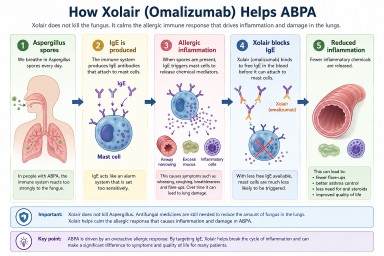
Examples include drugs targeting immunoglobulin E (IgE) or eosinophilic inflammation, such as omalizumab, mepolizumab, benralizumab, dupilumab and tezepelumab. These may be particularly relevant in ABPA or severe asthma with fungal sensitisation (SAFS).
Combination therapies
Future treatment strategies may combine different approaches, for example antifungal medication together with biologic therapy, inhaled therapy or immune-modulating treatment. Combination treatment may improve outcomes in patients whose disease does not respond fully to a single treatment alone.
Research is ongoing to determine which combinations are most effective and safest for patients with chronic aspergillosis.
Why new treatments are often tested in invasive aspergillosis first
Many new antifungal drugs are first tested in patients with invasive aspergillosis before being studied in chronic forms of the disease such as chronic pulmonary aspergillosis (CPA) or allergic bronchopulmonary aspergillosis (ABPA).
There are several reasons for this:
- Disease progression is faster. In invasive infections the illness progresses quickly, so researchers can more easily measure whether a new treatment is working.
- Clearer treatment outcomes. Invasive infections often have well-defined clinical outcomes such as survival or clearance of infection.
- Smaller studies can provide useful results. Because invasive infections are severe, treatment effects may be detected in smaller numbers of patients.
Chronic forms of aspergillosis usually progress more slowly. This means clinical trials often need to run for longer periods and include larger numbers of patients to demonstrate whether a treatment is effective.
Once a new antifungal drug has shown benefit in invasive disease, researchers may then study how it performs in chronic conditions such as CPA or ABPA.
Specialist centres such as the National Aspergillosis Centre contribute to research that helps evaluate new treatments for chronic forms of aspergillosis and improve care for patients living with these conditions.
How to find clinical trials
Clinical trials involving human participants must be registered publicly for ethical and regulatory reasons.
You can search for ongoing or completed studies at:
This database allows you to search for studies by disease, location, treatment or trial status.
Not all studies test new drugs. Some trials investigate diagnostics, biomarkers, new ways of using existing medicines, or observational registries that help researchers understand disease patterns over time.
If you are interested in taking part in a clinical trial, discuss this with your specialist respiratory team.
Common questions
Why are new treatments needed if antifungal drugs already exist?
Current antifungal drugs help many patients, but they do not work for everyone. Some fungi develop resistance, some patients experience side effects or interactions, and chronic disease can remain difficult to control.
Are all new treatments new antifungal drugs?
No. Research now includes new antifungal drugs, inhaled treatments, biologics, immune-modulating therapies and combination approaches.
Why are there more trials in invasive aspergillosis than CPA?
Invasive aspergillosis progresses more quickly, so trial results can often be measured sooner and with fewer patients. CPA usually changes more slowly, which makes trials longer and more difficult to run.
Can patients with chronic aspergillosis join clinical trials?
Sometimes, yes. Eligibility depends on the trial design, the type of aspergillosis, previous treatment and other health factors. Your specialist team can advise whether there may be suitable studies.
Do clinical trials always involve testing a completely new drug?
No. Some studies test new doses, new combinations, new formulations such as inhaled treatment, or new diagnostic approaches.
Further information
You may find these pages helpful:
- Antifungal medicines for aspergillosis
- Biologics and eosinophilic asthma
- Inhalers and nebulisers
- Chronic pulmonary aspergillosis (CPA)
- Allergic bronchopulmonary aspergillosis (ABPA)
More information about the medicine development process can be found through major medicines regulators, clinical trial registries, and specialist respiratory teams.
Author and review information
Author: Aspergillosis Website Editorial Team
Audience: Patients, carers, GPs and non-specialists
Last reviewed: 12 March 2026
National Aspergillosis Centre, Antifungal Therapeutic Drug Monitoring (TDM), Molecular Resistance Testing & Antimicrobial Stewardship
How the National Aspergillosis Centre Supports UK Clinicians
Long-term antifungal therapy in aspergillosis presents a distinct antimicrobial stewardship (AMS) challenge. Treatment is often prolonged, drug exposure is highly variable, and resistance may emerge during therapy.
The National Aspergillosis Centre (NAC), working closely with the Mycology Reference Centre Manchester (Manchester UK"], provides national expertise through:
-
Therapeutic drug monitoring (TDM)
-
Molecular resistance testing
-
Specialist Advice & Guidance
-
Remote multidisciplinary team (MDT) review
-
Standardised laboratory processes
Together, these services enable UK clinicians to optimise antifungal therapy while aligning with national AMS strategy and antimicrobial resistance (AMR) policy.
The National AMS Framework: Why This Matters
Antifungal stewardship sits within the wider UK antimicrobial resistance strategy.
Key national resources include:
1️⃣ NHS England – Digital Vision for Antimicrobial Stewardship
https://www.england.nhs.uk/long-read/digital-vision-for-antimicrobial-stewardship-in-england/
Emphasises:
-
Data-driven optimisation
-
Decision support
-
Clear documentation
-
Measurable stewardship interventions
2️⃣ Antimicrobial Prescribing & Stewardship Competency Framework
https://www.gov.uk/government/publications/antimicrobial-prescribing-and-stewardship-competencies
Defines clinician responsibilities including:
-
Right drug
-
Right dose
-
Right duration
-
Monitoring for toxicity
-
Review and stop decisions
3️⃣ English Surveillance Programme for Antimicrobial Utilisation and Resistance (ESPAUR)
Supports:
-
National resistance monitoring
-
Stewardship benchmarking
-
Reduction of inappropriate antimicrobial exposure
4️⃣ Chronic Pulmonary Aspergillosis (CPA) Service Specification
https://www.england.nhs.uk/publication/chronic-pulmonary-aspergillosis-service-adults/
This specialised service model explicitly includes:
-
Optimisation of antifungal therapy
-
Toxicity monitoring
-
Therapeutic drug monitoring
Antifungal stewardship is embedded within the commissioned service design.
Why Aspergillosis Requires Enhanced Stewardship
Unlike short-course antibacterial therapy, aspergillosis often involves:
-
Long-term triazole therapy
-
Structural lung disease
-
High interaction burden
-
Emerging environmental resistance
-
Potential for treatment failure despite adequate adherence
Effective stewardship therefore requires both:
-
Assurance of adequate drug exposure (TDM)
-
Assurance of organism susceptibility (molecular testing)
1️⃣ Therapeutic Drug Monitoring (TDM)
Triazole antifungals demonstrate:
-
High pharmacokinetic variability
-
Concentration-dependent toxicity
-
Reduced efficacy if under-dosed
TDM enables:
✔ Early detection of subtherapeutic exposure
✔ Prevention of toxicity
✔ Dose optimisation
✔ Reduction of avoidable escalation
This directly fulfils AMS competency expectations.
2️⃣ Molecular Resistance Testing
Azole resistance in Aspergillus fumigatus is increasingly recognised in the UK.
Through MRCM, NAC supports:
CYP51A Mutation Analysis
Common mutations include:
-
TR34/L98H
-
TR46/Y121F/T289A
These may arise:
-
Environmentally (azole fungicide pressure)
-
During long-term therapy
Phenotypic Susceptibility Testing
Where viable isolates are available:
-
Minimum inhibitory concentration (MIC) testing
-
Clinical interpretation to guide therapy
Why Resistance Testing Is Essential for AMS
If a patient deteriorates despite adequate serum levels:
-
Continuing the same azole is not stewardship
-
Escalating empirically without evidence increases antimicrobial pressure
Molecular confirmation ensures:
✔ Rational switching
✔ Avoidance of ineffective therapy
✔ Contribution to national resistance surveillance
This aligns with ESPAUR and national AMR objectives.
3️⃣ Remote Advice & Guidance & MDT Review
The NAC provides structured national clinician support.
This strengthens stewardship by:
✔ Refining diagnosis
✔ Preventing indication drift
✔ Setting defined review points
✔ Supporting stop decisions
✔ Reducing empirical prolonged therapy
Early specialist review is one of the most effective stewardship interventions.
Integrated Stewardship Model
| Clinical Situation | TDM | Molecular Testing |
|---|---|---|
| Initiation of azole | Yes | Not routine |
| Poor response + low level | Adjust dose | Not primary |
| Poor response + adequate level | Confirm exposure | Essential |
| Long-term therapy | Periodic monitoring | Consider if progression |
| Relapse on therapy | Check level | Strongly consider |
Exposure optimisation + susceptibility confirmation = complete antifungal stewardship.
Practical Workflow for UK Teams
Step 1 – Define Indication
-
Syndrome
-
Treatment objective
-
Planned review date
Step 2 – Baseline Safety Checks
-
Interaction review
-
Liver function tests
-
ECG where appropriate
Step 3 – Perform TDM
Include:
-
Drug
-
Dose
-
Time of last dose
-
Time of sampling
Step 4 – If Clinical Failure Occurs
-
Confirm adequate drug exposure
-
Consider molecular resistance testing
Step 5 – Define Stop/Review Criteria
Avoid open-ended therapy without documented reassessment.
Demonstrating AMS Compliance in Practice
Using NAC-supported services allows Trusts to evidence:
✔ Documented indication
✔ Dose optimisation
✔ Toxicity mitigation
✔ Rational escalation
✔ Defined review intervals
✔ Resistance surveillance contribution
✔ Specialist consultation
This is measurable, defensible antimicrobial stewardship.
Conclusion
Antifungal stewardship in aspergillosis cannot rely on restriction alone.
It requires:
-
Precision dosing
-
Genetic resistance detection
-
Structured specialist review
-
Alignment with national AMS frameworks
Through integrated therapeutic drug monitoring, molecular resistance testing, and national clinical support, the National Aspergillosis Centre provides a UK model for precision antifungal stewardship aligned with national antimicrobial resistance strategy.
Isavuconazole in Aspergillosis
A balanced guide for patients and clinicians
Isavuconazole (given as the prodrug isavuconazonium sulfate) is a newer broad-spectrum triazole antifungal used in:
-
Chronic pulmonary aspergillosis (CPA)
-
Invasive aspergillosis
-
Patients who cannot tolerate other azoles
-
Selected refractory Allergic bronchopulmonary aspergillosis (ABPA) cases
It is available as oral capsules and intravenous (IV) formulation and is often chosen for its favourable tolerability profile.
1️⃣ What Isavuconazole Does
Like other azoles, isavuconazole inhibits fungal CYP51 (14-α-demethylase), blocking ergosterol synthesis and impairing fungal cell membrane formation.
It:
-
Suppresses Aspergillus growth
-
Reduces fungal burden
-
Helps stabilise lung disease
-
Provides systemic antifungal coverage
Clinical improvement is gradual over weeks.
2️⃣ How Long Is Treatment?
In CPA
-
Often 6–12 months or longer
-
May be used when other azoles cause side effects
-
Sometimes used as long-term suppressive therapy
In Invasive Aspergillosis
-
Duration depends on immune recovery and response
-
Often several months
In ABPA
-
Used selectively when other azoles are not tolerated
As with all azoles, stopping too early may lead to relapse.
3️⃣ Pharmacokinetics – Why It’s Different
Isavuconazole has more predictable pharmacokinetics than itraconazole or voriconazole.
Key features:
-
High oral bioavailability
-
Not dependent on gastric acidity
-
Food has minimal impact
-
Linear pharmacokinetics (dose–level relationship more predictable)
-
Long half-life (~100–130 hours)
Importantly:
It shortens the QT interval (unlike other azoles, which may prolong it).
This can make it preferable in patients with QT prolongation risk.
4️⃣ Do We Need Blood Level Monitoring?
Therapeutic Drug Monitoring (TDM) is not routinely required in all patients.
However, levels may be considered in:
-
Treatment failure
-
Drug interactions
-
Extreme body weight
-
Severe liver disease
-
Long-term therapy
This is a practical advantage compared with voriconazole.
5️⃣ Common Side Effects (Usually Mild)
-
Nausea
-
Vomiting
-
Diarrhoea
-
Headache
Generally fewer visual or skin-related effects compared with voriconazole.
6️⃣ Less Common but Important Effects
Liver Abnormalities
Routine liver monitoring is recommended.
Most abnormalities are mild and reversible.
Gastrointestinal Upset
Can occur early in therapy but often settles.
Infusion Reactions (IV Form)
Occasional mild reactions with IV administration.
Cardiac Effects
Unlike other azoles:
-
Isavuconazole may shorten QT interval
-
It is not associated with QT prolongation
This makes it attractive in patients with:
-
Existing QT prolongation
-
Multiple QT-prolonging drugs
However, ECG review may still be prudent in complex cardiac patients.
7️⃣ Drug Interactions
Isavuconazole:
-
Moderately inhibits CYP3A4
-
Has fewer interactions than some other azoles
Still review carefully, especially with:
-
Immunosuppressants
-
Statins
-
Certain anticoagulants
Avoid:
-
St John’s Wort
-
Strong enzyme inducers
Grapefruit has less impact than with other azoles but is generally avoided as a precaution.
8️⃣ Comparison Snapshot
| Feature | Itraconazole | Voriconazole | Posaconazole | Isavuconazole |
|---|---|---|---|---|
| Acid-dependent absorption | Yes (capsules) | No | No (tablet) | No |
| Genetic metabolism impact | Low | High (CYP2C19) | Low | Low |
| QT prolongation | Minimal | Possible | Possible | No (shortens QT) |
| Visual side effects | Rare | Common | Rare | Rare |
| TDM required | Yes | Essential | Recommended | Usually not |
| Long-term tolerability | Moderate | Sometimes limited | Often good | Often very good |
Balanced Summary for Patients
Isavuconazole is a newer antifungal that is often easier to tolerate and has more predictable levels in the body. Blood tests and monitoring help ensure treatment remains safe and effective.
Clinician Checklist
-
Confirm indication and prior azole exposure
-
Baseline liver function tests
-
Review interacting medications
-
Consider ECG if complex cardiac history
-
Consider TDM only if clinically indicated
Posaconazole in Aspergillosis
A balanced guide for patients and clinicians
-
Chronic pulmonary aspergillosis (CPA)
-
Allergic bronchopulmonary aspergillosis (ABPA) (selected or refractory cases)
-
Invasive aspergillosis
-
Patients intolerant of itraconazole or voriconazole
-
Antifungal prophylaxis in high-risk immunocompromised patients
It is generally well tolerated and often used when other azoles cause side effects.
1️⃣ What Posaconazole Does
Like other azoles, posaconazole blocks fungal ergosterol synthesis (CYP51 inhibition), preventing fungal growth.
It:
-
Suppresses Aspergillus replication
-
Reduces fungal burden
-
Helps stabilise lung disease in CPA
-
Can reduce steroid need in some ABPA cases
It works gradually over weeks.
2️⃣ How Long Is Treatment?
In CPA
-
Often 6–12 months or longer
-
Sometimes long-term suppressive therapy
-
Used if other azoles are ineffective or not tolerated
In ABPA
-
Used in refractory or steroid-dependent disease
In prophylaxis
-
Duration depends on immune suppression status
As with other azoles, premature discontinuation may lead to relapse.
3️⃣ Formulations Matter
Posaconazole comes in:
-
Delayed-release tablets
-
Oral suspension
-
Intravenous formulation
Tablets (preferred)
-
Good, reliable absorption
-
Less affected by food
-
More predictable levels
Oral suspension
-
Absorption highly dependent on food (especially fatty meals)
-
Greater variability
In most CPA practice, tablets are preferred.
4️⃣ Why Blood Level Monitoring Is Still Important
Posaconazole has more predictable pharmacokinetics than itraconazole or voriconazole, but monitoring is still recommended.
Reasons:
-
Interpatient variability
-
Drug interactions
-
Severe infection requires adequate exposure
-
Toxicity avoidance
If Levels Are Too Low
-
Inadequate fungal suppression
-
Ongoing disease activity
-
Risk of resistance
If Levels Are Too High
-
Liver abnormalities
-
Gastrointestinal symptoms
-
Rare cardiac effects
Typical Target (Trough)
-
1 mg/L for treatment
-
0.7 mg/L often sufficient for prophylaxis
(Laboratory guidance varies.)
Levels are typically checked:
-
After 5–7 days
-
After dose adjustments
-
If response is suboptimal
-
If toxicity suspected
5️⃣ Common Side Effects (Usually Mild)
-
Nausea
-
Diarrhoea
-
Abdominal discomfort
-
Headache
These are often less troublesome than with voriconazole.
6️⃣ Less Common but Important Effects
Liver Abnormalities
Routine monitoring required.
Most are mild and reversible.
QT Interval Prolongation
Posaconazole can prolong QT interval.
Caution in patients with:
-
Known arrhythmias
-
Electrolyte imbalance
-
Other QT-prolonging drugs
ECG monitoring may be appropriate in higher-risk individuals.
Hypertension & Mineralocorticoid Effect (Rare)
High levels can rarely cause:
-
Elevated blood pressure
-
Low potassium
More common with long-term or high exposure.
Neuropathy
Much less commonly reported than with other azoles, but peripheral symptoms should still be assessed carefully if they occur.
7️⃣ Food & Drug Advice
-
Tablets: can be taken with or without food (follow prescribing guidance)
-
Suspension: take with food (preferably fatty meal)
Avoid:
-
Grapefruit
-
St John’s Wort
Posaconazole inhibits CYP3A4 and interacts with:
-
Statins
-
Certain immunosuppressants
-
Some anticoagulants
Medication review is essential.
8️⃣ Comparison Snapshot
| Feature | Itraconazole | Voriconazole | Posaconazole |
|---|---|---|---|
| Absorption variability | High | Moderate | Low–Moderate (tablet) |
| Visual side effects | Rare | Common | Rare |
| Photosensitivity | Rare | Common | Rare |
| QT prolongation | Minimal | Possible | Possible |
| TDM needed | Yes | Essential | Recommended |
| Long-term tolerability | Moderate | Sometimes limited | Often good |
Balanced Summary for Patients
Posaconazole is a newer azole that is often well tolerated and provides reliable antifungal coverage. Blood tests help ensure the level is effective and safe. Most patients complete treatment without major difficulties.
Clinician Checklist
-
Confirm formulation (tablet preferred in CPA)
-
Baseline LFTs
-
Review ECG if cardiac risk present
-
Check electrolytes (especially potassium)
-
Arrange trough level after initiation
-
Review full medication list
Voriconazole in Aspergillosis
A balanced guide for patients and clinicians
-
Chronic pulmonary aspergillosis (CPA)
-
Allergic bronchopulmonary aspergillosis (ABPA) (selected cases)
-
Invasive aspergillosis
-
Azole-resistant or itraconazole-intolerant cases
It is available orally and intravenously and is often used when a stronger or more reliably absorbed azole is required.
1️⃣ What Voriconazole Does
Voriconazole works by blocking fungal ergosterol synthesis (CYP51 inhibition), which disrupts the fungal cell membrane.
Compared with itraconazole:
-
More potent against Aspergillus
-
More predictable oral absorption
-
More central nervous system penetration
It often produces symptom improvement over weeks, though some effects (e.g. visual symptoms) may occur quickly.
2️⃣ How Long Is Treatment?
In CPA
-
Often 6–12 months or longer
-
Sometimes used as second-line or after intolerance to itraconazole
-
Long-term suppressive therapy may be required
In ABPA
-
Used in selected steroid-dependent or refractory cases
In invasive disease
-
Typically several months depending on response and immune status
3️⃣ Why Blood Level Monitoring Is Essential
Voriconazole has non-linear pharmacokinetics.
Small dose changes can cause large blood level shifts.
Two patients on the same dose may have very different levels due to:
-
Liver metabolism (CYP2C19 genetic variation is important)
-
Drug interactions
-
Age
-
Weight
-
Liver function
If Levels Are Too Low
-
Treatment failure
-
Persistent fungal activity
-
Risk of resistance
If Levels Are Too High
-
Liver toxicity
-
Neurological side effects
-
Visual disturbances
-
Increased interaction risk
Typical Target (Trough)
-
Generally 1–5.5 mg/L (lab dependent)
-
Toxicity risk increases >5–6 mg/L
Levels are usually checked:
-
5–7 days after starting
-
After dose adjustments
-
If side effects occur
-
If clinical response is inadequate
4️⃣ Common Side Effects (Often Mild & Reversible)
Visual Disturbances (Very Common but Usually Harmless)
-
Blurred vision
-
Altered colour perception
-
Light sensitivity
-
“Wavy” vision
These typically:
-
Occur within 30–60 minutes of dosing
-
Last less than an hour
-
Reduce over time
Patients should avoid night driving initially until they understand their response.
Photosensitivity
-
Increased sensitivity to sunlight
-
Sunburn risk
-
Long-term risk of skin damage with prolonged therapy
Sun protection is important.
Gastrointestinal
-
Nausea
-
Abdominal discomfort
5️⃣ Less Common but Important Effects
Neurological
-
Headache
-
Vivid dreams
-
Hallucinations (usually at high levels)
-
Confusion (dose-related)
These are generally reversible with dose adjustment.
Liver Abnormalities
Routine liver function monitoring is required.
Most abnormalities are mild and resolve with dose modification.
Cardiac Effects
Voriconazole can prolong the QT interval.
Caution in patients with:
-
Known arrhythmias
-
Electrolyte imbalance
-
Other QT-prolonging drugs
ECG monitoring may be appropriate in higher-risk patients.
Skin Cancer Risk (Long-Term Use)
With prolonged use (especially >1–2 years):
-
Increased risk of skin squamous cell carcinoma
-
Particularly in transplant recipients
Sun protection and dermatology review are advised for long-term therapy.
6️⃣ Food & Drug Advice
-
Avoid grapefruit
-
Avoid St John’s Wort
-
Take tablets at least 1 hour before or after meals (food reduces absorption)
Voriconazole has many CYP-mediated interactions and requires careful medication review.
7️⃣ Comparison With Itraconazole (Simple Overview)
| Feature | Itraconazole | Voriconazole |
|---|---|---|
| Absorption variability | High | More predictable |
| Visual side effects | Rare | Common but mild |
| Photosensitivity | Rare | More common |
| QT prolongation | Minimal | Possible |
| TDM needed | Yes | Yes (essential) |
Balanced Summary for Patients
Voriconazole is a strong antifungal used when more reliable or potent treatment is needed. Most side effects are manageable and reversible, and blood monitoring keeps treatment safe.
Clinician Checklist
-
Confirm indication and prior azole exposure
-
Check baseline LFTs
-
Review ECG if cardiac risk present
-
Assess drug interactions (CYP2C19, 2C9, 3A4)
-
Arrange trough level at day 5–7
-
Counsel regarding visual symptoms and sun protection
🧬 How Biologics Are Reshaping Our Understanding of ABPA Subtypes
For many years, Allergic Bronchopulmonary Aspergillosis (ABPA) was viewed as a single condition:
An allergic reaction to Aspergillus fumigatus in the lungs, treated primarily with steroids and sometimes antifungal medication.
Biologic therapies are changing that picture.
They are not just new treatments — they are helping us understand that ABPA may not be one uniform disease, but a spectrum of related inflammatory patterns.
🧠 The Traditional View of ABPA
Historically, ABPA has been defined by:
-
Asthma (or cystic fibrosis)
-
High total IgE
-
Sensitisation to Aspergillus
-
Raised eosinophils
-
Characteristic CT changes (e.g. bronchiectasis, mucus plugging)
The dominant biological explanation was:
A Type 2 (allergic) immune overreaction driven by eosinophils and IgE.
Steroids were used to suppress this immune response.
This model assumed that most patients had broadly similar immune drivers.
💊 What Are Biologics?
Biologics are targeted antibody therapies designed to block specific immune pathways.
In asthma and ABPA, the main targets are:
-
IL-5 (drives eosinophils)
-
IL-5 receptor
-
IL-4 / IL-13 (drive allergic inflammation)
-
IgE
Examples include:
-
Anti–IL-5 therapies (e.g. mepolizumab, benralizumab)
-
Anti–IL-4/IL-13 therapy (e.g. dupilumab)
-
Anti-IgE therapy (e.g. omalizumab)
Instead of broadly suppressing immunity like steroids, they selectively block parts of the allergic pathway.
🔍 What Biologics Are Teaching Us
As biologics have been used in ABPA (often off-label or in specialist centres), an interesting pattern has emerged:
Not all ABPA behaves the same way.
Some patients respond dramatically to anti–IL-5 therapy.
Others respond better to anti–IL-4/IL-13 therapy.
Some show strong IgE-driven disease.
Others appear more mucus-dominant.
This suggests that ABPA may include different inflammatory endotypes (biological subtypes), even if outward symptoms look similar.
🧩 Possible Emerging ABPA Subtypes
While research is ongoing, clinicians are beginning to recognise patterns such as:
1️⃣ Strongly Eosinophilic-Dominant ABPA
-
Very high eosinophils
-
Frequent exacerbations
-
Often responds well to IL-5 blockade
2️⃣ IgE-Heavy Allergic ABPA
-
Extremely high total IgE
-
Prominent allergic features
-
May respond to anti-IgE therapy
3️⃣ Mucus-Plug Dominant ABPA
-
Recurrent thick mucus impaction
-
Radiological plugging
-
May involve additional inflammatory drivers
4️⃣ Steroid-Dependent ABPA
-
Relapses when steroids reduced
-
Biologics may allow steroid-sparing strategies
These patterns are not yet formal categories, but biologics are revealing that ABPA is biologically more complex than once thought.
🧪 Blood Eosinophils vs Airway Inflammation
Biologics have also highlighted another key insight:
Blood eosinophil levels do not always perfectly reflect what is happening in the lungs.
Some patients:
-
Have modest blood eosinophils
-
But still show eosinophilic airway activity
Biologic response patterns are helping refine how we interpret these markers.
🧠 Moving From “Diagnosis” to “Endotype”
Traditionally, medicine focused on:
Diagnosis (ABPA vs not ABPA)
Biologics are pushing us toward:
Endotype (which immune pathway is dominant in this patient?)
This matters because targeted therapy works best when matched to the dominant pathway.
In future, ABPA may be classified not just by clinical features, but by molecular drivers.
🫁 What This Means for Patients
Biologics offer:
-
Reduced steroid dependence
-
Fewer exacerbations
-
Improved lung function in selected patients
-
Potential improvement in mucus burden
But they also help answer deeper questions:
-
Why do some patients relapse frequently?
-
Why do some have extreme eosinophilia?
-
Why do others have more mucus plugging than inflammation?
They are helping personalise ABPA care.
⚖ Important Caveats
-
Biologics are not currently licensed specifically for ABPA in many countries.
-
Evidence is growing but still developing.
-
They are usually considered in specialist centres.
-
They are not appropriate for every patient.
Steroids and antifungals remain core treatments.
🔭 The Future
Over the next decade, we may see:
-
Better classification of ABPA subtypes
-
Biomarker-guided treatment selection
-
Reduced long-term steroid exposure
-
Improved understanding of mucus plug biology
-
Trials specifically designed for ABPA (rather than extrapolated from asthma)
Biologics are not just new drugs.
They are acting as scientific tools that are reshaping how we think about ABPA itself.
🧠 Key Takeaway
ABPA is no longer seen as one single uniform allergic condition.
Biologic therapies are revealing that:
ABPA is likely a spectrum of related inflammatory patterns — and treatment may increasingly be tailored to the dominant pathway in each individual.
References
Agarwal R, Sehgal IS, Muthu V, Denning DW, Chakrabarti A, Soundappan K, Garg M, Rudramurthy SM, Dhooria S, Armstrong-James D, Asano K, Gangneux JP, Chotirmall SH, Salzer HJF, Chalmers JD, Godet C, Joest M, Page I, Nair P, Arjun P, Dhar R, Jat KR, Joe G, Krishnaswamy UM, Mathew JL, Maturu VN, Mohan A, Nath A, Patel D, Savio J, Saxena P, Soman R, Thangakunam B, Baxter CG, Bongomin F, Calhoun WJ, Cornely OA, Douglass JA, Kosmidis C, Meis JF, Moss R, Pasqualotto AC, Seidel D, Sprute R, Prasad KT, Aggarwal AN. Revised ISHAM-ABPA working group clinical practice guidelines for diagnosing, classifying and treating allergic bronchopulmonary aspergillosis/mycoses. Eur Respir J. 2024 Apr 4;63(4):2400061. doi: 10.1183/13993003.00061-2024. PMID: 38423624; PMCID: PMC10991853.