Aspergillosis and Diet: coping with weight loss, poor appetite, food avoidance and stomach symptoms
For: patients, carers, general practitioners, specialist nurses and other non-specialists
Last reviewed: 8 April 2026
Important: This page is general information. It does not replace advice from your own clinical team.
Key points
- Eating difficulties are common in aspergillosis, especially in chronic pulmonary aspergillosis (CPA) and in people who also have other lung disease.
- The problem is often not simply “poor appetite”. Breathlessness, cough, fatigue, reflux, nausea, altered taste and medicine side effects can all make eating difficult.
- Some people gradually cut out more and more foods because eating feels uncomfortable or because they have been told certain foods are “bad” for lung symptoms.
- For many patients, the main nutritional goal is not a “perfect” diet. It is getting enough energy, protein and fluids in ways that feel manageable.
- “Little and often”, food fortification and nourishing drinks are often more realistic than trying to eat three large meals a day.
- Ongoing weight loss, a very restricted diet, persistent nausea, reflux or difficulty eating most days should be discussed with a doctor, specialist team or dietitian.
Why diet can become a major problem in aspergillosis
Many people living with aspergillosis find that eating becomes much harder than it used to be. This is particularly important in chronic pulmonary aspergillosis (CPA), where weight loss, fatigue and general ill health are common features of the illness. In practical terms, the body may need more energy while the person is less able to eat comfortably.
Several problems can overlap:
- Breathing takes more effort, which can increase energy needs.
- Coughing or breathlessness can interrupt meals.
- Tiredness can make shopping, cooking and eating feel like hard work.
- Inflammation and chronic illness can reduce appetite and contribute to muscle loss.
- Antifungal treatment and other medicines can cause nausea, altered taste, indigestion or poor appetite.
- Reflux, bloating or early fullness may mean that even small meals feel uncomfortable.
For some patients this creates a vicious circle: eating becomes unpleasant, intake falls, weight drops, strength falls, and eating may then feel even more difficult.
Who is most affected?
Not every patient with aspergillosis has major nutritional problems, but some groups are more likely to struggle. This includes people with:
- Chronic pulmonary aspergillosis (CPA)
- pre-existing lung disease such as chronic obstructive pulmonary disease (COPD), bronchiectasis or previous tuberculosis
- long-term fatigue, breathlessness or coughing
- persistent nausea or reflux symptoms
- a history of recent unplanned weight loss
- side effects from antifungal or other medicines
- anxiety around eating because meals repeatedly trigger symptoms
Some people with allergic bronchopulmonary aspergillosis (ABPA) also report poor intake or nutritional difficulties, although the pattern may differ from CPA. In ABPA, steroid treatment, asthma burden, medicine effects and general symptom load may all influence diet.
How eating can become difficult
People often describe eating problems in ways that do not sound like a classic “nutrition” issue. They may say things like:
- “I get full after a few mouthfuls.”
- “I cannot face a proper meal.”
- “Eating makes me cough.”
- “I feel uncomfortable after food.”
- “Some foods seem to sit badly.”
- “I only eat a few safe foods now.”
These experiences are important. They suggest that the real problem may be a mixture of breathlessness, upper gastrointestinal symptoms, medicine effects and learned food avoidance, not simply a lack of willpower or poor food choices.
When eating shrinks into a “minimal diet”
Some patients end up eating very little, often because that feels safer or more manageable than trying to eat normally. A “minimal diet” may look like:
- very small amounts of food only once or twice a day
- mostly soft or liquid foods
- reliance on tea, toast, soup or yoghurt
- long gaps without eating
- skipping meals because eating feels exhausting
This is understandable, but it can become a serious problem. Small intake over time may lead to:
- weight loss
- loss of muscle mass
- greater weakness and fatigue
- slower recovery from illness
- reduced ability to cope with infections or treatment
If a patient is managing only tiny amounts of food, the first goal is often not to rebuild a “normal” diet immediately. It is to make intake easier, more comfortable and more nourishing.
Avoiding many food types
Another common pattern is gradual food restriction. Patients may stop eating several food groups because they believe these foods worsen mucus, cough, reflux, nausea or fungal disease.
Examples include avoiding:
- dairy products
- sweet foods
- bread or dry foods
- meat
- acidic foods
- foods linked in the mind to a previous bad episode
Sometimes there is a genuine reason for avoiding a particular food. For example, reflux may make acidic or very fatty foods uncomfortable, and a dry crumbly food may clearly trigger coughing. The difficulty is that repeated bad experiences can also lead to over-restriction, where more and more foods are cut out than is really necessary.
That can leave the diet low in calories, low in protein and very repetitive. In practice, the aim is usually to adapt foods rather than cut out whole food groups unless there is a clear reason to avoid them.
Could the stomach or gut be part of the problem?
Yes. This is often overlooked.
Some patients with aspergillosis describe symptoms that sound mainly digestive rather than respiratory, for example:
- nausea
- heartburn or reflux
- bloating
- feeling full very quickly
- upper abdominal discomfort
- reduced appetite after starting or changing medication
- alternating diarrhoea and constipation
There are several possible reasons:
- Medicine side effects, including antifungals
- Gastro-oesophageal reflux disease (GORD), which can also worsen cough
- reduced activity levels and chronic illness
- constipation, especially when intake is poor or medicines contribute
- co-existing gastrointestinal disease that is separate from aspergillosis
If eating repeatedly causes upper abdominal or chest discomfort, or if reflux and nausea are prominent, it is reasonable to think of this as a symptom needing review rather than simply a “fussy eating” problem.
Practical ways to make eating easier
Different things help different people, but these approaches are often more realistic than trying to push through large meals.
1. Think “little and often”
Many people do better with five or six small eating opportunities through the day instead of three big meals. That may mean a small breakfast, a mid-morning snack, a light lunch, a nourishing drink, an evening meal and a supper snack.
2. Lower the effort of eating
Soft, moist foods are often easier than dry, chewy or crumbly foods. Examples include:
- porridge
- yoghurt
- custard or rice pudding
- mashed potato with added butter or cheese
- scrambled eggs
- soup with cream or grated cheese
- stews, casseroles or sauced dishes
3. Use drinks as nutrition
For some patients, drinks are easier to manage than food. Nourishing options can include:
- milky drinks
- smoothies
- milkshakes
- fortified hot drinks
- commercial oral nutritional supplements if prescribed or advised
4. Rest before eating
If fatigue or breathlessness are major barriers, it can help to eat after a rest rather than after exertion. Some people find breakfast or lunch easier than an evening meal.
5. Sit upright and stay upright afterwards
This can be especially helpful when reflux, coughing or chest discomfort are part of the picture.
6. Slow the pace
It is acceptable to eat slowly and pause often. Some patients benefit from smaller mouthfuls and short breathing pauses between them.
7. Look for manageable variety
If the diet has become very narrow, widening it gently may be more successful than trying to overhaul everything at once.
How to support weight maintenance
When keeping weight on is difficult, the most useful approach is often to increase the energy and protein content of what is already being tolerated.
Food-first ideas
- Add butter, cream, cheese, yoghurt, milk powder or olive oil to foods where suitable.
- Choose full-fat products rather than “diet” versions if weight loss is a concern.
- Add grated cheese to soup, mashed potato, scrambled eggs or vegetables.
- Make porridge with milk rather than water.
- Keep easy snacks available, such as yoghurts, cheese and crackers, peanut butter, hummus, custard, rice pudding or milky desserts.
Protein matters
Protein helps preserve muscle. Good sources include:
- milk, yoghurt and cheese
- eggs
- meat, fish and poultry if tolerated
- beans, lentils and other pulses
- nut butters where suitable
Oral nutritional supplements
When food alone is not enough, a doctor or dietitian may suggest oral nutritional supplements. These are often used between meals rather than instead of meals. They can be particularly helpful when appetite is low or meal size is very limited.
In general UK nutrition practice, a “food first” approach is usually tried first where appropriate, but oral nutritional supplements are commonly used when someone is at higher risk of malnutrition or is unable to meet needs from food alone.
Food and medicine issues to remember
Food and medicine can interact in two main ways.
1. Medicines can affect eating
Antifungal treatment and other medicines may contribute to:
- nausea
- indigestion
- altered taste
- poor appetite
- bowel upset
If these symptoms started after a medicine was introduced or changed, it is worth discussing that with the prescribing team.
2. Food can affect medicines
Some antifungal medicines have specific instructions about when to take them in relation to food. For example:
- Itraconazole capsules are generally taken with or just after food, while itraconazole liquid is generally taken on an empty stomach.
- Voriconazole is usually taken on an empty stomach.
- Some medicines also have important interactions with antacids or acid-suppressing medicines.
Because formulations differ, and because other medicines may also interact, patients should follow the instructions they have been given for their exact preparation and check with a pharmacist or clinical team if unsure.
Grapefruit and other food interactions: some medicines have clinically important food interactions. Patients should check current advice for each medicine rather than relying on memory or online generalisations.
Common diet myths
Dairy always makes mucus worse
This is a very common belief. Current evidence does not show that dairy routinely increases lung mucus production for most people. Some people do notice a thicker mouth or throat feeling after milk, which may relate to texture rather than extra mucus. If dairy is well tolerated, it can be a useful source of calories and protein.
Sugar “feeds” aspergillosis, so it should be cut out completely
Patients often hear this online, but strict self-imposed restriction can be more harmful than helpful when someone is already struggling to maintain intake. For many patients with weight loss, the immediate nutritional priority is adequate calories and protein, not aggressive dietary exclusion.
There is a special anti-aspergillosis diet
There is no widely accepted specialist diet that treats aspergillosis itself. In routine practice, nutrition advice usually focuses on preventing or treating malnutrition, easing symptoms and managing medicine-related issues.
If eating is difficult, I should just avoid more foods
Sometimes a food really is hard to tolerate, but repeated restriction can shrink the diet too far. Often it is more useful to ask, “Can this be made easier to eat?” rather than “Should I cut this out altogether?”
When to seek medical help
Patients should speak to their doctor, specialist team or another qualified healthcare professional if they have any of the following:
- ongoing unplanned weight loss
- clothes, rings or dentures becoming looser
- difficulty eating most days
- a very narrow diet with only a few “safe” foods
- persistent nausea, reflux, bloating or abdominal discomfort
- increasing weakness or fatigue
- concerns that medicines are worsening appetite or stomach symptoms
It may be appropriate to ask about a dietitian referral, especially if intake has been poor for some time or there are signs of malnutrition.
Seek urgent medical advice if:
- food or fluids are being kept down very poorly
- there are signs of dehydration
- weight loss is rapid or severe
- pain, vomiting, swallowing difficulty or other worrying symptoms are developing
Common questions
Should I force myself to eat full meals?
Usually not. If full meals are consistently overwhelming, smaller and more frequent intake is often more successful.
Are liquid calories “cheating”?
No. For some people, nourishing drinks are one of the most practical ways to protect weight and strength.
What if I only manage a few foods?
That is still worth discussing. A restricted diet may be understandable, but it can increase nutritional risk over time.
What if dairy feels unpleasant?
Individual experience matters. If a food clearly feels uncomfortable, it may help to try alternatives or use smaller amounts in different forms. But many people do not need to exclude dairy automatically.
Could reflux be making my cough worse?
Yes, it can in some people. Reflux can irritate the upper airway and may contribute to cough or discomfort around meals.
When to seek medical advice
Ask for medical advice if you are losing weight, struggling to eat most days, developing a very restricted diet, or think nausea, reflux or medication side effects are affecting your intake. Ask urgently if you are becoming dehydrated, vomiting repeatedly, or your intake has become extremely poor.
Author and review information
Prepared for: aspergillosis.org
Purpose: general educational information for patients and non-specialists
Review note: Because medicine instructions can change between formulations and brands, patients should always check the current advice supplied with their own prescription and confirm uncertainties with a pharmacist or clinical team.
References and further reading
- Carter C, Muldoon EG, Kosmidis C. Chronic pulmonary aspergillosis - a guide for the general physician. 2024.
PubMed - Tashiro M, Takazono T, Izumikawa K. Chronic pulmonary aspergillosis: comprehensive insights into epidemiology, diagnosis, treatment, and unresolved challenges. 2024.
Free full text - Roboubi A, et al. Allergic bronchopulmonary aspergillosis. 2023.
PubMed - Sunman B, et al. Current approach in the diagnosis and management of allergic bronchopulmonary aspergillosis in children with cystic fibrosis. 2020.
Free full text - Madhavan V, et al. Malnutrition in allergic bronchopulmonary aspergillosis complicating asthma. 2023.
Free full text - British Dietetic Association. Spotting and treating malnutrition.
BDA resource - BAPEN. Food first / food enrichment.
BAPEN resource - BAPEN / Malnutrition Pathway. Managing malnutrition in COPD.
PDF - NICE. Managing malnutrition in COPD, The Malnutrition Pathway.
NICE shared learning resource - NHS. Heartburn and acid reflux.
NHS advice - Cambridge University Hospitals NHS Foundation Trust. Dietary and lifestyle advice for adults with gastro-oesophageal reflux disease (GORD).
CUH advice - NICE BNF. Itraconazole.
BNF drug monograph - Manchester University NHS Foundation Trust, National Aspergillosis Centre. Patient Information: Itraconazole.
PDF - Manchester University NHS Foundation Trust, National Aspergillosis Centre. Patient Information: Voriconazole.
PDF - Oxford University Hospitals NHS Foundation Trust. Advice about antifungals.
PDF - Balfour-Lynn IM. Milk, mucus and myths. Archives of Disease in Childhood. 2019.
Article - Pinnock CB, Graham NM, Mylvaganam A. Relationship between milk intake and mucus production in adult volunteers challenged with rhinovirus-2. 1990.
PubMed - ASCIA. Milk, mucus and cough.
Patient resource
Diet and Aspergillosis: What Helps, What Doesn’t, and What Matters Most
Last reviewed: 8 April 2026
Many people living with aspergillosis ask whether diet can help “fight” the fungus, reduce symptoms, or improve recovery. This is completely understandable, particularly given the large amount of advice online suggesting that certain foods, supplements, or diets can control fungal disease.
This article explains what current evidence shows, what diet can and cannot do, and where it genuinely matters for people living with aspergillosis.
Core principle: Aspergillus-related disease is driven by what we breathe in and how the body responds — not by what we eat.
Contents
- Key points
- What do we mean by “no evidence”?
- How Aspergillus disease develops
- The role of airways, mucus and lung structure
- Immune response and inflammation
- Can food treat Aspergillus?
- Diet and ABPA (allergic disease)
- Allergy vs infection: why diet is often misunderstood
- Diet and CPA (chronic infection)
- Why nutrition still matters
- Steroids and diet
- Diet and antifungal medication
- Checking food–drug interactions
- Common diet myths (and why they persist)
- A practical, evidence-based approach
- When to seek help
- References
Key points
- There is no diet that treats aspergillosis.
- Aspergillus-related disease develops through inhalation of spores, changes in the lungs, and immune responses.
- Diet does not control Aspergillus growth in the lungs.
- Diet still matters for strength, weight, recovery, and treatment safety.
- Food can affect how medicines are absorbed and metabolised.
- Many popular online diet claims are based on misunderstood science, oversimplification, or marketing.
What do we mean by “no evidence”?
When this article says there is “no evidence” or “no strong evidence”, this does not mean that we are simply waiting for proof to arrive.
In most cases, it means one of two things:
- the idea has been studied and has not been shown to help real patients, or
- there is only laboratory or theoretical evidence, which does not translate into benefit in real-world disease
For example, fungi can grow in sugar-rich laboratory conditions. That does not mean eating sugar feeds Aspergillus in the lungs. The body tightly regulates blood glucose, and lung disease is far more complex than a laboratory culture dish.
Key message: when clinicians say there is “no evidence”, they usually mean an approach is unlikely to work in practice, not that it is a promising treatment that just has not been tested yet.
How Aspergillus disease develops
Aspergillus is a common environmental mould. People are exposed by breathing in microscopic spores from the air. Most people clear these spores without any problem.
Whether disease develops depends on the interaction between:
- the condition of the lungs
- how well mucus is cleared
- the immune response
In healthy lungs, inhaled spores are trapped in mucus, moved out of the airways, and removed by immune cells. When this system is disrupted, Aspergillus may persist or trigger inflammation. This is described in clinical reviews of pulmonary aspergillosis such as Kosmidis & Denning, 2015.
This process takes place in the respiratory system and is driven by inhalation — not diet.
The role of airways, mucus and lung structure
The lungs have several important defence systems. These include mucus, cilia (tiny hair-like structures that move mucus), and immune cells. Together, they help remove inhaled particles and organisms.
In conditions such as asthma, bronchiectasis, chronic obstructive pulmonary disease (COPD), or other chronic lung diseases:
- mucus may become thicker or harder to clear
- airways may be damaged or widened
- normal clearance may be less effective
This can make it easier for Aspergillus to remain in the lungs. In some people this contributes to allergic disease. In others, especially where there is structural damage, it can contribute to chronic infection.
These airway and lung-structure problems are not altered by avoiding particular foods.
Immune response and inflammation
In many people, particularly those with allergic forms of Aspergillus disease, symptoms are driven more by the immune system than by direct tissue invasion from the fungus.
For example, in allergic bronchopulmonary aspergillosis (ABPA), the body mounts an exaggerated allergic response to Aspergillus. This typically involves:
- raised IgE antibodies
- eosinophilic inflammation
- airway swelling and mucus production
Reviews of ABPA describe these immune processes in more detail, including the overlap with asthma and cystic fibrosis-related airway disease, for example Knutsen & Slavin, ABPA review.
These immune pathways are complex and are not controlled by specific foods.
Can food treat Aspergillus?
No specific food has been shown to treat Aspergillus-related lung disease.
You may come across claims about garlic, turmeric, coconut oil, probiotics, herbs, or “anti-fungal” foods. Some of these have shown antifungal effects in laboratory settings, but there is no reliable clinical evidence that eating them improves aspergillosis outcomes.
This is because:
- food is processed in the digestive system, not the lungs
- active compounds may not reach the lungs in useful amounts
- the biology of lung disease is much more complex than simple fungal growth in a dish
Diet can support the body, but it is not a treatment for Aspergillus disease.
Diet and ABPA (allergic disease)
In ABPA, the main problem is an allergic or immune reaction to Aspergillus. Diet does not switch that reaction on or off.
That means:
- food does not “feed” ABPA
- there is no evidence that an “anti-fungal diet” controls ABPA
- restrictive diets do not treat the underlying immune process
However, diet can become more important because many patients with ABPA are treated with prednisolone or other corticosteroids. These medicines can affect appetite, weight, blood sugar, and bone health. NHS information on prednisolone describes common effects such as weight gain, increased appetite, and longer-term bone risks: NHS Prednisolone guidance.
So in ABPA, diet often matters more in relation to treatment effects than in relation to the fungal trigger itself.
Allergy vs infection: why diet is often misunderstood
Many patients understandably ask whether a certain food might be “triggering” symptoms. This can be confusing because aspergillosis includes both allergic and infectious forms.
What matters here is the route of exposure:
- Aspergillus-related lung disease is driven by inhaled spores
- food enters the body through the digestive tract
Symptoms that seem to occur after eating may actually relate to:
- acid reflux
- throat irritation
- airway sensitivity
- coincidental fluctuation in symptoms
These may be real and troublesome, but they are not the same thing as diet directly driving Aspergillus disease.
Key message: Aspergillus-related lung symptoms are driven by what you breathe in and how your immune system responds — not by what you eat.
Diet and CPA (chronic infection)
Chronic pulmonary aspergillosis (CPA) is different from ABPA. CPA tends to occur in lungs that are already damaged or structurally abnormal, for example after tuberculosis, with bronchiectasis, or with COPD.
In CPA, the key issue is not food intake but the presence of abnormal lung tissue where Aspergillus can persist. This broader clinical picture is outlined in reviews such as Kosmidis & Denning, 2015.
Diet does not alter fungal growth directly, but it can matter because some people with CPA experience:
- weight loss
- fatigue
- low appetite
- reduced physical strength
In CPA, diet is therefore mainly about maintaining strength, resilience, and recovery — not about “starving” the fungus.
Why nutrition still matters
Although diet does not treat Aspergillus directly, nutrition still matters a great deal. Good nutrition supports the whole body, including the respiratory system.
Good nutrition can help support:
- muscle strength, including the muscles used for breathing
- energy levels
- general immune function
- recovery from illness and treatment
Poor nutrition, by contrast, can contribute to:
- tiredness
- lower resilience
- reduced strength
- slower recovery
This is one reason why very restrictive diets can be unhelpful, especially for patients already coping with chronic disease, breathlessness, or weight loss.
Steroids and diet
For patients taking corticosteroids such as prednisolone, diet becomes particularly relevant.
Important issues can include:
- increased appetite
- weight gain
- raised blood sugar
- fluid retention
- longer-term bone health
From a practical point of view, this is one of the strongest reasons to think carefully about diet in aspergillosis care. Here, diet is not being used to treat the fungus; it is helping patients cope with the effects of treatment and maintain overall health.
For longer-term steroid use, adequate calcium intake and attention to bone health may also be important. This is particularly relevant for people already at risk of osteoporosis.
Diet and antifungal medication
The clearest and most important direct link between diet and aspergillosis care is through medication.
Food can affect how medicines are absorbed, broken down, or cleared from the body.
Food–drug interactions
Some foods and drinks affect enzymes in the liver that metabolise drugs. A well-known example is grapefruit, which can interfere with CYP3A4 and change drug levels in the body.
Taking antifungals correctly
Some antifungal medicines are affected by food. For example, voriconazole is usually taken on an empty stomach so that absorption is more reliable. This is described in professional guidance such as the British National Formulary (BNF).
Supplements and herbal products
Supplements are often marketed as “natural”, but they can still interact with prescription medicines. Some herbal products may alter drug metabolism and therefore affect antifungal treatment.
Key message: diet rarely affects Aspergillus directly, but it can be very important in how your medicines work.
Checking food–drug interactions
Reliable sources for checking medicine and food interactions include:
- British National Formulary (BNF)
- patient information leaflets supplied with medicines
- Patient.info interaction checker
It is also important to understand the limits of specialist tools. Drug-interaction tools designed specifically for antifungals are very useful for drug–drug interactions, but they do not usually include food interactions in a comprehensive way.
The safest source of advice remains your pharmacist or clinical team.
Common diet myths (and why they persist)
Many people with aspergillosis come across strong claims online about diet and fungal disease. These often sound convincing, especially when symptoms are difficult to control and people understandably want something practical they can do.
However, most of these claims are based on misunderstandings of biology, laboratory research taken out of context, or commercial promotion.
Below are some of the most common myths, along with what current evidence suggests.
“Sugar feeds fungus”
This is one of the most common claims.
It comes from the fact that fungi can grow in sugar-rich laboratory conditions. However, this does not reflect what happens in the human body.
- blood sugar is tightly regulated
- Aspergillus in the lungs is not directly exposed to dietary sugar in the way people often imagine
- there are no clinical studies showing that reducing dietary sugar improves aspergillosis outcomes
Why it persists: it sounds intuitive, it is easy to repeat, and it fits with heavily marketed “anti-fungal” diet programmes.
“Milk and dairy increase mucus”
This is a very common concern in respiratory disease generally.
Research does not show that dairy increases mucus production in the lungs. Some people notice a thicker or coated feeling in the mouth and throat after milk, but that is different from producing more mucus in the airways.
- no good evidence of increased lung mucus
- no evidence that dairy worsens Aspergillus disease itself
Why it persists: the mouth and throat sensation after dairy can easily be mistaken for a lung effect.
“Yeast in food causes fungal infection”
Foods such as bread or fermented products may contain yeast, but yeast used in food is not the same thing as Aspergillus.
- food yeast and Aspergillus are different organisms
- Aspergillus-related lung disease is linked to inhalation of environmental spores, not eating yeast-containing foods
Why it persists: the word “fungus” is used broadly, which can blur important differences between very different organisms.
“Avoid foods made with mould”
Some patients are advised online to avoid blue cheese, mushrooms, or other foods associated with moulds.
There is no good evidence that eating these foods changes Aspergillosis in the lungs.
- the digestive and respiratory systems are separate
- food moulds are not the same thing as inhaled environmental Aspergillus exposure
Why it persists: when a disease involves mould, it feels logical to avoid all mould-associated foods, even though the biology does not support that approach.
“Low-carb or ketogenic diets can starve the fungus”
This idea grows out of the “sugar feeds fungus” claim.
However:
- the body keeps glucose within a narrow range
- lung infections are not directly altered by short-term dietary carbohydrate restriction
- there is no clinical evidence that low-carb or ketogenic diets improve aspergillosis outcomes
Why it persists: it sounds more scientific than it is, and it is frequently promoted in wellness and biohacking communities.
“Anti-fungal foods such as garlic, turmeric or coconut oil can treat aspergillosis”
Some of these substances show antifungal activity in laboratory experiments.
That is not the same as treating disease in people. The concentrations used in experiments are often very different from what is achievable through normal eating, and human lung disease is far more complex than a petri dish.
Why it persists: laboratory findings are often presented online as though they were proven clinical treatments.
“Detox diets or cleanses remove fungal infection”
There is no biological mechanism by which detox diets or juice cleanses remove Aspergillus from the lungs.
- the lungs are not “cleansed” through the digestive tract
- there is no clinical evidence supporting detox approaches in aspergillosis
Why it persists: detox language is emotionally appealing, especially when people feel unwell and want a sense of control.
“Candida overgrowth” diets apply to aspergillosis
Many patients come across “anti-Candida” diets and wonder whether the same advice applies to Aspergillus.
These diets often recommend:
- cutting out sugar
- avoiding carbohydrates
- removing yeast-containing foods
- following restrictive “anti-fungal” eating plans
However, these ideas are based on a different organism and a different part of the body.
Candida vs Aspergillus: important differences
- Candida is a yeast commonly found on the skin and in the gut
- Aspergillus is a mould in the environment that is inhaled into the lungs
Aspergillus-related disease such as ABPA or CPA affects the lungs and is driven by inhaled spores, not by changes in the gut.
Do “anti-Candida diets” affect Aspergillus?
There is no clinical evidence that diets designed to reduce Candida:
- affect Aspergillus in the lungs
- reduce allergic responses to Aspergillus
- improve outcomes in aspergillosis
These diets often rely on the same assumptions as other myths, especially the idea that “sugar feeds fungus”. Those assumptions do not fit how Aspergillus lung disease works.
What about the gut microbiome?
There is real scientific interest in the gut microbiome and its role in health. However, there is currently no evidence that changing diet to target gut fungi alters aspergillosis outcomes.
This is an area of research interest, but it is not a basis for dietary treatment at present.
Why these diets can be unhelpful
Restrictive anti-Candida or “anti-fungal” diets can sometimes lead to:
- reduced calorie intake
- weight loss
- nutritional imbalance
- anxiety around food
This can be particularly unhelpful in people with chronic lung disease who need to maintain strength and energy.
Key message: diets designed for “Candida overgrowth” are not relevant to aspergillosis and are not supported by evidence in this context.
“If symptoms improve after changing diet, the diet must be working”
This is a very understandable conclusion, but it can be misleading.
Symptoms in aspergillosis often fluctuate because of:
- natural variation in disease activity
- environmental exposure
- allergy activity
- medication changes
An improvement may happen at the same time as a dietary change without being caused by that change.
Advice from non-mainstream or alternative sources
Many people with long-term or difficult-to-control conditions look beyond standard medical care for additional answers. This is entirely understandable, especially when symptoms are persistent or uncertain.
You may come across advice from practitioners or online sources who describe themselves as offering “functional”, “integrative”, or “alternative” approaches. These often include:
- strict or highly restrictive diets
- “anti-fungal” or “detox” protocols
- long lists of supplements
- tests or diagnoses that are not widely used in NHS practice
Some of this advice may sound detailed or scientific. However, it is important to understand that:
- many of these approaches are not supported by clinical evidence in aspergillosis
- they may be based on theories that do not reflect how lung disease develops
- they are often not part of standard respiratory or infectious disease care
In some cases, following this advice can lead to:
- unnecessary dietary restriction
- weight loss or nutritional problems
- delays in receiving appropriate medical treatment
- confusion about symptoms and diagnosis
This does not mean that all non-mainstream approaches are harmful, but it does mean they should be approached with care.
Key message: if you are considering advice outside standard medical guidance, it is usually helpful to discuss it with your clinical team or pharmacist so it can be considered safely alongside your current treatment.
Overall message: many diet claims are based on ideas that sound plausible but do not reflect how aspergillosis works in the body.
A practical, evidence-based approach
For most people with aspergillosis, the most sensible and evidence-based approach is:
- eat a balanced diet
- maintain weight and strength
- include regular sources of protein
- avoid unnecessarily restrictive diets
- follow medicine-specific instructions carefully
- check food–drug interactions rather than relying on social media advice
Focus on supporting your body and treatment — not trying to treat Aspergillus through diet.
When to seek help
It may be worth asking for extra support if you are experiencing:
- unintentional weight loss
- poor appetite
- difficulty managing steroid-related appetite or weight changes
- concerns about blood sugar or bone health
- questions about food–drug interactions
Pharmacists, GPs, specialist teams, and where appropriate dietitians can all help with these issues.
References
- Kosmidis C, Denning DW. The clinical spectrum of pulmonary aspergillosis. Thorax. 2015.
- Warris A, Bercusson A, Armstrong-James D. Aspergillus colonization and antifungal immunity in cystic fibrosis patients. Med Mycol. 2019.
- Knutsen AP, Slavin RG. Reviews on allergic bronchopulmonary aspergillosis.
- NHS. Prednisolone guidance.
- British National Formulary (BNF).
- Patient.info interaction checker.
This article is for general information and should not replace advice from your own clinical team.
Cystic Fibrosis, CFTR Gene Variants, and Aspergillosis
Last reviewed: 8 April 2026
Some people with aspergillosis are told they have cystic fibrosis (CF), or that they carry a CFTR gene variant. This can be unexpected and may raise concerns about whether this explains their symptoms or diagnosis.
This article explains how cystic fibrosis and CFTR gene variants relate to Aspergillus-related lung disease, what current research shows, and—importantly—what conclusions should not be drawn.
Contents
- Key points
- Important reassurance
- What is cystic fibrosis?
- What is a CFTR gene variant?
- How CFTR affects the lungs
- How Aspergillus behaves in the lungs
- ABPA and cystic fibrosis
- CPA and cystic fibrosis
- Modern CF treatments and Aspergillus
- Does a CFTR variant explain symptoms?
- What should patients take from this?
- When to seek medical advice
- Conclusion
- References
Key points
- Most people with aspergillosis do not have cystic fibrosis.
- Most people with cystic fibrosis do not develop ABPA or CPA.
- ABPA is linked to mucus and immune responses, not just infection.
- CFTR variants may contribute to risk in some people, but are usually only one factor.
- CPA is mainly driven by structural lung damage, not CFTR genetics.
Important reassurance
Most people with aspergillosis do not have cystic fibrosis, and most people with cystic fibrosis do not develop Aspergillus-related disease.
Although these conditions can overlap, they are usually separate. Genetic findings such as CFTR variants should be interpreted carefully and in context.
What is cystic fibrosis?
Cystic fibrosis is a genetic condition caused by changes in the CFTR gene. This gene regulates salt and water movement across cells.
When CFTR function is reduced:
- mucus becomes thick and sticky
- airways are harder to clear
- microorganisms persist more easily
This creates an environment where bacteria and fungi can accumulate over time.
What is a CFTR gene variant?
CFTR variants range from severe mutations (causing cystic fibrosis) to mild or uncertain variants.
Carriers (with one variant):
- are common in the general population
- usually have no symptoms
- may have subtle effects in some cases
These subtle effects may include reduced mucus clearance or increased susceptibility to airway inflammation.
How CFTR affects the lungs
CFTR dysfunction affects the lungs in several key ways:
- Mucus dehydration: mucus becomes thick and difficult to clear
- Impaired clearance: particles and microbes remain in the airways
- Chronic inflammation: immune responses become exaggerated
This combination creates a “retention environment” where inhaled organisms—including Aspergillus—may persist.
How Aspergillus behaves in the lungs
Aspergillus is inhaled by everyone, but its effects vary depending on the lung environment.
- Healthy lungs: spores are cleared
- Impaired clearance: spores may persist
- Sensitive immune system: allergic reactions may develop
- Damaged lungs: chronic infection may develop
This explains why Aspergillus-related disease is diverse and depends heavily on underlying lung conditions.
ABPA and cystic fibrosis
ABPA is an allergic immune reaction to Aspergillus.
It is recognised in cystic fibrosis because:
- mucus retention increases exposure to Aspergillus
- immune responses can be exaggerated
However:
- Many CF patients never develop ABPA
- Most ABPA patients do not have CF
Some studies suggest CFTR variants may increase susceptibility, but this is not consistent across all research.
Key message: ABPA and CF can overlap, but one does not imply the other.
CPA and cystic fibrosis
CPA is a chronic fungal infection that develops in structurally damaged lungs.
The most important risk factor is:
pre-existing lung damage
This includes:
- bronchiectasis
- previous tuberculosis
- COPD
Cystic fibrosis can lead to bronchiectasis, and therefore indirectly increase CPA risk.
However:
- CPA is rarely driven directly by CFTR genetics
- most CPA patients do not have CF
Key message: CPA is primarily a disease of lung structure, not genetics.
Modern CF treatments and Aspergillus
CFTR modulators (such as elexacaftor/tezacaftor/ivacaftor) have transformed CF care.
They:
- improve CFTR function
- thin mucus
- improve clearance
Studies suggest:
- reduced Aspergillus detection in some patients
- fewer ABPA exacerbations in some cases
However:
- ABPA still occurs
- existing lung damage remains
- immune responses are not fully corrected
Overall: these therapies improve risk but do not eliminate Aspergillus-related disease.
Does a CFTR variant explain symptoms?
No single factor explains complex lung disease.
Symptoms may result from:
- underlying lung disease
- infection
- inflammation
- environmental exposure
A CFTR variant may contribute, but is rarely the sole cause.
What should patients take from this?
- CF and CFTR variants can sometimes contribute
- ABPA has the strongest connection
- CPA is mainly driven by lung damage
- Most patients with aspergillosis do not have CF
When to seek medical advice
Seek advice if symptoms worsen, change, or include coughing up blood, fever, or chest pain.
Conclusion
Cystic fibrosis and CFTR gene variants can play a role in some patients with Aspergillus-related lung disease, particularly where mucus clearance is affected. However, they should not be overemphasised. In most cases, they are just one part of a broader clinical picture involving lung structure, immune response, and environmental exposure.
References
- Miller PW et al. (1996)
- Marchand E et al. (2001)
- Eaton TE et al. (2002)
- Agarwal R et al. (2012)
- Chaudhary N et al. (2012)
- Warris A et al. (2019)
- Gamaletsou MN et al. (2018)
- Kosmidis C & Denning DW (2015)
- Moldoveanu B et al. (2021)
- Malik HS et al. (2025)
- Zeng C et al. (2025)
- Bendixen MP et al. (2025)
This article is for general information and does not replace advice from your clinical team.
Real Questions. Clear Answers. Practical Support for People Living with Aspergillosis.
If you live with aspergillosis, or support someone who does, you will know how many questions can come up between appointments. Some are about symptoms. Some are about treatment. Some are about day-to-day life, side effects, monitoring, damp, mould, travel, fatigue, anxiety, or simply trying to understand what is happening.
That is why we have built and continue to expand our Patient Questions & Latest Articles section.
This part of our website brings together detailed answers to the kinds of questions patients and carers actually ask. Many of these articles began as real questions raised in our support meetings and online communities, then developed into fuller explanations so that others could benefit too.
Why this section is useful
Living with aspergillosis often means having to manage a lot of uncertainty. Information can be difficult to find, hard to interpret, or scattered across different places. We wanted to create a space that is easier to use: a place where people can browse practical topics, explore recent articles, and find trustworthy explanations written with patients and carers in mind.
Some people arrive with one urgent question. Others simply want to browse and see whether someone else has already asked the same thing. This section is designed to help with both.
What you will find there
- Answers to common patient and carer questions
- Detailed articles on symptoms, treatments, tests, monitoring, and side effects
- Practical explainers on issues such as damp, mould, air quality, medicines, and coping day to day
- Recent updates and newly published articles in one place
- Links into wider resources across our website
You do not need to read everything from start to finish. You can dip in when a particular question comes up, browse recent topics, or use the search function to look for something specific.
Built around real concerns
One of the strengths of this section is that it is grounded in real experience. The topics are not chosen at random. They reflect the concerns patients and carers bring to us repeatedly: the things people worry about, struggle to understand, or need explained more clearly.
That means the content is often practical, specific, and directly relevant to everyday life with aspergillosis.
Part of a wider knowledge base
If you want to browse recent questions and articles, this section is a very good place to start. If you are looking for more structured background information on aspergillosis, symptoms, tests, treatments, and monitoring, you can also move on from there to our wider Knowledge Hub.
Together, these resources are intended to make it easier for patients, families, and carers to find the information they need, when they need it.
Please use health information safely
As always, our website is here to support understanding, not replace medical advice from your own clinical team. We hope these articles help people feel better informed, better prepared, and better able to ask the right questions, but personal medical decisions should still be made with the professionals looking after your care.
Take a look
Explore the full section here:
Patient Questions & Latest Articles
If you think others may find it helpful, please feel free to share it.
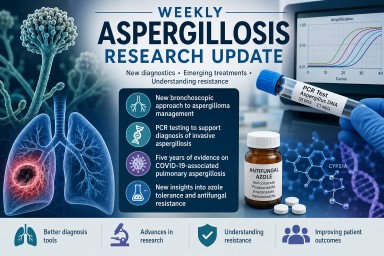
Weekly Aspergillosis Research Update: 31 March – 7 April 2026
This week’s research reinforces several consistent themes in aspergillosis: ongoing diagnostic confusion (particularly with tuberculosis and cancer), increasing movement toward precision medicine, and continued development of both antifungal therapies and biomarkers. There is also a growing emphasis on host-pathogen interactions rather than fungal burden alone.
Key Highlights
- Isavuconazole levels can become unexpectedly high due to genetics and drug interactions.
- Chronic pulmonary aspergillosis (CPA) can mimic lung cancer, risking delayed diagnosis.
- New biomarker (EDN) for ABPA shows promise for diagnosis and monitoring.
- Azole resistance research highlights differences between Aspergillus species.
- New antifungal approaches emerging (olorofim, nitroxoline).
- Host response is central – fibroblasts and immune pathways actively influence disease.
- TB vs aspergillosis confusion persists in real-world settings.
Contents
- Clinical & Diagnostic Studies
- Treatment & Pharmacology
- Biology, Immunology & Resistance
- Biomarkers & Diagnostics
- Wider Context
Clinical & Diagnostic Studies
CPA mistaken for lung cancer
Paper: PubMed
A case report describes chronic pulmonary aspergillosis presenting as suspected lung malignancy in a patient with asthma and ABPA overlap.
Why this matters: CPA continues to be misdiagnosed due to tumour-like imaging appearances. This reinforces the need to consider fungal disease in patients with underlying lung conditions.
Invasive sinus aspergillosis causing bone destruction
Paper: Free full text
Granulomatous invasive aspergillosis led to facial bone destruction and neurological symptoms.
Why this matters: Delayed diagnosis of invasive disease can lead to severe structural damage. Early imaging and specialist input are critical.
Aspergillus infection in suspected TB patients
Paper: PubMed
Study shows overlap between tuberculosis and aspergillosis in symptomatic patients.
Why this matters: Persistent global issue—shared symptoms delay correct diagnosis and treatment, particularly relevant for CPA pathways.
Invasive aspergillosis in critical illness
Paper: PubMed
Case of invasive pulmonary aspergillosis in a patient with severe viral illness.
Why this matters: Reinforces that aspergillosis is not limited to traditional risk groups and can complicate severe systemic illness.
Treatment & Pharmacology
Isavuconazole toxicity linked to genetics
Paper: Free full text
Case report of supratherapeutic isavuconazole levels linked to CYP3A5 genotype and interacting medications.
Why this matters: Even “predictable” antifungals show variability. Supports therapeutic drug monitoring and future personalised dosing approaches.
Olorofim pharmacokinetics
Paper: PubMed
Study demonstrates tissue distribution of olorofim in preclinical models.
Why this matters: Supports ongoing development of a key next-generation antifungal, particularly for resistant disease.
Nitroxoline shows antifungal activity
Paper: PubMed
Repurposed drug demonstrates activity against Aspergillus via copper disruption and oxidative stress.
Why this matters: Highlights potential for non-azole antifungal strategies in future treatment.
Biology, Immunology & Resistance
Azole resistance and Aspergillus genomics
Paper: PubMed
Genomic study of Aspergillus section Fumigati explores resistance mechanisms and pathogenicity.
Why this matters: Different species may respond differently to antifungals—accurate identification is increasingly important.
Fibroblasts actively support lung defence
Paper: PubMed
Study shows fibroblasts contribute to immune defence and tissue repair during infection.
Why this matters: Disease outcomes depend on host response, not just fungal burden—important for future therapies.
Immune pathway targeting in fungal keratitis
Paper: PubMed
PIM1 inhibition reduces inflammation via STING pathway signalling.
Why this matters: Supports growing interest in targeting immune pathways alongside antifungal therapy.
Biomarkers & Diagnostics
Eosinophil-derived neurotoxin (EDN) in ABPA
Paper: PubMed
EDN proposed as a biomarker for allergic bronchopulmonary aspergillosis.
Why this matters: Could improve diagnosis and monitoring, helping distinguish ABPA from asthma or sensitisation alone.
Commentary on ISHAM ABPA guidelines
Paper: PubMed
Discussion of updated international guidance on ABPA diagnosis and management.
Why this matters: Highlights ongoing refinement of diagnostic criteria and classification systems.
Wider Context
Fungal extracellular vesicles
Paper: PubMed
Review of fungal vesicles in pathogenesis and host interaction.
Why this matters: Emerging area that may influence future diagnostics and therapies.
Aspergillosis in broader disease settings
Why this matters: Aspergillosis continues to appear across a wide range of conditions, particularly in critically ill or immunocompromised patients.
Overall Interpretation
This week’s literature reinforces several strategic priorities:
- Earlier and more accurate diagnosis remains essential, particularly in distinguishing CPA from TB and cancer.
- Precision medicine is advancing, with growing roles for pharmacogenomics, drug monitoring, and species-level identification.
- New antifungal options are progressing, but remain largely in development.
- Host response is increasingly recognised as central to disease progression and outcomes.
Overall, the field continues to move toward more personalised, biology-driven approaches to diagnosis and management.
Voriconazole interactions: what patients need to know
Key points
- Voriconazole interacts with many medicines.
- It affects several liver enzyme pathways, including CYP3A4, CYP2C19, and CYP2C9.
- Its behaviour can vary more from one person to another than some other azoles.
- Some medicines can make voriconazole stronger, while others can make it less effective.
- Visual side effects and sensitivity to sunlight are well recognised with voriconazole.
What is voriconazole?
Voriconazole is an azole antifungal often used in serious fungal infections, including aspergillosis. It can be very effective, but it also has a relatively complex interaction profile.
Why voriconazole interacts with so many medicines
Voriconazole affects several liver enzyme systems, including CYP3A4, CYP2C19, and CYP2C9. It can increase the levels of some medicines, while some other medicines can lower voriconazole levels and reduce its effectiveness.
Because voriconazole metabolism varies between patients, the same combination can affect people differently.
The interaction groups most likely to matter
Steroids
Voriconazole can increase exposure to some steroids, including inhaled steroids, which may increase the risk of steroid side effects.
Medicines that reduce voriconazole levels
Some medicines, including certain anti-seizure medicines and rifampicin-type antibiotics, can reduce voriconazole levels so much that the antifungal may not work properly.
Blood thinners
Some blood thinners may become stronger when taken with voriconazole, increasing bleeding risk.
Heart rhythm medicines
Voriconazole can contribute to QT prolongation, so combinations with other medicines that affect heart rhythm may be particularly important.
Statins
Some statins can become stronger when taken with voriconazole, increasing the risk of muscle side effects.
Immunosuppressants
Medicines such as tacrolimus and ciclosporin can rise significantly with voriconazole and often require specialist monitoring and dose adjustment.
Sedatives and some mental health medicines
Some sedatives and psychiatric medicines can become stronger when combined with voriconazole, increasing the risk of drowsiness, confusion, or other side effects.
Voriconazole-specific issues patients should know
Visual changes
Temporary visual disturbances are well recognised with voriconazole. Patients may notice blurred vision, brighter vision, or changes in colour perception.
Photosensitivity
Voriconazole can increase sensitivity to sunlight. Patients should use sensible sun protection and report new skin changes, especially during long-term treatment.
Variable drug levels
Voriconazole levels can vary between patients, which is one reason some teams use therapeutic drug monitoring in selected situations.
What patients should do in practice
- Tell your clinical team and pharmacist that you are taking voriconazole.
- Check before starting new medicines, including over-the-counter or herbal products.
- Report visual changes, significant sensitivity to sunlight, or a change in symptoms after a medicine change.
- Do not change treatment without advice.
When to seek medical advice
Seek medical advice urgently for severe bleeding, fainting, severe palpitations, marked confusion, or rapid worsening after a medicine change.
Important
This page is educational and does not list every interaction. For a full check, use the BNF interaction checker or speak to a pharmacist or clinician.
References
Itraconazole interactions: what patients need to know
Key points
- Itraconazole can interact with many other medicines.
- It usually does this by affecting liver enzymes, especially CYP3A4.
- Some combinations need careful monitoring, while others are best avoided.
- Capsules and liquid formulations are not handled by the body in exactly the same way.
- This page highlights the interactions most likely to matter to people with aspergillosis.
What is itraconazole?
Itraconazole is an azole antifungal used in aspergillosis and other fungal infections. It has a relatively high interaction burden, so medicine checks are especially important before starting it and whenever another medicine is added, stopped, or changed.
Why itraconazole interacts with so many medicines
Itraconazole can increase the levels of some other medicines by affecting liver enzymes, especially CYP3A4. This means that some medicines may become stronger than intended, which can increase the risk of side effects or toxicity.
The interaction groups most likely to matter
Steroids and inhalers
This is one of the most important groups for many aspergillosis patients, especially those with asthma or allergic bronchopulmonary aspergillosis. Itraconazole can increase exposure to some steroids, including inhaled steroids, which may increase the risk of steroid side effects.
Possible symptoms to report: unusual weight gain, easy bruising, increased facial rounding, mood changes, worsening blood sugar control, weakness, or marked fatigue.
Statins
Some statins can become much stronger when taken with itraconazole. This can increase the risk of muscle toxicity.
Possible symptoms to report: new muscle pain, muscle weakness, or dark urine.
Blood thinners
Itraconazole can increase the effect of some blood thinners, which may raise bleeding risk.
Possible symptoms to report: unusual bruising, bleeding that is hard to stop, black stools, vomiting blood, or coughing up much more blood than usual.
Heart and rhythm medicines
Some combinations can increase the risk of serious heart rhythm problems. Itraconazole is also used cautiously in people with a history of ventricular dysfunction or heart failure unless the infection is serious.
Possible symptoms to report: fainting, palpitations, marked dizziness, increasing ankle swelling, or worsening breathlessness.
Sleeping tablets, sedatives, and some mental health medicines
Some sedatives and psychotropic medicines can become stronger when combined with itraconazole, increasing the risk of drowsiness, confusion, falls, or breathing problems.
Immunosuppressants
Medicines such as tacrolimus and ciclosporin can rise significantly when taken with itraconazole and usually need specialist monitoring.
Medicines that can make itraconazole less effective
Some medicines lower itraconazole levels, which means the antifungal may not work as well. This can happen with some anti-seizure medicines, rifampicin-type antibiotics, and some antiviral medicines.
Acid-reducing medicines and itraconazole capsules
Reduced stomach acid can lower the absorption of itraconazole capsules. This means reflux medicines, antacids, and some acid-suppressing treatments can affect how well the capsules work. The liquid formulation behaves differently and should not be treated as interchangeable with capsules.
What patients should do in practice
- Keep a current medicines list and bring it to appointments.
- Tell clinicians and pharmacists if you are taking itraconazole.
- Ask specifically about inhalers, steroid tablets, statins, blood thinners, and reflux treatment.
- Do not change doses or stop medicines without advice.
- If your itraconazole formulation changes, ask whether it should be taken with food or on an empty stomach.
When to seek medical advice
Seek urgent medical advice for severe bleeding, black stools, vomiting blood, severe muscle pain, fainting, marked palpitations, or rapidly worsening breathlessness.
Important
This page is not a full interaction database. For a complete medicine-by-medicine check, use the BNF interaction checker or speak to a pharmacist or clinician.
References
Amphotericin B interactions: what patients need to know
Key points
- Amphotericin B comes in different formulations, and they are not interchangeable.
- Its main interaction risks are different from the azoles.
- The most important problems are usually kidney stress, low potassium, low magnesium, and additive toxicity with other medicines.
- These risks matter most with intravenous treatment.
- If you hear “amphotericin B”, it is important to know which formulation is being used.
What is amphotericin B?
Amphotericin B is an antifungal used mainly for serious fungal infections. In modern UK practice this often means liposomal amphotericin B, but conventional amphotericin B deoxycholate is also a recognised formulation.
Why amphotericin B interactions are different from azoles
Unlike azole antifungals, amphotericin B does not mainly cause medicine interactions through liver enzymes. Its most important interaction risks usually relate to kidney injury, low potassium, low magnesium, and infusion-related effects.
The interaction groups most likely to matter
Other medicines that can damage the kidneys
This is one of the most important groups. Combining amphotericin B with other nephrotoxic medicines can increase the risk of kidney injury.
Diuretics, steroids, and other medicines that lower potassium
Amphotericin B can lower potassium, and some other medicines can make this worse. This may increase the risk of weakness, cramps, or heart rhythm problems.
Digoxin and heart-rhythm-sensitive situations
Low potassium caused by amphotericin B can make digoxin-related toxicity more likely and may increase the importance of electrolyte monitoring.
Flucytosine
When combined with flucytosine, specialist monitoring may be needed because toxicity can increase.
Some cancer medicines and intensive hospital treatments
In hospital, additive toxicity with other intensive treatments may be particularly important, especially where kidneys and electrolytes are already under strain.
White blood cell transfusions
Acute lung reactions are a recognised specialist concern if amphotericin B is given during or soon after leukocyte transfusions.
Why the formulations matter
Amphotericin B formulations are not interchangeable. Conventional amphotericin B deoxycholate and liposomal amphotericin B have different dosing, different handling by the body, and different safety profiles. Using the wrong formulation in the wrong dose has caused serious and even fatal errors.
In general, liposomal amphotericin B is less nephrotoxic than conventional amphotericin B deoxycholate, but it still requires careful monitoring.
What patients should do in practice
- Ask which amphotericin B formulation is being used.
- Tell the clinical team about all medicines, especially kidney-risk medicines, diuretics, steroids, and digoxin.
- Expect blood tests to monitor kidney function, potassium, and magnesium during intravenous treatment.
- Report weakness, reduced urine output, worsening swelling, palpitations, or marked dizziness.
When to seek medical advice
Seek urgent medical help for severe breathlessness, fainting, major palpitations, or a rapid deterioration during treatment.
Important
This page is educational and does not list every possible interaction. Amphotericin B treatment is usually managed by specialist teams, especially when given intravenously.
References
Isavuconazole interactions: what patients need to know
Key points
- Isavuconazole can interact with other medicines, but its interaction profile is often less complex than older azoles.
- It mainly interacts through CYP3A4.
- Some medicines can increase isavuconazole levels, while others can reduce its effectiveness.
- It has an important difference from some other azoles: it can shorten the QT interval.
- It is still essential to check new medicines carefully.
What is isavuconazole?
Isavuconazole is a newer azole antifungal used in invasive aspergillosis and some other serious fungal infections. It is often seen as having a more predictable interaction profile than some older azoles, but it still has important interactions.
Why isavuconazole interacts with other medicines
Isavuconazole is mainly linked to CYP3A4. This means some medicines can become stronger when combined with it, while other medicines can lower isavuconazole levels and reduce its effectiveness.
The interaction groups most likely to matter
Medicines that reduce isavuconazole effectiveness
Some medicines, including rifampicin-type antibiotics and certain anti-seizure drugs, can lower isavuconazole levels and may make treatment ineffective.
Steroids
Some steroid levels may rise with isavuconazole, although the interaction pattern is often less intense than with some older azoles.
Immunosuppressants
Medicines such as tacrolimus and ciclosporin may increase and usually need specialist review and monitoring.
Blood thinners
Some blood thinners may become stronger, increasing bleeding risk.
Statins
Some statin levels may increase, which can raise the risk of muscle side effects.
Important isavuconazole-specific points
QT shortening
Unlike several other azole antifungals, isavuconazole can shorten the QT interval. This is an important difference and should be considered when other heart medicines are being reviewed.
Generally simpler interaction profile
Compared with itraconazole and voriconazole, isavuconazole is often considered a little easier to manage in patients taking several medicines, although checks are still essential.
What patients should do in practice
- Tell your pharmacist or clinician if you are taking isavuconazole.
- Check before starting prescription, over-the-counter, or herbal medicines.
- Ask specifically about anti-seizure drugs, antibiotics, blood thinners, and heart medicines.
- Do not stop or change medicines without advice.
When to seek medical advice
Seek medical advice urgently for severe bleeding, fainting, severe palpitations, severe muscle pain, or rapid worsening after a medicine change.
Important
This page is educational and not a complete interaction database. For a full check, use the BNF interaction checker or speak to a pharmacist or clinician.
References
- BNF: isavuconazole monograph and interactions
- UK isavuconazole SmPCs - not available
Posaconazole interactions: what patients need to know
Key points
- Posaconazole can interact with other medicines, although its interaction pattern is often a little simpler than itraconazole or voriconazole.
- It mainly interacts through CYP3A4 inhibition.
- Important interaction groups include immunosuppressants, steroids, blood thinners, and some heart medicines.
- Some medicines can reduce posaconazole levels and make treatment less effective.
- Tablets and oral suspension are not interchangeable in the same way.
What is posaconazole?
Posaconazole is an azole antifungal used in aspergillosis and in some high-risk patients for prevention of fungal infection. It is often seen as somewhat easier to manage than some older azoles, but important interactions still exist.
Why posaconazole interacts with other medicines
Posaconazole mainly affects CYP3A4, a key liver enzyme involved in handling many medicines. This means some drugs can become stronger, while some combinations can lower posaconazole levels and make it less effective.
The interaction groups most likely to matter
Steroids
Posaconazole can increase exposure to some steroids, including inhaled or oral steroids, which may increase the risk of steroid side effects.
Immunosuppressants
Medicines such as tacrolimus and ciclosporin can rise significantly with posaconazole and usually need close specialist monitoring.
Blood thinners
Some blood thinners may become stronger, increasing bleeding risk.
Statins
Some statins can rise in level, increasing the risk of muscle problems.
Heart rhythm medicines
Some combinations can increase the risk of heart rhythm problems and need careful review.
Medicines that reduce posaconazole effectiveness
Some medicines, including rifampicin-type antibiotics and certain anti-seizure drugs, can lower posaconazole levels and may make treatment less effective.
Posaconazole formulations and absorption
Posaconazole comes in different forms, including tablets, oral suspension, and infusion. The oral suspension and tablets are not handled identically by the body and should not be assumed to be interchangeable dose-for-dose without clinical advice.
In practice, the tablets tend to be more predictable than the suspension.
What patients should do in practice
- Tell your pharmacist or clinician if you are taking posaconazole.
- Ask about new medicines, especially blood thinners, steroids, statins, and heart medicines.
- If your formulation changes, ask whether there are any special instructions.
- Do not stop or swap medicines without advice.
When to seek medical advice
Seek medical advice urgently for severe bleeding, fainting, major palpitations, severe muscle pain, or rapid worsening after a medicine change.
Important
This page does not list every interaction. For a full check, use the BNF interaction checker or speak to a pharmacist or clinician.