Travelling with Aspergillosis: A Comprehensive Guide to Safe and Stable Travel

This guide is for people living with:

  • Chronic Pulmonary Aspergillosis (CPA)
  • Allergic Bronchopulmonary Aspergillosis (ABPA)
  • Severe asthma (including fungal sensitisation)
  • Bronchiectasis
  • Fibrotic or structurally abnormal lung disease

Most people with stable disease can travel successfully. The goal is not restriction — it is risk reduction through preparation, environmental awareness, and early action if symptoms change.


Contents


1. Understanding Travel Risk in Aspergillosis

Travel risk arises from four domains:

  1. Structural lung vulnerability (cavities, fibrosis, bronchiectasis)
  2. Inflammatory instability (ABPA activity, asthma control)
  3. Environmental exposure (humidity, dust, pollution)
  4. Healthcare accessibility (if deterioration occurs)

Travel is usually safe when disease is stable and exposures are predictable.


2. Coordinating With Your Medical Team

Respiratory Clinic

  • Review recent imaging (particularly in CPA)
  • Assess haemoptysis history
  • Consider fit-to-fly testing if oxygen saturation borderline
  • Discuss standby rescue medication

GP

  • Ensure medication supply exceeds travel duration
  • Provide updated medication summary
  • Support vaccination review
  • Assist with insurance documentation

3. Assessing Stability Before Travel

Delay travel if within 4–6 weeks of:

  • Significant haemoptysis
  • Escalating breathlessness
  • Recent hospital admission
  • New antifungal initiation

Stable inflammatory markers and symptom plateau are reassuring.


4. Choosing a Destination: Environmental Determinants

Key determinants:

  • Humidity: promotes indoor mould growth
  • Flood history: water damage increases fungal load
  • Air pollution: triggers bronchospasm
  • Dust burden: irritates inflamed airways
  • Healthcare infrastructure: safety net if unwell

5. Regional Risk Patterns Explained

Lower Overall Respiratory Stress

  • Scandinavia
  • New Zealand
  • Canada (outside wildfire season)

Cooler climates limit mould growth; strong building codes reduce damp housing.

Moderate Risk

  • Mediterranean Europe

Generally safe when stable; monitor wildfire smoke and heat stress.

Higher Respiratory Stress

  • Tropical monsoon climates
  • Flood-prone regions
  • Highly polluted megacities
  • Dust storm zones

Humidity increases fungal proliferation; particulate pollution worsens airway inflammation.


6. Air Pollution & AQI Monitoring

Air pollution can exacerbate cough, bronchospasm, breathlessness and fatigue in people with chronic lung disease. In some urban environments, pollution may pose a greater day-to-day risk than fungal exposure.

The most widely used measure of air quality is the Air Quality Index (AQI), which combines several pollutants into a single score.


Key Pollutants That Matter in Lung Disease

  • PM2.5 – fine particulate matter small enough to penetrate deep into the lungs
  • PM10 – larger inhalable particles
  • Ozone (O₃) – irritates airways, especially in heat
  • Nitrogen dioxide (NO₂) – associated with traffic pollution

PM2.5 is particularly important in aspergillosis and severe asthma because it can:

  • Trigger airway inflammation
  • Increase mucus production
  • Worsen bronchospasm
  • Reduce exercise tolerance

Reliable Air Quality Monitoring Resources

These sites provide real-time data and forecasts:

  • World Air Quality Index (WAQI)
    https://waqi.info
    Interactive global map with live AQI data for cities worldwide.
  • IQAir (AirVisual)
    https://www.iqair.com
    Detailed pollutant breakdowns, 7-day forecasts and wildfire smoke tracking.
  • UK Daily Air Quality Index (DEFRA)
    https://uk-air.defra.gov.uk
    Official UK monitoring network with health advice bands.

These platforms also offer mobile apps, which are useful for checking conditions while travelling.


How to Interpret AQI in Practical Terms

AQI Category Practical Advice for Lung Conditions
0–50 Good Ideal conditions for outdoor activity
51–100 Moderate Usually safe; monitor symptoms
101–150 Unhealthy for sensitive groups Reduce strenuous outdoor activity; consider indoor plans
151–200 Unhealthy Limit time outdoors; avoid exertion
200+ Very Unhealthy/Hazardous Stay indoors with filtered air if possible

For many patients with CPA, ABPA or severe asthma, an AQI above 100 warrants caution. Above 150, limiting outdoor exposure is advisable.


Wildfire Smoke

Wildfire smoke contains high concentrations of PM2.5 and organic particulates. Even patients who are stable at home may experience:

  • Increased cough
  • Chest tightness
  • Increased sputum production
  • Fatigue

If travelling during wildfire season:

  • Check AQI daily
  • Plan indoor activities when levels are elevated
  • Use air-conditioned or filtered indoor environments
  • Carry rescue inhalers

Urban Pollution vs Rural Dust

Urban areas are more affected by traffic-related pollutants (NO₂, PM2.5), while rural or desert areas may present dust exposure. Both can aggravate inflamed airways.

The risk is cumulative. Short exposure is usually tolerated; prolonged high-level exposure increases the likelihood of symptom flare.


Key principle: checking AQI before and during travel is one of the simplest and most effective risk-reduction steps for people with chronic lung disease.


7. Heat, Humidity & Hydration Physiology

Hot climates place additional physiological stress on people with chronic lung disease.

Why Heat Matters

In warm environments, the body increases sweating and respiratory water loss to regulate temperature. This leads to:

  • Increased insensible fluid loss (fluid lost through breathing and skin)
  • Reduced plasma volume if intake is inadequate
  • Thickening of airway secretions

In bronchiectasis and chronic pulmonary aspergillosis (CPA), mucus clearance is already impaired. Dehydration increases mucus viscosity, making sputum:

  • Harder to expectorate
  • More likely to stagnate in damaged airways
  • Potentially more prone to secondary infection

Patients may notice thicker sputum, increased cough, or chest tightness in hot weather.


Humidity: Helpful or Harmful?

Humidity has mixed effects:

  • Moderate humidity can help prevent airway drying.
  • High humidity can increase environmental mould growth, particularly indoors if ventilation is poor.

In tropical or monsoon climates, poorly ventilated buildings may have higher fungal spore burdens due to damp conditions.


Heat, Fatigue & Breathlessness

Heat increases cardiovascular demand. The heart works harder to dissipate heat, which can:

  • Increase perceived breathlessness
  • Increase fatigue
  • Reduce exercise tolerance

This does not necessarily indicate worsening lung disease — but it can feel similar.


Hydration Strategy

Practical recommendations:

  • Begin hydrating the day before travel
  • Drink fluids regularly rather than waiting for thirst
  • Aim for pale straw-coloured urine
  • Increase intake during flights and hot excursions

Limit:

  • Excess alcohol (diuretic effect)
  • High caffeine intake

Additional Practical Measures

  • Plan outdoor activity early morning or evening
  • Rest during peak heat (midday)
  • Use air-conditioned environments when available
  • Continue airway clearance routines while travelling

Key principle: in chronic lung disease, hydration supports mucus clearance and reduces avoidable exacerbation risk during hot weather.


8. Travel Insurance & Full Medical Disclosure

Travel insurance is not a formality — it is a critical safety net for people with chronic lung disease.

When purchasing insurance, you must declare all pre-existing medical conditions. This typically includes:

  • Chronic Pulmonary Aspergillosis (CPA)
  • Allergic Bronchopulmonary Aspergillosis (ABPA)
  • Severe asthma
  • Bronchiectasis
  • Pulmonary fibrosis
  • Long-term steroid therapy
  • Adrenal insufficiency (if present)
  • Oxygen use (even if only occasional)

Why Full Disclosure Matters

If you fail to declare a relevant condition, the insurer may:

  • Refuse to cover medical treatment abroad
  • Decline repatriation costs
  • Refuse to reimburse cancelled flights or accommodation
  • Invalidate the entire policy

This applies even if the emergency appears unrelated. Insurers may review your full medical history during a claim.


What Insurers Typically Ask

You may be asked:

  • Have you been hospitalised in the past 12 months?
  • Have you had medication changes recently?
  • Have you had haemoptysis?
  • Are you awaiting tests or investigations?
  • Are you on long-term steroids?

Answer these questions carefully and honestly.


Policies and Stability

Some insurers will decline cover if:

  • You have been hospitalised recently
  • You are awaiting investigations
  • Your condition is considered unstable

This is another reason to travel during a period of clinical stability.


European Travel (UK Patients)

If travelling within Europe, ensure you carry:

  • Your GHIC (Global Health Insurance Card)

However, GHIC does not replace travel insurance. It may not cover:

  • Private healthcare
  • Mountain rescue
  • Repatriation to the UK

Practical Tips

  • Purchase insurance as soon as you book travel
  • Keep written confirmation of declared conditions
  • Carry the insurer’s emergency contact number with you
  • Inform the insurer early if you require hospital care abroad

In summary: full disclosure protects you. Insurance is only effective if the insurer understands your medical background from the outset.


9. Medication Planning & Contingency Prescriptions

  • Carry 1–2 weeks extra supply
  • Bring medications in original packaging
  • Carry clinic letter
  • Consider written rescue plan

10. Specific Considerations for Azole Antifungals

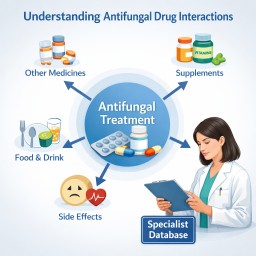
Azoles have significant drug–drug interactions.

  • Inform any clinician abroad you are taking an azole
  • Avoid grapefruit
  • Be aware of sun sensitivity (voriconazole)
  • Take itraconazole with food


11. Air Travel: What Actually Happens in the Cabin?

Commercial aircraft cabins are pressurised to simulate an altitude of approximately 6,000–8,000 feet (1,800–2,400 metres).

This means the partial pressure of oxygen is lower than at sea level. For healthy individuals this causes only a small drop in oxygen saturation (typically 3–4%).

Are Most People with Aspergillosis OK to Fly?

Yes — most stable patients fly without difficulty.

People who are:

  • Clinically stable
  • Not oxygen-dependent
  • Without recent haemoptysis
  • With resting oxygen saturations ≥95%

generally tolerate commercial flights well, including medium and long-haul travel.

Many patients report anxiety before their first flight after diagnosis, but in stable disease, significant problems are uncommon.


Who Should Consider Fit-to-Fly Testing?

Assessment may be appropriate if you have:

  • Resting oxygen saturation consistently below 95%
  • Advanced pulmonary fibrosis
  • Extensive cavitation
  • Significant breathlessness at minimal exertion
  • Recent clinical deterioration

The test commonly used is a Hypoxic Challenge Test (HCT), which simulates cabin oxygen conditions to determine whether supplemental oxygen is required during flight.

Where would I have a Hypoxic Challenge Test (HCT)?

In the UK, a Hypoxic Challenge Test is usually arranged through a hospital respiratory physiology department.

You cannot book this test directly. It must be requested by:

  • Your respiratory consultant or clinic, or
  • Occasionally your GP (who would refer you to a hospital service)

The test is typically performed in:

  • A hospital lung function laboratory
  • A respiratory physiology unit
  • A specialist respiratory centre

During the test, you breathe a gas mixture containing a lower oxygen concentration (usually around 15%) to simulate aircraft cabin conditions. Your oxygen saturation is monitored continuously. If levels fall below safe thresholds, in-flight oxygen may be recommended.

Do Most People Need This Test?

No. Many stable patients with normal resting oxygen saturation (typically ≥95%) do not require hypoxic challenge testing.

The test is generally considered if you:

  • Have resting oxygen saturation below 95%
  • Have advanced pulmonary fibrosis
  • Are already using oxygen
  • Have significant exertional desaturation

If you are unsure, ask your respiratory team whether assessment is appropriate for you.


Symptoms During Flight: What Is Normal?

Mild symptoms that can occur in stable patients include:

  • Slight increase in breathlessness on walking the aisle
  • Fatigue
  • Dry cough (often due to low humidity)

These are usually temporary and not dangerous.

Severe symptoms (marked breathlessness at rest, chest pain, dizziness, confusion) are uncommon and require crew notification.


Anxiety vs Physiological Breathlessness

It is very common for people with chronic lung disease to experience heightened awareness of their breathing during flights. The enclosed environment, reduced cabin pressure and awareness of altitude can all increase anxiety.

Anxiety-related breathlessness typically presents as:

  • A sensation of not getting a “satisfying” breath
  • Chest tightness without wheeze
  • Rapid breathing (hyperventilation)
  • Tingling in fingers or lips
  • Light-headedness

Hyperventilation lowers carbon dioxide levels in the blood. This can cause dizziness, tingling and a feeling of air hunger — even when oxygen levels are normal.

Physiological hypoxia (true low oxygen levels) is less common in stable patients who have been assessed as fit to fly. When it occurs, it is more likely in those with advanced fibrosis, low baseline oxygen saturations, or recent instability.

Features more suggestive of physiological compromise include:

  • Persistent breathlessness at rest
  • Worsening cyanosis (bluish lips or fingers)
  • Marked fatigue or confusion
  • Objective low oxygen saturation if measured

For patients who have undergone fit-to-fly assessment and been cleared to travel, significant in-flight hypoxia is uncommon.

Practical Strategies

  • Use slow, paced breathing (e.g. inhale for 4 seconds, exhale for 6 seconds)
  • Focus on extended exhalation to reduce hyperventilation
  • Keep shoulders relaxed and posture upright
  • Avoid repeatedly “checking” your breathing
  • Remind yourself that mild symptoms are common and expected

Understanding the difference between anxiety-related breathlessness and true hypoxia can significantly reduce distress during flight.


Deep Vein Thrombosis (DVT) Risk

Chronic lung disease does not automatically increase DVT risk, but long-haul immobility does.

General advice:

  • Move legs regularly
  • Stay hydrated
  • Avoid excess alcohol

12. Cabin Dryness & Post-Flight Airway Irritation

Cabin humidity is typically 10–20% (normal indoor comfort is 40–60%).

Low humidity can:

  • Dry airway lining
  • Reduce mucociliary clearance
  • Thicken secretions
  • Trigger cough or mild bronchospasm

This is often why people feel they have “caught a cold” the day after flying. In most cases, it is airway irritation rather than infection.

How to Reduce Dryness Effects

  • Hydrate well before and during flight
  • Limit alcohol and caffeine
  • Use isotonic saline nasal spray
  • Continue preventer inhalers
  • Keep rescue inhaler accessible
  • Avoid direct overhead air vents blowing onto your face
  • Consider mask use — masks increase humidity of inhaled air

Symptoms typically settle within 24–48 hours.


When to Seek Advice After Flying

Seek medical advice if you develop:

  • Progressively worsening breathlessness
  • Persistent fever
  • Significant haemoptysis
  • Chest pain

In stable patients, serious in-flight deterioration is uncommon.


12. Cabin Dryness & Post-Flight Irritation

Cabin humidity is 10–20%.

Dry air:

  • Reduces mucociliary clearance
  • Thickens secretions
  • Triggers cough
  • Irritates airways

Hydration and saline sprays reduce symptoms. Post-flight irritation commonly lasts 24–48 hours and does not necessarily indicate infection.


13. Travelling with Oxygen

Confirm airline device approval and battery duration. Plan well in advance.


14. Accommodation Risk Reduction

Request:

  • Hard flooring
  • No damp odour
  • No renovation dust
  • Pet-free rooms

Chains Often Reported as Allergy-Conscious

  • Hyatt
  • Hilton
  • Marriott
  • Scandic
  • Premier Inn

Newer business hotels often have better HVAC filtration.


15. High-Spore & Dust Exposure Environments

  • Compost handling
  • Construction sites
  • Flood-damaged buildings
  • Agricultural dust

Avoid heavy inhalation exposure.


16. Infection Prevention

  • Hand hygiene
  • Avoid close contact with visibly unwell individuals
  • Maintain vaccination schedule

17. Haemoptysis Planning

If you have a history of haemoptysis:

  • Know your previous pattern
  • Carry clinic contact details
  • Seek urgent care if volume increases significantly

18. Red Flag Symptoms

  • Increasing breathlessness
  • New or worsening haemoptysis
  • Persistent fever
  • Severe chest pain

19. Advanced Planning Checklist

  • Travel when stable
  • Plan with GP and respiratory clinic
  • Carry documentation
  • Monitor AQI
  • Hydrate on flights
  • Avoid damp & heavy dust
  • Know red flags

With preparation, most people with stable aspergillosis travel safely and successfully.


Isavuconazole in Aspergillosis

A balanced guide for patients and clinicians

Isavuconazole (given as the prodrug isavuconazonium sulfate) is a newer broad-spectrum triazole antifungal used in:

  • Chronic pulmonary aspergillosis (CPA)

  • Invasive aspergillosis

  • Patients who cannot tolerate other azoles

  • Selected refractory Allergic bronchopulmonary aspergillosis (ABPA) cases

It is available as oral capsules and intravenous (IV) formulation and is often chosen for its favourable tolerability profile.


1️⃣ What Isavuconazole Does

Like other azoles, isavuconazole inhibits fungal CYP51 (14-α-demethylase), blocking ergosterol synthesis and impairing fungal cell membrane formation.

It:

  • Suppresses Aspergillus growth

  • Reduces fungal burden

  • Helps stabilise lung disease

  • Provides systemic antifungal coverage

Clinical improvement is gradual over weeks.


2️⃣ How Long Is Treatment?

In CPA

  • Often 6–12 months or longer

  • May be used when other azoles cause side effects

  • Sometimes used as long-term suppressive therapy

In Invasive Aspergillosis

  • Duration depends on immune recovery and response

  • Often several months

In ABPA

  • Used selectively when other azoles are not tolerated

As with all azoles, stopping too early may lead to relapse.


3️⃣ Pharmacokinetics – Why It’s Different

Isavuconazole has more predictable pharmacokinetics than itraconazole or voriconazole.

Key features:

  • High oral bioavailability

  • Not dependent on gastric acidity

  • Food has minimal impact

  • Linear pharmacokinetics (dose–level relationship more predictable)

  • Long half-life (~100–130 hours)

Importantly:

It shortens the QT interval (unlike other azoles, which may prolong it).

This can make it preferable in patients with QT prolongation risk.


4️⃣ Do We Need Blood Level Monitoring?

Therapeutic Drug Monitoring (TDM) is not routinely required in all patients.

However, levels may be considered in:

  • Treatment failure

  • Drug interactions

  • Extreme body weight

  • Severe liver disease

  • Long-term therapy

This is a practical advantage compared with voriconazole.


5️⃣ Common Side Effects (Usually Mild)

  • Nausea

  • Vomiting

  • Diarrhoea

  • Headache

Generally fewer visual or skin-related effects compared with voriconazole.


6️⃣ Less Common but Important Effects

Liver Abnormalities

Routine liver monitoring is recommended.

Most abnormalities are mild and reversible.


Gastrointestinal Upset

Can occur early in therapy but often settles.


Infusion Reactions (IV Form)

Occasional mild reactions with IV administration.


Cardiac Effects

Unlike other azoles:

  • Isavuconazole may shorten QT interval

  • It is not associated with QT prolongation

This makes it attractive in patients with:

  • Existing QT prolongation

  • Multiple QT-prolonging drugs

However, ECG review may still be prudent in complex cardiac patients.


7️⃣ Drug Interactions

Isavuconazole:

  • Moderately inhibits CYP3A4

  • Has fewer interactions than some other azoles

Still review carefully, especially with:

  • Immunosuppressants

  • Statins

  • Certain anticoagulants

Avoid:

  • St John’s Wort

  • Strong enzyme inducers

Grapefruit has less impact than with other azoles but is generally avoided as a precaution.


8️⃣ Comparison Snapshot

Feature Itraconazole Voriconazole Posaconazole Isavuconazole
Acid-dependent absorption Yes (capsules) No No (tablet) No
Genetic metabolism impact Low High (CYP2C19) Low Low
QT prolongation Minimal Possible Possible No (shortens QT)
Visual side effects Rare Common Rare Rare
TDM required Yes Essential Recommended Usually not
Long-term tolerability Moderate Sometimes limited Often good Often very good

Balanced Summary for Patients

Isavuconazole is a newer antifungal that is often easier to tolerate and has more predictable levels in the body. Blood tests and monitoring help ensure treatment remains safe and effective.


Clinician Checklist

  • Confirm indication and prior azole exposure

  • Baseline liver function tests

  • Review interacting medications

  • Consider ECG if complex cardiac history

  • Consider TDM only if clinically indicated


Posaconazole in Aspergillosis

A balanced guide for patients and clinicians

Posaconazole is a broad-spectrum triazole antifungal used in:
  • Chronic pulmonary aspergillosis (CPA)

  • Allergic bronchopulmonary aspergillosis (ABPA) (selected or refractory cases)

  • Invasive aspergillosis

  • Patients intolerant of itraconazole or voriconazole

  • Antifungal prophylaxis in high-risk immunocompromised patients

It is generally well tolerated and often used when other azoles cause side effects.


1️⃣ What Posaconazole Does

Like other azoles, posaconazole blocks fungal ergosterol synthesis (CYP51 inhibition), preventing fungal growth.

It:

  • Suppresses Aspergillus replication

  • Reduces fungal burden

  • Helps stabilise lung disease in CPA

  • Can reduce steroid need in some ABPA cases

It works gradually over weeks.


2️⃣ How Long Is Treatment?

In CPA

  • Often 6–12 months or longer

  • Sometimes long-term suppressive therapy

  • Used if other azoles are ineffective or not tolerated

In ABPA

  • Used in refractory or steroid-dependent disease

In prophylaxis

  • Duration depends on immune suppression status

As with other azoles, premature discontinuation may lead to relapse.


3️⃣ Formulations Matter

Posaconazole comes in:

  • Delayed-release tablets

  • Oral suspension

  • Intravenous formulation

Tablets (preferred)

  • Good, reliable absorption

  • Less affected by food

  • More predictable levels

Oral suspension

  • Absorption highly dependent on food (especially fatty meals)

  • Greater variability

In most CPA practice, tablets are preferred.


4️⃣ Why Blood Level Monitoring Is Still Important

Posaconazole has more predictable pharmacokinetics than itraconazole or voriconazole, but monitoring is still recommended.

Reasons:

  • Interpatient variability

  • Drug interactions

  • Severe infection requires adequate exposure

  • Toxicity avoidance


If Levels Are Too Low

  • Inadequate fungal suppression

  • Ongoing disease activity

  • Risk of resistance


If Levels Are Too High

  • Liver abnormalities

  • Gastrointestinal symptoms

  • Rare cardiac effects


Typical Target (Trough)

  • 1 mg/L for treatment

  • 0.7 mg/L often sufficient for prophylaxis

(Laboratory guidance varies.)

Levels are typically checked:

  • After 5–7 days

  • After dose adjustments

  • If response is suboptimal

  • If toxicity suspected


5️⃣ Common Side Effects (Usually Mild)

  • Nausea

  • Diarrhoea

  • Abdominal discomfort

  • Headache

These are often less troublesome than with voriconazole.


6️⃣ Less Common but Important Effects

Liver Abnormalities

Routine monitoring required.

Most are mild and reversible.


QT Interval Prolongation

Posaconazole can prolong QT interval.

Caution in patients with:

  • Known arrhythmias

  • Electrolyte imbalance

  • Other QT-prolonging drugs

ECG monitoring may be appropriate in higher-risk individuals.


Hypertension & Mineralocorticoid Effect (Rare)

High levels can rarely cause:

  • Elevated blood pressure

  • Low potassium

More common with long-term or high exposure.


Neuropathy

Much less commonly reported than with other azoles, but peripheral symptoms should still be assessed carefully if they occur.


7️⃣ Food & Drug Advice

  • Tablets: can be taken with or without food (follow prescribing guidance)

  • Suspension: take with food (preferably fatty meal)

Avoid:

  • Grapefruit

  • St John’s Wort

Posaconazole inhibits CYP3A4 and interacts with:

  • Statins

  • Certain immunosuppressants

  • Some anticoagulants

Medication review is essential.


8️⃣ Comparison Snapshot

Feature Itraconazole Voriconazole Posaconazole
Absorption variability High Moderate Low–Moderate (tablet)
Visual side effects Rare Common Rare
Photosensitivity Rare Common Rare
QT prolongation Minimal Possible Possible
TDM needed Yes Essential Recommended
Long-term tolerability Moderate Sometimes limited Often good

Balanced Summary for Patients

Posaconazole is a newer azole that is often well tolerated and provides reliable antifungal coverage. Blood tests help ensure the level is effective and safe. Most patients complete treatment without major difficulties.


Clinician Checklist

  • Confirm formulation (tablet preferred in CPA)

  • Baseline LFTs

  • Review ECG if cardiac risk present

  • Check electrolytes (especially potassium)

  • Arrange trough level after initiation

  • Review full medication list


Voriconazole in Aspergillosis

A balanced guide for patients and clinicians

Voriconazole is a broad-spectrum triazole antifungal used in:
  • Chronic pulmonary aspergillosis (CPA)

  • Allergic bronchopulmonary aspergillosis (ABPA) (selected cases)

  • Invasive aspergillosis

  • Azole-resistant or itraconazole-intolerant cases

It is available orally and intravenously and is often used when a stronger or more reliably absorbed azole is required.


1️⃣ What Voriconazole Does

Voriconazole works by blocking fungal ergosterol synthesis (CYP51 inhibition), which disrupts the fungal cell membrane.

Compared with itraconazole:

  • More potent against Aspergillus

  • More predictable oral absorption

  • More central nervous system penetration

It often produces symptom improvement over weeks, though some effects (e.g. visual symptoms) may occur quickly.


2️⃣ How Long Is Treatment?

In CPA

  • Often 6–12 months or longer

  • Sometimes used as second-line or after intolerance to itraconazole

  • Long-term suppressive therapy may be required

In ABPA

  • Used in selected steroid-dependent or refractory cases

In invasive disease

  • Typically several months depending on response and immune status


3️⃣ Why Blood Level Monitoring Is Essential

Voriconazole has non-linear pharmacokinetics.

Small dose changes can cause large blood level shifts.

Two patients on the same dose may have very different levels due to:

  • Liver metabolism (CYP2C19 genetic variation is important)

  • Drug interactions

  • Age

  • Weight

  • Liver function


If Levels Are Too Low

  • Treatment failure

  • Persistent fungal activity

  • Risk of resistance


If Levels Are Too High

  • Liver toxicity

  • Neurological side effects

  • Visual disturbances

  • Increased interaction risk


Typical Target (Trough)

  • Generally 1–5.5 mg/L (lab dependent)

  • Toxicity risk increases >5–6 mg/L

Levels are usually checked:

  • 5–7 days after starting

  • After dose adjustments

  • If side effects occur

  • If clinical response is inadequate


4️⃣ Common Side Effects (Often Mild & Reversible)

Visual Disturbances (Very Common but Usually Harmless)

  • Blurred vision

  • Altered colour perception

  • Light sensitivity

  • “Wavy” vision

These typically:

  • Occur within 30–60 minutes of dosing

  • Last less than an hour

  • Reduce over time

Patients should avoid night driving initially until they understand their response.


Photosensitivity

  • Increased sensitivity to sunlight

  • Sunburn risk

  • Long-term risk of skin damage with prolonged therapy

Sun protection is important.


Gastrointestinal

  • Nausea

  • Abdominal discomfort


5️⃣ Less Common but Important Effects

Neurological

  • Headache

  • Vivid dreams

  • Hallucinations (usually at high levels)

  • Confusion (dose-related)

These are generally reversible with dose adjustment.


Liver Abnormalities

Routine liver function monitoring is required.

Most abnormalities are mild and resolve with dose modification.


Cardiac Effects

Voriconazole can prolong the QT interval.

Caution in patients with:

  • Known arrhythmias

  • Electrolyte imbalance

  • Other QT-prolonging drugs

ECG monitoring may be appropriate in higher-risk patients.


Skin Cancer Risk (Long-Term Use)

With prolonged use (especially >1–2 years):

  • Increased risk of skin squamous cell carcinoma

  • Particularly in transplant recipients

Sun protection and dermatology review are advised for long-term therapy.


6️⃣ Food & Drug Advice

  • Avoid grapefruit

  • Avoid St John’s Wort

  • Take tablets at least 1 hour before or after meals (food reduces absorption)

Voriconazole has many CYP-mediated interactions and requires careful medication review.


7️⃣ Comparison With Itraconazole (Simple Overview)

Feature Itraconazole Voriconazole
Absorption variability High More predictable
Visual side effects Rare Common but mild
Photosensitivity Rare More common
QT prolongation Minimal Possible
TDM needed Yes Yes (essential)

Balanced Summary for Patients

Voriconazole is a strong antifungal used when more reliable or potent treatment is needed. Most side effects are manageable and reversible, and blood monitoring keeps treatment safe.


Clinician Checklist

  • Confirm indication and prior azole exposure

  • Check baseline LFTs

  • Review ECG if cardiac risk present

  • Assess drug interactions (CYP2C19, 2C9, 3A4)

  • Arrange trough level at day 5–7

  • Counsel regarding visual symptoms and sun protection


Looking further into the future - could we control lung damage, preserve healthy lung tissue better?

Can Lungs Repair Themselves?

What New Research Means for People with CPA (and Other Aspergillosis)

A recent scientific discovery has helped researchers understand how certain lung cells decide whether to focus on repairing damage or defending against infection. The work, highlighted by the Mayo Clinic and published in Nature Communications, describes a molecular “switch” inside specialised lung cells that influences this balance.

For people living with Chronic Pulmonary Aspergillosis (CPA) — and also those with Allergic Bronchopulmonary Aspergillosis (ABPA) — this kind of research is relevant. But it needs careful explanation.

This is not about rebuilding destroyed lungs.
It is about understanding how to better protect and preserve the lung tissue that remains.


The Discovery: A “Repair vs Defence” Switch

Researchers identified a regulatory circuit in alveolar type II (AT2) cells — specialised cells that:

  • Produce surfactant (which keeps air sacs open)

  • Act as a reserve “repair” population in the lung

  • Can regenerate other essential lung cells after injury

The study showed that these cells operate under tight control. When infection is present, they prioritise defence. When injury needs healing, they can switch into repair mode.

The key insight is that this switch is biologically regulated. It is not random. That means, in theory, it may one day be possible to influence it.


What “Repair” Means — and What It Does Not Mean

When we talk about lung repair in this context, we must be very clear.

It does not mean:

  • Lung cavities caused by CPA will close in the foreseeable future

  • Established fibrosis will melt away

  • Bronchiectasis will reverse

  • Severely distorted lung architecture will rebuild

CPA cavities represent major structural remodelling — destruction of alveoli, scarring, altered blood supply, and thickened pleura. Reconstructing that complex architecture is biologically extremely challenging and not currently realistic within the next decade.


What repair does realistically mean

In chronic lung disease, “repair” is more likely to mean:

  • Supporting survival of remaining alveoli

  • Preventing excessive fibrotic signalling

  • Helping lung lining cells recover more efficiently after inflammation

  • Reducing cumulative injury from repeated infection

  • Slowing progression of structural change

In other words:

Not rebuilding what is gone — but better protecting what remains.

For many people with CPA, this is a crucial distinction.


Why Preservation Is a Major Goal in CPA

CPA usually develops in lungs already weakened by conditions such as tuberculosis, non-tuberculous mycobacteria, chronic obstructive pulmonary disease, or severe pneumonia.

Over time, CPA can lead to:

  • Expanding cavities

  • Progressive scarring

  • Reduced gas exchange

  • Reduced exercise tolerance

Many patients have limited lung reserve. Even small additional losses of functioning lung tissue can significantly increase breathlessness or fatigue.

If future therapies could slow the rate of progression — even modestly — that would meaningfully affect long-term outcomes.

Flattening the decline curve is not trivial. It changes quality of life.


Why This Also Matters in ABPA

In ABPA, repeated inflammatory episodes can lead to:

  • Airway remodelling

  • Mucus plugging

  • Development or progression of bronchiectasis

Better control of inflammatory signalling — combined with improved epithelial recovery — could reduce long-term airway damage.

Again, this is about preservation rather than reversal.


Where Development Has Reached

The current research is still laboratory-based. It used advanced techniques such as:

  • Single-cell sequencing

  • Imaging of lung tissue

  • Preclinical models of injury

No human treatments based on this discovery are yet available.

However, the significance lies in identifying:

  • A defined molecular pathway

  • A controllable regulatory mechanism

  • A clearer understanding of why repair fails in chronic inflammation

That foundational knowledge is what eventually allows targeted drug development.


The Balance Challenge in Aspergillosis

There is an additional complexity in fungal lung disease.

Any attempt to promote repair must not weaken antifungal defence.

The immune system must:

  • Control Aspergillus

  • Avoid causing excessive inflammatory damage

Future therapies would need to strike that balance carefully.


What This Means for Patients Now

This discovery does not change current treatment.

The most effective preservation strategies today remain:

  • Consistent antifungal therapy when indicated

  • Careful inflammatory control

  • Biologic therapies where appropriate

  • Airway clearance

  • Vaccination and infection prevention

  • Avoiding damp and mould exposure

  • Pulmonary rehabilitation

These measures are already forms of lung preservation.


A Realistic and Hopeful Perspective

It is unlikely that cavities from CPA will be repaired in the near future.

It is realistic that within the next 5–10 years we may see improved strategies aimed at:

  • Slowing structural progression

  • Supporting endogenous repair cells

  • Reducing fibrotic signalling

  • Improving recovery after exacerbations

For people living long-term with CPA or ABPA, even incremental preservation could significantly affect independence and quality of life.

The science is still early — but understanding how the lung decides to repair itself is an important step forward.


Reference

Sawhney, A.S., Deskin, B.J., Cai, J. et al. A molecular circuit regulates fate plasticity in emerging and adult AT2 cells. Nat Commun 16, 8924 (2025). https://doi.org/10.1038/s41467-025-64224-1


🧬 How Biologics Are Reshaping Our Understanding of ABPA Subtypes

For many years, Allergic Bronchopulmonary Aspergillosis (ABPA) was viewed as a single condition:

An allergic reaction to Aspergillus fumigatus in the lungs, treated primarily with steroids and sometimes antifungal medication.

Biologic therapies are changing that picture.

They are not just new treatments — they are helping us understand that ABPA may not be one uniform disease, but a spectrum of related inflammatory patterns.


🧠 The Traditional View of ABPA

Historically, ABPA has been defined by:

  • Asthma (or cystic fibrosis)

  • High total IgE

  • Sensitisation to Aspergillus

  • Raised eosinophils

  • Characteristic CT changes (e.g. bronchiectasis, mucus plugging)

The dominant biological explanation was:

A Type 2 (allergic) immune overreaction driven by eosinophils and IgE.

Steroids were used to suppress this immune response.

This model assumed that most patients had broadly similar immune drivers.


💊 What Are Biologics?

Biologics are targeted antibody therapies designed to block specific immune pathways.

In asthma and ABPA, the main targets are:

  • IL-5 (drives eosinophils)

  • IL-5 receptor

  • IL-4 / IL-13 (drive allergic inflammation)

  • IgE

Examples include:

  • Anti–IL-5 therapies (e.g. mepolizumab, benralizumab)

  • Anti–IL-4/IL-13 therapy (e.g. dupilumab)

  • Anti-IgE therapy (e.g. omalizumab)

Instead of broadly suppressing immunity like steroids, they selectively block parts of the allergic pathway.


🔍 What Biologics Are Teaching Us

As biologics have been used in ABPA (often off-label or in specialist centres), an interesting pattern has emerged:

Not all ABPA behaves the same way.

Some patients respond dramatically to anti–IL-5 therapy.
Others respond better to anti–IL-4/IL-13 therapy.
Some show strong IgE-driven disease.
Others appear more mucus-dominant.

This suggests that ABPA may include different inflammatory endotypes (biological subtypes), even if outward symptoms look similar.


🧩 Possible Emerging ABPA Subtypes

While research is ongoing, clinicians are beginning to recognise patterns such as:

1️⃣ Strongly Eosinophilic-Dominant ABPA

  • Very high eosinophils

  • Frequent exacerbations

  • Often responds well to IL-5 blockade

2️⃣ IgE-Heavy Allergic ABPA

  • Extremely high total IgE

  • Prominent allergic features

  • May respond to anti-IgE therapy

3️⃣ Mucus-Plug Dominant ABPA

  • Recurrent thick mucus impaction

  • Radiological plugging

  • May involve additional inflammatory drivers

4️⃣ Steroid-Dependent ABPA

  • Relapses when steroids reduced

  • Biologics may allow steroid-sparing strategies

These patterns are not yet formal categories, but biologics are revealing that ABPA is biologically more complex than once thought.


🧪 Blood Eosinophils vs Airway Inflammation

Biologics have also highlighted another key insight:

Blood eosinophil levels do not always perfectly reflect what is happening in the lungs.

Some patients:

  • Have modest blood eosinophils

  • But still show eosinophilic airway activity

Biologic response patterns are helping refine how we interpret these markers.


🧠 Moving From “Diagnosis” to “Endotype”

Traditionally, medicine focused on:

Diagnosis (ABPA vs not ABPA)

Biologics are pushing us toward:

Endotype (which immune pathway is dominant in this patient?)

This matters because targeted therapy works best when matched to the dominant pathway.

In future, ABPA may be classified not just by clinical features, but by molecular drivers.


🫁 What This Means for Patients

Biologics offer:

  • Reduced steroid dependence

  • Fewer exacerbations

  • Improved lung function in selected patients

  • Potential improvement in mucus burden

But they also help answer deeper questions:

  • Why do some patients relapse frequently?

  • Why do some have extreme eosinophilia?

  • Why do others have more mucus plugging than inflammation?

They are helping personalise ABPA care.


⚖ Important Caveats

  • Biologics are not currently licensed specifically for ABPA in many countries.

  • Evidence is growing but still developing.

  • They are usually considered in specialist centres.

  • They are not appropriate for every patient.

Steroids and antifungals remain core treatments.


🔭 The Future

Over the next decade, we may see:

  • Better classification of ABPA subtypes

  • Biomarker-guided treatment selection

  • Reduced long-term steroid exposure

  • Improved understanding of mucus plug biology

  • Trials specifically designed for ABPA (rather than extrapolated from asthma)

Biologics are not just new drugs.

They are acting as scientific tools that are reshaping how we think about ABPA itself.


🧠 Key Takeaway

ABPA is no longer seen as one single uniform allergic condition.

Biologic therapies are revealing that:

ABPA is likely a spectrum of related inflammatory patterns — and treatment may increasingly be tailored to the dominant pathway in each individual.


References

Agarwal R, Sehgal IS, Muthu V, Denning DW, Chakrabarti A, Soundappan K, Garg M, Rudramurthy SM, Dhooria S, Armstrong-James D, Asano K, Gangneux JP, Chotirmall SH, Salzer HJF, Chalmers JD, Godet C, Joest M, Page I, Nair P, Arjun P, Dhar R, Jat KR, Joe G, Krishnaswamy UM, Mathew JL, Maturu VN, Mohan A, Nath A, Patel D, Savio J, Saxena P, Soman R, Thangakunam B, Baxter CG, Bongomin F, Calhoun WJ, Cornely OA, Douglass JA, Kosmidis C, Meis JF, Moss R, Pasqualotto AC, Seidel D, Sprute R, Prasad KT, Aggarwal AN. Revised ISHAM-ABPA working group clinical practice guidelines for diagnosing, classifying and treating allergic bronchopulmonary aspergillosis/mycoses. Eur Respir J. 2024 Apr 4;63(4):2400061. doi: 10.1183/13993003.00061-2024. PMID: 38423624; PMCID: PMC10991853.


🧬 Could Antibody-Driven Dissolving of Charcot–Leyden Crystals Help ABPA?

Researchers have recently discovered that Charcot–Leyden crystals (CLCs) — the needle-shaped structures formed from the eosinophil protein galectin-10 — are not just debris.

In laboratory studies, specially designed antibodies can dissolve these crystals.

This has raised two important questions:

  1. Could dissolving the crystals reduce airway inflammation?

  2. Could dissolving them make mucus plugs easier to clear?

Here is what we currently know.


1️⃣ Could dissolving crystals reduce airway inflammation?

What we know

Laboratory and animal studies have shown:

  • Charcot–Leyden crystals can activate immune cells (especially macrophages).

  • They can stimulate inflammatory pathways (including inflammasome signalling).

  • In mouse models, antibodies targeting galectin-10 dissolved the crystals.

  • When crystals were dissolved, airway inflammation decreased.

This suggests that the crystals themselves may amplify inflammation, rather than simply mark it.

What this means biologically

In ABPA and eosinophilic asthma:

  • Eosinophils release galectin-10.

  • Galectin-10 crystallises.

  • Crystals may trigger further immune activation.

  • That leads to more inflammation → more eosinophils → more crystals.

Dissolving the crystals could theoretically interrupt this feedback loop.

How likely is this to help inflammation in humans?

Moderately plausible, but not yet proven.

The biological mechanism is strong.
The animal data are encouraging.
But no human clinical trials have yet shown reduced inflammation through crystal dissolution.

If developed successfully, this approach could:

  • Reduce airway immune activation

  • Lower exacerbation risk

  • Potentially reduce steroid dependence

But at present, it remains investigational.


2️⃣ Could dissolving crystals make mucus plugs easier to cough up?

This is more speculative — but still biologically reasonable.

Why mucus plugs are so thick in ABPA

ABPA mucus plugs contain:

  • Gel-forming mucins

  • DNA from inflammatory cells

  • Dead cells

  • Fungal fragments

  • Eosinophil proteins

  • Charcot–Leyden crystals

The crystals are:

  • Rigid

  • Needle-shaped

  • Structurally stable

When embedded in mucus, they likely increase:

  • Mechanical stiffness

  • Plug density

  • Resistance to deformation

From a physics perspective:

Removing rigid crystalline structures from a gel should reduce stiffness and improve flow.

Do we have direct evidence?

No.

There are currently:

  • No human studies measuring mucus clearance after crystal dissolution

  • No trials showing improved plug expectoration from crystal-targeting therapy

So while it is plausible that dissolving crystals could soften plugs, this has not yet been demonstrated in patients.


3️⃣ How strong is the overall case?

Outcome Evidence strength Likelihood
Reduced inflammation Strong biological rationale + animal data Moderately promising
Easier mucus clearance Biophysical plausibility only Possible but unproven

Inflammation reduction is the more evidence-supported target.
Improved plug clearance is plausible but currently theoretical.


4️⃣ How does this compare to existing treatments?

Current therapies (e.g., anti-IL-5 biologics) reduce eosinophils upstream.

That leads to:

  • Less galectin-10 release

  • Fewer crystals forming

  • Reduced inflammation

  • Often improved mucus plugging

So biologics already indirectly reduce crystal burden.

A crystal-dissolving antibody would act downstream, targeting the structural product directly.

This could theoretically:

  • Accelerate resolution of existing plugs

  • Reduce residual inflammatory signalling

But again, this remains in early research stages.


5️⃣ Practical take-home message

At present:

  • Dissolving Charcot–Leyden crystals reduces inflammation in animal models.

  • It is biologically plausible that this could also soften mucus plugs.

  • There is no human clinical proof yet.

  • No approved therapy currently targets the crystals directly.

The concept is scientifically credible — but still under development.


🔭 The Bigger Picture

ABPA is increasingly understood as a condition driven by:

  • Eosinophils

  • Allergic immune signalling

  • Abnormal mucus biology

  • Structural plug formation

Crystal-targeting therapies may eventually become part of a more precise approach to treating eosinophilic airway disease.

But for now, they remain a promising research direction rather than a clinical option.


🔬 Charcot–Leyden Crystals in ABPA and Asthma

What are they? Why do they form? Do they matter?

If you live with Allergic Bronchopulmonary Aspergillosis (ABPA) or severe asthma, you may see the term Charcot–Leyden crystals in a sputum or pathology report.

They can sound worrying.

They are:

  • Not fungus

  • Not infection

  • Not cancer

They are a sign of a particular type of allergic inflammation in the airways.


🧬 What Are Charcot–Leyden Crystals?

Charcot–Leyden crystals are microscopic, needle-shaped structures found in mucus.

They are made from a protein called galectin-10, which is stored inside a type of white blood cell called an eosinophil.

Eosinophils are immune cells involved in:

  • Allergic asthma

  • ABPA

  • Severe asthma with fungal sensitisation

  • Parasitic infections

When eosinophils are activated and break down, they release galectin-10.
If enough of this protein accumulates in thick airway mucus, it crystallises into visible crystals.

So the crystals are made from your immune cells, not from Aspergillus.


🫁 Why Do They Appear in ABPA?

In ABPA:

  1. The immune system overreacts to Aspergillus fumigatus.

  2. This triggers a strong allergic (Type 2) immune response.

  3. Large numbers of eosinophils move into the airways.

  4. Eosinophils break down and release galectin-10.

  5. The protein crystallises inside mucus plugs.

The crystals are therefore a footprint of intense allergic inflammation, not fungal invasion.


🌡 Is Most ABPA Eosinophilic?

Yes — almost all classical ABPA is eosinophilic.

ABPA is fundamentally a Type 2 allergic condition, driven by immune pathways involving:

  • IL-4

  • IL-5

  • IL-13

  • IgE

  • Eosinophils

IL-5 in particular stimulates eosinophil production and survival.
Because of this, eosinophils are central to the disease process.

Historically, raised blood eosinophils have been part of diagnostic criteria.

However:

  • Eosinophil counts can fluctuate

  • Steroids can suppress blood levels

  • Eosinophils may still be present in airway mucus even if blood counts appear normal

So ABPA is biologically eosinophilic — even if a single blood test does not show a high count.

True non-eosinophilic ABPA would be unusual and would prompt clinicians to reconsider the diagnosis.


❓ Are Crystals Caused by Aspergillus Infection?

No.

They are caused by the immune reaction to Aspergillus — not by the fungus itself.

They can also be seen in:

  • Severe eosinophilic asthma

  • Parasitic infections

  • Other allergic lung conditions

They reflect eosinophil activity, not fungal growth.


🧠 Why Don’t All People with Asthma Develop These Crystals?

Asthma is not one single disease. It has different inflammatory patterns.

Type 2 (Eosinophilic) Asthma

This involves high eosinophils and allergic pathways.

Common in:

  • Allergic asthma

  • ABPA

  • Severe eosinophilic asthma

These patients can develop Charcot–Leyden crystals.


Non–Type 2 (Non-Eosinophilic) Asthma

This includes:

Neutrophilic asthma

Driven by neutrophils rather than eosinophils.

Paucigranulocytic asthma

Very few inflammatory cells present.

In these forms:

  • Eosinophils are low

  • Galectin-10 is not released in large amounts

  • Crystals are unlikely to form


🧱 Do Charcot–Leyden Crystals Make Mucus Plugs Worse?

Possibly.

Research suggests they may:

  • Increase mucus thickness

  • Contribute mechanically to airway blockage

  • Stimulate further inflammation

For many years they were thought to be harmless debris.
Modern studies suggest they may actively amplify inflammation when present in large amounts.


🎯 Do They Have a Purpose?

Eosinophils evolved mainly to help fight parasitic infections.

Galectin-10 probably has immune signalling roles inside cells.

However, when large amounts are released into thick airway mucus, crystallisation appears to be a by-product of excessive immune activity rather than a useful defence.

In ABPA and allergic asthma, they are more likely part of the problem than part of the solution.


💧 Can Their Formation Be Reduced?

Hydration alone does not stop them forming.

Drinking fluids helps:

  • Keep mucus less sticky

  • Support airway clearance

But it does not prevent eosinophils releasing galectin-10.

What reduces crystal formation?

Reducing eosinophilic inflammation:

  • Corticosteroids

  • Anti-IL-5 biologics

  • Anti-IL-4/IL-13 biologics

When eosinophil numbers fall:

→ Less galectin-10 is released
→ Fewer crystals form

Antifungal treatment in ABPA may indirectly help by reducing allergic stimulation, but the main driver is the immune response.


📊 Do They Change Treatment?

Not directly.

Doctors base treatment on:

  • Symptoms

  • Blood eosinophils

  • Total IgE

  • Imaging

  • Lung function

  • Exacerbation history

Crystals support the diagnosis of eosinophilic inflammation but do not determine treatment alone.


🔎 What Do They Tell Us?

Charcot–Leyden crystals tell us:

  • The airway inflammation is eosinophilic.

  • The immune response is strongly allergic.

  • Mucus plugging risk may be higher.

They are a marker of immune overreaction, not infection severity.


🧠 Key Points to Remember

  • They are made from proteins released by eosinophils.

  • They are not Aspergillus.

  • They do not mean invasive fungal infection.

  • Most classical ABPA is eosinophilic.

  • They are unlikely in non-eosinophilic asthma.

  • Reducing eosinophils reduces their formation.

  • Hydration helps clearance but does not prevent formation.

In simple terms:

Charcot–Leyden crystals are microscopic signs that the immune system is working too hard in the airways.


Event: 📸 Science is Open: A Photo Journey of Research Lab Samples

Have you ever wondered what happens to samples used in research?

The KHP Centre for Translational Medicine is inviting people living with a lung condition to take part in a unique behind-the-scenes experience:

Science is Open: A Photo Journey of Research Lab Samples

This is a rare opportunity to:

  • Go inside a working research laboratory

  • Learn how lung samples are processed and studied

  • Capture the experience through photography

  • Help tell the story of research from a patient perspective


📍 When and Where?

Date: Monday 16th February
Time: Afternoon (exact timing provided after registration)
Location: Central London – Lab tour at Guy's Hospital (London Bridge)


🔬 On the Day You Will:

  • Tour a research lab at Guy’s Hospital

  • Hear directly from researchers about how lung tissue samples are handled and studied

  • Take photographs during the visit (you will be provided with a simple, easy-to-use camera)

  • Receive guidance from a professional photographer

  • Help create a visual story to share with other lung health communities

No previous research or photography experience is needed — just bring yourself.


💷 Reimbursement

  • Travel expenses will be covered

  • Payment for your time: £27.50 per hour (NIHR standard rate)


✉ How to Express Interest

To register your interest, please email Emily and include:

  • A few sentences about your experience with lung health

  • Why you would like to be involved

  • Why you feel your perspective is important

Email Emily to express your interest.

Places are limited and events like this do not come around often.


🌍 Other Opportunities

The team are also running similar events for people living with:

  • Cancer

  • Arthritis

  • Cardiovascular conditions

  • Child and maternal health conditions

If any of these areas are of interest to you, your friends, or family members, please contact Emily for further details.


Event organised by the KHP Centre for Translational Medicine
Shared with thanks to Catherine, Senior Research Impact Officer, Asthma + Lung UK.


How to Join Our Microsoft Teams Meetings - Troubleshooting

(For patients, carers and external guests)

You do not need a Microsoft account to join.

Most people can join easily using their internet browser.


✅ The Easiest Way to Join (Laptop or Desktop)

  1. Click the meeting link we sent you.

  2. When prompted, choose:
    “Continue in this browser”
    (You do NOT need to download Teams.)

  3. Type your name.

  4. Click Join now.

  5. If asked, allow access to your microphone and camera.

Please wait in the lobby until we admit you.


📱 Joining on a Phone or Tablet

  • Tap the meeting link.

  • If you already have the Microsoft Teams app, it will open automatically.

  • If not, you can download the free Teams app from your app store.

  • Enter your name and join.

Phones often work even if laptops have problems.


⚠️ If You Are Asked to Sign In

You do not need to sign into Microsoft.

If you see a sign-in screen:

  • Look for “Join as guest”

  • Or close the page and reopen the link

  • Or choose “Continue in this browser”

Avoid signing in with a work or NHS account unless you are sure it allows external meetings.


🔧 If It Doesn’t Work on Your Laptop

Try one of these:

  • Open the link in a Private / Incognito window

  • Try a different browser (Chrome or Edge usually work best)

  • Make sure you are not already signed into multiple Microsoft accounts

If you are using a work or NHS laptop, security settings may block external meetings. In that case:

👉 Try your personal laptop or your phone.


🎤 Audio & Camera Tips

  • If your microphone does not work, leave the meeting and rejoin.

  • If you prefer, you can turn your camera off.

  • You can also use the chat box to type questions.


📞 Still Having Trouble?

If you cannot join:

  • Try using your phone instead.

  • Or contact us before the meeting and we will help where we can.