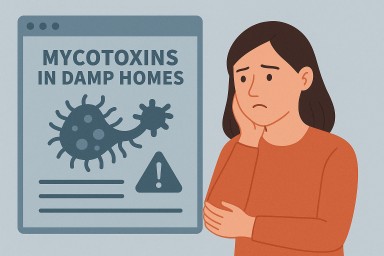
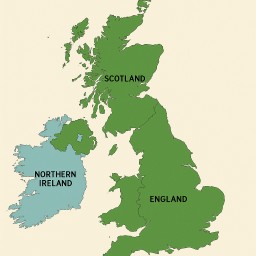
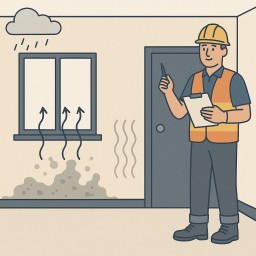
🌧️ Damp Homes and Aspergillosis: Why This Matters

If you live with aspergillosis, asthma, or other chronic lung conditions, your home environment plays a vital role in how well you stay.
Dampness, mould, and poor ventilation allow fungi — including Aspergillus — to grow and release spores into the air. Breathing in these spores can irritate airways, trigger allergic reactions, or worsen infection risk.

That’s why the NAC CARES team has gathered the latest UK policy, research, and practical guidance on this issue — all now available on our new information hub:
👉 Damp Homes – UK Policy and Research


🏠 What’s New on the Aspergillosis.org Damp Homes Page

Over the past week, the NAC CARES team has published a series of new articles and updates that help you:

1. Understand the Health Risks

  • How damp and mould can worsen breathing symptoms or trigger flare-ups in conditions like Chronic Pulmonary Aspergillosis (CPA) and Allergic Bronchopulmonary Aspergillosis (ABPA).

  • Why people with weakened lungs or immune systems are especially at risk.

  • The hidden signs of mould exposure — condensation, musty odours, or discoloured walls — even when no visible black mould is seen.

2. Learn About Your Rights and What to Do

  • What to check if you rent your home and find damp or mould.

  • Step-by-step guidance on how to report problems, who is responsible for fixing them, and what help is available if landlords or councils don’t act.

  • Links to official UK guidance, including the Awaab’s Law updates, which strengthen tenants’ rights to safe housing.

3. Keep Up with the Latest Research and Policy

  • Summaries of recent UK housing and health studies connecting damp homes to respiratory illness.

  • Insights into national policy changes — including new housing safety standards and public health responses.

  • Easy-to-read summaries of scientific studies showing how mould affects airways and immune response in vulnerable patients.


đź§° How to Use the New Page

  1. Start with the main hub: Damp Homes – UK Policy and Research.
    This gathers all the latest NAC CARES articles, research links, and resources in one place.

  2. Explore by topic:

    • Health & Risk – what damp means for your lungs.

    • Practical Advice – how to spot and deal with mould.

    • Policy & Research – what the UK government and researchers are doing to address the problem.

  3. Take action:
    Use the linked materials when talking with your GP, local council, or housing officer. Having official NHS and government evidence can help you get faster results.


đź’¬ Key Takeaways for Aspergillosis Patients

  • Keep your home dry, warm, and well-ventilated.

  • Report damp or mould promptly to landlords or housing providers — and keep written records.

  • If your symptoms worsen and you suspect environmental triggers, speak with your care team at NAC or your respiratory specialist.

  • Use the NAC CARES Damp Homes page as a trusted, evidence-based guide to understanding your risks and your rights.


Damp, Mould and Health: Be Careful About Unvalidated Tests and “Detox” Treatments

Updated 2025 – by the NAC CARES team


When you’re desperate for answers

If you live in a damp or mouldy home and your health has suffered, it’s natural to want clear answers. Many people experience coughing, fatigue, sinus trouble or breathing problems and wonder if mould exposure could be the cause.

Unfortunately, the internet is full of misleading claims about “toxic mould”, “biotoxin illness”, or “mould detox”. Some websites and private clinics sell unvalidated medical tests or promote expensive supplements claiming to “flush mould toxins” or “reverse mould illness”.

People often turn to these options out of frustration and desperation when they feel ignored or dismissed by health or housing services. But it’s important to know that these tests and products are not scientifically proven — and in some cases, they may cause harm.


The truth about “mould illness” testing

At present, there is no validated medical test that can prove a person is ill because of mould exposure in their home.

Tests often sold online or through private clinics — such as urine mycotoxin tests, mould antibody panels, or chronic inflammatory response syndrome (CIRS) profiles — are not recognised by the NHS, NICE, or the World Health Organization.

These tests may detect trace amounts of mould-related compounds that appear even in healthy people. There are no agreed normal or abnormal levels, and results can vary dramatically between labs. This means a “positive” test result does not prove illness or guide treatment.


When functional, integrative, or alternative practitioners use these tests

It’s not just online sellers. Some functional medicine, integrative health, or alternative practitioners — including some with medical or allied health qualifications — also use these same mould or mycotoxin tests in private practice.

They may genuinely want to help and believe in “root cause medicine,” but:

  • Many of these tests have never been validated in peer-reviewed clinical studies.

  • Their results cannot reliably distinguish between normal environmental exposure to fungi and actual infection or allergy.

  • People are sometimes told they have “mould toxicity” or “mycotoxin poisoning” without any scientific evidence.

Why this matters

  • It can lead to unnecessary fear and anxiety.

  • Patients may spend hundreds or thousands of pounds on testing, supplements, or “detox” treatments that do not work.

  • Most importantly, genuine medical conditions — like aspergillosis, asthma, or COPD — may be diagnosed late or missed entirely.

Even if the practitioner sounds credible, unvalidated tests remain unvalidated.
If it isn’t approved by NICE, the NHS, or recognised respiratory specialists, it isn’t a reliable diagnostic test.


The risks of “detox” and self-treatment

Many websites and practitioners also recommend “detox” products such as activated charcoal, bentonite clay, chlorella, ozone therapy, or special anti-fungal diets. None of these have been proven to remove mould or mycotoxins from the body.

Some are unsafe or can interact dangerously with prescribed medicines — especially antifungal or steroid treatments used for aspergillosis. Others can damage the gut, lungs or kidneys.

No supplement, spray, or air treatment can replace medical therapy or proper repair of damp housing.


Why these products are still allowed to be sold

These tests and supplements often remain on sale because of regulatory loopholes:

  • They’re marketed as “wellness” or “informational” tests rather than diagnostic tools.

  • Supplements are classed as foods, not medicines — they must be safe, but not proven effective.

  • Many sellers are based overseas, outside UK or EU enforcement.

That’s why public awareness is crucial. Legal does not mean scientifically valid.

If you see misleading health claims, you can report them to:


What is proven to help

Here’s what current evidence supports:

  • Talk to your NHS doctor or respiratory specialist. They can arrange validated tests for fungal disease and lung health.

  • Fix the source of damp or mould. That’s the key to protecting your health — not detox kits.

  • Seek help early from housing officers, environmental health, or Citizens Advice if your home is unsafe.

  • Work with your care team — they can support housing letters or referrals if damp is affecting your condition.

See our practical guides:


If you feel dismissed or desperate

You’re not alone. Many people living in damp conditions feel frustrated and unheard. But unvalidated tests and detox programmes will not provide the answers you deserve.
You will get more meaningful, safer support through:


🛡️ Why We Take a Cautious Approach

Some people wonder whether organisations like ours are “allied to big pharma” or dismiss alternative approaches because of financial or legal pressures.

The truth is: we are cautious because of evidence and patient safety, not loyalty to industry.

  • We recommend only treatments or tests that are scientifically proven to be safe and effective.

  • NHS and charity organisations must follow regulatory standards and cannot endorse unvalidated products.

  • Our priority is protecting patients from harm, wasted resources, and delays in care.

Being cautious doesn’t mean rejecting innovation. If a new antifungal therapy, dietary approach, or environmental test is genuinely effective, it will be validated through peer-reviewed research — and we will share it.

Until then, our guidance focuses on evidence-based medicine and environmental interventions, because those are proven to help people with aspergillosis.


Key message

Damp and mould can make you unwell — but there is no quick test, no secret biomarker, and no miracle detox that can prove or cure it.
Stick with evidence-based medicine, protect your living environment, and seek support from trustworthy sources.

Save your money, protect your health, and trust science.


Inhaled Mycotoxins and Testing: What Patients Need to Know

Many patients ask about mould, mycotoxins, and private test panels — especially when symptoms overlap with conditions like aspergillosis, asthma, or MCAS (see glossary). The science is complex, and there’s a lot of misinformation online. Here’s what we know.


Can inhaled mycotoxins cause illness?

  • High exposure at work: In farming, animal feed, waste handling, or recycling, workers can breathe in dusts that contain fungal fragments and mycotoxins. At these levels, people may develop work-related asthma, cough, or “organic dust toxic syndrome.”

  • Homes and offices: Damp and mouldy buildings are consistently linked to worse asthma and respiratory symptoms. But experts (WHO, Institute of Medicine, CDC, MHRA) stress that it’s not just mycotoxins — spores, allergens, β-glucans, and bacteria all play a role.

  • Bottom line: Dampness and mould are unhealthy, but there’s limited proof that airborne mycotoxins alone at household levels cause chronic illness. The key intervention is always fixing damp and mould, improving ventilation, and managing lung conditions properly.


Why are private mycotoxin tests offered?

Despite the limited evidence, urine and blood “mycotoxin panels” are marketed by private labs (often in the US). They detect tiny traces of toxins that almost everyone has — mostly from food.

Why they exist:

  • People with real symptoms want answers, and commercial labs meet that demand.

  • It is technically possible to measure mycotoxins, even if the meaning is unclear.

  • Some alternative practitioners use them because patients want something tangible.


Why are these tests unreliable?

  1. Everyone has some exposure – Sensitive tests will almost always find traces from normal diet, even in healthy people.

  2. No agreed cut-offs – No international standards for what level in blood/urine is “safe” or “unsafe.”

  3. Not validated for diagnosis – NHS, WHO, CDC, EMA do not accept these tests as diagnostic.

  4. Can’t show source – They can’t distinguish whether the toxin came from food, dust, or infection.

  5. Risk of unnecessary treatment – May push people toward costly, unproven therapies.

👉 Bottom line: A positive result usually reflects diet, not disease. That’s why NHS doctors don’t use these tests.


Why validation matters

For any medical test to be trusted, it must go through validation:

  1. Analytical validation – does the test reliably measure what it claims?

  2. Clinical validation – does it correctly identify people with the disease and exclude those without it?

  3. Clinical utility – does it actually help doctors make better treatment decisions?

  4. Regulatory approval – bodies like the MHRA (UK), FDA (US), and EMA (EU) ensure tests are safe and meaningful before routine use.

Without validation, a test can give results that look scientific but don’t guide care. That’s why the NHS doesn’t accept mycotoxin blood or urine testing — they haven’t been shown to make diagnoses more accurate or treatments more effective.


What if your mycotoxin test is positive, but you don’t live in a damp home?

This is very common.

  • Food is the main source: Mycotoxins are often found in grains, nuts, coffee, and dried fruit.

  • Exposure ≠ illness: A positive only shows contact, not harm.

  • No NHS role: Since the tests can’t separate harmless from harmful exposure, they aren’t used.

  • What matters most: If you’re unwell, validated NHS tests (CT scans, Aspergillus IgE/IgG, sputum cultures) guide proper diagnosis and treatment.


Foods that can contain mycotoxins

  • Aflatoxins – peanuts, maize, tree nuts, dried fruit, spices.

  • Ochratoxin A – coffee, dried fruit, wine, cereals.

  • Fumonisins, zearalenone, DON – maize, wheat, cereals.

  • Patulin – apples and apple juice.

  • Gliotoxin – made by Aspergillus fumigatus; occasionally found in mouldy cereals/silage, but mainly important when produced inside the body during invasive aspergillosis.

👉 In the UK/EU, foods are routinely monitored and regulated to keep levels very low.


What this means for patients

  • If you have aspergillosis or asthma, mould can worsen symptoms — but NHS doctors use validated tests, not private toxin panels.

  • If you feel unwell in a mouldy home, focus on fixing damp and talking to your GP or specialist.

  • A positive mycotoxin test without damp exposure almost always reflects normal diet.

  • Be cautious about spending money on unvalidated tests, which don’t change safe NHS treatment.


đź’™ Key message: Damp and mould can harm health, and sometimes mycotoxins are part of that story. But unvalidated mycotoxin blood/urine tests are unreliable and not used by the NHS. The safest approach is to fix damp, protect your lungs, and rely on NHS-approved diagnostics and treatments.

Glossary of Terms

  • WHO – World Health Organization, the UN’s global health authority.

  • CDC – Centers for Disease Control and Prevention, the main US public health body.

  • EMA – European Medicines Agency, which regulates medicines across the European Union.

  • MHRA – Medicines and Healthcare products Regulatory Agency, the UK body that regulates medicines and devices.

  • NHS – National Health Service, the publicly funded health system in the UK.

  • IgE / IgG – Immunoglobulin E and Immunoglobulin G, types of antibodies measured in blood tests to check for allergy or immune response.

  • CT scan – Computed Tomography scan, a detailed type of X-ray that shows cross-sections of the body.

  • MCAS – Mast Cell Activation Syndrome, a condition where mast cells release too many chemicals, causing allergic-type symptoms.

  • ABPA – Allergic Bronchopulmonary Aspergillosis, an allergic lung condition caused by reaction to Aspergillus.

  • CPA – Chronic Pulmonary Aspergillosis, a long-term fungal infection of the lungs caused by Aspergillus.


Housing Reforms That Matter for Aspergillosis Patients

1. Awaab’s Law – Protecting Against Damp & Mould

  • Born from the tragic death of toddler Awaab Ishak, Awaab’s Law mandates swift action on damp and mould in social housing.

  • Phase 1 (from 27 October 2025):

    • Emergency hazards addressed within 24 hours.

    • Investigations into mould/damp begin within 10 working days.

    • Findings communicated within 3 working days.

    • Repairs completed within 5 working days, with alternative housing offered if unsafe.
      Chartered Institute of HousingGOV.UK

For aspergillosis patients, this delivers critical protection—damp environments exacerbate lung disease, and timely remediation can make a real health difference.


2. Decent Homes Standard (DHS) – Public Consultation Open

The government is reviewing and expanding the Decent Homes Standard to include both social and private rented sectors.

Why this matters for you: Contributing your experiences—especially how damp or poor insulation worsen aspergillosis—can help shape a standard that better protects lung health.


3. Electrical Safety Regulations for Social Landlords

  • From November 2025 (new tenancies) and May 2026 (existing tenancies), social landlords must:

    • Perform electrical safety checks (EICR) every five years.

    • Supply tenants or new occupants with the inspection report within 28 days.

    • Conduct Portable Appliance Testing (PAT) and fix any hazards within 28 days.
      GOV.UKTrowers & Hamlins

Why it matters: Safe electrics reduce the risk of fires and power outages, which can be particularly dangerous during respiratory flare-ups or hospital recovery.


4. Other Related Reforms & Building Safety Measures

  • Gas Safety: Landlords must continue annual checks of gas appliances and provide tenants with a valid Gas Safety Certificate (CP12).
    Wikipedia

  • Building Safety Act & Regulations (Part P): Ensures electrical work (like rewiring or EV charger installations) meets safety standards—crucial for safe, modern living environments.
    HomebuildingWikipedia

  • Energy Efficiency Reforms: Proposals (not yet enacted) suggest requiring rented homes to reach a C rating on Energy Performance Certificates (EPC) by 2030 to reduce fuel poverty and keep homes warm.
    The TimesThe Guardian


Summary Table

Reform / Law Scope & Timing Why It Matters for Aspergillosis Patients
Awaab’s Law – Phase 1 From 27 Oct 2025 Ensures damp/mould issues are addressed fast
Decent Homes Standard Consultation 2 Jul – 10 Sep 2025 Influences future standards to protect lung health
Electrical Safety Regulations From Nov 2025 / May 2026 (depending on tenancy) Mitigates fire/electrical risks in homes
Gas Safety Standards Ongoing requirement Prevents gas-related hazards in vulnerable patients
Building Safety & Part P Rules Already in effect Ensures electrical works meet safety compliance
Energy Efficiency Initiatives Proposed for 2030+ Promotes warm, dry living conditions

What You Can Do

  1. Submit to the DHS consultation by 10 September, sharing your stories of how damp or poor heating affects your lung health.

  2. Report damp or mould to your landlord and ask for Awaab’s Law protections—mention the upcoming deadlines.

  3. Ensure safety checks are done—ask your landlord for the EICR or gas safety certificate.

  4. Highlight your needs—if you have aspergillosis, a doctor’s note can underline the urgency for timely action.


Would you like help drafting a consultation response template or patient-facing summary sheet to guide people through these updates? Just let me know!

Further reading
Landlords face ban on renting homes that are not energy efficient

The Times


Damp, Cold, and Poor Housing – Why It Matters for Lung Health

This briefing from the House of Commons Library (2025) looks at how poor housing conditions—especially damp, mould, and cold homes—affect health and what’s being done about it in the UK.

Main Points

  • Health risks are serious
    Living in damp or mouldy homes increases the risk of respiratory problems, particularly for people with existing lung disease like aspergillosis, asthma, COPD, or bronchiectasis.

  • Children and vulnerable adults
    Young children, older adults, and people with weakened immune systems are most affected. Damp and mould can trigger flare-ups, worsen breathing symptoms, and increase infection risk.

  • Mental health impact
    Poor housing is linked to stress, anxiety, and depression. Worrying about your home can also worsen physical symptoms, especially if you avoid using rooms with mould or limit heating to save costs.

  • Cold homes add to the problem
    Cold airways can make breathing more difficult, weaken the immune system, and increase the chance of winter infections.

  • Wider health effects
    Damp and cold can also affect heart health, bone/joint pain, and overall wellbeing.

What’s Being Done

  • Legal responsibilities: Landlords must keep homes safe and fit to live in under UK law. This includes dealing with serious damp and mould.

  • Government programmes:

    • Funding for improving insulation and heating in social housing.

    • Advice services for tenants.

    • Local councils can take action if landlords fail to address hazards.

  • Public health guidance now recognises the link between housing and chronic illness, with stronger advice for early intervention.

What This Means for Aspergillosis Patients

  • Stay alert to symptoms: If your cough, breathlessness, or fatigue worsen at home, check for damp, mould, or poor heating.

  • Act early: Report problems to your landlord or council quickly—prolonged exposure can worsen lung damage.

  • Medical link is recognised: You are more likely to be taken seriously now, as official guidance acknowledges the health risks.

  • Keep records: Photos, symptom diaries, and GP notes can support housing complaints.

For full details see https://commonslibrary.parliament.uk/research-briefings/cdp-2025-0096/