Some people taking antifungal medicines for aspergillosis notice that they are gaining weight or feeling hungry much more frequently than before.
Is this a side effect of the medication, or could it be a sign that their treatment is working?
There are several possible explanations, and understanding the differences can help you discuss any concerns with your clinical team.
Weight gain can be a sign of recovery
Chronic pulmonary aspergillosis (CPA) can cause considerable weight loss. Persistent infection, inflammation, fatigue and reduced appetite can all contribute.
When antifungal treatment brings the infection under better control, you may notice that:
- Your appetite improves.
- You begin to regain lost weight.
- You have more energy.
- Eating becomes more enjoyable again.
For someone who has lost considerable weight during illness, these can be encouraging developments.
Indeed, changes in body weight are among the measures clinicians may consider when assessing the response to antifungal treatment in CPA.
However, weight gain alone does not establish that treatment is working.
Does posaconazole increase appetite?
Some patients taking posaconazole report feeling unusually hungry.
Increased appetite is not a recognised common side effect of posaconazole. In fact, reduced appetite is listed among its possible side effects.
However, individual experiences vary, and changes in appetite may be related to recovery, other medicines or changes in your general health.
If you notice a substantial or persistent increase in appetite after starting an antifungal, it is worth mentioning this to your clinical team.
Are you also taking steroids?
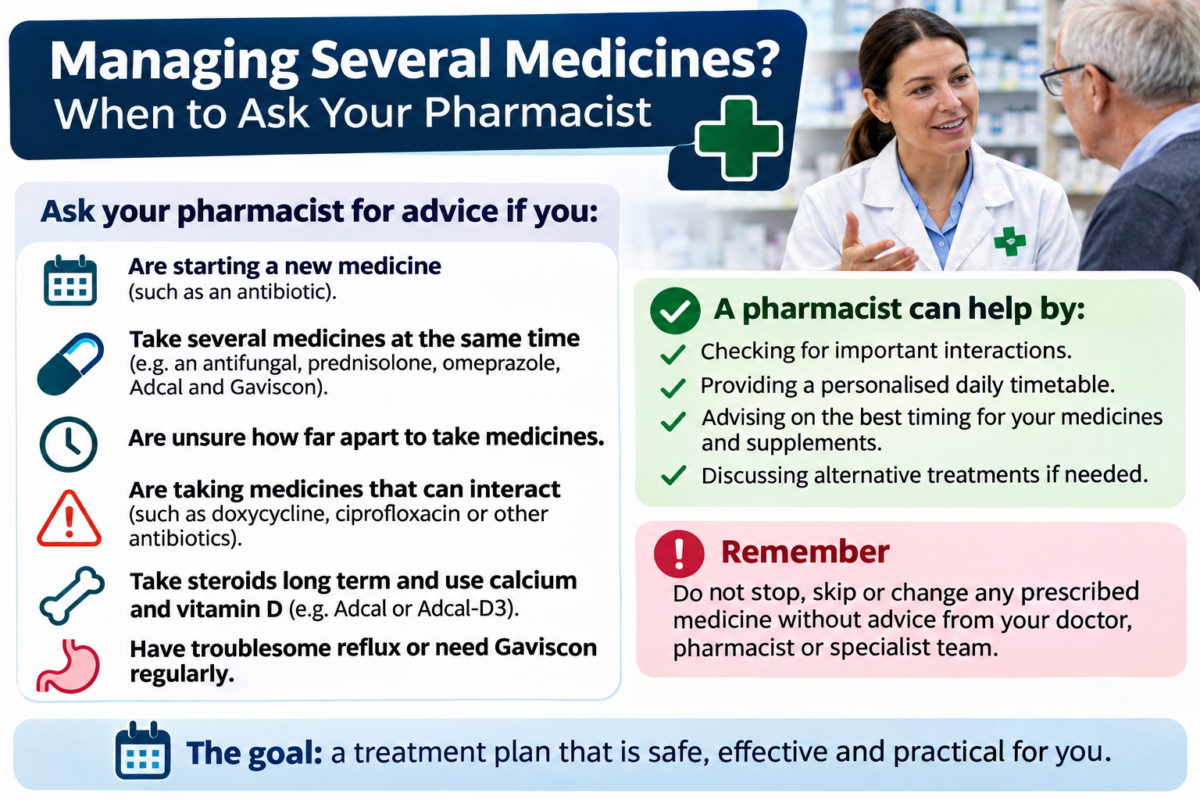
Many people with aspergillosis, particularly those with allergic bronchopulmonary aspergillosis (ABPA), take corticosteroids such as prednisolone or use steroid inhalers.
Corticosteroids can:
- Increase appetite.
- Contribute to weight gain.
- Alter the distribution of body fat.
- Affect blood sugar levels.
- Cause fluid retention.
Some azole antifungals, including itraconazole and posaconazole, can slow the breakdown of certain corticosteroids in the body.
This can increase exposure to the steroid, potentially increasing its side effects, even when the prescribed steroid dose has not changed.
Importantly, this interaction can also occur with certain inhaled steroids.
Your specialist team or pharmacist can assess whether an interaction might be contributing to your symptoms.
Weight gain or fluid retention?
Not all weight gain represents an increase in body fat.
Some antifungal medicines can cause the body to retain excess fluid, a condition known as oedema.
Posaconazole can occasionally interfere with the body’s regulation of salt and potassium. This is known as pseudoaldosteronism and can cause raised blood pressure, low potassium levels and sometimes fluid retention.
Itraconazole can also cause fluid retention and, in some circumstances, affect heart function.
Signs that weight gain might be associated with fluid retention include:
- A rapid increase in weight over several days.
- Swollen ankles or feet.
- Shoes becoming unusually tight.
- Increased breathlessness.
- Swelling of the legs or abdomen.
These symptoms should not simply be attributed to eating more.
Contact your clinical team promptly if you develop these symptoms. If you experience severe or sudden breathlessness or chest pain, seek emergency medical help.
Changes in activity levels
Living with aspergillosis can make physical activity difficult.
Although treatment may improve your appetite, breathlessness and fatigue can continue to limit how active you are.
You may therefore find that you are eating more while your body is using less energy than it did before your illness.
This is not unusual, and maintaining a healthy weight can be particularly challenging when living with chronic respiratory disease.
People who have previously lost weight through illness may have different nutritional needs from those who are already above their healthy weight.
What should I discuss with my clinical team?
If you are concerned about changes in your weight or appetite, it may help to consider:
- When did the changes begin?
- Did they coincide with starting or changing a medicine?
- Has your appetite increased?
- Are you taking oral or inhaled steroids?
- Has your level of physical activity changed?
- Have you noticed swelling or increased breathlessness?
- Are you also experiencing unusual thirst or passing urine more frequently?
Your clinical team may consider reviewing your medicines, blood pressure, blood sugar, potassium levels and other relevant investigations.
Do not stop or change your antifungal or steroid treatment without discussing it with your clinical team.
The important message
Weight gain during antifungal treatment is not necessarily a bad thing. For some people recovering from chronic aspergillosis, it may be a welcome sign of improving health.
For others, it may be associated with steroid treatment, medicine interactions, reduced activity or fluid retention.
Understanding why your weight is changing is more important than simply assuming that your antifungal medicine is responsible.
References and further information
- Posaconazole – UK patient information leaflet
- Posaconazole – Summary of Product Characteristics
- NHS – Side effects of prednisolone
- NHS – Swollen ankles, feet and legs (oedema)
This article provides general information to help you understand your condition and medicines. It is not a substitute for individual medical advice.

Did this page help you?
Tell us in one minute