Drug Safety in the UK: What Aspergillosis Patients Need to Know

Living with aspergillosis often means taking powerful medicines for a long time — antifungals, steroids, antibiotics, or even biologics. These treatments can be life-saving, but they can also cause side effects, especially when used together. It’s natural to wonder: How do we know these drugs are safe? What happens if something goes wrong?

This article explains how drug safety is managed in the UK, what happens when rare problems occur, and what resources patients can use to protect themselves.


How Medicine Safety Works

Before a drug is approved:
Every new medicine goes through several phases of clinical trials. These trials are not just about proving that the drug works (efficacy) — they are also about proving it is safe enough to use in people. Researchers record every possible side effect, monitor blood tests, and look for safety signals as well as improvements in the illness.

However, trials have limits. They usually include only a few thousand participants, so they can reliably detect common side effects but not very rare ones. For example, if a side effect happens in 1 in 100,000 people, and a trial only studies 50,000, it may not appear at all.

After a drug is approved:
Once a medicine is prescribed to thousands or millions of people, those rare side effects start to appear. For example, in the first million patients, perhaps 10 cases may be reported. That’s not manipulation — it’s just the maths of large numbers.


How Do Doctors Link a Side Effect to a Medicine?

When someone develops a new symptom, it isn’t always obvious whether it’s caused by their illness, another condition, or the medicine they’re taking. Linking a side effect to a drug usually involves several steps:

  1. Timing – Did the symptom start soon after beginning the medicine? Did it improve when the medicine was stopped? Timing is often the strongest clue.

  2. Known side effect profile – Doctors check if the symptom has been reported before in trials, studies, or drug safety updates.

  3. Other explanations – Could it be the underlying condition (like aspergillosis) or another drug? All possible causes are reviewed.

  4. Drug interactions – Many side effects come from the way medicines interact, rather than one drug alone. Antifungals like itraconazole and voriconazole interact with steroids, antibiotics, and heart drugs.

  5. Rechallenge (rarely used) – Sometimes a drug is restarted to see if the side effect returns. This can provide strong evidence but is only done when absolutely necessary.

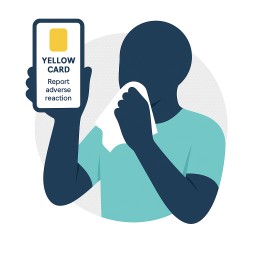
  6. Patient reporting – A single case may not prove much, but when dozens of patients report the same issue, patterns become clear.

🔎 Key message: It’s not always quick or simple to prove a side effect. That’s why your own observations — when it started, how it feels, what other medicines you’re on — are so valuable to your doctors and to the Yellow Card system.


What Happens to Those Patients?

  • Every case is recorded and investigated. Regulators like the MHRA (Medicines and Healthcare products Regulatory Agency) look for patterns.

  • If a link is confirmed, they can issue warnings, add monitoring requirements, restrict use, or withdraw the drug.

  • For the patients affected, the drug is usually stopped, and supportive treatment is given. Sadly, in some cases, harm cannot be reversed.

This is why reporting side effects is so important. Each individual case helps build the full safety picture and protects others in the future.


Is This “Experimenting on Patients”?

It can sometimes feel that way — because new medicines are still watched closely after approval, and some harms are only seen later.

But there’s an important distinction:

  • Clinical trials are the experiments, and they are about safety as much as efficacy. Every trial phase collects safety data, and a medicine cannot be approved unless it is shown to be safe enough for use.

  • Post-marketing monitoring is not an experiment — it’s a safety net that exists for all medicines, because no trial is ever large enough to catch every very rare problem.

Patients aren’t being experimented on after approval, but your experience does matter. Every report adds to knowledge and helps keep medicines safe for everyone.


Who Is Liable If Harm Occurs?

  • Negligence (e.g. wrong dose, ignoring abnormal tests): the prescriber or hospital may be liable.

  • Defective product or hidden data: the manufacturer may be held responsible, sometimes through compensation schemes or legal action.

  • Very rare, unpredictable events despite correct use: liability is often less clear, and compensation is not guaranteed.

This can feel unfair. A few patients may suffer harm without anyone being “at fault.” That’s why strong safety monitoring and reporting are so essential.


Balancing Benefit and Risk

If 10 people out of a million are harmed, 999,990 people may have been helped — often in life-saving ways. That doesn’t make the harm any less real, but it explains why regulators still approve medicines with very rare risks: the benefit to the vast majority outweighs the small chance of harm, as long as those harms are recognised and acted on quickly.

Looking forward, science may allow us to predict who is at risk of those 1-in-a-million harms (through genetics or biomarkers) and screen them out — so that only those who can benefit safely receive the drug.


Key UK Drug Safety Resources

Here are the most useful resources for patients in the UK:


What Aspergillosis Patients Need to Remember

Because aspergillosis often requires long-term, powerful medicines like itraconazole, voriconazole, posaconazole, steroids, or biologics, patients are more likely to:

  • Experience side effects

  • Need regular blood tests to check drug levels

  • Take multiple medicines with possible interactions

Three key takeaways:

  1. Know where to look – check NHS Medicines A–Z or your medicine leaflet (eMC) if you’re unsure about a side effect.

  2. Report problems – use the Yellow Card scheme to flag any suspected reaction.

  3. Stay in touch with your team – never stop or change your medicine without advice, but do share new symptoms with your GP or specialist promptly.


Bottom line: Clinical trials test both safety and effectiveness, but no study can capture every rare event. That’s why medicines continue to be monitored after approval, and why patient reporting is so important. By working together — patients, doctors, and regulators — we make medicines safer for everyone.


Medicine Leaflets, Side Effects, and Interactions: Where to Find Reliable Information

When you open a new box of medicine, you’ll usually find a folded sheet of paper inside — the Patient Information Leaflet (PIL). These leaflets are important, but they can be hard to read because of the tiny print and the amount of information squeezed onto the page.

Patients often ask: Where does this information come from? What if I can’t read it? And how do I check for drug interactions as well as side effects?

Here’s what you need to know.


1. Where do leaflets come from?

  • Written by the manufacturer – The drug company that makes the medicine is legally required to prepare the leaflet.

  • Checked by regulators – In the UK, the MHRA (Medicines and Healthcare products Regulatory Agency) reviews and approves the leaflet before the medicine is sold. In Europe, this role is carried out by the EMA.

  • Updated regularly – If new safety information comes to light (for example, through the Yellow Card reporting system), the leaflet must be revised and re-approved.

By law, leaflets must include:

  • What the medicine is for.

  • Who can and cannot take it.

  • How to take it.

  • Side effects and how common they are.

  • Possible drug interactions.

  • Storage instructions.

  • How to report suspected side effects.


2. Why the text is so small

Because there’s so much information to fit into a tiny folded sheet, the print is often very small and difficult to read. For many patients, the leaflet in the box just isn’t practical.


3. Where to find more readable versions

If the leaflet is hard to read, you have better options:

  • Electronic Medicines Compendium (eMC)

    • www.medicines.org.uk/emc

    • Up-to-date PILs and professional information for nearly all UK-licensed medicines.

    • Easy to zoom, search, and print in large text.

  • BNF (British National Formulary)

    • bnf.nice.org.uk

    • Trusted source for doctors and pharmacists, but also useful for patients.

    • Lists side effects, cautions, and drug interactions clearly.

  • NHS.uk

  • Pharmacist

    • Can print a large-text version of the leaflet.

    • Can check for interactions with other medicines you take.

    • Some companies provide Braille, audio, or large-print versions on request.


4. Where to check drug interactions

Drug interactions are just as important as side effects, because they can make medicines stronger, weaker, or more dangerous.

  • BNF online (bnf.nice.org.uk) – the best source in the UK, used by clinicians, with a clear section on interactions.

  • eMC (SmPC section) – each drug’s Summary of Product Characteristics includes detailed interaction data.

  • Pharmacist or GP – the safest and most personal check, since they know your full medication list.

  • Hospital specialists – especially important if you are on antifungals, as these interact with many other medicines.


5. The bottom line

Medicine leaflets are carefully written, regulated documents — but the folded sheet in your box isn’t the only option, and it’s often not the easiest to use.

👉 You don’t have to struggle with tiny print. Reliable, readable versions are available online (eMC, BNF, NHS.uk), and your pharmacist can explain and print large-text copies.

👉 For drug interactions, never rely on random internet sources — use the BNF, eMC, or your healthcare team.

And if you’re ever unsure, ask your doctor or pharmacist before starting anything new, including over-the-counter medicines or supplements.


Side Effects, New Medicines, and Safety Reporting: What Every Patient Should Know

Modern medicines, including antifungals used for aspergillosis, can be life-saving. But they can also have powerful side effects. One patient recently described developing nerve damage (neuropathy) while on treatment, but never mentioned it to their doctor, because they didn’t know it could be a side effect. Sadly, by the time it was recognised, the damage was permanent.

This story shows why patients and doctors need to work together in partnership to spot and report side effects early — especially when medicines are new and real-world safety data is still limited.


1. From passive role to partnership

In the past, healthcare was one-way: the doctor gave instructions, the patient followed. Today the NHS encourages shared responsibility:

  • Doctors bring their expertise about the illness and treatments.

  • Patients bring their daily experience of living with the condition.

  • Together they can make safer, better-informed decisions.

This partnership is essential for powerful drugs like antifungals, where side effect monitoring depends on both sides working together.


2. Why side effect statistics can be misleading

Leaflets list side effects as “common” or “rare,” often with percentages. But these figures don’t always reflect real life because:

  • Trials are limited – only a few thousand people take part, often younger and healthier than typical NHS patients.

  • Under-reporting is common – doctors and patients often fail to report side effects, especially mild ones.

  • Bias exists – severe or unusual reactions are reported more often than everyday ones.

👉 Bottom line: leaflets tell us what can happen, not always how often it happens.


3. The Yellow Card system

The UK’s main tool for detecting safety issues is the Yellow Card Scheme, run by the MHRA.

  • Anyone can report: doctors, nurses, pharmacists, patients, or carers.

  • Reports are vital: patterns in these reports may reveal risks not seen in trials.

  • Action is taken: if needed, leaflets are updated, warnings issued, or drugs restricted/withdrawn.

You can report suspected side effects at yellowcard.mhra.gov.uk.


4. Why reporting matters

Poor reporting leads to harm:

  • Delayed warnings – e.g. photosensitivity with voriconazole took years to be recognised.

  • Biased safety data – drugs may seem safer than they are.

  • Preventable harm – patients may suffer permanent injury before action is taken.

For new medicines (marked with a ▼ black triangle in the BNF and leaflets), the MHRA asks for all side effects to be reported, no matter how small.


5. Extra protections for new medicines

When a drug is new, safety systems are stronger than usual:

  • Black triangle (▼) – signals “additional monitoring” so all suspected ADRs should be reported.

  • Specialist prescribing – new antifungals are usually limited to centres like NAC.

  • Closer monitoring – frequent blood tests, drug levels, eye or skin checks depending on risk.

  • Risk Management Plans – agreed with regulators, spelling out what to watch for.

  • Post-marketing studies – Phase 4 trials track safety in real-world patients.

These safeguards are extensive, but not fool-proof. Rare or long-term effects may still emerge only after years of wider use.


6. The NHS challenge

Despite the systems:

  • Only a small percentage of doctors file Yellow Card reports each year.

  • Most GPs never prescribe brand-new drugs — so reporting falls heavily on specialist centres like NAC.

  • Under-reporting risks harm, increases NHS costs, and erodes trust.


7. Who sets the rules?

Several organisations provide guidance on reporting and safety:

  • MHRA (UK regulator): runs Yellow Card, monitors new and established drugs, and issues safety updates.

  • BNF (British National Formulary): highlights side effects, black triangle drugs, and links to reporting tools.

  • GMC (General Medical Council): obliges doctors to report serious ADRs and all reactions to ▼ drugs.

  • EMA (European Medicines Agency): operates EudraVigilance, pooling reports from across Europe.

  • Global standards: the UK follows international rules (ICH E2B) so data is shared worldwide.


8. What patients can do

You are central to this safety net:

  • Be observant – notice anything new or unusual.

  • Keep a record – note when it started, how often, and any changes with medication.

  • Report promptly – tell your team and consider submitting a Yellow Card yourself.

  • Ask questions – “What side effects should I look out for? Which are urgent? How will we monitor this drug?”

  • Use trusted sources – NHS.uk, bnf.nice.org.uk, NAC, or your pharmacist.


9. The reality of side effects

For many, side effects are not “minor inconveniences.” They can mean:

  • Permanent disability (e.g. nerve or vision damage).

  • Loss of independence or mobility.

  • Social isolation and depression.

That’s why side effect monitoring is not just bureaucracy — it’s about protecting real lives.


Key message

The systems around new medicines are extensive but not fool-proof. That’s why patients and doctors must work as partners.

👉 If you notice something new, strange, or worrying while on antifungal medication — however small — tell your healthcare team and consider reporting it. Your report may be the missing piece that protects you and others.


Working With Your Medical Team: What Every Patient With Aspergillosis Needs to Know

Modern antifungal treatments, and many of the medicines used alongside them, can be life-saving. They help control infections that would otherwise cause severe damage to the lungs and other organs. But these medicines are also powerful, and like all strong treatments, they sometimes carry risks.

One patient recently shared that they developed nerve damage (neuropathy) while taking antifungal medication, but did not mention it to their doctor because they did not know it could be a side effect. Sadly, problems like this can sometimes become permanent if not spotted early.

This raises an important question: what do patients need to know about their responsibilities when taking medicines like antifungals, and more broadly, when living with aspergillosis?


From passive role to partnership

In the past, healthcare often worked in one direction: the doctor gave instructions, and the patient was expected to follow them. Patients were mostly passive, with little chance to ask questions or take part in decisions.

The NHS is now moving towards a very different way of working: partnership.

This means:

  • Doctors and nurses share their medical knowledge.

  • Patients share their experiences of living with their condition.

  • Together, both sides decide what treatment and care will work best.


Why doctors sometimes hesitate about side effects

Some patients are surprised to learn that not all doctors automatically tell patients about possible side effects. Why is this?

  • Some worry about causing anxiety or putting patients off treatment.

  • Others fear the nocebo effect — where simply knowing about a side effect can make someone more likely to notice it.

  • They may also feel that handing over a long list of possible effects is overwhelming.

But when it comes to antifungals and other long-term, powerful medicines, not knowing can be dangerous. If patients do not know what to look for, they may ignore early signs of serious problems until it is too late.

The best approach is balance:

  • Patients don’t need to memorise an endless list.

  • They do need a clear, short list of the most important and urgent symptoms to look out for — and to know what to do if they appear.


Medicines: what patients should do

  • Take medicines as prescribed – antifungals, inhalers, steroids, or biologics must be taken on schedule. Missing doses can reduce effectiveness or drive resistance.

  • Do not stop suddenly – especially steroids. Always follow tapering advice.

  • Check for interactions – antifungals can clash with common medicines such as statins, blood pressure tablets, and painkillers. Always tell your team about new prescriptions, over-the-counter drugs, or supplements.

  • Use the same pharmacy if possible – so interactions are checked consistently.


Monitoring your health

  • Attend all scheduled tests – blood work, lung function, CT scans. These can reveal hidden changes before you feel them.

  • Know your “normal” – keep track of oxygen levels (if you use a pulse oximeter), peak flow, sputum colour, cough, and breathlessness.

  • Spot infections early – worsening cough, fever, or new sputum colour may mean infection or flare-up. Report these quickly.


Communication with your team

  • Bring notes to clinic – write down questions and symptoms so nothing is forgotten.

  • Be open and honest – if you’ve missed doses, struggled with side effects, or found treatment difficult, let your team know.

  • Keep contact details handy – know who to call if problems arise (specialist nurse, hospital helpline, GP).


Lifestyle and prevention

  • Reduce exposure to moulds – avoid compost heaps, rotting leaves, damp basements, and building dust. If you cannot avoid them, wear an FFP2/3 mask.

  • Protect your lungs – keep up with vaccinations (flu, COVID-19, pneumococcal).

  • Support your overall health – eat well, stay as active as you can, and rest when needed.

  • Look after your mental health – chronic illness is stressful. Patient groups, counselling, or peer support can make a big difference.


Self-management skills

  • Recognise flare-ups – learn the difference between ABPA flare, CPA progression, and bacterial infection symptoms.

  • Know your rescue plan – what to do if you suddenly worsen (extra inhalers, antibiotics, or emergency help).

  • Keep records – note symptoms, hospital visits, and medication changes. This helps spot long-term patterns.

  • Be part of decisions – ask about benefits, risks, and alternatives of treatments. Care should fit your life as well as your lungs.


Where to find reliable information on medicines

Many patients say the leaflet in the medicine box is written in tiny print or feels overwhelming. You do have other options:

  • Ask your clinical team or pharmacist — they can give you a short list of the most important side effects to watch for and explain what’s urgent.

  • Check the BNF (British National Formulary) online — the NHS makes this trusted reference free to the public at bnf.nice.org.uk. It lists side effects, drug:drug interactions, and safety notes.

  • Use NHS.uk — clear pages on most medicines, written in plain English.

  • Patient support organisations — such as the National Aspergillosis Centre or relevant charities, which often provide tailored advice.

If you’re unsure, it’s always safer to ask rather than guess.


The bigger picture: partnership

In the past, doctors made decisions and patients followed instructions. Today, with complex conditions like aspergillosis, patients are central members of the care team.

  • You notice problems first.

  • You take daily responsibility for medication.

  • You decide when to seek help.

This isn’t about shifting the whole burden onto patients — it’s about recognising that care works best when it is a true partnership.


Key message

👉 If you notice something new, strange, or worrying while on antifungal medication — however small — tell your healthcare team. Don’t assume it’s not important.

And remember: safe, effective treatment is a two-way street. Your role as a patient is not just to take medicines, but to observe, record, communicate, and partner with your team. That partnership is what keeps you safe and makes your treatment work.


🦠 Understanding Antibiotic Use in Aspergillosis: A Guide to Antimicrobial Stewardship (AMS)

This information is provided to help you understand your treatment. Always follow your medical team's advice. They will make the best decision for your care based on your individual health needs.


⚖️ What is Antimicrobial Stewardship (AMS)?

Antimicrobial stewardship means using antibiotics responsibly — only when needed, and choosing the most appropriate one for each infection. This helps protect patients from side effects and helps ensure antibiotics remain effective in the future.

For people with chronic lung conditions like chronic pulmonary aspergillosis (CPA), ABPA, or aspergillus bronchitis, this balance is especially important.


🔍 Why Is This Important for Aspergillosis Patients?

  • Antibiotics don’t work for fungal infections, but they may be prescribed if a bacterial infection is also present.

  • Using unnecessary antibiotics can lead to side effects, gut upset, or drug interactions (especially with antifungal medicines).

  • Overuse of broad-spectrum antibiotics can make future infections harder to treat.

Your clinical team carefully considers all of this when prescribing.


🔴 Broad-Spectrum Antibiotics

Broad-spectrum antibiotics target a wide range of bacteria, including helpful ones in your body. They are sometimes necessary, but their use is carefully monitored.

Examples Common Uses
Co-amoxiclav Chest infections, dental issues
Ciprofloxacin, Levofloxacin Serious or hospital infections
Doxycycline Chest infections, acne
Azithromycin Atypical pneumonia
Meropenem Resistant or hospital-acquired infections

🧠 These antibiotics may be used only if clearly needed. Doctors will often review and adjust the treatment after tests.


🟢 Narrow-Spectrum Antibiotics

These target specific bacteria and are usually first choice when the infection source is known.

Examples Common Uses
Penicillin V Sore throats, dental infections
Flucloxacillin Skin infections (e.g. infected eczema)
Nitrofurantoin Urinary tract infections
Vancomycin (IV) Resistant bacterial infections
Fosfomycin Resistant urinary infections

✅ These are often preferred because they reduce the risk of resistance and protect your body’s healthy bacteria.


🤝 What You Can Do

  • Trust your clinical team’s decisions — they are based on guidelines, test results, and your health history.

  • Tell your doctor or pharmacist about all medications you are taking — especially antifungals like itraconazole or voriconazole.

  • Report any side effects or concerns, especially if you notice gut problems or unexpected symptoms.


⚠️ A Note on Drug Interactions

Some antibiotics (like clarithromycin or rifampicin) can reduce how well azole antifungals work. Your doctor will avoid these combinations or adjust treatment accordingly.


✅ Final Reminder

This article is for general understanding only.
Your doctors are trained to choose the safest and most effective treatments for your condition. If you’re ever unsure about why a medication has been prescribed, ask — they’ll be happy to explain.


🧾 Rezafungin: A New Antifungal Being Trialled for CPA

Some people with chronic pulmonary aspergillosis (CPA) have trouble tolerating standard antifungal medications. Commonly used drugs like voriconazole and posaconazole can cause serious side effects such as hallucinations, liver enzyme disturbances, or gut problems. When these medications can’t be used, options become limited.

A new antifungal, rezafungin, is now being studied as a possible treatment for CPA — especially in people who can't tolerate azoles. It is not yet approved for aspergillosis, but a major clinical trial is under way.


🧬 What Is Rezafungin?

Rezafungin is part of a newer group of antifungal drugs called echinocandins. These work by weakening the fungal cell wall — a very different mechanism to azole drugs like itraconazole or voriconazole.

Key features:

  • Given as a weekly intravenous (IV) drip

  • Long-acting: stays in the body for days after each dose

  • Designed to provide high drug levels in the lungs and bloodstream

  • Early studies show less frequent side effects than with some older antifungals

It is already licensed for treatment of Candida bloodstream infections but is being studied now for CPA.


🧪 Current Research: Trial for CPA

A clinical trial is currently recruiting people with CPA who:

  • Cannot take azole antifungals because of side effects or resistance

  • Need alternative or combination therapy

This trial (called REZAFUNGin Efficacy and Safety for Aspergillus – CPA) is being conducted in the UK and internationally. The goal is to test whether rezafungin is safe and effective in CPA patients who have few remaining options.

🔗 View the clinical trial (NCT06794554)


📊 What Have Previous Studies Found?

While studies in CPA are just beginning, previous trials in other fungal infections provide important clues:

✅ Phase 2 & 3 Studies (Candida Infections)

  • Rezafungin was found to be as effective as daily echinocandins (like caspofungin)

  • Once-weekly dosing worked just as well as daily treatment

  • Side effects were mild, and liver toxicity was rare

  • No CNS side effects (like hallucinations) were reported

🧫 Laboratory Evidence

  • Rezafungin is active against Aspergillus fumigatus, including some azole-resistant strains

  • It reaches good levels in lung tissue — an important feature for CPA

  • May be used alone or with another antifungal in complex cases

🩺 Case Example

A recent case report described successful treatment of chronic pulmonary aspergillosis using rezafungin plus voriconazole in a patient with resistant infection (Oxford University Press, 2024).


⚠️ Is Rezafungin Available Now?

Not yet. Rezafungin is only available for CPA:

  • Through a clinical trial, or

  • By special approval for compassionate use in selected cases

It is not currently licensed for aspergillosis in the UK or elsewhere.


💬 What Should I Discuss with My Doctor?

If you're considering participation in a clinical trial or if standard treatments have failed, you might ask:

  • Am I eligible for the rezafungin CPA trial?

  • What are the benefits and risks of trying this treatment?

  • Will I still need other antifungals (e.g. azoles or amphotericin)?

  • How often will I need blood tests and hospital visits?

  • Will this help if I have azole resistance or liver side effects?


📌 Summary

Rezafungin is a new antifungal drug being tested for people with chronic pulmonary aspergillosis who cannot take older treatments. It offers once-weekly dosing and early signs suggest a favourable safety profile, including in patients with liver concerns or those who had side effects from azoles.

Although not yet widely available, it may offer hope for people with limited options. If you or someone you know is struggling with antifungal intolerance, you may wish to speak to your medical team about the CPA clinical trial or explore compassionate access routes.

👉 Learn more or check trial sites:
🔗 https://clinicaltrials.gov/study/NCT06794554


When Antifungals Fail: One Patient’s Recovery from Subacute Invasive Aspergillosis After Surgery

Subacute Invasive Aspergillosis (SAIA) is a rare and serious lung infection caused by the Aspergillus fungus. It often affects people who are immunocompromised—whether due to illness or medications like immunosuppressants—and typically sits between chronic and acute invasive forms in severity.

🧬 A Patient's Story from Australia

“I was diagnosed with SAIA after being treated with immunosuppressants for an autoimmune condition. Over seven months, I tried three different antifungal medications—but the infection persisted. I was still producing thick mucus and felt systemically unwell, almost like I had a constant infection running through me.

Four weeks ago, I underwent a wedge resection—a type of surgery where the affected part of my lung was removed. Since then, my symptoms have completely resolved. I’m no longer coughing or feeling septic.

My infectious diseases specialist plans to keep me on posaconazole for 12 months, with monthly galactomannan blood tests to catch any recurrence early.

I’ve found there’s very little published about surgery for SAIA, so I hope my experience might help others.”


🧪 What Is SAIA?

SAIA is a slowly progressive lung infection that develops over weeks to months. Unlike acute invasive aspergillosis, which moves quickly, SAIA often occurs in people with some degree of immune suppression but who aren’t completely immunocompromised.
It can present with:

  • Persistent cough

  • Low-grade fever

  • Fatigue

  • Mucus production

  • Progressive lung damage

Standard treatment involves long-term antifungal therapy, often with drugs like:

  • Itraconazole

  • Voriconazole

  • Posaconazole

But in some cases—like this patient’s—antifungal therapy alone isn’t enough.


🛠️ When Is Surgery Used for SAIA?

Surgery, including wedge resection, may be considered when:

  • Antifungal medications are not effective

  • The infection is localized to one part of the lung

  • There is persistent or worsening lung damage

  • Patients are fit enough to undergo surgery

🔍 What Does the Evidence Say?

Although not commonly performed, surgery for aspergillosis is documented in medical literature, especially in cases of:

  • Chronic pulmonary aspergillosis (CPA)

  • Fungal nodules

  • Subacute forms like SAIA

Key studies:

  • A U.S. study of >100,000 aspergillosis cases found that only 4.8% underwent surgery, usually for treatment failure or severe complications.

  • A Chinese study of 85 CPA patients showed a relapse rate of only 7% post-surgery, with most patients improving dramatically.

  • A UK case series described 30 patients having lung resections over 15 years, showing surgery is safe and effective when performed in experienced centres.


🔄 What Happens After Surgery?

Even after a successful resection, follow-up antifungal treatment is often continued to prevent recurrence. Monitoring usually includes:

  • Regular imaging (CT scans)

  • Galactomannan blood tests (to detect fungal components)

  • Symptom tracking

This is typically guided by a multidisciplinary team involving infectious diseases, respiratory, and thoracic surgery specialists.


🎯 Key Takeaways

  • SAIA is uncommon, and when antifungals fail, surgery can be life-changing.

  • Wedge resection is a lung-sparing procedure that removes just the infected portion, offering good outcomes when the disease is localised.

  • Ongoing antifungal therapy and monitoring are critical to long-term success.

  • Your story adds to a growing but still limited body of knowledge and may help inform future treatment decisions and encourage further research.


If you are a patient or clinician navigating SAIA and struggling with antifungal treatment, this story may offer hope—and a reminder that surgical options, though rarely needed, can be effective when used judiciously.


🛡️ How Your Care is Changing: Understanding Antimicrobial Stewardship

A guide for patients with aspergillosis and chronic lung conditions

If you're being treated for chronic pulmonary aspergillosis (CPA), ABPA, or any long-term lung condition, you might notice changes in the way doctors use antifungal and antibiotic medicines. These changes are part of a worldwide effort to tackle antimicrobial resistance (AMR) — and to make sure the right treatment is used, in the right place, for the right reason.


💬 What is Antimicrobial Stewardship?

Antimicrobial stewardship (AMS) means using antifungal and antibiotic medications responsibly, so they work better now and stay effective for the future.

It’s about:

  • Using the right medication

  • In the right place

  • For the right reason

  • At the right dose and duration

This helps ensure patients get better faster, and we all stay protected from drug-resistant infections.


🔬 What Is Antimicrobial Resistance?

Antimicrobial resistance (AMR) happens when bacteria or fungi evolve and stop responding to medicines that used to work. This makes infections:

  • Harder to treat

  • More likely to come back

  • More dangerous for people with lung or immune conditions

There are two major types:

  • Antibiotic resistance (bacteria)

  • Antifungal resistance (fungi, including Aspergillus fumigatus)


💊 Antibiotics: Broad vs Narrow Spectrum

Doctors aim to use targeted antibiotics wherever possible. Here’s how they differ:

Type Description Examples Used For
Broad-spectrum Kills a wide range of bacteria Co-amoxiclav, meropenem, ceftriaxone Sepsis, serious infections
Narrow-spectrum Targets specific bacteria Penicillin, nitrofurantoin, flucloxacillin Simple infections

🧪 Doctors may start with broad-spectrum drugs in emergencies but switch to narrow-spectrum when test results are available — this is called de-escalation.


🦠 Antifungal Resistance and Aspergillosis

People with CPA or ABPA are often treated with antifungals like:

  • Itraconazole

  • Voriconazole

  • Posaconazole

  • Isavuconazole

But fungi can develop resistance, especially when:

  • Medications are used long-term

  • Fungi are exposed to azole sprays on crops and flowers

You may inhale resistant spores from:

  • Compost, potting soil, or garden centres

  • Fresh flowers (especially imported ones)


🏥 What Might You Notice in Hospital?

✅ Shorter or targeted treatment

  • You may be on 5–7 days of antibiotics/antifungals

  • Switch from IV to tablets happens earlier once you're stable

✅ Treatment reviews

  • Your medication will be reviewed within 48–72 hours

  • Changes may be made based on lab results

✅ More testing

  • Blood, sputum, or biopsy samples help identify infections and resistance

  • Ensures you get the right treatment

✅ Specialist involvement

  • An infection or respiratory consultant may review your case if resistant infection is suspected

✅ Infection control

  • You may notice:

    • No fresh flowers

    • HEPA filters in some wards

    • Staff using extra precautions to prevent airborne infections


🏡 What Might You Notice From Your GP?

✅ More specific prescribing

  • GPs are less likely to give antibiotics “just in case”

  • More narrow-spectrum choices based on the suspected infection

✅ Diagnostic support

  • GPs may send sputum or urine samples before prescribing

  • May test your blood for antifungal levels (TDM)

✅ Home safety advice

You may be advised to:

  • Avoid indoor compost or plant pots

  • Wear FFP2/FFP3 masks when gardening

  • Keep indoor air well ventilated


🧬 New Antifungals Being Protected for Patient Use

Several antifungals are in development and being reserved just for medical use (not agriculture), including:

Drug What it is Why it matters
Rezafungin Weekly IV echinocandin Long-lasting for serious infections
Ibrexafungerp First oral alternative to azoles Trials for aspergillosis
Olorofim New class (DHODH inhibitor) Active against resistant Aspergillus
Opelconazole Inhaled antifungal Direct treatment to the lungs
Fosmanogepix Novel target Works against drug-resistant fungi

🧠 What This All Means for You

These changes are about:

  • Better outcomes — faster recovery with fewer side effects

  • Preventing resistance — protecting future treatments

  • More personalised care — based on test results and your condition


✅ What You Can Do

Action Why It Helps
Take medications exactly as prescribed Prevents underdosing and resistance
Don’t stop treatment early Even if you feel better
Ask if your treatment has been reviewed Encourages early switch or adjustment
Use a mask and gloves for gardening Reduces spore exposure
Avoid fresh flowers and compost indoors Especially in bedrooms or when unwell
Report any new or worsening symptoms Resistance may be developing
Ask about resistance testing if you’re not improving Labs can check fungal response
Stay informed and speak up You’re part of the stewardship solution

📌 In Summary: Stewardship in Action

Antimicrobial stewardship is not about doing less — it's about doing things more precisely.
It’s how your healthcare team makes sure you receive:

The right medication, in the right place, for the right reason.


🔗 Want to Learn More?


💊 General Strategies to Reduce Antimicrobial Resistance in Clinical Practice

1. IV to Oral Switch (IVOS)

One of the most effective and safe interventions in antimicrobial stewardship.

🔁 Why switch from IV to oral early?

  • Reduces complications (e.g. line infections, thrombosis)

  • Lowers costs and bed-days

  • Improves patient comfort and mobility

  • Oral options (e.g. ciprofloxacin, fluconazole, linezolid) are highly bioavailable, often matching IV efficacy

✅ When is IVOS appropriate?

  • Clinical improvement seen

  • Source controlled

  • Oral route available and tolerated

  • Suitable oral alternative exists

NHS guidance: "Start smart – then focus" encourages early IVOS reviews within 48–72 hours of antibiotic initiation.


2. "Start Smart – Then Focus" (UK NHS Framework)

This key NHS antimicrobial policy includes:

  • Start Smart: Prescribe antibiotics appropriately from the beginning

  • Then Focus:

    • Review at 48–72 hours

    • Consider stop, switch, change, or continue

    • Document clearly in records

Supported by NICE guidelines and UKHSA audits


3. Shorter Duration of Therapy

For many infections, shorter courses (e.g. 5–7 days instead of 10–14) are now preferred.

Examples:

  • Community-acquired pneumonia: 5 days

  • Pyelonephritis: 7 days

  • Cellulitis: 5–7 days

This reduces resistance pressure and side effects.


4. Diagnostics-Guided Prescribing

  • Procalcitonin and CRP tests can help distinguish bacterial from viral infections

  • Rapid PCR, MRSA, or blood culture diagnostics guide targeted therapy

The aim is avoid empirical broad-spectrum antibiotics where possible.


5. Restricted Prescribing Policies

  • Certain high-risk drugs (e.g. carbapenems, vancomycin, antifungals) are restricted to ID approval

  • Antimicrobials are tiered by risk (e.g. traffic light systems) to encourage narrow-spectrum use


6. Antimicrobial Stewardship Teams (ASTs)

Multidisciplinary teams:

  • Lead on stewardship strategy

  • Audit antimicrobial use

  • Provide decision support for complex cases

  • Educate staff and update local formularies

In the NHS, stewardship is a CQUIN target (incentivised performance indicator).


7. Education and Behaviour Change

  • Mandatory AMS training for junior doctors and prescribers

  • Behavioural nudges in electronic prescribing systems (e.g. default shorter durations, alert for IVOS)


8. Surveillance and Reporting

  • ePAMS+, ESPAUR, and PHE Fingertips dashboards track:

    • Prescribing by hospital/unit

    • Resistance trends

    • Audit compliance with IVOS, duration, and documentation


9. Patient-Facing Initiatives

  • "Antibiotic Guardian" and leaflets explaining viral vs bacterial infections

  • Empowering patients to ask:

    "Do I really need antibiotics? When can I switch to tablets?"


📦 Summary Table: Key Interventions

Strategy Purpose
IV to Oral Switch Reduce IV duration, speed discharge
Review at 48–72 hrs Reassess need, de-escalate if possible
Shorter therapy courses Lower resistance pressure
Targeted diagnostics Support narrow-spectrum prescribing
Prescribing restrictions Protect last-resort antimicrobials
Stewardship teams Oversee, audit, educate
Surveillance & feedback Monitor trends, guide policy

🦠 Antifungal Resistance: What It Is, How It Happens, and Why It Matters

Antifungal resistance is a growing global health threat, especially for people with lung conditions like chronic pulmonary aspergillosis (CPA) or allergic bronchopulmonary aspergillosis (ABPA). Just like bacteria can become resistant to antibiotics, fungi like Aspergillus fumigatus can develop resistance to antifungal drugs — making infections harder or even impossible to treat.


🔍 What Is Antifungal Resistance?

Antifungal resistance occurs when fungi evolve in ways that allow them to survive exposure to medications that used to kill them or stop their growth. This makes standard treatments less effective and increases the risk of:

  • Treatment failure

  • Prolonged illness

  • More severe infections

  • Increased hospital stays and costs

  • Higher death rates in vulnerable patients


🧬 How Does It Develop?

Fungi become resistant through genetic changes, often due to:

  • Long-term antifungal treatment in patients

  • Widespread environmental exposure to antifungal chemicals — especially azoles used on crops

Once resistance develops, the fungus may stop responding to key drugs like:

  • Itraconazole

  • Voriconazole

  • Posaconazole

  • Isavuconazole

These are the mainstays of treatment for aspergillosis and other serious fungal infections.


🌾 The Role of Agriculture: A Hidden Driver

Many resistant strains of Aspergillus don’t develop in people — they develop in the environment, especially in farmland and flower production areas.

Why?

The azole fungicides used on crops are chemically very similar to the azoles used in human medicine. They target the same fungal enzyme (CYP51, involved in cell wall formation). Fungi exposed repeatedly to these sprays can adapt — and the resulting resistant spores can:

  • Survive in soil, compost, and plant debris

  • Be carried on the wind

  • Be inhaled by people — especially those with weakened lungs or immune systems

High-risk areas include:

  • Grain farming (wheat, barley, maize)

  • Fruit production (apples, grapes, citrus)

  • Ornamental flowers (e.g., roses, tulips, chrysanthemums) — especially when imported or mass-grown

  • Garden centres and potting compost


🏠 Exposure at Home: Flowers, Soil, and More

People may unknowingly bring resistant Aspergillus spores into their homes through:

  • Fresh cut flowers (especially from florists using treated imports)

  • Potting compost or stored bulbs

  • Uncovered soil and plant material indoors

This is particularly dangerous for those with lung conditions, suppressed immunity, or recent surgery.

Practical tips:

  • Avoid keeping fresh flowers or pot plants in bedrooms or living areas

  • Use gloves and masks (FFP2 or FFP3) when handling soil or compost

  • Ventilate indoor spaces after gardening


💊 What’s Being Done: Medical, Policy, and Drug Development

1. Reserving drugs for clinical use

New antifungal drugs with novel mechanisms are being designed exclusively for medical use. Some are already approved or in late clinical trials:

Drug Type / Mechanism Status Notes
Rezafungin Echinocandin (IV, once-weekly) Approved 2023 (US/EU) For Candida, with long half-life
Ibrexafungerp Oral glucan synthase inhibitor Approved 2021 (US) Active against resistant Candida, in trials for Aspergillus
Oteseconazole Oral tetrazole Approved 2022 (US) Less toxicity, fewer interactions
Olorofim Pyrimidine synthesis inhibitor Late trials First in class, active against Aspergillus
Fosmanogepix GWT1 enzyme inhibitor Trials New target, good against multi-drug resistant fungi
Opelconazole Inhaled azole Trials Direct lung delivery, potential for aspergillosis

Many of these drugs are being deliberately withheld from agriculture to protect their effectiveness.


2. Policy & regulation

  • The “One Health” approach is gaining ground: it recognises the links between human, animal, and environmental health.

  • Some countries are monitoring soil and air for resistant fungi (e.g. Netherlands, UK).

  • Campaigns are underway to regulate or ban agricultural use of triazoles that drive cross-resistance.

  • Hospitals increasingly restrict fresh flowers in high-risk wards to protect immunocompromised patients.


🧭 What Needs to Happen Next

  • Tighter coordination between agricultural and medical authorities to regulate antifungal use

  • Incentives for developing safer, non-cross-reactive fungicides for farming

  • Increased global surveillance of resistant fungi in both clinical and environmental settings

  • Patient and public education about the risks and how to reduce exposure


🧠 What Patients Can Do

If you live with aspergillosis, chronic lung disease, or weakened immunity:

✅ Take your antifungal medicine exactly as prescribed
✅ Don’t stop or change treatment without medical advice
✅ Ask about resistance testing if symptoms worsen
✅ Avoid exposure to soil, compost, and fresh flowers
✅ Use respiratory protection (FFP2/FFP3 masks) in dusty or mouldy environments
✅ Advocate for better public policies on antifungal stewardship


🔗 Want to Learn More?