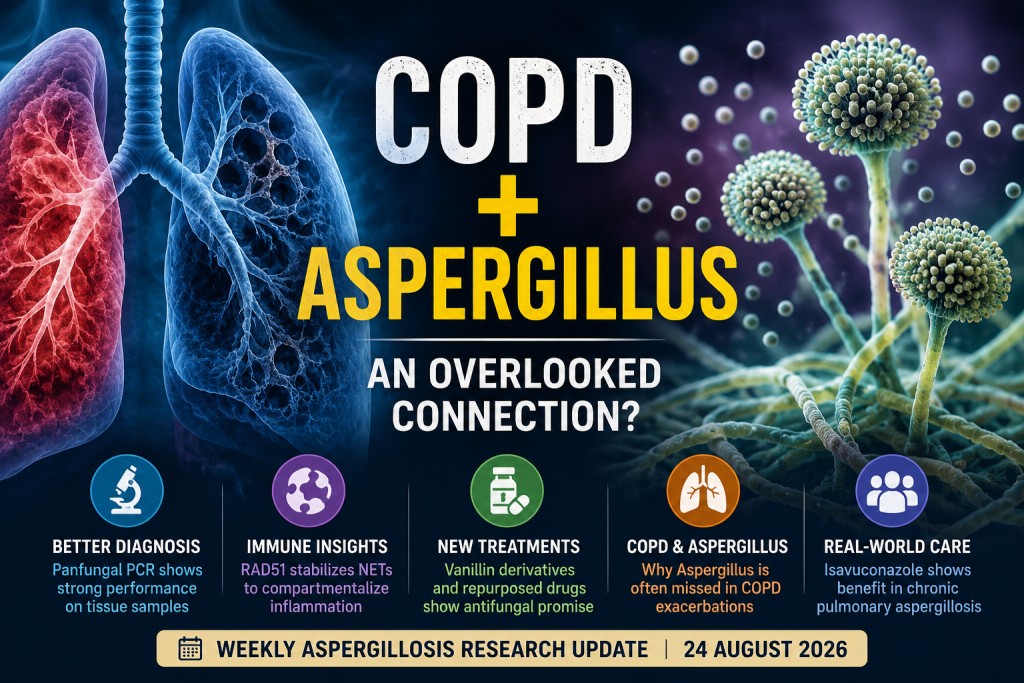
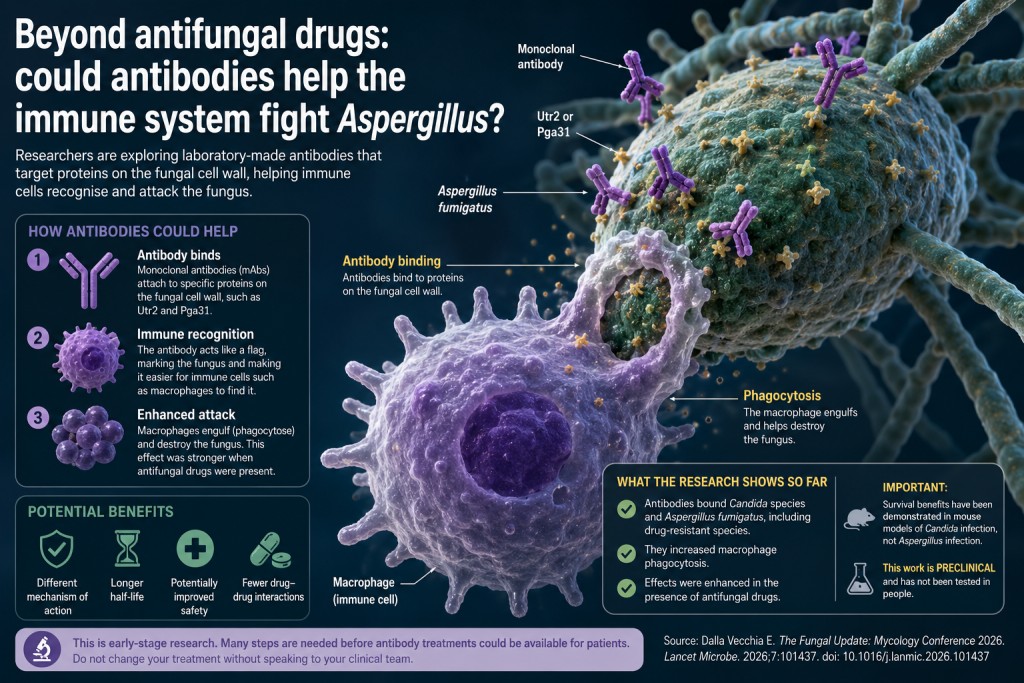
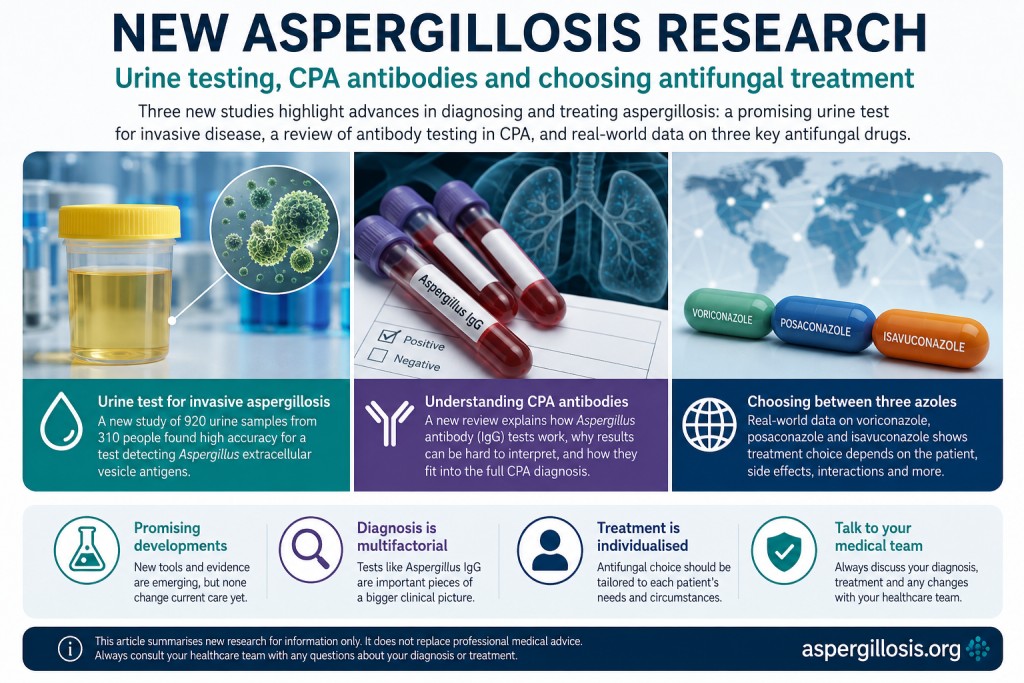
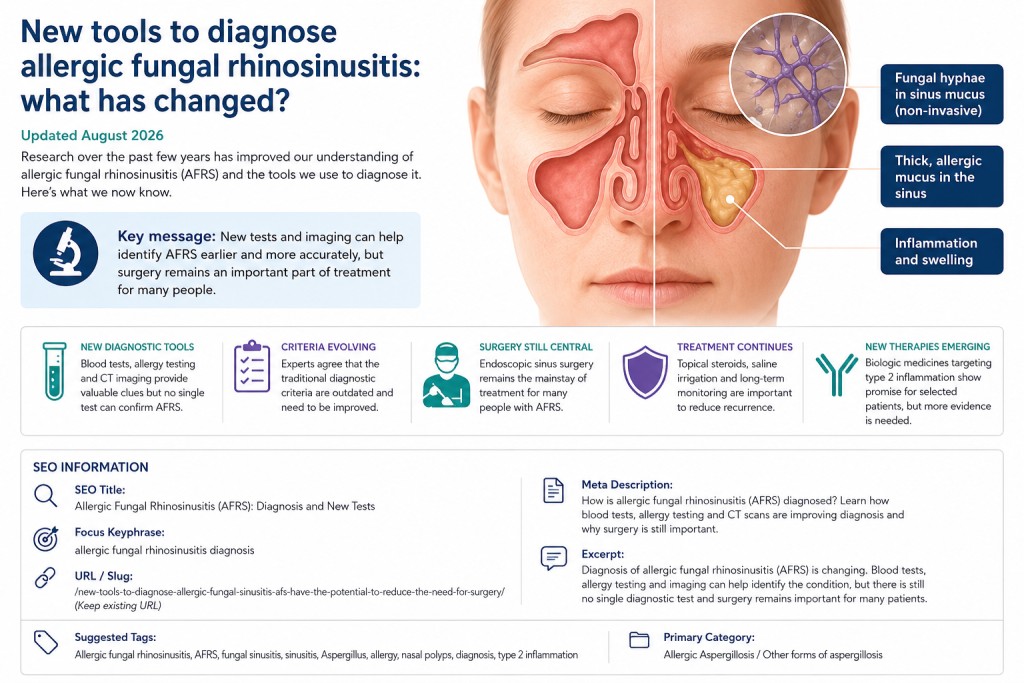
Epigenetics and Aspergillosis: Why Your Body Responds Differently – and What Future Treatments May Look Like
Last reviewed: April 2026
Audience: Patients, carers, GPs, specialist nurses
This article explains how the immune system, environment, and emerging research all connect. If helpful, you can explore each topic in more detail using the links throughout this page.
Key Points
- Epigenetics controls how your genes behave without changing your DNA sequence.
- It helps explain why people with similar lung disease develop different forms of aspergillosis.
- Both the human immune system and the fungus itself use epigenetic mechanisms.
- These processes influence inflammation, immune response, and treatment effectiveness.
- Future treatments may combine antifungals, biologics, and epigenetic approaches.
- There are currently no epigenetic therapies for aspergillosis in routine NHS care.
Table of Contents
- What is epigenetics?
- How epigenetics works (simple explanation)
- Why this matters in aspergillosis
- Different diseases, different immune patterns
- Damp, mould, and environmental exposure
- Why treatment works differently
- Biologics vs epigenetics
- What research is trying to do
- Epigenetics in Aspergillus itself
- What this means for the future
- Common questions
- When to seek medical advice
- References
What is epigenetics?
If you are new to aspergillosis, you may find it helpful to first read our overview of what aspergillosis is.
Epigenetics refers to changes in how your genes are used by your body, without changing the underlying DNA sequence.
You can think of your DNA as a library of instructions. Epigenetics controls:
- Which instructions are read
- When they are used
- How strongly they are activated
This allows your body to adapt to its environment—but it can also contribute to disease.
How epigenetics works (simple explanation)
There are three main mechanisms:
- DNA methylation – switches genes off
- Histone modification – controls how tightly DNA is packaged (affecting access to genes)
- MicroRNAs – fine-tune gene activity
These processes are now recognised as key regulators of immune and fungal biology
(Nie et al., 2018).
Why this matters in aspergillosis
Patients often ask:
“Why did I develop this when others didn’t?”
Epigenetics helps explain why similar exposures to Aspergillus can result in:
- Allergic disease
- Chronic infection
- No disease
This reflects differences in immune system “programming”.
Importantly, this programming is influenced by:
- Past infections
- Lung damage (e.g. COPD, TB)
- Environmental exposure
- Medications
Is the body “testing” responses before they become permanent?
It can sometimes feel as though the body is “trying out” different ways of responding to infection or environmental exposure.
This idea comes close to how epigenetics works—but it is important to understand it carefully.
A useful way to think about it
Epigenetics allows the body to rapidly adjust how genes behave in response to the environment. This can happen over days, months, or years, and may influence how the immune system reacts to fungi such as Aspergillus.
In this sense, epigenetics can be thought of as allowing the body to explore different “settings” of immune response—for example:
- A stronger allergic response (as seen in ABPA)
- A weaker or less effective response (as seen in CPA)
- A balanced response with minimal symptoms
What epigenetics does not do
It is important to be clear that the body is not deliberately “testing” changes in a planned way, and epigenetic changes are not directly converted into permanent genetic mutations.
Instead:
- Epigenetic changes are fast and flexible
- Genetic changes (mutations) occur slowly and randomly
- Natural selection acts over long timescales to favour traits that improve survival
How the two processes connect
Although separate, epigenetics and evolution can interact over time.
If a particular way of responding to infection is consistently helpful, individuals whose genes naturally produce a similar response may be more likely to thrive over generations.
This means:
- Epigenetics shapes how the body responds in the short term
- Evolution shapes which responses persist in the long term
Why this matters in aspergillosis
This helps explain why:
- Different people respond very differently to the same fungal exposure
- Symptoms can change over time
- Modern environments (such as damp housing or long-term steroid use) may produce responses that our immune systems were not originally adapted for
Can epigenetic changes be inherited?
Most epigenetic changes happen within a single lifetime and are not passed on to children. However, there is growing evidence that some epigenetic changes may persist or be transmitted across generations under certain conditions.
This is sometimes called transgenerational epigenetic inheritance.
For example, research suggests that:
- Environmental exposures (such as diet, stress, or infection) may leave lasting epigenetic marks
- Some of these marks may influence how genes behave in the next generation
- This effect is usually partial and not always predictable
In humans, this area is still being studied, and the extent to which epigenetic changes are inherited remains uncertain.
What this means in practice
It is important not to overinterpret this idea:
- Epigenetic inheritance is not a replacement for genetic inheritance
- Most traits and diseases are still determined by DNA and environment
- There is currently no evidence that conditions like aspergillosis are directly passed on through epigenetic changes
However, this research does suggest that environment and health may have longer-term effects than previously thought, potentially influencing future generations in subtle ways.
In simple terms:
Epigenetics allows the body to adapt quickly. Evolution determines what lasts.
Different diseases, different immune patterns
See also:
Allergic pattern (ABPA)
- Strong Th2 immune response
- High IgE and eosinophils
- Exaggerated reaction to fungal spores
Epigenetic changes may increase expression of cytokines such as IL-4, IL-5, and IL-13, driving allergic inflammation.
Chronic infection pattern (CPA)
- Reduced ability to clear fungus
- Persistent infection in damaged lung areas
- Chronic inflammation and tissue damage
Epigenetic changes may “lock in” ineffective immune responses.
Damp, mould, and environmental exposure
Long-term exposure to damp and mould is highly relevant.
It may:
- Alter airway cell behaviour
- Increase sensitivity to fungal spores
- Promote ongoing inflammation
These effects may persist through epigenetic changes, even after exposure is reduced.
See:
Why treatment works differently
Epigenetics may explain why patients respond differently to treatment.
- Some respond well to steroids
- Others develop resistance or side effects
- Biologic response varies between individuals
A key mechanism involves reduced activity of enzymes such as histone deacetylase 2 (HDAC2), which is important for steroid response.
See also: Why antibiotics do not always work
Biologics vs epigenetics
Biologics
- Target specific immune signals (e.g. IgE, IL-5)
- Fast and precise
- Widely used in severe asthma and ABPA
Epigenetics
- Acts at a deeper level
- Influences multiple pathways
- May create longer-lasting effects
Epigenetics is unlikely to replace biologics—it is more likely to enhance and personalise them.
What research is trying to do
1. Restoring steroid sensitivity
Research is exploring how to restore HDAC2 activity and improve steroid effectiveness.
2. Trained immunity (immune memory)
Immune cells can be “trained” by past exposures. This may lead to:
- Better defence
- Or harmful chronic inflammation
Scientists are studying how to reset this balance.
3. MicroRNA biomarkers
MicroRNAs may help predict:
- Disease severity
- Risk of relapse
- Treatment response
4. Metabolic and immune reprogramming
Immune cell metabolism is closely linked to epigenetic regulation. Modifying this may improve immune function.
Epigenetics in Aspergillus itself
The fungus is not passive—Aspergillus fumigatus also uses epigenetic control.
This influences:
- Virulence (how aggressive it is)
- Biofilm formation
- Resistance to antifungal drugs
Recent research shows that epigenetic regulators directly affect fungal interaction with the host
(Liu et al., 2026).
Other studies show control of toxin production and colonisation
(Hao et al., 2023).
What this means for the future
The most realistic model is layered care:
- Antifungals
- Steroids
- Biologics
- Environmental control
- Future epigenetic approaches
Epigenetics may:
- Improve treatment response
- Reduce relapse
- Enable personalised care
These approaches are still in development.
Common Questions
Can I change my epigenetics?
Not directly. However, reducing damp exposure and maintaining general health may support better immune regulation.
Are these treatments available?
No. They are still in research.
Why do my symptoms fluctuate?
Immune regulation changes over time. Epigenetics may contribute alongside infection and exposure.
Is this the next generation of treatment?
It is better seen as an additional layer that may improve existing treatments.
When to seek medical advice
- Worsening breathlessness
- Increased cough
- Chest pain
- Weight loss
- Sudden symptom changes
This article is for education and does not replace clinical advice.
References
- Liu H et al. (2026)
- Nie X et al. (2018)
- Hao L et al. (2023)
- BTS Clinical Statement
- ISHAM Guidelines
Weekly Aspergillosis Research Update (7–11 April 2026)
Last reviewed: April 2026
Audience: Patients, carers, GPs, specialist nurses, and healthcare professionals
Key Points (Summary)
- Invasive pulmonary aspergillosis (IPA) can closely mimic other serious infections, including miliary tuberculosis, particularly in highly immunocompromised patients.
- Metagenomic next-generation sequencing (mNGS) is emerging as a valuable diagnostic tool in complex or unclear cases, though it is not yet widely available.
- Bruton tyrosine kinase (BTK) inhibitors are associated with a measurable risk of invasive fungal infections, with aspergillosis the most frequently reported.
- Host genetics (e.g. toll-like receptor variants) may influence susceptibility to invasive fungal disease, but this is not yet used clinically.
- Azole antifungal drugs remain high-risk for drug–drug interactions, particularly in patients receiving cancer therapies.
- Basic science research continues to identify new fungal targets and pathways, which may inform future treatments.
Contents
- Diagnosis and difficult cases
- Treatment-related risk and immunosuppression
- Genetics and susceptibility
- Asthma and Aspergillus sensitisation
- Drug interactions
- Emerging research and future treatments
- What this means for patients
- When to seek medical advice
Diagnosis and difficult cases
When aspergillosis looks like something else
A case report
(Ji H et al., 2026 – full text)
describes a patient with acute leukaemia who developed widespread “miliary” lung nodules—an imaging pattern classically associated with tuberculosis.
Despite this, the final diagnosis was invasive pulmonary aspergillosis (IPA).
Clinical interpretation
- Radiological appearances in immunocompromised patients can be non-specific.
- Aspergillosis may present without classic features such as halo signs or cavitation.
- Coinfection (e.g. TB + fungal disease) can further complicate interpretation.
This reinforces an important principle in clinical practice: lack of response to treatment should prompt reconsideration of the diagnosis.
The emerging role of mNGS
In this case, metagenomic next-generation sequencing (mNGS) helped establish the diagnosis by detecting fungal DNA directly from clinical samples.
Strengths of mNGS
- Broad pathogen detection (fungi, bacteria, viruses)
- Useful in culture-negative infections
- Can identify unexpected pathogens
Current limitations
- Limited availability outside specialist centres
- Cost and turnaround time
- Interpretation challenges (distinguishing infection from colonisation)
Bottom line: mNGS is promising, but currently complements rather than replaces standard diagnostics (culture, PCR, antigen testing).
Treatment-related risk and immunosuppression
BTK inhibitors and invasive fungal infection
A systematic review and meta-analysis
(PMID: 41954633)
including over 23,000 patients found that:
- Aspergillosis was the most commonly reported invasive fungal infection
- Central nervous system involvement was reported in a subset
Why BTK inhibitors increase risk
- They impair B-cell signalling
- They affect macrophage and neutrophil function
- This reduces the body’s ability to control fungal spores
Clinical implications
- Risk stratification is important
- Some patients may require antifungal prophylaxis
- Early recognition of symptoms is critical
This aligns with increasing recognition that modern targeted therapies can have unintended immunological effects.
Genetics and susceptibility
The role of innate immunity
A systematic review
(PMID: 41962654)
examined toll-like receptor (TLR) polymorphisms and fungal infection risk.
TLRs are part of the innate immune system and are responsible for recognising fungal components such as:
- β-glucans
- Cell wall proteins
Key insight
- Certain genetic variants were more frequently reported in patients with invasive aspergillosis
Important context:
- This does not yet translate into routine testing
- It may become relevant in the future for personalised risk prediction
Asthma and Aspergillus sensitisation
A 12-week prospective study
(PMID: 41949214)
found that:
- ~29% of asthma patients were sensitised to Aspergillus fumigatus
- No significant short-term differences in outcomes were seen compared to non-sensitised patients
Interpretation
- Sensitisation alone does not necessarily indicate active disease
- Clinical context remains critical
Important distinction:
- Sensitisation = immune response to Aspergillus
- ABPA (Allergic Bronchopulmonary Aspergillosis) = a specific inflammatory disease requiring treatment
Drug interactions
Itraconazole and erlotinib interaction
A case report
(PMID: 41953502)
demonstrated increased exposure to erlotinib when co-administered with itraconazole.
Mechanism
- Itraconazole inhibits CYP3A4
- This reduces drug metabolism
- Drug levels rise, increasing risk of toxicity
Clinical message
- Always review medications when starting antifungals
- Particular caution is needed in cancer, transplant, and multi-morbid patients
Useful tool:
Antifungal Interactions Checker
Emerging research and future treatments
Epigenetic regulation in Aspergillus fumigatus
A study
(PMID: 41928566)
identified the role of HosA in regulating fungal growth and virulence.
This type of work helps identify:
- Potential drug targets
- Mechanisms of antifungal resistance
New experimental antifungal compounds
A review
(Full text (PMC))
discusses sodium new houttuyfonate (SNH), which has shown activity in animal models of invasive aspergillosis.
Important caution:
- This is early-stage research
- It is not available as a treatment
What this means for patients
- Aspergillosis can sometimes be difficult to diagnose, especially if symptoms overlap with other conditions.
- If treatment is not working, your medical team may need to review or repeat tests.
- Some medications (especially for cancer or immune conditions) can increase risk of fungal infection.
- Antifungal medications are effective but require careful monitoring for interactions.
- New research is promising, but most advances take time to reach routine care.
When to seek medical advice
Seek medical attention urgently if you have:
- Worsening breathlessness
- Persistent fever
- Coughing up blood
- New chest pain
- Symptoms not improving with treatment
If you are immunocompromised, symptoms may progress quickly and should be assessed promptly.
References
- Ji H et al. Front Fungal Biol, 2026
- Srisurapanont K et al. Blood Adv, 2026
- Pereira Staiger MF et al. Clin Microbiol Infect, 2026
- Yokota H et al. Case Rep Oncol Med, 2026
- Chauhan NK et al. Monaldi Arch Chest Dis, 2026
- Zhou Z et al. Virulence, 2026
- Fang L et al. Front Pharmacol, 2026
Author & Review
This article is part of the Aspergillosis.org weekly research update series. It is intended for general educational purposes and reflects a structured summary of recent research.
Disclaimer: This content is not a substitute for medical advice. Always consult your healthcare team for individual care decisions.
Help shape the future of aspergillosis care across Uk & Europe
“Can patients do more than just cope with this condition?”
The answer is yes.
The European Lung Foundation (ELF)
and its
Aspergillosis Patient Advisory Group (PAG)
give patients and carers a chance to contribute to something bigger: better awareness, better information, better research, and better care.
What is ELF?
ELF is a Europe-wide organisation that brings patients, carers, healthcare professionals and researchers together to improve lung health information, treatment and care.
One of ELF’s strongest advantages is that it works across Europe, not just in one country. It also makes key information available in several languages, helping more people access reliable information about lung conditions, including aspergillosis.
You can read ELF’s patient information on aspergillosis here:
Aspergillosis – European Lung Foundation.
What is the Aspergillosis Patient Advisory Group?
The Aspergillosis PAG is part of ELF’s wider network of
Patient Advisory Groups.
These groups bring together people with experience of specific lung conditions, or experience as carers, so that patient views can help improve treatment and healthcare.
The Aspergillosis PAG works to raise awareness of aspergillosis and improve diagnosis, treatment and care. It also works alongside healthcare professionals and researchers involved in the Chronic Pulmonary Aspergillosis Network (CPAnet), helping identify research priorities and information gaps for both patients and professionals.
Why does this matter?
Aspergillosis is still not well understood in many places. Diagnosis can be delayed, information can be hard to find, and patients often feel that few people truly understand what living with the condition is like.
By involving patients and carers directly, ELF helps ensure that real-life experience is not left out of the conversation. This can influence education, awareness work, research priorities and wider discussions about care across Europe.
What is in it for the patient or carer?
This is an important question, because volunteering your time and energy is a big ask, especially when you are already managing illness, fatigue, appointments, uncertainty or caring responsibilities.
So it is only fair to be clear and honest about what people may gain from taking part.
1. A chance to make your experience count
Many people with aspergillosis have learned difficult lessons the hard way. Getting involved gives you a chance to turn that experience into something useful — helping improve information, shape priorities and make life a little easier for future patients.
2. Better understanding and confidence
Being involved can help you better understand how research, awareness work and patient representation operate. Some people find that this gives them more confidence when speaking about their condition and navigating their own care.
3. Connection beyond your local area
Because ELF is Europe-wide, patients are not limited to the perspective of one hospital, one region or one country. For people living with a relatively uncommon condition, that wider connection can feel valuable and reassuring.
4. The opportunity to be heard
Many patients are used to feeling overlooked. PAGs are designed so that patient and carer perspectives are actively included in projects and discussions, rather than being an afterthought.
5. A sense of purpose
Some people find that involvement helps them move from simply living with a difficult condition to doing something constructive with that experience. It will not suit everyone, but for some it can be meaningful.
6. Support and training
ELF says it provides support, guidance and training to help people share their perspective and get involved in projects. It also encourages interested patients and carers to use its free online European Patient Ambassador Programme (EPAP), which introduces the skills and knowledge needed to represent yourself and others effectively.
What it is not
It is also important to be realistic.
- It is not medical care.
- It does not replace your doctor, nurse or specialist team.
- It is not a route to faster treatment.
- It is not a paid role.
ELF states that PAG involvement is voluntary and that it is unable to pay for people’s time.
Who can join?
ELF says most PAGs are open to new members from European countries. In general, people are invited to get involved if they are over 18, have experience as a patient or carer, live in a European country, can communicate in English, are interested in improving healthcare and treatment across Europe, and are willing to share their perspective.
That said, this should not feel like an all-or-nothing commitment. Not everyone can give a lot of time, and health can change. Even modest involvement can still be worthwhile.
Why mention this to our groups?
Many people in aspergillosis support communities have exactly the kind of insight that is valuable here: the reality of diagnosis, treatment, daily management, side effects, uncertainty, isolation, and learning how to cope.
Those experiences matter. They can help improve what is researched, what is explained, and how future patients are supported.
Interested?
You can explore more here:
- ELF information on aspergillosis
- ELF Patient Advisory Groups
- ELF Aspergillosis Patient Advisory Group
You do not need to be an expert. You do not need to be highly confident. You do not need to commit to everything.
But if you have lived with aspergillosis, or cared for someone who has, your experience may be more valuable than you think.
In short: this is a voluntary opportunity to help improve understanding, research and care for aspergillosis across Europe, while connecting with a wider patient community and making sure lived experience is heard.
Cystic Fibrosis, CFTR Gene Variants, and Aspergillosis
Last reviewed: 8 April 2026
Some people with aspergillosis are told they have cystic fibrosis (CF), or that they carry a CFTR gene variant. This can be unexpected and may raise concerns about whether this explains their symptoms or diagnosis.
This article explains how cystic fibrosis and CFTR gene variants relate to Aspergillus-related lung disease, what current research shows, and—importantly—what conclusions should not be drawn.
Contents
- Key points
- Important reassurance
- What is cystic fibrosis?
- What is a CFTR gene variant?
- How CFTR affects the lungs
- How Aspergillus behaves in the lungs
- ABPA and cystic fibrosis
- CPA and cystic fibrosis
- Modern CF treatments and Aspergillus
- Does a CFTR variant explain symptoms?
- What should patients take from this?
- When to seek medical advice
- Conclusion
- References
Key points
- Most people with aspergillosis do not have cystic fibrosis.
- Most people with cystic fibrosis do not develop ABPA or CPA.
- ABPA is linked to mucus and immune responses, not just infection.
- CFTR variants may contribute to risk in some people, but are usually only one factor.
- CPA is mainly driven by structural lung damage, not CFTR genetics.
Important reassurance
Most people with aspergillosis do not have cystic fibrosis, and most people with cystic fibrosis do not develop Aspergillus-related disease.
Although these conditions can overlap, they are usually separate. Genetic findings such as CFTR variants should be interpreted carefully and in context.
What is cystic fibrosis?
Cystic fibrosis is a genetic condition caused by changes in the CFTR gene. This gene regulates salt and water movement across cells.
When CFTR function is reduced:
- mucus becomes thick and sticky
- airways are harder to clear
- microorganisms persist more easily
This creates an environment where bacteria and fungi can accumulate over time.
What is a CFTR gene variant?
CFTR variants range from severe mutations (causing cystic fibrosis) to mild or uncertain variants.
Carriers (with one variant):
- are common in the general population
- usually have no symptoms
- may have subtle effects in some cases
These subtle effects may include reduced mucus clearance or increased susceptibility to airway inflammation.
How CFTR affects the lungs
CFTR dysfunction affects the lungs in several key ways:
- Mucus dehydration: mucus becomes thick and difficult to clear
- Impaired clearance: particles and microbes remain in the airways
- Chronic inflammation: immune responses become exaggerated
This combination creates a “retention environment” where inhaled organisms—including Aspergillus—may persist.
How Aspergillus behaves in the lungs
Aspergillus is inhaled by everyone, but its effects vary depending on the lung environment.
- Healthy lungs: spores are cleared
- Impaired clearance: spores may persist
- Sensitive immune system: allergic reactions may develop
- Damaged lungs: chronic infection may develop
This explains why Aspergillus-related disease is diverse and depends heavily on underlying lung conditions.
ABPA and cystic fibrosis
ABPA is an allergic immune reaction to Aspergillus.
It is recognised in cystic fibrosis because:
- mucus retention increases exposure to Aspergillus
- immune responses can be exaggerated
However:
- Many CF patients never develop ABPA
- Most ABPA patients do not have CF
Some studies suggest CFTR variants may increase susceptibility, but this is not consistent across all research.
Key message: ABPA and CF can overlap, but one does not imply the other.
CPA and cystic fibrosis
CPA is a chronic fungal infection that develops in structurally damaged lungs.
The most important risk factor is:
pre-existing lung damage
This includes:
- bronchiectasis
- previous tuberculosis
- COPD
Cystic fibrosis can lead to bronchiectasis, and therefore indirectly increase CPA risk.
However:
- CPA is rarely driven directly by CFTR genetics
- most CPA patients do not have CF
Key message: CPA is primarily a disease of lung structure, not genetics.
Modern CF treatments and Aspergillus
CFTR modulators (such as elexacaftor/tezacaftor/ivacaftor) have transformed CF care.
They:
- improve CFTR function
- thin mucus
- improve clearance
Studies suggest:
- reduced Aspergillus detection in some patients
- fewer ABPA exacerbations in some cases
However:
- ABPA still occurs
- existing lung damage remains
- immune responses are not fully corrected
Overall: these therapies improve risk but do not eliminate Aspergillus-related disease.
Does a CFTR variant explain symptoms?
No single factor explains complex lung disease.
Symptoms may result from:
- underlying lung disease
- infection
- inflammation
- environmental exposure
A CFTR variant may contribute, but is rarely the sole cause.
What should patients take from this?
- CF and CFTR variants can sometimes contribute
- ABPA has the strongest connection
- CPA is mainly driven by lung damage
- Most patients with aspergillosis do not have CF
When to seek medical advice
Seek advice if symptoms worsen, change, or include coughing up blood, fever, or chest pain.
Conclusion
Cystic fibrosis and CFTR gene variants can play a role in some patients with Aspergillus-related lung disease, particularly where mucus clearance is affected. However, they should not be overemphasised. In most cases, they are just one part of a broader clinical picture involving lung structure, immune response, and environmental exposure.
References
- Miller PW et al. (1996)
- Marchand E et al. (2001)
- Eaton TE et al. (2002)
- Agarwal R et al. (2012)
- Chaudhary N et al. (2012)
- Warris A et al. (2019)
- Gamaletsou MN et al. (2018)
- Kosmidis C & Denning DW (2015)
- Moldoveanu B et al. (2021)
- Malik HS et al. (2025)
- Zeng C et al. (2025)
- Bendixen MP et al. (2025)
This article is for general information and does not replace advice from your clinical team.
Weekly Aspergillosis Research Update: 31 March – 7 April 2026
This week’s research reinforces several consistent themes in aspergillosis: ongoing diagnostic confusion (particularly with tuberculosis and cancer), increasing movement toward precision medicine, and continued development of both antifungal therapies and biomarkers. There is also a growing emphasis on host-pathogen interactions rather than fungal burden alone.
Key Highlights
- Isavuconazole levels can become unexpectedly high due to genetics and drug interactions.
- Chronic pulmonary aspergillosis (CPA) can mimic lung cancer, risking delayed diagnosis.
- New biomarker (EDN) for ABPA shows promise for diagnosis and monitoring.
- Azole resistance research highlights differences between Aspergillus species.
- New antifungal approaches emerging (olorofim, nitroxoline).
- Host response is central – fibroblasts and immune pathways actively influence disease.
- TB vs aspergillosis confusion persists in real-world settings.
Contents
- Clinical & Diagnostic Studies
- Treatment & Pharmacology
- Biology, Immunology & Resistance
- Biomarkers & Diagnostics
- Wider Context
Clinical & Diagnostic Studies
CPA mistaken for lung cancer
Paper: PubMed
A case report describes chronic pulmonary aspergillosis presenting as suspected lung malignancy in a patient with asthma and ABPA overlap.
Why this matters: CPA continues to be misdiagnosed due to tumour-like imaging appearances. This reinforces the need to consider fungal disease in patients with underlying lung conditions.
Invasive sinus aspergillosis causing bone destruction
Paper: Free full text
Granulomatous invasive aspergillosis led to facial bone destruction and neurological symptoms.
Why this matters: Delayed diagnosis of invasive disease can lead to severe structural damage. Early imaging and specialist input are critical.
Aspergillus infection in suspected TB patients
Paper: PubMed
Study shows overlap between tuberculosis and aspergillosis in symptomatic patients.
Why this matters: Persistent global issue—shared symptoms delay correct diagnosis and treatment, particularly relevant for CPA pathways.
Invasive aspergillosis in critical illness
Paper: PubMed
Case of invasive pulmonary aspergillosis in a patient with severe viral illness.
Why this matters: Reinforces that aspergillosis is not limited to traditional risk groups and can complicate severe systemic illness.
Treatment & Pharmacology
Isavuconazole toxicity linked to genetics
Paper: Free full text
Case report of supratherapeutic isavuconazole levels linked to CYP3A5 genotype and interacting medications.
Why this matters: Even “predictable” antifungals show variability. Supports therapeutic drug monitoring and future personalised dosing approaches.
Olorofim pharmacokinetics
Paper: PubMed
Study demonstrates tissue distribution of olorofim in preclinical models.
Why this matters: Supports ongoing development of a key next-generation antifungal, particularly for resistant disease.
Nitroxoline shows antifungal activity
Paper: PubMed
Repurposed drug demonstrates activity against Aspergillus via copper disruption and oxidative stress.
Why this matters: Highlights potential for non-azole antifungal strategies in future treatment.
Biology, Immunology & Resistance
Azole resistance and Aspergillus genomics
Paper: PubMed
Genomic study of Aspergillus section Fumigati explores resistance mechanisms and pathogenicity.
Why this matters: Different species may respond differently to antifungals—accurate identification is increasingly important.
Fibroblasts actively support lung defence
Paper: PubMed
Study shows fibroblasts contribute to immune defence and tissue repair during infection.
Why this matters: Disease outcomes depend on host response, not just fungal burden—important for future therapies.
Immune pathway targeting in fungal keratitis
Paper: PubMed
PIM1 inhibition reduces inflammation via STING pathway signalling.
Why this matters: Supports growing interest in targeting immune pathways alongside antifungal therapy.
Biomarkers & Diagnostics
Eosinophil-derived neurotoxin (EDN) in ABPA
Paper: PubMed
EDN proposed as a biomarker for allergic bronchopulmonary aspergillosis.
Why this matters: Could improve diagnosis and monitoring, helping distinguish ABPA from asthma or sensitisation alone.
Commentary on ISHAM ABPA guidelines
Paper: PubMed
Discussion of updated international guidance on ABPA diagnosis and management.
Why this matters: Highlights ongoing refinement of diagnostic criteria and classification systems.
Wider Context
Fungal extracellular vesicles
Paper: PubMed
Review of fungal vesicles in pathogenesis and host interaction.
Why this matters: Emerging area that may influence future diagnostics and therapies.
Aspergillosis in broader disease settings
Why this matters: Aspergillosis continues to appear across a wide range of conditions, particularly in critically ill or immunocompromised patients.
Overall Interpretation
This week’s literature reinforces several strategic priorities:
- Earlier and more accurate diagnosis remains essential, particularly in distinguishing CPA from TB and cancer.
- Precision medicine is advancing, with growing roles for pharmacogenomics, drug monitoring, and species-level identification.
- New antifungal options are progressing, but remain largely in development.
- Host response is increasingly recognised as central to disease progression and outcomes.
Overall, the field continues to move toward more personalised, biology-driven approaches to diagnosis and management.
Aspergillosis Research Update: Week Ending: 30 March 2026
Contents
- Key highlights
- 1. Influenza-associated pulmonary aspergillosis (IAPA)
- 2. Aspergillus colonisation in bronchiectasis
- 3. Immune recognition and vaccine development
- 4. Drug repurposing: antiretrovirals and antifungals
- 5. Co-infection in immunocompromised patients
- 6. COVID-19 and CAPA risk
- 7. Paediatric invasive fungal disease trends
- 8. Plastic bronchitis and Aspergillus (contextual)
- 9. Veterinary aspergillosis
- Overall themes this week
- What this means for patients
Key highlights
- Increasing clarity on influenza-associated pulmonary aspergillosis (IAPA) and ongoing uncertainty around prophylaxis
- New insights into immune recognition of Aspergillus relevant to vaccine development
- Evidence that persistent Aspergillus colonisation may worsen bronchiectasis outcomes
- Early-stage research into drug repurposing strategies
- Continued reports of complex co-infections in immunocompromised patients
Paper summaries
Incidence and outcomes of influenza-associated pulmonary aspergillosis and the role of antifungal prophylaxis: a structured literature review
Sedik S, Felber D, Schellongowski P, Salzer HJF, Bellmann R, Muhr T, Auer J, Krippl P, Lux M, Zajic P, Werner M, Bauer N, Watzinger N, Mesaric G, Tinawi Y, Dichtl K, Wolfgruber S, Biswas S, Prattes J, [...] Hoenigl M
Critical Care, 26 March 2026
PMID: 41888868
Summary
This structured review examines how often influenza-associated pulmonary aspergillosis occurs, the outcomes associated with it, and whether antifungal prophylaxis has a role in prevention.
Key points
- IAPA remains a serious complication of influenza in critically ill patients.
- Mortality appears high, particularly in patients requiring intensive respiratory support.
- The evidence for antifungal prophylaxis remains inconclusive.
- Diagnostic uncertainty continues, especially when trying to distinguish colonisation from invasive disease.
Relevance
This is important because it mirrors concerns seen with COVID-19-associated pulmonary aspergillosis and underlines the need for clearer ICU diagnostic and prevention pathways.
Effect of transient versus persistent Aspergillus colonisation on clinical outcomes in bronchiectasis
Michaud A, Jarand J, Thornton CS
ERJ Open Research, 23 March 2026
PMID: 41878279
Summary
This study looks at whether transient and persistent Aspergillus colonisation have different effects on people with bronchiectasis.
Key points
- Persistent colonisation was associated with worse respiratory outcomes.
- Patients with persistent colonisation appeared to have more symptoms and exacerbations.
- Transient colonisation seemed less clinically important.
- The findings sit outside Allergic Bronchopulmonary Aspergillosis (ABPA), which makes them especially interesting.
Relevance
This is one of the most clinically relevant papers this week for chronic lung disease. It suggests Aspergillus in sputum may not always be an incidental finding, especially if it is repeatedly present.
α-1,3-Glucan-Driven Remodeling of the Conidial Cell Wall in an Aspergillus fumigatus Vaccine Strain Alters Innate Immune Recognition
Singh K, Ankur A, Yarava JR, Fernandes CM, Vascelli G, Sulla A, Zelante T, Del Poeta M, Wang T
Journal of the American Chemical Society, 26 March 2026
PMID: 41883285
Summary
This experimental paper explores how changes in the Aspergillus fumigatus conidial cell wall alter how the innate immune system detects the fungus.
Key points
- Changes in α-1,3-glucan altered the structure of the fungal cell wall.
- That remodelling changed how the fungus was recognised by innate immune pathways.
- The work may help inform future vaccine design or immune-targeted therapies.
Relevance
This is early-stage science rather than immediately practice-changing work, but it improves understanding of how Aspergillus may evade immune recognition and how future preventive strategies could be designed.
Synergistic antifungal activity of antiretrovirals with amphotericin B against Aspergillus species
Khan AA, Salama EA, Seleem MN
PLOS One, 25 March 2026
PMID: 41880294
Summary
This laboratory study investigates whether antiretroviral drugs can enhance the antifungal activity of amphotericin B against Aspergillus species.
Key points
- Some antiretrovirals showed synergistic activity with amphotericin B.
- The combination improved inhibition of hyphal growth.
- This raises the possibility of drug repurposing in invasive aspergillosis.
Relevance
This is interesting as a proof-of-concept study. It is not ready for clinical use, but it points toward possible future combination strategies, especially where resistance or toxicity limits current treatment options.
Coexistence of pulmonary aspergillosis and cryptococcosis following treatment for SARS-CoV-2 infection in a kidney transplant recipient: a rare case report and literature review
Hu C, Ying L, Zhan Y, Wang J, Ye J, Lu J, Jin H, Tan X, Gu L, Yao Y, Jiang N
BMC Nephrology, 23 March 2026
PMID: 41872830
Summary
This case report describes a kidney transplant recipient who developed both pulmonary aspergillosis and cryptococcosis after SARS-CoV-2 infection.
Key points
- Demonstrates the potential for multiple opportunistic fungal infections in highly immunosuppressed patients.
- Shows how diagnosis can become particularly complex when symptoms and imaging overlap.
- Reinforces the need for a broad differential diagnosis in transplant recipients and similar high-risk groups.
Relevance
Although a single case, it is a useful reminder that fungal infection in immunocompromised patients may not always be limited to one pathogen, particularly after severe viral infection or intense immunosuppression.
Severe COVID-19 in the Republic of Korea: Epidemiology, Risk Factors, Therapeutics, and Prognostic Models From Nationwide Data
Choi JY
Journal of Korean Medical Science, 23 March 2026
PMID: 41873446
Summary
This review of nationwide Korean data includes discussion of severe COVID-19 complications, including COVID-19-associated pulmonary aspergillosis.
Key points
- There was a trend toward increased COVID-19-associated pulmonary aspergillosis (CAPA).
- Risk appeared higher in patients needing the most advanced respiratory support, including ECMO.
Relevance
This reinforces the continuing importance of CAPA internationally and supports ongoing vigilance in critical care settings, especially where viral lung injury and immunomodulatory treatment intersect.
Temporal Trends and Clinical Outcomes of Pediatric Invasive Fungal Diseases: A Ten-Year Retrospective Study from a Tertiary-Care Center in Thailand
Niyomthammarat C, Meesilpavikkai K, Chintanapakdee W, Sophonphan J, Anugualruengkitt S, Puthanakit T, Jantarabenjakul W
Research Square, 23 March 2026
Status: Preprint v1
Summary
This ten-year retrospective study of paediatric invasive fungal disease includes a substantial number of invasive aspergillosis episodes.
Key points
- Invasive aspergillosis was one of the major fungal disease categories identified.
- Outcomes varied according to underlying condition and likely also the speed of diagnosis and treatment.
Relevance
This paper does not currently have a PubMed listing because it is a preprint rather than a final indexed journal paper, but it still offers useful background on paediatric invasive fungal disease burden.
Initial presentation, etiology and risk factors for adverse outcomes in infection-associated plastic bronchitis in children
Cao H, Liang D, Huang H, He Q, Wu L
Frontiers in Pediatrics, 28 March 2026
PMCID: PMC13021623
Summary
This retrospective paediatric study is not primarily an aspergillosis paper, but it mentions allergic bronchopulmonary aspergillosis among conditions relevant to plastic bronchitis.
Key points
- ABPA appears as part of the broader differential diagnosis in children with this presentation.
- The study mainly concerns airway obstruction and risk factors for poor outcome rather than aspergillosis itself.
Relevance
This has limited direct relevance to most aspergillosis readers, but it is a useful contextual reminder that Aspergillus-related disease can form part of wider airway pathology discussions.
Note: I have not added a PubMed link here because no PMID was supplied. If you want, I can convert this heading to a Europe PMC or PMC link instead.
Aspergillus deflectus-associated disseminated invasive aspergillosis in a German Shepherd dog with discospondylitis: first isolation in Europe
Gernone F, Uva A, Aresu L, Bonfanti U, Ricciardi M, Miglianti M, Barrs VR
Veterinary Research Communications, 25 March 2026
PMID: 41880044
Summary
This veterinary case report documents disseminated invasive aspergillosis caused by Aspergillus deflectus in a German Shepherd dog, reported as the first isolation in Europe.
Key points
- Expands awareness of the range of Aspergillus species capable of causing invasive disease.
- Shows how invasive aspergillosis can present as a disseminated multisystem infection.
Relevance
This is not directly about human disease, but it contributes to the wider ecological and pathogenic picture of Aspergillus species.
Overall themes this week
- Colonisation versus disease remains a major question.
Persistent Aspergillus colonisation may be clinically important in bronchiectasis and should not automatically be dismissed. - Severe viral infection remains a major trigger for invasive aspergillosis.
Both influenza and COVID-19 continue to feature strongly in the literature. - Innovation is active but mostly early-stage.
Vaccine science, immune recognition work, and drug repurposing studies are all progressing, but none are ready to change routine care yet. - Complex patients are at risk of complex fungal disease.
Transplant recipients and critically ill patients remain especially vulnerable to difficult-to-diagnose opportunistic infections.
What this means for patients
- Finding Aspergillus repeatedly in samples may sometimes matter more than a single isolated result.
- Severe viral illness can increase the risk of serious fungal complications in some people.
- Researchers are exploring better ways to prevent and treat aspergillosis, but most of these approaches are still under investigation.
- People with weakened immune systems remain at greatest risk of invasive disease.
How Inflammation in One Part of the Body Can Affect the Rest of the Body
Last reviewed: 24 March 2026
Audience: Patients, families, and non-specialist clinicians
Author: Aspergillosis.org editorial team
Many people think of inflammation as something that stays in one place: a painful joint, an inflamed lung, an irritated sinus, or a bowel flare. In reality, inflammation is often a whole-body process. Signals released at one site can travel through the blood, nervous system, and immune system, influencing other organs and changing how the body feels and functions overall.
This helps explain why a local health problem can sometimes lead to symptoms that seem much broader, such as fatigue, poor concentration, low mood, loss of appetite, aches, disturbed sleep, or worsening of other long-term conditions.
Key points
- Inflammation is not always confined to one organ or body part.
- Inflamed tissues release chemical messengers that can circulate throughout the body.
- The brain, heart, kidneys, liver, gut, lungs, and immune system all communicate with one another.
- This “cross-talk” can be helpful in short-term illness, but harmful when inflammation becomes prolonged.
- Ongoing inflammation is linked with fatigue, brain fog, low mood, cardiovascular strain, and worsening of other chronic diseases.
Table of contents
- What is inflammation?
- Why inflammation does not always stay local
- How the body communicates during inflammation
- Common whole-body effects of inflammation
- Why this matters in lung disease and aspergillosis
- Acute inflammation versus chronic inflammation
- What can help?
- When to seek medical advice
- Common questions
- References
What is inflammation?
Inflammation is part of the body’s defence system. It is one of the ways the immune system responds to infection, injury, irritation, allergens, or tissue damage. In the short term, inflammation is often helpful. It can help the body fight infection, clear damaged tissue, and begin repair.
But inflammation can also become too strong, too prolonged, or poorly controlled. When that happens, the effects may no longer stay limited to the original problem area.
Why inflammation does not always stay local
When tissue becomes inflamed, immune cells release small signalling proteins called cytokines and other inflammatory mediators. These act like chemical messages. Some stay nearby, but many enter the bloodstream and influence distant organs.
This is why inflammation in one part of the body can sometimes cause:
- tiredness or exhaustion
- feeling unwell or “washed out”
- poor concentration or “brain fog”
- worsening appetite
- sleep disruption
- higher strain on the heart or kidneys
- worsening of other inflammatory conditions
Researchers increasingly describe this as systemic inflammation or organ cross-talk. In other words, organs do not operate in isolation. They are part of an interconnected network.
How the body communicates during inflammation
1. Chemical messengers in the blood
Inflamed tissues can release cytokines such as interleukin-6 (IL-6), interleukin-1 beta (IL-1β), and tumour necrosis factor alpha (TNF-α). These may affect blood vessels, metabolism, the brain, the heart, and other immune cells.
These signals are useful during short-term illness, but if they remain elevated they may contribute to chronic symptoms and long-term health effects.
2. Organ-to-organ immune cross-talk
Modern immunology shows that the gut, liver, lungs, brain, heart, kidneys, and bone marrow can influence one another through immune signalling. A problem in one organ may therefore alter immune behaviour somewhere else.
This can be protective, but it can also become part of a vicious circle, especially in chronic disease.
3. Nerve signalling between the body and brain
Inflammation is not communicated only by blood. The nervous system also plays a role. Signals from inflamed tissues can travel through nerves, including the vagus nerve, to the brain. The brain then responds by adjusting immune activity and body-wide stress responses.
This helps explain why inflammation can affect fatigue, mood, motivation, sleep, and mental clarity.
4. Stress, hormones, and metabolism
Inflammation also interacts with the body’s hormonal and metabolic systems. This can influence energy use, blood sugar regulation, muscle strength, and appetite. Over time, chronic inflammation may put extra strain on the cardiovascular and kidney systems.
Common whole-body effects of inflammation
Fatigue
One of the most common effects of inflammation is fatigue. This is not simply feeling sleepy. It can be a profound lack of physical and mental energy. Many chronic inflammatory illnesses are associated with this kind of exhaustion.
Brain fog and mood changes
Inflammatory signals can affect the brain, contributing to reduced concentration, slowed thinking, low motivation, anxiety, or low mood. This does not mean symptoms are “all in the mind”. It means that immune activity can influence brain function.
Heart and blood vessel effects
Inflammation can make blood vessels less healthy over time and may contribute to a higher cardiovascular risk. This is one reason why long-standing inflammatory diseases are often linked to heart and circulatory problems.
Kidney effects
The kidneys are sensitive to inflammatory stress. In some conditions, long-term systemic inflammation can contribute to kidney damage or worsen existing kidney disease. Kidney disease itself can also increase inflammation, creating a two-way relationship.
Muscle weakness and reduced stamina
Ongoing inflammation can alter how muscles use energy and recover after activity. This may contribute to weakness, reduced exercise tolerance, and slower recovery after exertion.
Why this matters in lung disease and aspergillosis
For people with chronic lung conditions, including some forms of aspergillosis, inflammation in the airways or lungs may have effects beyond breathing alone. The lungs are not separate from the rest of the body.
Inflammation in the lungs may contribute to:
- general fatigue
- poor stamina
- sleep disruption
- brain fog
- loss of appetite
- worsening of other conditions
This can be especially relevant for people living with long-term inflammatory lung disease, repeated infections, allergic inflammation, or complex treatment burdens.
It is also one reason why patients sometimes feel that their symptoms are “bigger” than what would be expected from the lungs alone. Often, that experience is real and biologically plausible.
Acute inflammation versus chronic inflammation
Acute inflammation
This is the short-term response seen with infection, injury, or a sudden flare. It may cause fever, pain, swelling, and marked tiredness. Usually, it settles when the trigger is controlled.
Chronic inflammation
This is lower-grade or persistent inflammation that continues over time. It may be driven by chronic infection, immune dysregulation, ongoing tissue damage, obesity, autoimmune disease, long-term lung disease, or other medical problems. Chronic inflammation is often less dramatic but may have broader long-term effects.
What can help?
The right approach depends on the underlying cause. Broadly, management focuses on:
- identifying and treating the cause of inflammation where possible
- controlling infections or allergic triggers
- optimising treatment of the underlying disease
- supporting sleep, nutrition, and pacing of activity
- monitoring the effects on other organs when relevant
There is rarely a single quick fix for chronic inflammation. Good management usually means looking at the whole person, not just the inflamed organ.
When to seek medical advice
Please seek medical advice if inflammation-related symptoms are worsening or if you develop:
- new or severe breathlessness
- chest pain
- confusion or marked drowsiness
- new swelling, reduced urine output, or signs of dehydration
- persistent fevers
- rapid decline in energy, mobility, or daily functioning
If symptoms are sudden, severe, or alarming, seek urgent medical help.
Common questions
Does inflammation always damage the whole body?
No. Short-term, controlled inflammation is a normal and useful response. Problems are more likely when inflammation is severe, repeated, or persistent.
Can one inflamed organ affect another?
Yes. There is now strong evidence that organs influence one another through immune, vascular, metabolic, and nerve-based pathways.
Can inflammation cause fatigue even if blood tests are not dramatically abnormal?
Yes. Symptoms and blood markers do not always match perfectly. Some people experience substantial fatigue and other systemic symptoms even when routine blood tests are only mildly abnormal or intermittently raised.
Is this relevant to chronic lung disease?
Yes. Lung inflammation can have effects that go beyond breathing, including fatigue, reduced stamina, and wider body effects.
References
- Dou J, et al. The Interplay of Cross-Organ Immune Regulation in Inflammation and Cancer. MedComm. 2025.
- Jin H, Li M, et al. A body–brain circuit that regulates body inflammatory responses. Nature. 2024.
- Katkenov N, et al. Systematic Review on the Role of IL-6 and IL-1β in Cardiovascular Diseases. Journal of Cardiovascular Development and Disease. 2024.
- Nowak KL, et al. Targeting Inflammation in CKD. Current Opinion in Nephrology and Hypertension. 2025.
- Paganin W, et al. Inflammatory biomarkers in depression: a scoping review. 2024.
- Mehta NN, et al. IL-6 and Cardiovascular Risk: A Narrative Review. 2024.
- Che H, et al. Organ cross-talk: molecular mechanisms, biological functions and therapeutic opportunities. 2026.
Disclaimer: This article is for general information and education. It is not a substitute for personalised medical advice. If you are worried about worsening symptoms, new symptoms, or the effect of inflammation on your health, speak to your clinical team.
Aspergillosis Research Update (Week of 16–23 March 2026)
This week’s aspergillosis literature includes important new work on chronic pulmonary aspergillosis (CPA), aspergilloma microbiology, azole resistance evolution, biomarkers, allergic bronchopulmonary aspergillosis (ABPA), and surveillance. As usual, the most clinically useful papers for long-term aspergillosis care are prioritised.
Key points summary
- New evidence suggests that azole persistence and stress tolerance may develop before overt antifungal resistance becomes detectable.
- An aspergilloma appears to be more than a simple fungal ball: it may function as a complex microbial ecosystem involving bacterial adaptation and persistence.
- A new surveillance paper argues for moving beyond Aspergillus fumigatus strain surveillance toward clinical disease surveillance.
- ABPA review literature continues to reflect growing interest in biologic therapies as steroid-sparing treatment.
- A case report reminds clinicians that lung cancer can mimic recurrent aspergillosis, with potential for diagnostic delay.
- Biomarker studies in invasive pulmonary aspergillosis (IPA) are continuing, although most are not yet ready for routine clinical use.
Contents
- Chronic and structural disease
- Antifungal resistance and fungal evolution
- Diagnosis and biomarkers
- ABPA and allergic disease
- Surveillance, epidemiology and environment
- Case reports and diagnostic challenges
- Other relevant papers
1. Chronic and structural disease
Pseudomonas aeruginosa adaptation and persistence in the aspergilloma microbiome revealed by integrated multi-omics
Ribeiro MM, Liu C, Xu JF, Liang S, Goldman GH
G3 (Bethesda), 17 March 2026
PMID: 41843749
This is one of the most interesting papers this week for those focused on CPA and aspergilloma. The authors examine the microbial ecology of aspergilloma and show that Pseudomonas aeruginosa can adapt and persist within this environment. That matters because aspergilloma has often been thought of mainly as a fungal structure, whereas this paper supports the idea that it may be a more complex polymicrobial niche.
The study strengthens the view that chronic pulmonary aspergillosis may involve not only fungal persistence, but also bacterial-fungal interactions, biofilm-like behaviour, and long-term microbial adaptation. This may help explain why some patients remain symptomatic despite antifungal therapy, and why structural lung disease can be so difficult to stabilise.
Why it matters:
- Highly relevant to aspergilloma and CPA.
- Supports growing interest in the lung microbiome and mixed microbial communities.
- May eventually influence how we think about treatment failure, chronic symptoms, and combined antimicrobial strategies.
2. Antifungal resistance and fungal evolution
Evidence that increased azole persistence and stress resistance precede the in vivo evolution of azole resistance in Aspergillus fumigatus
Delbaje E, Pontes L, Savoldi M, Sedik S, Dichtl K, Hoenigl M, Lass-Flörl C, Silva Pereira C, Schreiber AZ, Rokas A, Lu L, Barbosa JCJ, Fill T, Dos Reis TF, Goldman GH
Microbiology Spectrum, 16 March 2026
PMID: 41837673
This is an important resistance paper. The authors provide evidence that azole persistence and stress resistance may emerge before formal azole resistance becomes established in vivo. In other words, the fungus may first become better at surviving azole exposure before developing the classical resistance patterns that laboratories can detect more easily.
That finding is highly relevant to patients with chronic aspergillosis receiving prolonged azole therapy. It suggests that the road to treatment failure may begin earlier than clinicians currently realise, and that traditional susceptibility testing may capture resistance only after important adaptive changes are already underway.
Why it matters:
- Very important for CPA management and long-term triazole treatment.
- Suggests that “susceptible” isolates may still show clinically relevant survival advantages.
- May help explain some cases of gradual loss of treatment response before overt resistance is identified.
Accelerated mutator phenotype in a clinical Aspergillus fumigatus isolate contributes to adaptive evolution
Song Y, Hokken MWJ, Zoll J, Venselaar H, Verweij PE, Melchers WJG, Rhodes J
Emerging Microbes & Infections, 16 March 2026
PMID: 41838943 |
PMCID: PMC12997362
This paper complements the study above. It describes a clinical Aspergillus fumigatus isolate with an accelerated mutator phenotype, meaning it acquires mutations more readily and can therefore adapt more quickly under selective pressure.
For chronic disease, especially where patients receive long courses of azole therapy, this is a concerning but important concept. Some fungal strains may be inherently more capable of adapting during treatment, which could contribute to the emergence of resistance, persistence, or other survival advantages.
Why it matters:
- Relevant to CPA, azole resistance, and treatment monitoring.
- Supports the idea that fungal evolution during chronic infection may be dynamic and patient-specific.
- May eventually help explain why some patients develop resistance more rapidly than others.
3. Diagnosis and biomarkers
Synergistic effects of S100 calcium-binding protein A12 combined with Pentraxin 3 in invasive pulmonary aspergillosis and their clinical application prospects
Zhou X, Hu X, Liu H
Frontiers in Cellular and Infection Microbiology, 20 March 2026
PMCID: PMC12999553
This paper focuses on invasive pulmonary aspergillosis rather than chronic disease. It explores whether combining host biomarkers such as S100A12 and Pentraxin 3 could improve diagnosis and perhaps risk stratification.
As with many biomarker studies, the concept is promising, but the clinical pathway remains uncertain. Biomarkers that reflect the host inflammatory response may ultimately complement fungal biomarkers and imaging, particularly in intensive care or immunocompromised settings.
Why it matters:
- More relevant to IPA than CPA or ABPA.
- Illustrates continued interest in host-response biomarkers.
- Potentially useful in the future, but not immediately practice-changing for routine aspergillosis care.
Diagnostic and prognostic value of serum miR-155 in chronic obstructive pulmonary disease
Wu Y, Zhang K, Zhong R, Wang W, Luo Z, Ma Z, Liang R, Wu X, Zou X
Scientific Reports, 20 March 2026
PMID: 41857172
This is not primarily an aspergillosis paper, but it includes findings relevant to invasive pulmonary aspergillosis in patients with chronic obstructive pulmonary disease (COPD). The authors report that serum miR-155 levels were lower in IPA than non-IPA patients within their study population.
That is potentially interesting because COPD is a major risk factor for IPA, and there is growing need for better tools to identify invasive fungal disease in such patients. However, this remains exploratory and should be viewed as an early biomarker signal rather than something ready for clinical use.
Why it matters:
- Relevant mainly for COPD-associated IPA risk.
- Adds to the biomarker literature, but is not yet directly applicable in routine practice.
- Limited immediate relevance for CPA and ABPA.
4. ABPA and allergic disease
Allergic bronchopulmonary aspergillosis in internal medicine
Chedal-Anglay C, Martin de Frémont G, Dupin C
Revue de Médecine Interne, 18 March 2026
PMID: 41856838
This review provides an overview of allergic bronchopulmonary aspergillosis, its diagnosis, and treatment. It reiterates that ABPA is a complex and often under-recognised inflammatory lung disease in which treatment may target inflammation, fungal burden, or both.
Importantly, the review reflects current momentum behind biotherapies (biologics) as a growing part of management. This is particularly relevant for patients in whom long-term corticosteroid exposure is problematic, ineffective, or poorly tolerated.
Why it matters:
- A useful review paper for ABPA education and clinical context.
- Supports the continuing move toward steroid-sparing treatment approaches.
- Relevant to current discussions about personalised management pathways in ABPA.
5. Surveillance, epidemiology and environment
From Aspergillus fumigatus pathogen surveillance to Aspergillus disease surveillance
van Grootveld R, van der Beek MT, Buil JB, Schoffelen AF, de Greeff SC, Bosch T, de Boer MGJ, Kuijper EJ, Verweij PE
Journal of Hospital Infection, 18 March 2026
PMID: 41862136
This is an important conceptual paper. Rather than focusing solely on surveillance of Aspergillus fumigatus as an organism, the authors argue for broader Aspergillus disease surveillance. That is a significant distinction: public health and healthcare systems may gain more by tracking actual disease burden, clinical phenotypes, antifungal resistance patterns, and outcomes than by looking only at isolates.
For services interested in national strategy, referral equity, or long-term burden of disease, this paper points toward a more mature surveillance model. It has particular relevance to discussions about CPA burden, referral pathways, registry development, and national service planning.
Why it matters:
- Important for policy, national strategy, and service development.
- Supports the case for stronger data systems around aspergillosis burden and outcomes.
- Potentially relevant to UK service planning and inequity mapping work.
A deep dive into the diversity of the Aspergillus community in the lakes of northern Iran
Kor M, Hedayati M, Abastabar M, Haghani I, Nabili M, Saravani A, Javidnia J, Brandão J, Moazeni M
Frontiers in Public Health, 20 March 2026
PMCID: PMC12999566
This environmental study analyses the diversity of Aspergillus species in lake environments and identifies potentially pathogenic species in water and sediment samples. It is not a clinical paper, but it adds to the wider evidence base showing that environmental reservoirs of Aspergillus are varied and widespread.
Such work contributes to broader understanding of exposure pathways and may be relevant to discussions around damp environments, environmental fungal burden, and risk in vulnerable individuals.
Why it matters:
- Mainly relevant as background epidemiology and environmental context.
- Useful for the bigger public-health picture of Aspergillus exposure.
- Limited immediate clinical impact for patient management.
6. Case reports and diagnostic challenges
Case Report: Lung squamous cell carcinoma mimicking recurrent aspergillosis in systemic lupus erythematosus
Yu J, Tang Y, Tian S, Zhu W, Dai Q
Frontiers in Medicine, 22 March 2026
PMCID: PMC13002587
This case report is particularly valuable because it highlights a major diagnostic pitfall: lung squamous cell carcinoma presenting as recurrent aspergillosis. In patients with complex lung disease or immunological disease, it can be tempting to interpret recurring pulmonary abnormalities through the lens of known infection, inflammation, or prior fungal disease. This paper is a reminder that alternative diagnoses, including malignancy, must remain in view.
For patients with chronic pulmonary abnormalities, repeated “flare” narratives can sometimes delay the recognition of another process. This has strong relevance for clinical vigilance in CPA and related diagnostic pathways.
Why it matters:
- Important reminder that not everything that looks like recurrent aspergillosis is aspergillosis.
- Relevant to diagnostic delay, differential diagnosis, and the overlap between fungal disease and cancer.
- Useful for clinician education and patient-facing discussion about why diagnosis can sometimes take time.
7. Other relevant papers
Genetic background and immune response in paracoccidioidomycosis: A systematic review and meta-analysis of single nucleotide variants
Coelho SDS, Fava WS, Burger E, Pereira-Latini AC, Pontillo A, Venturini J
PLoS Neglected Tropical Diseases, 19 March 2026
PMID: 41855184 |
PMCID: PMC13001940
This paper is not focused on aspergillosis, but it is relevant to the wider theme of host genetic susceptibility to fungal infection. It adds to the growing literature suggesting that inherited immune variation may partly shape vulnerability to invasive mycoses.
A Case of Disseminated Trichophytosis With Vascular Invasion and Multiple Ulcers: Case Report and Literature Review
Fujino K, Umemoto N, Kakurai M, Yabe H, Maekawa T, Harada K, Makimura K, Shibuya K, Demitsu T
Journal of Dermatology, 19 March 2026
PMID: 41853986
This case is relevant mainly because invasive aspergillosis was initially suspected. It is a useful reminder that other invasive fungal infections may enter the differential diagnosis in immunocompromised patients.
IFUCISTRATEGY: A Spanish Survey on the Management of Invasive Fungal Infection (IFI) in Critically Ill Patients
Zaragoza R, Estella Á, Nuvials X, Robles-Plaza M, Casado-Gómez A
Preprints.org, 17 March 2026
Preprint: PPR1166594
This preprint surveys management practices for invasive fungal infection in critically ill patients. It includes references to pulmonary aspergillosis and reflects continuing emphasis on early testing, bronchoalveolar lavage galactomannan, and timely treatment. As a preprint, it should be interpreted cautiously until peer review is complete.
TET2 germline mutation in a patient with sequential lymphoid malignancies: a novel case report
Mao X, Shen K, Wang J, Wang Z, Ao Q, Wang C, Xiao M
Annals of Hematology, 17 March 2026
PMID: 41843166 |
PMCID: PMC12995931
This paper is included as contextual evidence of aspergillosis occurring in a severely immunocompromised setting. Its relevance is mainly in reinforcing the ongoing burden of pulmonary aspergillosis in haematology patients.
Post-transplant Cyclophosphamide Reduces Bronchiolitis Obliterans Syndrome Risk Through Chronic Graft-versus-Host Disease Prevention: A Multicenter Cohort Study
Eggleston RH, Alkhateeb H, Pennington KM, Zhang Z, Torghabeh MH, Hogan WJ, Khera N, Roy V, Durani U, Yadav H
Chest, 16 March 2026
PMID: 41850483
This paper is not principally about aspergillosis, but may be of indirect relevance to post-transplant lung complications and immunosuppressed populations in whom fungal disease risk remains important.
Overall interpretation
This week’s literature is strongest in three areas: chronic disease ecology, fungal adaptation under azole pressure, and diagnostic complexity. For chronic pulmonary aspergillosis in particular, the most notable message is that disease behaviour may be shaped by more than the fungus alone. The aspergilloma paper supports a richer ecological model involving bacterial adaptation, while the resistance papers suggest that fungal survival under treatment may begin to change before classical resistance becomes obvious.
Together, these studies strengthen the case for thinking about chronic aspergillosis as a dynamic long-term host-microbe-environment problem, rather than a static fungal infection. At the same time, the lung cancer case report is an important reminder that persistent or recurrent disease patterns must still be reviewed critically, especially if the clinical course changes.
What seems most relevant this week?
- Most important for CPA: the aspergilloma microbiome paper and the two azole adaptation/resistance papers.
- Most important for ABPA: the ABPA review summarising diagnosis and evolving treatment approaches.
- Most important for service planning: the surveillance paper arguing for disease-level rather than pathogen-only monitoring.
- Most important diagnostic caution: lung cancer masquerading as recurrent aspergillosis.
References
- Ribeiro MM et al. PMID: 41843749
- Delbaje E et al. PMID: 41837673
- Song Y et al. PMID: 41838943
- Zhou X et al. PMCID: PMC12999553
- Wu Y et al. PMID: 41857172
- Chedal-Anglay C et al. PMID: 41856838
- van Grootveld R et al. PMID: 41862136
- Kor M et al. PMCID: PMC12999566
- Yu J et al. PMCID: PMC13002587
- Coelho SDS et al. PMID: 41855184
- Fujino K et al. PMID: 41853986
- Zaragoza R et al. Preprint: PPR1166594
- Mao X et al. PMID: 41843166
- Eggleston RH et al. PMID: 41850483
A Drop of Blood, Real-Time Answers
Last reviewed: 20 March 2026
Audience: Patients, carers, families, and non-specialists
Topic: Point-of-care monitoring of antifungal drug levels
New bedside testing for antifungal drugs — and why patients welcome it
For many people taking antifungal medicines, blood tests are an important part of care. These tests help doctors check whether the amount of medicine in the body is too low, too high, or about right.
A new type of technology is being developed to do this much more quickly, using just a single drop of blood placed onto a specialised chip. Instead of sending blood away to a laboratory and waiting days for a result, this kind of test may be able to provide an answer much more quickly, sometimes during the clinic visit itself.
Patients in a recent focus group responded very positively to this idea. They welcomed not only the technology itself, but also what it could mean for their care: less waiting, less uncertainty, fewer trips to hospital, and more personalised treatment.
Key points
- A new test can measure antifungal drug levels from a drop of blood.
- The blood is placed on a specialised chip containing tiny sensors.
- Results may be available much faster than standard laboratory testing.
- This could help doctors adjust treatment more quickly and more precisely.
- Patients in a focus group strongly welcomed the technology.
- Reported benefits included less anxiety, fewer hospital visits, and more confidence in treatment decisions.
What is this new test?
This is a type of point-of-care test. That means it is designed to be used close to the patient, such as in a clinic or at the bedside, rather than sending the sample away to a central laboratory.
In this case, the aim is to measure the level of an antifungal drug in the blood from a very small sample, sometimes just a finger-prick drop. The drop of blood is placed onto a specialised chip. That chip contains tiny channels and sensors that can detect the amount of drug present.
People sometimes describe this type of system as a “lab on a chip” because it performs some of the work of a laboratory in a very small device.
How does the technology work?
The exact science varies between devices, but the general idea is similar.
- A small blood sample is taken.
This may be from a finger prick rather than a larger blood draw. - The blood is placed onto a specialised chip.
The chip is designed to handle a tiny volume of blood. - The blood moves through microscopic channels.
These channels guide the sample to the parts of the chip that do the measurement. - Sensors on the chip detect the antifungal drug.
These sensors are designed to recognise the drug or react to it in a measurable way. - A reader produces a result.
A connected device reads the signal from the chip and estimates the drug level.
Some systems use electrical signals, some use light, and some use chemical reactions. Patients do not need to understand all the engineering details to understand the main point: the chip is acting like a mini laboratory.
A simple way to think about it is this:
Instead of sending your blood sample to a distant laboratory, this technology brings part of the laboratory to your fingertip.
Why do antifungal drug levels matter?
Some antifungal medicines need careful monitoring because the “right” level can be quite important.
If the drug level is too low, the medicine may not work well enough. If the drug level is too high, side effects may become more likely.
This can be especially relevant for antifungal drugs such as:
- itraconazole
- voriconazole
- posaconazole
Drug levels can vary from person to person for many reasons, including:
- how well the body absorbs the medicine
- interactions with other medicines
- differences in liver function and metabolism
- changes in health over time
At present, monitoring usually involves sending blood to a laboratory. That works, but it can mean delays. Results may not come back quickly enough to guide decisions during the clinic appointment itself.
A faster bedside test could help clinicians make treatment decisions more quickly and could support more personalised care.
What did patients say about it?
In the patient focus group, this technology was widely welcomed. Patients were not only interested in the novelty of the test. They also recognised several practical benefits that could make day-to-day care easier and safer.
1. Faster results could reduce anxiety
Many patients described the stress of waiting for test results. Waiting can create a sense of uncertainty: Is the treatment working? Is the dose correct? Are side effects more likely?
A test that gives much quicker results was seen as reassuring. Instead of waiting days, patients liked the idea of getting answers much sooner, possibly while still in clinic.
2. Fewer visits could reduce the burden of care
For many people with chronic lung conditions or long-term illness, going to hospital is not a small task. Travel, parking, breathlessness, fatigue, mobility problems, and long waits can make even a short appointment exhausting.
Patients felt that a faster and simpler test could reduce some of this burden, especially if it could be built into a normal appointment or eventually be offered closer to home.
3. More personalised dosing felt important
Patients often understand from experience that medicines do not affect everyone in the same way. One person may tolerate a treatment well, while another may have side effects or absorb the medicine differently.
Because of this, patients valued the idea that treatment could be adjusted based on their own measured drug level, rather than relying only on standard dosing. This gave a stronger sense that care was being tailored to the individual.
4. Closer monitoring gave reassurance about safety
Antifungal drugs can be very helpful, but patients also know that some of them can have side effects and interactions. That can make treatment feel worrying, especially over longer periods.
Patients said that being able to check drug levels more quickly and more easily could help them feel safer. It suggested that treatment was being watched closely rather than left unchecked between appointments.
5. Immediate results could help patients feel more involved
Another important theme was involvement. Patients often feel that blood is taken, results disappear into the system, and decisions come later without much real-time discussion.
By contrast, a bedside result creates the possibility of discussing the number there and then. Patients felt this could help them better understand their treatment and feel more involved in decisions about dose changes and ongoing care.
6. It seemed to fit better with real life
Patients repeatedly emphasised that long-term treatment has to fit around real lives, not just clinic systems. Many welcomed the idea of a test that was quicker, simpler, and potentially more convenient.
In that sense, what patients welcomed was not just a chip or a machine, but a model of care that felt more responsive and more human-centred.
What could this mean for future care?
If this technology proves accurate, reliable, and affordable, it could support a different way of monitoring antifungal treatment.
Possible future benefits could include:
- drug level testing during the clinic appointment itself
- faster dose adjustment when levels are too high or too low
- closer monitoring when starting or changing treatment
- fewer repeat visits just to check blood levels
- potential future use in community settings or, one day, at home
It is important to be realistic. New technologies must be carefully tested before they become routine. They need to be shown to be accurate, dependable, and practical in real healthcare settings.
Even so, patients clearly recognised the potential. For them, this is not just about speed. It is about moving toward care that is:
- more responsive
- more personalised
- more convenient
- less anxiety-provoking
Common questions
Is this available now?
Usually not as a routine test in most healthcare settings. It is still being developed and studied, although interest in this type of monitoring is growing.
Will this replace ordinary blood tests?
Not immediately. Standard laboratory testing is still important. New bedside systems may first be used alongside existing methods while they are being evaluated and introduced.
Would this work for every antifungal drug?
Not necessarily. Some devices may be designed for specific drugs first. Wider use would depend on the technology and the evidence supporting it.
Could this be used at home?
Possibly one day, but that is likely to depend on how reliable, affordable, and easy to use the technology becomes. For now, clinic or bedside use is the more immediate possibility.
Why is a drop-of-blood test appealing to patients?
Because it may mean quicker answers, less uncertainty, fewer hospital trips, and more confidence that treatment decisions are based on what is happening in their own body.
When to seek medical advice
You should contact your healthcare team if you:
- develop new or worsening side effects from your antifungal medicine
- feel your treatment is not helping
- have concerns about drug interactions with other medicines
- are unsure whether to continue, stop, or change your medication
A new bedside test could support treatment decisions, but it would not replace medical advice. Symptoms, scans, blood tests, and clinical review would still matter.
Final thoughts
This new chip-based bedside technology may sound futuristic, but the reason patients welcomed it is very straightforward.
They saw the possibility of care that is faster, clearer, safer, and better adapted to real life.
In other words, this is about more than measuring a drug level from a drop of blood. It is about moving away from delayed, one-size-fits-all monitoring and toward real-time, personalised, patient-centred care.
In one sentence
A tiny chip and a drop of blood could help doctors adjust antifungal treatment more quickly — and patients believe that could make care less stressful, less burdensome, and more personal.
Author: Graham Atherton and ChatGPT draft support
For review by: National Aspergillosis Centre / relevant clinical or research reviewer
Note: This article is for general information and should not be used as a substitute for medical advice.
Aspergillosis Research Highlights - Week 11
Mid-March 2026 Literature Update
This update summarises notable recent publications mentioning aspergillosis, prioritising studies relevant to chronic pulmonary aspergillosis (CPA), allergic bronchopulmonary aspergillosis (ABPA), diagnostics, epidemiology and management.
Table of Contents
Key Highlights
- Pulmonary aspergilloma review published in CHEST: a substantial review summarises modern understanding of pulmonary aspergilloma, including diagnosis, haemoptysis risk and management.
- Rapid diagnostic technologies emerging: new CRISPR-based and LAMP molecular approaches show promise for faster identification of Aspergillus fumigatus and antifungal resistance.
- Nebulised antifungal therapy explored for ABPA: a case report describes inhaled antifungal therapy in a patient with treatment-limiting comorbidities.
- Microbiome disruption may increase susceptibility to Aspergillus infection: experimental data suggest antibiotics can impair neutrophil-mediated antifungal immunity.
- Global burden continues to emerge: recent studies again show Aspergillus infection in patients initially suspected of tuberculosis or pneumonia.
Clinical and Review Papers
Pulmonary Aspergilloma: Comprehensive Clinical Review
Seo C, Dumoulin E, Thornton CS.
Spore Wars: A Comprehensive Review of Pulmonary Aspergilloma and Its Clinical Management.
CHEST, 12 Mar 2026.
PubMed: https://pubmed.ncbi.nlm.nih.gov/41831523/
This review provides an updated overview of pulmonary aspergilloma, covering pathogenesis, imaging findings, haemoptysis risk and current management strategies.
- Aspergilloma develops in pre-existing lung cavities, often related to previous tuberculosis or other structural lung disease.
- The major complication is haemoptysis, which can be severe or life-threatening.
- Management may include monitoring, antifungal therapy, bronchial artery embolisation or surgical resection in selected patients.
Systematic Review Planned on ABPA Therapies
Nwankwo L, Maidment I, Periselneris J, Jackson DJ, Agarwal R, Asano K, Nuh A, Ni M, Shah A, Armstrong-James D.
Protocol for a systematic literature review and network meta-analysis of the evidence for therapies in allergic bronchopulmonary aspergillosis (ABPA).
Systematic Reviews, 11 Mar 2026.
PubMed: https://pubmed.ncbi.nlm.nih.gov/41814377/
This protocol sets out a planned network meta-analysis comparing therapies used in ABPA.
- Will assess the evidence for oral corticosteroids, antifungal therapy, biologics and combination approaches.
- Aims to address the continuing lack of strong comparative evidence between treatment strategies.
Diagnostics and Detection Advances
Rapid Antifungal Susceptibility Testing for Aspergillus fumigatus
Nozue S, Furuhashi K, Toguchi A, Ishikawa J, Nagura O, Yamashita K, Maekawa M, Iwaizumi M.
Rapid antifungal susceptibility testing for Aspergillus fumigatus using a loop-mediated isothermal amplification method.
Journal of Microbiological Methods, 12 Mar 2026.
PubMed: https://pubmed.ncbi.nlm.nih.gov/41831694/
This study describes a loop-mediated isothermal amplification (LAMP) method for rapid antifungal susceptibility testing.
- Designed to identify antifungal resistance more quickly than conventional culture-based testing.
- Potentially useful for early recognition of azole resistance.
CRISPR-Based Detection of Aspergillus fumigatus
Jiang Q, Zeng X, Zhang Q, Yang F, Lv T, Zhang Y, Wang J, Li F, Xu D.
Development and application of a rapid detection system for Aspergillus fumigatus based on ERA/CRISPR-Cas12a.
BMC Microbiology, 9 Mar 2026.
PubMed: https://pubmed.ncbi.nlm.nih.gov/41803678/
This paper reports a rapid molecular detection platform combining ERA amplification with CRISPR-Cas12a.
- Aims to detect A. fumigatus DNA rapidly and accurately.
- Represents the wider move toward faster molecular fungal diagnostics.
Sputum Galactomannan for Diagnosing IPA in COPD
Lan Y, Li H, Su D, Liao X, Zhang Q, Ma Q.
Clinical value of sputum galactomannan testing in the diagnosis of invasive pulmonary aspergillosis among chronic obstructive pulmonary disease patients.
European Journal of Medical Research, 9 Mar 2026.
PubMed: https://pubmed.ncbi.nlm.nih.gov/41803989/
This study evaluates sputum galactomannan as a less invasive diagnostic tool for invasive pulmonary aspergillosis in patients with COPD.
- Could provide useful diagnostic information when bronchoscopy is not feasible.
- May complement serum or bronchoalveolar lavage-based testing.
Immunology and Pathogenesis
Antibiotics and Susceptibility to Aspergillus Infection
Aufiero MA, Hohl TM.
Antibiotic-induced microbiota disruption impairs neutrophil-mediated immunity to respiratory Aspergillus fumigatus infection in mice.
mBio, 11 Mar 2026.
PubMed: https://pubmed.ncbi.nlm.nih.gov/41810941/
This experimental paper suggests that antibiotic-driven microbiome disruption can impair neutrophil responses and increase vulnerability to Aspergillus infection.
- Antibiotics altered microbial communities in ways that weakened antifungal immunity.
- The findings support a protective role for the microbiome in respiratory host defence.
Therapeutic Developments
Nebulised Antifungal Therapy in ABPA
Carrasco Sánchez M, Llopis Pastor E, García-Salmones Martín M.
Nebulised antifungal therapy in allergic bronchopulmonary aspergillosis in a patient with treatment-limiting comorbidities.
Medicina Clínica (Barcelona), 12 Mar 2026.
PubMed: https://pubmed.ncbi.nlm.nih.gov/41832814/
This case report describes use of nebulised antifungal therapy in ABPA where standard systemic treatment was limited by comorbidities.
- Suggests inhaled delivery may occasionally offer a practical workaround in selected patients.
- Evidence remains limited and this should still be viewed as a niche or exploratory approach.
Epidemiology and Public Health
Aspergillus Positivity in Patients With Tuberculosis-Like Symptoms
Ebong SMA, Kengne VN, Ayong MNA, Foko LPK, Ambono JLN, Ndzana GM, Baïdam MT, Youguitcha O, Abah OZA, Ayangma C, Koro FK.
Positivity rate of Aspergillus spp. in patients with tuberculosis-like symptoms in Yaoundé, Cameroon and antifungal resistance profile.
BMC Infectious Diseases, 9 Mar 2026.
PubMed: https://pubmed.ncbi.nlm.nih.gov/41803790/
This study found Aspergillus positivity in patients initially presenting with tuberculosis-like symptoms.
- Shows again how pulmonary aspergillosis can be confused with TB.
- Also assessed antifungal resistance patterns.
Pulmonary Fungal Infection in Pneumonia
Shokohi R, Mehraban Z, Darvishi F, Fatahinia M, Kiasat N.
Epidemiology and Clinical Features of Pulmonary Fungal Infections in Patients with Pneumonia: A Single-Center Study from Southwestern Iran.
Research Square preprint, 11 Mar 2026.
Preprint: https://www.researchsquare.com/article/rs-1164127
This preprint reports that aspergillosis was a significant component of pulmonary fungal infection among patients with pneumonia.
- Suggests fungal infection may be more common in severe respiratory disease than often recognised.
- As a preprint, findings should be interpreted cautiously until peer reviewed.
Aspergillosis in Complex Clinical Settings
Brain Abscess With Tuberculosis and Aspergillosis
Mirg S, Parihar J, Vibha D, Garg A, Singh G, Singh U, Sharma MC, Tripathi M.
Brain abscess with concurrent infection: tuberculosis and aspergillosis.
Practical Neurology, 13 Mar 2026.
PubMed: https://pubmed.ncbi.nlm.nih.gov/40784749/
This case report describes a rare brain abscess caused by concurrent tuberculosis and aspergillosis.
- Illustrates the complexity of diagnosis when multiple serious infections coexist.
- Highlights the need to keep fungal infection in the differential diagnosis.
Nosocomial Aspergillus calidoustus Infection in CAR-T Cell Therapy
Aubry A, Joris M, Choquet M, Kemp H, Bigot J, Braule B, Lemonnier D, Merlin-Brochart J, Lebon D, Maizel J, Guitard J, Chouaki T.
Nosocomial invasive Aspergillus calidoustus infection in a CAR-T cell-treated patient with concomitant Aspergillus fumigatus respiratory infection.
European Journal of Clinical Microbiology & Infectious Diseases, 12 Mar 2026.
PubMed: https://pubmed.ncbi.nlm.nih.gov/41817606/
This case highlights invasive infection by the rarer species Aspergillus calidoustus in a highly immunocompromised patient.
- Occurred alongside respiratory infection with A. fumigatus.
- Emphasises the diverse Aspergillus species that may affect profoundly immunosuppressed patients.
Additional Papers Mentioning Aspergillosis
These papers mention aspergillosis but are not primarily focused on it.
- Seffar L et al. Beyond Classification: An Antineutrophil Cytoplasmic Antibody-Associated Vasculitis Overlap Case. Cureus, 14 Mar 2026. PMC: https://www.ncbi.nlm.nih.gov/pmc/articles/PMC12983185/
- Jandric M et al. Continuous Renal Replacement Therapy for Patients With Sepsis in a Low-Resource Medical Intensive Care Unit (MICU): Incidence, Risk Factors, and Outcomes. Cureus, 14 Mar 2026. PMC: https://www.ncbi.nlm.nih.gov/pmc/articles/PMC12979951/
- Koh M et al. Understanding disease burden, challenges in current treatment strategies and call for action for management of severe asthma in Asia: a position statement from Asian respiratory experts. Frontiers in Allergy, 14 Mar 2026. PMC: https://www.ncbi.nlm.nih.gov/pmc/articles/PMC12979456/
- Mustafa J et al. Phytochemical profiling of Vitex negundo seeds via UHPLC-QTOF-MS/MS analyses with antimicrobial evaluation and in silico targeting of DNA Gyrase B and Secreted Aspartic Proteinase 2 (SAP2). PLoS One, 13 Mar 2026. PubMed: https://pubmed.ncbi.nlm.nih.gov/41824429/
- Mitchelmore P, Duggan S. Candida in the lung: Fact, fiction, friend or foe? PLoS Pathogens, 10 Mar 2026. PubMed: https://pubmed.ncbi.nlm.nih.gov/41805870/
- Xie Y, Zhang A, Wang Y, Wang R. Community-Acquired Pneumonia in Patients With Diabetes: Narrative Review. JMIR Diabetes, 10 Mar 2026. PubMed: https://pubmed.ncbi.nlm.nih.gov/41805689/
- Long MB et al. Design and rationale of the AIR-NET trial: a randomised, open-label, multifactorial, multicentre, adaptive platform trial using a range of repurposed anti-inflammatory treatments to improve outcomes in patients with bronchiectasis within the EMBARC clinical research network. ERJ Open Research, 9 Mar 2026. PubMed: https://pubmed.ncbi.nlm.nih.gov/41809869/
- Zablonski KG et al. Successful allogeneic stem cell transplant in a patient with a left ventricular assist device: a novel case report. Annals of Hematology, 11 Mar 2026. PubMed: https://pubmed.ncbi.nlm.nih.gov/41807548/
- He D et al. Amphotericin B promotes respiratory viral entry by enhancing late endosomal maturation and fusion via glucocerebrosidase-mediated ceramide remodeling. Nature Communications, 9 Mar 2026. PubMed: https://pubmed.ncbi.nlm.nih.gov/41803143/
Overall Trends
- Rapid molecular diagnostics for Aspergillus detection and resistance testing continue to advance.
- Global awareness of fungal lung disease is improving, especially in patients initially thought to have tuberculosis or bacterial pneumonia.
- Host immunity and microbiome research is expanding understanding of why some patients become vulnerable to Aspergillus disease.
- Alternative treatment approaches, such as inhaled antifungal therapy, are being explored in selected difficult cases.