

ABPA & CPA: Patient priorities
We have launched a new section that lists the commonest symptoms reported by our patient groups and offers tips on how to manage them.
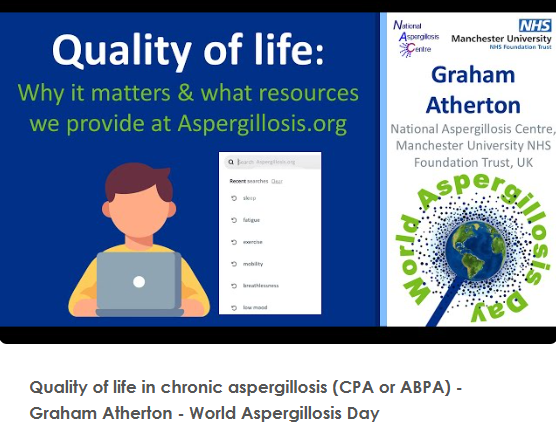
In Their Words: CPA & ABPA

How the NHS funds medications
In the UK, drug funding depends on where and how the treatment is prescribed—through the NHS, private healthcare, or research programs. Here's how different types of drugs, including biologics for severe asthma, are funded:
1. NHS Funding (Primary & Secondary Care)
a) NICE & SMC Approval (England & Scotland)
-
The National Institute for Health and Care Excellence (NICE) assesses whether a drug is cost-effective for NHS use in England and Wales.
-
In Scotland, the Scottish Medicines Consortium (SMC) performs a similar role.
-
If approved, the drug is added to NHS formularies, meaning it can be prescribed and funded.
b) Individual Funding Requests (IFRs)
-
If a drug is not routinely funded, a clinician can apply for Individual Funding Requests (IFRs) to request NHS coverage in special cases. These funding requests are made to your local NHS Integrated Care Board (ICB) (England - other UK countries have their own systems) who are responsible for managing drug costs
c) High-Cost Drugs & Specialist Prescribing
-
Some biologics (e.g., Benralizumab, Mepolizumab, Tezepelumab) are classified as high-cost drugs and can only be prescribed in specialist NHS clinics, such as severe asthma centres.
-
NHS England funds these under commissioned services, separate from standard GP prescribing.
2. Prescription Charges in England
-
In England, most adults pay £9.65 per prescription item (2024 rate).
-
However, many patients qualify for free prescriptions (e.g., those with long-term conditions, low income, or exemptions).
-
Prepayment Certificates (PPCs) allow unlimited prescriptions for a fixed cost.
 Scotland, Wales, and Northern Ireland offer free prescriptions to all residents.
3. Private Prescriptions & Insurance
-
Private healthcare patients must pay the full cost of their medication unless covered by private insurance.
-
Some private insurers (like Bupa, AXA, or Vitality) partially or fully cover biologics if deemed medically necessary.
4. Clinical Trials & Early Access
-
Some new biologics not yet NHS-approved can be accessed through clinical trials.
-
The Early Access to Medicines Scheme (EAMS) allows patients with severe conditions to access promising new treatments before full approval.
5. Hospital Funding (Secondary Care)
-
Some high-cost drugs are funded directly by NHS England or hospital trusts rather than standard NHS prescription budgets.
-
These include biologics that must be administered in hospital settings (e.g., Reslizumab).
Summary
-
NICE/SMC decides which drugs get NHS funding.
-
Some biologics require specialist clinics.
-
Prescriptions are free in Scotland/Wales/NI but cost £9.65 per item in England.
-
Private prescriptions & insurance are alternatives for non-NHS-funded treatments.
-
Clinical trials or EAMS may offer early access to new drugs.

Getting the Most from Your Aspergillosis Clinic Appointments and Calls

Living with aspergillosis often means regular appointments with respiratory specialists, GPs, nurses, pharmacists and sometimes other healthcare professionals. These may take place in person, by telephone or through a video consultation.
Appointments can be surprisingly difficult. You may have waited months to speak to someone, only to find that the consultation is over before you have explained what is really troubling you.
Some patients describe leaving appointments feeling that their blood tests and scans have been discussed, but the effect of their illness on everyday life has received much less attention.
Preparing a little beforehand can help. But a successful appointment is not simply about having a list of questions. It is about making sure that you and your clinical team understand one another, agree what matters most and know what should happen next.
1. Decide what matters most before your appointment
Before your appointment, consider three questions:
- What has changed since my last appointment? Think about symptoms, energy levels, medication, infections and your ability to manage everyday activities.
- What worries me most? This might be a new symptom, a treatment side effect, uncertainty about your prognosis or fear of your condition getting worse.
- What do I most need help with? Perhaps you want better symptom control, help with fatigue, an explanation of a test result or a clearer treatment plan.
Write down your two or three highest priorities and mention them near the beginning of the consultation.
For example, you might say: "I know we need to discuss my scan, but the biggest problem for me at the moment is that I am too exhausted to manage ordinary activities."
This helps your clinician understand what matters to you, rather than relying entirely on medical measurements.
2. Explain how your illness affects everyday life
Clinical teams routinely assess symptoms, lung function, blood tests and imaging. These are important, but they do not always capture the full impact of aspergillosis.
For example, saying "I am very tired" provides less information than explaining:
- "I need to rest after taking a shower."
- "I can no longer walk to the local shop without stopping."
- "I have stopped seeing friends because I am too exhausted."
- "I am sleeping badly because of coughing."
- "I cannot concentrate well enough to manage my usual work."
These examples help clinicians understand the severity and practical consequences of your symptoms.
It can also help to describe what you could do six months ago compared with what you can manage now.
Remember: Quality of life is an important part of treatment. You do not have to wait until a symptom becomes medically dangerous before explaining how much it affects you.
3. Keep a simple record of symptoms and changes
Some people find it helpful to keep a health diary, particularly when symptoms fluctuate.
You might record:
- Changes in breathlessness, coughing, sputum or fatigue.
- New symptoms or possible treatment side effects.
- Infections, antibiotic courses or hospital admissions.
- Changes in activity, sleep or appetite.
- Medication changes and how you responded.
- Questions that arise between appointments.
You do not need a complicated system. A notebook, calendar or note on your phone may be sufficient.
Try to identify patterns rather than presenting every daily observation. For example: "My breathlessness has gradually worsened over the last six weeks" is often more helpful than a long list of individual readings.
If you use a home oxygen monitor or peak-flow meter, ask your clinical team which measurements are useful to record and what changes should prompt you to seek advice.
4. Bring an accurate medication list
People with aspergillosis may take antifungal medicines, inhalers, corticosteroids, antibiotics and treatments for other conditions.
Bring an up-to-date list showing the name, dose and frequency of each medicine, including supplements and medicines bought without a prescription.
Tell your clinician about:
- Medicines you have stopped or changed.
- Side effects or difficulties taking treatment.
- Missed doses or problems obtaining prescriptions.
- Any new medicines prescribed by another healthcare professional.
- Allergies or previous serious medication reactions.
This is particularly important for patients taking azole antifungals, which can interact with many other medicines.
For practical advice, read Managing Your Aspergillosis Medicines: Practical Tips for Staying Safe.
5. Make the most of telephone and video appointments
Remote consultations can save travel and reduce the physical effort involved in attending hospital. However, they also have limitations.
Before a telephone or video appointment:
- Find a quiet place where you can speak privately.
- Keep your medication list and questions nearby.
- Have a pen and paper ready to record decisions.
- Check your phone signal or internet connection.
- Arrange for a family member or carer to join if you would find this helpful.
Because your clinician cannot always examine you or observe your breathing in the usual way, describe physical changes clearly.
For example, explain whether you are breathless at rest or during activity, whether symptoms have changed recently and how they affect your usual activities.
If you feel that a physical examination is necessary, ask whether an in-person assessment can be arranged.
Do not wait for a routine remote appointment if you develop severe or rapidly worsening symptoms. Seek urgent medical advice through the appropriate NHS service.
6. Ask questions until you understand the answers
Medical consultations often involve unfamiliar terminology, particularly when discussing fungal infections, imaging, immune responses or antifungal treatment.
It is reasonable to ask for explanations in everyday language.
Useful questions include:
- What does this test result mean for me?
- Has my condition improved, worsened or remained stable?
- What are the benefits and risks of the treatment you recommend?
- What alternatives are available?
- What symptoms should prompt me to contact you?
- When will we review whether this treatment is working?
- What should I do if I cannot tolerate the medicine?
If something is unclear, you might say: "Could you explain that another way?" or "Can I check that I have understood correctly?"
Before the appointment ends, try summarising the agreed plan in your own words. This can reveal misunderstandings while there is still time to clarify them.
7. Talk openly about treatment difficulties
Some patients hesitate to mention problems with treatment because they worry about disappointing their clinical team or being seen as uncooperative.
However, treatment difficulties are important medical information.
Tell your team if:
- Side effects make you reluctant to take a medicine.
- You have reduced or missed doses because you feel unwell.
- You are worried about long-term corticosteroid treatment.
- Medication costs, supply problems or complicated schedules are causing difficulties.
- You feel that the treatment burden is becoming overwhelming.
There may be ways to make treatment more manageable, including changes to the regimen, additional monitoring or practical support.
The aim is to develop a treatment plan that is both medically appropriate and realistic for your everyday life.
8. Bring someone with you if it helps
A partner, relative, friend or carer may help you remember questions, take notes or explain changes they have noticed.
They may also provide support when discussing difficult subjects such as prognosis, treatment risks or major changes in health.
You can ask whether someone may join a telephone or video consultation as well as an in-person appointment.
It is still important that your own concerns and preferences remain central to the discussion.
If communication is difficult because of hearing, language, cognitive or other accessibility needs, ask the clinic about appropriate adjustments or professional interpreting support.
9. Before the appointment ends, agree what happens next
One of the most important parts of a consultation is making sure you understand the next steps.
Before leaving, try to establish:
- Are any medicines being started, stopped or changed?
- Do I need blood tests, scans or other investigations?
- Who will arrange those tests?
- Who will review the results and tell me what they mean?
- When should I expect my next appointment?
- Who should I contact if my symptoms change before then?
- What should I do if an expected appointment or result does not arrive?
Ask whether the agreed plan can be provided in writing or included in your clinic letter.
Do not assume that a missing test result or appointment means everything is normal. If you have not received information when expected, contact the responsible team.
10. What if you feel you have not been heard?
Some patients leave consultations feeling that their concerns were not fully understood. This can happen even when the clinical team is working hard and providing appropriate medical care.
Appointments are often short, and patients and clinicians may naturally focus on different aspects of the illness.
If an important concern has not been addressed, it is reasonable to raise it again.
You might say:
- "I understand that my tests are stable, but my quality of life has become much worse."
- "I am struggling to manage at home and need help with that."
- "I do not think I explained how severely this is affecting me."
- "Could we agree a plan for what happens if these symptoms continue?"
If necessary, ask whether another appointment, a specialist nurse discussion or a review by an appropriate member of the multidisciplinary team would help.
Being heard does not always mean receiving the treatment you hoped for. It means your concerns have been understood, considered and discussed, and that you understand the reasons behind the agreed plan.
11. Know how to contact your team between appointments
Aspergillosis symptoms can change between scheduled reviews, and patients may need advice about medication, side effects, test results or worsening respiratory symptoms.
Ask your clinic which service you should contact for routine questions and which symptoms require more urgent assessment.
For patients attending the National Aspergillosis Centre (NAC), contact arrangements and access to clinical information may include NHS services and the myMFT patient portal, where available. Your team can explain which communication routes are appropriate for your care.
Online patient communities can provide valuable emotional and practical support, but they cannot replace clinical assessment or emergency medical advice.
For information about patient support, visit our Community Support section.
A simple checklist for your next appointment
You may find it useful to copy or print this checklist:
- ☐ My three most important concerns are written down.
- ☐ I can explain what has changed since my last appointment.
- ☐ I have examples of how symptoms affect everyday life.
- ☐ My medication list is up to date.
- ☐ I have recorded any important side effects or treatment difficulties.
- ☐ I know which test results or treatment decisions I want explained.
- ☐ I have asked what happens next and who is responsible.
- ☐ I know whom to contact if problems arise before my next appointment.
Key points
- Start with what matters most to you. Do not leave your biggest concern until the end.
- Describe the effect on everyday life. Practical examples often communicate more than general symptom descriptions.
- Keep records simple and useful. Focus on changes and patterns.
- Be open about treatment difficulties. Your team needs to know when medicines are causing problems.
- Ask for explanations you understand. It is reasonable to ask questions or request clarification.
- Agree a clear follow-up plan. Know who is arranging tests, reviewing results and providing further advice.
- Speak up if your concerns have not been addressed. Good care depends on communication in both directions.
Remember: You are an important member of your own healthcare team. Your experience of living with aspergillosis provides information that blood tests, scans and lung function measurements cannot always capture.
A good consultation combines clinical expertise with an understanding of what matters to you.
This article provides general information to help patients prepare for clinical appointments. It does not replace individual medical advice. If you develop severe or rapidly worsening symptoms, seek appropriate urgent medical care rather than waiting for a routine appointment.
Chronic pulmonary aspergillosis – a guide for the general physician
This collaborative article reviews chronic pulmonary aspergillosis (CPA) from the perspective of a multidisciplinary team comprising of respiratory physicians, radiologists, mycologists, dietitians, pharmacists, physiotherapists and palliative care specialists. The review synthesises current knowledge on CPA, emphasising the intricate interplay between clinical, radiological, and microbiological aspects. We highlight the importance of assessing each patient as a multidisciplinary team to ensure personalised treatment strategies and a holistic approach to patient care.
Thinking about joining a clinical trial? What are your concerns?
Running clinical trials are how doctors and researchers improve your treatment and care, and how new forms of diagnosis for aspergillosis are advanced. It is particularly difficult to get volunteers when the number of people affected by a disease is small – and aspergillosis is one of those diseases. If we can’t get enough people in trials then the value of that work is weakened and there can be less chance that a new treatment will be made available, or a new way to diagnose those at risk from aspergillosis might be delayed.
That said, there are many perfectly good reasons why someone may not volunteer, and it is a very personal decision. If trials are not for you for any reason then you must not feel compelled to do so. We recently ran a poll on our Facebook group to try to identify some concerns that people may feel with volunteering. The most frequent were:
- I live too far away.
This is fair enough. Most trials are based in or close to large cities and will ask you to travel to the trial centre regularly. There is no point in joining a trial if that journey is arduous and you would be unlikely to be able to travel at any point. - Worried about side effects.
Side effects happen when you are taking many medications and may well happen if you are taking a new treatment. However you will have a dedicated member of staff looking after you to remedy any that crop up, and if the worst happens and you cannot tolerate the side effect you can leave the trial with our thanks. You are always in control. - I am worried that I might be asked to stop taking my current medication and be given the placebo.
Before trials are run in the UK and many other countries they all must be passed by an ethics committee. The rules of ethics are guided by a number of national and international bodies to ensure ethical conduct, patient safety, and scientific validity. Allowing one arm of a trial to leave patients untreated for an infectious disease is generally unethical and unlikely to be approved, particularly if effective treatments are available. In most cases a test drug will be offered with standard treatment and compared with a placebo also with standard treatment. Neither arm will be untreated. NB once a new drug has gone through this phase and been shown to be effective at controlling eg aspergillosis, then it may be offered on its own during the next trial if ethics agree. - I rarely hear about any trial that I might be able to volunteer for.
Most people will hear about a trial when they are asked to join one by their doctor. Most doctors running a trial will check that you fall within the specific trial criteria before approaching you. This saves time but of course, it can only be successful if you see enough appropriate patients to ask, which is why specialist centres with lots of patients run so many trials. If you do not attend a specialist centre but would like to be assessed to participate in a trial you can ask your doctors or do your own research – click on the link below.
Thanks for considering taking part in a clinical trial.
Biologics & ABPA - what are they and what can they do?
Biologic medications (also known as biologics) are a class of drugs derived from living organisms or their cells. These treatments are used for various conditions, especially those involving the immune system, such as autoimmune diseases, cancers, and chronic inflammatory disorders. Here’s a breakdown of biologics:
1. What Are Biologics?
- Biologics are large, complex molecules made using biotechnology. They can be derived from living organisms such as bacteria, yeast, or animal cells.
- Unlike traditional medications (chemically synthesized), biologics are produced through genetic engineering or cell culture techniques.
2. Types of Biologic Drugs:
- Monoclonal Antibodies (mAbs): These are engineered antibodies designed to target specific proteins or cells, such as tumor cells or immune system components. Examples include drugs like adalimumab (Humira) for rheumatoid arthritis and rituximab (Rituxan) for certain cancers.
- Interferons: Proteins that modify immune system activity. They are used for conditions like multiple sclerosis and hepatitis C.
- Vaccines: Biologic drugs used to stimulate the immune system to protect against infectious diseases (e.g., the flu vaccine, COVID-19 vaccines).
- Cell and Gene Therapies: These involve altering genes or using stem cells to treat genetic disorders or cancers. CAR T-cell therapies are an example for cancer treatment.
3. Conditions Treated by Biologics:
- Autoimmune Disorders: Such as rheumatoid arthritis, Crohn’s disease, and psoriasis.
- Cancer: Biologics like monoclonal antibodies and immune checkpoint inhibitors target cancer cells.
- Infections: Some biologics, including vaccines, protect against infections like hepatitis, flu, and COVID-19.
- Chronic Inflammatory Conditions: Such as asthma and inflammatory bowel disease (IBD).
4. Advantages of Biologics:
- Targeted Action: Biologics can target specific parts of the immune system or cells involved in disease, leading to more effective treatments with fewer side effects compared to traditional drugs.
- Personalized Treatments: Some biologics can be customized based on a patient's genetics, improving outcomes for certain conditions.
5. Limitations and Side Effects:
- Expensive: Biologics tend to be more expensive than traditional medications due to the complex production process.
- Injection or Infusion: Many biologics are administered through injections or intravenous infusions rather than oral tablets.
- Immune System Effects: Since biologics modify immune system function, they can increase the risk of infections and other immune-related side effects.
Examples of Biologic Medications:
- Humira (adalimumab) for autoimmune diseases.
- Keytruda (pembrolizumab) for cancer treatment.
- Enbrel (etanercept) for rheumatoid arthritis.
Biologics are reshaping the treatment landscape, particularly in conditions where traditional medications were less effective.
In the case of Allergic Bronchopulmonary Aspergillosis (ABPA), biologic medications are increasingly being explored and used as part of treatment, particularly for patients with more severe or resistant forms of the disease. ABPA is an allergic reaction to the fungus Aspergillus, which can lead to airway inflammation and lung damage. Biologic medications, often aimed at modulating the immune system, help in managing this complex condition, especially when conventional treatments like corticosteroids fail to control symptoms or lead to significant side effects.
How Biologics Help in ABPA Treatment:
- Targeting Immune System Pathways:
- Biologics used in ABPA primarily work by targeting specific immune system pathways that drive the inflammatory response triggered by the Aspergillus fungus.
- For example, biologics that target interleukin-5 (IL-5), such as mepolizumab (Nucala), can help reduce eosinophil levels, a type of white blood cell involved in allergic reactions and inflammation in ABPA. Dupixent, another biologic, targets IL-4 and IL-13, which are cytokines involved in the inflammatory cascade in ABPA, potentially improving lung function and reducing exacerbations .
- Omalizumab (Xolair) acts directly on the patients IgE antibodies, preventing them triggering allergic inflammation
- Reducing Steroids - For ABPA patients who require long-term corticosteroid use, biologics may offer an alternative, reducing dependence on steroids and lowering the risk of long-term steroid side effects (e.g., osteoporosis, diabetes, and weight gain).
- Biologics can provide a more targeted approach, addressing the underlying immune mechanism, rather than just suppressing the overall immune response with steroids .
- Clinical Evidence:
- In trials, biologics like mepolizumab have shown improvements in asthma control and reduced exacerbations, suggesting potential benefits for ABPA patients with significant asthma components.
- Dupilumab has also demonstrated potential benefits in patients with ABPA and associated asthma, showing improvements in lung function and reduction in eosinophil levels, thus addressing both the underlying inflammation and allergic reactions .
- Safety and Efficacy:
- While biologics are typically used in cases where standard treatments (steroids, antifungals) are not sufficient or appropriate. These medications are generally well-tolerated, but they do carry risks, such as increased susceptibility to infections due to immune system modulation** .
Summary:
Biologic therapies represent an option for patients with ABPA, particularly those with severe symptoms or who struggle with long-term steroid use. By targeting specific immune pathways, biologics help reduce inflammation and improve lung function without the broad immunosuppression of steroids. Drugs like mepolizumab and dupilumab are showing encouraging results, though their use in ABPA is still being refined and evaluated in clinical trials.
If you're exploring biologics for ABPA treatment, consulting with a specialist in pulmonary or immunologic disorders is crucial, as the benefits and risks of these drugs need to be carefully balanced for each individual patient.
**One common concern is whether these treatments could increase susceptibility to viral infections, particularly respiratory viruses.
Immune Modulation and Viral Infections: Omalizumab (Anti-IgE): Omalizumab reduces IgE levels, which are primarily involved in allergic reactions, not antiviral immunity. Studies show that it may actually decrease the frequency of respiratory viral infections by reducing inflammation and preventing exacerbations triggered by viruses. In clinical trials, omalizumab was not associated with increased viral infection rates and has been shown to lower asthma exacerbations caused by viral infections.
Mepolizumab and Benralizumab (Anti-IL-5): These biologics target IL-5, which reduces eosinophil counts. Eosinophils play a minor role in viral defense, but their reduction does not seem to impair the body's ability to fight viruses significantly. Data suggest that mepolizumab and benralizumab do not increase the incidence of viral infections and can reduce asthma exacerbations, including those triggered by viruses.
Dupilumab (Anti-IL-4/IL-13): Dupilumab inhibits IL-4 and IL-13 signaling, key cytokines in allergic inflammation. It is not associated with increased viral infection susceptibility in clinical trials. It may enhance antiviral defenses by reducing Th2-skewed inflammation, potentially allowing the body to mount a better response to viruses.
Evidence from Studies: Studies have consistently shown that biologics can reduce asthma exacerbations, many of which are triggered by viral infections, suggesting they do not compromise the immune system's ability to fight viruses. No significant increase in viral infections has been observed in large clinical trials for these medications, and they are generally considered safe in this context.
Conclusion: Biologic medications for asthma do not appear to increase vulnerability to viral infections. In fact, they may reduce the risk of virus-induced asthma exacerbations by controlling airway inflammation. However, patients with severe asthma or comorbid conditions should always consult their healthcare provider regarding potential risks.
Olorofim - a promising new antifungal candidate for aspergillosis treatment.
Olorofim represents a significant advancement in treating aspergillosis, particularly for patients who cannot tolerate or do not respond to existing antifungal therapies. Here’s why it’s important:
1. Novel Mechanism of Action
- Olorofim is the first antifungal in a new class called orotomides. It inhibits dihydroorotate dehydrogenase, an enzyme essential for fungal pyrimidine biosynthesis.
- This mechanism is entirely distinct from existing antifungal classes (azoles, polyenes, and echinocandins), making it effective against strains resistant to current treatments
2. Broad Spectrum and Potency
- It has demonstrated activity against azole-resistant Aspergillus species and other difficult-to-treat moulds, addressing a major gap in antifungal therapy
-
This includes rare and often lethal fungal infections like Scedosporium, Lomentospora, and Fusarium, as well as chronic conditions like Chronic Pulmonary Aspergillosis (CPA) and invasive aspergillosis.
3. Oral Administration
- Unlike many current treatments that require intravenous administration (e.g., amphotericin B), olorofim is taken orally, improving convenience and accessibility for patients needing long-term therapy.
4. Targeting Unmet Needs
- Aspergillosis, particularly invasive aspergillosis, has high morbidity and mortality rates, especially in immunocompromised patients (e.g., those with cancer, transplant recipients).
- Current treatments face challenges like resistance, toxicity, and drug-drug interactions. Olorofim addresses these limitations by offering a safer and more tolerable alternative
5. Regulatory Recognition
- The drug has been granted Breakthrough Therapy Designation and Orphan Drug Status by the FDA and EMA, underscoring its potential to meet urgent medical needs
Future Implications
Olorofim's availability for treating Chronic Pulmonary Aspergillosis (CPA) depends on its successful progression through clinical trials and regulatory approval. Here's a summary of its current status and potential timeline:
- Current Status:
- Olorofim is in Phase 3 clinical trials (OASIS trial) for invasive fungal diseases, including invasive aspergillosis, a related but more acute condition than CPA.
- Although the drug has shown promising results in earlier studies, the FDA recently issued a Complete Response Letter, indicating that additional clinical data is required before it can be approved in the U.S.
- CPA is not explicitly listed as a primary indication in current trials, but success in related aspergillosis treatments could lead to future trials or off-label use for CPA.
- Timeline to Approval:
- If the ongoing Phase 3 trial and additional studies satisfy regulatory agencies, olorofim could receive an approval within 2–3 years for its initial indications (e.g., invasive aspergillosis).
- For CPA specifically:
- Additional trials may be needed to confirm efficacy and safety, potentially extending approval timelines by 3–5 years.
- Off-label use might occur sooner, depending on clinician judgment and availability in regions with less restrictive policies.
Given the high unmet need in CPA and the novelty of olorofim’s mechanism, it is closely watched by both the medical community and regulators. If you're a patient with CPA, keeping in touch with your healthcare provider about ongoing trials and compassionate use programs may help you access new treatments sooner.
UK National RSV vaccination program launched
Respiratory Syncytial Virus (RSV) is mostly a minor ‘common cold’ for us, but for the very young and the elderly, it can cause severe infections eg pneumonia. Each year it can cause 30,000 hospitalisations and 20-30 deaths amongst infants, whilst amongst the elderly it can cause around 9,000 hospital admissions, mostly in those aged over 75.
Conversations with a few of our aspergillosis patients suggest that this is a point of concern for them as although asthma & aspergillosis is not specifically mentioned as a risk factor for infection, many have young children or grandchildren who they are wary of visiting during the winter months for fear of catching an RSV infection.
RSV infections usually peak during the winter months in the UK.
We now have two new vaccines available to help prevent infection and hospitalisation, and the UK government has opted to introduce a nationwide program to vaccinate the most vulnerable i.e. pregnant women to protect the child after birth and those aged 75-79. The program will start in Scotland on 18th August and 1st September for England, Wales and N. Ireland.
For full details go here
CPA patients have impaired neutrophil response to infection
A new paper from a research group in India has compared people who have tuberculosis (Tb) with those who have Tb and then developed chronic pulmonary aspergillosis (CPA). CPA develops in patients with Tb quite commonly and for many years it has been speculated that the mould grows on the lung scar tissue left behind by a Tb infection.
The researchers looked at many components of the patient’s immune system to try to see if any differed between the two as this would potentially tell them why one patient might develop CPA while another doesn’t.
Significantly the research team found that those patients who went on to develop CPA had reduced intensity of ‘neutrophil burst’, which is the release of reactive oxygen chemicals that are important in the fight against infection. They also had impaired Th1 cell response which is important as Th1 cells are part of the patient’s normal response to infection and they produce cytokines like interferon-gamma (IFN-γ), interleukin-2 (IL-2), and tumor necrosis factor-alpha (TNF-α). In turn, these trigger cytokines activate macrophages, enhance the phagocytic (pathogen-eating!) ability of immune cells, and stimulate the production of antibodies that mark pathogens for attack.
In short, we now have a clearer understanding of at least one part of the immune system of a CPA patient that isn’t working as well as it should, and which would directly lead to them being more vulnerable to infection.
The next question is ‘why are these patients unable to produce the normal levels of neutrophil burst and Th1 cell response?’ There are several possibilities including:
-
- Genetic disorder
- Immunosuppressive medication
- Chronic diseases eg diabetes, renal failure, liver disease
- Malnutrition/eg Vitamin D deficiency
- Alcohol abuse
- Severe infection
- HIV
- Exposure to some toxins (eg mercury, lead
- Autoimmune disorder
Some of these may apply to the patients in this study but it is not yet clear which are the most likely. There is more work to do!
What does this mean for treatment of CPA?
The INCAS study, sets out to assess if CPA patients benefit when they are given supplementary doses of interferon-gamma. This is one of the cytokines found to be inhibited in CPA patients in the study discussed above, so if these patients improve it is good evidence that we have found one of the important causes of susceptibility to CPA, and we will already have a medication to partly treat it.