For patients with CPA, ABPA, and other lung-based fungal conditions
What is Amphotericin B?
Amphotericin B is a powerful antifungal medicine used to treat serious fungal infections, including those affecting the lungs. It is most often given by intravenous (IV) infusion, but in some cases, it can be given through inhalation (nebulisation) to target the lungs more directly.
It may be considered in conditions such as:
-
Chronic Pulmonary Aspergillosis (CPA) – a long-term infection of the lungs caused by Aspergillus fungi
-
Allergic Bronchopulmonary Aspergillosis (ABPA) – an allergic lung reaction to Aspergillus, common in people with asthma or bronchiectasis
-
Fungal infections after lung transplants or in people with severely weakened immune systems
Why Use It Inhaled?
Inhaled amphotericin may be used to:
-
Treat lung-based fungal infections, especially in CPA
-
Help reduce the fungal burden in the lungs of patients with ABPA, when other treatments are not enough
-
Prevent fungal infections in at-risk patients (e.g. those undergoing chemotherapy or organ transplantation)
-
Lower the risk of systemic side effects compared to IV treatment
What Makes Inhaled Amphotericin Challenging?
Amphotericin B can be difficult to inhale because:
-
It doesn’t dissolve easily in water, making it hard to turn into a fine mist.
-
It can irritate the lungs, causing coughing, wheezing, or chest tightness — which is particularly concerning for people with ABPA or asthma.
-
It may not reach all parts of the lung evenly, especially in patients with cavities or damaged lung tissue seen in CPA.
-
There is no licensed, standard inhaled product — it is often used “off-label” under specialist care.
What is Liposomal Amphotericin (Ambisome)?
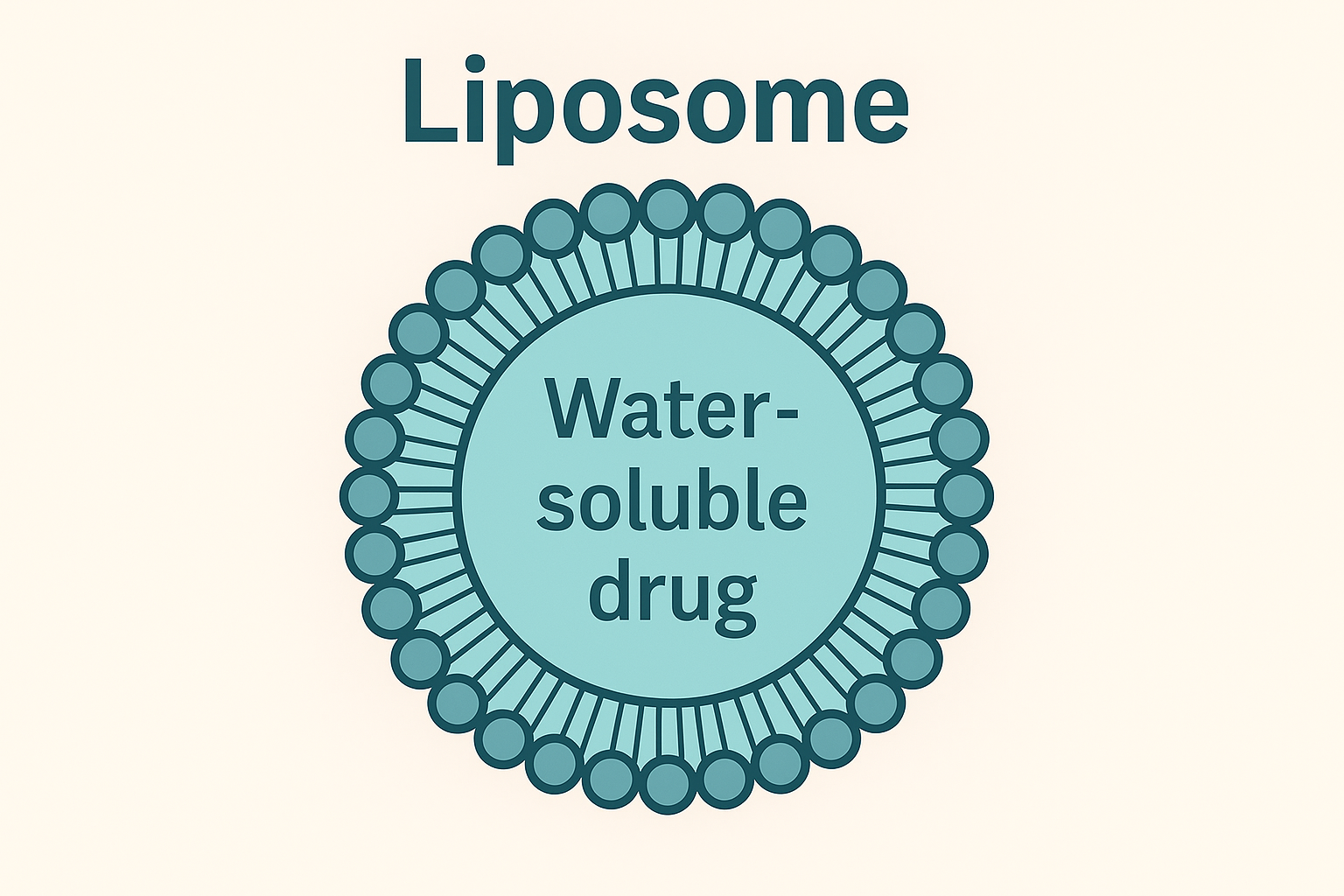
Ambisome® is a special formulation of amphotericin B. It uses tiny liposomes to deliver the drug.
What is a Liposome?
A liposome is a microscopic, fat-based bubble. It:
-
Protects the medicine until it reaches the right part of the body
-
Reduces irritation and side effects
-
Helps deliver amphotericin more gently to the lungs
You can think of liposomes like tiny protective vans, carrying the medicine where it’s needed most — often areas affected by CPA or ABPA.
Benefits of Inhaled Liposomal Amphotericin
-
Better tolerated than older versions (especially important for people with sensitive airways)
-
Safer for the lungs and kidneys
-
Can be used to target Aspergillus in the lungs directly
-
Suitable for people with CPA or difficult-to-control ABPA
-
May be used alongside antifungal tablets or corticosteroids
What to Expect During Treatment
-
You’ll use a nebuliser, a machine that turns liquid medicine into a fine mist.
-
Treatment usually takes around 15–30 minutes.
-
You may be asked to use a bronchodilator inhaler first (e.g. salbutamol) to open up your airways.
-
Your first treatment may be supervised to check for any side effects.
Common Side Effects
Most people tolerate liposomal amphotericin well, but possible side effects include:
-
Mild coughing or throat irritation
-
Chest tightness or wheezing (more likely with non-liposomal versions)
-
Unpleasant taste or dry mouth
People with ABPA may be more sensitive to these effects due to their underlying allergic response. If you have CPA, it’s important to report any new or worsening symptoms like increased coughing or breathlessness.

Did this page help you?
Tell us in one minute