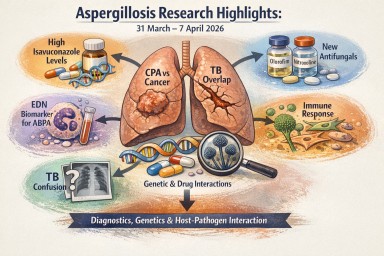
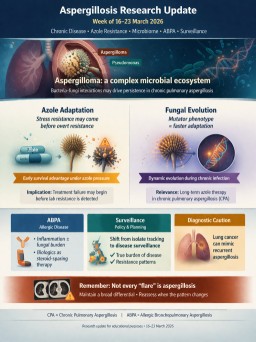
Aspergillosis Research Highlights — Week in Review (Last 7 Days: Week 50)

Seven key publications: pathogenicity, diagnostics, resistance, treatment, maxillofacial disease, and ABPA in COPD.


1. Comparative Overview of A. fumigatus, A. flavus, and A. niger

Rafique et al., J Infect Public Health, 2025
DOI: 10.1016/j.jiph.2025.103070

What this adds

  • A major comparative review (2000–2025) of the three most clinically relevant Aspergillus species.

  • Highlights broad clinical spectrum: allergy → chronic disease → invasive aspergillosis.

  • Identifies species-specific concerns:

    • A. fumigatus: globally dominant, rapidly evolving triazole resistance.

    • A. flavus: important in warmer climates; high aflatoxin relevance.

    • A. niger: relatively lower virulence but significant in sinus disease.

  • Public health message: surveillance gaps persist, especially for non-fumigatus species.

Why it matters

A strong reference paper supporting the WHO prioritisation of Aspergillus, and reinforcing the need for:

  • Better diagnostics

  • Species-level identification

  • Environmental resistance monitoring


2. GFP Fusion Protein Proteolysis in A. fumigatus

Paul & Moye-Rowley, G3 (Bethesda), 2025
DOI: 10.1093/g3journal/jkaf295

What this adds

  • Fundamental molecular biology study revealing regulated degradation pathways of green fluorescent protein (GFP) fusion proteins inside A. fumigatus.

  • Demonstrates how the fungus controls protein turnover under stress conditions.

Why it matters

  • Advances tools for fungal cell biology.

  • Supports drug development by clarifying pathways involved in stress response and antifungal tolerance.

  • Reinforces WHO’s classification of A. fumigatus as one of the four most critical fungi to study.


3. ABPA in COPD: Case Series + Review

Ren et al., BMC Pulmonary Medicine, 2025
DOI: 10.1186/s12890-025-04027-8

What this adds

  • 11 COPD cases with confirmed Allergic Bronchopulmonary Aspergillosis — highlighting:

    • Under-recognition in COPD

    • Overlap with chronic bronchitis/bronchiectasis symptoms

    • Frequent misdiagnosis as recurrent infections or COPD exacerbations

  • Provides diagnostic guidance and a literature synthesis.

Why it matters

  • Significant implications for case finding across the UK.

  • Supports NAC messaging: ABPA is not only an asthma disease.

  • Reinforces need for:

    • IgE/IgG screening

    • Early CT imaging

    • Awareness among COPD teams and primary care


4. EL219: Next-Generation Polyene Antifungal

Youssef et al., AAC, 2025
DOI: 10.1128/aac.01400-25

What this adds

  • Animal model evidence that EL219, a modern polyene, is effective against:

    • Triazole-susceptible A. fumigatus

    • Azole-resistant isolates

    • Difficult species (A. lentulus, A. calidoustus)

Why it matters

  • Highly relevant to rising global antifungal resistance.

  • Early indication that EL219 may fill a clinical gap similar to (or complementary to) olorofim and fosmanogepix.

  • Suggests strong activity even in immunosuppressed models.


5. Misidentification & Triazole Resistance in Aspergillus tubingensis

Wang et al., JAMA Network Open, 2025
DOI: 10.1001/jamanetworkopen.2025.43630

What this adds

  • Large Southern California population study showing:

    • Frequent misidentification of A. tubingensis as A. niger.

    • Notable azole resistance rates in correctly identified isolates.

  • Stresses need for genomic sequencing or MALDI-TOF with updated libraries.

Why it matters

  • Strong evidence that misidentification leads to:

    • Inappropriate antifungal therapy

    • Poor outcomes

  • Supports calls for expanded diagnostic reference services such as MRCM.


6. 50-Year Review of Oral Fungal Infections in Thailand

Kosanwat et al., Clinical Oral Investigations, 2025
DOI: 10.1007/s00784-025-06685-8

What this adds

  • Longitudinal study: 29% of deep infections involved aspergillosis.

  • Mean age 62 → older adults most affected.

  • Many cases were mucormycosis, histoplasmosis, or aspergillosis presenting late.

Why it matters

  • Shows that oral/maxillofacial fungal disease remains under-recognised globally.

  • Relevant to dental teams → better imaging + biopsy protocols needed.

  • May help NAC/CARES identify referral pathways from dental medicine.


7. Management of Maxillary Sinus Aspergillosis with Implants

Khoury et al., Int J Oral Implantol, 2025

What this adds

  • Real-world 3–10 year follow-up of 11 patients.

  • Standardised approach:

    • Surgical clearance

    • Antifungal therapy

    • Successful implant-prosthetic rehabilitation

Why it matters

  • Demonstrates excellent long-term outcomes when sinus aspergillosis is properly treated.

  • Practical implications for:

    • ENT surgeons

    • Oral surgeons

    • Implant dentistry

  • Supports inclusion of aspergillosis in sinus disease differential diagnosis.


Cross-Cutting Themes Emerging This Week

1. Under-recognition and misidentification

  • ABPA in COPD

  • Misidentified A. tubingensis

  • Asymptomatic sinus disease

  • Oral/maxillofacial deep fungal infections

Key NAC message: We are missing cases in primary care, COPD clinics, ENT, and dentistry.


2. Antifungal resistance remains a central threat

  • Contemporary reviews of species-specific resistance patterns

  • EL219’s promise against resistant species

  • Misidentification leading to incorrect susceptibility assumptions


3. Need for better diagnostics and reference centres

  • Species-level identification is essential

  • Supports arguments for expansion of MRCM-style national services


4. The clinical spectrum is broad

From allergy (ABPA in COPD) → chronic sinus disease → deep oral infections → invasive pulmonary aspergillosis.
This reinforces the message: aspergillosis is multi-specialty, not confined to respiratory medicine.


Weekly NAC/MRCM Take-Home Messages

  • COPD teams should screen for ABPA more frequently—especially in patients with recurrent “infective exacerbations.”

  • Species-level identification is increasingly important; misidentification contributes to treatment failure.

  • New antifungals like EL219 show promise against resistant strains including A. lentulus.

  • Dental and ENT teams need better awareness: sinus and oral fungal infections remain overlooked but treatable.

  • Global reviews show growing public health significance of Aspergillus species—aligning with WHO priorities.


Fungal Vaccines: What New Research Could Mean for Aspergillosis Patients

Based on the 2025 Journal of Clinical Investigation commentary on emerging fungal vaccine science

jci-135-199451


Why fungal vaccines matter

Fungal infections remain a major global health problem, causing an estimated 3.8 million deaths per year. Yet despite this huge burden, there are currently no licensed vaccines to prevent or treat fungal disease.

For people living with aspergillosis—including chronic pulmonary aspergillosis (CPA), allergic bronchopulmonary aspergillosis (ABPA), severe asthma with fungal sensitisation (SAFS), and Aspergillus bronchitis—this gap is very real.
Treatments often involve long-term antifungal medications, steroids, or biologics, and symptoms may recur despite therapy.

A new scientific commentary in the Journal of Clinical Investigation highlights major progress in fungal vaccine research and suggests that vaccines may become important tools for both prevention and treatment in the future.


A new breakthrough: the Eng2 fungal antigen

Researchers studying serious fungal infections in North and South America have identified an enzyme called endoglucanase-2 (Eng2) that triggers a strong immune response:

  • It protected mice from Blastomyces, Histoplasma, and Coccidioides infections.

  • People recovering from these infections show memory CD4 T-cell responses to Eng2.

This suggests two important possibilities:

1. A preventive vaccine

A future vaccine could reduce the risk of developing serious fungal infections—especially in people with weakened immune systems or chronic lung disease.

2. A therapeutic vaccine

Unlike most vaccines, a therapeutic vaccine would be given after infection to support the immune system and help clearance—similar to how post-exposure rabies or hepatitis A vaccines work.

This second application is particularly relevant to aspergillosis.


Why fungal vaccines may be especially useful in Aspergillus disease

Although the study did not focus on Aspergillus specifically, the commentary highlights several reasons why Aspergillus vaccines are scientifically realistic.

1. Fungi are surprisingly easy to vaccinate against in animal studies

Many fungal antigens have already shown strong protective effects in experimental models.

Unlike viruses such as HIV or tuberculosis—where vaccines are extremely difficult—fungal pathogens often respond well to:

  • Antibody-based immunity

  • T-cell immunity

Both would be valuable in Aspergillus-related disease.

2. Aspergillosis mainly affects people with weakened or inflamed lungs

This makes it exactly the kind of disease where a vaccine could:

  • Reduce fungal burden in the airways

  • Decrease inflammation

  • Support existing treatments

  • Reduce flare-ups and symptoms

3. A therapeutic vaccine may arrive before a preventive vaccine

Chronic fungal diseases (especially CPA and Aspergillus bronchitis) develop slowly and persist for months or years.
This gives time for a vaccine to stimulate the immune system during ongoing treatment.

A therapeutic vaccine could:

  • Enhance the effect of antifungal drugs

  • Reduce the amount of fungus growing in cavities or bronchiectatic airways

  • Lower inflammation and antibody levels

  • Potentially reduce the need for long-term steroids or biologics in ABPA

4. A combination (“multivalent”) vaccine is possible

The Eng2 research shows that one antigen may not protect against all fungal species.
However, a “cocktail” vaccine—using several fungal proteins—could cover multiple fungi, including Aspergillus.


What this could mean for different aspergillosis conditions

For CPA (Chronic Pulmonary Aspergillosis)

A therapeutic vaccine might help:

  • Reduce fungal load in cavities

  • Improve long-term control

  • Support patients who can’t tolerate antifungals

  • Reduce reliance on prolonged azole therapy

For ABPA (Allergic Bronchopulmonary Aspergillosis)

ABPA is an allergic reaction rather than a true infection.
But reducing the amount of Aspergillus in the airways could:

  • Decrease IgE levels

  • Reduce flare frequency

  • Lower the need for steroids

  • Improve asthma control

For SAFS and Aspergillus bronchitis

A vaccine could potentially:

  • Reduce airway colonisation

  • Improve symptom control

  • Reduce the cycle of infection → inflammation → airway damage


What this means for patients today

It is important to be clear:

There is no Aspergillus vaccine available yet.

However, the science is moving faster than ever.
The commentary highlights:

  • Multiple experimental vaccines have already worked in animals

  • Some fungal vaccines have reached early human trials

  • mRNA technology (used for COVID vaccines) could accelerate development

  • High-risk groups—including people with chronic lung disease—would be early candidates

For the aspergillosis community, this research is a major step forward, offering hope for safer and more effective long-term management.


For clinicians: why this matters now

Non-specialist clinicians may want to be aware that:

  • Vaccine-based immunotherapy may become part of fungal disease management

  • Therapeutic vaccines could work alongside antifungals, rather than replacing them

  • Advances in antigen identification (e.g., Eng2) create realistic pathways for Aspergillus-specific research

  • Patient groups with chronic fungal or allergic disease may benefit significantly from immunological boosting

As fungal disease continues to rise worldwide, vaccination represents a promising future tool in managing both invasive and chronic fungal illnesses.


Looking ahead

While fungal vaccines are “so needed, so feasible, and yet still far off,” the momentum is building.
For people living with aspergillosis—often for many years—the possibility of vaccines offers genuine hope for:

  • Better control

  • Improved quality of life

  • Reduced treatment burden

  • Less risk of long-term complications

This new research marks an important step on that journey.


Could this new gene-therapy technology help aspergillosis patients?

Hunter syndrome stem cell treatment

Not directly now — but potentially yes in the longer term.

The gene therapy in the BBC story works because Hunter syndrome is caused by a single faulty gene. Doctors can take stem cells, insert a missing gene, and put them back into the body — and the body starts producing the enzyme that was missing.

Aspergillosis is different.
It isn’t caused by a single gene error — it’s caused by:

  • An over-reaction of the immune system in ABPA

  • Underlying lung damage or structural disease in CPA

  • A combination of genetics, environment, allergens and fungal exposure

  • Sometimes problems with mucus clearance

So gene therapy is not close to being used for aspergillosis in the same direct way.


But here’s why the technology could help in the future

The breakthrough still matters because it shows what is becoming possible:

1. Fixing immune-pathway problems

Some people with ABPA or severe asthma have genetic variants in pathways such as:

  • IL-4 / IL-5 / IgE regulation

  • Mucus clearance

  • Immune “switch-off” mechanisms

In the future, gene therapy could correct faulty immune pathways so the lungs stop over-reacting to Aspergillus.

2. Improving mucus-clearance biology

A big part of aspergillosis is mucus sticking in the airways. If gene therapy can one day boost the function of cilia or mucus-clearing enzymes, that would be a major benefit.

3. Helping people born with lung-structure problems

Some patients develop aspergillosis because they were born with subtle airway abnormalities or genetic bronchiectasis tendencies. Future gene therapies might stabilise or prevent these problems.

4. Fungal infection + rare-disease overlaps

Some immunodeficiency disorders (e.g., CARD9 deficiency) lead to severe fungal infections. This type of therapy is much closer to helping those patients already — because those are single-gene defects.


Realistic timeline

For ABPA or CPA specifically:

  • Short term (0–10 years): No direct gene therapy.

  • Medium term (10–20 years): Possible targeted immune-pathway correction for asthma/ABPA.

  • Long term (20+ years): Potential lung-repair gene therapies, airway-regeneration therapies, or personalised immune-modifying gene treatments.

So this breakthrough doesn’t change aspergillosis care today — but it shows that the tools are coming that could one day target immune-driven diseases much more precisely.


⭐ Recent Aspergillosis Research & Guideline Updates (Week 47)

Several important new papers on aspergillosis, diagnosis, and antifungal therapy were published this week. These include updated UK guidance, new antifungal drug targets, and insights into diagnosing invasive disease in ICU settings.


1. British Society for Medical Mycology (BSMM) Best Practice Guidance

First author: Dr Rebecca Gorton
Institution: British Society for Medical Mycology (UK)
Published: Nov 2025
Focus: Diagnosis + antifungal stewardship + clinical scenarios

Summary

This newly updated best-practice article explains how clinicians should:

  • combine CT scans, IgG/IgE, PCR, and galactomannan

  • choose antifungals appropriately

  • avoid misdiagnosis

  • apply practical recommendations to real-world cases

It is one of the most up-to-date UK-relevant guidance documents.

Why this matters for patients

Better diagnosis → faster correct treatment → fewer unnecessary antifungals.


2. Diagnostic Algorithms for Invasive Aspergillosis in ICU Patients

First author: Dr Anne-Sophie Hartmann
Institution: University Hospital Freiburg, Germany
Published: Jun 2025
Focus: ICU diagnosis & emerging risk groups

Summary

This study shows that invasive aspergillosis is increasingly found in ICU patients, including those who do not have classic risk factors.
It tests new diagnostic “pathways” combining imaging and multiple laboratory markers.

Why this matters for patients

Improves early recognition of life-threatening fungal infections in critical illness.


3. Advances in Antifungal Drug Discovery (FK1 and new targets)

First author: Dr Jonathan Miles
Institution: University of Cambridge, UK
Published: Aug 2025
Focus: New drug targets & antifungal discovery

Summary

This review outlines progress in antifungal development, including:

  • Fungal Kinase 1 (FK1) as a new therapeutic target

  • new chemical classes

  • failings of older antifungals

  • the need for next-generation medicines

Why this matters for patients

Future antifungals may be more effective, safer, and active against resistant Aspergillus.


4. British Thoracic Society (BTS) Clinical Statement on Aspergillus Lung Disease

Lead author (Chair): Dr Elizabeth Sapey
Institution: University of Birmingham / British Thoracic Society
Published: May 2025
Focus: Chronic Aspergillus disease (CPA, ABPA, SAFS, Aspergillus bronchitis)

Summary

This statement sets out national guidance to improve diagnosis and management of chronic Aspergillus-related lung disease.
It supports earlier testing, consistent management, and clearer referral pathways.

Why this matters for patients

  • Better recognition of CPA and ABPA

  • Fairer access to specialist care

  • More consistent treatment across the UK


5. New Antifungal Drug Classes in Development (Rezafungin, Ibrexafungerp, Olorofim)

First author: Prof David Denning
Institution: University of Manchester / NAC
Published: Sep 2025
Focus: Emerging antifungal drugs

Summary

This review discusses the latest antifungal medicines in the pipeline:

  • Rezafungin – long-acting IV drug

  • Ibrexafungerp – new oral class

  • Olorofim – strong activity against resistant Aspergillus

It explains mechanisms of action, clinical trial progress, and potential future roles.

Why this matters for patients

New drugs are on the way to treat resistant and difficult Aspergillus infections.


📘 Summary Table (with authors & institutions)

Title/Topic Date First Author Institution Key Focus
BSMM Best Practice Nov 2025 Dr Rebecca Gorton British Society for Medical Mycology (UK) Diagnosis & stewardship
ICU Diagnostic Algorithms Jun 2025 Dr Anne-Sophie Hartmann University Hospital Freiburg, Germany ICU diagnosis
New Antifungal Drug Targets (FK1) Aug 2025 Dr Jonathan Miles University of Cambridge Drug discovery
BTS Clinical Statement May 2025 Dr Elizabeth Sapey University of Birmingham / BTS Chronic Aspergillus disease
New Antifungal Classes (Rezafungin/Olorofim) Sep 2025 Prof David Denning University of Manchester / NAC New drug development

💬 Overall Takeaway for Patients

Recent publications show strong progress:

  • Diagnosis is improving, especially in ICU and chronic disease clinics.

  • New antifungals are progressing, including drugs designed specifically to address resistance.

  • UK-specific guidance is strengthening, helping ensure more consistent, high-quality treatment for ABPA, CPA, SAFS, and Aspergillus bronchitis.

This is a period of rapid advancement in aspergillosis care, and the findings highlighted here directly support better outcomes for patients.


ECFG 2025: Key Aspergillus and Antifungal Insights for Patients and Clinicians

The European Conference on Fungal Genetics (ECFG 2025) gathered the leading fungal biology teams from across the world. Although primarily a genetics meeting, several abstracts offered direct clinical relevance for people living with aspergillosis or those working in the field.

The research covered here focuses on:

  • Aspergillus fumigatus

  • mechanisms of disease

  • resistance to antifungals

  • emerging antifungal treatments

  • environmental drivers of disease

  • insights relevant to CPA, ABPA, SAFS, bronchiectasis and invasive aspergillosis


Summary of Key Themes

1. Aspergillus genetic diversity is much greater than assumed

Pangenome work showed A. fumigatus strains possess different virulence genes and resistance traits. This may explain differences in how patients respond to infection and medication.

2. Environmental azole resistance continues to rise

Multiple abstracts confirmed that resistant strips often originate outdoors, shaped by climate, fungicides, soil chemistry, and climate change.

3. Promising new antifungals are advancing

Manogepix shows excellent activity against resistant strains, while several early-stage compounds (such as G-quadruplex ligands) represent brand-new modes of action.

4. Insights into virulence, persistence and treatment failure

Studies on hyphal fusion, echinocandin tolerance, and hypoxia adaptation shed light on chronic and resistant infections.

5. Improved tools accelerate antifungal discovery

CRISPR and genus-wide sequencing speed up the search for new drug targets and better diagnostics.


ECFG 2025 — Table of All Aspergillus / Aspergillosis / Antifungal-Relevant Abstracts

ID Title Lead Author / Presenter Institution Category Why It Matters
WS1.19 Reference pangenomes for A. fumigatus Marion Perrier Friedrich Schiller University, Jena Genomics / Evolution Reveals hidden genetic diversity linked to virulence and resistance.
WS1.20 Antifungal modes of action of G-quadruplex ligands Isabelle Storer University of East Anglia New antifungal mechanisms Suggests a brand-new antifungal class targeting fungal DNA structures.
WP1.2 NL1 as anti-virulence compound Jorge Amich ISCIII, Spain Virulence / Therapeutics May reduce disease severity without relying on killing the fungus.
WP1.6 Ace2 and RAM pathway regulation Devi N. J. Bale Pathogenesis Controls tissue invasion, morphology and possibly drug sensitivity.
WP1.8 Hyphal fusion and multi-drug resistant heterokaryons Michael Bottery University of Manchester Resistance mechanisms Shows resistance traits may spread between strains via fusion.
WP1.10 Manogepix activity against A. fumigatus Sean Brazil Trinity College Dublin New antifungals Strong activity including against resistant strains and biofilms.
WP1.14 ZfpA and echinocandin tolerance Dante Calise University of Wisconsin Echinocandin tolerance Explains how fungi sometimes survive caspofungin and related drugs.
WP1.16 Genetic background of azole-resistant A. fumigatus Saioa Cendón-Sánchez University of the Basque Country Environmental resistance Confirms resistant genotypes circulate between the environment and patients.
WP1.18 Genus-wide sequencing of Aspergillus Ronald P. de Vries Westerdijk Institute Evolution / Pathogenicity Identifies traits making some species pathogenic to humans.
WP1.22 Climate, soil & fungicide impacts on Aspergillus Thomas Easter University of Manchester Environmental epidemiology Links climate change and fungicides to rising azole resistance.
WP1.32 Multiplex CRISPR to accelerate antifungal research Fabio Gsaller Research tools Speeds identification of resistance pathways and drug targets.
WP1.42 Hypoxia-driven adaptations in A. fumigatus Olaf Kniemeyer Pathogenesis Explains persistence of A. fumigatus in low-oxygen lung cavities (CPA).

Detailed Clinical Relevance of the Findings

1. Rising environmental resistance

Azole-resistant A. fumigatus continues to emerge in agricultural and urban settings. Resistant spores are carried in air and soil, meaning people inhale them in daily life. This is especially relevant to those with CPA, ABPA, bronchiectasis and immunosuppression, who are more vulnerable.

Why it matters:
Resistant strains are a growing cause of treatment failure.


2. New antifungal treatments are progressing

Manogepix shows potent activity against resistant Aspergillus and biofilms, key in difficult-to-treat CPA and invasive aspergillosis.

G-quadruplex ligands and NL1 represent early steps toward new antifungal classes, extremely important after two decades of limited drug options.


3. Virulence and survival mechanisms explain persistent disease

Hypoxia adaptation (low-oxygen survival) helps explain why Aspergillus persists in lung cavities.
Hyphal fusion may allow rapid spread of resistance traits.
Echinocandin tolerance mechanisms (ZfpA) reveal why some invasive cases fail to respond.

Why it matters:
These insights help clinicians anticipate treatment difficulties and inform research for new therapies.


4. Better genomic tools support faster discovery

Multiplex CRISPR and pangenomic databases allow scientists to uncover gene functions much faster. This shortens the path to new antifungal development and improves understanding of how resistance evolves.


Conclusion

ECFG 2025 provides important clues about why Aspergillus disease is so persistent, why azole resistance is increasing, and how new antifungal drugs may overcome today’s challenges. It also reinforces that environmental drivers — including fungicide use and climate factors — are a major part of the problem.

For patients, clinicians, and researchers, these findings highlight a rapidly evolving landscape in aspergillosis research, with promising signs of future treatment improvements.


TIMM 2025 – Aspergillosis-Relevant Highlights for Non-Specialist Professionals

BRIEFING: Key Aspergillosis Themes from TIMM 2025

(For non-specialist professionals and patient advocates)

The 2025 TIMM abstracts show continuing concern around rising azole resistance, emerging Aspergillus species, and ongoing diagnostic challenges in chronic and invasive disease. A growing number of studies highlight the importance of environmental surveillance, molecular diagnostics, and recognising less typical at-risk groups such as people with viral pneumonias, COPD, and those receiving new biologics or immunomodulators.

Clinical messages for non-specialists:

1. Environmental and agricultural azole use remains a major resistance driver

Multiple studies (Latin America, Spain, Belgium) confirm that agricultural triazoles continue to select for resistant Aspergillus fumigatus. Resistant strains do reach hospital environments, including ICUs and haematology wards.

Implication:
Healthcare teams must remain alert to azole treatment failure, consider susceptibility testing, and recognise that resistance is no longer rare.


2. Cryptic and emerging Aspergillus species are increasingly recognised

Traditional diagnostics often miss less common species such as A. turcosus, A. hiratsukae, and A. pseudodeflectus.
MALDI-TOF may misidentify these species; molecular sequencing gives clearer answers.

Implication:
If disease progresses unexpectedly or does not respond to standard therapy, consider the possibility of an unusual Aspergillus species.


3. New risk groups for invasive aspergillosis

Studies from Europe highlight increasing cases of IA in:

  • Severe viral pneumonia (RSV, influenza, COVID-19)

  • Patients receiving modern biologics (tocilizumab, oblituzumab)

  • Children with haematological cancers

  • Lung transplant recipients (with late-onset IA)

  • COPD patients or those without classical immunosuppression

Implication:
Non-specialists should be aware that IA is no longer confined to neutropenia or transplant; clinicians should maintain suspicion in severely unwell respiratory patients.


4. Diagnostic testing improves when multiple methods are combined

Several abstracts show:

  • Combining galactomannan + PCR on BAL substantially improves detection.

  • Western blot + IgE/IgG pairing improves ABPA and CPA diagnosis.

  • ICAP alone has a very high false-positive rate.

Implication:
Do not rely on a single test. ABPA and CPA particularly require combined clinical + radiological + serological evidence.


5. Aspergillus biofilms remain important and difficult to treat

Biofilm studies show that:

  • Mature Aspergillus biofilms are highly drug-tolerant.

  • Co-habiting bacteria (e.g., Stenotrophomonas maltophilia) enhance biofilm stability.

  • Biofilms may explain chronic, relapsing airways disease patterns in CPA/ABPA/bronchiectasis patients.

Implication:
Patients with chronic or relapsing symptoms may have biofilm-driven inflammation and reduced antifungal penetration.


6. Mortality in invasive disease remains high

Reports from transplant units and paediatric oncology centres show:

  • 58% mortality in paediatric invasive aspergillosis.

  • 6% IA-related mortality in lung transplant cohort (with many later indirect deaths).

  • Early diagnosis and correct drug choice remain critical.

Implication:
Prompt recognition and appropriate antifungal selection (including combination therapy when needed) remain essential.


TABLE OF ALL RELEVANT ASPERGILLUS / ASPERGILLOSIS / ANTIFUNGAL ABSTRACTS

(From full-document review; includes resistance, diagnostics, epidemiology, biofilms, and case reports)

ID Title / Topic Type
Latin America Environment Study Environmental azole resistance across 12 countries; 2152 A. fumigatus isolates Environmental / Resistance
P026 A. fumigatus in Belgian hospitals: triazole resistance surveillance Environmental / Clinical resistance
27-Year Spain Study (Ashraph et al.) 118 azole-resistant strains; multiple fungicide resistance mechanisms Environmental / Genomics / Resistance
P317 Invasive sinus aspergillosis by A. hiratsukae in transplant recipient Case report / Cryptic species
CPA Case – A. pseudodeflectus Chronic necrotising CPA from rare Usti-section Aspergillus CPA / Case
P389 Metagenomics confirming mixed Aspergillus infection (A. niger + A. terreus) Diagnostics / Mixed infection
A. turcosus fatal IA case Cryptic fumigati species causing fatal invasive infection Case report / Cryptic species
P213 Difficult CPA diagnosis in COPD CPA / Clinical
P224 Recurrent maxillary sinus aspergilloma with bone destruction Sinus aspergillosis
P267 Epidemiology of Aspergillus-related lung disease (IPA, CPA, ABPA) in Marseille Epidemiology
P252 Species distribution in 418 filamentous fungal infections – Aspergillus dominant Epidemiology
Lung transplant cohort (1100 pts) IPA incidence, risk factors, treatment outcomes IPA / Transplant
Paediatric oncology IA cohort 43 cases; high mortality Paediatric IA
P352 RSV-associated invasive pulmonary aspergillosis Viral-associated IPA
Asp-WB + ICAP combination study Improved diagnosis of ABPA/CPA; ICAP alone widely false positive Diagnostics
Molecular vs GM vs culture study PCR on BAL highly accurate for Aspergillus detection Diagnostics
P154 Lateral flow assay (LFA) for Aspergillus in sputum/serum Diagnostics
Mixed biofilm GAG study Bacterial–fungal synergy increases biofilm resilience Biofilms / Pathogenesis
P090 Aspergillus biofilm extracellular matrix across strains and mixed species Biofilms
TB–fungal co-infection (Aspergillus rare but present) 7 Aspergillus co-infections among TB cohort Epidemiology

TABLE OF ALL RELEVANT ASPERGILLUS / ASPERGILLOSIS / ANTIFUNGAL ABSTRACTS WITH SUMMARIES


ENVIRONMENTAL & RESISTANCE STUDIES

1. Latin America Environmental Study

Topic: Air sampling in 12 countries: azole-resistant A. fumigatus widely present.
Summary: Large-scale citizen-science sampling found resistant Aspergillus spores across cities, rural sites, and farms. Confirms that humans inhale resistant strains from the environment, not just healthcare settings.


2. P026 — A. fumigatus in Belgian Hospitals

Topic: Hospital environmental surveillance for triazole resistance.
Summary: Resistant strains were found inside clinical areas, indicating they can enter hospitals via outdoor air. Important for infection control planning and for selecting appropriate antifungal therapy.


3. 27-Year Spanish Resistance Evolution Study (Ashraph et al.)

Topic: 118 azole-resistant isolates characterised over nearly three decades.
Summary: Shows a clear link between agricultural fungicide exposure and clinical resistance. Some strains developed multi-fungicide resistance, not just medical azoles.


CLINICAL CASES & CRYPTIC SPECIES

4. P317 — A. hiratsukae Sinusitis in Transplant Patient

Topic: Rare Aspergillus species causing invasive sinus disease.
Summary: Standard tests misidentified the fungus. Molecular sequencing confirmed a rare species. Highlights the need for advanced diagnostics when patients fail to improve.


5. CPA Case — A. pseudodeflectus

Topic: Chronic pulmonary aspergillosis caused by an unusual species.
Summary: Routine ID methods mislabelled the organism. Demonstrates cryptic species can cause CPA and may have different antifungal patterns.


6. Mixed A. niger + A. terreus Wound Infection (Metagenomics)

Topic: Mixed Aspergillus infection detected only by sequencing.
Summary: Traditional culture missed the second species. Mixed infections may explain poor responses to treatment.


7. A. turcosus Fatal IA Case

Topic: Rare fumigati section species.
Summary: Standard MALDI-TOF misidentified the species. High mortality emphasises why correct species identification matters for appropriate antifungal choice.


8. P213 — CPA Misdiagnosed as COPD

Topic: Chronic necrotising CPA mimicking COPD exacerbations.
Summary: Symptoms and imaging resembled COPD flare-ups. Only biopsy and molecular tests confirmed CPA. Highlights need for fungal testing in patients with atypical COPD.


9. P224 — Recurrent Maxillary Sinus Aspergilloma

Topic: Aspergillus sinus infection with bone involvement.
Summary: Shows how aspergilloma can recur if fungal debris remains or anatomy predisposes to blockage. ENT review and sometimes surgery are essential.


EPIDEMIOLOGY & COHORT STUDIES

10. P267 — Aspergillus Lung Disease in Marseille

Topic: Mix of ABPA, CPA and IPA.
Summary: Many ABPA cases were untreated or misclassified. Underlines widespread under-diagnosis and need for education of clinicians.


11. P252 — Species Distribution in 418 Fungal Infections

Topic: Large clinical review of filamentous fungi.
Summary: Aspergillus was the most common mould isolated, with A. fumigatus dominating. Confirms its continuing role as the most clinically significant mould.


12. Lung Transplant Cohort (1100 patients)

Topic: IA incidence, timing, species distribution and outcomes.
Summary: Early IA occurred from colonisation or environmental exposure; late IA linked to rejection and immunosuppression. Mortality remains high.


13. Paediatric Oncology IA Cohort

Topic: 43 children with invasive aspergillosis.
Summary: Mortality 58%. Mostly in acute leukemias. Underscores need for rapid testing and early therapy in children.


14. P352 — RSV-Associated Invasive Aspergillosis

Topic: Expanding “viral-associated pulmonary aspergillosis” beyond influenza and COVID-19.
Summary: RSV can also predispose immune-competent patients to IA. Important emerging risk category.


DIAGNOSTICS

15. Asp-Western Blot + IgE/IgG Combination Study

Topic: Diagnostic accuracy for ABPA/CPA.
Summary: Combining tests improves accuracy. ICAP alone is unreliable, with high false positives.


16. Molecular vs GM vs Culture Study (Italy)

Topic: Diagnostic accuracy of PCR on BAL.
Summary: PCR in BAL fluid was the most sensitive method. Combining PCR + galactomannan gave the best results.


17. P154 — Lateral Flow Assay (LFA)

Topic: Rapid point-of-care test for Aspergillus antigen.
Summary: Good performance in pre-treated sputum and serum. Promising as a rapid triage tool.


BIOFILM & PATHOGENESIS

18. Mixed Biofilm Study — A. fumigatus + S. maltophilia

Topic: How fungi and bacteria form stabilised mixed biofilms.
Summary: The Aspergillus biofilm sugar GAG enhances bacterial adhesion. Explains why some patients have stubborn, relapsing infections.


19. P090 — Biofilm Extracellular Matrix Study

Topic: Differences in matrix structure across Aspergillus strains.
Summary: Certain strains form thicker, more drug-resistant biofilms. May explain different patient responses to the same antifungal treatment.


TB CO-INFECTION (Aspergillus-related)

20. TB + Fungal Co-infection Study

Topic: TB patients screened for fungal disease.
Summary: Aspergillus infections were rare but present. Highlights need to consider CPA in chronic post-TB lung damage.


🧪 Why New Antifungal Trials Start with Invasive Aspergillosis

When you hear about promising new antifungal medicines such as Olorofim or Fosmanogepix, you may wonder why the first studies always seem to involve people with invasive aspergillosis — not those with chronic pulmonary aspergillosis (CPA) or allergic bronchopulmonary aspergillosis (ABPA).

It might seem unfair, especially when chronic forms of aspergillosis are so common and long-lasting.
But there are good reasons why research has to begin with invasive disease.

Here’s how it works — and why it’s still good news for everyone living with aspergillosis.


⚠️ 1. Invasive Aspergillosis Is the Most Dangerous Form

Invasive aspergillosis happens when Aspergillus spreads deep into the lungs or bloodstream, usually in people with a very weak immune system — for example, after chemotherapy, transplant, or high-dose steroid use.

Without prompt treatment, it can be fatal within days or weeks.
Because it is so serious, regulators such as the MHRA (UK), EMA (Europe) and FDA (USA) allow new drugs for invasive infections to be tested and reviewed much faster than they would for less urgent diseases.

This approach means that if a new antifungal proves helpful and safe, it can reach patients in greatest need more quickly — often saving lives while also building the data needed for later studies in other conditions.


📈 2. It’s Easier to Measure Whether the Drug Works

For invasive disease, the goal is very clear:

The infection either clears up, or it doesn’t.

That makes the results of a study straightforward to interpret.

With chronic or allergic aspergillosis, improvement takes much longer to measure:

  • Scans may take months to show change,

  • Symptoms can fluctuate naturally, and

  • Other lung problems (like COPD or bronchiectasis) can confuse the results.

So trials in chronic disease need larger patient numbers and longer follow-up, which are expensive and take years. Starting with invasive aspergillosis lets researchers get the essential safety and efficacy answers first.


🧾 3. The Regulatory Framework Focuses on Invasive Disease

Drug-approval rules for antifungals were originally designed for the most life-threatening infections.
Official guidance documents — from the EMA, FDA and others — describe exactly how to test new drugs for invasive fungal infections, but there are no formal international standards yet for chronic or allergic aspergillosis.

That means developers start where the rules are clear — and then adapt once regulators, researchers, and clinicians agree on what a “successful outcome” looks like for chronic disease.


⚖️ 4. Safety and Ethics Come First

When a new antifungal is in early testing, doctors don’t yet know all its side-effects or how it behaves during long-term use.
For ethical reasons, it’s safer to begin in patients with very few other treatment options, where the potential benefit outweighs the risk.

As safety data builds up — including how the medicine interacts with other drugs — it becomes safer to test in people with more stable chronic conditions such as CPA.


🩺 5. Once Proven Safe, Use Can Expand

Once a drug like Olorofim or Fosmanogepix:

  • works well in invasive aspergillosis,

  • has solid safety data, and

  • earns its first licence,

the manufacturer and research partners (such as the National Aspergillosis Centre) can propose new studies in CPA or other forms of aspergillosis.

By then, regulators already know the drug’s risk profile, dosing, and monitoring needs — so further approvals for chronic disease can move faster.


🧩 In Summary

Reason Why invasive aspergillosis comes first
Urgency It’s the most life-threatening form, so ethics allow faster testing
Clear results Success or failure can be measured more easily
Existing standards Regulatory guidance already written for invasive disease
Safety first Starts with people who have no other treatment
Builds the base Data from invasive disease supports later CPA/ABPA trials

🌱 Looking Ahead

Starting with invasive aspergillosis is a gateway, not a dead-end.
Every study adds vital knowledge about how these new antifungals work, how safe they are, and which patients might benefit most.

Once enough evidence exists, clinical trials can — and almost certainly will — expand to include chronic pulmonary aspergillosis (CPA) and possibly even allergic forms of the disease.

So while the research focus may begin with the most critical cases, the progress made there ultimately helps everyone living with aspergillosis.


🩺 Why New Antifungal Medicines Aren’t for Everyone (Yet)

When new medicines are announced, it’s natural to wonder:

“If they’re better than what we already have, why can’t everyone start using them straight away?”

Two new antifungal drugs — Olorofim and Fosmanogepix — are generating real excitement because they work in completely new ways and could help people whose fungal infections no longer respond to existing treatments.

But before any new drug becomes widely available, it must go through a careful process to make sure it’s safe, effective, affordable, and used in the right patients. Here’s why most people with aspergillosis will still be treated with existing antifungal medicines for now.


🧪 1. They’re Still Being Tested

Olorofim and Fosmanogepix are still classed as investigational medicines.
That means they have shown promise in early studies — especially for severe or drug-resistant infections — but they are not yet approved for general medical use.

Regulators such as the MHRA (UK), EMA (Europe), and FDA (USA) require large, carefully controlled studies to confirm:

  • that the drugs are safe for different types of patients,

  • that they work as well as or better than existing treatments, and

  • that the benefits clearly outweigh any risks.

Until that evidence is complete, they can only be prescribed within clinical trials or under special compassionate-use programmes at specialist hospitals.


💨 2. Different Types of Aspergillosis Need Different Treatments

Aspergillosis isn’t one single disease. It includes:

  • Invasive aspergillosis, a dangerous infection in people with weak immune systems.

  • Chronic pulmonary aspergillosis (CPA), a long-term infection in people with lung damage.

  • Allergic bronchopulmonary aspergillosis (ABPA), an allergic reaction rather than a true infection.

The new antifungals are currently being tested only for invasive aspergillosis — the most severe form.
They haven’t yet been studied in chronic or allergic forms like CPA or ABPA, so we don’t yet know if they would work or be safe for those conditions.


💊 3. Current Medicines Still Work Well for Most Patients

Existing antifungal drugs such as itraconazole, voriconazole, posaconazole, and isavuconazole remain effective for most people with aspergillosis.

Doctors already know:

  • how to monitor their levels in the blood,

  • how to manage side-effects, and

  • how to combine them safely with other medicines.

New drugs can bring new possibilities — but they can also bring unknown side-effects or interactions. Doctors need strong, long-term evidence before changing large numbers of patients to new treatments.


💷 4. Cost and Access Take Time

Developing antifungal drugs takes years and costs millions of pounds.
When a new medicine is finally approved, it is often very expensive at first.

In the UK, every new treatment must go through NICE (the National Institute for Health and Care Excellence).
NICE checks:

  • how well it works,

  • how safe it is, and

  • whether the NHS can afford to provide it fairly to all who need it.

Only once NICE recommends a drug can NHS England fund it for routine use — and even then, it may be limited to certain hospitals or patient groups at first.


⚖️ 5. A Step-by-Step Approach Keeps Patients Safe

New medicines are introduced gradually — starting with people who have no other treatment options.
If they prove safe, effective, and affordable in that group, their use can be expanded step by step to include more patients and other forms of disease.

This careful rollout protects patients from unexpected risks and helps prevent early resistance, so the drugs stay effective for longer.


🧭 6. Who Decides When a New Antifungal Can Be Used for CPA?

Bringing a new antifungal from its first approval to wider use in chronic diseases like CPA involves several levels of decision-making:

1️⃣ The Manufacturer

Companies such as Shionogi Europe (Olorofim) or Basilea/Pfizer (Fosmanogepix) design the trials and decide which conditions to test first — usually the most life-threatening ones.
If early results are good, they can plan new studies for CPA or other chronic lung infections.

2️⃣ Clinical Researchers and Specialist Centres

Centres such as the National Aspergillosis Centre (NAC) collect real-world data from patients who receive these drugs through compassionate-use programmes.
If several patients with CPA improve, these results may encourage formal CPA-specific trials.

3️⃣ Regulatory Authorities

Bodies such as the MHRA (UK), EMA (Europe), or FDA (USA) decide which diseases a drug can officially be marketed for.
To add CPA as a licensed use, the company must submit:

  • new clinical trial data,

  • long-term safety information, and

  • a formal request to extend the drug’s licence.

Until that happens, doctors can only prescribe it for CPA off-label — usually within strict hospital governance systems.

4️⃣ NICE and NHS England

Even after regulatory approval, NICE must review cost and benefit before the NHS can fund the drug for CPA.
Without a positive NICE recommendation, it can’t be routinely prescribed in the UK.

5️⃣ Specialist Clinical Networks

Finally, once approved and funded, expert groups like the NAC and national respiratory networks decide how and when the drug should be used — for example:

  • only for patients with azole-resistant CPA,

  • after all standard options have failed, and

  • with careful monitoring.

This information is then built into national and local treatment guidelines.


🔄 Example Pathway: Olorofim’s Future Use for CPA

Stage Who acts What happens
1️⃣ Shionogi Gains approval for invasive aspergillosis
2️⃣ NAC & academic partners Report successful CPA case studies
3️⃣ Shionogi + NAC Launch a formal CPA clinical trial
4️⃣ MHRA / EMA Extend licence to include CPA
5️⃣ NICE Reviews cost-effectiveness for CPA
6️⃣ NHS England Approves CPA use in NHS centres

🩸 In Summary

Reason Why we can’t all switch now
Still in trials Not yet fully approved for use
Different diseases Only tested for invasive aspergillosis so far
Known vs unknown Established drugs work well for most people
Cost and access NHS approval and funding take time
Safe rollout New drugs introduced step-by-step

🌱 Looking Ahead

Both Olorofim and Fosmanogepix represent the most promising antifungal advances in decades.
If they continue to perform well in trials, they could become vital options for people whose infections no longer respond to standard medicines — and, in time, for chronic conditions like chronic pulmonary aspergillosis (CPA).

For now, the safest and most effective approach remains to use proven antifungals under expert supervision, while keeping a close watch on these exciting new developments.


🌿 New Antifungal Medicines on the Horizon: Olorofim and Fosmanogepix

For many years, doctors have relied on the same small group of antifungal drugs — mainly azoles (like itraconazole and voriconazole), amphotericin, and echinocandins. These have saved lives, but some fungi are becoming resistant, and some people can’t tolerate them because of side-effects or drug interactions.

Two completely new antifungal medicines — Olorofim and Fosmanogepix — are now in the final stages of research. They work in new ways and could help patients whose infections no longer respond to current treatments.


🧬 Olorofim (by F2G Ltd, UK)

How it works:
Olorofim blocks a vital process that fungi need to make DNA. It belongs to a brand-new group called orotomides, and works very differently from other antifungals.

Which infections it targets first:

  • The first planned use will be for people with invasive mould infections (for example, Aspergillus fumigatus and some rare moulds) when existing medicines don’t work or can’t be used.

  • It is especially promising for azole-resistant Aspergillus, which is becoming more common.

How it might help in the future:
Although early studies are focused on severe infections in people with weak immune systems, Olorofim has also shown good results in some patients with chronic pulmonary aspergillosis (CPA) who could not take azoles.
Once it is licensed, hospitals such as the National Aspergillosis Centre may be able to use it for difficult or resistant cases of CPA on a specialist-approval basis.

When it might be available:
F2G has completed late-stage studies and is preparing for regulatory approval.
If all goes well, Olorofim could be available around 2026–2027 in some countries, with the UK likely to follow once it is approved and adopted by the NHS.


⚗️ Fosmanogepix (by Basilea and Pfizer)

How it works:
Fosmanogepix (converted in the body to manogepix) blocks the fungus from making a protective coating around its cell surface. This prevents it from growing and spreading. It belongs to another new group of antifungal drugs.

Which infections it targets first:

  • The first major study is for Candida bloodstream infections (candidemia) and other serious yeast infections.

  • A second study focuses on invasive mould infections, including aspergillosis, in patients with few treatment options.

How it might help in the future:
Once approved for invasive infections, Fosmanogepix could later be tested in longer-term or chronic lung infections, such as CPA, if it proves safe for long-term use.

When it might be available:

  • The first approval (for Candida) may come around 2027.

  • The aspergillosis trial is still running and not expected to finish before 2028–2029, so that indication will follow later.


🩺 What This Means for People with Aspergillosis

Drug New or existing? First use likely for Could later help with When available (approx.)
Olorofim New class (orotomide) Invasive Aspergillus and resistant moulds Difficult or resistant cases of chronic pulmonary aspergillosis (CPA) 2026–2027
Fosmanogepix New class (Gwt1 inhibitor) Candida bloodstream infections Invasive mould infections, possibly CPA later 2027–2029

🧩 In summary

  • These two drugs represent the first completely new antifungal classes in decades.

  • They are being tested mainly for life-threatening fungal infections where current medicines fail.

  • Once approved, they may offer new options for people with resistant or difficult-to-treat forms of aspergillosis, including some patients with CPA.

  • They are not yet available on prescription, but progress looks very promising.


Understanding Risk from Aspergillosis — and What’s Improving

🧫 How risky is aspergillosis?

The outlook for people with aspergillosis has improved dramatically in the past two decades.
Two things have changed that make a huge difference:

  1. We diagnose it earlier.
    Better scans, blood tests (like galactomannan and PCR), and greater awareness mean the infection or allergic reaction is recognised much sooner.

  2. We treat it better.
    Modern antifungal medicines, steroid-sparing biologics, and specialist clinics have all transformed care and monitoring.


⚖️ Risk of death — managed vs. unmanaged

Type of Aspergillosis If well managed If unmanaged or poorly treated
Allergic (ABPA) Survival > 95 % About 90 % (may progress to chronic lung damage)
Chronic (CPA) 5-year survival ≈ 80–90 % 5-year survival ≈ 50 %
Invasive (IA) 5-year survival ≈ 50–70 % < 20 % (often fatal if untreated)

Across all forms of aspergillosis, the risk of death has fallen by roughly 50 % since the early 2000s.


💊 What’s driven this improvement

  • New antifungal drugs — triazoles (itraconazole, voriconazole, posaconazole, isavuconazole) now form the backbone of long-term therapy.

  • Rapid diagnosis — galactomannan, PCR, and CT scanning detect infection days earlier than before.

  • Improved hospital and ICU care — faster recognition and better ventilation strategies save lives in invasive cases.

  • Specialist clinics and monitoring — regular blood tests, imaging, and drug-level checks prevent deterioration and drug toxicity.

  • Biologic therapies — agents that target allergic inflammation (like anti-IgE or anti-IL-5 biologics) help reduce steroid use and preserve lung function.


🚀 What could make outcomes even better

Researchers and clinicians are optimistic about the next decade.
Future advances are already on the horizon:

Future area How it helps
Next-generation antifungalsOlorofim, Fosmanogepix Active against azole-resistant strains and safer for long-term use
Combination or personalised therapy Matching the right drug and dose to each patient’s response pattern
Routine antifungal-resistance testing Prevents treatment failure by identifying resistant Aspergillus early
Rapid home or bedside testing Detects infection flare-ups before symptoms become severe
Improved imaging and AI-supported analysis Spots fungal cavities or airway changes at an earlier, reversible stage
Global stewardship of agricultural azoles Reduces environmental resistance by limiting unnecessary fungicide use
Patient self-monitoring and digital follow-up Enables early reporting of symptoms and better long-term adherence

⚠️ Potential barriers to further progress

Even with all these advances, several important challenges could slow improvement if left unaddressed:

Barrier Why it matters
Antifungal resistance Aspergillus fumigatus is developing resistance to azoles used both in medicine and agriculture. Resistant strains can make first-line treatment fail unless resistance testing is done.
Delayed or missed diagnosis Symptoms often mimic other lung conditions. Late recognition allows infection or inflammation to cause irreversible damage.
Limited access to specialist care Some regions lack experienced clinicians, diagnostic testing, or antifungal drug availability, increasing global inequality in outcomes.
Drug toxicity and interactions Long-term antifungal therapy can affect the liver or interfere with other medicines if not closely monitored.
Environmental change Warmer, wetter climates and increased composting or construction may raise Aspergillus exposure for vulnerable people.
Healthcare strain and cost Long-term follow-up, monitoring, and expensive new drugs may challenge already stretched healthcare systems.

Each of these barriers needs attention through research, public health policy, and education to ensure the gains of the last 20 years continue.


❤️ The key message

Aspergillosis is still a serious disease, but its outlook is far better than it used to be.
With modern antifungals, biologics, and regular monitoring, most people live many years — and new treatments promise even better results.

Patients can help by:

  • Reporting new symptoms early.

  • Keeping up with regular blood and imaging checks.

  • Asking about resistance testing and treatment options.

  • Staying informed about new drugs and trials.


🌅 A hopeful future

In just twenty years, deaths from aspergillosis have halved.
If we continue improving diagnosis, drug development, and resistance control, survival will rise even higher — turning aspergillosis from a life-threatening infection into a long-term but manageable condition for most people.