Surgery for Chronic Pulmonary Aspergillosis (CPA): why it is sometimes considered – and often not

For people living with chronic pulmonary aspergillosis (CPA), the idea of surgery can raise difficult questions. Some patients are told surgery might offer a chance of cure; others are advised very firmly against it. Both positions can be correct, depending on the individual situation.

This article explains when surgery may be considered, why it is often avoided, and what “success” or “cure” really means in CPA.


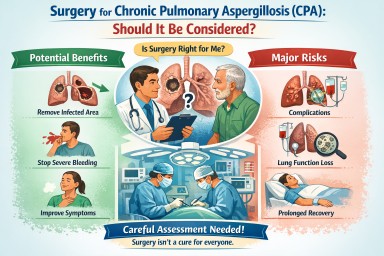
Why is surgery even considered in CPA

CPA usually develops in lungs that are already damaged (for example, by tuberculosis, chronic obstructive pulmonary disease, bronchiectasis, sarcoidosis, or prior infections). Antifungal medicines are therefore the mainstay of treatment.

However, surgery may be considered in a small and carefully selected group of patients, most commonly when:

1. Disease is localised to one area of the lung

If the aspergillus infection is confined to a single cavity or one lobe, and the rest of the lungs are relatively healthy, it may be technically possible to remove the affected area.

2. Recurrent or life-threatening haemoptysis (coughing up blood)

Large-volume or repeated bleeding is one of the strongest reasons surgery is considered. In some cases, surgery is viewed as a way to prevent catastrophic bleeding, rather than to eradicate infection.

3. A simple aspergilloma

Patients with a simple aspergilloma (a single fungal ball in a cavity, minimal surrounding disease, and preserved lung function) are the group most likely to benefit.

4. Failure or intolerance of antifungal therapy

If antifungal drugs cannot be taken long term due to side effects, drug resistance, or lack of response—and the disease remains localised—surgery may be discussed.


Why surgery is often not recommended

Although surgery can sound appealing, CPA surgery is high-risk and not suitable for most patients.

1. CPA is often widespread

Many patients have a disease affecting both lungs or multiple lobes. Removing one area does not treat the remaining infection.

2. Underlying lung reserve is limited

CPA commonly occurs in people with reduced lung function. Removing lung tissue can lead to:

  • Long-term breathlessness

  • Oxygen dependence

  • Reduced quality of life

Even if the operation itself is technically successful.

3. Surgery carries significant risks

Compared with many other lung operations, CPA surgery has higher complication rates, including:

  • Prolonged air leaks

  • Serious infections

  • Bleeding

  • Bronchopleural fistula (abnormal airway–pleural connection)

  • Need for prolonged hospitalisation or intensive care

4. Surgery does not address the underlying vulnerability

CPA reflects an ongoing susceptibility of the lung environment. Removing one fungal focus does not remove the underlying reason aspergillus was able to grow in the first place.


What is the “success rate” of surgery?

Success depends heavily on patient selection and surgical expertise.

In specialist centres:

  • Operative mortality (risk of death around the time of surgery):
    Typically reported between 1–5%, but higher in complex diseases.

  • Major complication rates:
    Often 15–40%, depending on disease extent and lung health.

  • Symptom improvement:
    Many patients selected for surgery experience reduced haemoptysis and improved local control of disease.

These figures are why surgery is only offered after careful multidisciplinary discussion, usually involving respiratory physicians, infectious disease specialists, thoracic surgeons, and radiologists.


Is surgery a “cure” for CPA?

This is one of the most misunderstood points.

Short answer: sometimes, but often not in the long term

  • In a simple aspergilloma, surgery can be genuinely curative if:

    • The disease is completely removed

    • There is no other active CPA elsewhere

    • The patient’s lungs remain stable

  • In chronic cavitary or fibrosing CPA, surgery is rarely a true cure. Instead, it may:

    • Control bleeding

    • Remove a particularly problematic area

    • Reduce fungal burden

Even after apparently successful surgery, some patients still require:

  • Long-term antifungal therapy

  • Ongoing monitoring with scans and blood tests

Recurrence of aspergillus infection elsewhere in the lungs can occur months or years later.


Why are many patients managed medically instead

For most people with CPA, long-term antifungal therapy offers:

  • Disease stabilisation

  • Symptom control

  • Lower risk than surgery

While antifungals do not usually “cure” CPA either, they can:

  • Slow or halt progression

  • Reduce inflammation and symptoms

  • Improve quality of life

This is why surgery is best seen as a highly selective tool, not a standard treatment.


How decisions about surgery are made

If surgery is discussed, your team will usually consider:

  • Extent and pattern of CPA on imaging

  • Lung function tests

  • General fitness and other medical conditions

  • History of haemoptysis

  • Response and tolerance to antifungal treatment

  • Your own priorities and acceptable trade-offs

Importantly, being told surgery is not advised does not mean your care is being limited—it usually reflects a judgement that risks outweigh benefits in your specific case.


Key messages for patients

  • Surgery for CPA is uncommon and highly selective

  • It is most useful in localised disease or severe bleeding

  • Complication rates are significant

  • A guaranteed or permanent “cure” is not typical, except in carefully chosen cases

  • Long-term medical management remains the safest and most effective option for most patients

If surgery has been mentioned—or ruled out—in your case, it is reasonable to ask your team:

  • What specific problem would surgery aim to solve for me?

  • What risks apply to my lungs and overall health?

  • Would antifungal treatment still be needed afterwards?

These discussions are an important part of shared decision-making in CPA care.


What’s New in Aspergillosis Clinical Trials (Last ~4 Months)

An overview for patients and non-specialist readers — 19 January 2026

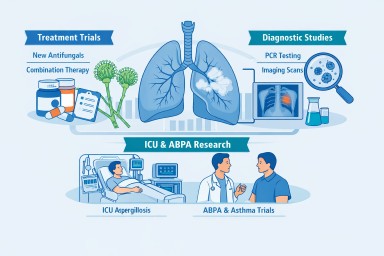
Over the past four months, research into aspergillosis — including chronic, allergic, and invasive forms — has continued across a range of clinical trials. These studies include treatments, diagnostics, and better ways to understand who gets sick and how best to manage it.

Below is a summary of the most relevant trials now active, recruiting, or updated recently. Whenever possible, we link to the official ClinicalTrials.gov record so you can see the details, eligibility criteria, locations, and contact information.


📋 Clinical Trials of Interest

1. Phase III Olorofim Trial for Invasive Aspergillosis

Study title: Olorofim Aspergillus Infection Study
Condition: Invasive aspergillosis (IA)
What it’s testing: A new antifungal drug called olorofim compared with liposomal amphotericin B followed by standard care.
Status: Active — not currently recruiting new patients but ongoing through 2026.
Official record: Olorofim Aspergillus Infection Study on ClinicalTrials.gov
Last updated: January 4, 2026
Why this matters: Olorofim is a completely new class of antifungal designed for patients whose infection is difficult to treat with standard drugs. It may offer an alternative for those with drug-resistant or treatment-intolerant infections.


2. Rezafungin in Chronic Pulmonary Aspergillosis (CPA)

Study title: Rezafungin for Treatment of Chronic Pulmonary Aspergillosis
Condition: Chronic pulmonary aspergillosis
What it’s testing: A long-acting echinocandin antifungal (rezafungin) that might reduce dosing frequency.
Status: Recruiting / active
Official record: Rezafungin CPA Trial on ClinicalTrials.gov
Why this matters: Current CPA treatments can require daily medication and prolonged therapy. Rezafungin’s once-weekly dosing could help reduce burden and hospital visits.


3. Combination Trial: Ibrexafungerp + Voriconazole (SCYNERGIA)

Study title: Evaluate Safety and Efficacy of Ibrexafungerp With Voriconazole in Invasive Pulmonary Aspergillosis
Condition: Invasive pulmonary aspergillosis
What it’s testing: Whether combining two antifungals works better than standard therapy alone.
Status: Active (ongoing)
Official record: SCYNERGIA Combination Trial on ClinicalTrials.gov
Why this matters: Some patients don’t respond well to single-agent treatment. Combination therapy may help in severe cases, especially where resistance is a concern.


4. PCR Diagnostic Study for Aspergillus fumigatus

Study title: PCR for Aspergillus Fumigatus in Blood and Bronchoalveolar Lavage Fluid
Condition: Aspergillosis (diagnostic focus)
What it’s testing: A blood and lung fluid PCR test to improve early detection of aspergillosis.
Status: Recruiting
Official record: PCR Aspergillus fumigatus Diagnostic Trial on ClinicalTrials.gov
First posted: 2 January 2026
Why this matters: Early diagnosis increases the chance of successful treatment. A reliable PCR test could allow clinicians to start antifungal therapy sooner.


🔎 What Else Is Ongoing?

There are other studies that include aspergillosis patients or Aspergillus exposure as part of broader research, such as:

  • All-of-Us Research Program fungal infection analysis — large observational work looking at fungal disease patterns in hundreds of thousands of people in the U.S., including aspergillosis. (Not a clinical trial per se but relevant to understanding how aspergillosis affects populations.)

  • Historic or related trials — e.g., older isavuconazole comparisons (e.g., NCT00412893) exist but are not newly updated.


🧠 What This Means for Patients

  • New antifungal drugs like olorofim and rezafungin are being tested in late-stage studies — these could expand treatment options in the future.

  • Combination therapies (e.g., ibrexafungerp + voriconazole) are being assessed to tackle difficult or resistant infections.

  • Improved diagnostics (e.g., PCR tests for Aspergillus fumigatus) are now being studied to help clinicians diagnose infections earlier and more accurately.

  • Not all trials are about treatment — some focus on better ways to detect infection or understand disease patterns, which are important for prevention and clinical practice.


🗓 How to Use These Links

Clicking a trial link takes you to the official ClinicalTrials.gov page, where you can often see:

  • Who can participate

  • Locations and contact information

  • Detailed eligibility criteria

  • Sponsor and trial timelines

If you have questions about joining a trial or how it applies to you specifically, always discuss this with your healthcare team.


Indoor Damp, Ventilation & Aspergillosis

What a Major UK Evidence Review Means for Patients and Professionals

Why this paper matters

This large UK Health and Safety Executive (HSE) review examined whether microorganisms inside buildings (homes, offices, workplaces) can harm health — and what actually helps reduce risk.

Although it does not focus on a single disease, its findings are highly relevant to people living with aspergillosis, asthma, bronchiectasis, and other chronic lung conditions, as well as the professionals who support them.

Link to paper


The short answer (for everyone)

Yes — indoor environments can significantly affect lung health.
And ventilation and moisture control are central to reducing risk, especially for people vulnerable to fungal exposure.


What the review confirms (in plain language)

1. Indoor fungi are common — and not harmless

High confidence evidence

Many buildings contain airborne and surface fungi, especially when dampness is present.
The fungi most often found indoors include:

  • Aspergillus

  • Penicillium

  • Cladosporium

  • Alternaria

For aspergillosis patients, this matters because:

  • Aspergillus is not just an “outdoor mould”

  • Ongoing exposure can worsen symptoms, trigger inflammation, or complicate recovery

  • Even low levels may be problematic for sensitised or immunocompromised people


2. Dampness is a major driver of fungal exposure

High confidence

Damp buildings — whether due to leaks, condensation, or poor airflow — consistently show:

  • Higher mould growth

  • More fungal spores in the air

  • Stronger links to respiratory symptoms

Important point for patients:

You do not need to see black mould for damp to be affecting your lungs.
Mould smell (“musty odour”) is one of the strongest warning signs.


3. Ventilation is the most important protective factor

High confidence

Ventilation:

  • Dilutes fungal spores, bacteria, and viruses

  • Reduces moisture build-up

  • Lowers exposure for occupants

This applies to:

  • Homes

  • Flats

  • Offices

  • Other non-industrial indoor spaces

⚠️ The review highlights a key modern problem:
Energy-efficient, airtight buildings can unintentionally trap damp and fungi if ventilation is inadequate.

For aspergillosis patients, this means:

  • A “warm” home is not always a “healthy” home

  • Reduced airflow can increase fungal exposure even without visible mould


4. Indoor air also spreads infections

High confidence

Respiratory viruses (e.g. influenza, COVID-19) spread mainly through indoor air, especially when ventilation is poor.

This is relevant for aspergillosis patients because:

  • Viral infections can destabilise lung disease

  • Recovery may be slower

  • Secondary infections are more likely

Ventilation therefore protects against both fungal and viral risks.


5. Surfaces matter too — but air matters more

Medium–high confidence

  • Fungal material and microbes accumulate in dust, carpets, soft furnishings, and damp surfaces

  • Toilets and bathrooms can generate contaminated aerosols

  • Good hygiene helps, but cannot compensate for poor ventilation

For patients:

Cleaning alone will not solve a damp or ventilation problem.


What actually helps (evidence-based)

Strongest evidence

✔️ Adequate ventilation (natural or mechanical)
✔️ Fixing leaks and moisture sources
✔️ Removing mould-damaged materials
✔️ Preventing condensation on cold surfaces

Moderate evidence

✔️ HEPA air filtration (helpful but not a substitute for ventilation)
✔️ UV air disinfection (context-specific)
✔️ Touch-free fittings in shared buildings

⚠️ No single measure works on its own — combined approaches are needed.


Why this matters specifically for aspergillosis patients

This review strongly supports what many patients already experience:

  • Symptoms may persist despite treatment if exposure continues

  • Indoor environments can drive inflammation and relapse

  • “Just take your medication” is not enough if housing conditions are harmful

Importantly, the review recognises that:

  • Health effects vary by individual vulnerability

  • Those with asthma, bronchiectasis, aspergillosis, or immune suppression are more sensitive

  • There are no universally safe mould levels for everyone


What non-specialists should take from this

For GPs and clinicians

  • Damp and poor ventilation are legitimate medical risk factors

  • Persistent respiratory symptoms may be environment-driven

  • Asking about housing conditions is clinically relevant

For housing, environmental health & social care

  • Mould and damp are health hazards, not cosmetic defects

  • Ventilation failures can directly affect chronic disease

  • Energy efficiency must be balanced with respiratory health

For patients and carers

  • You are not “overreacting” if your home affects your breathing

  • Ventilation and moisture control are part of disease management

  • Evidence supports advocating for safer living conditions


Bottom line

This major UK review confirms that indoor dampness and poor ventilation increase exposure to fungi — including Aspergillus — and worsen respiratory health.
For people living with aspergillosis, building conditions are not secondary issues: they are part of the disease environment.


Sinusitis in Patients with ABPA

When to suspect it, when to investigate, and when to refer


Why this matters

Patients with allergic bronchopulmonary aspergillosis (ABPA) are usually managed as having a lung disease. Diagnosis, monitoring, and treatment focus appropriately on the chest, immunology, and asthma control.

However, ABPA occurs within a single continuous airway, extending from the nose and sinuses to the lungs. Disease in the upper airway can coexist with, exacerbate, or complicate lower airway inflammation — yet sinus disease is not routinely assessed in ABPA care pathways.

This article outlines:

  • What is known about sinus disease in this context

  • Which symptoms should raise suspicion

  • When investigation or ENT referral should be considered

  • What GPs and non-specialists can reasonably do


The united airway: a brief reminder

The upper and lower airways share:

  • Type 2 (eosinophilic) inflammation

  • Immunoglobulin E–mediated immune responses

  • Common triggers, including allergens and fungi

Chronic rhinosinusitis is common in asthma and severe asthma, and treatment of sinus disease can improve lower airway outcomes in some patients.
ABPA sits within this same inflammatory spectrum, even though its management is lung-centred.


Sinus disease in ABPA: what is (and isn’t) known

What we know

  • Chronic rhinosinusitis is common in patients with asthma and severe asthma

  • Sinus disease may be symptomatic or relatively silent

  • ABPA guidelines do not mandate routine ENT review or sinus imaging

  • ENT involvement, therefore, varies widely between centres

What we do not know

  • Whether routine ENT assessment improves ABPA outcomes

  • Which ABPA patients benefit most from sinus intervention

  • The optimal timing for ENT referral in ABPA

As a result, clinical judgement remains central.


Symptoms that should prompt consideration of sinus disease

Sinusitis in ABPA patients does not always present with classic “blocked nose and facial pain”.
Key symptoms include:

Common but often overlooked

  • Persistent post-nasal drip

  • Foul, bitter, metallic, or “infected” taste in the mouth

  • Throat clearing, chronic cough

  • Thick or sticky mucus sensation

  • Symptoms are worse on waking or lying flat

More typical sinonasal features

  • Nasal blockage or congestion

  • Facial pressure or fullness

  • Reduced or altered sense of smell

  • Nasal crusting or discharge

Contextual clues

  • Poor durability of response to steroids or antifungals

  • Recurrent “flares” without clear chest triggers

  • Coexisting severe asthma or nasal polyps

  • Symptoms are worse in damp or mould-affected housing

A persistent foul taste in the mouth is a recognised symptom of chronic sinus disease, usually due to post-nasal drainage of inflamed secretions.


Damp homes and sinus disease

Living in damp or mould-affected environments is associated with:

  • Higher rates of chronic rhinosinusitis

  • Upper airway irritation and inflammation

  • Allergic sensitisation to fungal spores

In most cases, this results in inflammatory or allergic sinusitis, not invasive fungal infection.
Fungal involvement may act as an immune trigger, even when not labelled as “fungal sinusitis”.


Fungal sinusitis: rare vs under-recognised

It is important to distinguish between entities:

Type Frequency Key point
Invasive fungal sinusitis Rare Usually immunocompromised; dramatic presentation
Fungal ball (mycetoma) Uncommon Usually obvious on CT
Allergic fungal rhinosinusitis Likely under-recognised Requires active suspicion

Allergic fungal rhinosinusitis overlaps biologically with ABPA:

  • IgE-mediated

  • Eosinophilic inflammation

  • Thick allergic mucin

It is not routinely sought, so it may be under-diagnosed in at-risk groups.


What GPs and non-specialists can reasonably do

1. Take upper airway symptoms seriously

Especially in ABPA or severe asthma patients with:

  • Persistent post-nasal symptoms

  • Foul taste

  • Recurrent unexplained deterioration

2. Examine the nose and throat

  • Look for polyps, discharge, and crusting

  • Note mouth breathing or altered voice quality

  • Check dentition (to exclude dental causes)

3. Consider imaging when symptoms persist

  • CT sinuses (not plain X-ray) is the imaging of choice

  • Particularly appropriate if symptoms last >8–12 weeks or recur

4. Refer to ENT when:

  • Symptoms are persistent or progressive

  • CT shows significant sinus disease

  • There is a poor response to standard medical therapy

  • There is diagnostic uncertainty

Referral does not imply surgery — ENT input may be diagnostic or medical.


What this article is not saying

  • It does not suggest that all ABPA patients need an ENT referral

  • It does not claim that sinus treatment improves ABPA outcomes

  • It does not override existing guidelines

It does suggest that earlier consideration of the upper airway is reasonable in selected patients.


Key take-home points for clinicians

  • The airway functions as a single inflammatory system

  • Sinus disease may be subtle, under-reported, or atypical

  • A foul taste in the mouth is a meaningful symptom

  • Damp or mould exposure increases sinus disease risk

  • ENT referral is appropriate when symptoms persist or recur

  • Evidence gaps remain — but clinical vigilance is justified


In summary

ABPA is managed as a lung disease, but patients live with a whole airway.
Recognising when sinus disease may be contributing can help explain persistent symptoms and guide appropriate referral — without over-investigation or over-treatment.


ABPA and Work: What a Patient Poll Tells Us About Employment, Health, and Real-World Impact

An article for patients, GPs, and non-specialist healthcare professionals

Allergic bronchopulmonary aspergillosis (ABPA) is often discussed in terms of lung function, immunology, and imaging. Far less often do we talk about its impact on everyday life, particularly on a person’s ability to work.

A poll run within the National Aspergillosis Centre patient community asked a simple but powerful question:

Who is still able to work while living with ABPA – and who has had to stop or retire?

The responses provide an important insight into the functional and socioeconomic burden of ABPA.


Key findings from the poll (patient-reported)

  • Working full time: 17%

  • Working part time (days or hours): 18% combined

  • Not working: 30%

  • Retirement age: 21%

  • Retired early for health reasons: 12%

  • Currently on sick leave / full-time carer / pre-diagnosis: small but notable groups

Even allowing for the informal nature of a social media poll, the overall pattern is clear.


What this tells us

1. Sustained full-time work is uncommon in ABPA

Fewer than one in five respondents were able to work full time. Even among those still working, many described reduced hours, flexible arrangements, or fragile employment dependent on day-to-day health.

ABPA is often incompatible with predictable, high-demand working patterns.


2. ABPA frequently leads to work loss or early retirement

A substantial proportion of respondents were either:

  • No longer working at all, or

  • Retired earlier than planned specifically because of health

This is particularly striking given that ABPA often affects people during their working years and may coexist with asthma, bronchiectasis, or long-term steroid use.


3. “Retirement age” can hide health-forced exit

Some respondents selected “retirement age,” but accompanying comments revealed that many:

  • Left work earlier than expected

  • Changed careers or reduced responsibilities years before retirement

  • Worked through ill health until they no longer could

This matters when interpreting employment statistics: health-driven work loss may be underestimated.


4. Unpaid work and instability are often overlooked

The poll also highlighted:

  • People currently on prolonged sick leave

  • Full-time unpaid carers

  • Individuals still awaiting diagnosis but already struggling to work

These groups are frequently invisible in employment data, yet represent significant personal and societal impact.


Why ABPA affects the ability to work

For patients and non-specialists, it is important to understand that work difficulties in ABPA are not simply due to “asthma symptoms.”

Common contributors include:

  • Chronic breathlessness and cough

  • Severe fatigue and post-exertional exhaustion

  • Recurrent chest infections

  • Steroid side-effects (muscle weakness, bone disease, mood changes, diabetes risk)

  • Unpredictable flare-ups requiring rest, antibiotics, or hospital care

  • Cognitive and emotional burden of long-term illness

Together, these make consistent attendance, physical work, and high cognitive load difficult to sustain.


Implications for patients

  • Difficulty working is not a personal failure

  • Many others with ABPA face similar challenges

  • Adjustments, reduced hours, or stopping work altogether may be medically appropriate

  • Asking for support is reasonable and justified


Implications for GPs and non-specialist clinicians

  • Employment status should be considered a key outcome of disease control

  • Fit notes, occupational health input, and benefits documentation are part of holistic care

  • ABPA is a fluctuating condition – patients may cope for periods and then deteriorate

  • Statements such as “lung function is stable” do not always reflect real-world functioning

Understanding the work impact helps clinicians better support patients in consultations, reports, and advocacy.


Implications for systems and policy

This poll reinforces that ABPA carries a significant socioeconomic burden, including:

  • Reduced workforce participation

  • Early retirement

  • Increased reliance on health and social support systems

Any assessment of disability, employment capability, or long-term planning must take into account:

  • Variability over time

  • Treatment burden

  • Side-effects of necessary medications


In summary

This patient poll sends a consistent message:

ABPA commonly limits the ability to work, often leading to reduced hours, unstable employment, or early exit from the workforce.

For patients, this experience is shared and valid.
For clinicians, it is a reminder that ABPA is not just a radiological or immunological diagnosis, but a life-limiting condition with real-world consequences.


Season’s Greeting

As the year draws to a close, we would like to send warm wishes to everyone in the aspergillosis community — patients, families, carers, clinicians, nurses, scientists, and all professionals working to improve care and understanding.

Living with aspergillosis, or supporting those who do, often requires resilience, patience, and compassion. Throughout this year, we have seen remarkable strength from patients, dedication from healthcare teams, and generosity of spirit across our wider community.

At this time of reflection and renewal — whether you mark Christmas, another festival, or simply the turning of the year — we hope you find moments of rest, comfort, and connection. May the days ahead bring steadier health where possible, renewed energy, and continued progress in care, research, and support.
Thank you for being part of this community.

With warmest wishes for peace, kindness, and hope — now and into the New Year.


Potential respiratory hazards of fungal exposure in the residential indoor environment: a systematic review (2025)

Summary of the 2025 Systematic Review for Non-Specialists & Patients

Read full paper here: Potential respiratory hazards of fungal exposure in the residential indoor environment: a systematic review - ScienceDirect

What was this review about?

This review looked at all the scientific evidence from 1990–2025 on how indoor fungi (moulds) in homes affect people’s breathing and general respiratory health. It examined 94 studies, mapping out where fungi come from, which species appear most often, and how they affect the lungs, nose, throat, and immune system.


Key Findings in Plain Language

1. The biggest sources of indoor mould are dampness and building damage

Homes with water leaks, damp walls, damaged materials and poor ventilation are the most common sources of fungi—especially Aspergillus and Penicillium. These thrive in wet building materials, bathrooms, kitchens, drains, air-conditioning systems and even water dispensers.

2. Indoor fungi are strongly linked to a wide range of respiratory symptoms

Across many countries, indoor fungal exposure was associated with:

  • Asthma and asthma flare-ups

  • Allergic rhinitis (blocked or runny nose)

  • Chronic cough and throat irritation

  • Adenoid enlargement in children

  • Hypersensitivity pneumonitis (allergic inflammation of the lungs)

  • Reduced lung function

  • Even pulmonary haemorrhage in rare cases

The review shows that even everyday exposure—not just visibly mouldy homes—can worsen respiratory health.

3. Some fungi are more strongly associated with illness

Important associations include:

  • Aspergillus → asthma symptoms, COPD exacerbations, throat irritation, hypersensitivity reactions

  • Penicillium → asthma, allergic rhinitis, hypersensitivity pneumonitis

  • Alternaria → childhood asthma risk

  • Candida & Fusarium → present in wet areas such as bathrooms and may affect vulnerable individuals

4. The geographic picture is uneven

Most research comes from high-income, temperate countries. There are major evidence gaps in tropical and subtropical regions, where humidity is high and fungal exposure is likely worse. This limits current global understanding of risk.

5. Prevention works — but public awareness is low

Simple actions (cleaning, improved ventilation, addressing leaks, correct humidity ranges) can radically reduce fungal burden. One study showed 80–90% reduction in airborne mould counts after residents were given basic remediation advice.


What’s New or Important in This 2025 Review?

1. A fully integrated “source → species → disease → location” map

The review is the first to link fungal sources, the exact fungi found, the diseases they cause, and where the evidence comes from, creating a multi-layered evidence map. This helps identify:

  • Which household features pose the highest risk

  • Which fungi are clinically most important

  • Where research gaps exist

2. Highlights the major global research imbalance

It emphasises that very little evidence exists from low-income and tropical areas—where exposure may be far more severe. This is a call for equity and better global surveillance.

3. Shows that fungi may affect more than the lungs

The review notes new evidence that fungal exposure may also influence neurological and immune-mediated symptoms, suggesting mould exposure could have broader health effects than traditionally recognised.

4. Identifies major gaps in identifying which fungal species cause harm

Many studies only measure “mould level” without identifying the fungus. The review argues for better fungal detection technologies, such as:

  • Portable real-time samplers

  • Multi-omics (DNA, RNA, metabolites)

  • Long-term cohort studies

These tools could finally clarify which fungi cause which illnesses.

5. Strong emphasis on emerging technologies for prevention

Including:

  • UV and photocatalytic TiO₂ devices

  • Improved antifungal cleaning agents

  • Building materials designed to resist mould growth

  • Volcanic minerals and clays that absorb harmful compounds


Why This Review Matters (for Patients, Carers, and Clinicians)

1. It shows mould is not “just an allergy problem”

Indoor fungi can worsen or trigger asthma, COPD, hypersensitivity pneumonitis, chronic sinus issues, and may even influence immune and neurological health. This validates patient experiences where damp homes worsen symptoms.

2. It provides strong evidence for housing-related health advocacy

Patients can use this to:

  • Request landlord repairs

  • Support home assessments

  • Advocate for rehousing if severe mould is present

  • Justify humidifier/dehumidifier use, and ventilation improvements

3. It highlights the importance of early remediation

Even simple cleaning and remediation steps can dramatically reduce mould burden and symptoms—important for families, vulnerable groups, and those with chronic lung disease.

4. It gives clinicians a clearer evidence base

Respiratory teams can use this to:

  • Recognise when housing contributes to disease flare-ups

  • Understand which conditions are most strongly linked to indoor fungi

  • Make better-informed referrals for environmental health assessments

5. It builds a scientific foundation for future guidelines

The authors point out that national building codes, indoor air quality policies, and public health guidance lag behind the evidence—and this review is intended to inform future regulation.


Who Does This Help Most?

Patients with:

  • Asthma

  • Allergic bronchopulmonary aspergillosis (ABPA)

  • Aspergillus bronchitis

  • COPD (especially those with fungal-associated exacerbations)

  • Hypersensitivity pneumonitis

  • Children with recurrent respiratory infections

  • Anyone living in damp, mouldy, water-damaged, or poorly ventilated homes

Clinicians:

Respiratory physicians, GPs, ENT specialists, allergists, immunologists.

Policy & Housing Professionals:

Public health teams, environmental health officers, social landlords, housing associations.

Researchers:

Those developing diagnostics, fungal exposure studies, indoor air quality monitoring, or patient-centred environmental interventions.


Using Radiopaedia and Online Imaging Resources Safely: What Expert Patients and Non-Specialist Clinicians Need to Know

Online radiology education platforms such as Radiopaedia (see aspergillosis images here) have transformed access to medical knowledge. They provide high-quality explanations of imaging findings, annotated examples, and differential diagnoses that are invaluable for learning, teaching, and patient empowerment.

For expert patients living with long-term conditions, and for non-specialist clinicians working outside radiology, these resources can greatly improve understanding of scan reports and discussions with healthcare teams. However, it is important to understand what these tools can – and cannot – do.

Radiopaedia is an educational resource, not a diagnostic service

Radiopaedia is designed to teach pattern recognition and radiological reasoning, not to provide individual diagnoses. The cases shown are curated examples, often with classic features, and are presented without the full clinical complexity that accompanies real patients.

Real-world imaging interpretation requires integration of:

  • Clinical history and symptoms

  • Laboratory results (for example inflammatory markers, microbiology, immunology)

  • Prior imaging and disease progression

  • Treatment history and response

  • Knowledge of common mimics and incidental findings

This clinical synthesis cannot be replicated by reviewing example images alone.

Why expert radiologist review still matters

For many diagnoses, there is no substitute for a radiologist formally reviewing and interpreting the imaging.

This is particularly true when:

  • Findings are subtle or evolving

  • Multiple conditions coexist (for example bronchiectasis, infection, scarring, and inflammation together)

  • Imaging appearances overlap between diseases

  • Treatment decisions depend on small but important changes over time

Radiologists are trained to recognise not only “textbook” appearances, but also atypical, incomplete, or misleading patterns, and to weigh uncertainty appropriately in their reports.

Imaging patterns are rarely diagnostic in isolation

Many imaging features are non-specific. For example:

  • Cavities can be caused by infection, inflammation, malignancy, or prior disease

  • Nodules may represent infection, scarring, inflammation, or benign change

  • Mucus plugging can occur in asthma, infection, allergic disease, or chronic airway disease

Educational resources often present differential diagnoses clearly, but deciding which diagnosis applies to a specific patient requires clinical judgment and experience.

A particular note for chronic lung and fungal disease

In complex conditions such as chronic lung disease, allergic lung disease, or fungal infections, imaging interpretation is especially nuanced. Appearances may change slowly, fluctuate with treatment, or overlap with other long-standing abnormalities.

Small changes that are significant to a specialist team may appear minor or ambiguous when viewed without context. Conversely, dramatic-looking findings may represent stable or inactive disease.

This is why specialist radiology input, often alongside multidisciplinary discussion, remains essential.

How expert patients and clinicians should use Radiopaedia

Used appropriately, Radiopaedia can:

  • Improve understanding of scan terminology

  • Help frame informed questions for clinicians

  • Support education and shared decision-making

  • Aid non-specialists in recognising when further advice is needed

It should not be used to:

  • Self-diagnose based on image similarity

  • Override formal radiology reports

  • Draw conclusions without clinical correlation

The key message

Radiopaedia and similar platforms are powerful educational tools. They enhance knowledge, confidence, and communication. But for many diagnoses, they complement rather than replace expert radiologist assessment.

The safest and most effective approach is to use educational resources alongside formal imaging reports, specialist input, and clinical discussion — not instead of them.


Beyond guidelines: what do I need to know when dealing with fungal diagnostics?

Cornelia Lass-Flörl. Clinical Microbiology and Infection (2025)

PIIS1198743X2500357X

Why this paper matters

Diagnosing invasive fungal infections (including aspergillosis) remains difficult in real-world practice. Guidelines exist, but patients and clinicians often experience confusing or apparently conflicting test results. This narrative review explains why that happens and how results should be interpreted in context, particularly for Aspergillus infections.


Key messages relevant to aspergillosis

1. Your immune system strongly affects test results

The paper clearly explains that diagnostic tests behave very differently depending on immune status:

  • In neutropenic or heavily immunosuppressed patients, antigen tests such as galactomannan tend to perform better, while antibody tests often fail.

  • In immunocompetent or non-neutropenic patients, including many with chronic pulmonary aspergillosis (CPA), Aspergillus IgG antibody tests are often positive and clinically useful.
    This helps explain why some patients are told their blood tests are “negative” despite ongoing disease.

2. Where the sample comes from matters

For lung aspergillosis:

  • Bronchoalveolar lavage (BAL) samples are far more informative than blood.

  • Blood cultures are usually unhelpful for Aspergillus, as the fungus rarely circulates in the bloodstream.

  • A positive sputum culture may represent colonisation rather than infection, especially in people without severe immune suppression.

This reinforces an important patient message: a single test result is rarely enough.

3. Antifungal treatment can hide infection

Starting antifungal therapy early can:

  • Make cultures negative

  • Reduce antigen levels (e.g. galactomannan)

  • Complicate microscopy interpretation

This explains why some patients experience false reassurance from negative tests after treatment has already begun. Serial testing and clinical judgement are often more informative than a single result.

4. False positives and cross-reactivity are common

The review highlights important pitfalls:

  • β-D-glucan can be positive due to bacterial infections or medical materials, not just fungi

  • Galactomannan can cross-react with other fungi (e.g. Fusarium)

  • Mixed infections can occur in immunosuppressed patients

This supports a cautious interpretation of “positive” results and explains why clinicians may hesitate to diagnose aspergillosis based on one test alone.

5. Colonisation vs infection is a central challenge

A particularly relevant section for aspergillosis patients explains:

  • Aspergillus can live in airways without causing invasive disease

  • Diagnosis relies on combining symptoms, imaging, risk factors, and multiple tests
    This reflects the lived experience of many patients with bronchiectasis, asthma, or chronic lung disease.


Strengths of the paper

  • Written by a leading international mycology expert

  • Pragmatic and clinically grounded

  • Explains why guidelines don’t always fit individual patients

  • Particularly strong on Aspergillus diagnostics, including CPA and invasive disease

Limitations

  • Focuses mainly on invasive fungal infections; allergic and chronic syndromes are discussed less

  • Aimed primarily at clinicians and laboratories, not patients


Take-home message for patients

There is no single “definitive” test for aspergillosis. Results depend on immune status, sample type, timing, and prior treatment. Negative tests do not always mean absence of disease, and positive tests do not always mean active infection.

This paper strongly supports the multidisciplinary, experience-based approach used in specialist centres such as the National Aspergillosis Centre.


The Chief Medical Officer’s Annual Report 2025: Infections

What this document is

The Chief Medical Officer’s Annual Report 2025: Infections is a major national review produced by the Chief Medical Officer for England, Professor Chris Whitty. It is a comprehensive, 371-page assessment of:

  • Current infectious disease threats in England

  • How infections are changing (ageing population, travel, globalisation, antimicrobial resistance)

  • What the NHS, public health services, and government need to do to protect the public

  • Key topics including vaccines, fungal infections, infection in older adults, housing, climate change and more

It includes contributions from national experts—including a full chapter dedicated to fungal infections (section 4.2) and others that touch on issues highly relevant to aspergillosis patients (vaccination, antimicrobial resistance, respiratory infections, housing, and vulnerable populations)

cmo-annual-report-2025-infectio…


Why it is published

The report is published each year to:

1. Advise Government

It sets out the CMO’s expert recommendations on how England should prepare for current and future infection threats, including pandemics, AMR, and emerging fungal pathogens.

2. Influence NHS planning and investment

The report highlights weaknesses in the system and proposes reforms.
This year’s report strongly emphasises:

  • Better infection services

  • Stronger surveillance

  • Improving vaccine uptake

  • Protecting older adults (now the group with most infection-related deaths)

  • Expanding superspecialist expertise—including fungal disease expertise

3. Inform clinicians, researchers, and public health professionals

It provides a current consensus on infectious disease trends, evidence, and priorities.
Chapters are written by leading UK experts in each field (e.g., fungal infections, antimicrobial resistance, vaccines, imported infections)

4. Educate the public and third-sector organisations

The report is open-access and intended to help the public understand why infection preparedness matters and why actions like vaccination, stewardship, and early diagnosis are essential.


Who reads it

The report is widely used across:

Government

  • Department of Health and Social Care

  • UKHSA

  • Cabinet Office (emergency planning)

  • Local authorities

NHS and clinical services

  • Infectious disease physicians

  • Respiratory teams

  • Microbiology and virology specialists

  • Primary care networks

  • ICS / ICB teams planning local services

Researchers and academic institutions

It sets the direction for future research and funding priorities, including for fungal disease and AMR.

Charities, patient organisations and advocates

Groups representing people with chronic, infectious, or respiratory illness read the report to understand system-level changes and advocate for patient needs.

Industry and diagnostics developers

They monitor future needs for antifungals, vaccines, and diagnostic tools.


Why this report is important for aspergillosis patients

Several aspects of the 2025 report directly relate to people with ABPA, CPA, SAFS or Aspergillus bronchitis.


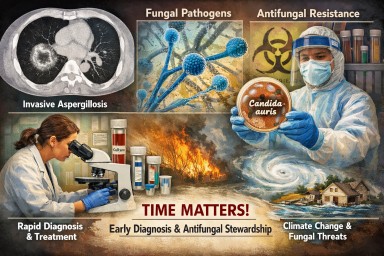
1. Fungal infections are recognised as a major emerging threat

The report includes a dedicated chapter on fungal infections (section 4.2), describing:

  • Rising antifungal resistance

  • Expanding fungal threats globally

  • The importance of specialist mycology expertise

  • The risks from agricultural fungicides

  • The need for improved surveillance and diagnostics

This formal recognition strengthens the case for specialised centres like the National Aspergillosis Centre.


2. It highlights the need for superspecialists in rare and imported infections—including fungal disease

The CMO states that England requires:

“superspecialists to provide advice on and management of infections including… rarer [infections] such as fungal infections.”

cmo-annual-report-2025-infectio…

This directly supports the role and expansion of the NHS mycology services, which Aspergillus patients rely on for accurate diagnosis and treatment.


**3. It reinforces the importance of antimicrobial and antifungal stewardship

For people with aspergillosis, this matters because:

  • Resistance to azoles is rising—and the report explicitly mentions agricultural fungicides as part of the problem.

  • Stewardship ensures patients receive appropriate antifungals, monitored carefully and adjusted safely.

  • It argues for more drug development, which is essential because current antifungal options are limited.


4. It emphasises diagnosing infection in older adults

Older adults are increasingly vulnerable to infections and complications, especially respiratory ones.
The report stresses that:

  • Infection in older adults often has more serious consequences

  • Early diagnosis is essential

  • Access to specialist care must improve

Since many aspergillosis patients are older with complex lung disease, this section validates the need for better recognition and earlier referral.


5. Housing and damp are recognised as infection risks

The chapter Housing and Infection (section 7.2) discusses how substandard housing—including damp and mould—drives respiratory illness.
Although not Aspergillus-specific, it gives important public health backing for patients needing remediation and better housing conditions.


6. The report strengthens the case for national fungal surveillance

Key recommendations include:

  • Improving surveillance of antimicrobial and antifungal resistance

  • Better mapping of emerging pathogens

  • More research into fungal diseases

These system-level improvements directly benefit aspergillosis patients by helping earlier detection and better treatment options.


7. It raises awareness of fungal disease at national level

Simply being included in a flagship CMO report is important.
It means:

  • Policymakers can no longer overlook fungal infections

  • Funding for mycology services becomes easier to justify

  • Clinicians across the NHS will become more aware of CPA, ABPA and related diseases

  • It helps reduce the years-long diagnostic delays many patients face


In short — why Aspergillus patients should care

The 2025 CMO Annual Report is one of the most influential documents shaping future infectious disease strategy in England. For aspergillosis patients, it is important because:

✓ Fungal infections are explicitly highlighted as a growing threat

✓ Specialist mycology services are recognised as essential

✓ Antifungal resistance is identified as a major risk requiring action

✓ Better diagnosis and monitoring of at-risk groups is encouraged

✓ Housing, climate, age and vulnerability—all major issues for patients—are addressed

✓ It strengthens the case for investment in NAC and wider mycology networks


This report can be used by patient groups, NAC advocates, and healthcare professionals to press for:

  • More referrals

  • Better awareness among GPs and respiratory teams

  • Expanded mycology diagnostic capacity

  • Greater research funding

  • Better antifungal stewardship

  • National fungal surveillance