Information on Allergic BronchoPulmonary Aspergillosis (ABPA) / SAFS – For Family and Friends
Print out or share electronically
WHAT IT IS
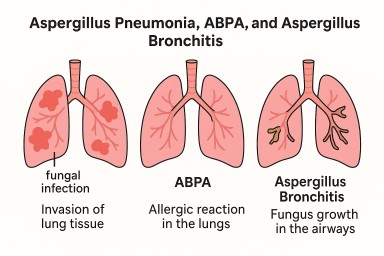
ABPA (Allergic Bronchopulmonary Aspergillosis) and SAFS (Severe Asthma with Fungal Sensitisation) are allergic reactions to a common fungus, Aspergillus. In some people with asthma, the immune system overreacts to spores in the air, causing inflammation, swelling, and mucus plugs in the lungs.
WHAT IT'S NOT
-
Not contagious – you can't catch it.
-
Not poor hygiene – Aspergillus is everywhere in the air.
-
Not the patient's fault – flare-ups happen because of the condition, not something they did or didn't do.
WHY AREN'T OTHERS AFFECTED?
Most people's lungs clear these spores easily. In ABPA/SAFS the immune system reacts too strongly – more likely with long-standing asthma, severe allergies, damaged airways (e.g., bronchiectasis), or a genetic tendency. It's not weakness or lifestyle choices – often just lung history and bad luck.
TYPICAL SYMPTOMS
-
Wheezing, cough (sometimes with mucus plugs)
-
Breathlessness
-
Severe fatigue
-
Sometimes coughing up blood
WORST SYMPTOMS
-
Mucus plugs – thick, sticky clumps blocking airways, making breathing suddenly harder.
-
Intense coughing – can be exhausting, cause chest pain, and disrupt sleep.
TREATMENT
-
Anti-inflammatory medicines (often steroids)
-
Antifungals to reduce Aspergillus in the airways
-
Biologics for severe asthma/allergic inflammation
-
Monitoring with blood tests, breathing tests, and scans
THE REALITY
This condition can dominate daily life. On bad days the person may not be able to do much at all. Energy and breathing can change day-to-day (even hour-to-hour). If plans are cancelled, it isn't a lack of interest – it's the illness. Flare-ups can also make people feel short-tempered – a natural reaction to frustration, not a lack of care. Many people also live with a constant awareness of environmental risks – weighing up every new place or activity for dust, damp, or spores. This can feel exhausting and may lead them to avoid situations that others wouldn’t think twice about.
LOOKING AHEAD
-
With good control – Many people manage their symptoms well, reduce flare-ups, and keep active with the right treatment and avoidance of triggers.
-
Risks – Without good control, repeated flare-ups can slowly damage the lungs and lead to bronchiectasis.
-
Change over time – Some improve and need less treatment; others have ongoing ups and downs. Early action on flare-ups makes a big difference.
ENVIRONMENTAL TRIGGERS & PROTECTION
Some people with ABPA or SAFS have to avoid dust, mould, strong smells, smoke, and damp places – these can trigger flare-ups. Activities like gardening, compost turning, or DIY can be risky because they release fungal spores into the air. Wearing a well-fitting mask (e.g., FFP2/FFP3) can help reduce exposure – it's about staying well, not being antisocial.
HOW FRIENDS AND FAMILY CAN BEST HELP
-
Be flexible with plans – energy and breathing can change suddenly; last-minute cancellations aren't personal.
-
Help avoid triggers – choose low-dust, low-mould venues and activities.
-
Support treatment routines – lifts to appointments, collecting prescriptions, or reminders if welcome.
-
Listen without judgement – let them share symptoms and frustrations.
-
Encourage safe activities – suggest hobbies and outings with low environmental risk.
-
Show affection and reassurance – a hug, a kind message, or checking in can mean a lot.
MORE INFORMATION & SUPPORT
National Aspergillosis Centre (UK): https://mft.nhs.uk/wythenshawe/services/infectious-diseases/national-aspergillosis-centre/
Patient information & community: https://aspergillosis.org
Chronic Pulmonary Aspergillosis (CPA) – Information For Family and Friends
Print this off or share electronically
WHAT IT IS
CPA (Chronic Pulmonary Aspergillosis) is a long-term lung infection caused by the Aspergillus fungus. It often develops where lungs are already damaged (e.g., TB, COPD, bronchiectasis, sarcoidosis) and may form cavities, sometimes with fungal balls (aspergillomas).
WHAT IT'S NOT
-
Not contagious – you can't catch CPA.
-
Not poor hygiene – spores are everywhere in the air.
-
Not the patient's fault – flare-ups or setbacks happen because of the illness, not something they did wrong.
WHY AREN'T OTHERS AFFECTED?
Most people remove spores without trouble. CPA appears when lungs are already damaged or the immune system can't fight the fungus well – after past infections, chronic lung disease, or weakened defences. It's not about choices; it's lung history and chance.
TYPICAL SYMPTOMS
-
Persistent cough (sometimes with blood)
-
Breathlessness
-
Fatigue and low energy
-
Weight loss
-
Recurring chest infections
WORST SYMPTOMS
-
Coughing up blood – can be small streaks or larger amounts; sudden and frightening; urgent if heavy.
-
Severe fatigue – can stop even simple tasks; not just ‘tiredness’.
TREATMENT
-
Long-term antifungal medication
-
Regular scans and blood tests
-
Surgery in selected cases
THE REALITY
CPA is a serious, long-term condition. On bad days, people may not be able to do much at all. Symptoms can dominate daily life and limit social plans – cancelled arrangements are the illness talking, not them. It can also make people feel grumpy or irritable – not because they don't care, but because constant symptoms, tiredness, and limits on daily life are frustrating and exhausting. There’s often a mental load too – always thinking about avoiding dust, damp, or mould spores, and sometimes feeling overcautious about activities like going on boats, visiting old buildings, or anywhere that might harbour moisture or mould. This risk-checking is a form of self-protection, even if it means missing out.
It’s important to mention the mood swings and fatigue caused not only by the disease but also by the medication. For some, constant hand tremors are also part of daily life — these are often misunderstood by others.
LOOKING AHEAD
-
With effective treatment – Many people can keep the infection stable for years, control symptoms, and stay independent.
-
Risks – CPA can slowly progress, and severe flare-ups (like coughing large amounts of blood) may need urgent treatment.
-
Change over time – The illness can be stable for long periods, but it often needs lifelong monitoring and treatment changes. Support from specialists helps keep people well for longer.
ENVIRONMENTAL TRIGGERS & PROTECTION
Some people with CPA need to avoid environments with high levels of dust or fungal spores. This includes gardening, composting, building work, or damp/mouldy places. Wearing a protective mask during these activities can help reduce risk. Avoiding these triggers is about preserving lung health – not being fussy or antisocial.
HOW FRIENDS AND FAMILY CAN BEST HELP
-
Respect limits – breathlessness, fatigue, or coughing up blood can stop plans at short notice; it's not a choice.
-
Minimise exposure risks – avoid inviting them to dusty, damp, or mouldy places.
-
Offer practical help – driving to appointments, carrying shopping, or helping at home during flare-ups.
-
Be patient with mood changes – grumpiness can come from exhaustion and constant vigilance against triggers.
-
Talk openly about safety – if you suggest an outing, ask “Would this feel safe for you?”
-
Stay connected – even if they can't join in physically, a call or small gesture keeps them included.
MORE INFORMATION & SUPPORT
National Aspergillosis Centre (UK): https://mft.nhs.uk/wythenshawe/services/infectious-diseases/national-aspergillosis-centre/
Patient information & community: https://aspergillosis.org
📘 What is CPA? (Chronic Pulmonary Aspergillosis)
Patient handout for A&E staff who are not aware of aspergillosis.
What is CPA?
CPA is a chronic fungal infection of the lungs caused by Aspergillus, most often in people who already have damaged lungs from conditions like tuberculosis, COPD, lung cancer, or sarcoidosis.
Unlike ABPA, CPA is a true infection, not an allergic reaction. It is not contagious but can slowly destroy lung tissue if not treated.
Symptoms
-
Chronic cough, often with mucus
-
Coughing up blood (haemoptysis)
-
Fatigue, low-grade fever
-
Unexplained weight loss
-
Breathlessness
-
Recurrent chest infections not responding to antibiotics
Diagnosis
-
CT scan of the chest showing cavities, nodules, or fungus balls (aspergillomas)
-
Aspergillus IgG antibody (usually raised)
-
Positive sputum PCR or culture for Aspergillus
-
Exclude TB and malignancy
Treatment
-
Long-term antifungal therapy (e.g. itraconazole, voriconazole, posaconazole)
-
Monitor blood levels and liver function
-
Surgery or embolisation if severe bleeding occurs
-
Supportive care: oxygen, nutrition, physiotherapy
Key Points for A&E:
✅ CPA is a progressive fungal infection, not a typical bacterial pneumonia
✅ May present with haemoptysis, respiratory distress, or systemic illness
✅ Review current antifungal treatment and potential drug interactions
✅ Consider urgent chest CT and specialist referral if patient is unwell
📍 For specialist support:
National Aspergillosis Centre (NAC)
🏥 Wythenshawe Hospital, Manchester University NHS Foundation Trust
🌐 NAC homepage on MFT website https://mft.nhs.uk/wythenshawe/services/infectious-diseases/national-aspergillosis-centre/
🌐 www.aspergillosis.org
📞 Daytime contact: 0161 291 2891 or 0161 291 4362
📞 Urgent out-of-hours: Call Wythenshawe switchboard on 0161 998 7070
📢 Ask for the on-call Infectious Diseases Consultant
📘 What is ABPA? (Allergic Bronchopulmonary Aspergillosis)
Patient handout for A&E staff who ask what aspergillosis is.
What is ABPA?
ABPA is an allergic lung condition caused by the immune system overreacting to the fungus Aspergillus. It mainly affects people with asthma or cystic fibrosis.
When Aspergillus spores are inhaled, most people clear them without issue. In ABPA, the immune system sees these spores as dangerous and mounts a strong inflammatory response. This leads to asthma-like symptoms, mucus plugging, and can result in permanent lung damage (bronchiectasis) if left untreated.
Symptoms
-
Worsening breathlessness
-
Wheezing, chest tightness
-
Coughing up thick, often brown mucus
-
Fever, fatigue, or feeling generally unwell
-
Unintentional weight loss (advanced cases)
Diagnosis
-
History of asthma or cystic fibrosis
-
High IgE levels and positive Aspergillus-specific IgE
-
Eosinophilia (raised white blood cells)
-
Sputum culture or PCR positive for Aspergillus
-
Chest imaging showing mucus plugging or bronchiectasis
Treatment
-
Oral corticosteroids (e.g. prednisolone) to reduce inflammation
-
Antifungal medication (e.g. itraconazole) to lower fungal burden
-
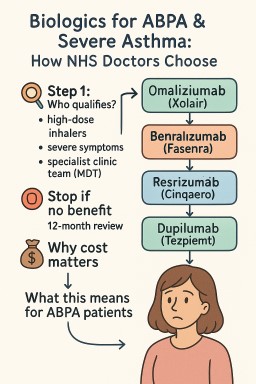
Biologic therapies (e.g. omalizumab or benralizumab) in some patients
-
Regular monitoring by respiratory or infectious diseases specialists
Key Points for A&E:
✅ ABPA is an allergic lung disease, not a classical infection
✅ Can present with severe asthma, mucus plugging, or type 2 respiratory failure
✅ Requires early recognition and often systemic steroids and antifungal therapy
✅ Take bloods (IgE, eosinophils, CRP), consider chest imaging, and review oxygen status
📍 For specialist support:
National Aspergillosis Centre (NAC)
🏥 Wythenshawe Hospital, Manchester University NHS Foundation Trust
🌐 NAC homepage on MFT website https://mft.nhs.uk/wythenshawe/services/infectious-diseases/national-aspergillosis-centre/
🌐 www.aspergillosis.org
📞 Daytime contact: 0161 291 2891 or 0161 291 4362
📞 Urgent out-of-hours: Call Wythenshawe switchboard on 0161 998 7070
📢 Ask for the on-call Infectious Diseases Consultant
🧾 Rezafungin: A New Antifungal Being Trialled for CPA
Some people with chronic pulmonary aspergillosis (CPA) have trouble tolerating standard antifungal medications. Commonly used drugs like voriconazole and posaconazole can cause serious side effects such as hallucinations, liver enzyme disturbances, or gut problems. When these medications can’t be used, options become limited.
A new antifungal, rezafungin, is now being studied as a possible treatment for CPA — especially in people who can't tolerate azoles. It is not yet approved for aspergillosis, but a major clinical trial is under way.
🧬 What Is Rezafungin?
Rezafungin is part of a newer group of antifungal drugs called echinocandins. These work by weakening the fungal cell wall — a very different mechanism to azole drugs like itraconazole or voriconazole.
Key features:
-
Given as a weekly intravenous (IV) drip
-
Long-acting: stays in the body for days after each dose
-
Designed to provide high drug levels in the lungs and bloodstream
-
Early studies show less frequent side effects than with some older antifungals
It is already licensed for treatment of Candida bloodstream infections but is being studied now for CPA.
🧪 Current Research: Trial for CPA
A clinical trial is currently recruiting people with CPA who:
-
Cannot take azole antifungals because of side effects or resistance
-
Need alternative or combination therapy
This trial (called REZAFUNGin Efficacy and Safety for Aspergillus – CPA) is being conducted in the UK and internationally. The goal is to test whether rezafungin is safe and effective in CPA patients who have few remaining options.
🔗 View the clinical trial (NCT06794554)
📊 What Have Previous Studies Found?
While studies in CPA are just beginning, previous trials in other fungal infections provide important clues:
✅ Phase 2 & 3 Studies (Candida Infections)
-
Rezafungin was found to be as effective as daily echinocandins (like caspofungin)
-
Once-weekly dosing worked just as well as daily treatment
-
Side effects were mild, and liver toxicity was rare
-
No CNS side effects (like hallucinations) were reported
🧫 Laboratory Evidence
-
Rezafungin is active against Aspergillus fumigatus, including some azole-resistant strains
-
It reaches good levels in lung tissue — an important feature for CPA
-
May be used alone or with another antifungal in complex cases
🩺 Case Example
A recent case report described successful treatment of chronic pulmonary aspergillosis using rezafungin plus voriconazole in a patient with resistant infection (Oxford University Press, 2024).
⚠️ Is Rezafungin Available Now?
Not yet. Rezafungin is only available for CPA:
-
Through a clinical trial, or
-
By special approval for compassionate use in selected cases
It is not currently licensed for aspergillosis in the UK or elsewhere.
💬 What Should I Discuss with My Doctor?
If you're considering participation in a clinical trial or if standard treatments have failed, you might ask:
-
Am I eligible for the rezafungin CPA trial?
-
What are the benefits and risks of trying this treatment?
-
Will I still need other antifungals (e.g. azoles or amphotericin)?
-
How often will I need blood tests and hospital visits?
-
Will this help if I have azole resistance or liver side effects?
📌 Summary
Rezafungin is a new antifungal drug being tested for people with chronic pulmonary aspergillosis who cannot take older treatments. It offers once-weekly dosing and early signs suggest a favourable safety profile, including in patients with liver concerns or those who had side effects from azoles.
Although not yet widely available, it may offer hope for people with limited options. If you or someone you know is struggling with antifungal intolerance, you may wish to speak to your medical team about the CPA clinical trial or explore compassionate access routes.
👉 Learn more or check trial sites:
🔗 https://clinicaltrials.gov/study/NCT06794554
🫁 Is It an ABPA Flare or a Bronchiectasis Flare? How to Tell the Difference
If you have aspergillosis, especially ABPA (Allergic Bronchopulmonary Aspergillosis) and bronchiectasis, it can be hard to know which one is flaring up when your lungs feel worse. They often overlap — but there are some clues that can help.
🔍 How the Two Conditions Are Different
| Feature | ABPA Flare (Allergic Reaction to Aspergillus) | Bronchiectasis Flare (Infection in Damaged Airways) |
|---|---|---|
| Main cause | Your immune system reacting to Aspergillus | Infection in widened, inflamed airways |
| Symptoms you may notice | - Chest tightness or wheezing - Thick, sticky mucus - Feeling more tired - Occasional low-grade fever |
- Wet cough with more sputum - Sputum changes colour (green/yellow) - Fever, chills, or general unwell feeling |
| How it starts | May come on gradually or after exposure to damp/mould | Often starts after a cold or virus |
| What helps most | Steroids (inhaled or oral), sometimes biologics | Antibiotics and chest physiotherapy |
| What tests may show | - Raised IgE or eosinophils - CT may show mucus plugs |
- Raised CRP or white cells - Sputum may grow bacteria or fungus |
| What to ask your doctor | “Is my IgE or eosinophil count up?” | “Do I need a sputum test or antibiotics?” |
🧭 What Can You Do as a Patient?
-
📝 Keep a symptom diary – especially note changes in:
-
Sputum colour or amount
-
Wheezing or chest tightness
-
Tiredness or sleep quality
-
-
🧪 Ask for the right tests:
-
Blood tests like IgE and eosinophils for ABPA
-
CRP, white blood count, and sputum tests for bronchiectasis
-
-
🩺 Don’t guess or self-treat – steroids and antibiotics work in different ways, and using the wrong one can make things worse or mask important signs.
💬 Final Thought
It's very common for people with aspergillosis to feel confused by flare-ups — you're not alone. Learning to spot your own patterns, and getting support from your specialist team, can make a real difference.
Other forms of aspergillosis:🌿 Allergic Fungal Rhinosinusitis (AFRS), A Complete Patient Guide
👃 What Is AFRS?
Allergic Fungal Rhinosinusitis (AFRS) is a rare, non-invasive allergic condition affecting the sinuses. It occurs when a person develops a strong allergic reaction to fungal spores — most often Aspergillus or other environmental moulds.
This allergic reaction causes:
-
Chronic sinus inflammation
-
Nasal polyps
-
Thick, sticky mucus (called allergic mucin)
-
Blocked sinus drainage
-
In some cases, bone changes due to pressure from the build-up
Importantly, the fungus does not invade tissues, unlike more serious forms of aspergillosis.
🧬 AFRS and ABPA: Similar Diseases in Different Places
AFRS is very similar in nature to Allergic Bronchopulmonary Aspergillosis (ABPA), which affects the lungs.
| Feature | AFRS | ABPA |
|---|---|---|
| Location | Sinuses (nose, face) | Lungs (airways) |
| Cause | Allergy to fungi (e.g. Aspergillus, Bipolaris) | Allergy to Aspergillus fumigatus |
| Type of condition | Allergic (non-invasive) | Allergic (non-invasive) |
| Main symptoms | Nasal blockage, thick mucus, polyps, facial pressure | Cough, wheeze, mucus plugs, breathlessness |
| Seen in | People with chronic rhinosinusitis, nasal polyps, allergic rhinitis | People with asthma or cystic fibrosis |
| IgE levels | Often raised | Typically >1000 IU/mL |
| Inflammatory cells | Eosinophils in sinus mucin | Eosinophils in sputum and blood |
| Treatment | Sinus surgery, nasal steroids, biologics (sometimes) | Oral steroids, antifungals, biologics (sometimes) |
🧠 In short:
AFRS is to the sinuses what ABPA is to the lungs — both are allergic responses to inhaled fungal spores.
In fact, some patients may have both conditions if fungal sensitivity affects multiple airways.
📉 How Common Is AFRS?
AFRS is uncommon, but may be underdiagnosed. It occurs mostly in people with long-standing sinus problems or fungal allergies.
| Group | Estimated prevalence |
|---|---|
| General population | Less than 1 in 10,000 |
| People with chronic rhinosinusitis | 5–10% |
| Sinus surgery patients | 6–9% |
| Humid climates (India, Southern US) | Up to 25–30% of CRS cases |
In the UK, AFRS is less common than in tropical areas — but awareness is growing.
🛑 Why Is It Often Missed?
-
Looks just like chronic rhinosinusitis with nasal polyps (CRSwNP)
-
Most patients have symptoms like blocked nose, facial pressure, and mucus
-
Doctors may treat these as routine infections without testing for fungal allergy
-
Diagnosis requires ENT, allergy testing, imaging, and often surgery
🧬 Who’s at Risk?
People most at risk of AFRS typically:
-
Have asthma, nasal polyps, or severe allergic rhinitis
-
Experience long-term or recurring sinus infections
-
Have elevated IgE levels or known allergies to fungi
-
Live in damp or mould-prone environments
-
May have other fungal allergic conditions, including ABPA
🧪 How Is AFRS Diagnosed?
Diagnosis is based on the Bent and Kuhn criteria, which include:
-
Chronic rhinosinusitis with nasal polyps
-
Characteristic "allergic mucin" seen on CT or during surgery
-
Positive fungal test (PCR or culture)
-
Evidence of IgE-mediated allergy (skin test or blood test)
-
CT scan showing sinus opacification, expansion, or bone thinning
A diagnosis is usually made by an ENT specialist, sometimes with support from allergists and microbiologists.
💊 Treatment and Management in 2025
1. Endoscopic Sinus Surgery (ESS)
-
Clears out mucin and polyps
-
Restores drainage and reduces symptoms
-
Often the first step in diagnosis and treatment
2. Nasal Corticosteroids
-
Long-term sprays or rinses to keep inflammation down
3. Short Courses of Oral Steroids
-
Reduce inflammation after surgery or during flare-ups
4. Biologic Medications
-
For recurrent or severe cases:
-
Anti-IgE (omalizumab)
-
Anti-IL-5 (mepolizumab, benralizumab)
-
Anti-IL-4/IL-13 (dupilumab)
-
5. Antifungals?
-
Not usually needed
-
Oral antifungals have not consistently helped in trials
🔁 Will It Come Back?
AFRS can recur, especially if polyps return or inflammation flares up. Most patients need ongoing care from an ENT team and occasional follow-up imaging or treatment adjustments.
✅ Key Takeaways
-
AFRS is a rare, allergic form of sinus disease caused by hypersensitivity to fungi like Aspergillus.
-
It shares similarities with ABPA, which affects the lungs.
-
It is non-invasive, but can be severe and persistent without treatment.
-
Diagnosis requires a combination of ENT evaluation, allergy testing, and imaging.
-
Most people improve with surgery, nasal steroids, and in some cases, biologic therapy.
👁️ Other forms of Aspergillosis: Aspergillus Endophthalmitis, A Rare Eye Infection
🧐 What Is It?
Aspergillus endophthalmitis is a severe fungal infection that affects the inside of the eye — specifically the vitreous (gel) or retina — caused by Aspergillus. It can lead to:
-
Red, painful eye
-
Blurred or lost vision
-
Eye inflammation, sometimes with “filamentous” fungal growth on the lens if post-surgery
-
Both exogenous (from cataract surgery or injury) and endogenous (spread through the blood, often in immunocompromised patients) forms exist
📉 How Rare Is It?
| Condition | Cases per 100,000 | Commonality |
|---|---|---|
| ABPA | 40–60 | Moderately common |
| CPA | 3–4 | Uncommon |
| Aspergilloma | 0.5–1 | Rare |
| Empyema | <0.1 | Very rare |
| Endocarditis | <0.05 | Extremely rare |
| Endophthalmitis | Estimated < 0.05 | Extremely rare |
-
Aspergillus causes fewer than 1% of postoperative eye infections
-
Even among fungal cases, it’s a leading but still uncommon cause
🧬 Who Is at Risk?
-
Immunocompromised individuals (e.g., transplant, high-dose steroids, cancer infusion, diabetes, HIV)
-
Post-operative or post-trauma eye patients, especially cataract surgery
-
IV drug users, or people with systemic aspergillosis
Despite these risk factors, it remains an uncommon complication.
🩺 Symptoms
-
Eye pain and redness
-
Blurry or reduced vision
-
Sensation of “floaters” or shadows
-
Often unilateral, but can be bilateral, especially after surgery or in immunosuppressed patients
🧪 Diagnosis
-
Eye examination by an ophthalmologist with slit lamp or ultrasound
-
Sampling of vitreous or aqueous fluid for culture, PCR, or galactomannan tests
💊 Current Treatment Guidelines
Based on 2022–2025 evidence:
-
Prompt vitrectomy (surgical removal of infected gel) improves outcomes Intravitreal voriconazole injections (directly into the eye) enhance recovery
-
Systemic antifungals: voriconazole or isavuconazole are preferred; amphotericin B or combination therapy may be used if resistant
-
Prognosis: Vision ≥20/400 in <50% of cases; globe preserved in ~66% of eyes
🧭 Summary for Patients
-
Aspergillus endophthalmitis is extremely rare — it affects a tiny fraction of aspergillosis patients.
-
It’s often linked to eye surgeries, trauma, or severe immunosuppression.
-
Symptoms include pain, redness, floaters, and vision loss — if any appear, seek urgent ophthalmology care.
-
Best outcomes result from early vitrectomy, intravitreal antifungals, and systemic treatment.
✅ Bottom Line
While Aspergillus can affect many parts of the body, eye infections (endophthalmitis) are among the rarest forms. Most patients with respiratory forms (ABPA, CPA, or aspergilloma) will never develop this.
But awareness matters — especially for those who are immunocompromised or have had eye surgery. With swift, specialist treatment, many eyes can be saved, though vision recovery is often limited.
❤️🩹 Other forms of Aspergillosis: Aspergillus Endocarditis, Understanding a Rare Heart Infection
🫀 What Is It?
Aspergillus endocarditis is a rare infection of the heart’s inner lining (endocardium) caused by the fungus Aspergillus. This condition affects the heart valves (native or prosthetic), the inner wall of the heart, or even devices such as pacemaker leads. The fungus forms large masses called vegetations and can spread to the brain or other organs.
📉 How Rare Is It?
This is among the rarest forms of aspergillosis:
| Type of Aspergillosis | Estimated Cases per 100k | Commonality |
|---|---|---|
| ABPA | 40–60 | Moderately common |
| CPA | 3–4 | Uncommon |
| Aspergilloma | 0.5–1 | Rare |
| Aspergillus Empyema | <0.1 | Very rare |
| Aspergillus Endocarditis (AE) | <0.05 | Extremely rare |
⚠️ Who Is at Risk?
AE usually occurs in individuals who:
-
Are immunocompromised (e.g., cancer chemotherapy, transplant recipients, high-dose steroids)
-
Have heart valve abnormalities or a prosthetic valve
-
Had cardiac surgery or devices placed
-
Are critically ill or have severe fungus in the bloodstream
Even with these factors, AE remains extremely uncommon, but its rapid progression makes awareness and early treatment crucial.
🩺 How It’s Diagnosed
Diagnosis is challenging due to:
-
Negative blood cultures (blood tests usually don’t detect Aspergillus)
-
Symptoms often include fever, new heart murmur, or emboli (e.g., stroke)
-
Echocardiograms (TTE/TEE) may reveal large vegetations or abscesses
-
Valve or embolus tissue tested via PCR or galactomannan confirms diagnosis
⏳ Prognosis
-
AE has a very high mortality rate, ranging from 50–90%, often due to delayed diagnosis
-
Even with treatment, survival is around 50–60% with surgery and antifungals; without surgery, survival falls below 5–10%
💊 Current Treatment Guidelines
🛠️ 1. Early Surgical Intervention + Antifungal Therapy
-
Surgery to remove infected tissue and replace valves is essential
-
Voriconazole (an antifungal) is the preferred medication; liposomal amphotericin B is an alternative
-
Combined therapy (two antifungals) may improve outcomes in certain cases
🕰️ 2. Long-Term or Lifelong Antifungal Treatment
-
Lifelong antifungals may be needed to prevent recurrence, especially when prosthetic valves are involved
🧪 3. Monitoring and Follow-Up
-
Regular monitoring through clinical exams, echocardiograms, and possibly biomarkers
-
Watch for signs of relapse or emboli (e.g., neurological symptoms)
📘 Case Insights
-
A patient with a prosthetic aortic valve had ≥60% survival with surgery + voriconazole and long-term suppressive treatment
-
Another recovered from native valve involvement with combined antifungal therapy and surgery, despite being previously healthy
-
Without surgery and antifungals, AE is almost always fatal — mortality approaches 100%
✅ What This Means for Patients
-
AE is extremely rare, particularly compared to other forms like ABPA or CPA.
-
It occurs mostly in people with significant risk factors — immunosuppression, prior heart surgery, or invasive devices.
-
If suspected, early recognition and referral to a specialist center is urgent.
-
Treatment combines surgery and antifungals, and usually requires long-term care.
🧭 Bottom Line
Aspergillus endocarditis is a serious and rare complication. While most people with aspergillosis (like ABPA or CPA) will never develop it, anyone with heart valve issues and severe immune weakness should be vigilant.
With early, specialist treatment, recovery is possible — but only if the condition is identified and treated quickly.
🧵 Why Am I Getting More “Plugs” This July?
A message for aspergillosis patients
July is often a time when people with aspergillosis feel a bit better — but sometimes, things don’t go quite to plan. If you’ve suddenly started getting more mucus “plugs” or are struggling to clear your chest, here are some possible reasons:
🔍 Common Reasons for More Mucus or Plugs in Summer
| Possible Cause | Why it might affect you now |
|---|---|
| Fungal spores are high | July and August bring very high outdoor levels of Aspergillus, Cladosporium, and other moulds – especially on dry, windy days or after cutting grass. These can trigger inflammation and more mucus. |
| Pollen season continues | Even though tree pollen has gone, grass, weed, and cereal pollen are still in the air. These can worsen symptoms for people with ABPA or asthma. |
| Humidity or storms | Sudden weather changes, humid air, or storms can make breathing more difficult and mucus harder to shift. Some people call this "thunderstorm asthma." |
| Air pollution (ozone) | Sunny weather increases ozone and air pollution – both can irritate your airways. |
| Low-level infection or flare-up | If your mucus is thicker, darker, or smells different, it might be a sign of a fungal or bacterial flare-up, even without a high temperature. |
| Hydration or medication changes | Less water, skipping nebulisers, or changes in routine can make mucus stickier. |
| Blocked sinuses | Post-nasal drip from fungal sinusitis can make it feel like mucus is always sitting in your throat or upper chest. |
✅ What You Can Do
-
Drink more fluids, especially warm water or squash
-
Use saline in your nebuliser to loosen thick mucus
-
Do your chest clearance exercises more often – flutter device, ACBT, or huffing
-
Don’t skip antifungals, inhalers, or mucolytics like carbocisteine
-
Consider a nasal rinse if your sinuses feel blocked
-
Keep windows closed on high spore or high pollen days
-
Speak to your team if things don’t settle – you may need a review or antibiotics
⚠️ When to Get Checked
-
You're coughing up yellow, green or brown mucus
-
Mucus smells bad or has blood in it
-
You feel more breathless or more tired
-
You’ve needed to increase your nebuliser use
💬 You're Not Alone
Many patients with aspergillosis get more mucus at this time of year — even when the sun’s out! Don’t assume it’s “just the weather.” Sometimes it’s a sign that your lungs or sinuses are reacting to invisible spores in the air.