Diet Help for Patients with ABPA, Bronchiectasis & Asthma
Living with Allergic Bronchopulmonary Aspergillosis (ABPA), bronchiectasis, and asthma means managing chronic lung inflammation, mucus production, and allergies. While no diet can cure these, the right food choices can help support the lungs, reduce flare-ups, and boost immunity.
It is worth noting that a good balanced diet is important. The foods suggested below are to be included in addition to a good diet, not instead of one.
✅ What to Include
1. Anti-inflammatory foods
- 🍇 Berries, cherries, grapes
- 🐟 Oily fish (salmon, sardines, mackerel – omega-3)
- 🫒 Olive oil, avocado, flaxseed
- 🍵 Green tea and turmeric (with black pepper for absorption - remember to mention that you are taking any food supplement to your doctor )
2. High-antioxidant foods
- 🥦 Broccoli, spinach, kale, sweet potatoes
- 🍅 Tomatoes (rich in lycopene for lung health)
- 🧄 Garlic and onions (natural anti-inflammatories)
3. Good hydration
- 💧 Plenty of water and herbal teas to loosen mucus
- 🍲 Soups and broths can help soothe airways
4. Foods rich in vitamin D, C and zinc
- 🥚 Eggs, fortified cereals, mushrooms (vitamin D)
- 🍊 Oranges, bell peppers, kiwi (vitamin C)
- 🥜 Nuts, seeds, legumes (zinc)
❌ Foods to Avoid or Limit
1. 'Mucus-thickening' foods
- 🧀 Excess dairy (cheese, cream, full-fat milk) may worsen the sensation of mucus for some
- 🍬 Processed sugar (cakes, sweets, fizzy drinks) triggers inflammation
2. Common allergens
- 🌾 Wheat/gluten or dairy can worsen symptoms if you're intolerant
- 🥜 Nuts or soy – avoid if known allergens
3. Pro-inflammatory foods
- 🍟 Fried foods, processed meats (bacon, sausages)
- 🥤 Artificial additives and preservatives
4. Alcohol and caffeine (in excess)
- Can dehydrate and irritate airways
🚫 Watch Out For:
- Mouldy or fermented foods (blue cheese, kimchi, kombucha) can contain fungi and may trigger ABPA if spores are inhaled.
- Compost or mouldy food in the kitchen – avoid exposure due to risk of inhaling fungal spores.
🔁 Bonus Tips
- Eat small meals if large ones trigger breathlessness
- Keep a food-symptom diary to spot personal triggers
- Work with a dietitian if weight loss, fatigue, or food intolerance is an issue
🚫 Foods to Avoid or Limit While Taking Aspergillosis Medications
| ⚠️ Food or Drink | ❓ Why Avoid It |
|---|---|
| Grapefruit and grapefruit juice | Blocks liver enzymes (CYP3A4), increasing drug levels dangerously (especially itraconazole, voriconazole) |
| Seville oranges (marmalade) | Same enzyme-blocking effect as grapefruit |
| High-fat meals (with voriconazole) | May reduce absorption – best taken on an empty stomach |
| Very low-acid foods (with itraconazole capsules) | Needs stomach acid to absorb – avoid taking with antacids, PPIs (e.g. omeprazole), or alkaline meals |
| Alcohol | Increases the risk of liver toxicity, especially with long-term antifungal use |
| Liquorice root (in large amounts) | May raise blood pressure and interact with the metabolism of antifungals |
| St John’s Wort (herbal) | Dramatically reduces antifungal effectiveness by speeding up liver metabolism |
| Supplements with high calcium or magnesium | Can interfere with some oral suspensions or acid levels, depending on timing |
💊 Drug-Specific Tips
| Antifungal | Take With Food? | Notes |
|---|---|---|
| Itraconazole capsules | ✅ Yes – needs acid and fat for absorption | |
| Itraconazole solution | ❌ No – better on empty stomach | |
| Voriconazole | ❌ No – take 1 hour before or 1–2 hours after food | |
| Posaconazole tablets | ✅ Yes – improved absorption with food | |
| Isavuconazole | ✅ Can be taken with or without food |
✅ General Diet Tips During Treatment
-
Stay well hydrated
-
Eat a liver-friendly diet (low alcohol, reduced processed food, good hydration)
-
Focus on whole foods – vegetables, fruits (except grapefruit), whole grains, lean protein
-
Keep your pharmacist or consultant informed of any supplements or dietary changes
📌 Summary
Avoid:
-
Grapefruit, Seville oranges
-
Alcohol
-
Mouldy/fermented foods (for ABPA patients)
-
Herbal products like St John’s Wort
-
Antacids/PPIs without timing advice
Eat:
-
As recommended for your specific antifungal (some require food, others don’t)
-
A balanced, anti-inflammatory diet supportive of liver and immune health
🧬 Biologic Treatments for ABPA (Allergic Bronchopulmonary Aspergillosis)
Many people with ABPA who continue to experience flare-ups despite steroids and antifungals are now being offered biological therapies—also known as monoclonal antibodies.
These treatments target specific parts of the immune system involved in allergic inflammation. They're often used when:
-
Steroids are needed frequently or at high doses
-
Antifungals alone aren’t enough
-
ABPA keeps recurring and affecting quality of life
💉 Biologics Currently Used in ABPA
The following biologics are being used in the UK, particularly in specialist centres and often in patients with ABPA plus severe asthma or eosinophilic disease:
| Biologic Name | Target | Brand Name | Notes |
|---|---|---|---|
| Omalizumab | IgE | Xolair | Most commonly used; good for high IgE and allergic asthma |
| Mepolizumab | IL-5 | Nucala | For eosinophilic inflammation; steroid-sparing |
| Benralizumab | IL-5 receptor (IL-5Rα) | Fasenra | Rapidly reduces eosinophils; monthly or 8-weekly injection |
| Dupilumab | IL-4 and IL-13 | Dupixent | Used in allergic-type asthma and some ABPA patients |
| Reslizumab | IL-5 | Cinqaero | IV infusion; less commonly used in ABPA |
| Tezepelumab | TSLP (upstream cytokine) | Tezspire | Newest option; blocks multiple inflammatory pathways; doesn’t require high IgE or eosinophils |
👉 Note: No biologic is officially licensed specifically for ABPA, but many are used off-label in patients with overlapping severe asthma or allergic disease.
✅ What Do Patients Say?
Many people treated with biologics report:
-
Fewer flare-ups or “chest infections”
-
Less need for oral steroids
-
Clearer breathing, less coughing, and better energy
Not everyone responds, but many see significant improvement in control and quality of life.
⚠️ Side Effects
Biologics are generally well-tolerated. Possible side effects include:
-
Mild injection site reactions (redness, swelling)
-
Headaches or fatigue
-
Allergic reactions (rare)
They’re usually given every 2–8 weeks as an injection under the skin, sometimes in hospital at first and then possibly at home.
🩺 What to Ask Your Consultant
-
Why have you chosen this biologic for me?
-
Will it help my asthma as well as ABPA?
-
How soon will I know if it’s working?
-
Will I still need antifungals or steroids?
-
Are there any alternatives if this one doesn’t work?
📌 Summary
| Key Point | Biologics in ABPA |
|---|---|
| Used when | Steroids aren’t enough or cause side effects |
| Most used | Omalizumab, Mepolizumab, Tezepelumab |
| Goals | Reduce flares, improve breathing, lower steroid use |
| Licensed for ABPA? | ❌ No – but used off-label in many UK centres |
| NHS funding? | ✅ Yes – when criteria for severe asthma are met |
Severe Asthma with Fungal Sensitisation (SAFS) for Expert Patients and non-Specialist Clinicians
Expert Information for Patients, GPs, and Specialist Nurses
🔎 What Is SAFS?
SAFS describes a clinical subgroup of patients with severe asthma who are sensitised to environmental fungi, particularly Aspergillus fumigatus, but who do not meet criteria for ABPA (i.e. no high total IgE or central bronchiectasis).
Fungal sensitisation may contribute to poor asthma control, airway inflammation, and increased exacerbations.
🧬 Pathophysiology
-
IgE-mediated sensitisation to fungi in the airways
-
Chronic airway inflammation exacerbated by fungal allergens
-
Unlike ABPA, no eosinophilia, mucus plugging, or significant IgE rise
👥 Who Is at Risk?
SAFS affects adults or children with:
-
Severe asthma (high-dose ICS + additional controller medication)
-
Recurrent exacerbations or persistent symptoms
-
Evidence of IgE sensitisation to fungi, especially A. fumigatus, Alternaria, Cladosporium
It may overlap with ABPA, and some patients may transition between the two.
⚠️ Common Symptoms
-
Poor asthma control despite optimal treatment
-
Frequent exacerbations
-
Airflow limitation (FEV1 often <80%)
-
Increased oral corticosteroid use
-
Wheeze, cough, chest tightness
🧪 Diagnosis
SAFS is a diagnosis of exclusion in patients with severe asthma and fungal sensitisation, but without ABPA.
Required Features:
-
Severe asthma, typically on BTS Step 4–5 therapy
-
Positive fungal-specific IgE (skin prick or blood) to at least one fungus
-
Aspergillus fumigatus most common
-
-
No ABPA: i.e., total IgE <1000 IU/mL, no eosinophilia, no central bronchiectasis
Investigations:
-
Skin prick testing or specific IgE blood test
-
Total IgE to exclude ABPA
-
CT chest to rule out ABPA or CPA
-
Sputum culture for A. fumigatus (not required for diagnosis)
💊 Treatment
Antifungal Therapy:
-
Itraconazole (first-line): 3–6 months may improve asthma control, reduce exacerbations
-
Posaconazole (alternative)
-
Liver function and drug levels must be monitored
The EVITA 3 and Fungal Asthma trials suggest modest benefit with antifungal therapy in SAFS.
Asthma Management:
-
High-dose inhaled corticosteroids + LABA
-
Leukotriene receptor antagonists
-
Macrolides in selected patients (anti-inflammatory benefit)
-
Biologics:
-
Omalizumab (anti-IgE)
-
Mepolizumab, Benralizumab (anti-IL-5)
-
Dupilumab (anti-IL-4/13)
-
🧾 Monitoring
-
Asthma control questionnaires (ACT, ACQ)
-
Exacerbation frequency
-
Spirometry
-
Fungal IgE titres (do not typically change with treatment)
-
LFTs and drug levels if on antifungals
📚 More Information
-
SAFS patients often benefit from review in a specialist asthma clinic or severe asthma network centre.
-
Overlap with ABPA: patients should be periodically reassessed to detect transition to ABPA.
-
Patient resources: aspergillosis.org, Asthma + Lung UK, BTS asthma guidelines
- Resource: SAFS
Allergic Bronchopulmonary Aspergillosis (ABPA) for Expert Patients and non-Specialist Clinicians
Expert Information for Patients, GPs, and Specialist Nurses
🔎 What Is ABPA?
ABPA is a complex hypersensitivity reaction to Aspergillus fumigatus colonising the airways. It is not a fungal infection in the classic sense, but rather an exaggerated immune response — particularly involving IgE and eosinophils — seen in people with asthma or cystic fibrosis (CF).
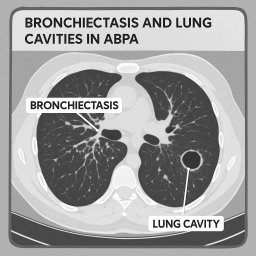
It leads to recurrent inflammation, mucus plugging, and bronchial damage (including central bronchiectasis) if untreated.
🧬 Disease Mechanism
-
Type I and III hypersensitivity to A. fumigatus
-
Chronic airway inflammation causes mucus impaction and permanent lung damage
-
Associated with elevated total and specific IgE, eosinophilia, and recurrent flares
👥 Who Is at Risk?
-
Moderate to severe asthma
-
Cystic fibrosis
-
Rarely, patients with bronchiectasis or other chronic airway disease
ABPA is often underdiagnosed, especially in adults with difficult-to-control asthma.
⚠️ Common Symptoms
-
Worsening asthma control
-
Wheeze and chest tightness
-
Cough with thick mucus plugs
-
Shortness of breath
-
Intermittent low-grade fever
-
Haemoptysis (less common, usually mild)
-
Fatigue and poor response to inhaled steroids alone
🧪 Diagnosis
Diagnosis is based on a combination of clinical, radiological, and immunological features.
Core Investigations:
-
Total IgE ≥1000 IU/mL (or >500 in treated patients)
-
Aspergillus-specific IgE positive
-
Aspergillus-specific IgG (or precipitating antibodies)
-
Blood eosinophilia (>0.5 x10⁹/L typically)
-
Chest CT: central bronchiectasis, mucus plugging (“finger-in-glove”), fleeting infiltrates
-
Sputum culture or PCR positive for A. fumigatus
Diagnostic Criteria:
Use updated ISHAM criteria (2024 version preferred) combining major and minor features.
💊 Treatment
First-Line:
-
Oral corticosteroids (e.g. prednisolone) – cornerstone of flare management
-
Typically tapered over 3–6 months
-
Adjunct:
-
Itraconazole or posaconazole – reduces antigen burden and steroid need
-
3–6 months or longer; monitor liver function and drug levels
-
Steroid-Sparing Options:
-
Biologics (increasingly used, especially in steroid-dependent or relapsing patients):
-
Omalizumab (anti-IgE)
-
Mepolizumab, Benralizumab (anti-IL-5)
-
Dupilumab, Tezepelumab (emerging options)
-
🧾 Monitoring
-
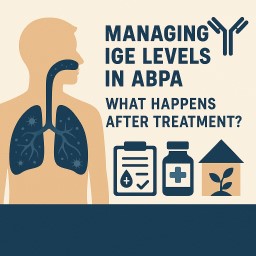
Total IgE every 1–3 months (a 25–50% rise may indicate relapse)
-
Pulmonary function tests (FEV1, peak flow)
-
Repeat CT if clinical deterioration or poor steroid response
-
Sputum cultures in persistent symptoms (to exclude Aspergillus bronchitis)
⚠️ Complications
-
Progression to bronchiectasis
-
CPA (if antifungals are stopped prematurely in chronic cases)
-
Recurrent flares leading to irreversible damage
-
Steroid side effects (weight gain, osteoporosis, adrenal suppression)
📚 More Information
-
Specialist referral: patients should be considered for referral to the National Aspergillosis Centre (NAC) or local respiratory immunology team for persistent/recurrent ABPA.
-
Patient support: aspergillosis.org, CF Trust, Asthma + Lung UK
-
Key guidelines: Guidance
Aspergillus Tracheobronchitis (ATB) for Expert patients and non-Specialist Clinicians
Expert Information for Patients, GPs, and Specialist Nurses
🔎 What Is Aspergillus Tracheobronchitis?
Aspergillus tracheobronchitis (ATB) is a rare but serious form of airway-invasive aspergillosis that primarily affects the trachea and large bronchi, rather than the lung parenchyma. It occurs predominantly in immunocompromised patients and may present with obstructive airway symptoms or respiratory failure.
ATB can exist on a spectrum from superficial colonisation to ulcerative or pseudomembranous invasion of the bronchial wall.
🧬 Pathophysiology
-
Inhaled Aspergillus spores adhere to and invade damaged airway mucosa.
-
Occurs more commonly when local airway immunity is impaired (e.g. in transplant recipients or critical illness).
-
May co-exist with invasive pulmonary aspergillosis (IPA) or appear in isolation.
👥 Who Is at Risk?
High-risk groups include:
-
Lung transplant recipients
-
Hematopoietic stem cell transplant patients
-
Severe COPD or structural airway disease
-
Patients with prolonged corticosteroid use
-
Critically ill or mechanically ventilated patients
-
COVID-19 or influenza patients (sometimes overlapping with CAPA/IAPA)
⚠️ Clinical Presentation
Symptoms depend on the degree of airway obstruction and depth of invasion:
-
Cough (dry or productive)
-
Worsening breathlessness
-
Stridor or wheeze
-
Hoarseness or vocal changes
-
Fever unresponsive to antibiotics
-
Haemoptysis (may be life-threatening)
-
Airway obstruction or collapse in advanced cases
ATB may be mistaken for tracheobronchial malignancy, infection, or stenosis.
🧪 Diagnosis
Bronchoscopy is essential for diagnosis:
-
Direct visualisation of:
-
Ulceration
-
Pseudomembranes
-
Plaques
-
Necrotic debris
-
-
Biopsies may reveal fungal hyphae invading mucosa.
Microbiological Investigations:
-
Culture and PCR for Aspergillus from BAL or brushings
-
BAL galactomannan
-
Serum galactomannan or β-D-glucan may be supportive
-
CT chest may be normal or show airway thickening, bronchial wall invasion, or tree-in-bud opacities
💊 Treatment
Systemic Antifungals:
-
Voriconazole is first-line
-
Isavuconazole or liposomal amphotericin B if azole intolerant or resistant
Airway Management:
-
Debridement or bronchoscopic removal of pseudomembranes in severe obstruction
-
Airway stenting in refractory strictures
-
Nebulised antifungals (e.g. amphotericin B) may be used as adjunct in selected cases
Prompt initiation of antifungal therapy is vital. Delays can lead to respiratory failure or death.
🧾 Monitoring
-
Clinical response: breathlessness, cough, fever
-
Repeat bronchoscopy in some cases
-
CT imaging of airways
-
Antifungal drug levels
-
Liver and renal function
📚 More Information
-
ATB is under-recognised, especially in non-neutropenic or critically ill patients.
-
Should be considered in transplant recipients or ICU patients with persistent respiratory symptoms and negative bacterial cultures.
-
Referral to respiratory, infectious diseases, and ICU teams is essential.
-
Resources: aspergillosis.org ; BTS Statement on aspergillosis
Aspergillus Bronchitis for Expert Patients and non-Specialist Clinicians
Expert Information for Patients, GPs, and Specialist Nurses
🔎 What Is Aspergillus Bronchitis?
Aspergillus bronchitis is a chronic fungal infection of the airways by Aspergillus fumigatus (or rarely other Aspergillus species), seen in individuals with structural lung disease or impaired mucociliary clearance. Unlike ABPA, it is not allergic in origin and does not involve systemic invasion, but is characterised by persistent fungal colonisation with active infection.
🧬 Pathophysiology
-
Chronic colonisation of the conducting airways by Aspergillus
-
Local immune dysfunction (but not systemic immunosuppression)
-
Low-grade inflammation and increased mucus production
-
Often coexists with bronchiectasis, COPD, or CF
👥 Who Is at Risk?
Most commonly seen in patients with:
-
Bronchiectasis (non-ABPA)
-
Cystic fibrosis
-
COPD or asthma with sputum production
-
Post-viral or structural airway damage
-
Chronic antibiotic or corticosteroid use
Not typically seen in severely immunocompromised hosts (in whom invasive aspergillosis is more likely).
⚠️ Common Symptoms
-
Persistent productive cough
-
Thick sputum often yellow or green
-
Worsening breathlessness or wheeze
-
Chronic sputum positivity for Aspergillus
-
Mild fever or malaise (but often afebrile)
-
Poor response to antibiotics alone
Symptoms may resemble chronic bacterial bronchitis or overlap with infective exacerbations of bronchiectasis.
🧪 Diagnosis
Diagnosis requires a combination of clinical and microbiological evidence, with exclusion of ABPA and CPA.
Diagnostic Features:
-
Chronic productive cough (>4 weeks)
-
Repeated isolation of Aspergillus from sputum or BAL
-
Elevated Aspergillus IgG (typically present)
-
Normal or mildly elevated total IgE (typically <1000 IU/mL)
-
Absence of cavitary lesions or ABPA features on CT
-
Response to antifungal treatment supports diagnosis
🛑 Exclude:
-
ABPA (IgE >1000, eosinophilia, central bronchiectasis)
-
CPA (cavities, weight loss, radiological progression)
💊 Treatment
First-Line:
-
Oral antifungals (usually for 3–6 months)
-
Itraconazole (first choice)
-
Voriconazole or posaconazole (if resistant/intolerant)
-
-
Monitor drug levels and LFTs
Adjuncts:
-
Physiotherapy and airway clearance techniques
-
Nebulised saline or mucolytics
-
Treat co-infections (e.g. Pseudomonas) where relevant
In patients with CF, consider co-management with a specialist CF team.
🧾 Monitoring
-
Sputum cultures to monitor persistence or clearance
-
Aspergillus IgG levels
-
Symptoms (sputum, breathlessness)
-
Liver function and drug monitoring
-
Periodic CT imaging if symptoms worsen or haemoptysis occurs
📚 More Information
-
Aspergillus bronchitis is often underdiagnosed in patients with recurrent "non-resolving chest infections".
-
Patients benefit from coordinated care between respiratory, microbiology, and infectious disease specialists.
-
Referral to the National Aspergillosis Centre is appropriate for refractory or complex cases.
-
Resources: aspergillosis.org, Review: Pulmonary Aspergillosis: Spectrum of Disease;
- BTS Statement on aspergillosis
Chronic Pulmonary Aspergillosis (CPA) for Expert Patients and Non-Specialist Clinicians
Expert Information for Patients, GPs, and Specialist Nurses
🔎 What Is CPA?
Chronic Pulmonary Aspergillosis (CPA) is a long-term fungal lung infection caused by Aspergillus, typically A. fumigatus. It occurs in individuals with underlying lung damage and can progress slowly over months to years. It includes several subtypes ranging from cavitary lesions to fibrosing disease and fungal balls (aspergillomas).
🧬 Subtypes of CPA
| Subtype | Description |
|---|---|
| Simple aspergilloma | Fungal ball within a pre-existing lung cavity |
| Chronic cavitary pulmonary aspergillosis (CCPA) | Multiple cavities ± fungal balls; progressive |
| Chronic fibrosing pulmonary aspergillosis | Advanced form with fibrosis and volume loss |
| Subacute invasive aspergillosis (SAIA) | Intermediate between CPA and invasive disease; more rapid progression over weeks to months |
| Aspergillus nodules | Discrete nodules without cavitation; may mimic malignancy |
👥 Who Is at Risk?
CPA typically affects people with pre-existing lung disease or immune dysfunction, including:
-
Tuberculosis (old or active)
-
COPD and emphysema
-
Bronchiectasis
-
Sarcoidosis
-
Prior pneumothorax
-
Lung cancer or surgery
-
Diabetes mellitus
-
Low-dose or chronic steroid use
⚠️ Common Symptoms
CPA symptoms often evolve insidiously over >3 months:
-
Chronic productive cough
-
Haemoptysis (may be mild or massive)
-
Fatigue and weight loss
-
Breathlessness
-
Chest discomfort
-
Fever (occasional)
🧪 Diagnosis
Diagnosis of CPA requires the combination of:
-
Symptoms ≥3 months
-
Imaging:
-
CT chest: cavitary lesions, pleural thickening, aspergilloma, fibrotic changes
-
-
Microbiology:
-
Positive sputum culture, PCR, or histopathology for A. fumigatus
-
-
Serology:
-
Elevated Aspergillus IgG antibodies (essential for diagnosis)
-
-
Exclusion of other diseases:
-
Especially active TB, malignancy, and bacterial infections
-
💊 Treatment
First-Line:
-
Oral triazole antifungals (minimum 6 months, often longer)
-
Itraconazole
-
Voriconazole
-
Posaconazole
-
-
Therapeutic drug monitoring is crucial
Additional:
-
Inhaled antifungals (e.g. amphotericin B) in selected cases
-
Surgery for localised disease or life-threatening haemoptysis (if fit)
-
Bronchial artery embolisation for bleeding control
-
Physiotherapy and nutritional support
🧾 Monitoring
-
CT scan every 3–6 months during treatment
-
Aspergillus IgG titres to monitor disease activity
-
Liver function and antifungal levels (monthly at minimum)
-
Symptom tracking (cough, energy, weight, breathlessness)
📚 More Information
-
Referral: Hospital patients can be referred to the National Aspergillosis Centre (NAC) for diagnosis, treatment, and specialist input. NAC does not accept referrals directly from a GP - GP's should refer to their local Infectious Disease or Respiratory service.
-
Patient Support: aspergillosis.org, NAC Facebook Group
-
Guidelines: CPA Guidelines
How Weather Affects CPA and ABPA – and What You Can Do About It
Living with Chronic Pulmonary Aspergillosis (CPA) or Allergic Bronchopulmonary Aspergillosis (ABPA) means being aware not just of your lungs, but also of what’s happening outside your window. Weather — especially wind, humidity, temperature, and seasonal changes — can have a real impact on breathing, energy levels, and symptom control. Here’s why, and what you can do to stay ahead of it.
🌬️ Windy Days: A Hidden Risk
Windy weather stirs up fungal spores, dust, and other irritants. For people with CPA or ABPA, this matters because:
-
Aspergillus spores are more airborne on windy days, increasing the risk of exposure.
-
In ABPA, this can trigger allergic inflammation — causing wheeze, tight chest, and coughing.
-
In CPA, inhaling spores can worsen existing infection or symptoms, particularly if lung cavities are already inflamed or colonised.
What you can do:
-
Avoid being outdoors for long periods on very windy days, especially in dry weather.
-
If you must go out, wear a well-fitted mask (e.g., FFP2 or FFP3).
-
Shower and change clothes when you come in — spores can cling to skin and fabric.
🌡️ Temperature Extremes: Cold or Hot
-
Cold air can tighten the airways, leading to breathlessness and coughing.
-
Hot, humid weather can feel heavy on the chest and worsen fatigue.
-
Both extremes may contribute to oxygen desaturation and general discomfort.
What you can do:
-
In cold weather: Breathe through your nose or wear a scarf or mask to warm the air before it hits your lungs.
-
In hot weather: Stay hydrated, rest in cool rooms, and avoid going out during peak heat.
🌧️ Rain and Damp Weather
Rain might temporarily reduce airborne spores, but damp conditions indoors (e.g., from leaks or poor ventilation) can allow Aspergillus to grow on walls, furniture, or in bathrooms.
What you can do:
-
Use a dehumidifier indoors and ensure good ventilation.
-
Fix any damp or mould problems promptly.
-
Clean areas like windowsills and shower tiles regularly with anti-fungal solutions* see accompanying post for more details .
🌸 Pollen and Seasonal Changes
-
In ABPA, allergic responses can be triggered or worsened in spring and summer, when other environmental allergens (like pollen or grass) are high.
-
These allergens can amplify immune responses already sensitised to Aspergillus.
What you can do:
-
Monitor pollen forecasts and avoid high-pollen areas on bad days ** see forecast details here.
-
Keep windows closed during peak pollen hours.
-
Consider using HEPA filters in the home.
📉 Barometric Pressure Drops
Some people notice worsened symptoms just before storms or weather changes — this may be due to changes in air pressure affecting breathing or causing low mood and fatigue.
What you can do:
-
Track weather patterns (ie. keep a diary) if you notice recurring patterns with your symptoms.
-
Speak with your care team if you feel you’re more vulnerable during certain types of weather — you might benefit from adjustments to medications or a rescue plan.
🚨 When to Seek Help
If you experience:
-
Oxygen saturations dropping below 92% and not improving within 20–30 minutes,
-
Rapid breathing, chest tightness, or a pounding heart that doesn’t settle,
-
Confusion, faintness, or signs of a flare-up that feels “different” from usual,
Don’t wait — contact 111 or go to A&E. You know your body best, but these signs mean your lungs are struggling.
✅ How to Prepare for Weather Sensitivity
-
Keep a symptom diary linked to weather changes — it helps your specialist spot patterns.
-
Ask your consultant if you should have:
-
A rescue inhaler (e.g., salbutamol),
-
A short-term steroid plan (for ABPA flares),
-
Portable oxygen or a pulse oximeter for home monitoring.
-
-
Have a weather-safe plan for exercise — walking indoors or using a treadmill can help stay active without exposure.
🧘♀️ Final Thought
You can’t control the weather, but you can control your environment and how you respond to it. Understanding how CPA and ABPA react to different conditions helps you stay safe, informed, and in charge of your health.
If you’ve noticed your symptoms worsen in certain weather, don’t hesitate to mention it to your specialist — it’s a valuable piece of your health puzzle.
🌱 Safe Handling of Plants, Compost, and Soil for People with CPA
If you work with flowers, compost, mulch, or soil—as many people with CPA (chronic pulmonary aspergillosis) do—you’re regularly exposed to Aspergillus spores. Some of these may be resistant to antifungal medications, making workplace precautions even more important.
🧫 Why It's a Concern
-
Widespread Azole Fungicide Use: Agricultural fungicides share chemical similarities with medical antifungal drugs (like itraconazole and voriconazole), leading to resistant strains of Aspergillus fumigatus in the environment.
-
Environmental Reservoirs: Garden centres, compost heaps, potting sheds, and greenhouses can all harbor resistant spores.
-
Clinical Risk: If resistant spores are inhaled and cause infection, treatment becomes more difficult, requiring second-line drugs that may be less effective or more toxic.
✅ How You Can Protect Yourself While Staying on the Job
You don’t have to give up the work you love. With smart precautions and awareness, you can continue safely:
🛡️ Protect Yourself from Airborne Spores
-
Wear a certified FFP2, FFP3, or N95 mask (not a surgical or cloth mask).
-
Avoid opening compost bags or disturbing dry materials indoors.
-
Prioritise outdoor tasks or ensure good ventilation in work areas.
🧤 Glove Up and Gear Down
-
Use gloves when handling compost, soil, or mulch.
-
Change clothes after work and shower to remove spores from your skin and hair.
-
Keep work footwear separate from household shoes.
🧼 Wash Hands Frequently
-
Always wash your hands:
-
After handling compost, soil, or cut plants
-
After removing gloves or masks
-
Before eating or drinking
-
-
Use soap and warm water for at least 20 seconds. If unavailable, use hand sanitiser (minimum 60% alcohol).
🧼 Why Hand Hygiene Really Matters with CPA
Even though Aspergillus is primarily inhaled, clean hands help reduce accidental transfer of spores to your face, nose, and mouth. Here's why hand hygiene is especially important for people with CPA:
-
Reduces risk of transferring spores from contaminated surfaces or tools to your face.
-
Prevents secondary infections from viruses or bacteria, which are harder to fight with weakened lungs.
-
Supports immune safety if you’re taking antifungals, steroids, or immunosuppressants.
🔬 Stay on Top of Health Monitoring
-
Tell your respiratory team about your occupational exposure.
-
If your symptoms change or your antifungal treatment stops working, request resistance testing (not always automatic).
-
Keep up with routine blood tests, scans, and sputum cultures.
🌍 The Bigger Picture
Antifungal resistance in the environment is rising across the UK and Europe. Garden centres and plant-heavy environments are now recognised as higher-risk zones for people with CPA. But with protective equipment, hygiene routines, and regular monitoring, it's entirely possible to keep working safely—especially when your job brings purpose and joy.
Aspergilloma: Complete Patient Guidance
🦠 Aspergilloma: Complete Patient Guidance
📌 What Is an Aspergilloma?
An aspergilloma, or fungal ball, is a clump of Aspergillus fungus, mucus, and dead tissue that forms in a pre-existing cavity in the lungs. These cavities often result from conditions like:
-
Bronchiectasis
-
Tuberculosis (TB)
-
Emphysema
-
Sarcoidosis
The fungal ball is typically non-invasive, but it can still cause significant problems such as persistent coughing, airway obstruction, and especially hemoptysis (coughing up blood).
🔁 Which Comes First: Bronchiectasis or Aspergilloma?
This varies by patient:
-
In most cases, bronchiectasis develops first, creating abnormal airway spaces where Aspergillus can settle and grow.
-
In others, the presence of a fungal ball may worsen existing bronchiectasis through inflammation and mechanical irritation.
⚠️ Risks of Leaving Aspergilloma Untreated
If unmanaged, aspergillomas can cause:
1. Fungal Ball Growth
-
The ball can enlarge, worsening obstruction or symptoms.
2. Severe Bleeding
-
The ball can erode nearby blood vessels and lead to potentially fatal hemoptysis.
3. Worsening Lung Function
-
Chronic inflammation and local damage can lead to scarring and reduced breathing capacity.
4. Progression to Chronic Pulmonary Aspergillosis (CPA)
-
Over time, the infection can spread into surrounding lung tissue and evolve into CPA, which is harder to treat and more systemic.
⚕️ Treatment Options for Aspergilloma
✅ 1. Surgery (Lobectomy or Segmentectomy)
-
Surgery involves removing the cavity and fungal ball and is considered a definitive treatment, especially when:
-
There is severe or repeated bleeding
-
The fungal ball is enlarging
-
Lung function is still sufficient
-
Limitations:
-
Expensive and high-risk, especially in patients with poor lung function.
-
Post-surgical complications can include air leaks, infections, or respiratory failure.
🛑 Important: Fungal ball regrowth after surgery is possible, especially if underlying lung disease (like bronchiectasis or cavities from TB) remains. This happens in 5 - 15% of patients. Aspergillus can recolonize new or residual cavities, particularly if exposure to spores continues. Therefore, continued monitoring and preventive care are essential even after surgery.
⚠️ Non-Surgical Options (If Surgery Is Too Risky or Unaffordable)
1. Observation
-
For patients with no bleeding and stable imaging, regular monitoring is safe.
-
Includes imaging every 6–12 months and symptom review.
2. Oral Antifungal Therapy
-
Drugs like itraconazole, voriconazole, or posaconazole may help:
-
Reduce fungal burden
-
Minimize inflammation
-
Delay progression to CPA
-
-
They do not eliminate the fungal ball but may reduce symptoms or stop growth.
3. Embolization (BAE)
-
Used to control bleeding by blocking the feeding blood vessels.
-
Less invasive than surgery, but the bleeding may recur.
4. Inhaled Antifungals
-
Nebulized amphotericin B may reduce local fungal activity.
-
Used in some specialist centres for high-risk, inoperable patients.
🛡️ Supportive Management
For co-existing bronchiectasis and aspergilloma, supportive care is vital:
-
Continue mucus clearance (e.g. Fluimucil, chest physiotherapy)
-
Avoid dust, mold, compost, rotting vegetation, or ivy
-
Use FFP2/FFP3 masks during risky exposures
-
Get vaccinated (e.g., flu, pneumococcus, COVID-19)
-
Monitor for new or worsening symptoms
🧾 Summary Table of Aspergilloma Treatments
| Option | Removes Aspergilloma? | Used When | Cost/Risk |
|---|---|---|---|
| Surgery (resection) | ✅ Yes | Hemoptysis, large fungal ball | High cost/risk |
| Antifungal meds | ❌ No (but may help) | Symptoms or growth risk | Moderate |
| Observation only | ❌ No | No symptoms or stable | Low |
| Embolization (BAE) | ❌ No | Bleeding emergency | Moderate |
| Inhaled antifungals | ❌ No (experimental) | Adjunct or palliative | Variable |
🩺 Final Thoughts
-
Surgery is curative but not always an option—due to risk, cost, or lung function.
-
Fungal ball regrowth can occur, even after surgery, especially if cavities remain and exposure to spores continues.
-
Long-term monitoring, antifungal support, and environmental precautions are critical.
-
If you experience bleeding, sudden worsening cough, or weight loss, seek medical help immediately.