
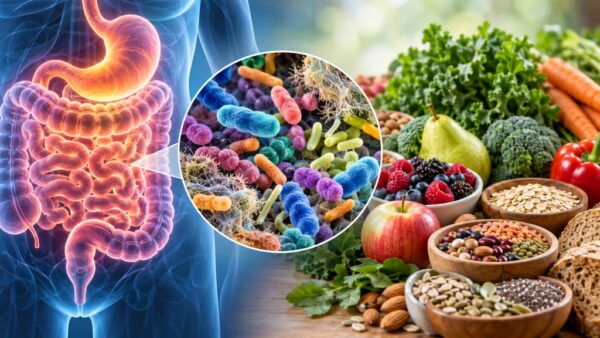
After decades of research linking gut microorganisms to health and disease, microbiome medicine is beginning to deliver approved treatments. But one of its most interesting possibilities may involve something much more familiar: the food we eat.
For many years, scientists have known that the human intestine contains an extraordinary community of microorganisms. These bacteria, fungi, viruses and other microbes help digest food, produce biologically active substances, interact with our immune system and protect us against potentially harmful organisms.
Researchers have also discovered differences in these microbial communities in people with conditions ranging from inflammatory bowel disease to asthma.
But one question has proved remarkably difficult to answer: are these microbial changes causing illness, contributing to it, or simply reflecting what is already happening in the body?
That uncertainty has limited the clinical usefulness of much microbiome research.
Now something important has changed. We have convincing evidence that deliberately restoring a disrupted microbial community can prevent recurrence of a serious gastrointestinal infection. Microbiome-based medicines have received regulatory approval, and researchers are working towards more precise treatments.
This does not mean microbiome medicine can yet treat every chronic digestive disorder. But it marks a genuine transition from understanding microbial communities to using them therapeutically.
Our bodies are ecosystems, not just collections of human cells
The gut microbiome is not simply a collection of helpful and harmful bacteria.
It is a complex ecosystem in which microorganisms compete, cooperate, consume nutrients and produce substances that influence their surroundings.
Some bacteria help break down dietary fibre, producing short-chain fatty acids that contribute to intestinal health and immune regulation. Others participate in the metabolism of bile acids or help prevent disease-causing organisms from becoming established.
The relationship works in both directions. Our diet, medicines, immune system and intestinal environment influence which microorganisms can survive.
Consequently, the same bacterial species may behave differently depending on the wider microbial community and the individual hosting it.
This helps explain why identifying a supposedly beneficial bacterium does not automatically mean that taking it as a probiotic will improve health.
The function of the entire ecosystem may matter more than the presence or absence of one microorganism.
The first major breakthrough: preventing recurrent C. difficile infection
One of the clearest examples of microbiome medicine involves Clostridioides difficile, usually called C. difficile.
This bacterium can cause severe diarrhoea and inflammation of the colon, particularly after antibiotic treatment.
Antibiotics may successfully treat an infection while also disrupting the intestinal microorganisms that normally help resist colonisation by C. difficile.
In some patients, the infection repeatedly returns, even after further courses of antibiotics.
Researchers discovered that restoring a more functional intestinal microbial community could substantially reduce this risk.
This led to the development of faecal microbiota transplantation (FMT), in which carefully screened donor material is introduced into the patient’s digestive system.
More recently, the approach has developed into regulated microbiota-based medicines.
In 2022, the US Food and Drug Administration approved Rebyota, followed in 2023 by Vowst, an orally administered preparation containing bacterial spores.
In a clinical trial supporting Vowst’s approval, recurrent infection occurred within eight weeks in approximately 12% of treated patients compared with 40% receiving placebo.
These treatments are used after antibiotic treatment to help prevent recurrence. They do not replace the antibiotics needed to treat the active infection.
The significance extends beyond C. difficile itself.
For the first time, microbiome restoration has become an established, regulated therapeutic approach for a clearly defined clinical problem.
It demonstrates that changing a microbial ecosystem can produce a meaningful benefit for patients.
Read more: FDA approval of the first oral microbiota-based treatment.
Why has progress taken so long?
Microbiome research is unusually complicated.
Unlike a conventional medicine, which may act on a particular receptor or enzyme, a microbial treatment introduces living organisms into an already complex and constantly changing environment.
Researchers must consider several difficult questions:
- Which microorganisms actually matter? A particular species might be associated with good health without being responsible for it.
- Will introduced organisms survive? Microbes that thrive in one person’s intestine may struggle to establish themselves in another.
- What should a healthy microbiome look like? There is considerable variation between healthy individuals, so there may be no single ideal composition.
- How do we measure success? Changing the bacteria detected in a stool sample is not the same as improving symptoms or preventing disease.
- How do we ensure safety? Transferring living microorganisms carries potential risks, particularly for people with weakened immune systems.
These difficulties help explain why some early microbiome interventions produced encouraging results in small studies but failed to demonstrate consistent benefits in larger trials.
They also explain why research is increasingly shifting from simply identifying microorganisms towards understanding what they actually do.
From identifying bacteria to understanding their functions
One of the most important developments is the combination of genetic sequencing, metabolomics and other laboratory techniques.
Researchers can now investigate not only which microorganisms are present but also which genes they carry, which substances they produce and how they interact with human cells.
For example, some gut bacteria produce short-chain fatty acids when they ferment dietary fibre. Others modify bile acids or produce molecules capable of influencing immune responses.
These substances provide possible explanations for how changes in the gut microbiome might affect inflammation and disease.
This is a significant advance because it creates opportunities to develop treatments based on specific biological mechanisms rather than simply attempting to increase microbial diversity.
However, identifying a plausible mechanism in laboratory experiments does not guarantee that manipulating it will benefit patients.
That still requires properly controlled clinical trials.
Could microbiome treatments help chronic digestive diseases?
This is where much of the current excitement lies.
Conditions such as Crohn’s disease, ulcerative colitis and irritable bowel syndrome have repeatedly been associated with alterations in gut microbial communities.
There is also growing interest in the microbiome’s possible contribution to metabolic disease, immune disorders and communication between the gut and nervous system.
Yet the evidence differs substantially between conditions.
In inflammatory bowel disease, researchers are investigating whether modifying microbial communities or their products can influence intestinal inflammation.
In irritable bowel syndrome, the picture is more complicated. Symptoms may involve gut sensitivity, intestinal movement, dietary responses, immune signalling and psychological factors, alongside possible microbial influences.
Importantly, the American Gastroenterological Association’s 2024 guidance recommends against routine FMT for inflammatory bowel disease or irritable bowel syndrome outside clinical trials.
This does not invalidate microbiome research. It demonstrates why the field must distinguish a promising biological theory from a treatment that has been shown to work.
The next breakthrough may not involve transferring an entire microbial community. It may come from identifying a particular combination of organisms or microbial products that influences a well-defined disease mechanism.
Read more: American Gastroenterological Association guidance on microbiota-based therapies.
What might the next generation of treatments look like?
Several approaches are being investigated.
Carefully selected microbial communities
Instead of using complex donor material, researchers hope to create treatments containing defined combinations of microorganisms selected for particular functions.
These could be easier to manufacture consistently, study and monitor.
Treatments based on microbial products
If a beneficial effect comes from a substance produced by particular bacteria, it may eventually be possible to deliver that substance directly or stimulate its production.
This could avoid some of the difficulties associated with administering living microorganisms.
Engineered microorganisms
Scientists are exploring whether microorganisms can be modified to perform useful functions, such as producing therapeutic substances within the intestine.
These approaches remain experimental and raise additional questions about safety and control.
More personalised treatment
Two patients with similar symptoms may have very different microbiomes and underlying disease mechanisms.
Future treatments may therefore depend on identifying which microbial functions are missing or disrupted in a particular patient.
That is an attractive possibility, although routine clinical microbiome testing is not yet sufficiently validated to guide personalised treatment for most chronic conditions.
Together, these approaches suggest a future in which microbiome medicine becomes more precise, moving away from the idea that simply adding more beneficial bacteria will solve a problem.
The overlooked fungal microbiome
For readers interested in aspergillosis, there is another particularly important development.
Most microbiome research has concentrated on bacteria. But fungi are also part of the microbial communities living in and on our bodies.
The fungal component is known as the mycobiome.
Although fungi generally represent a relatively small proportion of intestinal microorganisms, they can interact with bacteria, compete for nutrients and influence immune responses.
Researchers are investigating how changes in fungal communities relate to inflammatory bowel disease, asthma and other immune-mediated conditions.
Some experimental studies also suggest that intestinal fungal communities can influence immune activity beyond the gut, including in the lungs.
This is particularly interesting because the digestive and respiratory systems are connected through immune and metabolic signalling, sometimes described as the gut–lung axis.
However, we should be cautious about what these findings mean for patients with aspergillosis.
There is currently no established evidence that altering the gut mycobiome will improve allergic bronchopulmonary aspergillosis (ABPA), chronic pulmonary aspergillosis (CPA) or other Aspergillus-related conditions.
Nor does the presence of fungal DNA in a stool sample necessarily indicate infection or harmful fungal overgrowth.
The mycobiome is an important developing research field, but its clinical applications remain largely experimental.
Nevertheless, understanding interactions between fungi, bacteria and the immune system could eventually reveal mechanisms that bacterial microbiome studies alone have overlooked.
Further reading: Research review on the gut mycobiome and immune regulation.
What about people who need repeated antibiotics?
This research raises particularly important questions for patients living with chronic respiratory infections.
People with bronchiectasis and other long-term lung conditions may need repeated or prolonged antibiotic treatment.
We know that antibiotics can alter intestinal microbial communities. Some changes recover after treatment, while others may persist for considerably longer, with substantial differences between individuals.
What is less clear is whether these changes explain persistent abdominal pain, nausea, food intolerance or other gastrointestinal symptoms in a particular patient.
These symptoms can have several causes, including direct medication effects and unrelated gastrointestinal conditions.
Microbiome research may eventually help clinicians understand why some people experience prolonged difficulties after antibiotic treatment and whether targeted restoration of microbial function could help.
For now, however, microbiome testing or restoration is not an established solution for general antibiotic intolerance.
Patients should not stop prescribed antibiotics or attempt unregulated microbiome treatments on the assumption that their symptoms are caused by microbial imbalance.
Can we help our microbiome recover after antibiotics?
For people who need frequent courses of antibiotics, one of the most practical questions is whether anything can be done to protect the gut microbiome.
Diet may be part of the answer.
Many intestinal bacteria depend on dietary fibres that our own digestive enzymes cannot break down. When these bacteria ferment fibre, they produce substances such as short-chain fatty acids, which contribute to intestinal health and immune regulation.
Research in animals suggests that certain fibres may reduce some of the disruption caused by antibiotics. Human research is also investigating whether dietary patterns influence the recovery of microbial communities.
However, we do not yet have strong clinical evidence that following a particular diet reliably prevents antibiotic-associated diarrhoea or restores the microbiome after repeated treatment.
Why plant foods matter
Dietary fibre is found in vegetables, fruit, beans, lentils, wholegrains, nuts and seeds.
Different plant foods contain different types of fibre, many of which provide nourishment for intestinal bacteria.
They also contain vitamins, minerals and naturally occurring compounds called polyphenols, some of which can interact with gut microorganisms.
This is one reason why eating a variety of plant foods matters. It is not simply about obtaining vitamins and minerals; plant foods also provide the raw materials that support important microbial functions.
Importantly, not all fibre is fermented by gut bacteria. Some types contribute primarily to stool bulk and regular bowel movements. Both functions are valuable.
When a high-fibre diet makes symptoms worse
Although fibre-rich plant foods are beneficial for most people, this advice does not apply equally to everyone.
Some patients already have significant gastrointestinal symptoms or underlying bowel disease. For them, increasing dietary fibre may worsen abdominal pain, bloating, nausea or diarrhoea rather than improve it.
Different fibres also behave differently. Some are readily fermented by intestinal bacteria and can produce uncomfortable amounts of gas. Others are less fermentable or may be better tolerated.
People with irritable bowel syndrome may benefit from carefully adjusting the types and quantities of fibre they consume. Those with inflammatory bowel disease, intestinal narrowing, impaired gut motility or other significant gastrointestinal problems may require more specialised advice. In some circumstances, a temporary low-fibre diet may be medically necessary.
Importantly, difficulty tolerating plant foods does not necessarily mean that someone’s microbiome has been damaged. The causes of food intolerance and digestive symptoms are often complex.
The aim is not to persuade everyone to eat as much fibre as possible. It is to find a varied, nutritionally adequate diet that their digestive system can tolerate.
For patients with persistent symptoms, particularly after repeated antibiotic treatment, advice from their clinical team or a registered dietitian may be more useful than attempting major dietary changes independently.
A patient’s experience: improvement in just three days
During a recent patient discussion, one participant described how eating considerably more plant foods over just three days appeared to help settle their digestive symptoms.
This was an individual observation, and we cannot know whether changes in the microbiome were responsible.
Nevertheless, it raises an interesting question about how quickly dietary changes can influence gut function.
Experimental research has shown that the composition and activity of gut microbial communities can respond to substantial dietary changes within days.
That does not mean a disrupted microbiome can be fully restored in three days, or that everyone will experience the same improvement.
Changes in bowel function, food composition and other factors may also contribute.
But the experience illustrates why dietary interventions deserve serious scientific attention, particularly for patients who need repeated antibiotic treatment.
What else might help?
- A varied, balanced diet: Include different sources of fibre and plant-derived nutrients rather than relying on one supposedly beneficial food.
- Gradual increases in fibre: Introducing large amounts suddenly can cause bloating, wind or abdominal discomfort, particularly in people with existing digestive symptoms.
- Adequate fluid intake: Important when increasing dietary fibre, especially for people prone to constipation.
- Fermented foods: Live yoghurt and kefir can form part of a balanced diet, although they are not proven treatments for antibiotic-related microbiome disruption.
- Adequate nutrition: Sufficient energy, protein and micronutrients support recovery during illness, especially when appetite is reduced.
- Appropriate antibiotic use: Avoiding unnecessary courses and reviewing prolonged treatment helps limit avoidable disruption while ensuring infections receive effective treatment.
What about probiotics?
Probiotic supplements are more complicated than advertisements sometimes suggest.
Certain specific strains or combinations have shown benefits in reducing antibiotic-associated diarrhoea in some studies, but results vary considerably between products, populations and clinical circumstances.
There is no convincing evidence that taking a general probiotic supplement reliably restores someone’s original microbiome.
For people with significant immunosuppression, serious illness or certain medical devices, live microbial supplements may present additional risks and should be discussed with their clinical team.
Probiotics should not be confused with the carefully regulated microbiota-based medicines used for recurrent C. difficile infection.
Read more: AGA clinical guidance on probiotics.
Why this matters for children who rarely eat vegetables
The importance of plant foods raises another question: what happens when children eat very few vegetables or other fibre-rich foods?
The gut microbiome develops rapidly in early life and continues to change throughout childhood.
Diet is one of several influences on this development, alongside factors such as age, environment, illness and antibiotic exposure.
Children who eat very restricted diets may consume less fibre and a narrower range of plant-derived nutrients.
Research suggests that diet influences microbial composition and activity, although we cannot reliably predict long-term health outcomes from an individual child’s vegetable intake.
Fortunately, vegetables are not the only source of fibre.
Fruit, porridge oats, wholegrain bread, beans, lentils and peas can all make useful contributions.
For children who dislike vegetables, introducing small amounts gradually, offering different preparations and avoiding pressure around food may be more productive than insisting on large portions.
For younger children, nuts and other foods must be offered in age-appropriate forms to avoid choking risks.
How much fibre do we need?
UK dietary fibre recommendations vary by age:
| Age | Recommended daily fibre |
|---|---|
| 2–5 years | 15 g |
| 5–11 years | 20 g |
| 11–16 years | 25 g |
| 16 years and older | 30 g |
These are general population recommendations rather than targets that everyone must achieve immediately.
Someone eating very little fibre should increase their intake gradually, with adequate fluid intake.
People with certain gastrointestinal conditions may need individual dietary advice.
Source: NHS guidance on increasing dietary fibre.
The aim is not to achieve a perfect microbiome or consume as many different plants as possible.
It is to establish a varied, nutritionally adequate diet that supports both the individual and the microorganisms living in their gut.
Could something as simple as food be part of the treatment?
When a new medicine becomes available, we naturally ask whether it works, what it costs and what side effects it might cause.
Yet one of the most interesting possibilities emerging from microbiome research involves something much more familiar: the food we eat.
A varied, fibre-rich diet provides nourishment not only for us but also for the microorganisms living in our intestines.
By changing the nutrients available to these organisms, we can influence their activity and the substances they produce.
Food is therefore more than fuel. It is also a way of influencing biological processes involved in digestion, metabolism and immune function.
Unlike a new medicine, a balanced diet does not usually require regulatory approval, a prescription or an expensive manufacturing process.
Its established health benefits also extend well beyond the microbiome.
Of course, diet cannot replace antibiotics when they are needed to treat a serious infection, and some people require individual dietary advice because of their medical conditions.
Nor should we assume that a diet capable of improving general gut health can necessarily treat a specific disease.
Nevertheless, the possibility that relatively simple dietary changes could help maintain or restore important microbial functions is an exciting direction for research.
Perhaps one of the most valuable advances in microbiome medicine will not be a new drug at all, but a better understanding of how to use everyday food to support health.
What might medicine look like in ten years?
It is possible to imagine a different approach to some chronic diseases.
Rather than prescribing treatment solely to suppress a harmful organism or control inflammation, clinicians might also identify microbial functions that have been lost and attempt to restore them.
A treatment might contain a carefully designed microbial community, a specific microbial product or a combination of conventional medicines and microbiome-directed therapies.
Dietary interventions might also become more targeted, based on understanding which microbial functions are most relevant to a particular condition.
We may become better at identifying which patients are likely to benefit and which are unlikely to respond.
These are plausible research directions, not predictions of what will routinely be available within a particular timeframe.
The experience of the past several decades shows that microbiome research can progress more slowly than initial enthusiasm suggests.
But it also shows why recent achievements are important.
From promise to proof
The microbiome has been associated with human health and disease for many years.
What has changed is that we now have convincing clinical evidence that manipulating microbial communities can successfully prevent recurrence of a serious infection.
That is a genuine milestone.
The challenge is to build on it: identifying mechanisms, developing safer and more precise interventions, and demonstrating that they improve outcomes in other diseases.
For people living with chronic illness, including those requiring repeated antimicrobial treatment, these developments offer grounds for cautious optimism.
But there is also a practical message that does not depend on waiting for the next medical breakthrough.
A varied, balanced diet containing plenty of fibre-rich plant foods is already a valuable part of maintaining health.
We are still learning precisely how much of its benefit is mediated through the microbiome, and whether particular dietary approaches can help people recover after repeated antibiotic treatment.
The next chapter of microbiome medicine is therefore about more than discovering which microorganisms live inside us.
It is about learning which microbial functions protect our health — and how medicines, diet and other interventions might help maintain or restore them.
Further reading and research
- A decade of advances in human gut microbiome-derived biotherapeutics — Nature Microbiology (2025). Review of progress towards microbiome-based treatments.
- FDA approval of Vowst — Regulatory information on the first orally administered microbiota-based product for recurrent C. difficile.
- Faecal microbiota-based therapies for selected gastrointestinal diseases — American Gastroenterological Association clinical guidance (2024).
- Research on dietary fibre and antibiotic-associated microbiome disruption — Nature Communications (2023). Experimental research; findings should not be assumed to demonstrate the same benefits in humans.
- Research review on the gut mycobiome and immune regulation — Discussion of fungal communities and their possible role in disease.
- Role of probiotics in gastrointestinal disorders — American Gastroenterological Association guidance.
- How to get more fibre into your diet — NHS practical dietary guidance.
This article discusses developing medical research and general dietary advice. Microbiome-based treatments are not established for most chronic gastrointestinal or respiratory conditions. Patients should discuss treatment decisions, persistent gastrointestinal symptoms and significant dietary changes with their healthcare professionals.

Did this page help you?
Tell us in one minute