Weekly Aspergillosis Research Update: 31 March – 7 April 2026

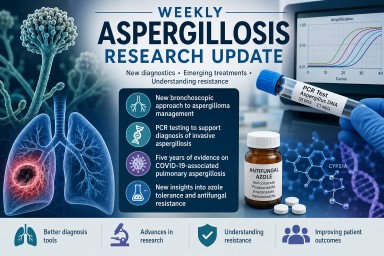
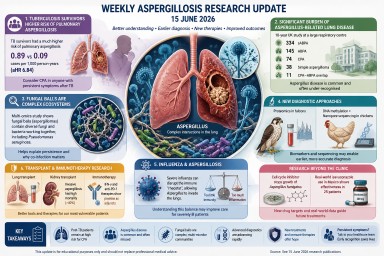
This week’s research reinforces several consistent themes in aspergillosis: ongoing diagnostic confusion (particularly with tuberculosis and cancer), increasing movement toward precision medicine, and continued development of both antifungal therapies and biomarkers. There is also a growing emphasis on host-pathogen interactions rather than fungal burden alone.

Key Highlights

  • Isavuconazole levels can become unexpectedly high due to genetics and drug interactions.
  • Chronic pulmonary aspergillosis (CPA) can mimic lung cancer, risking delayed diagnosis.
  • New biomarker (EDN) for ABPA shows promise for diagnosis and monitoring.
  • Azole resistance research highlights differences between Aspergillus species.
  • New antifungal approaches emerging (olorofim, nitroxoline).
  • Host response is central – fibroblasts and immune pathways actively influence disease.
  • TB vs aspergillosis confusion persists in real-world settings.

Contents


Clinical & Diagnostic Studies

CPA mistaken for lung cancer

Paper: PubMed

A case report describes chronic pulmonary aspergillosis presenting as suspected lung malignancy in a patient with asthma and ABPA overlap.

Why this matters: CPA continues to be misdiagnosed due to tumour-like imaging appearances. This reinforces the need to consider fungal disease in patients with underlying lung conditions.

Invasive sinus aspergillosis causing bone destruction

Paper: Free full text

Granulomatous invasive aspergillosis led to facial bone destruction and neurological symptoms.

Why this matters: Delayed diagnosis of invasive disease can lead to severe structural damage. Early imaging and specialist input are critical.

Aspergillus infection in suspected TB patients

Paper: PubMed

Study shows overlap between tuberculosis and aspergillosis in symptomatic patients.

Why this matters: Persistent global issue—shared symptoms delay correct diagnosis and treatment, particularly relevant for CPA pathways.

Invasive aspergillosis in critical illness

Paper: PubMed

Case of invasive pulmonary aspergillosis in a patient with severe viral illness.

Why this matters: Reinforces that aspergillosis is not limited to traditional risk groups and can complicate severe systemic illness.


Treatment & Pharmacology

Isavuconazole toxicity linked to genetics

Paper: Free full text

Case report of supratherapeutic isavuconazole levels linked to CYP3A5 genotype and interacting medications.

Why this matters: Even “predictable” antifungals show variability. Supports therapeutic drug monitoring and future personalised dosing approaches.

Olorofim pharmacokinetics

Paper: PubMed

Study demonstrates tissue distribution of olorofim in preclinical models.

Why this matters: Supports ongoing development of a key next-generation antifungal, particularly for resistant disease.

Nitroxoline shows antifungal activity

Paper: PubMed

Repurposed drug demonstrates activity against Aspergillus via copper disruption and oxidative stress.

Why this matters: Highlights potential for non-azole antifungal strategies in future treatment.


Biology, Immunology & Resistance

Azole resistance and Aspergillus genomics

Paper: PubMed

Genomic study of Aspergillus section Fumigati explores resistance mechanisms and pathogenicity.

Why this matters: Different species may respond differently to antifungals—accurate identification is increasingly important.

Fibroblasts actively support lung defence

Paper: PubMed

Study shows fibroblasts contribute to immune defence and tissue repair during infection.

Why this matters: Disease outcomes depend on host response, not just fungal burden—important for future therapies.

Immune pathway targeting in fungal keratitis

Paper: PubMed

PIM1 inhibition reduces inflammation via STING pathway signalling.

Why this matters: Supports growing interest in targeting immune pathways alongside antifungal therapy.


Biomarkers & Diagnostics

Eosinophil-derived neurotoxin (EDN) in ABPA

Paper: PubMed

EDN proposed as a biomarker for allergic bronchopulmonary aspergillosis.

Why this matters: Could improve diagnosis and monitoring, helping distinguish ABPA from asthma or sensitisation alone.

Commentary on ISHAM ABPA guidelines

Paper: PubMed

Discussion of updated international guidance on ABPA diagnosis and management.

Why this matters: Highlights ongoing refinement of diagnostic criteria and classification systems.


Wider Context

Fungal extracellular vesicles

Paper: PubMed

Review of fungal vesicles in pathogenesis and host interaction.

Why this matters: Emerging area that may influence future diagnostics and therapies.

Aspergillosis in broader disease settings

  • Cystic fibrosis study: PubMed
  • Adenovirus meta-analysis: PubMed
  • Haematology correspondence: PubMed

Why this matters: Aspergillosis continues to appear across a wide range of conditions, particularly in critically ill or immunocompromised patients.


Overall Interpretation

This week’s literature reinforces several strategic priorities:

  • Earlier and more accurate diagnosis remains essential, particularly in distinguishing CPA from TB and cancer.
  • Precision medicine is advancing, with growing roles for pharmacogenomics, drug monitoring, and species-level identification.
  • New antifungal options are progressing, but remain largely in development.
  • Host response is increasingly recognised as central to disease progression and outcomes.

Overall, the field continues to move toward more personalised, biology-driven approaches to diagnosis and management.


Aspergillosis Research Update: Week Ending: 30 March 2026

Contents

Key highlights

  • Increasing clarity on influenza-associated pulmonary aspergillosis (IAPA) and ongoing uncertainty around prophylaxis
  • New insights into immune recognition of Aspergillus relevant to vaccine development
  • Evidence that persistent Aspergillus colonisation may worsen bronchiectasis outcomes
  • Early-stage research into drug repurposing strategies
  • Continued reports of complex co-infections in immunocompromised patients

Paper summaries

Incidence and outcomes of influenza-associated pulmonary aspergillosis and the role of antifungal prophylaxis: a structured literature review

Sedik S, Felber D, Schellongowski P, Salzer HJF, Bellmann R, Muhr T, Auer J, Krippl P, Lux M, Zajic P, Werner M, Bauer N, Watzinger N, Mesaric G, Tinawi Y, Dichtl K, Wolfgruber S, Biswas S, Prattes J, [...] Hoenigl M
Critical Care, 26 March 2026
PMID: 41888868

Summary
This structured review examines how often influenza-associated pulmonary aspergillosis occurs, the outcomes associated with it, and whether antifungal prophylaxis has a role in prevention.

Key points

  • IAPA remains a serious complication of influenza in critically ill patients.
  • Mortality appears high, particularly in patients requiring intensive respiratory support.
  • The evidence for antifungal prophylaxis remains inconclusive.
  • Diagnostic uncertainty continues, especially when trying to distinguish colonisation from invasive disease.

Relevance
This is important because it mirrors concerns seen with COVID-19-associated pulmonary aspergillosis and underlines the need for clearer ICU diagnostic and prevention pathways.


Effect of transient versus persistent Aspergillus colonisation on clinical outcomes in bronchiectasis

Michaud A, Jarand J, Thornton CS
ERJ Open Research, 23 March 2026
PMID: 41878279

Summary
This study looks at whether transient and persistent Aspergillus colonisation have different effects on people with bronchiectasis.

Key points

  • Persistent colonisation was associated with worse respiratory outcomes.
  • Patients with persistent colonisation appeared to have more symptoms and exacerbations.
  • Transient colonisation seemed less clinically important.
  • The findings sit outside Allergic Bronchopulmonary Aspergillosis (ABPA), which makes them especially interesting.

Relevance
This is one of the most clinically relevant papers this week for chronic lung disease. It suggests Aspergillus in sputum may not always be an incidental finding, especially if it is repeatedly present.


α-1,3-Glucan-Driven Remodeling of the Conidial Cell Wall in an Aspergillus fumigatus Vaccine Strain Alters Innate Immune Recognition

Singh K, Ankur A, Yarava JR, Fernandes CM, Vascelli G, Sulla A, Zelante T, Del Poeta M, Wang T
Journal of the American Chemical Society, 26 March 2026
PMID: 41883285

Summary
This experimental paper explores how changes in the Aspergillus fumigatus conidial cell wall alter how the innate immune system detects the fungus.

Key points

  • Changes in α-1,3-glucan altered the structure of the fungal cell wall.
  • That remodelling changed how the fungus was recognised by innate immune pathways.
  • The work may help inform future vaccine design or immune-targeted therapies.

Relevance
This is early-stage science rather than immediately practice-changing work, but it improves understanding of how Aspergillus may evade immune recognition and how future preventive strategies could be designed.


Synergistic antifungal activity of antiretrovirals with amphotericin B against Aspergillus species

Khan AA, Salama EA, Seleem MN
PLOS One, 25 March 2026
PMID: 41880294

Summary
This laboratory study investigates whether antiretroviral drugs can enhance the antifungal activity of amphotericin B against Aspergillus species.

Key points

  • Some antiretrovirals showed synergistic activity with amphotericin B.
  • The combination improved inhibition of hyphal growth.
  • This raises the possibility of drug repurposing in invasive aspergillosis.

Relevance
This is interesting as a proof-of-concept study. It is not ready for clinical use, but it points toward possible future combination strategies, especially where resistance or toxicity limits current treatment options.


Coexistence of pulmonary aspergillosis and cryptococcosis following treatment for SARS-CoV-2 infection in a kidney transplant recipient: a rare case report and literature review

Hu C, Ying L, Zhan Y, Wang J, Ye J, Lu J, Jin H, Tan X, Gu L, Yao Y, Jiang N
BMC Nephrology, 23 March 2026
PMID: 41872830

Summary
This case report describes a kidney transplant recipient who developed both pulmonary aspergillosis and cryptococcosis after SARS-CoV-2 infection.

Key points

  • Demonstrates the potential for multiple opportunistic fungal infections in highly immunosuppressed patients.
  • Shows how diagnosis can become particularly complex when symptoms and imaging overlap.
  • Reinforces the need for a broad differential diagnosis in transplant recipients and similar high-risk groups.

Relevance
Although a single case, it is a useful reminder that fungal infection in immunocompromised patients may not always be limited to one pathogen, particularly after severe viral infection or intense immunosuppression.


Severe COVID-19 in the Republic of Korea: Epidemiology, Risk Factors, Therapeutics, and Prognostic Models From Nationwide Data

Choi JY
Journal of Korean Medical Science, 23 March 2026
PMID: 41873446

Summary
This review of nationwide Korean data includes discussion of severe COVID-19 complications, including COVID-19-associated pulmonary aspergillosis.

Key points

  • There was a trend toward increased COVID-19-associated pulmonary aspergillosis (CAPA).
  • Risk appeared higher in patients needing the most advanced respiratory support, including ECMO.

Relevance
This reinforces the continuing importance of CAPA internationally and supports ongoing vigilance in critical care settings, especially where viral lung injury and immunomodulatory treatment intersect.

Temporal Trends and Clinical Outcomes of Pediatric Invasive Fungal Diseases: A Ten-Year Retrospective Study from a Tertiary-Care Center in Thailand

Niyomthammarat C, Meesilpavikkai K, Chintanapakdee W, Sophonphan J, Anugualruengkitt S, Puthanakit T, Jantarabenjakul W
Research Square, 23 March 2026
Status: Preprint v1

Summary
This ten-year retrospective study of paediatric invasive fungal disease includes a substantial number of invasive aspergillosis episodes.

Key points

  • Invasive aspergillosis was one of the major fungal disease categories identified.
  • Outcomes varied according to underlying condition and likely also the speed of diagnosis and treatment.

Relevance
This paper does not currently have a PubMed listing because it is a preprint rather than a final indexed journal paper, but it still offers useful background on paediatric invasive fungal disease burden.

Initial presentation, etiology and risk factors for adverse outcomes in infection-associated plastic bronchitis in children

Cao H, Liang D, Huang H, He Q, Wu L
Frontiers in Pediatrics, 28 March 2026
PMCID: PMC13021623

Summary
This retrospective paediatric study is not primarily an aspergillosis paper, but it mentions allergic bronchopulmonary aspergillosis among conditions relevant to plastic bronchitis.

Key points

  • ABPA appears as part of the broader differential diagnosis in children with this presentation.
  • The study mainly concerns airway obstruction and risk factors for poor outcome rather than aspergillosis itself.

Relevance
This has limited direct relevance to most aspergillosis readers, but it is a useful contextual reminder that Aspergillus-related disease can form part of wider airway pathology discussions.

Note: I have not added a PubMed link here because no PMID was supplied. If you want, I can convert this heading to a Europe PMC or PMC link instead.


Aspergillus deflectus-associated disseminated invasive aspergillosis in a German Shepherd dog with discospondylitis: first isolation in Europe

Gernone F, Uva A, Aresu L, Bonfanti U, Ricciardi M, Miglianti M, Barrs VR
Veterinary Research Communications, 25 March 2026
PMID: 41880044

Summary
This veterinary case report documents disseminated invasive aspergillosis caused by Aspergillus deflectus in a German Shepherd dog, reported as the first isolation in Europe.

Key points

  • Expands awareness of the range of Aspergillus species capable of causing invasive disease.
  • Shows how invasive aspergillosis can present as a disseminated multisystem infection.

Relevance
This is not directly about human disease, but it contributes to the wider ecological and pathogenic picture of Aspergillus species.

Overall themes this week

  1. Colonisation versus disease remains a major question.
    Persistent Aspergillus colonisation may be clinically important in bronchiectasis and should not automatically be dismissed.
  2. Severe viral infection remains a major trigger for invasive aspergillosis.
    Both influenza and COVID-19 continue to feature strongly in the literature.
  3. Innovation is active but mostly early-stage.
    Vaccine science, immune recognition work, and drug repurposing studies are all progressing, but none are ready to change routine care yet.
  4. Complex patients are at risk of complex fungal disease.
    Transplant recipients and critically ill patients remain especially vulnerable to difficult-to-diagnose opportunistic infections.

What this means for patients

  • Finding Aspergillus repeatedly in samples may sometimes matter more than a single isolated result.
  • Severe viral illness can increase the risk of serious fungal complications in some people.
  • Researchers are exploring better ways to prevent and treat aspergillosis, but most of these approaches are still under investigation.
  • People with weakened immune systems remain at greatest risk of invasive disease.

Aspergillosis Research Update (Week of 16–23 March 2026)

This week’s aspergillosis literature includes important new work on chronic pulmonary aspergillosis (CPA), aspergilloma microbiology, azole resistance evolution, biomarkers, allergic bronchopulmonary aspergillosis (ABPA), and surveillance. As usual, the most clinically useful papers for long-term aspergillosis care are prioritised.

Key points summary

  • New evidence suggests that azole persistence and stress tolerance may develop before overt antifungal resistance becomes detectable.
  • An aspergilloma appears to be more than a simple fungal ball: it may function as a complex microbial ecosystem involving bacterial adaptation and persistence.
  • A new surveillance paper argues for moving beyond Aspergillus fumigatus strain surveillance toward clinical disease surveillance.
  • ABPA review literature continues to reflect growing interest in biologic therapies as steroid-sparing treatment.
  • A case report reminds clinicians that lung cancer can mimic recurrent aspergillosis, with potential for diagnostic delay.
  • Biomarker studies in invasive pulmonary aspergillosis (IPA) are continuing, although most are not yet ready for routine clinical use.

Contents

  1. Chronic and structural disease
  2. Antifungal resistance and fungal evolution
  3. Diagnosis and biomarkers
  4. ABPA and allergic disease
  5. Surveillance, epidemiology and environment
  6. Case reports and diagnostic challenges
  7. Other relevant papers

1. Chronic and structural disease

Pseudomonas aeruginosa adaptation and persistence in the aspergilloma microbiome revealed by integrated multi-omics

Ribeiro MM, Liu C, Xu JF, Liang S, Goldman GH
G3 (Bethesda), 17 March 2026
PMID: 41843749

This is one of the most interesting papers this week for those focused on CPA and aspergilloma. The authors examine the microbial ecology of aspergilloma and show that Pseudomonas aeruginosa can adapt and persist within this environment. That matters because aspergilloma has often been thought of mainly as a fungal structure, whereas this paper supports the idea that it may be a more complex polymicrobial niche.

The study strengthens the view that chronic pulmonary aspergillosis may involve not only fungal persistence, but also bacterial-fungal interactions, biofilm-like behaviour, and long-term microbial adaptation. This may help explain why some patients remain symptomatic despite antifungal therapy, and why structural lung disease can be so difficult to stabilise.

Why it matters:

  • Highly relevant to aspergilloma and CPA.
  • Supports growing interest in the lung microbiome and mixed microbial communities.
  • May eventually influence how we think about treatment failure, chronic symptoms, and combined antimicrobial strategies.

2. Antifungal resistance and fungal evolution

Evidence that increased azole persistence and stress resistance precede the in vivo evolution of azole resistance in Aspergillus fumigatus

Delbaje E, Pontes L, Savoldi M, Sedik S, Dichtl K, Hoenigl M, Lass-Flörl C, Silva Pereira C, Schreiber AZ, Rokas A, Lu L, Barbosa JCJ, Fill T, Dos Reis TF, Goldman GH
Microbiology Spectrum, 16 March 2026
PMID: 41837673

This is an important resistance paper. The authors provide evidence that azole persistence and stress resistance may emerge before formal azole resistance becomes established in vivo. In other words, the fungus may first become better at surviving azole exposure before developing the classical resistance patterns that laboratories can detect more easily.

That finding is highly relevant to patients with chronic aspergillosis receiving prolonged azole therapy. It suggests that the road to treatment failure may begin earlier than clinicians currently realise, and that traditional susceptibility testing may capture resistance only after important adaptive changes are already underway.

Why it matters:

  • Very important for CPA management and long-term triazole treatment.
  • Suggests that “susceptible” isolates may still show clinically relevant survival advantages.
  • May help explain some cases of gradual loss of treatment response before overt resistance is identified.

Accelerated mutator phenotype in a clinical Aspergillus fumigatus isolate contributes to adaptive evolution

Song Y, Hokken MWJ, Zoll J, Venselaar H, Verweij PE, Melchers WJG, Rhodes J
Emerging Microbes & Infections, 16 March 2026
PMID: 41838943 |
PMCID: PMC12997362

This paper complements the study above. It describes a clinical Aspergillus fumigatus isolate with an accelerated mutator phenotype, meaning it acquires mutations more readily and can therefore adapt more quickly under selective pressure.

For chronic disease, especially where patients receive long courses of azole therapy, this is a concerning but important concept. Some fungal strains may be inherently more capable of adapting during treatment, which could contribute to the emergence of resistance, persistence, or other survival advantages.

Why it matters:

  • Relevant to CPA, azole resistance, and treatment monitoring.
  • Supports the idea that fungal evolution during chronic infection may be dynamic and patient-specific.
  • May eventually help explain why some patients develop resistance more rapidly than others.

3. Diagnosis and biomarkers

Synergistic effects of S100 calcium-binding protein A12 combined with Pentraxin 3 in invasive pulmonary aspergillosis and their clinical application prospects

Zhou X, Hu X, Liu H
Frontiers in Cellular and Infection Microbiology, 20 March 2026
PMCID: PMC12999553

This paper focuses on invasive pulmonary aspergillosis rather than chronic disease. It explores whether combining host biomarkers such as S100A12 and Pentraxin 3 could improve diagnosis and perhaps risk stratification.

As with many biomarker studies, the concept is promising, but the clinical pathway remains uncertain. Biomarkers that reflect the host inflammatory response may ultimately complement fungal biomarkers and imaging, particularly in intensive care or immunocompromised settings.

Why it matters:

  • More relevant to IPA than CPA or ABPA.
  • Illustrates continued interest in host-response biomarkers.
  • Potentially useful in the future, but not immediately practice-changing for routine aspergillosis care.

Diagnostic and prognostic value of serum miR-155 in chronic obstructive pulmonary disease

Wu Y, Zhang K, Zhong R, Wang W, Luo Z, Ma Z, Liang R, Wu X, Zou X
Scientific Reports, 20 March 2026
PMID: 41857172

This is not primarily an aspergillosis paper, but it includes findings relevant to invasive pulmonary aspergillosis in patients with chronic obstructive pulmonary disease (COPD). The authors report that serum miR-155 levels were lower in IPA than non-IPA patients within their study population.

That is potentially interesting because COPD is a major risk factor for IPA, and there is growing need for better tools to identify invasive fungal disease in such patients. However, this remains exploratory and should be viewed as an early biomarker signal rather than something ready for clinical use.

Why it matters:

  • Relevant mainly for COPD-associated IPA risk.
  • Adds to the biomarker literature, but is not yet directly applicable in routine practice.
  • Limited immediate relevance for CPA and ABPA.

4. ABPA and allergic disease

Allergic bronchopulmonary aspergillosis in internal medicine

Chedal-Anglay C, Martin de Frémont G, Dupin C
Revue de Médecine Interne, 18 March 2026
PMID: 41856838

This review provides an overview of allergic bronchopulmonary aspergillosis, its diagnosis, and treatment. It reiterates that ABPA is a complex and often under-recognised inflammatory lung disease in which treatment may target inflammation, fungal burden, or both.

Importantly, the review reflects current momentum behind biotherapies (biologics) as a growing part of management. This is particularly relevant for patients in whom long-term corticosteroid exposure is problematic, ineffective, or poorly tolerated.

Why it matters:

  • A useful review paper for ABPA education and clinical context.
  • Supports the continuing move toward steroid-sparing treatment approaches.
  • Relevant to current discussions about personalised management pathways in ABPA.

5. Surveillance, epidemiology and environment

From Aspergillus fumigatus pathogen surveillance to Aspergillus disease surveillance

van Grootveld R, van der Beek MT, Buil JB, Schoffelen AF, de Greeff SC, Bosch T, de Boer MGJ, Kuijper EJ, Verweij PE
Journal of Hospital Infection, 18 March 2026
PMID: 41862136

This is an important conceptual paper. Rather than focusing solely on surveillance of Aspergillus fumigatus as an organism, the authors argue for broader Aspergillus disease surveillance. That is a significant distinction: public health and healthcare systems may gain more by tracking actual disease burden, clinical phenotypes, antifungal resistance patterns, and outcomes than by looking only at isolates.

For services interested in national strategy, referral equity, or long-term burden of disease, this paper points toward a more mature surveillance model. It has particular relevance to discussions about CPA burden, referral pathways, registry development, and national service planning.

Why it matters:

  • Important for policy, national strategy, and service development.
  • Supports the case for stronger data systems around aspergillosis burden and outcomes.
  • Potentially relevant to UK service planning and inequity mapping work.

A deep dive into the diversity of the Aspergillus community in the lakes of northern Iran

Kor M, Hedayati M, Abastabar M, Haghani I, Nabili M, Saravani A, Javidnia J, Brandão J, Moazeni M
Frontiers in Public Health, 20 March 2026
PMCID: PMC12999566

This environmental study analyses the diversity of Aspergillus species in lake environments and identifies potentially pathogenic species in water and sediment samples. It is not a clinical paper, but it adds to the wider evidence base showing that environmental reservoirs of Aspergillus are varied and widespread.

Such work contributes to broader understanding of exposure pathways and may be relevant to discussions around damp environments, environmental fungal burden, and risk in vulnerable individuals.

Why it matters:

  • Mainly relevant as background epidemiology and environmental context.
  • Useful for the bigger public-health picture of Aspergillus exposure.
  • Limited immediate clinical impact for patient management.

6. Case reports and diagnostic challenges

Case Report: Lung squamous cell carcinoma mimicking recurrent aspergillosis in systemic lupus erythematosus

Yu J, Tang Y, Tian S, Zhu W, Dai Q
Frontiers in Medicine, 22 March 2026
PMCID: PMC13002587

This case report is particularly valuable because it highlights a major diagnostic pitfall: lung squamous cell carcinoma presenting as recurrent aspergillosis. In patients with complex lung disease or immunological disease, it can be tempting to interpret recurring pulmonary abnormalities through the lens of known infection, inflammation, or prior fungal disease. This paper is a reminder that alternative diagnoses, including malignancy, must remain in view.

For patients with chronic pulmonary abnormalities, repeated “flare” narratives can sometimes delay the recognition of another process. This has strong relevance for clinical vigilance in CPA and related diagnostic pathways.

Why it matters:

  • Important reminder that not everything that looks like recurrent aspergillosis is aspergillosis.
  • Relevant to diagnostic delay, differential diagnosis, and the overlap between fungal disease and cancer.
  • Useful for clinician education and patient-facing discussion about why diagnosis can sometimes take time.

7. Other relevant papers

Genetic background and immune response in paracoccidioidomycosis: A systematic review and meta-analysis of single nucleotide variants

Coelho SDS, Fava WS, Burger E, Pereira-Latini AC, Pontillo A, Venturini J
PLoS Neglected Tropical Diseases, 19 March 2026
PMID: 41855184 |
PMCID: PMC13001940

This paper is not focused on aspergillosis, but it is relevant to the wider theme of host genetic susceptibility to fungal infection. It adds to the growing literature suggesting that inherited immune variation may partly shape vulnerability to invasive mycoses.

A Case of Disseminated Trichophytosis With Vascular Invasion and Multiple Ulcers: Case Report and Literature Review

Fujino K, Umemoto N, Kakurai M, Yabe H, Maekawa T, Harada K, Makimura K, Shibuya K, Demitsu T
Journal of Dermatology, 19 March 2026
PMID: 41853986

This case is relevant mainly because invasive aspergillosis was initially suspected. It is a useful reminder that other invasive fungal infections may enter the differential diagnosis in immunocompromised patients.

IFUCISTRATEGY: A Spanish Survey on the Management of Invasive Fungal Infection (IFI) in Critically Ill Patients

Zaragoza R, Estella Á, Nuvials X, Robles-Plaza M, Casado-Gómez A
Preprints.org, 17 March 2026
Preprint: PPR1166594

This preprint surveys management practices for invasive fungal infection in critically ill patients. It includes references to pulmonary aspergillosis and reflects continuing emphasis on early testing, bronchoalveolar lavage galactomannan, and timely treatment. As a preprint, it should be interpreted cautiously until peer review is complete.

TET2 germline mutation in a patient with sequential lymphoid malignancies: a novel case report

Mao X, Shen K, Wang J, Wang Z, Ao Q, Wang C, Xiao M
Annals of Hematology, 17 March 2026
PMID: 41843166 |
PMCID: PMC12995931

This paper is included as contextual evidence of aspergillosis occurring in a severely immunocompromised setting. Its relevance is mainly in reinforcing the ongoing burden of pulmonary aspergillosis in haematology patients.

Post-transplant Cyclophosphamide Reduces Bronchiolitis Obliterans Syndrome Risk Through Chronic Graft-versus-Host Disease Prevention: A Multicenter Cohort Study

Eggleston RH, Alkhateeb H, Pennington KM, Zhang Z, Torghabeh MH, Hogan WJ, Khera N, Roy V, Durani U, Yadav H
Chest, 16 March 2026
PMID: 41850483

This paper is not principally about aspergillosis, but may be of indirect relevance to post-transplant lung complications and immunosuppressed populations in whom fungal disease risk remains important.


Overall interpretation

This week’s literature is strongest in three areas: chronic disease ecology, fungal adaptation under azole pressure, and diagnostic complexity. For chronic pulmonary aspergillosis in particular, the most notable message is that disease behaviour may be shaped by more than the fungus alone. The aspergilloma paper supports a richer ecological model involving bacterial adaptation, while the resistance papers suggest that fungal survival under treatment may begin to change before classical resistance becomes obvious.

Together, these studies strengthen the case for thinking about chronic aspergillosis as a dynamic long-term host-microbe-environment problem, rather than a static fungal infection. At the same time, the lung cancer case report is an important reminder that persistent or recurrent disease patterns must still be reviewed critically, especially if the clinical course changes.

What seems most relevant this week?

  • Most important for CPA: the aspergilloma microbiome paper and the two azole adaptation/resistance papers.
  • Most important for ABPA: the ABPA review summarising diagnosis and evolving treatment approaches.
  • Most important for service planning: the surveillance paper arguing for disease-level rather than pathogen-only monitoring.
  • Most important diagnostic caution: lung cancer masquerading as recurrent aspergillosis.

References


Aspergillosis Research Highlights - Week 11

Mid-March 2026 Literature Update

This update summarises notable recent publications mentioning aspergillosis, prioritising studies relevant to chronic pulmonary aspergillosis (CPA), allergic bronchopulmonary aspergillosis (ABPA), diagnostics, epidemiology and management.

Key Highlights

  • Pulmonary aspergilloma review published in CHEST: a substantial review summarises modern understanding of pulmonary aspergilloma, including diagnosis, haemoptysis risk and management.
  • Rapid diagnostic technologies emerging: new CRISPR-based and LAMP molecular approaches show promise for faster identification of Aspergillus fumigatus and antifungal resistance.
  • Nebulised antifungal therapy explored for ABPA: a case report describes inhaled antifungal therapy in a patient with treatment-limiting comorbidities.
  • Microbiome disruption may increase susceptibility to Aspergillus infection: experimental data suggest antibiotics can impair neutrophil-mediated antifungal immunity.
  • Global burden continues to emerge: recent studies again show Aspergillus infection in patients initially suspected of tuberculosis or pneumonia.

Clinical and Review Papers

Pulmonary Aspergilloma: Comprehensive Clinical Review

Seo C, Dumoulin E, Thornton CS.
Spore Wars: A Comprehensive Review of Pulmonary Aspergilloma and Its Clinical Management.
CHEST, 12 Mar 2026.
PubMed: https://pubmed.ncbi.nlm.nih.gov/41831523/

This review provides an updated overview of pulmonary aspergilloma, covering pathogenesis, imaging findings, haemoptysis risk and current management strategies.

  • Aspergilloma develops in pre-existing lung cavities, often related to previous tuberculosis or other structural lung disease.
  • The major complication is haemoptysis, which can be severe or life-threatening.
  • Management may include monitoring, antifungal therapy, bronchial artery embolisation or surgical resection in selected patients.
Relevance: Important overview of simple aspergilloma and the broader chronic pulmonary aspergillosis spectrum.

Systematic Review Planned on ABPA Therapies

Nwankwo L, Maidment I, Periselneris J, Jackson DJ, Agarwal R, Asano K, Nuh A, Ni M, Shah A, Armstrong-James D.
Protocol for a systematic literature review and network meta-analysis of the evidence for therapies in allergic bronchopulmonary aspergillosis (ABPA).
Systematic Reviews, 11 Mar 2026.
PubMed: https://pubmed.ncbi.nlm.nih.gov/41814377/

This protocol sets out a planned network meta-analysis comparing therapies used in ABPA.

  • Will assess the evidence for oral corticosteroids, antifungal therapy, biologics and combination approaches.
  • Aims to address the continuing lack of strong comparative evidence between treatment strategies.
Relevance: Particularly useful as biologics and steroid-sparing approaches become more important in ABPA management.

Diagnostics and Detection Advances

Rapid Antifungal Susceptibility Testing for Aspergillus fumigatus

Nozue S, Furuhashi K, Toguchi A, Ishikawa J, Nagura O, Yamashita K, Maekawa M, Iwaizumi M.
Rapid antifungal susceptibility testing for Aspergillus fumigatus using a loop-mediated isothermal amplification method.
Journal of Microbiological Methods, 12 Mar 2026.
PubMed: https://pubmed.ncbi.nlm.nih.gov/41831694/

This study describes a loop-mediated isothermal amplification (LAMP) method for rapid antifungal susceptibility testing.

  • Designed to identify antifungal resistance more quickly than conventional culture-based testing.
  • Potentially useful for early recognition of azole resistance.
Relevance: Rapid resistance testing is increasingly important in chronic pulmonary aspergillosis and invasive disease.

CRISPR-Based Detection of Aspergillus fumigatus

Jiang Q, Zeng X, Zhang Q, Yang F, Lv T, Zhang Y, Wang J, Li F, Xu D.
Development and application of a rapid detection system for Aspergillus fumigatus based on ERA/CRISPR-Cas12a.
BMC Microbiology, 9 Mar 2026.
PubMed: https://pubmed.ncbi.nlm.nih.gov/41803678/

This paper reports a rapid molecular detection platform combining ERA amplification with CRISPR-Cas12a.

  • Aims to detect A. fumigatus DNA rapidly and accurately.
  • Represents the wider move toward faster molecular fungal diagnostics.
Relevance: Supports the long-term shift away from relying only on slower traditional culture methods.

Sputum Galactomannan for Diagnosing IPA in COPD

Lan Y, Li H, Su D, Liao X, Zhang Q, Ma Q.
Clinical value of sputum galactomannan testing in the diagnosis of invasive pulmonary aspergillosis among chronic obstructive pulmonary disease patients.
European Journal of Medical Research, 9 Mar 2026.
PubMed: https://pubmed.ncbi.nlm.nih.gov/41803989/

This study evaluates sputum galactomannan as a less invasive diagnostic tool for invasive pulmonary aspergillosis in patients with COPD.

  • Could provide useful diagnostic information when bronchoscopy is not feasible.
  • May complement serum or bronchoalveolar lavage-based testing.
Relevance: Especially relevant for diagnosing Aspergillus disease in patients with chronic lung disease who are difficult to investigate invasively.

Immunology and Pathogenesis

Antibiotics and Susceptibility to Aspergillus Infection

Aufiero MA, Hohl TM.
Antibiotic-induced microbiota disruption impairs neutrophil-mediated immunity to respiratory Aspergillus fumigatus infection in mice.
mBio, 11 Mar 2026.
PubMed: https://pubmed.ncbi.nlm.nih.gov/41810941/

This experimental paper suggests that antibiotic-driven microbiome disruption can impair neutrophil responses and increase vulnerability to Aspergillus infection.

  • Antibiotics altered microbial communities in ways that weakened antifungal immunity.
  • The findings support a protective role for the microbiome in respiratory host defence.
Relevance: Adds to growing interest in the interaction between the microbiome, antimicrobial stewardship and fungal disease susceptibility.

Therapeutic Developments

Nebulised Antifungal Therapy in ABPA

Carrasco Sánchez M, Llopis Pastor E, García-Salmones Martín M.
Nebulised antifungal therapy in allergic bronchopulmonary aspergillosis in a patient with treatment-limiting comorbidities.
Medicina Clínica (Barcelona), 12 Mar 2026.
PubMed: https://pubmed.ncbi.nlm.nih.gov/41832814/

This case report describes use of nebulised antifungal therapy in ABPA where standard systemic treatment was limited by comorbidities.

  • Suggests inhaled delivery may occasionally offer a practical workaround in selected patients.
  • Evidence remains limited and this should still be viewed as a niche or exploratory approach.
Relevance: Clinically interesting for difficult ABPA cases where conventional therapies are poorly tolerated.

Epidemiology and Public Health

Aspergillus Positivity in Patients With Tuberculosis-Like Symptoms

Ebong SMA, Kengne VN, Ayong MNA, Foko LPK, Ambono JLN, Ndzana GM, Baïdam MT, Youguitcha O, Abah OZA, Ayangma C, Koro FK.
Positivity rate of Aspergillus spp. in patients with tuberculosis-like symptoms in Yaoundé, Cameroon and antifungal resistance profile.
BMC Infectious Diseases, 9 Mar 2026.
PubMed: https://pubmed.ncbi.nlm.nih.gov/41803790/

This study found Aspergillus positivity in patients initially presenting with tuberculosis-like symptoms.

  • Shows again how pulmonary aspergillosis can be confused with TB.
  • Also assessed antifungal resistance patterns.
Relevance: Reinforces the ongoing public health issue of under-recognised fungal lung disease in high TB-burden settings.

Pulmonary Fungal Infection in Pneumonia

Shokohi R, Mehraban Z, Darvishi F, Fatahinia M, Kiasat N.
Epidemiology and Clinical Features of Pulmonary Fungal Infections in Patients with Pneumonia: A Single-Center Study from Southwestern Iran.
Research Square preprint, 11 Mar 2026.
Preprint: https://www.researchsquare.com/article/rs-1164127

This preprint reports that aspergillosis was a significant component of pulmonary fungal infection among patients with pneumonia.

  • Suggests fungal infection may be more common in severe respiratory disease than often recognised.
  • As a preprint, findings should be interpreted cautiously until peer reviewed.
Relevance: Adds to the growing international literature on under-diagnosed fungal complications in respiratory care.

Aspergillosis in Complex Clinical Settings

Brain Abscess With Tuberculosis and Aspergillosis

Mirg S, Parihar J, Vibha D, Garg A, Singh G, Singh U, Sharma MC, Tripathi M.
Brain abscess with concurrent infection: tuberculosis and aspergillosis.
Practical Neurology, 13 Mar 2026.
PubMed: https://pubmed.ncbi.nlm.nih.gov/40784749/

This case report describes a rare brain abscess caused by concurrent tuberculosis and aspergillosis.

  • Illustrates the complexity of diagnosis when multiple serious infections coexist.
  • Highlights the need to keep fungal infection in the differential diagnosis.
Relevance: Not directly relevant to chronic aspergillosis, but a useful reminder of Aspergillus in complex multisystem presentations.

Nosocomial Aspergillus calidoustus Infection in CAR-T Cell Therapy

Aubry A, Joris M, Choquet M, Kemp H, Bigot J, Braule B, Lemonnier D, Merlin-Brochart J, Lebon D, Maizel J, Guitard J, Chouaki T.
Nosocomial invasive Aspergillus calidoustus infection in a CAR-T cell-treated patient with concomitant Aspergillus fumigatus respiratory infection.
European Journal of Clinical Microbiology & Infectious Diseases, 12 Mar 2026.
PubMed: https://pubmed.ncbi.nlm.nih.gov/41817606/

This case highlights invasive infection by the rarer species Aspergillus calidoustus in a highly immunocompromised patient.

  • Occurred alongside respiratory infection with A. fumigatus.
  • Emphasises the diverse Aspergillus species that may affect profoundly immunosuppressed patients.
Relevance: Relevant mainly to specialist haematology and transplant settings, but important for awareness of non-fumigatus Aspergillus disease.

Additional Papers Mentioning Aspergillosis

These papers mention aspergillosis but are not primarily focused on it.

  • Seffar L et al. Beyond Classification: An Antineutrophil Cytoplasmic Antibody-Associated Vasculitis Overlap Case. Cureus, 14 Mar 2026. PMC: https://www.ncbi.nlm.nih.gov/pmc/articles/PMC12983185/
  • Jandric M et al. Continuous Renal Replacement Therapy for Patients With Sepsis in a Low-Resource Medical Intensive Care Unit (MICU): Incidence, Risk Factors, and Outcomes. Cureus, 14 Mar 2026. PMC: https://www.ncbi.nlm.nih.gov/pmc/articles/PMC12979951/
  • Koh M et al. Understanding disease burden, challenges in current treatment strategies and call for action for management of severe asthma in Asia: a position statement from Asian respiratory experts. Frontiers in Allergy, 14 Mar 2026. PMC: https://www.ncbi.nlm.nih.gov/pmc/articles/PMC12979456/
  • Mustafa J et al. Phytochemical profiling of Vitex negundo seeds via UHPLC-QTOF-MS/MS analyses with antimicrobial evaluation and in silico targeting of DNA Gyrase B and Secreted Aspartic Proteinase 2 (SAP2). PLoS One, 13 Mar 2026. PubMed: https://pubmed.ncbi.nlm.nih.gov/41824429/
  • Mitchelmore P, Duggan S. Candida in the lung: Fact, fiction, friend or foe? PLoS Pathogens, 10 Mar 2026. PubMed: https://pubmed.ncbi.nlm.nih.gov/41805870/
  • Xie Y, Zhang A, Wang Y, Wang R. Community-Acquired Pneumonia in Patients With Diabetes: Narrative Review. JMIR Diabetes, 10 Mar 2026. PubMed: https://pubmed.ncbi.nlm.nih.gov/41805689/
  • Long MB et al. Design and rationale of the AIR-NET trial: a randomised, open-label, multifactorial, multicentre, adaptive platform trial using a range of repurposed anti-inflammatory treatments to improve outcomes in patients with bronchiectasis within the EMBARC clinical research network. ERJ Open Research, 9 Mar 2026. PubMed: https://pubmed.ncbi.nlm.nih.gov/41809869/
  • Zablonski KG et al. Successful allogeneic stem cell transplant in a patient with a left ventricular assist device: a novel case report. Annals of Hematology, 11 Mar 2026. PubMed: https://pubmed.ncbi.nlm.nih.gov/41807548/
  • He D et al. Amphotericin B promotes respiratory viral entry by enhancing late endosomal maturation and fusion via glucocerebrosidase-mediated ceramide remodeling. Nature Communications, 9 Mar 2026. PubMed: https://pubmed.ncbi.nlm.nih.gov/41803143/
  • Rapid molecular diagnostics for Aspergillus detection and resistance testing continue to advance.
  • Global awareness of fungal lung disease is improving, especially in patients initially thought to have tuberculosis or bacterial pneumonia.
  • Host immunity and microbiome research is expanding understanding of why some patients become vulnerable to Aspergillus disease.
  • Alternative treatment approaches, such as inhaled antifungal therapy, are being explored in selected difficult cases.


Weekly Aspergillosis Research Update – Week 10, 2026

Focus: chronic aspergillosis, allergic Aspergillus disease, and long-term lung damage

This week’s papers are especially relevant to people living with Allergic Bronchopulmonary Aspergillosis (ABPA), allergic bronchopulmonary mycosis, and Chronic Pulmonary Aspergillosis (CPA). The strongest themes are the potential value of Immunoglobulin E (IgE) as a marker of future lung decline, the growing role of biologic therapies in steroid-sparing care, and improved tools for diagnosing CPA in people with previous tuberculosis.

Acute invasive aspergillosis papers are included lower down for context, but this update prioritises chronic and longer-term disease.


Chronic and allergic Aspergillus disease

High total serum IgE level at diagnosis was associated with a progressive decline in lung function in asthmatic patients with allergic bronchopulmonary mycosis

Kodama Y, Takaoka S, Nakashima T, Matsunaga K, Terada K, Yamashita Y, Masumitsu H, Miyasaka A, Muraoka T, Masumoto N, Kaneko T, Watanabe M, Tsurikisawa N.
Allergy Asthma Clin Immunol. 2026 Mar 8. doi: 10.1186/s13223-026-01024-2.

PMID: https://pubmed.ncbi.nlm.nih.gov/41796390/

Why this matters

This is one of the most important chronic-disease papers in this batch. It suggests that very high total IgE at diagnosis may not just reflect current disease activity, but may also predict future lung damage.

Key points

  • Patients with allergic bronchopulmonary mycosis (ABPM), including many with Allergic Bronchopulmonary Aspergillosis (ABPA), who had higher IgE levels at diagnosis showed a more progressive decline in lung function over time.

  • This raises the possibility that baseline IgE could help identify patients at higher risk of long-term airway damage.

  • It supports the idea that some patients may need closer monitoring and earlier treatment escalation rather than waiting for repeated flare-ups.

Relevance

For patients and clinicians, this paper reinforces that IgE is not just a number to follow during treatment. A very high starting IgE may signal the need for more careful long-term planning, especially in people with asthma, mucus plugging, recurrent exacerbations or bronchiectasis.


Biologics Use in Eosinophilic Lung Disease: Controversies and Consensus

Pérez de Llano L, Rivas DD, Pavord I, Aslam MMS, Lugogo N.
J Allergy Clin Immunol Pract. 2026 Mar;14(3):583-596.e12. doi: 10.1016/j.jaip.2026.01.022.

PMID: https://pubmed.ncbi.nlm.nih.gov/41786384/

Why this matters

This review is highly relevant to current ABPA care because biologics are increasingly being used to reduce reliance on oral corticosteroids, especially in people with severe asthma and recurrent eosinophilic inflammation.

Key points

  • The review discusses biologics including omalizumab, mepolizumab, benralizumab, dupilumab and tezepelumab.

  • It highlights growing evidence that biologics may help some patients with ABPA by reducing steroid burden, improving asthma control and lowering exacerbation frequency.

  • The authors also stress that evidence in ABPA is still developing and remains less robust than in severe eosinophilic asthma.

Relevance

This is a useful overview of where the field is heading. For many patients with ABPA, the major clinical problem is not only fungal sensitisation but the long-term harm caused by repeated steroid courses. Biologics are becoming an increasingly important part of steroid-sparing strategy, though patient selection remains crucial.


Differential Diagnosis of Eosinophilic Lung Diseases

Emmi G, Bass J, Baratella E, Akuthota P, Loscocco GG.
J Allergy Clin Immunol Pract. 2026 Mar;14(3):542-557. doi: 10.1016/j.jaip.2026.01.027.

PMID: https://pubmed.ncbi.nlm.nih.gov/41786383/

Why this matters

ABPA is still often missed, mislabelled or diagnosed late. This review is useful because it places ABPA in the wider context of eosinophilic lung disease, where several conditions can look similar.

Key points

  • The paper compares ABPA with other eosinophilic lung diseases such as chronic eosinophilic pneumonia, eosinophilic granulomatosis with polyangiitis, and drug-related eosinophilic lung disease.

  • It emphasises the importance of combining history, imaging, blood eosinophils, total IgE, fungal sensitisation and radiology.

  • The review underlines how easily overlap can occur, especially in people with severe asthma.

Relevance

For patients, this matters because getting the diagnosis right affects treatment. Not every eosinophilic lung disease is ABPA, and not every worsening in an asthma patient with high eosinophils is due to fungus. For clinicians, it is a helpful reminder to keep a broad differential diagnosis.


Chronic Pulmonary Aspergillosis

Performance of the LDBio Aspergillus ICT lateral flow assay and western blot for diagnosing chronic pulmonary aspergillosis in post-tuberculosis patients: a prospective study from South India

Samaddar A, Pramanik P, Voleti H, Akshata JS, Nagarathna S, Thennarasu K, Nagraja C.
Microbiol Spectr. 2026 Mar 6:e0384725. doi: 10.1128/spectrum.03847-25.

PMID: https://pubmed.ncbi.nlm.nih.gov/41789940/

Why this matters

This is the key CPA paper in this week’s list. It focuses on a major real-world problem: how to diagnose CPA more effectively in people left with lung damage after tuberculosis.

Key points

  • The study found that the LDBio Aspergillus immunochromatographic test (ICT) performed well in diagnosing CPA in post-tuberculosis patients.

  • Western blot also performed strongly, and combining the tests improved diagnostic confidence.

  • The results support the use of simpler, more accessible serology in settings where advanced imaging or specialist fungal laboratories may be limited.

Relevance

CPA after tuberculosis remains underdiagnosed worldwide. This paper is especially important because it supports the use of practical, lower-complexity diagnostics that may help identify patients earlier. That has implications far beyond India, particularly in regions where post-tuberculosis lung disease is common.


Host susceptibility and chronic disease risk

Oncostatin M receptor deficiency as a novel candidate genetic cause of autosomal recessive hyper-IgE syndrome

Andersen S, Assing K, Jensen J, Rasmussen LD, Laursen CB, Dellgren CD, Hinke DM, Degn SE, Mogensen TH.
J Hum Immun. 2026 Mar 3;2(3):e20250119. doi: 10.70962/jhi.20250119.

PMID: https://pubmed.ncbi.nlm.nih.gov/41783139/

Why this matters

Some patients develop chronic or severe Aspergillus disease because of an underlying immune problem that may not be obvious at first. This paper adds a possible new genetic explanation.

Key points

  • The authors describe a patient with very high IgE, eczema, bone fractures and Chronic Pulmonary Aspergillosis (CPA).

  • They identified a rare variant in the oncostatin M receptor (OSMR) gene.

  • The paper proposes OSMR deficiency as a possible new cause of autosomal recessive hyper-IgE syndrome.

Relevance

Although rare, studies like this help explain why a small number of people develop unusual susceptibility to chronic fungal disease. Over time, this kind of work may improve genetic diagnosis, immune work-up and personalised management in patients with recurrent or unexplained Aspergillus disease.


Important diagnostic lesson

Peripheral T-cell lymphoma-NOS presenting with cavitary lung lesions mimicking invasive aspergillosis

Lopez Ventosa J, Rodriguez A, Garcia N, Tirado M, Nieves Rivera J.
BMJ Case Rep. 2026 Mar 4;19(3):e268805. doi: 10.1136/bcr-2025-268805.

PMID: https://pubmed.ncbi.nlm.nih.gov/41781006/

Why this matters

Although this is not a chronic aspergillosis paper, it is worth noting because it highlights a key problem in lung medicine: cavities and positive biomarkers do not always equal Aspergillus infection.

Key points

  • A patient with cavitary lung lesions and a positive serum galactomannan was initially treated for presumed aspergillosis.

  • Tissue biopsy did not support fungal infection.

  • The final diagnosis was peripheral T-cell lymphoma.

Relevance

This is a valuable reminder that malignancy, tuberculosis and other diseases can mimic CPA or invasive aspergillosis, and that tissue diagnosis remains important when the picture does not fit cleanly.


Acute invasive aspergillosis: important context papers

How to safely discontinue antifungal treatment in invasive pulmonary aspergillosis? - Clinical considerations in haematology

Stemler J, Sprute R, Koehler P, Cornely OA.
Clin Microbiol Infect. 2026 Mar 6:S1198-743X(26)00106-0. doi: 10.1016/j.cmi.2026.03.001.

PMID: https://pubmed.ncbi.nlm.nih.gov/41796963/


25 years of improvement in mortality in invasive aspergillosis in haematology patients: will it be sustained or is it under threat?

Maertens JA, Vanbiervliet Y, Mercier T, Aerts R, Lagrou K, Slavin MA.
J Antimicrob Chemother. 2026 Mar 4;81(4):dkag077. doi: 10.1093/jac/dkag077.

PMID: https://pubmed.ncbi.nlm.nih.gov/41790511/


Invasive aspergillosis in liver transplant recipients in France (2007-21): a nationwide, retrospective, matched case-control study

Le Hyaric C, Melenotte C, Lefebvre F, Saliba F, Botterel F, El-Domiaty N, Dumortier J, Persat F, Do R, Pasquier G, Camus C, Gangneux JP, Kamar N, Iriart X, Monsel A, Fekkar A, Conti F, Vuotto F, Loridant S, Durand F, Bonnal C, Barbaz M, Chesnay A, Vignals C, Lefranc M, Guerin R, Moniot M, Weil D, Bellanger AP, Decaens T, Maubon D, Lebossé F, Artzner T, Morel G, Letscher-Bru V, Herbrecht R, Ader F, Lortholary O, Lefort A, Guichon C, Danion F.
Lancet Microbe. 2026 Mar 2:101272. doi: 10.1016/j.lanmic.2025.101272.

PMID: https://pubmed.ncbi.nlm.nih.gov/41785881/


Treatment Monitoring and Outcome Prediction in Invasive Aspergillosis using Immunologic Markers

Pereira A, Scott J, Sarlea A, Sprute R, Aerts R, Lass-Flörl C, Mikulska M, Sedik S, Garcia-Vidal C, Gangneux JP, Giacobbe DR, Prattes J, Grothe J, Biswas S, Monzo-Gallo P, Bassetti M, Maertens J, Kumar V, Koehler P, Cunha C, Netea MG, Carvalho A, Hoenigl M.
J Infect Dis. 2026 Mar 4:jiag140. doi: 10.1093/infdis/jiag140.

PMID: https://pubmed.ncbi.nlm.nih.gov/41778487/


Weeks 6–7 Aspergillosis Literature Update

22 February – 3 March 2026


1️⃣ Chronic Pulmonary Aspergillosis (CPA) & Structural Lung Disease

Clinical impact of chronic pulmonary aspergillosis in patients with pulmonary nontuberculous mycobacterial disease

Annals of Medicine
Lee MR et al., 24 Feb 2026
PMID: 41736260
🔗 https://pubmed.ncbi.nlm.nih.gov/41736260/

Key Findings

  • CPA subtypes identified:

    • Chronic cavitary pulmonary aspergillosis (CCPA)

    • Chronic fibrosing pulmonary aspergillosis (CFPA)

    • Subacute invasive pulmonary aspergillosis (SAIA)

  • CPA significantly worsened:

    • Mortality

    • Lung function trajectory

    • Treatment burden

Relevance

  • Reinforces strong NTM–CPA interaction.

  • Supports routine Aspergillus IgG screening in deteriorating NTM patients.

  • Highly relevant for structured longitudinal services such as NAC.


Post-tuberculosis lung disease and pulmonary aspergillosis management

Expert Review of Anti-infective Therapy
Sehgal IS et al., 22 Feb 2026
PMID: 41674445
🔗 https://pubmed.ncbi.nlm.nih.gov/41674445/

Highlights

  • CPA is the most frequent fungal sequela of treated tuberculosis.

  • Diagnostic delay remains common.

  • Imaging + Aspergillus IgG remain central tools.

Strategic Implication

Post-TB surveillance pathways should incorporate fungal screening protocols.


2️⃣ Invasive Aspergillosis (IA) – ICU & CNS

Why do we urgently need a new treatment for cerebral aspergillosis?

Expert Review of Anti-infective Therapy
Soman R et al., 27 Feb 2026
PMID: 41758247
🔗 https://pubmed.ncbi.nlm.nih.gov/41758247/

Core Issues

  • Extremely high mortality.

  • Poor CNS penetration of many antifungals.

  • Delayed diagnosis remains common.

Direction of Travel

  • CNS-penetrant azoles

  • Host-directed adjunctive therapy

  • Earlier molecular diagnostics


Clinical characteristics of probable invasive pulmonary aspergillosis in the ICU

(Research Square – preprint; not yet indexed in PubMed)

Key Themes

  • Rising IPA incidence in ICU.

  • Increasing recognition in non-classical immunocompromised hosts.

  • Diagnostic uncertainty persists.


Invasive Aspergillus Tracheobronchitis Presenting as Subglottic Stenosis

Respirology Case Reports
Sato T et al., 1 Mar 2026
(Indexing pending — searchable in PubMed by title)

Significance

  • Airway-dominant invasive disease.

  • Reminds clinicians that IA is not purely parenchymal.


3️⃣ Diagnostics – AI, Biomarkers & Rapid Testing

Identification of Aspergillus at section and species levels by AI-based microscopic morphology recognition

Journal of Clinical Microbiology
Tan M et al., 27 Feb 2026
PMID: 41757926
🔗 https://pubmed.ncbi.nlm.nih.gov/41757926/

Why It Matters

  • Species-level ID influences resistance prediction.

  • AI microscopy may support antifungal stewardship.

  • Potential synergy with resistance-genotyping services.


Performance evaluation of chemiluminescence immunoassay for quantitative (1,3)-β-D-glucan

Medical Mycology
Yuan K et al., 24 Feb 2026
PMID: 41733444
🔗 https://pubmed.ncbi.nlm.nih.gov/41733444/

Implication

Improved BDG quantification could refine:

  • Diagnostic confidence

  • Antifungal escalation decisions

  • AMS compliance


Rapid and reliable diagnosis of mucormycosis using colorimetric LAMP

Journal of Clinical Microbiology
Gu Y et al., 26 Feb 2026
PMID: 41746213
🔗 https://pubmed.ncbi.nlm.nih.gov/41746213/

Broader Context

Improving differentiation between mould pathogens is increasingly critical in ICU and transplant settings.


Evaluation of the Aspergillus Lateral Flow Assay

(Preprint; not indexed in PubMed)

Movement toward rapid, bedside semi-quantitative testing continues.


4️⃣ Immunology & Host Response

Ferroptosis-related biomarkers and subtypes in invasive aspergillosis

Toxicology Research
Tang L et al., 23 Feb 2026
PMID: 41756099
🔗 https://pubmed.ncbi.nlm.nih.gov/41756099/

Emerging Theme

  • Ferroptosis signatures in IA.

  • Potential for biomarker-guided host-directed therapy.


Immune Exhaustion in Chronic Infection and Cancer

MedComm
Song Y et al., 26 Feb 2026
PMID: 41768369
🔗 https://pubmed.ncbi.nlm.nih.gov/41768369/

Relevance

  • T-cell exhaustion pathways implicated in invasive pulmonary aspergillosis models.

  • Checkpoint biology may influence future antifungal immunotherapy.


Helminth Immune Modulation and Invasive Fungal Infections in Sub-Saharan Africa

Journal of Fungi
Fonte L et al., 23 Feb 2026
PMID: 41745302
🔗 https://pubmed.ncbi.nlm.nih.gov/41745302/

Implication

Immune skewing in endemic regions may influence:

  • IA susceptibility

  • Allergic bronchopulmonary aspergillosis (ABPA) patterns


Proposition for a New Classification of Hypersensitivity Reactions

Clinical Reviews in Allergy & Immunology
Szegedi A et al., 26 Feb 2026
PMID: 41746569
🔗 https://pubmed.ncbi.nlm.nih.gov/41746569/

Relevance to ABPA

Supports more nuanced immunophenotyping in complex hypersensitivity states.


5️⃣ Therapeutics & Antifungal Strategy

Influence of Extended Itraconazole Antifungal Prophylaxis After Lung Transplant

Journal of Transplantation
Fischer S et al., 26 Feb 2026
PMID: 41769149
🔗 https://pubmed.ncbi.nlm.nih.gov/41769149/

Clinical Angle

Balancing prolonged prophylaxis with resistance development and toxicity.


Auranofin and iodoquinol as repurposing drugs against filamentous fungi

Microbiology Spectrum
Xisto MIDdS et al., 27 Feb 2026
PMID: 41757906
🔗 https://pubmed.ncbi.nlm.nih.gov/41757906/

Takeaway

Repurposed agents remain essential in the slow antifungal pipeline landscape.


Arp9 modulates drug resistance and aflatoxin biosynthesis in Aspergillus flavus

PLoS Pathogens
Ma D et al., 2 Mar 2026
PMID: 41770810
🔗 https://pubmed.ncbi.nlm.nih.gov/41770810/

Strategic Significance

Links:

  • Chromatin regulation

  • Temperature adaptation

  • Drug resistance

  • Environmental pathogenic evolution


6️⃣ Radiology & Case-Based Insights

Radiologic Characterization of Invasive Fungal Infections of the Paranasal Sinuses and Skull Base

Cureus
S S et al., 23 Feb 2026
PMID: 41743147
🔗 https://pubmed.ncbi.nlm.nih.gov/41743147/

Clinical Utility

Supports ENT + radiology diagnostic differentiation.


Atypical Manifestations of Aspergillosis

Respirology Case Reports
Zahiri L et al., 1 Mar 2026
(Indexing pending — searchable by title)

Message

Aspergillosis remains a spectrum disease influenced heavily by host immunity.


📊 2-Week Synthesis

Emerging Patterns

  1. Increasing ICU and CNS complexity

  2. Strong CPA overlap with structural lung disease (NTM, TB)

  3. Rapid diagnostic evolution (AI, BDG quantification, LAMP, LFA)

  4. Growing focus on host biology (ferroptosis, immune exhaustion)

  5. Continued therapeutic gap — particularly cerebral disease


Aspergillosis Literature Update: Week 5

This week’s aspergillosis research highlights evolving management of life-threatening haemoptysis in Chronic Pulmonary Aspergillosis (CPA), new insights into antifungal resistance mechanisms, and continued evidence linking post-tuberculosis lung disease with CPA risk. Notably, species beyond Aspergillus fumigatus — including Aspergillus flavus and Aspergillus udagawae — feature prominently, reinforcing the importance of accurate species identification and susceptibility testing in complex or refractory disease.

Weekly Aspergillosis Literature Update
9–15 February 2026


1️⃣ Clinical Complications & Interventional Management


Refractory Massive Haemoptysis in Chronic Pulmonary Aspergillosis

Superselective Pulmonary Artery Embolization for Refractory Massive Hemoptysis Post-Bronchial Artery Embolization: A Bail-Out Measure
Cardiovasc Intervent Radiol (Feb 15, 2026)
🔗 https://pubmed.ncbi.nlm.nih.gov/41692834/

Focus: Advanced haemoptysis management in Chronic Pulmonary Aspergillosis (CPA)

  • 6 of 7 patients had CPA

  • All had failed prior bronchial artery embolization (BAE)

  • Pulmonary artery embolization used as salvage therapy

Why this matters:
Suggests a potential pathway for CPA patients with persistent life-threatening bleeding when conventional embolization fails.


2️⃣ Antifungal Resistance & Drug Sensitivity Mechanisms


Novel Caspofungin Resistance in Aspergillus flavus

Ubiquinone-based gene mutation and protein compactness of CoQ5 may contribute to a novel caspofungin resistance mode in Aspergillus flavus
Diagn Microbiol Infect Dis (Feb 9, 2026)
🔗 https://pubmed.ncbi.nlm.nih.gov/41690241/

Focus: Echinocandin resistance biology

  • Suggests mitochondrial/ubiquinone-linked mechanism

  • Moves beyond classical cell wall mutation models

  • Highlights increasing importance of non-fumigatus species

Why this matters:
Resistance biology is becoming more complex — molecular surveillance may need to expand.


Long Non-Coding RNAs and Antifungal Sensitivity

Genome-wide discovery and phenotyping of non-coding transcripts in A. fumigatus reveals lncRNAs with a role in antifungal drug sensitivity
Nat Commun (Feb 11, 2026)
🔗 https://pubmed.ncbi.nlm.nih.gov/41673015/

Focus: Regulatory genomics in antifungal response

  • Identifies long non-coding RNAs influencing drug sensitivity

  • Suggests new regulatory layers in antifungal resistance

  • Opens potential future therapeutic targets

Why this matters:
Signals a shift from single-gene resistance thinking toward systems-level regulation.


3️⃣ Species-Specific Virulence & Emerging Pathogens


Virulence of Aspergillus flavus and Relatives

Virulence of Aspergillus flavus and relatives using the Galleria mellonella model
Virulence (Epub Feb 13, 2026)
🔗 https://pubmed.ncbi.nlm.nih.gov/41685886/

Focus: Comparative pathogenicity

  • Demonstrates variability in virulence among related species

  • Reinforces need for accurate species identification

Why this matters:
Species differentiation has prognostic and potentially therapeutic implications.


Fatal Dissemination from Cryptic Species

Fatal Fungal Peritonitis Caused by Aspergillus udagawae: An Autopsy Case Report
Intern Med (Feb 10, 2026)
🔗 https://pubmed.ncbi.nlm.nih.gov/41672531/

Focus: Disseminated disease from chronic pulmonary infection

  • Multidrug-resistant A. udagawae

  • Autopsy-confirmed fatal fungal peritonitis

  • Highlights invasive potential of cryptic species

Why this matters:
Supports advanced diagnostics and susceptibility testing in refractory cases.


4️⃣ Structural Lung Disease & Secondary Aspergillosis


CPA Following Cavities and Prednisolone

Chronic pulmonary aspergillosis as a complication of lung cavities and prednisolone treatment
Ugeskr Laeger (Feb 9, 2026)
🔗 https://pubmed.ncbi.nlm.nih.gov/41685454/

Focus: Steroids + cavitation as CPA risk factors

  • Imaging and microbiology confirmed diagnosis

  • Long-term azole therapy successful

  • IgG normalisation observed

Why this matters:
Reinforces the structural lung disease + corticosteroid risk interaction.


Post-Tuberculosis Lung Disease and CPA

Post-tuberculosis lung disease and pulmonary aspergillosis management: challenges and considerations
Expert Rev Anti Infect Ther (Feb 12, 2026)
🔗 https://pubmed.ncbi.nlm.nih.gov/41674445/

Focus: Global burden interface

  • Post-TB structural damage predisposes to CPA

  • Major diagnostic and management challenges highlighted

Why this matters:
Post-tuberculosis lung disease remains one of the largest global drivers of CPA.


5️⃣ Mixed & Extrapulmonary Presentations


Abdominal Wall Aspergillosis

Letter: Abdominal Wall Aspergillosis
Surg Infect (Feb 12, 2026)
🔗 https://pubmed.ncbi.nlm.nih.gov/41680095/

Focus: Extrapulmonary aspergillosis

  • Uncommon presentation

  • Reinforces need for broad diagnostic awareness


Mixed Tuberculosis and Aspergillus Infection

Milky Tea-Colored Pleural Effusion: Empyema Complicated by Pneumothorax Due to Mixed Infection With Mycobacterium tuberculosis and Aspergillus fumigatus
Am J Case Rep (Feb 10, 2026)
🔗 https://pubmed.ncbi.nlm.nih.gov/41664446/

Focus: Dual infection

  • Structural damage enables mixed infection

  • TB diagnosis does not exclude concurrent aspergillosis


Overall Themes This Week

  • 🔴 Haemoptysis management continues to evolve in advanced CPA

  • 🧬 Resistance mechanisms are becoming increasingly complex

  • 🌍 Post-tuberculosis lung disease remains central to global CPA burden

  • 🧫 Species identification is clinically important

  • ⚠ Mixed and disseminated infections continue to challenge diagnosis


Trials, systematic reviews, and state-of-the-science reviews from ~2016–2026 on damp housing, mould, and health

Executive summary (what 10 years of evidence consistently shows)

1) Damp and mouldy housing is a causal driver of respiratory disease

  • Strong, repeated associations with asthma incidence, asthma exacerbations, wheeze, chronic cough, and poorer lung function, especially in children.

  • Effects persist across countries, climates, and housing systems.

  • Evidence is strongest for asthma and allergic respiratory disease, but extends to bronchitis, infections, and symptom burden in people with existing lung disease.

2) Health effects are dose-related, not binary

  • Risk increases with extent, persistence, and visibility of dampness/mould (patch size, odour, condensation, repeated water damage).

  • No safe threshold has been identified → “any dampness matters.”

3) Mental health impacts are now well-established

  • Damp and mould exposure is associated with depression, anxiety, stress, sleep disturbance, and reduced wellbeing.

  • Pathways are both biological (inflammation, immune activation) and psychosocial (lack of control, stigma, housing insecurity).

4) Children are disproportionately affected

  • Strong paediatric evidence links damp homes to asthma development, poorer asthma control, and higher healthcare use.

  • Early-life exposure appears particularly important.

5) Damp housing is a marker of structural inequality

  • Concentrated in low-income, overcrowded, poorly maintained, or privately rented housing.

  • Acts as a health inequality amplifier, not just an environmental exposure.

6) Remediation works—but prevention works better

  • Interventions that fix the building (leaks, insulation, ventilation) improve symptoms.

  • Education alone is insufficient if the housing defect remains.


Thematic synthesis of the literature

1. Respiratory health (strongest evidence base)

Consistent findings across reviews (2016–2025):

  • Dampness and mould exposure increases:

    • Asthma onset in children

    • Asthma severity and exacerbations

    • Wheeze, cough, breathlessness

  • Associations hold even after adjusting for smoking, socioeconomic status, and outdoor pollution.

Key insight

Damp housing is not merely an “asthma trigger” — it is a risk factor for developing disease, especially in childhood.


2. Childhood lung health (very strong, clinically relevant)

  • Paediatric reviews emphasise that clinicians routinely see children whose symptoms are driven or sustained by housing conditions.

  • Poor housing undermines:

    • Controller medication effectiveness

    • Self-management plans

    • Long-term lung development

Clinical implication

Asking about housing conditions should be as routine as asking about pets or smoking in paediatric respiratory clinics.


3. Mental health and wellbeing (rapidly strengthening evidence)

Recent state-of-the-science reviews conclude:

  • Damp and mould exposure is associated with:

    • Depression

    • Anxiety

    • Psychological distress

  • Effects persist even when respiratory disease is accounted for.

Mechanisms proposed

  • Chronic inflammation and immune signalling

  • Sleep disruption

  • Loss of control and “housing stress”

  • Fear for children’s health

Important shift

Damp housing is no longer viewed as purely a respiratory issue—it is a whole-person health exposure.


4. Measurement and exposure assessment (important but imperfect)

What works reasonably well

  • Visual inspection and standard dampness indices

  • Structured questionnaires (especially for asthma cohorts)

  • ERMI (Environmental Relative Moldiness Index) as a research tool

What does NOT yet exist

  • A clinically agreed safe exposure threshold

  • A single test that rules exposure in or out

Consensus

Absence of a perfect test does not mean absence of harm.


5. Built environment, ventilation, and remediation

Clinical trials and housing intervention studies show:

  • Improved ventilation and moisture control:

    • Reduces indoor humidity

    • Improves reported physical and mental health

  • Poorly executed energy efficiency measures can worsen damp if ventilation is not addressed.

Critical point

“Warmth without ventilation” is a known failure mode.


6. Housing as a social determinant of health

Major public health frameworks now explicitly define healthy housing as:

  • Warm

  • Dry

  • Well-ventilated

  • Free from mould and toxins

  • Secure and accessible

Shift in framing

Damp housing is not an individual lifestyle issue—it is a system-level health determinant.


What the evidence does not support (important for countering misinformation)

  • No convincing evidence that:

    • “Detox” supplements treat mould exposure

    • Binding agents reverse health effects

    • Genetic susceptibility alone explains illness without exposure

  • Evidence strongly favours environmental remediation, not biomedical “workarounds”.


Implications for practice, policy, and patient support

For clinicians

  • Ask about damp and mould explicitly.

  • Document housing conditions when symptoms are unexplained or refractory.

  • Support patients with letters or reports—this is evidence-based advocacy, not speculation.

For public health & housing services

  • Damp housing remediation is preventive medicine.

  • Children’s respiratory health and mental health outcomes justify investment.

For patients

  • Symptoms are not imagined.

  • The problem is the building, not personal failure.

  • Improvement often requires structural change, not just treatment escalation.


Bottom line (10-year consensus)

Damp and mouldy housing causes avoidable disease, worsens inequality, and undermines medical care.
Fixing homes is one of the most effective—and underused—public health interventions available.


References

  1. Bentley R, Mason K, Jacobs D, Blakely T, Howden-Chapman P, Li A, Adamkiewicz G, Reeves A.
    Housing as a social determinant of health: a contemporary framework. Lancet Public Health. 2025;10(10):e855–e864. doi:10.1016/S2468-2667(25)00142-2. PMID: 40953578.

  2. Moorcroft C, Whitehouse A, Grigg J.
    Damp and mouldy home: impact on lung health in childhood. Archives of Disease in Childhood. 2025;110(6):419–421. doi:10.1136/archdischild-2023-326035. PMID: 39814530.

  3. Gatto MR, Mansour A, Li A, Bentley R.
    A state-of-the-science review of the effect of damp- and mold-affected housing on mental health. Environmental Health Perspectives. 2024;132(8):086001. doi:10.1289/EHP14341. PMID: 39162373.

  4. Patti MA, Henderson NB, Phipatanakul W, Jackson-Browne M.
    Recommendations for clinicians to combat environmental disparities in pediatric asthma. Chest. 2024;166(6):1309–1318. doi:10.1016/j.chest.2024.07.143. PMID: 39059578.

  5. Punyadasa D, Adderley NJ, Rudge G, Nagakumar P, Haroon S.
    Self-reported questionnaires to assess indoor home environmental exposures in asthma patients: a scoping review. BMC Public Health. 2024;24:2915. doi:10.1186/s12889-024-20418-8. PMID: 39434085.

  6. Kozajda A, Miśkiewicz E.
    Exposure to bioaerosol in the residential environment. Medycyna Pracy. 2024;75(6):545–560. doi:10.13075/mp.5893.01508. PMID: 39688367.

  7. Vesper SJ.
    The development and application of the Environmental Relative Moldiness Index (ERMI). Critical Reviews in Microbiology. 2025;51(2):285–295. doi:10.1080/1040841X.2024.2344112. PMID: 38651788.

  8. Nabaweesi R, Hanna M, Muthuka JK, Samuels AD, Brown V, Schwartz D, Ekadi G.
    The built environment as a social determinant of health. Primary Care. 2023;50(4):591–599. doi:10.1016/j.pop.2023.04.012. PMID: 37866833.

  9. Grant TL, Wood RA.
    The influence of urban exposures and residence on childhood asthma. Pediatric Allergy and Immunology. 2022;33(5):e13784. doi:10.1111/pai.13784. PMID: 35616896.

  10. Coulburn L, Miller W.
    Prevalence, risk factors and impacts related to mould-affected housing: an Australian integrative review. International Journal of Environmental Research and Public Health. 2022;19(3):1854. doi:10.3390/ijerph19031854. PMID: 35162876.

  11. Wimalasena NN, Chang-Richards A, Wang KI, Dirks KN.
    Housing risk factors associated with respiratory disease: a systematic review. International Journal of Environmental Research and Public Health. 2021;18(6):2815. doi:10.3390/ijerph18062815. PMID: 33802036.

  12. Ali SH, Foster T, Hall NL.
    The relationship between infectious diseases and housing maintenance in Indigenous Australian households. International Journal of Environmental Research and Public Health. 2018;15(12):2827. doi:10.3390/ijerph15122827. PMID: 30545014.

  13. Wolkoff P.
    Indoor air humidity, air quality, and health – an overview. International Journal of Hygiene and Environmental Health. 2018;221(3):376–390. doi:10.1016/j.ijheh.2018.01.015. PMID: 29398406.

  14. Mendell MJ, Kumagai K.
    Observation-based metrics for residential dampness and mold with dose–response relationships to health: a review. Indoor Air. 2017;27(3):506–517. doi:10.1111/ina.12342. PMID: 27663473.

  15. Francisco PW, Jacobs DE, Targos L, Dixon SL, Breysse J, Rose W, Cali S.
    Ventilation, indoor air quality, and health in homes undergoing weatherization: a randomized trial. Indoor Air. 2017;27(2):463–477. doi:10.1111/ina.12325. PMID: 27490066.

  16. Barnes CS, Horner WE, Kennedy K, Grimes C, Miller JD.
    Home assessment and remediation. Journal of Allergy and Clinical Immunology: In Practice. 2016;4(3):423–431.e15. doi:10.1016/j.jaip.2016.01.006. PMID: 27157934.

  17. Chew GL, Horner WE, Kennedy K, Grimes C, Barnes CS, Phipatanakul W, Larenas-Linnemann D, Miller JD.
    Procedures to assist health care providers to determine when home assessments for potential mold exposure are warranted. Journal of Allergy and Clinical Immunology: In Practice. 2016;4(3):417–422.e2. doi:10.1016/j.jaip.2016.01.013. PMID: 27021632.

  18. Vesper S, Wymer L.
    The relationship between Environmental Relative Moldiness Index values and asthma. International Journal of Hygiene and Environmental Health. 2016;219(3):233–238. doi:10.1016/j.ijheh.2016.01.006. PMID: 26861576.


Systemic fungal infections: why speed, diagnosis and stewardship matter

Systemic fungal infections — including aspergillosis, candidiasis, cryptococcosis, mucormycosis and pneumocystis pneumonia — are medical emergencies. When diagnosis or treatment is delayed, mortality rises sharply. This comprehensive review brings together current understanding of how these infections arise, why they are so difficult to diagnose, and what is needed to improve outcomes.

Why fungal infections are often missed

Unlike many bacterial infections, systemic fungal infections can be hard to confirm quickly. Fungal organisms are often present in low numbers, may be released intermittently into the bloodstream, and can be difficult to grow in standard cultures. As a result, no single test is usually sufficient, and clinicians often need a combination of imaging, cultures, antigen tests, molecular tests (PCR), and histopathology.

Because delay can be fatal, antifungal treatment is frequently started on clinical suspicion alone — especially in critically ill or immunocompromised patients. The paper emphasises that this approach is often necessary, but it must be paired with a clear diagnostic strategy.

Antifungal stewardship: knowing when to stop

A central message of the paper is that diagnostic tests are just as important for stopping treatment as for starting it. Antifungal drugs can be toxic, interact with many other medicines, and drive antifungal resistance if used unnecessarily.

The authors stress that:

  • Diagnostic results should be actively reviewed

  • Antifungal therapy should be stopped or stepped down if infection is not supported by evidence

  • This approach protects patients and preserves antifungal effectiveness

Antifungal resistance is a growing threat

Antifungal resistance is no longer rare. The review highlights:

  • Azole resistance in Aspergillus, including cryptic species

  • Rising resistance in several Candida species

  • The global spread of multidrug-resistant Candida auris

Because of this, the authors recommend that all clinically relevant fungal isolates are identified to species level and tested for antifungal susceptibility wherever possible. Making assumptions about drug sensitivity is increasingly unsafe.

Aspergillosis: a broad spectrum of disease

The paper clearly outlines the many forms of aspergillosis, ranging from:

  • Allergic disease (such as allergic bronchopulmonary aspergillosis)

  • Chronic pulmonary aspergillosis, often in people with underlying lung damage

  • Subacute and acute invasive disease, particularly in immunocompromised or critically ill patients

Importantly, the review notes that aspergillosis is not limited to severely immunocompromised people. Chronic and subacute forms often occur in individuals with structural lung disease who are otherwise immunocompetent.

Climate change and emerging fungal risks

One of the most forward-looking sections of the paper addresses how climate change and natural disasters are altering fungal disease patterns. Rising environmental temperatures, flooding, storms and environmental disruption are:

  • Increasing exposure to environmental fungi

  • Enabling fungi to adapt to higher temperatures

  • Contributing to outbreaks after natural disasters and trauma

  • Expanding fungal diseases into new geographic regions

The authors argue that fungal infections must be considered part of future public health and healthcare resilience planning.

Key take-home messages

  • Systemic fungal infections are time-critical medical emergencies

  • Diagnosis usually requires multiple tests, not a single result

  • Early antifungal treatment is often necessary — but must be reviewed

  • Diagnostics are essential for safe antifungal stewardship

  • Antifungal resistance is a real and growing problem

  • Climate change is reshaping fungal epidemiology and risk


Free access to the full article

Elsevier has provided free access to the full paper for a limited time (no registration required):

👉 https://authors.elsevier.com/a/1mZqR4qdNoJLH2
🗓️ Available until 28 March 2026

This article is recommended reading for patients wanting a deeper understanding of fungal disease, as well as clinicians, microbiology teams, and healthcare planners.


Weekly Aspergillosis Update (2–9 February 2026)(Week 5).

This week’s papers cluster around: (1) ICU/viral-pneumonia–associated invasive pulmonary aspergillosis (IPA),
(2) tuberculosis (TB)–chronic pulmonary aspergillosis (CPA) overlap,
(3) diagnostic criteria and emerging detection approaches, and
(4) antifungal drug interaction risk.

Top highlights (quick take)

  • CAPA criteria matter: case rates vary substantially depending on which definition is used (AspICU vs ISHAM vs EORTC).
  • Viral illness + immune dysfunction = early IPA risk: data add to the “risk stacking” story (including SFTS and broader viral pneumonia).
  • TB–CPA remains a major clinical challenge: CPA can be misread as TB relapse; delayed recognition worsens outcomes.
  • Safety: rifapentine can markedly reduce voriconazole exposure (important in TB–aspergillosis co-infection).

1) ICU, Viral Pneumonia & CAPA / IPA


Decoding CAPA: A Comparative Study of Aspicu, Isham, and Eortc Criteria in Critical COVID-19 Patients Requiring Mechanical Ventilation (Preprint)

Taleb C, Lelubre C, Biston P, Piagnerelli M. Preprints.org. 04 Feb 2026. PPR: PPR1150994

  • What they did: compared CAPA classification using AspICU, ISHAM and EORTC-style criteria in ventilated COVID-19 patients.
  • Key point: CAPA “incidence” changes materially depending on the criteria applied; distributions differed across COVID-19 waves.
  • Why it matters: reinforces that audits, research comparisons and ICU protocols must state which definition is used (and why).


Characteristics of T-lymphocyte subsets in patients with severe fever with thrombocytopenia syndrome complicated with invasive pulmonary aspergillosis: a retrospective study

Xu Y, Liu Y, Qian Y, et al. Front Immunol. 09 Feb 2026. PMCID: PMC12876148

  • What they found: SFTS patients complicated by IPA showed marked T-cell subset abnormalities and high reported secondary IPA rates.
  • Clinical takeaway: another example of viral immune dysregulation predisposing to IPA—analogous to influenza-associated IPA and CAPA.
  • Practice relevance: supports heightened fungal vigilance in severe viral syndromes with immune suppression features.


Immunocompromise and early-onset invasive pulmonary aspergillosis in viral pneumonia: a retrospective cohort study

Sun B, Shen J, Dong M, et al. Front Public Health. 02 Feb 2026. PMCID: PMC12852324

  • Theme: early IPA can emerge in viral pneumonia in the setting of immunocompromise (not only classic neutropenia).
  • Why it matters: backs the “risk stacking” concept—viral lung injury + immune dysfunction (often steroids) can accelerate IPA risk.
  • Use: helpful citation for ICU pathways and education materials.


The COVID-19 pandemic: an underlying factor for increased Stenotrophomonas maltophilia infections—A literature review and case study analysis (Review)

Pompilio A, Di Bonaventura G. Front Microbiol. 06 Feb 2026. PMCID: PMC12867275

  • What’s relevant to aspergillosis: notes co-detection of Stenotrophomonas maltophilia in COVID-19 patients with invasive aspergillosis.
  • Why it matters: underlines polymicrobial complexity in ICU; prompts questions about dysbiosis and pathogen interactions in severe disease.


Pulmonary Cavitation as a Late and Self-Limited Complication of COVID-19 Pneumonia: A Case Report

Osório M, Silveira M. Cureus. 02 Feb 2026. PMCID: PMC12852039

  • Clinical reminder: post-COVID cavitation has a broad differential including CAPA and mucormycosis; requires careful exclusion of fungal disease.
  • Why it matters: useful for follow-up imaging discussions and MDT differential diagnosis teaching.

2) TB–CPA overlap & antifungal pharmacology


Clinical features, diagnostic test performance, treatment and outcome of pulmonary tuberculosis patients with chronic pulmonary aspergillosis in China: a retrospective, observational study

Li J, Wu N, Mei C, et al. Front Cell Infect Microbiol. 06 Feb 2026. PMCID: PMC12864492

  • Main message: CPA in TB patients is common and can be mistaken for TB relapse; diagnostic delay is consequential.
  • Why it matters: strong global relevance—TB remains one of the biggest drivers of CPA burden.
  • Use: good reference for post-TB lung disease pathways and CPA awareness materials.


A clinically significant interaction between voriconazole and rifapentine: a case report and review of evidence

Chen T, Chen X, Zhang Q. Front Med (Lausanne). 09 Feb 2026. PMCID: PMC12875967

  • What happened: TB–aspergillosis co-infection complicated by rifapentine–voriconazole interaction.
  • Key point: rifapentine (a potent enzyme inducer) can substantially reduce voriconazole exposure → risk of treatment failure.
  • Why it matters: high-impact safety message; supports use of therapeutic drug monitoring and/or alternative strategies in TB co-treatment.

3) Diagnostics & detection methods


Combined Biospectroscopy with Multivariate Analysis for the Differential Diagnosis of Leptospirosis Disease: A Pilot Study

Zambrano A, Trilleras J, Arana Rengifo V, et al. ACS Omega. 09 Feb 2026. PMCID: PMC12878783

  • Why it’s here: includes a small aspergillosis group among comparator infections.
  • What it suggests: biospectroscopy + multivariate modelling may separate infections via biochemical “fingerprints” (early-stage concept).
  • Bottom line: promising research direction, but not near-term clinical practice.


Research progress on the current status of respiratory pathogen infections and their detection methods (Review)

Zhu F, Peng M, Chen A, Zhu Q. Front Microbiol. 09 Feb 2026. PMCID: PMC12876234

  • Scope: broad overview of respiratory pathogen detection, including invasive and allergic aspergillosis concepts.
  • Useful for: background reading for non-specialists and training materials (diagnostic modalities and limitations).

4) Aspergillus biology, pathology & wider fungal immunology


Characterization of a bZIP Transcription Factor ZipD in Aspergillus flavus

Jeong D, Cho H, Park H. Mycobiology. 06 Feb 2026. PMCID: PMC12865826

  • What it is: basic science on gene regulation (ZipD) in Aspergillus flavus.
  • Why it matters: contributes to long-term understanding of fungal stress responses and potential future targets.


Mechanistic Insights into Calcium Oxalate Crystals in Aspergillosis of the Maxillary Sinus

Trimukhe A, Bhatt K, Mridha AR, et al. Head Neck Pathol. 02 Feb 2026. PMID: 41627592

  • Key message: calcium oxalate crystal deposition is a mechanistic contributor to local inflammation/tissue injury in sinus aspergillosis.
  • Clinical relevance: useful for ENT/pathology audiences; supports recognition of crystals as an important clue.


Adjunctive GM-CSF therapy enhances host defense against systemic Candida auris infection in immunosuppressed mice

Mattos E, Das Gupta K, Quintanilla D, et al. Front Immunol. 06 Feb 2026. PMCID: PMC12862068

  • Why included: host-directed immunotherapy concepts often discussed alongside invasive aspergillosis.
  • Takeaway: GM-CSF improved antifungal host defense in a preclinical model—supporting interest in adjunctive approaches (not clinical guidance).


The therapeutic potential of high-dose inhaled nitric oxide for antimicrobial effects: a narrative review and future directions (Review)

Berra L, Kamenshchikov N, Tal A, et al. Intensive Care Med Exp. 05 Feb 2026. PMCID: PMC12872992

  • Scope: experimental antimicrobial strategy, mainly ICU-focused.
  • Relevance: future-facing adjunct discussion rather than current aspergillosis practice.

5) Case reports & broader context (selected)


Case Report: Triple autoimmune overlap: rheumatoid arthritis, systemic lupus erythematosus, and hypereosinophilic asthma with systemic manifestations

Front Immunol. 02 Feb 2026. PMCID: PMC12852425

  • Aspergillosis relevance: ABPA considered in complex eosinophilic/asthma phenotypes; reminder that ABPA can present atypically (e.g., without classic bronchiectasis early on).
  • Use: supports education on diagnostic nuance in asthma/eosinophilic lung disease.


HIV-associated neurological infections in a Brazilian tertiary care center: clinical-epidemiological features and predictors of in-hospital mortality

Ramos L, Ninomiya D, Sequeira M, et al. Rev Inst Med Trop Sao Paulo. 02 Feb 2026. PMCID: PMC12858172

  • Context: opportunistic infection landscape in advanced HIV; useful epidemiological background (limited direct aspergillosis focus).

Note: This page summarises research and does not replace clinical guidance. If you are a patient and have concerns about symptoms or treatment, contact your clinical team.