Side Effects, New Medicines, and Safety Reporting: What Every Patient Should Know

Modern medicines, including antifungals used for aspergillosis, can be life-saving. But they can also have powerful side effects. One patient recently described developing nerve damage (neuropathy) while on treatment, but never mentioned it to their doctor, because they didn’t know it could be a side effect. Sadly, by the time it was recognised, the damage was permanent.

This story shows why patients and doctors need to work together in partnership to spot and report side effects early — especially when medicines are new and real-world safety data is still limited.


1. From passive role to partnership

In the past, healthcare was one-way: the doctor gave instructions, the patient followed. Today the NHS encourages shared responsibility:

  • Doctors bring their expertise about the illness and treatments.

  • Patients bring their daily experience of living with the condition.

  • Together they can make safer, better-informed decisions.

This partnership is essential for powerful drugs like antifungals, where side effect monitoring depends on both sides working together.


2. Why side effect statistics can be misleading

Leaflets list side effects as “common” or “rare,” often with percentages. But these figures don’t always reflect real life because:

  • Trials are limited – only a few thousand people take part, often younger and healthier than typical NHS patients.

  • Under-reporting is common – doctors and patients often fail to report side effects, especially mild ones.

  • Bias exists – severe or unusual reactions are reported more often than everyday ones.

👉 Bottom line: leaflets tell us what can happen, not always how often it happens.


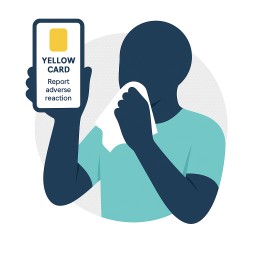
3. The Yellow Card system

The UK’s main tool for detecting safety issues is the Yellow Card Scheme, run by the MHRA.

  • Anyone can report: doctors, nurses, pharmacists, patients, or carers.

  • Reports are vital: patterns in these reports may reveal risks not seen in trials.

  • Action is taken: if needed, leaflets are updated, warnings issued, or drugs restricted/withdrawn.

You can report suspected side effects at yellowcard.mhra.gov.uk.


4. Why reporting matters

Poor reporting leads to harm:

  • Delayed warnings – e.g. photosensitivity with voriconazole took years to be recognised.

  • Biased safety data – drugs may seem safer than they are.

  • Preventable harm – patients may suffer permanent injury before action is taken.

For new medicines (marked with a ▼ black triangle in the BNF and leaflets), the MHRA asks for all side effects to be reported, no matter how small.


5. Extra protections for new medicines

When a drug is new, safety systems are stronger than usual:

  • Black triangle (▼) – signals “additional monitoring” so all suspected ADRs should be reported.

  • Specialist prescribing – new antifungals are usually limited to centres like NAC.

  • Closer monitoring – frequent blood tests, drug levels, eye or skin checks depending on risk.

  • Risk Management Plans – agreed with regulators, spelling out what to watch for.

  • Post-marketing studies – Phase 4 trials track safety in real-world patients.

These safeguards are extensive, but not fool-proof. Rare or long-term effects may still emerge only after years of wider use.


6. The NHS challenge

Despite the systems:

  • Only a small percentage of doctors file Yellow Card reports each year.

  • Most GPs never prescribe brand-new drugs — so reporting falls heavily on specialist centres like NAC.

  • Under-reporting risks harm, increases NHS costs, and erodes trust.


7. Who sets the rules?

Several organisations provide guidance on reporting and safety:

  • MHRA (UK regulator): runs Yellow Card, monitors new and established drugs, and issues safety updates.

  • BNF (British National Formulary): highlights side effects, black triangle drugs, and links to reporting tools.

  • GMC (General Medical Council): obliges doctors to report serious ADRs and all reactions to ▼ drugs.

  • EMA (European Medicines Agency): operates EudraVigilance, pooling reports from across Europe.

  • Global standards: the UK follows international rules (ICH E2B) so data is shared worldwide.


8. What patients can do

You are central to this safety net:

  • Be observant – notice anything new or unusual.

  • Keep a record – note when it started, how often, and any changes with medication.

  • Report promptly – tell your team and consider submitting a Yellow Card yourself.

  • Ask questions – “What side effects should I look out for? Which are urgent? How will we monitor this drug?”

  • Use trusted sources – NHS.uk, bnf.nice.org.uk, NAC, or your pharmacist.


9. The reality of side effects

For many, side effects are not “minor inconveniences.” They can mean:

  • Permanent disability (e.g. nerve or vision damage).

  • Loss of independence or mobility.

  • Social isolation and depression.

That’s why side effect monitoring is not just bureaucracy — it’s about protecting real lives.


Key message

The systems around new medicines are extensive but not fool-proof. That’s why patients and doctors must work as partners.

👉 If you notice something new, strange, or worrying while on antifungal medication — however small — tell your healthcare team and consider reporting it. Your report may be the missing piece that protects you and others.


Working With Your Medical Team: What Every Patient With Aspergillosis Needs to Know

Modern antifungal treatments, and many of the medicines used alongside them, can be life-saving. They help control infections that would otherwise cause severe damage to the lungs and other organs. But these medicines are also powerful, and like all strong treatments, they sometimes carry risks.

One patient recently shared that they developed nerve damage (neuropathy) while taking antifungal medication, but did not mention it to their doctor because they did not know it could be a side effect. Sadly, problems like this can sometimes become permanent if not spotted early.

This raises an important question: what do patients need to know about their responsibilities when taking medicines like antifungals, and more broadly, when living with aspergillosis?


From passive role to partnership

In the past, healthcare often worked in one direction: the doctor gave instructions, and the patient was expected to follow them. Patients were mostly passive, with little chance to ask questions or take part in decisions.

The NHS is now moving towards a very different way of working: partnership.

This means:

  • Doctors and nurses share their medical knowledge.

  • Patients share their experiences of living with their condition.

  • Together, both sides decide what treatment and care will work best.


Why doctors sometimes hesitate about side effects

Some patients are surprised to learn that not all doctors automatically tell patients about possible side effects. Why is this?

  • Some worry about causing anxiety or putting patients off treatment.

  • Others fear the nocebo effect — where simply knowing about a side effect can make someone more likely to notice it.

  • They may also feel that handing over a long list of possible effects is overwhelming.

But when it comes to antifungals and other long-term, powerful medicines, not knowing can be dangerous. If patients do not know what to look for, they may ignore early signs of serious problems until it is too late.

The best approach is balance:

  • Patients don’t need to memorise an endless list.

  • They do need a clear, short list of the most important and urgent symptoms to look out for — and to know what to do if they appear.


Medicines: what patients should do

  • Take medicines as prescribed – antifungals, inhalers, steroids, or biologics must be taken on schedule. Missing doses can reduce effectiveness or drive resistance.

  • Do not stop suddenly – especially steroids. Always follow tapering advice.

  • Check for interactions – antifungals can clash with common medicines such as statins, blood pressure tablets, and painkillers. Always tell your team about new prescriptions, over-the-counter drugs, or supplements.

  • Use the same pharmacy if possible – so interactions are checked consistently.


Monitoring your health

  • Attend all scheduled tests – blood work, lung function, CT scans. These can reveal hidden changes before you feel them.

  • Know your “normal” – keep track of oxygen levels (if you use a pulse oximeter), peak flow, sputum colour, cough, and breathlessness.

  • Spot infections early – worsening cough, fever, or new sputum colour may mean infection or flare-up. Report these quickly.


Communication with your team

  • Bring notes to clinic – write down questions and symptoms so nothing is forgotten.

  • Be open and honest – if you’ve missed doses, struggled with side effects, or found treatment difficult, let your team know.

  • Keep contact details handy – know who to call if problems arise (specialist nurse, hospital helpline, GP).


Lifestyle and prevention

  • Reduce exposure to moulds – avoid compost heaps, rotting leaves, damp basements, and building dust. If you cannot avoid them, wear an FFP2/3 mask.

  • Protect your lungs – keep up with vaccinations (flu, COVID-19, pneumococcal).

  • Support your overall health – eat well, stay as active as you can, and rest when needed.

  • Look after your mental health – chronic illness is stressful. Patient groups, counselling, or peer support can make a big difference.


Self-management skills

  • Recognise flare-ups – learn the difference between ABPA flare, CPA progression, and bacterial infection symptoms.

  • Know your rescue plan – what to do if you suddenly worsen (extra inhalers, antibiotics, or emergency help).

  • Keep records – note symptoms, hospital visits, and medication changes. This helps spot long-term patterns.

  • Be part of decisions – ask about benefits, risks, and alternatives of treatments. Care should fit your life as well as your lungs.


Where to find reliable information on medicines

Many patients say the leaflet in the medicine box is written in tiny print or feels overwhelming. You do have other options:

  • Ask your clinical team or pharmacist — they can give you a short list of the most important side effects to watch for and explain what’s urgent.

  • Check the BNF (British National Formulary) online — the NHS makes this trusted reference free to the public at bnf.nice.org.uk. It lists side effects, drug:drug interactions, and safety notes.

  • Use NHS.uk — clear pages on most medicines, written in plain English.

  • Patient support organisations — such as the National Aspergillosis Centre or relevant charities, which often provide tailored advice.

If you’re unsure, it’s always safer to ask rather than guess.


The bigger picture: partnership

In the past, doctors made decisions and patients followed instructions. Today, with complex conditions like aspergillosis, patients are central members of the care team.

  • You notice problems first.

  • You take daily responsibility for medication.

  • You decide when to seek help.

This isn’t about shifting the whole burden onto patients — it’s about recognising that care works best when it is a true partnership.


Key message

👉 If you notice something new, strange, or worrying while on antifungal medication — however small — tell your healthcare team. Don’t assume it’s not important.

And remember: safe, effective treatment is a two-way street. Your role as a patient is not just to take medicines, but to observe, record, communicate, and partner with your team. That partnership is what keeps you safe and makes your treatment work.


Prednisone, Hydrocortisone, and Adrenal Function – What Patients Need to Know

Why Aspergillosis Patients Are Often Given Prednisolone

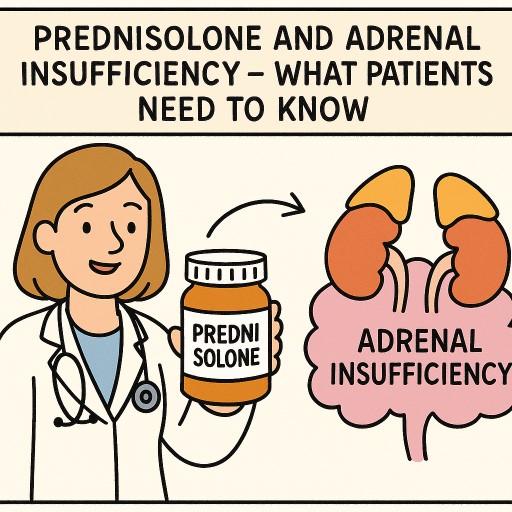
Prednisolone is often prescribed for patients with aspergillosis (especially Allergic Bronchopulmonary Aspergillosis – ABPA) because it helps to reduce lung inflammation and allergic reactions triggered by Aspergillus spores. It can be life-changing in controlling breathlessness, wheeze, and repeated flare-ups. However, using steroids for weeks or months can affect the body’s own natural hormone production.


How Do I Know If I Might Need Adrenal Testing While on Prednisolone?

Prednisolone is a corticosteroid medicine. If you take it for more than a few weeks, it can “switch off” your adrenal glands, which normally make the hormone cortisol. Cortisol is essential for coping with stress, fighting infection, and maintaining energy.

You might need adrenal testing if you notice:

  • Extreme tiredness or weakness, especially if it worsens when tapering your pred dose.

  • Excessive sleepiness or difficulty staying awake, even when rested.

  • Feeling much worse during stress or illness (for example, flu, chest infection, or surgery).

  • Dizziness or fainting on standing (low blood pressure symptoms).

  • Nausea, vomiting, or stomach pain that isn’t explained by infection or medicines.

  • Unexplained weight loss or poor appetite.


Why Might Patients Stop Making Cortisol?

The adrenal glands may temporarily stop producing cortisol if they have been “switched off” by long-term steroid treatment. This is called secondary adrenal insufficiency. It is usually reversible, but recovery can take months or even years.

In contrast, primary adrenal insufficiency (Addison’s disease) is when the adrenal glands are damaged and stop working permanently. This is not caused by steroids, but by autoimmune or other diseases.


Symptoms of Low DHEA

The adrenal glands also produce DHEA, a weak sex hormone that contributes to mood, energy, and libido — particularly important in women. Long-term steroid use or secondary adrenal insufficiency may reduce DHEA levels.

Possible signs of low DHEA:

  • Ongoing low energy or fatigue, even when cortisol is replaced

  • Low mood, depression, or “flat” emotions

  • Reduced libido (sex drive)

  • Thinning of underarm or pubic hair (especially in women)

  • Lower resilience or general sense of well-being

Not all patients with adrenal insufficiency need DHEA replacement, but in some, it can make a difference. This is assessed by specialists.


How to Tell the Difference Between Causes of Fatigue

Because fatigue can come from several overlapping sources, it helps to compare:

Symptom Cortisol deficiency (Adrenal Insufficiency) Prednisolone Side Effect Low DHEA
Sudden exhaustion during stress/illness
Sleepiness, can’t stay awake
Dizziness or fainting
Nausea, vomiting, stomach upset
Insomnia, wired-but-tired feeling
Mood swings, irritability
Weight gain, bloating, “puffy face”
Ongoing low energy despite treatment
Low mood, “flat” emotions
Reduced libido
Thinning pubic/underarm hair (women)

✅ = typical feature


Prednisolone, Hydrocortisone and Fatigue

  • If a patient is on prednisolone and feels extremely fatigued during stress or illness, it may mean their body is not making enough natural cortisol.

  • If they are tapering prednisolone and develop fatigue or sleepiness, this can mean the taper is too fast and the adrenal glands have not “woken up” yet.

  • If a patient feels tired while still on prednisolone, it could be due to:

    • Side effects of prednisolone itself,

    • Lack of natural cortisol (adrenal suppression),

    • Or low DHEA.


Treatment and Monitoring

  • Doctors may recommend slowing or pausing tapering if adrenal insufficiency is suspected.

  • Some patients are switched to hydrocortisone, which more closely mimics natural cortisol.

  • In situations of stress (infection, surgery, trauma), patients may need extra “stress doses” of steroids.

  • Patients at risk should carry a steroid emergency card or medical alert bracelet.


👉 Key message:
Aspergillosis patients often need steroids, but long-term use can suppress natural adrenal function. Fatigue can come from:

  • Low cortisol,

  • Prednisolone side effects,

  • Or low DHEA.

Since these overlap, specialist endocrine advice is often needed to work out the cause.


💊 Staying Safe on Long-Term Treatment for Aspergillosis

(Steroids and Azole Antifungal Medicines)

If you're living with aspergillosis, your treatment plan may include long-term antifungals (e.g. itraconazole, voriconazole, posaconazole, or isavuconazole) and sometimes oral steroids like prednisolone. These medicines can be essential in managing your symptoms and preventing long-term lung damage.

But like all strong medicines, they need to be monitored closely—and you should be part of every treatment decision.


🗣️ You Should Be Involved in Every Medication Decision

NHS and NICE guidance recommend that:

  • Medicines should be reviewed regularly

  • Reviews should include the patient’s voice

  • Decisions to continue, stop, or adjust a medicine should be made together

🔗 NICE Medicines Optimisation Guidance:
https://www.nice.org.uk/guidance/ng5


⚠️ Why Regular Reviews Matter – Especially with Steroids and Azoles

Azole antifungals and steroids are powerful tools for treating aspergillosis, but they can cause side effects—especially if taken for long periods. Regular reviews help ensure you're getting the benefit of treatment without unnecessary risk.

🧪 Azole Antifungals Used in Aspergillosis

Drug Brand name(s) Notes
Itraconazole Sporanox Common first-line; blood level monitoring needed
Voriconazole Vfend May affect vision, liver; used in severe cases
Posaconazole Noxafil Often well tolerated; used if others don’t suit
Isavuconazole Cresemba Newer; fewer interactions and side effects

These antifungals can interact with many other medicines. The British National Formulary (BNF) lists over 300 interactions for itraconazole alone.

🔗 https://bnf.nice.org.uk


🧠 What About Prednisolone?

Prednisolone is a steroid that helps reduce inflammation but may cause side effects like:

  • Weight gain, diabetes, mood swings

  • Eye problems (e.g. cataracts)

  • Bone thinning (osteoporosis)

  • Adrenal insufficiency—where the body stops making enough natural steroid hormone

This is why lowest dose for the shortest time is best, and stopping should always be gradual and supervised.


🔁 What If You Can’t Stop These Medications?

In ABPA or chronic pulmonary aspergillosis, long-term antifungals or steroids may be the only effective treatment for now. That’s okay—what matters is staying safe and supported.

Here’s how your team should help:

  • ✅ Use the lowest effective dose

  • Monitor side effects and blood levels (especially for itraconazole and voriconazole)

  • ✅ Watch for liver, nerve, adrenal, or eye problems

  • ✅ Consider switching antifungals if side effects develop

  • ✅ Look into steroid-sparing options (e.g. biologics like omalizumab or benralizumab for ABPA—though not yet widely approved)


👥 What If You’re Experiencing a Side Effect?

Here’s an example of a positive, patient-led conversation:

Patient:
"Since starting itraconazole, I’ve had tingling in my feet and some burning pain at night. I’m worried it’s the medicine."

Doctor:
"Thank you for bringing this up. That’s important. Let’s review your timing and symptoms. Itraconazole can sometimes cause nerve issues—let’s check your drug level and liver tests, and talk about adjusting the dose or switching antifungals."

Patient:
"Is it dangerous to stop suddenly?"

Doctor:
"No, not if done with supervision from your doctor—we’ll make any changes carefully and monitor you throughout. I’ll schedule follow-up, and please get in touch if anything worsens."

✅ You deserve to be listened to. Never ignore a side effect or worry that you’re being a nuisance—your body knows when something isn’t right.


🔎 Who Should You Talk To?

Here’s who to contact depending on the concern:

Type of Concern Best First Contact Why
Side effects (e.g. nausea, mood, tingling) GP or clinical pharmacist Pharmacists are medication experts and often easier to access than specialists
Drug interactions Pharmacist They can check for dangerous combinations
Monitoring (e.g. blood tests, drug levels) Specialist team Usually manages antifungals and steroid tapering
Suspected allergy or adrenal issues GP or endocrinologist referral For detailed hormone testing or allergy support
General concerns or you're unsure who to ask GP They can coordinate referrals and advice

🧩 What If You React Differently Than Expected?

Rare side effects do happen—including steroid allergy or intolerance, or nerve pain from azoles. You might feel dismissed, especially if the reaction is unusual or not in the textbook.

You are entitled to:

  • A proper medication review

  • A second opinion

  • Referral to pharmacy, allergy, or endocrine clinics

  • Kind, respectful care from professionals who take you seriously

True reactions are rare—but not imaginary. Speak up, document what you notice, and ask for help.


📚 Stay Informed with Reliable Sources


🤝 Final Word

If you're on long-term treatment for aspergillosis, you're not failing—you're managing a difficult condition with strength and persistence. What matters is that you’re:

  • Heard

  • Supported

  • Included in every decision

You are the expert in how your body feels—and when your voice is part of the team, the care is always better.


🛡️ Understanding Your Risk: Aspergillosis, Steroids, and the Immune System

If you’ve been diagnosed with an Aspergillus-related condition, such as chronic pulmonary aspergillosis (CPA), ABPA, or a fungal ball (aspergilloma), you might wonder:
“Am I immunocompromised? And do steroids or biologics put me at more risk?”

The answers depend on your underlying health, medications, and how your body responds to Aspergillus.


🌍 Aspergillus is Common — But Not Harmless

Aspergillus is a type of mould found everywhere — in soil, air, and dust. Most people breathe it in daily without problems. But in some people, it can:

  • Trigger an allergic reaction (ABPA or fungal sinusitis)

  • Cause infection in damaged lungs (CPA or aspergilloma)

  • Spread aggressively in those with very weak immune systems (invasive aspergillosis)

Understanding your level of immune defence helps explain your risk and how your treatment should be managed.


🧬 Levels of Immunocompromise: What They Mean

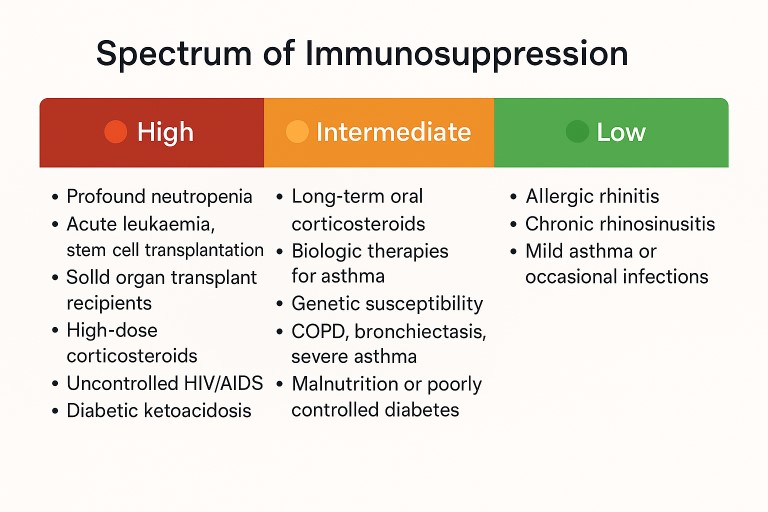
Immunosuppression isn't black-and-white — it's a spectrum. Here's how it applies to people with or at risk of aspergillosis:

🔴 High-Level Immunosuppression (High Risk)

  • Recent chemotherapy or bone marrow transplant

  • Stem cell or organ transplant

  • Severe neutropenia (very low white blood cell count)

  • High-dose steroids (e.g. ≥20 mg prednisolone daily for weeks)

  • Uncontrolled HIV/AIDS

  • Intensive care or mechanical ventilation

🧠 These people are at risk of serious, fast-spreading infections — including invasive aspergillosis (IA), which is rare but life-threatening.


🟠 Moderate Immunosuppression (Common in Aspergillosis Patients)

  • Long-term low-to-moderate steroids (e.g. <10–15 mg prednisolone)

  • Biologics for asthma (e.g. omalizumab, benralizumab)

  • Chronic lung disease (COPD, bronchiectasis, asthma)

  • Diabetes, malnutrition, or genetic immune traits

  • Previous TB, sarcoidosis, or other lung damage

🧠 This group is at greater risk of chronic forms of aspergillosis — especially CPA, ABPA, and aspergillus bronchitis.


🟢 Low or No Immunosuppression (Low Risk)

  • People with well-controlled asthma or sinusitis

  • Those on occasional short courses of steroids

  • No major lung or immune conditions

🧠 This group is unlikely to develop aspergillosis.


💊 What if You Already Have Aspergillosis?

If you’ve been diagnosed with CPA, ABPA, aspergilloma, or sinus disease caused by Aspergillus, some treatments may still increase your vulnerability if not carefully managed.

❗ Steroids (e.g. Prednisolone)

  • Help control inflammation (especially in ABPA)

  • But also suppress immunity, making it easier for Aspergillus to grow

  • Can worsen CPA or increase risk of bleeding in aspergilloma

  • Risk rises with higher doses and longer courses

🟠 If steroids are needed, they should usually be combined with antifungal medication (like itraconazole or voriconazole) to keep fungal growth in check.


❗ Biologics for Asthma (e.g. Omalizumab, Mepolizumab)

  • Target allergic inflammation without broadly suppressing the immune system

  • Don’t usually increase the risk of invasive fungal infections

  • May slightly alter how your immune system responds to Aspergillus

🟠 Biologics can be helpful in ABPA and severe asthma, but regular monitoring is still important.


🔍 Summary Table: Common Risk Factors and What They Mean

Factor What It Does What to Watch For
Long-term steroids Suppress immune cells, reduce inflammation Use with antifungals; monitor closely
Biologics for asthma Modulate immune pathways (e.g. IgE, IL-5) Safe in most; watch for subtle effects
TB, sarcoid, or other lung scarring Leaves cavities that allow fungal growth Regular scans and blood tests
Diabetes or malnutrition Affects immune function and tissue repair Keep well-managed
Low white blood cells (neutropenia) Limits ability to fight fungal infection Urgent action needed if fever or unwell
Lung diseases (COPD, asthma, bronchiectasis) Reduce local lung defences Increases risk of CPA, ABPA, or colonisation

✅ What Can You Do to Stay Safe?

  • Take antifungals as prescribed, especially if you're on steroids or biologics

  • Avoid unnecessary long-term steroid use — use the lowest dose for the shortest time

  • Report new or worsening symptoms early — especially breathlessness, coughing blood, fatigue, or sinus pain

  • Have regular follow-ups with your respiratory or infectious diseases team

  • Don’t stop any medication suddenly — especially steroids — without medical advice


💬 Final Reassurance

Having aspergillosis doesn’t mean you’re severely immunocompromised — but some treatments can increase your risk if not managed carefully. With the right balance of antifungals, asthma treatments, and medical support, many people live well with ABPA, CPA, and related conditions.


Biologics and Long Term Side Effects

What Are Biologics?

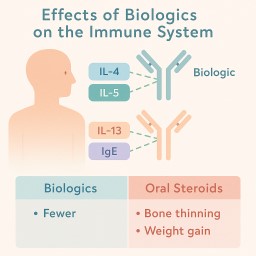
Biologics are targeted treatments made from living cells. They work by blocking parts of the immune system that cause inflammation — for example:

  • IL-4, IL-5, IL-13: linked to eosinophilic inflammation

  • IgE: linked to allergies and ABPA

They are not immunosuppressants like steroids or chemotherapy, but rather immune modulators.


💊 Long-Term Side Effects – What Do We Know?

👨‍⚕️ What research and experience show:

Biologic Used for Long-term safety known? Side effects most reported
Omalizumab (Xolair) Allergic asthma, ABPA 20+ years of use Injection site reactions, headache, very rare anaphylaxis
Mepolizumab (Nucala) Eosinophilic asthma, CPA 10+ years Fatigue, headache, shingles (rare), mild infections
Benralizumab (Fasenra) Severe asthma, CPA ~6–7 years Headache, pharyngitis, injection site issues
Dupilumab (Dupixent) Asthma, eczema, nasal polyps 6–8 years Eye dryness/redness, cold sores, joint pain (rare)
Tezepelumab (Tezspire) Severe asthma ~2 years Sore throat, joint pain, injection site reactions

⚠️ Possible Long-Term Concerns (but rare)

  • Infections: Some concern about slightly increased risk of herpes zoster (shingles) or respiratory viruses, but overall risk is very low compared to steroids.

  • Immunogenicity: Your body might develop antibodies to the drug over time, reducing its effect — this is more a loss of benefit, not a dangerous side effect.

  • Cancer risk: No consistent evidence linking asthma/ABPA biologics to cancer.

  • Unknowns: Because some biologics are new (e.g. tezepelumab), we don't yet have 20-year data — but so far the safety profile is reassuring.


🩺 Compared to Oral Steroids

Treatment Side Effects Over Time
Steroids (e.g. prednisolone) Weight gain, diabetes, infections, bone thinning, cataracts, adrenal suppression
Biologics Mostly minor – injection site pain, headache, mild infection risk, rare allergic reaction

So in most cases, biologics reduce the need for steroids and therefore reduce long-term harm.


💬 Patient Experience

Most patients report:

  • Improved quality of life

  • Reduced asthma/ABPA attacks

  • Fewer hospital visits

  • Very few stop due to side effects


✅ Summary

Question Answer
Do biologics have long-term side effects? Usually mild and rare; mostly injection reactions or mild infections
Are they safer than long-term steroids? Yes, especially over years
Should I be worried? Not usually — but always monitor with your team
How long have they been used? 6–20+ years, depending on the biologic, with very good safety data

📁 Coping with Steroid Side Effects and Finding Balance: A Guide for Aspergillosis Patients

Living with chronic forms of aspergillosis—such as chronic pulmonary aspergillosis (CPA), allergic bronchopulmonary aspergillosis (ABPA), severe asthma with fungal sensitisation (SAFS), or Aspergillus bronchitis—often means taking corticosteroids like prednisolone or hydrocortisone. These powerful medicines can be life-saving, but they also come with physical and emotional side effects, especially at high doses or when taken over long periods.

This guide is here to support you with practical tips, patient stories, and advice on reducing steroids while maintaining your quality of life.


🔊 What Do Steroids Do?

Steroids reduce inflammation and calm overactive immune responses. They're commonly used in aspergillosis to:

  • Manage allergic reactions (e.g. in ABPA)
  • Control lung inflammation
  • Treat adrenal insufficiency or steroid withdrawal symptoms

🔁 Why Reducing Steroids Can Be So Difficult

Steroids are very effective but also powerful. Tapering the dose can cause:

  • Return of pain, fatigue, breathing problems, or inflammation
  • Steroid withdrawal symptoms (fatigue, low mood, joint pain)
  • Adrenal suppression if the body has stopped making its own cortisol

Many patients report:

“I reduced by 1mg and everything fell apart.” “I want to be on less, but life is unbearable when I try.”

You are not failing. Finding the right dose is a balance between lowering risks and keeping your life manageable.


🛋 Common Side Effects and What You Can Do

Side Effect Tips to Cope
Increased appetite Plan balanced meals, high-fibre snacks, drink water, be kind to yourself
Weight gain / swelling Gentle movement, reduce salt, try pressotherapy (discuss with your team)
Mood swings or anxiety Talk about it, track your feelings, ask about counselling or peer support
Insomnia Avoid caffeine late, consider timing of dose, try a calming bedtime routine
"Moon face" / puffiness Often fades when dose is reduced; hydrate and moisturise
Muscle/joint pain or weakness Gentle stretches, walking, low-impact activity, speak to a physio if needed
Bruising/thin skin Moisturise, protect from bumps, avoid strong detergents
Raised blood sugar Eat regularly, reduce sugary drinks, ask about monitoring if concerned
Bone thinning Ask about calcium, vitamin D, or bone-protecting medications
Adrenal suppression Never stop suddenly; always taper with a doctor's guidance

👥 Real Patient Stories and Analogies

🐻 Alison's Bears

“There are two bears inside me. Prednisone Bear is wild and wants to eat and sleep and snap. But Rusty McTravel Bear is my real self—gentle, curious, slowly trying to get back on the road. I’ve learned to recognise the first and nurture the second.”

🏎️ The Revving Car

“Being on steroids sometimes feels like a car with the engine revving but the brakes on. You’re buzzing, but you’re stuck. Try easing the brakes: take a walk, make tea, do something simple to use the energy.”


🚩 Finding Your Balance: When Less Isn't Always Better

✅ Go slow

  • Taper in small steps—as little as 0.5–1mg at a time
  • Wait several weeks between reductions

✅ Keep a steroid diary

  • Note dose, mood, sleep, symptoms, activity
  • This helps identify your "minimum effective dose"

✅ Accept that a small maintenance dose may be necessary

  • You are not failing if you need 2mg, 5mg, or 7.5mg long-term
  • The goal is a life worth living, not perfection

✅ Ask about alternatives

  • Inhaled steroids, antifungals, or biologics might help reduce systemic steroid use

✅ Consider adrenal testing

  • Especially if you feel unwell during tapering or on low doses

🛏️ Other Strategies That May Help

  • Pressotherapy for leg pain and swelling
  • Mindfulness or breathing exercises for anxiety or insomnia
  • Peer support (online or in person)
  • Short-term plans: some patients use a "rescue dose" plan for flare-ups
  • Talk to your care team: never reduce on your own without guidance

💼 Summary

Reducing or living with steroids is not just about doses. It’s about protecting your body and your sense of self. If a small daily dose keeps you functioning, that is not weakness—it’s balance.

You are not alone. Many in the aspergillosis community are navigating this same path.

“The right dose is the one where I can breathe, move, smile — and still feel like myself.”


🌿 Practical Steps for Managing Steroid-Related Facial Swelling

🧊 1. Cold Compresses

  • Applying a cool, damp cloth or cold gel mask to your face and neck for 10–15 minutes may help reduce inflammation and redness, especially in the evening.

  • Avoid ice directly on the skin.

🛌 2. Elevation and Sleep Position

  • Try sleeping with your head elevated on an extra pillow. This helps reduce overnight fluid pooling in the face.

  • During the day, keep your head upright when sitting or resting.

💧 3. Fluid Management

  • Paradoxically, drinking plenty of water helps your body excrete excess salt and reduce fluid retention.

  • Consider reducing your sodium intake, as salt encourages water retention and worsens facial puffiness.

🍽️ 4. Diet Adjustments

  • Avoid high-carb and sugary foods, which can worsen fluid retention and blood sugar instability (already affected by steroids).

  • Add potassium-rich foods (e.g. bananas, spinach, sweet potatoes), which help balance fluid levels.

🚶 5. Gentle Movement

  • Short walks or mild activity during the day help circulation and prevent dependent edema (swelling that increases as the day goes on).

🧴 6. Skin Soothing and Anti-Inflammatory Topicals

  • Use fragrance-free soothing moisturisers containing niacinamide or aloe vera.

  • Redness may also respond to mild over-the-counter hydrocortisone cream for short use — though caution is advised since you're already on systemic steroids.

💊 7. Medication Review

  • Diuretics (water tablets) are rarely used for steroid-induced swelling, but in some cases, a clinician may consider it if fluid retention is severe.

  • Tapering your corticosteroids (if appropriate and under supervision) can gradually improve symptoms — discuss this with your prescriber.

🩺 8. Consult a Specialist

  • If the swelling is asymmetric, very painful, or associated with new symptoms (e.g., visual changes, difficulty swallowing, skin tightness), you should be checked promptly for other causes.

  • A referral to a dermatologist or endocrinologist may help if cosmetic or systemic effects are severe or long-term.


⚠️ When to Seek Urgent Medical Advice

Call your GP or attend an urgent care clinic if you have:

  • Sudden, painful swelling

  • Shortness of breath

  • Swelling spreading rapidly

  • New rash, fever, or visual disturbance


🧠 Struggling to Come Off Prednisolone?

A Guide for Patients with Long-Term Steroid Use (e.g. for ABPA)

If you’ve been on prednisolone or methylprednisolone for a long time — such as for Allergic Bronchopulmonary Aspergillosis (ABPA) — and now feel dreadful while trying to reduce your dose, you’re not alone.

Many people find steroid tapering one of the most difficult parts of treatment. This guide explains what’s happening in your body, why withdrawal symptoms occur, how hydrocortisone may help, and when to pause tapering and seek help.


💡 Why Were You Put on Prednisolone?

Prednisolone is a powerful anti-inflammatory steroid used to control conditions like ABPA. It mimics cortisol, a natural hormone your body produces to:

  • Control inflammation

  • Manage blood sugar, blood pressure, and fluid balance

  • Respond to physical and emotional stress

But after several weeks of steroids, your body stops making cortisol naturally, which leads to dependence and can make tapering very difficult.


🔁 Why Is It So Hard to Come Off Prednisolone?

As you taper:

  • Your dose of artificial cortisol (prednisolone) is reduced

  • But your adrenal glands may not have restarted cortisol production yet

  • This leaves you in a cortisol gap, with symptoms of withdrawal and adrenal insufficiency


😞 Common Symptoms of Cortisol Withdrawal

  • Crippling fatigue or exhaustion

  • Nausea, loss of appetite

  • Light-headedness or dizziness

  • Joint or muscle aches

  • Anxiety, low mood, brain fog

  • Feeling worse in the afternoon (the “crash”)

These symptoms are real and happen because your body is running on too little cortisol.


🛑 Never Taper Without Medical Supervision

Always reduce steroids under a doctor's care. Stopping or tapering too quickly can lead to:

  • Adrenal insufficiency

  • Severe fatigue or collapse

  • Adrenal crisis — a life-threatening emergency


🧪 What Happens to Natural Cortisol?

Your body expects cortisol to rise in the morning and fall by night. Long-term steroids stop this rhythm. As you taper lower (especially <5 mg prednisolone), the brain begins sending signals to “wake up” the adrenal glands — but it takes time.

Doctors monitor recovery using:

  • Morning cortisol tests (8–9am, off steroids for 24 hrs)

  • Synacthen (ACTH stimulation) tests to assess adrenal response


⏱️ Why You Feel Worse Later in the Day

Many people report feeling okay in the morning after their steroid dose, but hit a wall in the afternoon. That’s because:

  • Prednisolone’s effects wear off by then

  • Your body expects a “natural top-up” of cortisol — but it’s not there yet

  • This is often when your brain starts pushing the adrenal glands to restart

So while it feels awful, this may be the point at which your system is trying to recover.


🟡 When to Talk to Your Doctor About Pausing the Taper

If you feel dreadful every day, and your symptoms aren’t improving after 1–2 weeks at a new dose, that’s a sign your body may not be coping.

👉 Tell your doctor if:

  • You can barely get through the day

  • You feel consistently dizzy, nauseated, weak, or mentally “foggy”

  • You are experiencing daily crashes or worsening anxiety

  • You have lost weight, appetite, or sleep due to symptoms

You may need to:

  • Pause the taper and hold your dose longer

  • Increase slightly for symptom control

  • Switch to hydrocortisone for gentler tapering

  • Get retested to see if your adrenal glands are recovering

🗣️ “I think my body is struggling at this dose. Can we pause here and check my cortisol levels?”
🗣️ “Would hydrocortisone be a better option for tapering now?”

These are reasonable, safe, and important questions to ask.


🔄 Could Switching to Hydrocortisone Help?

Yes — hydrocortisone is a short-acting, natural steroid that:

  • Mimics your body’s own cortisol

  • Allows windows for adrenal recovery

  • Is easier to taper in smaller steps

Many people report fewer withdrawal symptoms and a smoother taper after switching from prednisolone.


📈 Prednisolone vs. Hydrocortisone

Feature Prednisolone Hydrocortisone
Potency ~4x stronger than cortisol Equal to cortisol
Duration 12–36 hours 6–8 hours
Suppression risk High Lower
Recovery support Slower Better for adrenal recovery
Tapering flexibility Hard below 5 mg Easier to reduce gradually

🛡️ Safety Rules During Tapering

✅ Always taper slowly and with medical guidance

✅ Know your “sick day rules

During illness, surgery, or stress, you may need higher steroid doses (stress dosing). Ask your doctor for a written plan.

✅ Watch for adrenal crisis:

Seek emergency care if you have:

  • Vomiting or severe nausea

  • Fainting or confusion

  • Collapse, very low blood pressure

  • High fever with fatigue and weakness

✅ Carry a Steroid Emergency Card and/or medical alert ID

  • Especially important if you’re tapering or still on steroids

  • This alerts emergency staff that you may need urgent steroids


🫶 Reassurance

If tapering is making you feel broken — you’re not alone, and you’re not failing. Tapering is about timing, safety, and support. Your adrenal recovery is a process — not a race.

Many people:

  • Recover natural cortisol over months (or longer)

  • Manage long-term steroid replacement safely

  • Return to full lives with the right plan


📋 What You Can Do Next

🗣️ Ask your doctor:

  • “Should we pause tapering and hold my current dose?”

  • “Can we test my morning cortisol or do a Synacthen test?”

  • “Would switching to hydrocortisone help?”

  • “Can I get a steroid emergency card and sick-day instructions?”


Understanding the Side Effects of Long-Term Prednisolone Use

Prednisolone is a widely used and effective medication for managing inflammation in aspergillosis. However, when taken for more than 3–4 weeks—especially at moderate or high doses—it can cause unwanted effects in different parts of the body. Knowing what to expect and how to reduce risks can help you feel more in control of your treatment.

Prednisolone is a synthetic form of cortisol, a hormone your body normally produces to manage stress and inflammation. When you take it in larger-than-natural amounts over time, it can interfere with how your body handles fluids, sugar, bone rebuilding, immune function, and even mood and sleep.

Below are the most common side effects and why they happen:

Common Side Effects and Why They Happen

Prednisolone mimics cortisol, a hormone naturally made by your body. But when taken in higher-than-natural amounts over a long time, it can disrupt many systems. Here's why these side effects happen:

  • Weight gain and fluid retention – Steroids affect how your body processes salt and water, leading to bloating and weight changes.
  • Moon face – Fat redistributes to the face, neck, and abdomen.
  • Thinning skin and bruising – Steroids reduce collagen production, making skin fragile.
  • High blood pressure – Caused by fluid retention and effects on blood vessel tone.
  • Increased risk of infections – Steroids suppress your immune system, making it harder to fight infections.
  • Osteoporosis – Steroids interfere with calcium absorption and bone rebuilding.
  • Muscle weakness – Corticosteroids break down protein, reducing muscle strength, especially in the thighs and upper arms.
  • Mood and sleep changes – Steroids can affect the brain’s chemistry, causing anxiety, insomnia, or mood swings.
  • Eye problems – Long-term use can raise pressure in the eyes or cloud the lens (cataracts).
  • High blood sugar or diabetes – Steroids make it harder for your body to use insulin effectively. **

What You Can Do to Minimise Side Effects

Managing steroid side effects involves a combination of lifestyle choices and medical support:

Strategy Why It Helps
Use the lowest effective dose Reduces cumulative exposure to steroid side effects
Switch to hydrocortisone when appropriate Mimics natural cortisol and is better tolerated long term
Monitor blood pressure, bone health, and blood sugar Early detection helps prevent complications
Take calcium, vitamin D, and possibly bone-strengthening medications Supports healthy bones
Exercise regularly Maintains strength, mobility, and mood
Eat a balanced diet low in salt and sugar Helps manage weight, BP, and blood sugar
Keep up with regular medical reviews Ensures your treatment is safe and effective

Trusted Resources and Support

You're not alone in managing steroid side effects. These resources offer guidance and community support:

Taking charge of your health with the support of your care team can greatly reduce the risks of long-term steroid use.

How to Lessen the Impact of Side Effects

Many of the risks of long-term prednisolone use can be reduced by making small lifestyle changes and working closely with your medical team. These steps can help protect your bones, heart, immune system, and overall wellbeing: You may also find support through:

  • Downloadable Steroid Emergency Cards (UK): https://www.endocrinology.org/adrenal-crisis
  • National Aspergillosis Centre patient resources: https://aspergillosis.org
  • Patient support groups such as the Aspergillosis Trust or National Aspergillosis Centre's patient forum
  • Your pharmacist, who can help with medication side effects and monitoring
  • Specialist endocrine nurses if adrenal insufficiency is diagnosed

Final Thoughts

Long-term steroid use helps many aspergillosis patients control inflammation and stay well. But it comes with responsibilities — particularly the need to monitor for adrenal suppression.

Understanding the HPA axis, recognising symptoms of AI, and knowing when and how to stress dose can empower you to live safely and confidently with aspergillosis.

Always talk to your specialist team if you’re unsure about fatigue, tapering, or illness management. You are not alone — and support is available.