Aspergillosis, immunity, and risk

Primary immune deficiencies and immune modifiers explained

A single, comprehensive explainer for expert patients, carers, and non-specialists


Why this article exists

Aspergillus is a mould that everyone breathes in every day. Most people clear it without difficulty.
A small number of people develop aspergillosis because the balance between the fungus, the lungs, and the immune system is disturbed.

This article explains:

  • Rare primary (inherited) immune deficiencies that are clearly linked to aspergillosis

  • Common immune “modifier” factors that can increase risk or severity but do not cause disease on their own

  • How these factors stack together in real life

Key reassurance up front

  • There are 500+ recognised primary immune deficiencies

  • Only ~20–30 are clearly linked to aspergillosis

  • Most people with aspergillosis do not have any inherited immune disorder


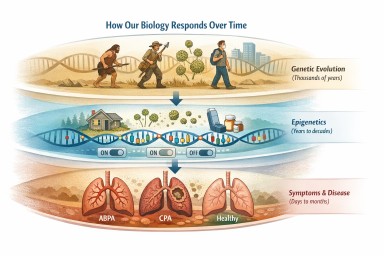
The unifying concept: three immune pathways to aspergillosis

Almost all immune–aspergillus relationships fall into three mechanisms. Understanding these matters more than memorising names.

1. Reduced ability to kill the fungus

Some immune cells fail to destroy Aspergillus spores effectively.
→ Risk of invasive aspergillosis, sometimes severe or life-threatening.

2. Lung damage over time

Repeated infections or inflammation damage airways or leave cavities.
→ Risk of chronic pulmonary aspergillosis (CPA) or aspergillomas.

3. Excessive allergic inflammation

The immune system over-reacts to Aspergillus rather than failing to fight it.
Allergic bronchopulmonary aspergillosis (ABPA) and severe fungal-sensitised asthma.

Many conditions overlap more than one pathway.


Section 1: Primary (inherited) immune deficiencies clearly linked to aspergillosis

Rare, high-impact, and sometimes life-changing when present

These are the conditions clinicians usually mean when they talk about “immune causes of aspergillus disease”.


A. Phagocyte defects

Strongest association with invasive aspergillosis

  1. Chronic granulomatous disease (CGD)

  2. Autosomal recessive forms of CGD

  3. Severe congenital neutropenia

  4. Cyclic neutropenia

  5. Leukocyte adhesion deficiency type I

Typical pattern

  • Aspergillosis at a young age

  • Invasive lung disease ± spread beyond lungs

  • Often no other obvious risk factors


B. Hyper-IgE and severe allergy syndromes

Allergic, chronic, and cavity-associated disease

  1. STAT3 hyper-IgE syndrome

  2. DOCK8 deficiency

  3. PGM3 deficiency

  4. ZNF341 deficiency

  5. IL6ST deficiency

Typical pattern

  • Severe asthma and allergy

  • Thick mucus, recurrent infections

  • ABPA, later CPA or aspergillomas


C. Combined immunodeficiencies

Immune coordination problems

  1. Severe combined immunodeficiency (milder or surviving forms)

  2. Omenn syndrome

  3. ZAP-70 deficiency

  4. Major histocompatibility complex class II deficiency

  5. CD40 ligand deficiency (hyper-IgM syndrome)

Typical pattern

  • Broad infection susceptibility

  • Aspergillosis can behave aggressively


D. Defects of fungal recognition and innate signalling

Often dramatic or unexpected presentations

  1. CARD9 deficiency

  2. Dectin-1 (CLEC7A) complete deficiency

  3. MALT1 deficiency

Typical pattern

  • Severe or unusual aspergillosis

  • Lung, brain, or deep tissue involvement

  • Sometimes first presents in adulthood


E. Immune dysregulation syndromes

Mixed infection, inflammation, and autoimmunity

  1. CTLA-4 haploinsufficiency

  2. LRBA deficiency

  3. STAT1 gain-of-function mutations

  4. IPEX syndrome (FOXP3 deficiency)

Typical pattern

  • Inflammatory lung disease

  • Chronic or invasive aspergillosis emerging over time


F. Antibody deficiencies (indirect risk via lung damage)

  1. Common variable immunodeficiency

  2. X-linked agammaglobulinaemia

  3. Activated PI3K-delta syndrome

Important nuance
Antibodies do not normally kill Aspergillus.
Risk arises after years of lung damage, not early in life.


Section 2: Immune modifier-types that can amplify risk

Common, low-penetrance, and often invisible on routine testing

These are not immune deficiencies, but they can influence who struggles, how severely, and why disease persists.


Mannose-binding lectin (MBL) deficiency

  • Common (≈5–10% of population)

  • Affects fungal recognition and complement activation

  • Usually mild on its own

  • Becomes relevant with lung disease, steroids, or other immune issues


Partial fungal-recognition receptor variants

  • Heterozygous dectin-1 variants

  • Toll-like receptor polymorphisms (for example TLR2, TLR4)

Effect

  • Slower fungal recognition

  • Increased colonisation or allergic response

  • Act as risk amplifiers, not causes


Cytokine balance variants

Small genetic differences affecting immune “signal strength”, including:

  • Interleukin-6

  • Interleukin-10

  • Tumour necrosis factor-alpha

These modify:

  • Inflammation intensity

  • Tissue damage vs clearance balance


Allergy-biased (Th2-skewed) immunity

Not a disease, but a recognised immune tendency.

Features:

  • Asthma

  • Eczema

  • Nasal polyps

  • High immunoglobulin E levels

  • Eosinophilia

Strongly associated with:

  • Fungal sensitisation

  • ABPA

  • Difficult-to-control asthma


Impaired mucociliary clearance

A functional immune–mechanical issue.

Seen in:

  • Severe asthma

  • Bronchiectasis

  • Chronic sinus disease

Effect:

  • Aspergillus spores are not physically cleared

  • Prolonged immune exposure

  • Increased colonisation and allergy


Age-related immune change (immunosenescence)

  • Normal reduction in immune speed and coordination with age

  • Particularly relevant to chronic pulmonary aspergillosis

Not a disease, but an important modifier of outcome.


Airway epithelial vulnerability

Subtle weaknesses in:

  • Airway lining integrity

  • Antimicrobial peptide production

  • Local immune signalling

Can increase:

  • Fungal adherence

  • Chronic colonisation

  • Allergic sensitisation


Section 3: Risk stacking – how this works in real life

Aspergillosis rarely results from one single factor.

Instead, several modest risks align:

  • Mild MBL deficiency

  • Severe asthma

  • Corticosteroid exposure

  • Bronchiectasis

  • Age-related immune change

→ Together, they create real disease risk, even though none alone would.

This explains why:

  • Two people with similar scans can behave very differently

  • One patient relapses while another stabilises

  • “Why me?” often has no single answer


Section 4: When clinicians investigate immune causes

Testing is targeted, not routine. It is usually considered when there is:

  • Aspergillosis at a young age

  • Invasive or unusually severe disease

  • Disease without classic risk factors

  • Recurrent infections plus severe asthma or allergy

  • A family history of unusual infections


Section 5: Why identifying (or excluding) immune factors helps

Understanding immune contribution can:

  • Explain disease pattern and behaviour

  • Guide antifungal choice and duration

  • Inform long-term prevention strategies

  • Reduce future lung damage

  • Reassure patients when no immune defect is found


Key take-home messages

  • Aspergillus exposure is universal; immune causes are rare

  • Only ~20–30 inherited immune deficiencies are clearly linked to aspergillosis

  • Modifier-type immune factors are common and usually harmless alone

  • Aspergillosis often reflects risk stacking, not a single diagnosis

  • Understanding patterns matters more than labels

  • Specialist care improves precision and outcomes


Latest Aspergillosis & Related Research Updates (Week 4).

Executive overview (what stands out this fortnight)

Key signals

  • Immune dysregulation—not just classic immunosuppression—continues to emerge as a central driver of invasive aspergillosis.

  • Allergic bronchopulmonary aspergillosis (Allergic Bronchopulmonary Aspergillosis) is appearing in atypical and early phenotypes, including absence of bronchiectasis.

  • Antifungal toxicity and pharmacokinetic variability remain clinically important.

  • Paediatric invasive aspergillosis evidence is improving.

  • Environmental and One Health studies continue to inform exposure risk.

  • Overlap with non-tuberculous mycobacteria and microbiome disruption is increasingly evident.


1. Immunocompromise, viral infection, and invasive aspergillosis
Immunocompromise and early-onset invasive pulmonary aspergillosis in viral pneumonia

Sun B et al., Frontiers in Public Health, 2026

Relevance

  • Directly informs understanding of early invasive pulmonary aspergillosis in severe viral pneumonia.
  • Extends COVID-associated pulmonary aspergillosis concepts to non-COVID viral infections.

Key points

  • Viral pneumonia causes early immune dysregulation, including lymphopenia.
  • Invasive aspergillosis may develop before classic intensive care risk factors.
  • Supports earlier fungal surveillance rather than late rescue testing.

Pulmonary cavitation as a late and self-limited complication of COVID-19 pneumonia

Osório M, Silveira M, Cureus, 2026

Relevance

  • Highlights post-viral structural lung damage as a substrate for aspergillosis.

Key points

  • Cavitation discussed alongside COVID-associated pulmonary aspergillosis and mucormycosis.
  • Fungal risk may persist after apparent clinical recovery.

2. Allergic disease and ABPA – expanding phenotypes
Triple autoimmune overlap: rheumatoid arthritis, systemic lupus erythematosus, and hypereosinophilic asthma with ABPA features

Frontiers in Immunology, 2026 (Case Report)

Relevance

  • Challenges rigid diagnostic frameworks for Allergic Bronchopulmonary Aspergillosis.
  • Supports emerging views that ABPA can occur before bronchiectasis develops.

Key points

  • ABPA considered despite normal chest imaging.
  • Diagnosis driven by immunological and eosinophilic markers.

Diagnosis of bronchopulmonary candidiasis—refractory airway hyperresponsiveness and severe pneumonia

Zhang D et al., Frontiers in Medicine, 2026

Relevance

  • Important differential diagnosis for suspected ABPA.

Key points

  • Bronchopulmonary candidiasis can closely mimic ABPA.
  • Normal Aspergillus serology does not exclude other fungal airway disease.

3. Rare immune defects and aspergillosis
Complete and partial forms of X-linked MCTS1 deficiency in patients with mycobacterial disease

Zhou Q et al., Journal of Human Immunity, 2026

Relevance

  • Expands the list of primary immunodeficiencies associated with Aspergillus infection.

Key points

  • Central nervous system aspergillosis identified as a rare but severe phenotype.
  • Suggests impaired cellular immunity as the underlying mechanism.

4. Antifungal therapy – toxicity, variability, and paediatrics
Voriconazole-associated peripheral polyneuropathy: A case report

González BJ et al., Archives of Argentine Pediatrics, 2026
(No PMC full text currently available)

Relevance

  • Highlights clinically important non-hepatic toxicity of azole therapy.

Key points

  • Peripheral neuropathy developed during voriconazole treatment.
  • Symptoms may be insidious and progressive.

RE: Factors affecting voriconazole pharmacokinetic variability in critically ill patients

Langbeen J et al., Critical Care, 2026

Relevance

  • Explains why fixed dosing of voriconazole is often unsafe.

Key points

  • Critical illness alters drug metabolism and clearance.
  • Drug–drug interactions are common.
  • Supports therapeutic drug monitoring and specialist pharmacy input.

Phase 2 clinical trial of posaconazole in paediatric invasive aspergillosis

Kang HJ et al., Antimicrobial Agents and Chemotherapy, 2026
(No PMC full text currently available)

Relevance

  • Rare prospective antifungal data in children.

Key points

  • Posaconazole showed acceptable safety.
  • Clinical responses were encouraging in a high-risk population.

5. Diagnostics, microbiology, and co-infection
Clinical characteristics, molecular diagnosis, and drug resistance profiles of nontuberculous mycobacteria infections

Wang K et al., Clinical and Translational Science, 2026

Relevance

  • Highly relevant to bronchiectasis patients where NTM and aspergillosis frequently coexist.

Key points

  • Molecular diagnostics improve species identification.
  • Resistance patterns complicate treatment strategies.

Impaired systemic antibody response against gut microbiota pathobionts in critical illness

Cho NA et al., Intensive Care Medicine Experimental, 2026

Relevance

  • Links immune–microbiome disruption to susceptibility to Aspergillus fumigatus.

Key points

  • Critical illness impairs antibody responses.
  • Loss of immune balance increases infection risk.

6. Pathogenesis and basic science
Arp2/3 complex contributes to actin-dependent uptake of Aspergillus terreus conidia

Mach N et al., PLOS One, 2026

Relevance

  • Improves understanding of early host–fungus interactions.

Key points

  • Epithelial cells actively internalise Aspergillus conidia.
  • Species differences may influence pathogenicity.

7. Environmental and One Health perspectives
Seasonal variation in Aspergillus abundance in captive penguin burrow sands

Takanobu S et al., Frontiers in Veterinary Science, 2026

Relevance

  • Demonstrates dynamic environmental exposure risk.

Key points

  • Clear seasonal peaks in Aspergillus burden.
  • Correlates with increased disease risk.

Mycotoxins – biomonitoring method including gliotoxin

Berger M et al., MAK Collection for Occupational Health and Safety, 2026

Relevance

  • Gliotoxin explored as a potential biomarker for invasive aspergillosis.

Key points

  • LC-MS/MS methods validated.
  • Currently research-grade rather than clinical.

Latest Aspergillosis & Related Research Updates (Week 3).

January–February 2026

Search term is 'aspergillosis'.

This update highlights recent publications relevant to aspergillosis, allergic bronchopulmonary aspergillosis, nontuberculous mycobacterial lung disease, antifungal stewardship, diagnostics, and environmental fungal exposure. Papers are grouped by clinical theme, with key findings and clinical relevance highlighted.


1. Diagnostics, Molecular Methods & Imaging Innovation

Clinical Characteristics, Molecular Diagnosis, and Drug Resistance Profiles of Nontuberculous Mycobacteria Infections

Wang K, Xu D, Gao Y, Zhao W, Ma K
Clinical and Translational Science, 19(2):e70479, Feb 2026

Key highlights

  • Retrospective analysis using polymerase chain reaction melting curve technology to identify nontuberculous mycobacterial species.

  • Demonstrates rapid differentiation of clinically relevant species, with integrated resistance profiling.

  • Highlights marked heterogeneity in clinical presentation and antimicrobial resistance patterns.

Why this matters

  • Increasing relevance for patients with bronchiectasis, chronic obstructive pulmonary disease, and aspergillosis, where nontuberculous mycobacteria co-infection complicates diagnosis and treatment.

  • Supports the shift away from prolonged culture-only pathways toward faster molecular diagnostics.


Amplicon-based sequencing as a diagnostic tool for severe pneumonia in the ICU

Michel C, Imamura H, Yin N, et al.
Scientific Reports, 16(1):2845, Jan 2026

Key highlights

  • Amplicon-based sequencing applied directly to respiratory samples in intensive care.

  • Detects invasive aspergillosis alongside bacterial and viral pathogens.

  • Highlights limitations of current definitions of “proven invasive aspergillosis” when relying solely on histopathology.

Why this matters

  • Reinforces the diagnostic gap in critical care–associated pulmonary aspergillosis.

  • Supports broader adoption of molecular and microbiome-informed diagnostics in high-risk settings.


Deep learning detection and classification of fungal and non-fungal calcifications on paranasal sinus CT imaging

Yang Z, Choi I, Yun H, et al.
PLOS One, 21(1):e0340832, Jan 2026

Key highlights

  • Deep learning model distinguishes fungal ball (commonly aspergillosis) from non-fungal calcifications.

  • High diagnostic accuracy on routine sinus computed tomography scans.

  • Addresses a frequent diagnostic uncertainty in chronic rhinosinusitis.

Why this matters

  • Potential to reduce diagnostic delay and unnecessary surgery.

  • Particularly relevant for centres without ready access to specialist radiology expertise.


2. Invasive Aspergillosis: Expanding Risk Profiles & Clinical Phenotypes

Unmasking Invasive Pulmonary Aspergillosis: Insights From a Case Series at a Tertiary Care Center

Munasinghe K, Nanayakkara A, De Zoysa W, et al.
Cureus, 17(12), Jan 2026

Key highlights

  • Case series illustrating heterogeneous clinical presentations.

  • Emphasises delayed recognition outside classic immunocompromised populations.

  • Reinforces global incidence estimates of approximately 250,000 cases annually.

Why this matters

  • Supports growing recognition that invasive pulmonary aspergillosis occurs in broader patient groups, including those with chronic lung disease and critical illness.


Disseminated Invasive Aspergillosis in a Young Patient With Chronic Alcohol Use and Seemingly Preserved Immunocompetence

Khandwala K, Sawliha Syed H, Anwar S, et al.
Clinical Case Reports, 14(2), Jan 2026

Key highlights

  • Disseminated disease involving multiple organs.

  • Chronic alcohol use identified as a functional immunosuppressive state.

  • Challenges traditional “immunocompetent vs immunocompromised” dichotomy.

Why this matters

  • Reinforces the need for high clinical suspicion even when standard immune markers appear preserved.

  • Relevant for emergency, acute medical, and respiratory teams.


Intensification of Treosulfan–Fludarabine Conditioning With Thiotepa in Allogeneic Hematopoietic Stem Cell Transplantation

Tosoni L, Facchin G, Plos R, et al.
Transplant Direct, 12(2):e1896, Jan 2026

Key highlights

  • Real-world study in older or comorbid transplant recipients.

  • Reports four cases of invasive aspergillosis (three pulmonary, one cerebral).

  • Conditioning regimen was otherwise effective and tolerable.

Why this matters

  • Reinforces persistent invasive fungal infection risk despite modern conditioning approaches.

  • Supports ongoing need for antifungal prophylaxis and surveillance.


Infective Endocarditis Caused by Pan-Azole-Resistant Aspergillus fumigatus in a Lung Transplant Recipient

Ukai K, Kawashima M, Ikeuchi K
Transplant Infectious Disease, Jan 2026

Key highlights

  • Rare but severe manifestation: fungal endocarditis.

  • Pan-azole resistance significantly limited treatment options.

  • Occurred in a lung transplant recipient.

Why this matters

  • Adds to evidence of clinically catastrophic azole resistance.

  • Reinforces importance of resistance testing and antifungal stewardship.


3. Antifungal Toxicity & Stewardship

Voriconazole-associated peripheral polyneuropathy: A case report

González BJ, Ivarola P, Miranda M, et al.
Archivos Argentinos de Pediatría, 124(1), Feb 2026

Key highlights

  • Documents peripheral neuropathy linked to prolonged voriconazole exposure.

  • Emphasises reversibility only after early recognition and drug withdrawal.

Why this matters

  • Highly relevant for patients on long-term antifungal therapy for chronic pulmonary aspergillosis.

  • Supports routine neurological symptom surveillance.


Antifungal Stewardship: Time to Reappraise the Priorities toward Increasing Invasive Fungal Infections

Singh S
Annals of African Medicine, Jan 2026

Key highlights

  • Reviews stewardship challenges across aspergillosis, candidemia, and mucormycosis.

  • Highlights overuse, under-diagnosis, and limited access to diagnostics.

  • Calls for stewardship frameworks equivalent to antibacterial programmes.

Why this matters

  • Directly relevant to azole resistance, drug toxicity, and resource-limited settings.

  • Aligns with national and international fungal disease priorities.


4. Allergy, Mycotoxins & Inflammatory Pathways

Common inflammatory markers predict risk of ABPA development in children with cystic fibrosis

Crabtree HED, Malajczuk CJ, Ho HY, et al.
Journal of Cystic Fibrosis, Jan 2026

Key highlights

  • Identifies routinely measured inflammatory markers predictive of allergic bronchopulmonary aspergillosis.

  • Potential for earlier identification and intervention.

Why this matters

  • May support risk stratification in paediatric cystic fibrosis clinics.

  • Relevant for future screening and monitoring protocols.


Potential mechanisms and effects of AFB1-induced asthma

Yu Z, Gao M, Wu X, et al.
PLOS One, 21(1):e0341172, Jan 2026

Key highlights

  • Network toxicology and molecular docking suggest links between aflatoxin B1 exposure and:

    • Asthma

    • Allergic bronchial pulmonary aspergillosis

    • Lung malignancy in severe cases

Why this matters

  • Strengthens environmental and occupational health links to fungal allergy and chronic lung disease.

  • Supports broader discussion of mould exposure beyond infection alone.


Mycotoxins – Determination of aflatoxins, ochratoxin A, gliotoxin, and others in urine by LC–MS/MS

Berger M, Deharde M, Neuhoff J, et al.
MAK Collection for Occupational Health and Safety, 10(2), Jan 2026

Key highlights

  • Validated biomonitoring method for gliotoxin, aflatoxins, and ochratoxins.

  • Discusses potential use of urine biomarkers for early detection of invasive aspergillosis.

Why this matters

  • Provides methodological groundwork for future biomarker-driven diagnostics.

  • Particularly relevant for occupational and environmental exposure assessment.


Money and Microbes: A Global Systematic Review and Meta-Analysis of Currency Contamination

Appiah PO, Odoom A, Tetteh-Quarcoo PB, Donkor ES
Environmental Health Insights, Jan 2026

Key highlights

  • Identifies paper currency as a reservoir for microbial and fungal contamination.

  • Notes links to serious infections, including pulmonary aspergillosis.

Why this matters

  • Highlights overlooked environmental reservoirs of fungal exposure.

  • Relevant for public health messaging and infection control.


Connecting patients, carers, clinicians and scientists to improve life with aspergillosis

World Aspergillosis Day (WAD) is an annual global event that brings together people who live with, care for, treat, and research long-term forms of aspergillosis — particularly chronic pulmonary aspergillosis (CPA) and allergic bronchopulmonary aspergillosis (ABPA).

Each year, WAD creates a shared space where:

  • patients and carers can hear directly from specialists,

  • clinicians and scientists can learn from patient experience,

  • and everyone can explore how new research translates into better care.

🎥 Missed previous events?
Recordings from earlier World Aspergillosis Day meetings are available on our YouTube channel.


📅 NAC World Aspergillosis Day Meeting 2026

The National Aspergillosis Centre (NAC) will once again host a free online meeting:

🗓 Tuesday 3 February 2026
💻 Online via Microsoft Teams
👥 Open to patients, carers, clinicians, scientists, and anyone who lives or works with aspergillosis

🧬 This year’s theme:

“How can the genomics revolution help patients with chronic aspergillosis?”


Why genomics — and why now?

Modern molecular tests such as PCR and DNA sequencing are becoming faster, cheaper and more accurate. Because of this, the NHS is increasingly exploring how genomic technologies can be used to improve diagnosis, monitoring and treatment across many diseases — including aspergillosis.

This year’s WAD meeting will start an open discussion between patients and professionals about which genomic and molecular tests are likely to matter most for people with aspergillosis in the years ahead.

Topics will include:

  • 🧠 Is there a “gene for aspergillosis”?
    Should people be tested for genetic susceptibility?

  • 💊 Genes and voriconazole dosing
    Can testing the CYP2C19 gene help personalise antifungal treatment?

  • 🦠 Tracking antifungal resistance
    How molecular testing of Aspergillus strains can help hospitals monitor resistance.

  • 🔬 Aspergillus PCR at NAC
    How PCR is already used to diagnose and monitor chronic aspergillosis.


🗣️ Patient voices at the heart of the meeting

As always, patient experience will be central to the day.

This year will include new patient stories, including Alison, who will talk about how her aspergillosis treatment led to the development of adrenal insufficiency, and what that has meant for her care and daily life.


“I don’t know anything about genetics — is this for me?”

Absolutely yes.

You don’t need any background in genetics to take part. Everything will be explained clearly, step by step, with minimal jargon.

Planned discussion topics include:

  • What do my Aspergillus PCR test results actually mean?

  • Is there really a “gene for CPA”?

  • Why do genes matter for antifungal dosing?

In fact, the more questions you ask — especially the “silly” ones — the better. The discussion from the day will be used to create a new patient leaflet, designed to help people better understand their diagnosis and test results.


✅ Registration is now open

🎟 Book your free place via Eventbrite:
👉 www.eventbrite.co.uk/e/world-aspergillosis-day-tickets-1980707139373


💻 Joining via Microsoft Teams

The meeting will be held online using Microsoft Teams, which you can download here:
👉 www.microsoft.com/en-gb/microsoft-teams/group-chat-software

If you haven’t used Teams before, we recommend doing a test call in advance. If you run into any problems setting things up, we’re very happy to help.


We hope you can join us for World Aspergillosis Day 2026 — to learn, to ask questions, and to help shape the future of aspergillosis care together.


January–February 2026 Aspergillosis Papers (week 3)

Grouped by relevance and impact


🟥 HIGH IMPACT / PRACTICE-RELEVANT

(Most important for patients, clinicians, and services)

1. Chronic Pulmonary Aspergillosis (CPA): outcomes and mortality

Clinical Features and Mortality of Chronic Pulmonary Aspergillosis in Brazil
Open Forum Infectious Diseases, Jan 2026

Why this is important

  • Large multicentre cohort

  • Real-world data from TB-endemic, resource-limited settings

  • Directly relevant to global CPA burden, including post-TB disease

Key messages

  • CPA carries substantial long-term mortality

  • Tuberculosis is a major driver of CPA worldwide

  • Delayed diagnosis and limited antifungal access worsen outcomes

This is one of the most important papers in the list for public health, service planning, and advocacy.


2. Invasive Aspergillosis in Intensive Care (including COVID-19)

Clinical spectrum of ICU-acquired invasive pulmonary aspergillosis according to SARS-CoV-2 infection
Eur J Clin Microbiol Infect Dis, Jan 2026

Why this is important

  • Large prospective multicentre ICU cohort

  • Builds on lessons from COVID-19 Associated Pulmonary Aspergillosis (CAPA)

Key messages

  • ICU-acquired aspergillosis remains common and deadly

  • COVID-19 patients are typically older and more severely ill

  • Early fungal testing in ICU is critical

High relevance for intensivists, respiratory teams, and hospital policy.


3. Drug interactions in invasive aspergillosis

Concurrent administration of triazoles with chemotherapeutic and/or immunosuppressant agents
Mycopathologia, Jan 2026

Why this is important

  • Addresses real-world prescribing risk

  • Highly relevant to cancer, transplant, and haematology patients

Key messages

  • Triazole antifungals cause clinically dangerous drug–drug interactions

  • Requires specialist pharmacy oversight and monitoring

  • Not theoretical – directly affects patient safety

High importance for clinicians and pharmacists, less so for patients directly, but critical for safe care.


🟧 MODERATE IMPACT / CLINICALLY INFORMATIVE

(Important, but narrower scope or smaller evidence base)


4. Aspergillosis beyond the “immunocompromised”

Pulmonary fungal infections in the immunocompetent host
Chest, Jan 2026 – Review

Why this matters

  • Challenges outdated assumptions

  • Useful for GPs and general physicians

Key messages

  • Serious fungal lung disease can occur without classic immune suppression

  • Chronic lung disease, viral infection, or exposure can be sufficient

  • Supports earlier fungal consideration when antibiotics fail

Good educational review, especially for non-specialists.


5. Aspergillus species diversity and resistance

Beyond Fumigatus: a molecular portrait of clinical Aspergillus diversity
Antimicrobial Agents and Chemotherapy, Jan 2026

Why this matters

  • Advances understanding of non-fumigatus Aspergillus

  • Relevant to antifungal resistance

Key messages

  • Aspergillosis is caused by multiple species

  • Species identification may influence treatment success

  • Supports move toward precision mycology

Important scientifically, indirect impact for patients (for now).


6. Minimally invasive treatment of aspergilloma

Minimally invasive management of a centrally located pulmonary aspergilloma
MMCTS, Jan 2026

Why this matters

  • Demonstrates evolving surgical approaches

  • Relevant to selected patients only

Key messages

  • Less invasive procedures may reduce surgical risk

  • Careful patient selection is crucial

Clinically interesting, but case-based and niche.


🟨 LOW IMPACT / EARLY-STAGE / NICHE

(Useful context or future potential, limited immediate impact)


7. ABPA immunology and diagnostics (early-stage science)

Pathogen-specific IgE-reactive cytosolic allergenic epitopes of Aspergillus fumigatus
Ann Clin Microbiol Antimicrob, Jan 2026

Why this matters

  • Laboratory-based discovery research

Key messages

  • May improve future ABPA diagnostics

  • Potential foundation for targeted immunotherapy

Promising but not practice-changing yet.


8. Voriconazole neurotoxicity (single case)

Voriconazole-associated peripheral polyneuropathy: A case report
Arch Argent Pediatr, Feb 2026

Why this matters

  • Highlights a rare but serious adverse effect

Key messages

  • Neurological symptoms on antifungals should not be ignored

  • Reinforces importance of monitoring during long-term therapy

Low evidence level, but high awareness value.


9. Invasive aspergillosis in complex transplant oncology case

An Unforeseen Diagnosis After Liver Transplantation for Acute Liver Failure
Case Reports in Hepatology, Jan 2026

Why this matters

  • Illustrates diagnostic complexity in extreme immunosuppression

Key messages

  • Invasive aspergillosis can be rapidly fatal

  • Symptoms may be masked by other conditions

Educational case, not generalisable.


10. Food enzyme safety (non-clinical)

Safety evaluation of the food enzyme aspergillopepsin I
EFSA Journal, Jan 2026

Why this matters

  • Addresses public concern rather than clinical disease

Key messages

  • Aspergillus-derived food enzymes are safe when regulated

  • Dietary exposure ≠ inhaled fungal spores

Reassuring, but peripheral to aspergillosis care.


🔑 Overall “Most Important” Papers (Quick List)

Top tier

  1. CPA outcomes and mortality (Brazil cohort)

  2. ICU / COVID-19 associated invasive aspergillosis

  3. Triazole drug–drug interactions

Second tier
4. Fungal infection in immunocompetent hosts
5. Aspergillus species diversity & resistance

January–February 2026 Aspergillosis Papers – Source Links

🟥 High-impact / practice-relevant

  • Clinical Features and Mortality of Chronic Pulmonary Aspergillosis in Brazil: a Multicenter Cohort Study
    de Oliveira VF et al., Open Forum Infectious Diseases, Jan 2026
    🔗 https://pubmed.ncbi.nlm.nih.gov/41536616/

  • Clinical spectrum of ICU-acquired invasive pulmonary aspergillosis according to SARS-CoV-2 infection: a multicenter prospective cohort study
    Reizine F et al., European Journal of Clinical Microbiology & Infectious Diseases, Jan 2026
    🔗 https://pubmed.ncbi.nlm.nih.gov/41526761/

  • Concurrent Administration of Triazoles with Chemotherapeutic and/or Immunosuppressant Agents Known to Have Moderate-to-Severe Drug-Drug Interactions in Patients with Hematologic Malignancies Hospitalized for Invasive Aspergillosis
    Walsh TJ et al., Mycopathologia, Jan 2026
    🔗 https://pubmed.ncbi.nlm.nih.gov/41528615/


🟧 Moderate-impact / clinically informative


🟨 Lower-impact / niche / early-stage

  • Pathogen-specific IgE-reactive cytosolic allergenic epitopes of Aspergillus fumigatus for immunodiagnostic and immunotherapeutic applications against allergic aspergillosis
    Koundal P et al., Annals of Clinical Microbiology and Antimicrobials, Jan 2026
    🔗 https://pubmed.ncbi.nlm.nih.gov/41540426/

  • Voriconazole-associated peripheral polyneuropathy: A case report
    González BJ et al., Archivos Argentinos de Pediatría, Feb 2026
    🔗 https://pubmed.ncbi.nlm.nih.gov/40728252/

  • An Unforeseen Diagnosis After Liver Transplantation for Acute Liver Failure: Extranodal NK/T-Cell Lymphoma (includes invasive aspergillosis)
    Soares GL et al., Case Reports in Hepatology, Jan 2026
    🔗 https://pubmed.ncbi.nlm.nih.gov/41542139/

  • Safety evaluation of the food enzyme aspergillopepsin I from the genetically modified Trichoderma reesei strain DP-Nzq40
    EFSA Panel on Food Enzymes, EFSA Journal, Jan 2026
    🔗 https://pubmed.ncbi.nlm.nih.gov/41531469/


What’s New in Aspergillosis Clinical Trials (Last ~4 Months)

An overview for patients and non-specialist readers — 19 January 2026

Over the past four months, research into aspergillosis — including chronic, allergic, and invasive forms — has continued across a range of clinical trials. These studies include treatments, diagnostics, and better ways to understand who gets sick and how best to manage it.

Below is a summary of the most relevant trials now active, recruiting, or updated recently. Whenever possible, we link to the official ClinicalTrials.gov record so you can see the details, eligibility criteria, locations, and contact information.


📋 Clinical Trials of Interest

1. Phase III Olorofim Trial for Invasive Aspergillosis

Study title: Olorofim Aspergillus Infection Study
Condition: Invasive aspergillosis (IA)
What it’s testing: A new antifungal drug called olorofim compared with liposomal amphotericin B followed by standard care.
Status: Active — not currently recruiting new patients but ongoing through 2026.
Official record: Olorofim Aspergillus Infection Study on ClinicalTrials.gov
Last updated: January 4, 2026
Why this matters: Olorofim is a completely new class of antifungal designed for patients whose infection is difficult to treat with standard drugs. It may offer an alternative for those with drug-resistant or treatment-intolerant infections.


2. Rezafungin in Chronic Pulmonary Aspergillosis (CPA)

Study title: Rezafungin for Treatment of Chronic Pulmonary Aspergillosis
Condition: Chronic pulmonary aspergillosis
What it’s testing: A long-acting echinocandin antifungal (rezafungin) that might reduce dosing frequency.
Status: Recruiting / active
Official record: Rezafungin CPA Trial on ClinicalTrials.gov
Why this matters: Current CPA treatments can require daily medication and prolonged therapy. Rezafungin’s once-weekly dosing could help reduce burden and hospital visits.


3. Combination Trial: Ibrexafungerp + Voriconazole (SCYNERGIA)

Study title: Evaluate Safety and Efficacy of Ibrexafungerp With Voriconazole in Invasive Pulmonary Aspergillosis
Condition: Invasive pulmonary aspergillosis
What it’s testing: Whether combining two antifungals works better than standard therapy alone.
Status: Active (ongoing)
Official record: SCYNERGIA Combination Trial on ClinicalTrials.gov
Why this matters: Some patients don’t respond well to single-agent treatment. Combination therapy may help in severe cases, especially where resistance is a concern.


4. PCR Diagnostic Study for Aspergillus fumigatus

Study title: PCR for Aspergillus Fumigatus in Blood and Bronchoalveolar Lavage Fluid
Condition: Aspergillosis (diagnostic focus)
What it’s testing: A blood and lung fluid PCR test to improve early detection of aspergillosis.
Status: Recruiting
Official record: PCR Aspergillus fumigatus Diagnostic Trial on ClinicalTrials.gov
First posted: 2 January 2026
Why this matters: Early diagnosis increases the chance of successful treatment. A reliable PCR test could allow clinicians to start antifungal therapy sooner.


🔎 What Else Is Ongoing?

There are other studies that include aspergillosis patients or Aspergillus exposure as part of broader research, such as:

  • All-of-Us Research Program fungal infection analysis — large observational work looking at fungal disease patterns in hundreds of thousands of people in the U.S., including aspergillosis. (Not a clinical trial per se but relevant to understanding how aspergillosis affects populations.)

  • Historic or related trials — e.g., older isavuconazole comparisons (e.g., NCT00412893) exist but are not newly updated.


🧠 What This Means for Patients

  • New antifungal drugs like olorofim and rezafungin are being tested in late-stage studies — these could expand treatment options in the future.

  • Combination therapies (e.g., ibrexafungerp + voriconazole) are being assessed to tackle difficult or resistant infections.

  • Improved diagnostics (e.g., PCR tests for Aspergillus fumigatus) are now being studied to help clinicians diagnose infections earlier and more accurately.

  • Not all trials are about treatment — some focus on better ways to detect infection or understand disease patterns, which are important for prevention and clinical practice.


🗓 How to Use These Links

Clicking a trial link takes you to the official ClinicalTrials.gov page, where you can often see:

  • Who can participate

  • Locations and contact information

  • Detailed eligibility criteria

  • Sponsor and trial timelines

If you have questions about joining a trial or how it applies to you specifically, always discuss this with your healthcare team.


Aspergillus Updates week 51

1. Immunodeficiency, rare syndromes & aspergillosis risk

Standing Still: A Case of Stiff Person Syndrome and Common Variable Immunodeficiency

Khazar et al., Cureus, 2025

Summary

  • Describes a rare coexistence of Stiff Person Syndrome (SPS) and Common Variable Immunodeficiency (CVID).

  • Highlights autoimmune–immunodeficiency overlap and diagnostic complexity.

Why it matters

  • CVID is a recognised risk factor for recurrent infections and chronic lung disease, including bronchiectasis and chronic pulmonary aspergillosis (CPA).

  • Reinforces the need for multisystem thinking when patients present with neurological and respiratory symptoms.

Limitations

  • Single case; no fungal infection reported.

  • Indirect relevance to aspergillosis but important for risk stratification.


Beyond Cystic Fibrosis: Recognising Shwachman–Diamond Syndrome in the Respiratory Clinic

Yang et al., Respirology Case Reports, 2025

Summary

  • Emphasises misdiagnosis of Shwachman–Diamond syndrome (SDS) as cystic fibrosis.

  • Includes discussion of allergic bronchopulmonary aspergillosis (ABPA) in the differential.

Why it matters

  • Reinforces that non-CF genetic syndromes can present with:

    • Bronchiectasis

    • Recurrent infection

    • ABPA-like features

  • Highly relevant to adult respiratory clinics and late diagnoses.

Clinical takeaway

  • ABPA should prompt consideration of underlying immune or genetic disease, not just asthma or CF.


2. Genetics & structural lung disease

Exome sequencing reanalysis identifies a novel CFAP54 variant in primary ciliary dyskinesia

Li et al., Frontiers in Medicine, 2025

Summary

  • Identifies a new likely pathogenic CFAP54 variant.

  • Expands the phenotypic spectrum of Primary Ciliary Dyskinesia (PCD).

Relevance to aspergillosis

  • PCD → impaired mucociliary clearance → chronic infection, bronchiectasis, and secondary fungal disease.

  • ABPA and CPA are increasingly recognised in non-CF bronchiectasis populations.

Strength

  • Genotype–phenotype correlation strengthens diagnostic confidence.

Limitation

  • Aspergillosis not a primary focus, but highly relevant to long-term respiratory outcomes.


3. Haematology, malignancy & invasive aspergillosis

Mixed-Phenotype Acute Leukemia Transforming into AML-M4

Alhayek et al., Cureus, 2025

Summary

  • Case of evolving leukemia complicated by pancytopenia, invasive pulmonary aspergillosis (IPA), and COVID-19.

Key points

  • Illustrates real-world stacked risk:

    • Neutropenia

    • Chemotherapy

    • Viral infection

    • IPA

Clinical relevance

  • Strong reminder that IPA often emerges during diagnostic or therapeutic transitions, not just during induction chemotherapy.


Invasive fungal infections in haematologic diseases: evidence, challenges, and practice

Cho et al., Blood Research, 2025 – Review

Summary

  • Comprehensive overview of invasive aspergillosis, candidiasis, and mucormycosis.

  • Covers diagnostics, antifungal resistance, and treatment strategies.

Strengths

  • Practical, guideline-aligned.

  • Emphasises individualised risk assessment and early treatment.

Gap

  • Limited discussion of long-term survivors and post-IPA chronic complications (e.g. CPA).


4. Imaging & diagnostics

CT Pulmonary Angiography in invasive pulmonary aspergillosis

Tian, Future Microbiology, 2025

Summary

  • Explores the role of CT pulmonary angiography (CTPA) in detecting angioinvasion.

Why it matters

  • Vascular occlusion and infarction are hallmarks of IPA.

  • CTPA may improve diagnostic confidence when standard CT is equivocal.

Limitations

  • Case-based evidence.

  • Needs integration into diagnostic algorithms.


Sequential serum galactomannan as an outcome marker

Többen et al., Int J Infect Dis, 2025

Summary

  • Registry-based exploratory analysis of serial galactomannan (GM).

Key finding

  • Trends in GM may correlate with treatment response, not just diagnosis.

Clinical importance

  • Supports GM as a monitoring biomarker, though interpretation remains complex.

Caution

  • Not reliable in all patient groups (e.g. non-neutropenic, antifungal pre-exposure).


5. Chronic pulmonary aspergillosis & structural disease

Molecular epidemiology of Aspergillus species in CPA (South India)

Spruijtenburg et al., Medical Mycology, 2025

Summary

  • Describes species diversity and genetic variation in CPA patients.

Why it matters

  • Highlights:

    • Geographic variation

    • Potential antifungal resistance implications

  • Supports species-level identification in CPA.

Strength

  • Strong laboratory–clinical interface.


Advanced pulmonary sarcoidosis

Spagnolo et al., Seminars in Respiratory and Critical Care Medicine, 2025

Summary

  • Reviews complications of advanced sarcoidosis, including:

    • Bronchiectasis

    • Pulmonary hypertension

    • Chronic pulmonary aspergillosis

Key point

  • CPA should be actively considered, not viewed as rare, in fibrotic sarcoidosis.


Rezafungin OPAT for chronic pulmonary aspergillosis

Law et al., JAC Antimicrobial Resistance, 2025

Summary

  • First real-world case of rezafungin used via outpatient parenteral therapy for CPA.

  • Includes a health-economic assessment.

Why this is important

  • CPA treatment options are limited.

  • Weekly dosing may:

    • Reduce hospital burden

    • Improve quality of life

Caution

  • Single case; echinocandins are not standard CPA therapy.

  • Best viewed as salvage or niche use.


6. Tracheobronchial & atypical aspergillosis

Tracheobronchial Aspergillosis Mimicking Pseudotumour

Castillo Gamboa et al., Clinical Case Reports, 2025

Summary

  • Rare presentation of tracheobronchial aspergillosis masquerading as malignancy.

Clinical lesson

  • Endobronchial disease can be missed or mislabelled.

  • Supports biopsy and fungal testing when appearances are atypical.


7. Immunology, inflammation & host–pathogen interaction

PANoptosis in pathogen infection and systemic disease

Cai et al., Cell Biology and Toxicology, 2025 – Review

Summary

  • Reviews PANoptosis (pyroptosis, apoptosis, necroptosis) in infections.

Relevance

  • Aspergillus is discussed as a trigger of complex inflammatory cell death pathways.

  • May help explain:

    • Severe tissue damage

    • Dysregulated inflammation in IPA

Translational value

  • Still mechanistic; clinical applications remain distant.


PD-1 / PD-L1 immune checkpoint in fungal infections

Zheng et al., Virulence, 2025 – Review

Summary

  • Explores immune exhaustion in ABPA, CPA, and IPA.

Key insight

  • Checkpoint pathways may:

    • Contribute to chronic infection persistence

    • Become future adjunctive immunotherapies

Important caution

  • Immune checkpoint modulation carries significant risk in fungal disease.


8. Antimicrobial stewardship & prophylaxis

Procalcitonin-guided antibiotics in RSV and influenza

Hessels et al., BMJ Open Respiratory Research, 2025

Finding

  • Reduced antibiotic use without increased fungal infection risk.

Relevance

  • Important reassurance that stewardship does not increase IPA risk in viral respiratory infections.


Letermovir prophylaxis post-HSCT

Kimura et al., J Infect Chemother, 2025

Key result

  • Letermovir did not increase invasive aspergillosis or candidemia risk.

Clinical reassurance

  • Supports ongoing antiviral prophylaxis strategies in transplant patients.


9. Experimental antifungals

Berberine suppresses Aspergillus fumigatus growth

Wang et al., ACS Infectious Diseases, 2025

Summary

  • Demonstrates antifungal activity via:

    • Mitochondrial fragmentation

    • Reactive oxygen species

    • Hog1-MAPK activation

  • Reduced fungal burden in a murine IPA model.

Important caution

  • Pre-clinical only.

  • Not a supplement recommendation for patients.


Overall themes & take-home messages

Key trends this week

  • Increasing recognition of rare immunodeficiency and genetic syndromes behind chronic lung disease.

  • Better understanding of non-classical aspergillosis presentations.

  • Strong interest in immune modulation, biomarkers, and novel therapies.

  • Continued need for early diagnosis, especially in haematology and advanced lung disease.

For clinical practice

  • Think beyond labels (asthma, CF, cancer).

  • Revisit diagnoses when disease behaves atypically.

  • CPA and ABPA remain under-recognised but increasingly documented across conditions.

If you’d like, I can:

  • Turn this into a NAC weekly research digest

  • Produce patient-safe summaries of selected papers

  • Extract figures and learning points for teaching or the Knowledge Hub


Fungal Vaccines: What New Research Could Mean for Aspergillosis Patients

Based on the 2025 Journal of Clinical Investigation commentary on emerging fungal vaccine science

jci-135-199451


Why fungal vaccines matter

Fungal infections remain a major global health problem, causing an estimated 3.8 million deaths per year. Yet despite this huge burden, there are currently no licensed vaccines to prevent or treat fungal disease.

For people living with aspergillosis—including chronic pulmonary aspergillosis (CPA), allergic bronchopulmonary aspergillosis (ABPA), severe asthma with fungal sensitisation (SAFS), and Aspergillus bronchitis—this gap is very real.
Treatments often involve long-term antifungal medications, steroids, or biologics, and symptoms may recur despite therapy.

A new scientific commentary in the Journal of Clinical Investigation highlights major progress in fungal vaccine research and suggests that vaccines may become important tools for both prevention and treatment in the future.


A new breakthrough: the Eng2 fungal antigen

Researchers studying serious fungal infections in North and South America have identified an enzyme called endoglucanase-2 (Eng2) that triggers a strong immune response:

  • It protected mice from Blastomyces, Histoplasma, and Coccidioides infections.

  • People recovering from these infections show memory CD4 T-cell responses to Eng2.

This suggests two important possibilities:

1. A preventive vaccine

A future vaccine could reduce the risk of developing serious fungal infections—especially in people with weakened immune systems or chronic lung disease.

2. A therapeutic vaccine

Unlike most vaccines, a therapeutic vaccine would be given after infection to support the immune system and help clearance—similar to how post-exposure rabies or hepatitis A vaccines work.

This second application is particularly relevant to aspergillosis.


Why fungal vaccines may be especially useful in Aspergillus disease

Although the study did not focus on Aspergillus specifically, the commentary highlights several reasons why Aspergillus vaccines are scientifically realistic.

1. Fungi are surprisingly easy to vaccinate against in animal studies

Many fungal antigens have already shown strong protective effects in experimental models.

Unlike viruses such as HIV or tuberculosis—where vaccines are extremely difficult—fungal pathogens often respond well to:

  • Antibody-based immunity

  • T-cell immunity

Both would be valuable in Aspergillus-related disease.

2. Aspergillosis mainly affects people with weakened or inflamed lungs

This makes it exactly the kind of disease where a vaccine could:

  • Reduce fungal burden in the airways

  • Decrease inflammation

  • Support existing treatments

  • Reduce flare-ups and symptoms

3. A therapeutic vaccine may arrive before a preventive vaccine

Chronic fungal diseases (especially CPA and Aspergillus bronchitis) develop slowly and persist for months or years.
This gives time for a vaccine to stimulate the immune system during ongoing treatment.

A therapeutic vaccine could:

  • Enhance the effect of antifungal drugs

  • Reduce the amount of fungus growing in cavities or bronchiectatic airways

  • Lower inflammation and antibody levels

  • Potentially reduce the need for long-term steroids or biologics in ABPA

4. A combination (“multivalent”) vaccine is possible

The Eng2 research shows that one antigen may not protect against all fungal species.
However, a “cocktail” vaccine—using several fungal proteins—could cover multiple fungi, including Aspergillus.


What this could mean for different aspergillosis conditions

For CPA (Chronic Pulmonary Aspergillosis)

A therapeutic vaccine might help:

  • Reduce fungal load in cavities

  • Improve long-term control

  • Support patients who can’t tolerate antifungals

  • Reduce reliance on prolonged azole therapy

For ABPA (Allergic Bronchopulmonary Aspergillosis)

ABPA is an allergic reaction rather than a true infection.
But reducing the amount of Aspergillus in the airways could:

  • Decrease IgE levels

  • Reduce flare frequency

  • Lower the need for steroids

  • Improve asthma control

For SAFS and Aspergillus bronchitis

A vaccine could potentially:

  • Reduce airway colonisation

  • Improve symptom control

  • Reduce the cycle of infection → inflammation → airway damage


What this means for patients today

It is important to be clear:

There is no Aspergillus vaccine available yet.

However, the science is moving faster than ever.
The commentary highlights:

  • Multiple experimental vaccines have already worked in animals

  • Some fungal vaccines have reached early human trials

  • mRNA technology (used for COVID vaccines) could accelerate development

  • High-risk groups—including people with chronic lung disease—would be early candidates

For the aspergillosis community, this research is a major step forward, offering hope for safer and more effective long-term management.


For clinicians: why this matters now

Non-specialist clinicians may want to be aware that:

  • Vaccine-based immunotherapy may become part of fungal disease management

  • Therapeutic vaccines could work alongside antifungals, rather than replacing them

  • Advances in antigen identification (e.g., Eng2) create realistic pathways for Aspergillus-specific research

  • Patient groups with chronic fungal or allergic disease may benefit significantly from immunological boosting

As fungal disease continues to rise worldwide, vaccination represents a promising future tool in managing both invasive and chronic fungal illnesses.


Looking ahead

While fungal vaccines are “so needed, so feasible, and yet still far off,” the momentum is building.
For people living with aspergillosis—often for many years—the possibility of vaccines offers genuine hope for:

  • Better control

  • Improved quality of life

  • Reduced treatment burden

  • Less risk of long-term complications

This new research marks an important step on that journey.


ECFG 2025: Key Aspergillus and Antifungal Insights for Patients and Clinicians

The European Conference on Fungal Genetics (ECFG 2025) gathered the leading fungal biology teams from across the world. Although primarily a genetics meeting, several abstracts offered direct clinical relevance for people living with aspergillosis or those working in the field.

The research covered here focuses on:

  • Aspergillus fumigatus

  • mechanisms of disease

  • resistance to antifungals

  • emerging antifungal treatments

  • environmental drivers of disease

  • insights relevant to CPA, ABPA, SAFS, bronchiectasis and invasive aspergillosis


Summary of Key Themes

1. Aspergillus genetic diversity is much greater than assumed

Pangenome work showed A. fumigatus strains possess different virulence genes and resistance traits. This may explain differences in how patients respond to infection and medication.

2. Environmental azole resistance continues to rise

Multiple abstracts confirmed that resistant strips often originate outdoors, shaped by climate, fungicides, soil chemistry, and climate change.

3. Promising new antifungals are advancing

Manogepix shows excellent activity against resistant strains, while several early-stage compounds (such as G-quadruplex ligands) represent brand-new modes of action.

4. Insights into virulence, persistence and treatment failure

Studies on hyphal fusion, echinocandin tolerance, and hypoxia adaptation shed light on chronic and resistant infections.

5. Improved tools accelerate antifungal discovery

CRISPR and genus-wide sequencing speed up the search for new drug targets and better diagnostics.


ECFG 2025 — Table of All Aspergillus / Aspergillosis / Antifungal-Relevant Abstracts

ID Title Lead Author / Presenter Institution Category Why It Matters
WS1.19 Reference pangenomes for A. fumigatus Marion Perrier Friedrich Schiller University, Jena Genomics / Evolution Reveals hidden genetic diversity linked to virulence and resistance.
WS1.20 Antifungal modes of action of G-quadruplex ligands Isabelle Storer University of East Anglia New antifungal mechanisms Suggests a brand-new antifungal class targeting fungal DNA structures.
WP1.2 NL1 as anti-virulence compound Jorge Amich ISCIII, Spain Virulence / Therapeutics May reduce disease severity without relying on killing the fungus.
WP1.6 Ace2 and RAM pathway regulation Devi N. J. Bale Pathogenesis Controls tissue invasion, morphology and possibly drug sensitivity.
WP1.8 Hyphal fusion and multi-drug resistant heterokaryons Michael Bottery University of Manchester Resistance mechanisms Shows resistance traits may spread between strains via fusion.
WP1.10 Manogepix activity against A. fumigatus Sean Brazil Trinity College Dublin New antifungals Strong activity including against resistant strains and biofilms.
WP1.14 ZfpA and echinocandin tolerance Dante Calise University of Wisconsin Echinocandin tolerance Explains how fungi sometimes survive caspofungin and related drugs.
WP1.16 Genetic background of azole-resistant A. fumigatus Saioa Cendón-Sánchez University of the Basque Country Environmental resistance Confirms resistant genotypes circulate between the environment and patients.
WP1.18 Genus-wide sequencing of Aspergillus Ronald P. de Vries Westerdijk Institute Evolution / Pathogenicity Identifies traits making some species pathogenic to humans.
WP1.22 Climate, soil & fungicide impacts on Aspergillus Thomas Easter University of Manchester Environmental epidemiology Links climate change and fungicides to rising azole resistance.
WP1.32 Multiplex CRISPR to accelerate antifungal research Fabio Gsaller Research tools Speeds identification of resistance pathways and drug targets.
WP1.42 Hypoxia-driven adaptations in A. fumigatus Olaf Kniemeyer Pathogenesis Explains persistence of A. fumigatus in low-oxygen lung cavities (CPA).

Detailed Clinical Relevance of the Findings

1. Rising environmental resistance

Azole-resistant A. fumigatus continues to emerge in agricultural and urban settings. Resistant spores are carried in air and soil, meaning people inhale them in daily life. This is especially relevant to those with CPA, ABPA, bronchiectasis and immunosuppression, who are more vulnerable.

Why it matters:
Resistant strains are a growing cause of treatment failure.


2. New antifungal treatments are progressing

Manogepix shows potent activity against resistant Aspergillus and biofilms, key in difficult-to-treat CPA and invasive aspergillosis.

G-quadruplex ligands and NL1 represent early steps toward new antifungal classes, extremely important after two decades of limited drug options.


3. Virulence and survival mechanisms explain persistent disease

Hypoxia adaptation (low-oxygen survival) helps explain why Aspergillus persists in lung cavities.
Hyphal fusion may allow rapid spread of resistance traits.
Echinocandin tolerance mechanisms (ZfpA) reveal why some invasive cases fail to respond.

Why it matters:
These insights help clinicians anticipate treatment difficulties and inform research for new therapies.


4. Better genomic tools support faster discovery

Multiplex CRISPR and pangenomic databases allow scientists to uncover gene functions much faster. This shortens the path to new antifungal development and improves understanding of how resistance evolves.


Conclusion

ECFG 2025 provides important clues about why Aspergillus disease is so persistent, why azole resistance is increasing, and how new antifungal drugs may overcome today’s challenges. It also reinforces that environmental drivers — including fungicide use and climate factors — are a major part of the problem.

For patients, clinicians, and researchers, these findings highlight a rapidly evolving landscape in aspergillosis research, with promising signs of future treatment improvements.


TIMM 2025 – Aspergillosis-Relevant Highlights for Non-Specialist Professionals

BRIEFING: Key Aspergillosis Themes from TIMM 2025

(For non-specialist professionals and patient advocates)

The 2025 TIMM abstracts show continuing concern around rising azole resistance, emerging Aspergillus species, and ongoing diagnostic challenges in chronic and invasive disease. A growing number of studies highlight the importance of environmental surveillance, molecular diagnostics, and recognising less typical at-risk groups such as people with viral pneumonias, COPD, and those receiving new biologics or immunomodulators.

Clinical messages for non-specialists:

1. Environmental and agricultural azole use remains a major resistance driver

Multiple studies (Latin America, Spain, Belgium) confirm that agricultural triazoles continue to select for resistant Aspergillus fumigatus. Resistant strains do reach hospital environments, including ICUs and haematology wards.

Implication:
Healthcare teams must remain alert to azole treatment failure, consider susceptibility testing, and recognise that resistance is no longer rare.


2. Cryptic and emerging Aspergillus species are increasingly recognised

Traditional diagnostics often miss less common species such as A. turcosus, A. hiratsukae, and A. pseudodeflectus.
MALDI-TOF may misidentify these species; molecular sequencing gives clearer answers.

Implication:
If disease progresses unexpectedly or does not respond to standard therapy, consider the possibility of an unusual Aspergillus species.


3. New risk groups for invasive aspergillosis

Studies from Europe highlight increasing cases of IA in:

  • Severe viral pneumonia (RSV, influenza, COVID-19)

  • Patients receiving modern biologics (tocilizumab, oblituzumab)

  • Children with haematological cancers

  • Lung transplant recipients (with late-onset IA)

  • COPD patients or those without classical immunosuppression

Implication:
Non-specialists should be aware that IA is no longer confined to neutropenia or transplant; clinicians should maintain suspicion in severely unwell respiratory patients.


4. Diagnostic testing improves when multiple methods are combined

Several abstracts show:

  • Combining galactomannan + PCR on BAL substantially improves detection.

  • Western blot + IgE/IgG pairing improves ABPA and CPA diagnosis.

  • ICAP alone has a very high false-positive rate.

Implication:
Do not rely on a single test. ABPA and CPA particularly require combined clinical + radiological + serological evidence.


5. Aspergillus biofilms remain important and difficult to treat

Biofilm studies show that:

  • Mature Aspergillus biofilms are highly drug-tolerant.

  • Co-habiting bacteria (e.g., Stenotrophomonas maltophilia) enhance biofilm stability.

  • Biofilms may explain chronic, relapsing airways disease patterns in CPA/ABPA/bronchiectasis patients.

Implication:
Patients with chronic or relapsing symptoms may have biofilm-driven inflammation and reduced antifungal penetration.


6. Mortality in invasive disease remains high

Reports from transplant units and paediatric oncology centres show:

  • 58% mortality in paediatric invasive aspergillosis.

  • 6% IA-related mortality in lung transplant cohort (with many later indirect deaths).

  • Early diagnosis and correct drug choice remain critical.

Implication:
Prompt recognition and appropriate antifungal selection (including combination therapy when needed) remain essential.


TABLE OF ALL RELEVANT ASPERGILLUS / ASPERGILLOSIS / ANTIFUNGAL ABSTRACTS

(From full-document review; includes resistance, diagnostics, epidemiology, biofilms, and case reports)

ID Title / Topic Type
Latin America Environment Study Environmental azole resistance across 12 countries; 2152 A. fumigatus isolates Environmental / Resistance
P026 A. fumigatus in Belgian hospitals: triazole resistance surveillance Environmental / Clinical resistance
27-Year Spain Study (Ashraph et al.) 118 azole-resistant strains; multiple fungicide resistance mechanisms Environmental / Genomics / Resistance
P317 Invasive sinus aspergillosis by A. hiratsukae in transplant recipient Case report / Cryptic species
CPA Case – A. pseudodeflectus Chronic necrotising CPA from rare Usti-section Aspergillus CPA / Case
P389 Metagenomics confirming mixed Aspergillus infection (A. niger + A. terreus) Diagnostics / Mixed infection
A. turcosus fatal IA case Cryptic fumigati species causing fatal invasive infection Case report / Cryptic species
P213 Difficult CPA diagnosis in COPD CPA / Clinical
P224 Recurrent maxillary sinus aspergilloma with bone destruction Sinus aspergillosis
P267 Epidemiology of Aspergillus-related lung disease (IPA, CPA, ABPA) in Marseille Epidemiology
P252 Species distribution in 418 filamentous fungal infections – Aspergillus dominant Epidemiology
Lung transplant cohort (1100 pts) IPA incidence, risk factors, treatment outcomes IPA / Transplant
Paediatric oncology IA cohort 43 cases; high mortality Paediatric IA
P352 RSV-associated invasive pulmonary aspergillosis Viral-associated IPA
Asp-WB + ICAP combination study Improved diagnosis of ABPA/CPA; ICAP alone widely false positive Diagnostics
Molecular vs GM vs culture study PCR on BAL highly accurate for Aspergillus detection Diagnostics
P154 Lateral flow assay (LFA) for Aspergillus in sputum/serum Diagnostics
Mixed biofilm GAG study Bacterial–fungal synergy increases biofilm resilience Biofilms / Pathogenesis
P090 Aspergillus biofilm extracellular matrix across strains and mixed species Biofilms
TB–fungal co-infection (Aspergillus rare but present) 7 Aspergillus co-infections among TB cohort Epidemiology

TABLE OF ALL RELEVANT ASPERGILLUS / ASPERGILLOSIS / ANTIFUNGAL ABSTRACTS WITH SUMMARIES


ENVIRONMENTAL & RESISTANCE STUDIES

1. Latin America Environmental Study

Topic: Air sampling in 12 countries: azole-resistant A. fumigatus widely present.
Summary: Large-scale citizen-science sampling found resistant Aspergillus spores across cities, rural sites, and farms. Confirms that humans inhale resistant strains from the environment, not just healthcare settings.


2. P026 — A. fumigatus in Belgian Hospitals

Topic: Hospital environmental surveillance for triazole resistance.
Summary: Resistant strains were found inside clinical areas, indicating they can enter hospitals via outdoor air. Important for infection control planning and for selecting appropriate antifungal therapy.


3. 27-Year Spanish Resistance Evolution Study (Ashraph et al.)

Topic: 118 azole-resistant isolates characterised over nearly three decades.
Summary: Shows a clear link between agricultural fungicide exposure and clinical resistance. Some strains developed multi-fungicide resistance, not just medical azoles.


CLINICAL CASES & CRYPTIC SPECIES

4. P317 — A. hiratsukae Sinusitis in Transplant Patient

Topic: Rare Aspergillus species causing invasive sinus disease.
Summary: Standard tests misidentified the fungus. Molecular sequencing confirmed a rare species. Highlights the need for advanced diagnostics when patients fail to improve.


5. CPA Case — A. pseudodeflectus

Topic: Chronic pulmonary aspergillosis caused by an unusual species.
Summary: Routine ID methods mislabelled the organism. Demonstrates cryptic species can cause CPA and may have different antifungal patterns.


6. Mixed A. niger + A. terreus Wound Infection (Metagenomics)

Topic: Mixed Aspergillus infection detected only by sequencing.
Summary: Traditional culture missed the second species. Mixed infections may explain poor responses to treatment.


7. A. turcosus Fatal IA Case

Topic: Rare fumigati section species.
Summary: Standard MALDI-TOF misidentified the species. High mortality emphasises why correct species identification matters for appropriate antifungal choice.


8. P213 — CPA Misdiagnosed as COPD

Topic: Chronic necrotising CPA mimicking COPD exacerbations.
Summary: Symptoms and imaging resembled COPD flare-ups. Only biopsy and molecular tests confirmed CPA. Highlights need for fungal testing in patients with atypical COPD.


9. P224 — Recurrent Maxillary Sinus Aspergilloma

Topic: Aspergillus sinus infection with bone involvement.
Summary: Shows how aspergilloma can recur if fungal debris remains or anatomy predisposes to blockage. ENT review and sometimes surgery are essential.


EPIDEMIOLOGY & COHORT STUDIES

10. P267 — Aspergillus Lung Disease in Marseille

Topic: Mix of ABPA, CPA and IPA.
Summary: Many ABPA cases were untreated or misclassified. Underlines widespread under-diagnosis and need for education of clinicians.


11. P252 — Species Distribution in 418 Fungal Infections

Topic: Large clinical review of filamentous fungi.
Summary: Aspergillus was the most common mould isolated, with A. fumigatus dominating. Confirms its continuing role as the most clinically significant mould.


12. Lung Transplant Cohort (1100 patients)

Topic: IA incidence, timing, species distribution and outcomes.
Summary: Early IA occurred from colonisation or environmental exposure; late IA linked to rejection and immunosuppression. Mortality remains high.


13. Paediatric Oncology IA Cohort

Topic: 43 children with invasive aspergillosis.
Summary: Mortality 58%. Mostly in acute leukemias. Underscores need for rapid testing and early therapy in children.


14. P352 — RSV-Associated Invasive Aspergillosis

Topic: Expanding “viral-associated pulmonary aspergillosis” beyond influenza and COVID-19.
Summary: RSV can also predispose immune-competent patients to IA. Important emerging risk category.


DIAGNOSTICS

15. Asp-Western Blot + IgE/IgG Combination Study

Topic: Diagnostic accuracy for ABPA/CPA.
Summary: Combining tests improves accuracy. ICAP alone is unreliable, with high false positives.


16. Molecular vs GM vs Culture Study (Italy)

Topic: Diagnostic accuracy of PCR on BAL.
Summary: PCR in BAL fluid was the most sensitive method. Combining PCR + galactomannan gave the best results.


17. P154 — Lateral Flow Assay (LFA)

Topic: Rapid point-of-care test for Aspergillus antigen.
Summary: Good performance in pre-treated sputum and serum. Promising as a rapid triage tool.


BIOFILM & PATHOGENESIS

18. Mixed Biofilm Study — A. fumigatus + S. maltophilia

Topic: How fungi and bacteria form stabilised mixed biofilms.
Summary: The Aspergillus biofilm sugar GAG enhances bacterial adhesion. Explains why some patients have stubborn, relapsing infections.


19. P090 — Biofilm Extracellular Matrix Study

Topic: Differences in matrix structure across Aspergillus strains.
Summary: Certain strains form thicker, more drug-resistant biofilms. May explain different patient responses to the same antifungal treatment.


TB CO-INFECTION (Aspergillus-related)

20. TB + Fungal Co-infection Study

Topic: TB patients screened for fungal disease.
Summary: Aspergillus infections were rare but present. Highlights need to consider CPA in chronic post-TB lung damage.