🧭 Self-Health Management: Then, Now, and What’s Coming Next
Over the past 20 years, the way people manage their health in the UK has changed dramatically — and more changes are on the horizon. For people living with long-term or complex conditions like aspergillosis, asthma, or chronic lung disease, this shift has brought both new opportunities and new burdens.
This article explains what’s changed, what the government is planning, what benefits are hoped for — and what happens if you can’t or don’t want to use online tools.
🕰️ What Was Self-Health Management Like 20 Years Ago?
In the early 2000s:
-
Patients relied heavily on their GP or hospital specialist for every decision.
-
Access to records was limited or non-existent.
-
Health information came from leaflets, GPs, or occasional TV programmes.
-
Appointments were mostly face-to-face and arranged by phone.
-
There was less expectation for people to self-manage complex conditions.
📲 What’s Different Today?
Patients today are expected to:
-
Track symptoms themselves and know when to seek help.
-
Use digital tools like the NHS App, online consultations, and health monitoring apps.
-
Interpret test results, medication side effects, and care plans with less direct support.
-
Coordinate care between services — sometimes across different hospitals or systems.
-
Understand and act on complex health advice, often with less contact from clinicians.
For people with chronic respiratory conditions like CPA or ABPA, this can sometimes improve control — but it can also feel overwhelming, especially when care is fragmented or specialists are hard to reach.
🧑⚕️ How Are Healthcare Staff Adapting?
Many GPs, nurses, and hospital teams are trying to:
-
Embrace shared decision-making and educate patients more directly.
-
Offer video, phone, or online consultations when appropriate.
-
Provide tools like self-monitoring diaries, peak flow meters, or oxygen saturation monitors.
-
Rely on electronic triage systems and limit in-person appointments to the most complex cases.
But many are also under pressure. Staff shortages, long waiting lists, and increased demand mean clinicians have less time per patient, making it harder to offer the detailed guidance many people still need.
🏛️ What Is the UK Government Planning for the Future?
The government’s current plans aim to make the NHS more digital, preventative, and self-directed. This is laid out in the NHS Long Term Plan, the Digital Health and Care Strategy, and the Data Saves Lives policy.
| Goal | Target |
|---|---|
| Make the NHS App the main access point for care | 2025–2026 |
| Move more routine care to remote monitoring and self-management | By 2026–2029 |
| Personalise prevention and reduce avoidable illness | By 2029 |
| Reduce reliance on face-to-face appointments | Ongoing since 2021 |
| Digitise health records across all services | By 2025–2027 |
Patients with long-term conditions are expected to:
-
Manage their own prescriptions
-
Monitor symptoms at home
-
Use digital tools to stay informed and in control
-
Access care only when needed, rather than by default
🎯 What Are the Hoped-For Benefits?
The government promotes these changes as delivering:
✅ Better Outcomes
-
Early intervention, better symptom tracking, and fewer complications.
-
Personalised care plans based on your data and condition.
✅ More Convenient Care
-
Fewer unnecessary visits
-
More control over your own information and appointments
✅ NHS Cost Savings
-
Reducing face-to-face appointments and hospital stays frees up staff time.
-
Less duplication, fewer unnecessary tests, better resource use.
⚠️ But Is It Better for Everyone?
Not necessarily. These benefits are not equally felt by all patients.
🧓 Digital Exclusion Is a Real Problem
-
Around 1 in 5 UK adults struggle with using digital health services.
-
Older adults, people on low incomes, and those with disabilities or learning needs are most affected.
-
Some patients simply don’t feel confident, or don’t trust digital systems.
🧭 What Happens If You’re Left Behind?
Government guidance insists that non-digital options must remain — but this isn’t always consistent. Some patients report:
-
Difficulty reaching practices by phone
-
Online-only booking or consultations
-
Fewer letters and face-to-face reviews
Patients with complex, fluctuating, or rare conditions like aspergillosis may find it harder to get appropriate support without a strong digital presence — especially if care crosses multiple departments or regions.
🧠 So What Needs to Happen?
To make this shift work for everyone, the system must:
-
Protect non-digital access routes (e.g. phone, letter, face-to-face)
-
Offer digital training and support to those who want it
-
Make sure apps and online tools are inclusive and easy to use
-
Involve patients in designing these services — especially those with long-term conditions
-
Keep monitoring for harm or exclusion, and respond quickly
📍 Where Can Patients Get Help Today?
| Support Type | Where to Find It |
|---|---|
| 🔬 Specialist advice | National Aspergillosis Centre, hospital respiratory clinics |
| 👨⚕️ Local support | GP, pharmacist, practice nurse |
| 📱 Digital tools | NHS App, condition-specific apps, NHS websites |
| 🤝 Peer support | Online groups, charities, forums (e.g. Asthma + Lung UK, aspergillosis.org) |
| 💬 Advice lines | NHS 111, condition-specific helplines |
✅ In Summary
The NHS is changing — and patients are expected to change with it. Over 20 years, self-management has gone from optional to expected, and digital care is being rapidly expanded.
For some, this means more control and quicker help. For others, it can feel isolating, confusing, or unsafe. The challenge is to design systems that support everyone — not just the tech-savvy or well-connected.
If you’re living with a long-term condition like aspergillosis, you should never be left managing alone.
🧾 Getting a Second Opinion for Aspergillosis: What If Your Hospital Refuses?
Many patients living with aspergillosis or allergic bronchopulmonary aspergillosis (ABPA) ask for a second opinion — often from a national centre like the National Aspergillosis Centre (NAC) in Manchester or from another specialist elsewhere in the UK. But sometimes, hospitals resist sending your case outside their own department.
Here’s what’s happening, why it might occur, and what you can do.
🤔 Why Would a Hospital Refuse an Outside Opinion?
It’s understandably frustrating when you’ve asked for expert help and your local hospital insists on keeping things “in-house.” Here are some reasons this might happen:
1. Internal Referral Rules
Hospitals sometimes have a policy to refer to another consultant within their own department first. They may consider this a “second opinion,” even if it’s not truly independent.
2. Cost and Complexity
Referrals to another NHS trust — especially across health boards or into England (e.g. to NAC) — can involve extra steps and costs. Some hospitals prefer to avoid that unless they feel there’s no choice.
3. Professional Sensitivities
Some doctors may feel a national second opinion implies criticism of their care, even if your request is made respectfully.
4. Lack of Awareness
Some clinicians aren’t fully aware of what the National Aspergillosis Centre offers — or may underestimate how complex aspergillosis, ABPA, or recurrent fungal infections can be.
🧑⚕️ But Isn’t a Specialist Opinion My Right as an NHS Patient?
Yes. If your GP or hospital team believes it’s clinically appropriate, you have the right to be referred to another NHS consultant — including one outside your local area.
The NAC is nationally commissioned by NHS England to provide care for people with chronic aspergillosis. They accept referrals from across the UK.
💷 Why Private Care Might Not Be an Option
Some patients consider going private when local NHS referrals are blocked — but private care often means:
-
Paying for new scans, blood tests, and sputum cultures
-
No direct access to previous NHS records
-
Higher costs than expected, especially for complex tests
If you can’t afford this, you are not alone, and there are still NHS options available.
🧭 What You Can Do Next
Here are practical steps if you're being blocked from getting a second opinion:
✅ 1. Restate Your Request Clearly
Ask your GP (or write yourself) to reply to the hospital and explain:
-
You are specifically asking for an opinion from a national expert service (e.g. NAC or Dr Iain Page in Edinburgh).
-
This is not a rejection of their care, but a request for specialist reassurance, diagnosis support, or treatment planning.
✅ 2. Ask for a Tertiary Centre Referral
Use the term “tertiary referral” — this means a referral to a national or highly specialised NHS service.
✅ 3. Raise It with PALS
If you're still being blocked, contact your local Patient Advice and Liaison Service (PALS) or NHS complaints team. Explain:
-
You have a rare/complex condition,
-
You’ve asked for a national review,
-
And you’ve been offered only an internal opinion.
✅ 4. Get support on NAC Support Facebook Group
- https://www.facebook.com/groups/aspergillussupport/
💬 In Summary
-
You’re not being difficult — you’re advocating for your health.
-
It is reasonable and often necessary to seek input from specialists like those at the NAC.
-
If you’ve been told “no,” it may be due to policies or misunderstandings — not a reflection on your need for better care.
-
Keep asking, and if needed, involve your GP, or PALS.
Key Shifts to Reinvent the NHS - The 10 Year plan
The plan introduces three radical shifts to modernize the NHS and secure its future:
-
🏥 Hospital → Community
-
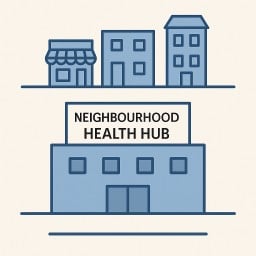
Build a Neighbourhood Health Service: community health centres open 6 days/week for 12 hours/day
-
Provide integrated care closer to home—GPs, diagnostics, mental health, rehab, dentists, pharmacists, and even social support
-
Aim to reduce reliance on hospitals and cut waiting lists
-
-
📱 Analogue → Digital
-
Transform the NHS App into a “doctor in your pocket”—for appointments, advice, care plans, and self-referral
-
Embed AI to reduce admin, transcribe consultations, and support clinical decision-making
-
-
🛡️ Sickness → Prevention
-
Emphasize early intervention through more health checks, screenings, vaccines, and public health services
-
Shift funding towards community and preventative care, away from reactive hospital-based services
-
🏗 Underpinning Measures
To support these shifts, the plan introduces:
-
A new operating model & statutory framework to streamline the NHS structure
-
Transparency and accountability through metrics and patient feedback
-
Workforce transformation, including new training and wellbeing support
-
Innovation strategy harnessing genomics, AI, and tech
-
Financial reform via value-based funding—where providers are rewarded for outcomes
🔍 What This Means for You
-
Access to GP advice and care should be faster and more local – with reduced “8 am scramble”
-
More services like scans, mental healthcare, rehab, smoking cessation, and job support delivered at local centres
-
Greater convenience—use the App to manage care, book appointments, or message clinicians
-
Stronger focus on staying healthy—through screening, prevention, and early treatment support
🧩 Challenges & Expert Views
-
Funding & staffing: A £29 billion investment is pledged, but staffing shortages and infrastructure needs remain concerns
-
Implementation: Organisations like the King’s Fund highlight the absence of operational details and worry pilot projects may lead to regional variation
-
Behavioural shift: Success depends on NHS culture evolving—from reactive treatment to proactive, tech-enabled care
✍️ Final Take
The 10‑Year Health Plan represents a transformative vision: bring care closer to home, empower patients digitally, and focus on prevention. With strong backing from Starmer and Health Secretary Streeting, it aims to reshape NHS services by 2035. While optimism is growing, the effectiveness of implementation and securing resources will determine whether it truly delivers for patients and staff.
Taking Charge: How to Get Involved in Decisions About Your Treatment
When you live with a long-term condition like aspergillosis, ABPA, CPA, or severe asthma, you may face tough decisions about medication, side effects, and quality of life. Treatments like biologics can offer huge benefits—but they also carry risks, and no one knows your body, lifestyle, or priorities better than you do.
The NHS is clear in its long-term plan: you should be involved in every major decision about your care. This is known as shared decision-making (SDM), and it means clinicians and patients working together to make the best choices—not just being told what to do.
Here’s how you can become more confident in taking part in your own care—and how to help your clinical team include you.
🪜 Step-by-Step: How to Join the Decision-Making Process
✅ 1. Know You Have a Right to Be Involved
You are not being "difficult" by asking questions or wanting to be part of the decision. The NHS encourages shared decision-making—and it’s your health.
🗣 “I’d like to understand the options and be involved in deciding what’s best for me.”
✅ 2. Ask for the Options – Including None
Sometimes we are only offered one treatment, but most decisions have at least 2 or 3 choices. For example:
-
Start or delay biologics?
-
Try antifungals again or monitor symptoms?
-
Continue with current care or make a change?
Ask:
🗣 “What are my options, including the option of not doing anything right now?”
✅ 3. Talk About What Matters Most to You
Doctors often focus on test results or scan findings. But you may be more concerned about fatigue, side effects, work, travel, or caring for family.
Let them know what your priorities are:
🗣 “My top goal is to stay out of hospital and manage breathlessness so I can keep working.”
🗣 “I can live with minor side effects, but I don’t want something that weakens my immune system too much.”
✅ 4. Understand the Risks and Benefits
Every treatment, including biologics, is a balance—they reduce inflammation but may make you more vulnerable to infection. That doesn’t mean you shouldn’t take them, but it’s important to understand the trade-offs.
Ask:
🗣 “What are the likely benefits of this treatment for someone like me? What are the possible side effects?”
🗣 “How will this affect my overall health and day-to-day life?”
✅ 5. Ask for Time to Reflect
You don’t need to make big decisions in a 10-minute appointment.
🗣 “Can I take this information home and think about it? I’d like to talk with family or other patients before I decide.”
It’s okay to not decide straight away.
✅ 6. Keep Track of Questions and Progress
Write things down before your appointment. You can even bring someone with you, or ask to record the discussion on your phone.
Apps and treatment diaries help you track side effects, symptoms, and goals, so you and your team can review how well things are working later.
✅ 7. Use Supportive Tools and People
Ask for:
-
Leaflets, videos, or trusted websites to read later
-
A follow-up call with a specialist nurse
You could say:
🗣 “Can you recommend a trusted place to read more about this? I’d like to understand it in my own time.”
🧠 A Shift in Thinking: It’s Not About a Quick Fix
We’ve all grown up with advertising that tells us “This treatment will fix the problem.” But in reality, every treatment is a trade-off—between the benefits it brings and the side effects or limitations it may cause.
Even doctors can fall into the trap of focusing only on what they can treat in their specialty—lungs, infections, skin—and miss how treatments affect the whole person.
You can help by:
-
Gently reminding them of the bigger picture
-
Asking them to explain in plain language
-
Saying honestly how things are affecting your life, not just your lungs
🌈 Your Quality of Life Is the Priority
In the end, what matters is how you feel and function. For some, a small side effect might be worth the gain in lung function or fewer flare-ups. For others, it may not. Only you can make that call—with the right information and support.
📌 Good care means making decisions with you, not for you.
📥 Want to Take This Further?
Ask your clinic or GP about:
-
Shared Decision-Making tools (they’re part of NICE guidelines)
-
Getting written summaries of discussions and next steps
And remember: you’re not just a patient—you’re a partner in your care.
Patient Guide: Understanding Aspergillus-Related Chronic Pulmonary Disease
Based on new international guidance (2024)
What is Aspergillus and Why Is It Important?
Aspergillus is a common type of fungus found in the environment. Most people breathe it in every day without any problem. However, if you have a lung condition or a weakened immune system, Aspergillus can cause serious problems. It can:
- Trigger allergic reactions in the lungs
- Infect damaged lung tissue
- Worsen symptoms like coughing, wheezing, or breathlessness
Until recently, doctors treated each type of aspergillus-related lung disease as a separate condition. But new guidance recognises that many patients may have more than one form or sit on a spectrum.
What Conditions Are Included?
The term "aspergillus-related chronic pulmonary disease" covers a range of conditions:
| Condition | What it means |
|---|---|
| ABPA (Allergic Bronchopulmonary Aspergillosis) | An allergic reaction to Aspergillus, usually in asthma or cystic fibrosis patients |
| CPA (Chronic Pulmonary Aspergillosis) | A slow-developing fungal infection, often in people with pre-existing lung damage |
| Aspergillus bronchitis | A fungal infection in the airways, often in people with bronchiectasis |
| Overlap syndromes | Some people show features of more than one of the above |
What Are the Symptoms?
Symptoms can vary, but common signs include:
- Persistent cough (sometimes with mucus or blood)
- Wheezing or breathlessness
- Fatigue and low energy
- Weight loss or loss of appetite
- Repeated chest infections
If you experience these symptoms and have an underlying lung condition, it’s important to ask whether Aspergillus might be involved.
How Is It Diagnosed?
Doctors now use a combination of tests to get a clearer picture:
- Chest CT scan – to look for signs of lung damage or fungal balls
- Sputum samples – to check for the presence of Aspergillus
- Blood tests – to detect allergic antibodies (IgE), immune responses (IgG), or fungal antigens
- Bronchoscopy (sometimes) – to collect samples directly from the lungs
These tests help doctors decide whether it’s an allergic reaction, an infection, or both.
How Is It Treated?
Treatment depends on your symptoms and test results. The aim is to:
- Reduce inflammation
- Clear fungal infection
- Prevent further lung damage
Common treatment options include:
| Treatment | Purpose |
| Steroids (e.g. prednisolone) | Reduce allergic inflammation (especially in ABPA) |
| Antifungal drugs (e.g. itraconazole, voriconazole) | Treat fungal infection and reduce fungal burden |
| Biologic therapies (e.g. omalizumab, dupilumab) | Used in difficult-to-treat allergic cases |
| Nebulised antibiotics | If other infections (like Pseudomonas) are also present |
| Surgery (rarely) | To remove fungal balls or damaged tissue in severe CPA |
What Has Changed in the 2024 Guidance?
- Doctors are now encouraged to look for overlapping features, not just one diagnosis.
- More emphasis is placed on early detection and preventing lung decline.
- Guidelines promote the use of multidisciplinary teams (MDTs) for complex cases.
- Newer treatments, including biologics, are being recommended more often.
- Patients with symptoms but unclear diagnoses should be re-evaluated regularly.
What Can You Do as a Patient?
- Know your diagnosis – Ask your team whether your current label still fits your symptoms
- Track your symptoms – Keep a log of cough, breathlessness, fatigue, and infections
- Ask about specialist referral – For example, to a National Aspergillosis Centre
- Stay informed – Visit aspergillosis.org for up-to-date guidance
- Take medications as prescribed and report any side effects promptly
Support and Information
- Patient support groups can help you connect with others
- Pulmonary rehabilitation and breathing therapy can improve quality of life
- Annual reviews and regular scans can help spot problems early
For more information, leaflets, and help getting the right care, visit: aspergillosis.org
You don’t have to manage this alone.
From Cradle to Shared Care: Understanding the NHS Transition to Patient Partnership

The NHS is evolving. From its early days as a post-war health service built around face-to-face care by a GP who "did it all," to today’s complex model focused on prevention, digital access, and patient partnership — the change has been profound. This document provides a clear overview of why, how, and where the NHS is transitioning toward shared care and self-management.
📜 Then and Now: The 1960s NHS vs Today
The NHS in the 1960s:
- Care was largely reactive — you went to the doctor when you were ill.
- GPs were central and often lifelong figures in a family’s care.
- Most treatments were limited, and few people lived long with chronic illness.
The NHS Today:
- Patients live longer, often with multiple long-term conditions.
- Care must be proactive and coordinated.
- The NHS encourages patients to understand and manage their health.
- The model is increasingly digital, multidisciplinary, and patient-centred.
⚙️ Why the Shift Happened
- Rising Chronic Illness: Diabetes, heart disease, asthma, and mental health issues have all increased.
- Ageing Population: More people need long-term support.
- Advances in Medicine: Enable people to live longer but require more daily self-care.
- Resource Constraints: GP and hospital services are under increasing pressure.
- Better Outcomes with Patient Involvement: Evidence shows shared care leads to better results.
📈 Timeline of Change
| Year | Event |
|---|---|
| 2008–2010 | Expert Patient Programmes piloted |
| 2014 | Five Year Forward View introduces prevention and self-care |
| 2019 | 🚀 NHS Long Term Plan launches personalised care model |
| 2020 | Universal Personalised Care policy published |
| 2021–2022 | COVID accelerates digital triage and remote monitoring |
| 2023–2025 | Integrated Care Systems tasked with delivering shared care |
| 2025 | 📣 Anticipated release of the next major NHS reform report by the current government, expected to include a 10-year plan focusing on community-based care, digital access, and integration with social care |
🧠 What Is Shared Care?
Shared care is a model where:
- Patients are active partners, not passive recipients.
- GPs, nurses, pharmacists, and support workers form a care team.
- People with long-term conditions have personalised care plans.
- Patients are supported to self-monitor and make informed decisions.
📊 Evidence of Impact
- Diabetes & Hypertension: Better control when patients co-manage.
- Asthma & COPD: Action plans reduce flare-ups and hospital visits.
- Mental Health: Shared decision-making improves engagement and outcomes.
- BMJ & Cochrane Reviews: Shared care reduces hospital use and improves satisfaction.
👥 What About Those Without Digital Access?
Digital exclusion affects:
- Older adults
- People with learning difficulties or low literacy
- People without smartphones or broadband
Solutions:
- Maintain paper and telephone options
- Offer face-to-face access when needed
- Train staff to identify and support non-digital patients
- Invest in community digital skills projects
⏳ How Far Along Are We?
We’re mid-transition:
- Policy is in place across England.
- ICSs are developing care coordination teams.
- Self-monitoring and digital records are expanding.
- But delivery is uneven, and many staff need more support and training.
Estimated full embedding of shared care: 2028–2032, depending on region and resources.
🩺 Does the NHS Still Care for Us from Cradle to Grave?
Yes — but with an evolved model:
- Still free at the point of care
- Still lifelong
- But now expects patients to:
- Learn about their condition
- Monitor their health
- Use digital or alternative access routes
- Take shared responsibility for staying well
The shift is from "We’ll do it for you" → to "We’ll support you to do it together."
🏥 The Role of Private Healthcare in the Shared Care Era
Private care plays a growing role alongside the NHS, especially where speed, access, or choice is limited:
Where it helps:
- Faster diagnosis or specialist review
- Choice of clinician and continuity
- Access to treatments not available on the NHS
- Supplementary services like physio or counselling
Limitations:
- Not all can afford it — risk of health inequality
- Poor integration with NHS records
- Standards vary between providers
In context: Private care can complement the NHS, especially for people managing long-term conditions, but it should never replace inclusive, high-quality NHS care. Patients benefit most when systems are coordinated, and no one is left behind.
💷 Will Shared Care Make the NHS and Social Care Cheaper?
In theory, yes — but in practice, it’s more complicated. Shared care and self-management are designed not just to improve health outcomes, but also to reduce long-term demand on overstretched NHS and social care services.
📉 Potential Savings
| Area | How Shared Care Could Save Costs |
| Hospital admissions | Fewer A&E visits and unplanned admissions (e.g. asthma, heart failure) |
| GP appointments | More issues resolved by nurses, pharmacists, or self-care tools |
| Social care needs | Better-managed health can delay or reduce dependency on care packages |
| Medication | Improved adherence and fewer avoidable prescriptions or interactions |
| Workforce efficiency | Tasks redistributed to broader care teams (e.g. care coordinators, link workers) |
⚠️ Upfront Costs to Consider
- Training staff in personalised care and shared decision-making
- Investing in digital systems and patient tools
- Supporting digitally excluded or vulnerable groups
- Funding community-based roles (link workers, social prescribers)
🧮 What the Evidence Says
- The Health Foundation (2021) found that shared care is often cost-effective but savings take years to appear.
- Diabetes Prevention Programmes and home blood pressure monitoring schemes have demonstrated long-term cost reductions when patients are well supported.
- ICSs are beginning to measure value not just in pounds saved, but in avoidable harm and hospital use prevented.
Shared care isn’t a quick fix for NHS finances — it’s an investment in long-term sustainability.
🔗 Do We Need a More Fully Integrated NHS and Social Care?
Yes — integration is essential if shared care is to work effectively.
Currently, NHS healthcare and local authority social care operate through separate budgets, systems, and eligibility rules, which can lead to gaps, delays, or duplication. For patients with complex needs — such as older adults, people with disabilities, or those with long-term conditions — this separation often causes frustration and poorer outcomes.
Why Integration Matters:
- 🧓 Smooth transitions from hospital to home
- 📋 Unified care plans that cover medical, practical, and emotional support
- 🤝 Fewer assessments and handoffs between services
- 💡 Faster responses when needs change
What’s Already Happening:
- Integrated Care Systems (ICSs) aim to bring NHS and social care leaders together
- Some areas are piloting pooled budgets or joint appointments
- Shared care records are being rolled out in regions to link GP, hospital, and social services
Barriers to Integration:
- Separate funding structures (NHS = national, Social Care = local authority)
- Different eligibility rules and charging systems
- Workforce shortages and incompatible IT systems
True shared care requires shared systems, shared responsibility — and shared investment.
🧭 What Support Exists to Help Patients Transition to Shared Care?
As the NHS shifts toward shared care and patient partnership, new support services and resources have been introduced to help patients take on a more active role in their health.
🧑⚕️ Where Patients Can Get Help:
- GP Practices: Many now have a wider team including:
- Care coordinators
- Health and wellbeing coaches
- Social prescribers
- Practice nurses trained in personalised care
- Pharmacies: Community pharmacists can support minor illnesses, medication reviews, and some chronic condition monitoring.
- The NHS App: Allows patients to:
- View medical records
- Order prescriptions
- Access care plans and vaccination status
- Link to symptom checkers and self-care tools
- Patient Support Groups and Charities: Many long-term condition charities (e.g. Asthma + Lung UK, Diabetes UK, Versus Arthritis) offer:
- Peer support
- Online education
- Print resources
- Helplines
- Community Services (varies by area):
- Self-management education courses (e.g. Expert Patients Programme)
- Voluntary sector health coaches or befriending schemes
- Local authority or ICS-run wellbeing hubs
📞 If in Doubt, Ask:
- Contact your GP reception and ask: “Can I speak to someone about managing my condition better?”
- Many areas have health navigators who can connect you to appropriate services.
The transition is not just about expectations — it comes with real support. No one should be left to do it alone.
🎯 Final Thought
The NHS of today — and tomorrow — is built around partnership. While some miss the simplicity of the old model, the future offers tools and support that can help people live longer, healthier lives — if everyone is included. Shared care works best when:
- Patients feel supported
- Clinicians feel equipped
- Services stay flexible and inclusive
🫁 ABPA Treatment: Why Are Steroids First, Even if They Can Increase Fungal Growth?

If you've been diagnosed with Allergic Bronchopulmonary Aspergillosis (ABPA), you may have heard that treatment often starts with oral steroids like prednisolone. But ABPA is triggered by a reaction to the Aspergillus fungus — so why use a treatment that might actually let that fungus grow more?
It’s a great question. This guide explains why steroids are still often the first step, what other treatments are available, and when they might be used.
🌿 What Is ABPA?
ABPA is not an infection — it’s an allergic immune reaction in the lungs to the fungus Aspergillus fumigatus. This overreaction causes:
-
Lung inflammation
-
Mucus plugging
-
Breathlessness and wheezing
-
Possible long-term lung damage (e.g., bronchiectasis)
People with asthma or cystic fibrosis are more likely to develop ABPA.
💊 Why Are Steroids Usually the First Treatment?
🔥 The key problem in ABPA is inflammation, not the fungus itself.
Steroids like prednisolone are often used first because they:
-
Act quickly to calm the allergic immune reaction
-
Reduce inflammation and mucus
-
Help relieve symptoms fast (wheezing, tight chest, breathlessness)
-
Prevent long-term damage if started early
Even though steroids may allow some fungal growth, their fast action against inflammation is often more important — especially in flare-ups.
🍄 What About Antifungal Treatments?
Antifungals like itraconazole or posaconazole reduce the amount of Aspergillus in the lungs. This helps to:
-
Reduce allergic triggers
-
Prevent future flare-ups
-
Lower the need for steroids
However, antifungals:
-
Take weeks to work
-
Don’t control inflammation well on their own during a flare
-
Can have side effects and interact with other medications
➡️ That’s why they are often used after steroids, or alongside them — especially in people who flare up often or need steroids long term.
🧬 What About Biologics?
Biologic therapies like:
-
Omalizumab (anti-IgE)
-
Dupilumab (blocks IL-4 and IL-13)
-
Mepolizumab (anti-IL-5)
…are used to help regulate the immune system in patients who:
-
Can’t tolerate steroids
-
Have frequent relapses
-
Need ongoing treatment despite antifungals
Biologics can help:
-
Reduce steroid use
-
Lower flare frequency
-
Improve asthma control
But they’re not yet approved as first-line treatments and are generally reserved for more complex or persistent cases.
✅ What Happens If My Symptoms Are Mild?
Good question. In mild ABPA (e.g. stable breathing, low IgE, no major lung damage), specialists may:
-
Monitor closely before starting any treatment
-
Try antifungals alone, especially if steroid use is risky
However, regular follow-up is essential to make sure inflammation doesn’t silently worsen.
🔄 Typical ABPA Treatment Steps
| Stage | Treatment |
|---|---|
| First flare or moderate symptoms | Steroids (short course) ± antifungals |
| Steroid side effects or long-term use | Add antifungals |
| Recurrent or steroid-dependent ABPA | Add or switch to biologics |
| Mild symptoms and stable lungs | Possibly antifungals first (specialist decision) |
🧘 Staying Well with ABPA
-
Follow your treatment plan closely
-
Keep lungs clear with mucus clearance techniques
-
Avoid damp, mouldy environments
-
Keep up with regular check-ups and lung tests
-
Let your team know if symptoms return
🗨️ In Summary
Steroids are still first-line because they work fast to stop inflammation.
Antifungals and biologics are important longer-term options that help reduce fungal triggers and flare-ups — and may reduce or even replace steroids over time.
Every ABPA patient is different, and your care should be tailored to you.
🫁 Understanding ABPA, Bronchiectasis & Lung Cavities
A Patient’s Guide to What Happens in the Lungs – and What You Can Do About It
🌿 What is ABPA?
Allergic Bronchopulmonary Aspergillosis (ABPA) is a condition where the lungs react strongly to a common fungus called Aspergillus. This overreaction causes inflammation in the airways, making it harder to clear mucus and increasing the risk of flare-ups.
Many people with asthma or cystic fibrosis are more likely to develop ABPA, but it can affect others too.
🌀 What Happens to the Lungs?
Over time, repeated inflammation and mucus build-up can affect the structure of the airways. Here’s what can happen:
1. Bronchiectasis
-
The airways (bronchi) become widened and thickened.
-
This makes it harder to clear mucus, which can lead to more infections.
-
In ABPA, this usually affects the central parts of the lungs.
🔸 Bronchiectasis is not the same as a lung cavity. It’s a change in the shape of the airways, not a hole in the lung.
2. Lung Cavities (Less Common)
-
These are air-filled spaces that form when a small area of lung tissue is damaged or infected.
-
Cavities are less common in ABPA but can happen after repeated inflammation or infection.
-
They may look worrying on a scan, but often they are just monitored and don’t cause major issues unless they become infected.
🩺 What About Lung Function?
ABPA and bronchiectasis can affect lung function, especially if not caught early.
-
Spirometry tests may show lower results if the airways are blocked or inflamed.
-
Some people improve after treatment; others may see a gradual decline.
-
Most patients still breathe well at rest, and many stay active with proper care.
🌬️ Will Cavities Leak Air?
This is a common worry. The answer is: usually not.
-
Most cavities in ABPA are not at risk of bursting or leaking.
-
Sudden breathlessness or chest pain should always be checked, but leaks (pneumothorax) are rare in ABPA.
📉 Does Everyone Get Cavities?
Not at all.
-
Around 50–90% of ABPA patients get some bronchiectasis.
-
Only a minority go on to develop true cavities.
-
Early treatment and regular check-ups help reduce the risk of further lung changes.
🧪 What About Oxygen Levels?
Many people with ABPA — even with bronchiectasis — still have normal oxygen levels (SpO₂):
-
Most rest between 95–98%
-
During a flare or infection, it might dip a little
-
If oxygen drops below 92%, your team may check more closely
🧘 What Can I Do to Stay Well?
-
🩺 Stick to your treatment plan – antifungals, inhalers, or steroids if prescribed
-
💨 Clear mucus regularly – ask about airway clearance techniques
-
🧼 Avoid damp, mouldy environments
-
🍎 Stay active and eat well
-
📆 Attend check-ups and lung function tests
-
🚭 Avoid smoking or vaping (these can worsen damage)
💬 A Final Word
Having ABPA and some lung changes doesn’t mean life has to stop. Many people continue to live active, fulfilling lives. Even with bronchiectasis or small cavities, the focus is on prevention, staying stable, and getting support when needed.
📘 Managing IgE Levels in ABPA: What Happens After Treatment?
If you have ABPA (Allergic Bronchopulmonary Aspergillosis), you’ve likely been told your IgE levels are high. Many patients ask:
“Once my IgE goes down with treatment, how do I keep it down without staying on steroids or antifungals forever?”
This guide explains why IgE is important, how it’s treated, and what long-term steps you can take to stay well.
🧪 What is IgE and Why Is It High in ABPA?
IgE (Immunoglobulin E) is an antibody your immune system makes in response to allergens. In ABPA, your immune system overreacts to Aspergillus, a common fungus, causing inflammation in the lungs. This leads to:
-
High total IgE levels (often over 1,000–10,000 IU/mL)
-
Symptoms like coughing, wheezing, and mucus plugs
-
Lung changes on scans, if untreated
🎯 Treatment Goals
Treatment aims to:
-
Lower inflammation
-
Reduce the fungal burden
-
Bring IgE levels down (a marker that your inflammation is settling)
-
Prevent long-term lung damage
You might be treated with:
-
Oral steroids (e.g. prednisolone)
-
Antifungal tablets (e.g. itraconazole or voriconazole)
These medications help bring IgE levels down, sometimes dramatically. But they can’t usually be taken forever — long-term use may cause side effects.
🔄 After IgE Drops – What Next?
Even after successful treatment, ABPA can flare up again. So the key questions become:
How do we keep IgE low?
How do we prevent future flare-ups?
🧭 Long-Term Management Options
1. Close Monitoring
-
IgE is checked every 2–6 months
-
Doctors look for a doubling in IgE — this can mean a flare is starting
-
Regular chest scans and lung function tests are also used to spot changes early
2. Tapering Medication
-
Steroids are slowly reduced, not stopped suddenly
-
Your doctor will watch for any return of symptoms or rise in IgE
3. Biologic Treatments
Some newer medications can help long-term, especially if you:
-
Have frequent flare-ups
-
Can’t reduce steroids safely
-
Have asthma or eosinophilic inflammation
These include:
-
Omalizumab (anti-IgE antibody)
-
Mepolizumab / Benralizumab (target eosinophils)
-
Dupilumab (blocks part of the allergy pathway)
Biologics are usually injections given every 2–4 weeks, and can help reduce relapses and steroid need.
🏡 Lifestyle & Environmental Tips
Reducing your exposure to Aspergillus can help keep IgE from rising again.
🔹 Avoid:
-
Damp or moldy areas
-
Compost, rotting leaves, hay, or soil dust
-
Rooms with poor ventilation
🔹 Use:
-
Ventilate your home well (eg open windows/extractor fans)
-
A HEPA-filter air purifier at home
-
An FFP2/FFP3 mask when doing dusty activities (gardening, cleaning mold)
🥗 Eat for Immune Support:
-
Anti-inflammatory foods (vegetables, oily fish, berries)
-
Reduce sugar (high sugar may promote inflammation)
-
Stay well hydrated
-
Ask your doctor about vitamin D — it may help regulate immunity
📅 Follow-up Schedule (General examples, yours may differ)
| Time Since Treatment | What to Expect |
|---|---|
| 1–3 months | Blood tests (IgE, eosinophils), lung check |
| 3–6 months | Check for symptoms, possibly repeat IgE |
| 6–12 months | CT scan or lung function, if needed |
| After 1 year | Stable patients may have annual reviews |
Let your team know if any symptoms return — even if your last IgE result was stable.
🧠 Final Thoughts
-
You may always have “elevated” IgE compared to someone without ABPA — that’s okay. The goal is stability, not “zero IgE”.
-
Many patients live well with ABPA for years by learning to manage flare-ups early and avoiding fungal exposure.
-
Ask your clinic about your personal IgE pattern — some people flare with small changes; others don’t.
-
Support groups and educational resources (like aspergillosis.org) can help you stay informed and confident.
📩 Have questions for your team?
Bring these up at your next appointment:
-
Can I reduce my medication safely?
-
Could I benefit from a biologic?
-
How often should I check my IgE?
-
How can I reduce exposure at home?
🏠 NICE Guidance on Damp and Mould (NG149) — Simple Summary
1. Health Risks
-
Damp and mould produce spores and irritants that can trigger or worsen respiratory and heart conditions, including asthma, bronchitis, and fungal infections, like aspergillosis Link
-
They can also affect skin, eyes, and mental wellbeing, especially in vulnerable people such as those with asthma, COPD, babies, pregnant women, and older adults .
2. When Health Issues Worsen
If you experience repeated cough, wheeze, or other breathing issues — and your home has damp or mould — health professionals are advised to:
-
Ask about your home conditions
-
Help you arrange a housing assessment by the council Link
3. Landlord and Council Responsibilities
Landlords and councils should:
-
Act quickly and sensitively when damp or mould is reported — medical proof is not required Link
-
Identify and fix the root cause (e.g., faulty guttering leading to mould) — not just clean it off Link.
-
Keep clear records, follow up after repairs, and inspect properties periodically to prevent recurrence Link
4. Tenant Health Priority
Homes with serious damp and mould are classed as Category 1 hazards under UK housing law, meaning they pose an immediate health risk. Councils must act — they can enforce repairs, impose notices, or carry out work themselves Link.
5. How You Can Use This with Your Council
-
Point to NICE NG149 guidance to emphasise that damp and mould are a legal and health priority.
-
Remind them that action must be urgent, especially for people with lung conditions.
-
Ask them to identify and fix the cause, not just scrub the mould — like ensuring guttering is repaired and mould-prone areas are treated and dried.
-
Ask for a follow-up inspection to confirm the problem is resolved.
📩 Suggested Wording to Share with Your Council
“According to NICE guidance (NG149), damp and mould in homes are considered serious health hazards — especially for people with lung conditions like aspergillosis. Councils and landlords must act quickly to fix the root cause, not just remove visible mould. These guidelines recognise that even without medical proof, urgent action is required to protect tenants’ health.”