🛡️ FFP2/FFP3 Mask Use in Aspergillosis: Summary

Mask Type Who Might Use It When It's Used
FFP2 (95% filtration) Some patients with CPA, ABPA, or SAFS, especially during flares or hospital visits During travel on public transport, clinic waiting rooms, visiting building sites, or dust exposure
FFP3 (99% filtration) Patients who are severely immunocompromised (e.g. post-transplant, on chemotherapy, or high-dose steroids) In high-risk environments: hospital construction, building work nearby, or heavy dust/mould exposure

✅ When Masks Might Be Advisable

  • During hospital visits, particularly in winter or during flu/COVID waves

  • If you're immunosuppressed, e.g. taking long-term steroids or biologics

  • When exposed to mouldy buildings, compost, building work, or flood damage

  • In crowded indoor environments where infection risk is high


❌ When They’re Usually Not Needed

  • Day-to-day life in a clean, dry home environment

  • Low-risk outdoor activity (e.g. walking in the park)

  • If your asthma/ABPA/CPA is stable and you're not immunocompromised


🗣️ What the National Aspergillosis Centre Recommends

  • Use FFP2 masks when entering environments likely to have airborne fungal spores

  • FFP3 masks may be offered for high-risk medical procedures or when severely immunocompromised

  • Masks are one part of a broader protection strategy, which includes:

    • Good indoor air quality (HEPA filters, ventilation)

    • Avoidance of dusty environments

    • Prompt treatment of fungal infections


🛡️ Choosing the Best Air Filter for Aspergillosis – Day & Night

Living with aspergillosis (such as ABPA, CPA, aspergillus bronchitis, or SAFS) means taking extra care to avoid airborne Aspergillus spores, which can be found both outdoors and indoors. One of the most effective ways to protect yourself at home is by using a high-quality air purifier.

This guide will help you choose a purifier that works for you — especially for bedroom use at night, where quiet operation is just as important as clean air.


🎯 Why Use an Air Filter?

  • Aspergillus spores are tiny (2–3 microns), invisible to the eye, and can remain airborne for long periods.

  • Indoor sources include dust, damp areas, stored food, compost, or even indoor plants.

  • A HEPA air purifier can trap these particles, helping reduce airway irritation, infections, or allergic reactions.


✅ What to Look For

Feature Why It Matters
True HEPA Filter Captures ≥99.97% of particles ≥0.3 microns — includes Aspergillus spores
Activated Carbon Filter Helps remove odours, gases, VOCs (optional bonus)
Room Size & CADR Clean Air Delivery Rate (CADR) should match or exceed your room’s size
Quiet Operation For night-time use, look for ≤25–30 dB (whisper-quiet)
Sleep Mode / Dim Lights Prevents disturbance from lights or fan noise overnight
Filter Replacement Easy to change, ideally with indicator for when to replace
No Ozone or Ionisers Avoids irritation to sensitive lungs — stick with mechanical HEPA filtration

🌙 Night-Time Friendly Options

Model Noise (dB) Room Size Notes
Blueair Blue Pure 411 Auto 17 dB Up to 35 m² Super-quiet, ideal for small bedrooms
Levoit Core 300S 24 dB Up to 40 m² Quiet, smart controls, affordable
Philips 3000i AC3033 25 dB Up to 104 m² Excellent for larger spaces, smart app
IQAir Atem Desk <22 dB Personal zone Ultra-quiet, high-quality for desks/bedsides
Dyson Purifier Cool ~24–32 dB Medium–large Stylish, also a fan, more expensive

Tip: Choose a unit slightly larger than your room size for best effect.


💡 Extra Tips for Aspergillosis Patients

  • Vacuum with a HEPA filter weekly

  • Keep humidity below 50% (use a dehumidifier if needed)

  • Avoid ionizers or ozone generators — these can irritate your lungs

  • Close windows at night during high pollen or spore seasons

  • Clean or change filters regularly (check manufacturer’s guide)


🛏 Night Setup Checklist

  1. Place the purifier 1–2 metres from your bed (not right next to your face)

  2. Use “Sleep Mode” or low fan for silent overnight cleaning

  3. Turn off indicator lights (if bright)

  4. Close doors and windows to keep clean air contained

  5. Replace filters every 6–12 months or as prompted


📌 Summary

Must-Have Features Optional but Useful
✅ True HEPA filtration 🌫 Activated carbon filter
✅ Quiet night mode (<25 dB) 📱 Smart controls or auto mode
✅ Right room size / CADR rating 🌡 Monitor for humidity or air quality
✅ No ozone, no ionizers 🔁 Filter change indicator

🗨️ Final Thought

For aspergillosis patients, an air purifier is a worthwhile investment in long-term lung health — especially in sleeping areas where your body is most vulnerable. Choosing the right device helps reduce exposure to fungal spores and improves quality of life, one breath at a time.


📄 Why Have Asthma Rates Risen Despite Cleaner Air?

It might seem surprising, but even though outdoor air pollution has fallen a lot since the 1970s, asthma is more common today — especially in children. Here's why:

🧼 1. Cleaner Isn’t Always Better for the Immune System

Modern lifestyles mean children are exposed to fewer germs early in life. This can cause the immune system to become over-sensitive, making allergies and asthma more likely. This is called the "hygiene hypothesis."

👩‍⚕️ 2. Better Diagnosis

Asthma is diagnosed much more often now than in the past. In the 1970s, many children with wheezy breathing weren't given a diagnosis. Today, doctors recognise and treat asthma early. That means the numbers look higher — but some of it is due to better awareness.

🏠 3. Indoor Pollution

While outdoor air has improved, indoor air can be a problem:

  • Gas cookers, damp and mould
  • Dust mites and cleaning sprays
  • Less fresh air due to sealed homes These things can all affect breathing and trigger asthma.

🚗 4. Modern Air Pollution Still Affects Us

Pollution from traffic (especially nitrogen dioxide and tiny particles called PM2.5) is still a problem — especially near busy roads. These can irritate lungs and make asthma worse, even at low levels.

⚖️ 5. Lifestyle Factors

Obesity increases the risk of asthma, and more children are now overweight. Children also spend more time indoors and less time being active, which may affect lung health.

🧬 6. Genetics and Early Exposures

Family history matters, and things like antibiotics, pollution, or infections during pregnancy or early life can influence a child’s risk of developing asthma.


✅ Good News

Even though more people have asthma, it’s much better managed today:

  • Inhalers are more effective
  • Fewer people die from asthma
  • Most children and adults with asthma can live full, active lives with the right support

🩺 Has Cleaning Our Air Been Worth It?

Despite the rise in asthma diagnoses, cleaning up the air has been a major public health success:

✔️ Major Benefits:

  • Huge drop in bronchitis, pneumonia, and childhood chest infections
  • Far fewer hospital admissions for acute respiratory illness
  • Respiratory deaths due to coal smoke, sulphur dioxide, and black soot have plummeted
  • Safer air for people with long-term lung conditions like COPD, ABPA, and CPA

🤔 Why Asthma Went Up Anyway:

As the section above explains, asthma is influenced by more than just air pollution:

  • Indoor air, allergens, obesity, early-life exposures, and genetic factors all matter
  • Better detection and survival also increase the number of people living with asthma

🔍 The Bigger Picture:

Even though asthma became more common, the severity of lung disease has dropped for many people thanks to:

  • Better inhalers and treatments
  • Early diagnosis
  • Cleaner air and less exposure to smoke and harmful chemicals

So yes — cleaning the air has been worth it. It’s saved lives and made breathing easier for millions. But like most things in health, it's one part of a much bigger story.

Let your healthcare team know if you have questions — understanding your environment and your own triggers can help you breathe easier, wherever you live.


Damp and Mould in UK Homes: Why It Matters and What You Can Do

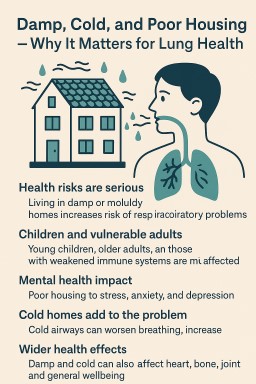
❗ Why Damp and Mould Are Dangerous

Damp and mould are not just unsightly. They pose serious health risks, especially for people with:

  • Aspergillosis or other fungal lung diseases
  • Asthma, COPD, or bronchiectasis
  • Weakened immune systems
  • Babies, pregnant women, and older adults

According to the NICE NG149 guidance, exposure to damp and mould can:

  • Trigger asthma attacks, wheezing, coughing, and breathlessness
  • Worsen existing lung conditions such as ABPA or CPA
  • Increase risk of respiratory infections and fungal illnesses
  • Affect mental wellbeing, sleep, and quality of life

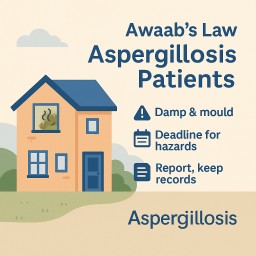
⚖️ What the Law Says: Landlord Responsibilities

Under UK law, landlords must make sure homes are fit to live in and free from serious health hazards:

1. Damp and Mould = Category 1 Hazard

2. Fitness for Human Habitation (Homes Act 2018)

  • All rented homes must be safe, dry, and free from serious damp and mould
  • Tenants can take their landlord to court if repairs aren’t made in a reasonable time

3. Landlords Must Act Promptly

  • Landlords must fix the cause of damp/mould (e.g., leaking guttering, blocked hoppers, rising damp), not just cover it up
  • Repairs must be made within a reasonable timeframe, especially where health is affected

4. Councils Can Enforce Action

  • If landlords refuse to act, local authorities can intervene and even carry out repairs themselves

🧱 What Makes a Home Unsafe Due to Damp or Mould?

A home may be considered unsafe if any of the following apply:

  • Visible mould covering walls, ceilings, windowsills, or furniture
  • Persistent musty odours indicating hidden damp
  • Peeling paint, warped skirting boards, or discoloured walls due to moisture
  • Condensation that doesn’t improve with ventilation
  • Damp that leads to recurring respiratory symptoms
  • Evidence of penetrating damp from leaks, poor guttering, or water ingress
  • Cold and humid indoor environments where mould easily regrows

These conditions can meet the threshold for a Category 1 hazard, especially when a vulnerable person lives in the home.


🚫 What to Do If You Are Being Ignored

If your landlord or council does nothing about serious damp and mould, you have options:

1. Keep Evidence

  • Take dated photos of the problem
  • Save copies of emails and letters you’ve sent
  • Keep a record of symptoms or doctor visits

2. Use the Law

  • Take action under the Homes (Fitness for Human Habitation) Act
  • You may be entitled to repairs and compensation for harm to your health or belongings

3. Contact Environmental Health

  • Your local council's Environmental Health team can inspect your home and issue legal notices to your landlord

4. Ask Your Doctor to Support You

  • A simple letter from your GP stating your condition (e.g. aspergillosis) and how mould affects you can help push action

5. Speak to Your MP

  • Your Member of Parliament (MP) can contact the council or housing provider on your behalf

👤 For Patients with Aspergillosis or Lung Conditions

People with aspergillosis, ABPA, CPA, or asthma are especially vulnerable to mould-related illness. NICE guidance NG149 says:

  • Medical evidence is not required to trigger housing action, but
  • Doctors should ask about home conditions if someone’s symptoms worsen
  • Councils and landlords must take urgent action when health is at risk

If you’ve been trying to get help for months or even years with no success, you’re not alone. You are entitled to live in a safe, healthy home.


⚠️ Summer 2025 Travel Warning: Fungal Lung Infections a Hidden Risk

Important information for UK travellers, GPs and patients with chronic lung conditions

As more UK residents prepare to travel this summer — whether for holidays, charity work, military duty, or visiting family abroad — it’s important to raise awareness of a growing health risk that is often overlooked: fungal lung infections.

These conditions can be serious, persistent, and easily mistaken for other illnesses — including long COVID, TB, or bacterial pneumonia.


🌍 Fungal Infections Can Be Acquired Abroad — and Not Just in the Tropics

Fungal spores live in soil, compost, dust, and decaying organic matter. In many parts of the world, especially dry or tropical climates, travellers can unknowingly inhale spores that can cause long-term lung disease — often weeks or months after returning to the UK.


🧳 Key Risk Regions and Infections

🇺🇸 Valley Fever (Coccidioidomycosis)

  • Endemic to the southwestern United States — including Arizona, California, Nevada, Texas, and New Mexico

  • Caused by inhaling Coccidioides spores from dry, dusty soil

  • Affects travellers, farm workers, and military personnel

  • Can cause chronic cough, fatigue, joint pain, and lung nodules

❗ UK patients with unexplained lung symptoms should be asked about travel to these areas — Valley Fever can mimic CPA or even lung cancer.

🌎 Other Endemic Fungal Risks for Travellers

Disease Region(s) Typical Exposure
Histoplasmosis Central/South America, Africa, Asia Caves, bird/bat droppings, demolition sites
Blastomycosis Central USA (Great Lakes, Mississippi) Soil, wood, riverside areas
Paracoccidioidomycosis Brazil, Colombia Rural farming dust
Talaromycosis SE Asia, Southern China, India Dusty environments (esp. in immunocompromised)
Sporotrichosis Latin America, Africa, Japan Plant thorns, soil, cat scratches
Cryptococcosis Worldwide Bird droppings, tree bark

🌾 UK Risks Still Apply at Home

Even without travel, UK residents can develop Aspergillus-related conditions (CPA, ABPA) through:

  • Gardening (esp. with compost)

  • Farming or stables

  • Building or renovation work

  • Damp housing

Drug-resistant Aspergillus fumigatus is also rising in the UK — partly due to the use of agricultural fungicides.


🩺 Advice for GPs and Respiratory Teams

Ask:

  • Have you travelled to dry, dusty regions or tropical countries this year?

  • Have you been exposed to soil, caves, animals, compost, or renovation dust?

  • Do you have underlying lung disease (e.g. asthma, COPD, bronchiectasis)?

Consider:

  • Fungal testing (Aspergillus IgG/IgE, fungal cultures)

  • CT imaging for persistent nodules or cavitations

  • Early referral to respiratory or infectious disease specialists

  • Contacting the National Aspergillosis Centre for persistent or complex cases


✅ What Travellers Can Do

  • Wear a dust mask when gardening, hiking, or working around soil

  • Avoid enclosed spaces with bird or bat droppings

  • Seek help if you return from travel and develop:

    • A cough that won’t go away

    • Fatigue, fever, or weight loss

    • Chest tightness or unexplained breathlessness


📌 Final Reminder

Fungal infections are not rare — they’re under-recognised.
This summer, think fungal if you or your patient return from travel with persistent lung symptoms. Early diagnosis can make all the difference.


Climate Change: What it Means for People with Aspergillosis.

The recent study here in Manchester and elsewhere suggested that as the climate warms, there is evidence that fungal pathogens will be able to set up home in new areas of the world, increasing the risk of, eg, aspergillosis. Naturally, there has been some alarm at this news from current aspergillosis patients. Are they more at risk and what can be done to protect them?

🌍 Climate Change and Fungal Risk in the UK: What You Need to Know

The study looked at how fungal pathogens like Aspergillus fumigatus may spread over the next 70 years due to climate change. While this sounds alarming, let’s break it down — especially in terms of what it means for those of us in the UK with ABPA, asthma, CPA, or bronchiectasis.

Key Facts

  • Aspergillus fumigatus is already widespread in the UK — in compost, garden soil, air, and dust.

  • The study doesn’t mean the UK will suddenly become “at risk” — rather, the risk may increase due to warmer, drier weather allowing spores to thrive for more of the year.

  • It’s about slow change over decades, not sudden danger.

🌦️ What Might Happen in the UK?

  • More months per year with high airborne spore levels

  • Higher overall concentrations of spores during dry, hot periods

  • Wider spread of antifungal resistance, already being found in urban soil and compost

💚 What We’re Already Doing to Stay Safe

Many in our community are already taking excellent steps to reduce risk, and these are even more important going forward:

🛡️ Wear an FFP2/FFP3 mask when gardening, composting, or in dusty environments
🌬️ Use HEPA air purifiers indoors
🚿 Shower and change clothes after outdoor work
🌡️ Track weather conditions – avoid dusty or windy days when spores are highest
🧪 Ask your doctor about resistance testing if symptoms flare up


🌱 We Can Also Make a Difference

While these changes are long-term, they remind us how connected our health is to our environment. By supporting efforts to cut emissions and reduce global warming, we can help limit the spread of harmful fungi for ourselves and future generations.

If you're seeking reliable resources on current UK efforts to combat climate change, here are some key organisations and initiatives:


🇬🇧 UK Government Initiatives

  • Net Zero by 2050: The UK has a legally binding commitment to achieve net-zero greenhouse gas emissions by 2050. Interim targets include a 68% reduction by 2030 and an 81% reduction by 2035, compared to 1990 levels. Le Monde.fr

  • Department for Energy Security and Net Zero (DESNZ): This department oversees the UK's energy policy and climate change initiatives, including the implementation of the Net Zero Strategy. Wikipedia

  • Public Building Energy Upgrades: The UK government has announced a £630 million investment to improve energy efficiency in public buildings, such as schools and hospitals, by installing solar panels and heat pumps. Reuters


🧭 Independent Oversight and Analysis

  • Climate Change Committee (CCC): An independent body that advises the UK government on emissions targets and reports on progress. The CCC monitors the UK's adaptation to climate change and provides policy recommendations. London.gov.uk

  • UK Parliament Research Briefings: Provides detailed analyses of the UK's climate policies, progress towards net-zero, and sector-specific strategies. House of Commons Library


🌿 Non-Governmental Organizations

  • Greenpeace UK: Offers insights into the UK's climate actions and advocates for stronger environmental policies.

  • Energy Saving Trust: Provides advice and support for individuals and organizations to reduce energy consumption and carbon emissions, including information on grants and energy-saving technologies. Wikipedia

  • UK Green Building Council (UKGBC): Focuses on reducing carbon emissions in the built environment and promotes sustainable construction practices. UKGBC


🏙️ Local and Regional Initiatives

  • Greater London Authority's Climate Action Plan: Outlines strategies for London to become a zero-carbon city, including measures across energy, transport, and waste sectors. London.gov.uk

  • Zero Carbon Manchester Manchester.gov.uk

These resources offer comprehensive information on the UK's multifaceted approach to addressing climate change.