

Clean Air and Lung Health
Air quality can affect symptoms for people with aspergillosis and other long-term lung conditions. This hub brings together practical information about outdoor pollution, indoor air, damp and mould, smoke, ventilation and reducing exposure when the air is poor.
Start here
Outdoor air pollution
Traffic pollution, fine particles and gases can irritate the airways and may worsen cough, wheeze or breathlessness. Learn how to check forecasts, plan activity and reduce exposure on poorer-air days.
Indoor air quality, damp and mould
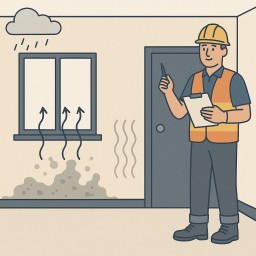
Indoor air is affected by ventilation, moisture, cleaning, cooking, heating and the condition of the building. Damp and mould should be investigated and addressed, particularly for people with respiratory illness.
Wildfire smoke and short-term pollution events
Smoke and sudden pollution episodes can be especially difficult for people with sensitive or damaged airways. Practical planning can help reduce exposure while you seek clinical advice if symptoms become severe or do not settle.
Everyday ways to reduce exposure
- Check local air-quality forecasts when planning outdoor activity.
- Keep windows closed during nearby smoke or a short-lived high-pollution event, then ventilate again when conditions improve.
- Maintain ventilation, heating and any air-conditioning equipment properly.
- Report damp, leaks and visible mould promptly; do not disturb significant mould growth yourself.
- Discuss a personal plan with your clinical team if air pollution regularly worsens your symptoms.
Topics in this hub
Latest Air Quality articles



Did this page help you?
Tell us in one minute