Managing ABPA: How to Protect Your Lungs and Stay Well

If you’ve been diagnosed with ABPA (Allergic Bronchopulmonary Aspergillosis), you’re probably already working to control inflammation and clear mucus from your lungs. These are essential steps—but there’s more you can do to protect your lung function and prevent long-term damage.

This guide will help you understand what matters most in managing ABPA and feeling your best.


✅ The Basics: What You're Probably Already Doing

1. Keep Inflammation Low

  • This means reducing your IgE levels and calming the immune system.

  • Your doctor may prescribe:

    • Steroids (like prednisolone)

    • Antifungal medication (like itraconazole or voriconazole)

    • In some cases, biologic treatments like omalizumab or mepolizumab

2. Clear Mucus Regularly

  • Mucus can trap infection and block your airways.

  • You might be using:

    • Airway clearance techniques (like chest physiotherapy or postural drainage)

    • Nebulised medications (saline or bronchodilators)

    • Mucus-thinning medicines (like carbocisteine or NAC)

These two steps are essential, but they’re not the whole picture.


💡 What Else Can Help You Stay Well?

3. Prevent Chest Infections

ABPA can lead to bronchiectasis, a condition where your airways get scarred and damaged. To help prevent this:

  • Treat infections early

  • Get regular chest scans to monitor changes

  • Stay up to date with vaccines (flu, pneumonia, COVID, etc.)

  • Your doctor may consider low-dose antibiotics if infections are frequent

4. Avoid Fungal Exposure

Aspergillus is a fungus found in the environment, especially in:

  • Compost, soil, or damp leaves (gardening can be risky)

  • Mouldy or damp areas in homes

  • Older buildings with water damage

Use air filters, wear a mask when needed, and keep your living space clean and dry.

5. Look After Your Overall Lung Health

  • Pulmonary rehabilitation (specialist-guided breathing and exercise therapy) can improve your stamina and lung function.

  • Practice breathing exercises daily.

  • Stay physically active in ways that are manageable for you.

6. Take Care of Your Body

Steroids can cause side effects over time, like bone thinning and fragile skin.

  • Make sure you're getting enough calcium and vitamin D

  • Ask your doctor about a bone density (DEXA) scan

  • Eat a balanced, anti-inflammatory diet and stay hydrated

7. Look After Your Mental Health

Living with ABPA can be exhausting. Fatigue, breathlessness, and medical side effects can affect your mood and confidence.

  • Track how you’re feeling—physically and emotionally

  • Talk to your care team about fatigue or mental health support if needed

  • You’re not alone—support groups and patient communities can really help


🗣️ Talk to Your Doctor About:

  • Biologic treatments (like omalizumab or mepolizumab) — these may help reduce steroid use

  • Sputum testing to catch early infections

  • Specialist referral to a severe asthma or lung clinic if needed


🧭 Summary: What to Focus On

What to Manage Why It Matters
Inflammation (IgE levels) Reduces flare-ups and long-term damage
Mucus clearance Keeps airways open and lowers infection risk
Chest infections Slows or prevents bronchiectasis
Environmental exposure Reduces fungal triggers
Exercise & breathing Supports stronger lungs and energy levels
Bone and general health Counters effects of long-term steroid use
Mental wellbeing Helps you stay strong and supported

Final Tip

Managing ABPA is a long-term journey, but you're not alone. With the right care, medications, and lifestyle changes, many people with ABPA are able to stabilise their condition and keep their lungs as healthy as possible.


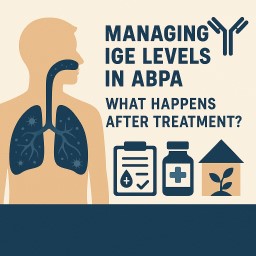
📘 Managing IgE Levels in ABPA: What Happens After Treatment?

If you have ABPA (Allergic Bronchopulmonary Aspergillosis), you’ve likely been told your IgE levels are high. Many patients ask:

“Once my IgE goes down with treatment, how do I keep it down without staying on steroids or antifungals forever?”

This guide explains why IgE is important, how it’s treated, and what long-term steps you can take to stay well.


🧪 What is IgE and Why Is It High in ABPA?

IgE (Immunoglobulin E) is an antibody your immune system makes in response to allergens. In ABPA, your immune system overreacts to Aspergillus, a common fungus, causing inflammation in the lungs. This leads to:

  • High total IgE levels (often over 1,000–10,000 IU/mL)

  • Symptoms like coughing, wheezing, and mucus plugs

  • Lung changes on scans, if untreated


🎯 Treatment Goals

Treatment aims to:

  • Lower inflammation

  • Reduce the fungal burden

  • Bring IgE levels down (a marker that your inflammation is settling)

  • Prevent long-term lung damage

You might be treated with:

  • Oral steroids (e.g. prednisolone)

  • Antifungal tablets (e.g. itraconazole or voriconazole)

These medications help bring IgE levels down, sometimes dramatically. But they can’t usually be taken forever — long-term use may cause side effects.


🔄 After IgE Drops – What Next?

Even after successful treatment, ABPA can flare up again. So the key questions become:

How do we keep IgE low?
How do we prevent future flare-ups?


🧭 Long-Term Management Options

1. Close Monitoring

  • IgE is checked every 2–6 months

  • Doctors look for a doubling in IgE — this can mean a flare is starting

  • Regular chest scans and lung function tests are also used to spot changes early

2. Tapering Medication

  • Steroids are slowly reduced, not stopped suddenly

  • Your doctor will watch for any return of symptoms or rise in IgE

3. Biologic Treatments

Some newer medications can help long-term, especially if you:

  • Have frequent flare-ups

  • Can’t reduce steroids safely

  • Have asthma or eosinophilic inflammation

These include:

  • Omalizumab (anti-IgE antibody)

  • Mepolizumab / Benralizumab (target eosinophils)

  • Dupilumab (blocks part of the allergy pathway)

Biologics are usually injections given every 2–4 weeks, and can help reduce relapses and steroid need.


🏡 Lifestyle & Environmental Tips

Reducing your exposure to Aspergillus can help keep IgE from rising again.

🔹 Avoid:

  • Damp or moldy areas

  • Compost, rotting leaves, hay, or soil dust

  • Rooms with poor ventilation

🔹 Use:

  • Ventilate your home well (eg open windows/extractor fans)

  • A HEPA-filter air purifier at home

  • An FFP2/FFP3 mask when doing dusty activities (gardening, cleaning mold)

🥗 Eat for Immune Support:

  • Anti-inflammatory foods (vegetables, oily fish, berries)

  • Reduce sugar (high sugar may promote inflammation)

  • Stay well hydrated

  • Ask your doctor about vitamin D — it may help regulate immunity


📅 Follow-up Schedule (General examples, yours may differ)

Time Since Treatment What to Expect
1–3 months Blood tests (IgE, eosinophils), lung check
3–6 months Check for symptoms, possibly repeat IgE
6–12 months CT scan or lung function, if needed
After 1 year Stable patients may have annual reviews

Let your team know if any symptoms return — even if your last IgE result was stable.


🧠 Final Thoughts

  • You may always have “elevated” IgE compared to someone without ABPA — that’s okay. The goal is stability, not “zero IgE”.

  • Many patients live well with ABPA for years by learning to manage flare-ups early and avoiding fungal exposure.

  • Ask your clinic about your personal IgE pattern — some people flare with small changes; others don’t.

  • Support groups and educational resources (like aspergillosis.org) can help you stay informed and confident.


📩 Have questions for your team?

Bring these up at your next appointment:

  • Can I reduce my medication safely?

  • Could I benefit from a biologic?

  • How often should I check my IgE?

  • How can I reduce exposure at home?


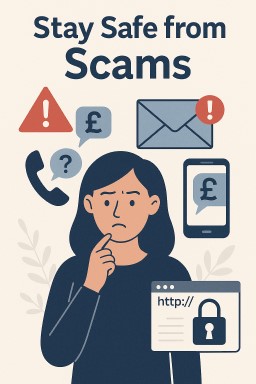
🛡️ Staying Safe from Scams: What You Need to Know (UK Advice)

(Patient Information – UK)

Scammers are getting more convincing. They can fake phone numbers, emails, and websites, and may claim to be from your bank, GP, or even a friend. This guide will help you spot scams, protect yourself, and know where to get help.


⚠️ How to Spot a Scam

Common red flags:

  • “Too good to be true” offers or prizes

  • Urgent messages demanding quick action

  • Unexpected contact from banks, services, or government departments

  • Requests for money, PINs, passwords, or personal details

  • Messages or calls pretending to be from someone you know

🔴 Scammers can fake names, phone numbers and websites. Never trust what you see on the screen alone.

Never respond to prize messages if you didn’t enter a competition.


☎️ What If Someone Calls You?

If they ask, “Can I confirm your name?” — stop and think:
Why are they calling you if they don’t already know who you are?

  • Genuine organisations (e.g. HMRC, DWP) may limit what they say at first — but they should know something about you.

  • Ask them to confirm your National Insurance number, address, or reference number — not the other way around.

  • If unsure, hang up and call back using an official number from a trusted source (e.g. your bank card or gov.uk).


🕵️‍♀️ Common Scam: The Fake Bank Text

  • You get a text that looks like it’s from your bank, warning of fraud.

  • A second message follows — from a different number — asking you to call or click to “secure your account.”

❌ This is a scam.
✅ Always call your bank using the number on the back of your bank card, not the one in the message.


🔍 How to Check Links Safely

  • On a computer: Hover your mouse over a link to see where it really goes (at the bottom of your browser).

  • On a mobile phone: Press and hold a link (don’t tap) to preview the full address.

  • If the web address looks strange, don’t click.


🌐 Official UK Bank Websites

Always log in via the official site or app. These are the real domains for major UK banks:

Bank Official Website(s)
Barclays barclays.co.uk, barclays.com
HSBC hsbc.co.uk, hsbc.com
Lloyds Bank lloydsbank.com
Halifax halifax.co.uk
NatWest natwest.com, natwestgroup.com
RBS rbs.co.uk, rbs.com
Santander santander.co.uk
Nationwide nationwide.co.uk
Metro Bank metrobankonline.co.uk
TSB tsb.co.uk
Starling Bank starlingbank.com
Monzo monzo.com
Virgin Money virginmoney.com, uk.virginmoney.com
First Direct firstdirect.com
Chase UK chase.co.uk

⚠️ Don’t trust websites with strange endings or hyphens like -secure, -verify, or .net instead of .co.uk.


🔐 How to Stay Safe

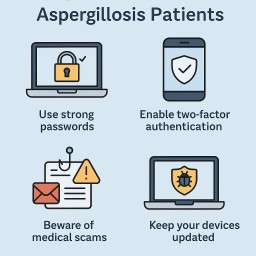
  • Use strong passwords (different for each service)

  • Turn on two-factor authentication (2FA)

  • Keep your devices updated

  • Don’t click on suspicious links or attachments

  • Never move money or give personal info because of a text, call or email

  • Always verify who you’re talking to, especially if they contacted you first


✅ Scam Safety Checklist

  • ☐ Strong passwords + 2FA

  • ☐ Hover or long-press to check web links

  • ☐ Ask for info the caller should already know

  • ☐ Use official websites and phone numbers

  • ☐ Never act under pressure

  • ☐ Report scams to protect yourself and others


📞 Where to Report Scams and Get Help

Here are the most trusted UK sources for scam prevention, support and reporting:

1. Action Fraud (UK police service)

  • 🌐 actionfraud.police.uk

  • ☎️ 0300 123 2040

  • Report all types of fraud and scams (England, Wales, NI)

2. National Cyber Security Centre (NCSC)

3. Citizens Advice – Scams Action

  • 🌐 citizensadvice.org.uk/scams

  • ☎️ Scams Action Helpline: 0808 250 5050 (England) or 0800 043 0281 (Scotland)

  • Friendly help and guidance if you’re unsure or worried

4. Take Five to Stop Fraud (UK Finance)

5. Financial Conduct Authority (FCA)


🧠 Final Advice

  • Scammers rely on panic, pressure, and trust.

  • If something doesn’t feel right — pause, check, and speak to someone you trust.

  • You’re not being rude by questioning it — you’re protecting yourself.

  • If you get caught out don't feel ashamed, most people do at some point. Report and learn.

Damp and Mould in UK Homes: Why It Matters and What You Can Do

❗ Why Damp and Mould Are Dangerous

Damp and mould are not just unsightly. They pose serious health risks, especially for people with:

  • Aspergillosis or other fungal lung diseases
  • Asthma, COPD, or bronchiectasis
  • Weakened immune systems
  • Babies, pregnant women, and older adults

According to the NICE NG149 guidance, exposure to damp and mould can:

  • Trigger asthma attacks, wheezing, coughing, and breathlessness
  • Worsen existing lung conditions such as ABPA or CPA
  • Increase risk of respiratory infections and fungal illnesses
  • Affect mental wellbeing, sleep, and quality of life

⚖️ What the Law Says: Landlord Responsibilities

Under UK law, landlords must make sure homes are fit to live in and free from serious health hazards:

1. Damp and Mould = Category 1 Hazard

2. Fitness for Human Habitation (Homes Act 2018)

  • All rented homes must be safe, dry, and free from serious damp and mould
  • Tenants can take their landlord to court if repairs aren’t made in a reasonable time

3. Landlords Must Act Promptly

  • Landlords must fix the cause of damp/mould (e.g., leaking guttering, blocked hoppers, rising damp), not just cover it up
  • Repairs must be made within a reasonable timeframe, especially where health is affected

4. Councils Can Enforce Action

  • If landlords refuse to act, local authorities can intervene and even carry out repairs themselves

🧱 What Makes a Home Unsafe Due to Damp or Mould?

A home may be considered unsafe if any of the following apply:

  • Visible mould covering walls, ceilings, windowsills, or furniture
  • Persistent musty odours indicating hidden damp
  • Peeling paint, warped skirting boards, or discoloured walls due to moisture
  • Condensation that doesn’t improve with ventilation
  • Damp that leads to recurring respiratory symptoms
  • Evidence of penetrating damp from leaks, poor guttering, or water ingress
  • Cold and humid indoor environments where mould easily regrows

These conditions can meet the threshold for a Category 1 hazard, especially when a vulnerable person lives in the home.


🚫 What to Do If You Are Being Ignored

If your landlord or council does nothing about serious damp and mould, you have options:

1. Keep Evidence

  • Take dated photos of the problem
  • Save copies of emails and letters you’ve sent
  • Keep a record of symptoms or doctor visits

2. Use the Law

  • Take action under the Homes (Fitness for Human Habitation) Act
  • You may be entitled to repairs and compensation for harm to your health or belongings

3. Contact Environmental Health

  • Your local council's Environmental Health team can inspect your home and issue legal notices to your landlord

4. Ask Your Doctor to Support You

  • A simple letter from your GP stating your condition (e.g. aspergillosis) and how mould affects you can help push action

5. Speak to Your MP

  • Your Member of Parliament (MP) can contact the council or housing provider on your behalf

👤 For Patients with Aspergillosis or Lung Conditions

People with aspergillosis, ABPA, CPA, or asthma are especially vulnerable to mould-related illness. NICE guidance NG149 says:

  • Medical evidence is not required to trigger housing action, but
  • Doctors should ask about home conditions if someone’s symptoms worsen
  • Councils and landlords must take urgent action when health is at risk

If you’ve been trying to get help for months or even years with no success, you’re not alone. You are entitled to live in a safe, healthy home.


🕵️‍♀️ Protecting Your Privacy as a Member of National Aspergillosis Centre Support (UK)

A guide for staying anonymous outside the group while still taking part inside

The National Aspergillosis Centre Support (UK) Facebook group is a private but visible group. That means:

  • Only members can see your posts, comments, and activity inside the group

  • But anyone on Facebook can find the group name, description, and see how many members it has

  • And people who visit the group page (such as your friends or the public) may see your name and profile photo in the member list

This is a safe, supportive space — but we understand that some members prefer to keep their involvement private from friends, family, employers, or the wider Facebook community.

Here’s how you can protect your privacy and remain as anonymous as you wish outside the group.


🔐 What Is Visible to Non-Members?

Non-members (including your Facebook friends) cannot see:

  • Any posts, comments, photos, or questions you share in the group

  • Who you’re interacting with in the group

  • What you react to or how often you post

But they can see:

  • That you are a member of the group (if they visit the group page)

  • Your name and profile picture in the group member list

  • That the group is titled “National Aspergillosis Centre Support (UK)” — which some people prefer to keep private


How to Protect Your Identity Outside the Group

1. 🧑‍💻 Use a Privacy-Conscious Name

You can use a shortened or modified version of your real name, such as:

  • First name + middle name

  • A shortened surname (e.g. Jane S. or Jo Samuel)

  • A pseudonym that still sounds plausible

⚠️ Avoid completely fake names (e.g. “Invisible Fungus”) — Facebook may flag them.


2. 🖼️ Choose a Neutral Profile Picture

Instead of a facial photo, consider using:

  • A photo of nature

  • A quote or piece of artwork

  • A blurred or abstract image

This helps maintain your privacy if someone visits the group member list.


3. 🔧 Adjust Your Facebook Privacy Settings

Go to Settings & Privacy > Settings > Privacy and update the following:

Setting Recommended
Who can see your friends list? Only Me
Who can look you up using email/phone? Only Me
Do you want search engines to link to your profile? No
Who can see what others post on your timeline? Only Me
Who can see posts you’re tagged in? Only Me

4. 👤 Hide the Group from Your Profile

Even though this is a private group, Facebook may show it on your profile under "Groups."

To remove it:

  • Go to your profile

  • Scroll to the Groups section

  • Click the three dots (…) next to “National Aspergillosis Centre Support (UK)”

  • Select “Hide from profile”


5. 🙈 Use Anonymous Posting for Sensitive Questions (If Enabled)

We are exploring whether anonymous posting can be enabled in the group. When switched on:

  • Other members see your post as “Anonymous Member”

  • Admins and moderators can still see who posted for safety reasons

Let an admin know if this feature would be helpful for you.


6. 📱 Avoid Linking Your Activity to Outside Apps or Pages

  • Don’t share group posts on your timeline (they won’t be visible, but it may confuse others)

  • Avoid linking group activity to external apps (like Instagram or other health platforms)

  • Use caution when interacting with group members on your public profile


🧾 Summary: Stay Anonymous Outside the Group

Tip Why It Helps
Use a modified or shortened name Reduces traceability outside the group
Use a neutral profile image Makes you harder to identify in the group list
Change privacy settings Stops Facebook from exposing your activity or connections
Hide group from your profile Prevents others from seeing your group involvement
Use anonymous posting (if available) Keeps your name hidden in sensitive discussions

💬 Final Note from the Admin Team

We understand that aspergillosis is a sensitive condition, and you have every right to protect your identity while still seeking support. This group exists to help — safely, kindly, and confidentially. If you’re ever unsure about how your name or photo appears, or you need support to adjust your settings, please message one of the admin team privately. We’ll help however we can.


🧠 Understanding Health Evidence: A Guide for Patients

This guide helps patients and the public understand how to judge the quality of health information, especially around treatments, supplements, and medical claims.


📚 Menu

  1. How Science Works
  2. Assessing the Strength of Evidence
  3. Trusting Online Medical Information
  4. Scientific Journal Quality and Bias
  5. Herbal Remedies and Industry Influence
  6. Unrecognised Syndromes and Clinics
  7. Predatory Journals and Peer Review

🔬 How Science Works

Medical advice and treatments are ideally based on well-tested science. Here’s how that process usually works:

  1. Research is done by scientists who ask questions and collect data.
  2. Peer review: Experts examine the study to ensure it’s fair and thorough.
  3. Publication: If it passes peer review, it's published.
  4. Replication: Other researchers try to repeat it. If they can't, confidence in the findings drops.

One study rarely proves something on its own. Medical certainty comes when multiple high-quality studies agree.


📊 Assessing the Strength of Evidence

🔎 Use these steps to check whether a claim is solid or uncertain:

  • Is it based on one study or a pattern of studies?
  • Has the result been replicated by others?
  • Is it a randomised controlled trial, or a weaker type (like a case report)?
  • Does it appear in a systematic review or meta-analysis?
  • Was it published in a known, peer-reviewed journal?

Always check with a trusted clinician if unsure.


🌐 Trusting Online Medical Information

Look out for:

✅ NHS, NICE, university, or respected charity sources ✅ References to studies or expert guidelines ✅ Recently published or reviewed content ❌ Claims that sound too good to be true ❌ Articles trying to sell you something

Good places to check information:


🧾 Scientific Journal Quality and Bias

Even good journals may publish studies with industry funding. That’s not wrong by itself, but look out for signs of bias:

  • Conflict of interest statements (often near the beginning or end)
  • Funding sources: Drug companies vs. independent organisations
  • How results are framed: Are benefits overstated? Risks ignored?
  • Compare with other studies: Are the results too good to be true?

The strongest evidence comes from independent replication.


🌿 Herbal Remedies and Industry Influence

Some believe herbal treatments are suppressed by drug companies. In truth:

  • Most herbal products haven’t had large, well-run trials.
  • Companies don’t fund them because they can’t be patented.
  • It’s not suppression — it’s a lack of commercial incentive.

Even if early research looks good, we need repeatable, well-controlled studies to ensure safety and effectiveness.

Doctors can’t recommend unproven treatments — not because they don’t work, but because we don’t yet know enough.


⚠️ Unrecognised Syndromes and Clinics

Some private clinics promote treatments for self-defined syndromes. They often:

  • Rely on a few early or small studies
  • Use unrecognised diagnostic tools
  • Sell unproven or expensive treatments

Mainstream medicine needs strong, repeated evidence before accepting a new condition or treatment. It’s about safety and evidence, not disbelief or conspiracy.

⚖️ Is It Legal — and Ethical?

In many countries, including the UK, it is legal for clinics to offer non-mainstream treatments if they do not break safety, advertising, or professional conduct laws. However, legality does not always mean ethical acceptability.

Offering treatments that are unsupported by high-quality evidence may be seen by many as amoral or unethical, especially when:

  • Patients are vulnerable or desperate
  • Treatments are expensive
  • Claims are overstated or misleading
  • Alternatives with better evidence are not discussed

Healthcare professionals are expected to put patient welfare before profit, be transparent about evidence limitations, and avoid offering false hope. Patients should always ask questions, seek second opinions, and verify claims with trusted sources.

Some private clinics promote treatments for self-defined syndromes.

They often:

  • Rely on a few early or small studies
  • Use unrecognised diagnostic tools
  • Sell unproven or expensive treatments

Mainstream medicine needs strong, repeated evidence before accepting a new condition or treatment. It’s about safety and evidence, not disbelief or conspiracy.

Other examples of self-defined or poorly validated syndromes promoted by certain clinics include:

  • Adrenal fatigue (not the same as adrenal insufficiency)
  • Leaky gut syndrome (distinct from recognised intestinal permeability disorders)
  • Multiple chemical sensitivity (MCS)
  • Chronic Lyme disease (as distinct from recognised post-treatment Lyme syndrome)
  • Sick building syndrome (& similar relating to treating those in a damp home)

These conditions are often treated with:

  • Specialised tests with unclear scientific validity
  • Supplements, detox regimes, or off-label drug use
  • Expensive personalised programmes with limited oversight

📉 Predatory Journals and Peer Review

Some journals publish low-quality or unreviewed research for money. Warning signs:

❌ Generic names, vague editorial boards, fast publication ✅ Indexed in PubMed, Web of Science, or Scopus ✅ Member of COPE or listed in DOAJ

Peer-reviewed journals differ in quality. Just because something is published doesn’t mean it’s reliable.


⚠️ Warning Signs for Possible Aspergillosis in Primary Care

We often state that a GP does not need to know all the details of what aspergillosis is, they just need to know what the warning signs might be so that they know when they should refer the patient to their local hospital specialist. What are those warning signs?

🟠 1. Asthma Not Responding to Guidelines-Based Treatment

  • Poor control despite high-dose inhaled steroids or long-acting bronchodilators

  • Frequent oral steroid bursts (>2 in a year)

  • Persistent cough or breathlessness between attacks

  • Thick or brown mucus plugs coughed up

🟢 Ask: “Are you still having symptoms even though you’re taking all your preventers?”


🟠 2. Recurrent Chest Infections

  • Multiple antibiotic courses (especially in bronchiectasis or COPD patients)

  • Sputum samples that repeatedly show Aspergillus or colonising fungi

  • Chest x-rays showing cavities, nodules, or persistent infiltrates

🟢 Ask: “Have you had several chest infections this year that needed antibiotics or steroids?”


🟠 3. Unexplained Fatigue, Weight Loss, or Night Sweats

  • Especially if imaging shows lung abnormalities or patient is immunocompromised

  • May indicate CPA, not just asthma

🟢 Ask: “Have you lost weight without trying, or felt unusually tired for weeks?”


🟠 4. Pre-existing Lung Conditions with New or Worsening Symptoms

  • Especially in patients with:

    • Bronchiectasis

    • COPD/emphysema

    • Old TB

    • Sarcoidosis

  • These conditions increase risk of CPA or colonisation becoming invasive


🟠 5. High Total IgE or Eosinophils

  • Total IgE > 1000 IU/mL with asthma + mucus plugs = strong ABPA clue

  • Blood eosinophils persistently >0.5 (especially off steroids)

  • Aspergillus-specific IgE or IgG positive

🟢 Flag: “Could this patient have allergic fungal disease or ABPA?”


🟠 6. Radiology That Doesn’t Match the Diagnosis

  • If the patient is being treated as asthma or pneumonia but:

    • HRCT shows bronchiectasis with mucus plugging

    • X-rays don’t improve despite treatment

    • Old TB scar now shows a cavity

🟢 Flag: “Does this imaging suggest something more than asthma or infection?”


🧭 What Should GPs and Nurses Do Next?

✅ Request:

  • Blood tests: Total IgE, eosinophils, Aspergillus-specific IgE/IgG

  • Sputum for fungal culture if available

  • CXR or HRCT if not done recently

✅ Refer:

  • Respiratory specialist or Advice & Guidance

  • National Aspergillosis Centre (NAC) in Manchester is a national specialist (tertiary) NHS centre, so does not accept referrals directly from GP's, instead GP's should refer to their local respiratory specialist team at a hospital nearby. NHS referral structure


📋 Clinical Triggers for Flagging Aspergillosis

Trigger Possible Condition
Uncontrolled asthma + high IgE + mucus ABPA
Chronic cough + weight loss + cavity on CT CPA
Asthma + sensitisation to fungi + frequent steroids SAFS

Supporting Gut Health with Probiotics During Frequent Antibiotic Use: A Patient Guide

⚠️ Important Guidance for Patients Taking Antibiotics

If you are frequently prescribed antibiotics, it’s important to understand not just their benefits but also their potential side effects. Antibiotics can disrupt the balance of your gut bacteria, sometimes leading to symptoms such as diarrhoea, bloating, or more serious infections like Clostridioides difficile. While probiotics may help prevent or reduce these issues, they are not suitable for everyone.

Before taking probiotics, always speak to your doctor or pharmacist — especially if you:

  • Are immunocompromised or seriously ill

  • Have a central venous catheter

  • Are critically ill or in hospital

  • Are taking multiple medications or have complex health needs

Though generally considered safe, probiotics are live microorganisms, and rare complications have been reported in vulnerable individuals.


🦠 The Impact of Frequent Antibiotic Use

Antibiotics treat bacterial infections, but they also reduce levels of good bacteria in the gut. This microbial imbalance may cause:

  • Diarrhoea (including C. difficile-associated diarrhoea)

  • Reduced resistance to infections

  • Weakened immune response

  • Increased digestive symptoms like bloating or discomfort


✅ The Role of Probiotics

Probiotics are live bacteria that may help replenish beneficial microbes in the gut and reduce digestive side effects during or after antibiotics.

Benefits may include:

  • Lower risk of antibiotic-associated diarrhoea

  • Shorter duration of diarrhoea if it occurs

  • Support for immune and gut barrier function

  • May complement prebiotics as part of a synbiotic approach

Well-studied strains include:

  • Lactobacillus rhamnosus GG

  • Saccharomyces boulardii (a beneficial yeast)

  • Bifidobacterium lactis and Lactobacillus acidophilus


🔬 What Does the Evidence Say?

  • Cochrane Reviews: Strong evidence shows that probiotics reduce the risk of antibiotic-associated diarrhoea, particularly in children and hospitalised patients.

  • Saccharomyces boulardii and Lactobacillus rhamnosus GG have shown the most consistent benefit.

  • Synbiotic use (prebiotics + probiotics) may offer enhanced recovery of the gut microbiome, though more evidence is needed.

  • Serious side effects are extremely rare but have been reported in immunocompromised or critically ill patients.


💡 Practical Advice for Using Probiotics

If your healthcare provider agrees a probiotic is appropriate:

  • Start the probiotic at the same time as the antibiotic or within 48 hours

  • Take it at least 2 hours apart from your antibiotic dose

  • Continue for at least 1 week after finishing antibiotics (some recommend up to 4 weeks)

  • Look for a daily dose of at least 5–10 billion CFUs, ideally with clinically supported strains

Stop use and seek advice if you experience side effects or new symptoms.


📈 NHS Position on Probiotics

The NHS recognises that probiotics may be helpful in reducing the risk of antibiotic-associated diarrhoea, but they are not routinely recommended due to variable product quality and limited regulation.

They advise:

  • Use may be considered on a case-by-case basis

  • Emphasis on good nutrition and natural fermented foods is preferred


🥦 Food vs. Supplements

Natural probiotic sources include:

  • Live yogurt

  • Kefir

  • Sauerkraut

  • Kimchi

  • Miso

For many people, these can be a safe and enjoyable way to support gut health.

Probiotic supplements may be helpful if:

  • You are at high risk of side effects from antibiotics

  • You do not tolerate fermented foods

  • Your doctor recommends them for prevention

Look for products with named strains, clinical backing, and clear CFU counts.


🛍️ Trusted Probiotic Products in the UK

Popular and well-reviewed UK brands include:

  • Optibac Probiotics – For Those on Antibiotics

  • Bio-Kult Advanced Multi-Strain Formula

  • Symprove (liquid, clinically studied)

  • Alflorex (for IBS – not for general antibiotic use)

  • Florastor (contains S. boulardii)

Choose products that are:

  • Refrigerated or shelf-stable (as indicated)

  • Clearly labelled with strain names and CFU counts

  • Free from unnecessary additives


🩺 Final Word

Probiotics can play a role in reducing the gut side effects of frequent antibiotics, especially diarrhoea. They may help restore balance in your gut bacteria, particularly when taken during and after antibiotic treatment. However, not all products are effective, and not all people need them.

As with any supplement, it’s essential to:

  • Choose quality products

  • Monitor how your body responds

  • Consult your doctor before starting

A healthy gut is supported by balanced nutrition, medical guidance, and evidence-based choices.


Suitable fabrics for sun protection

Patients taking voriconazole need to be very careful about sun exposure, because the drug can make the skin highly sensitive to UV light — sometimes leading to phototoxic reactions, sunburn, or even skin cancer with prolonged exposure. Here's how I’d advise someone on voriconazole:

Clothing & Sun Protection Advice:

  1. Wear UV-protective clothing:

    • Long sleeves and trousers made of tightly woven fabric **see below

    • Consider UPF-rated (Ultraviolet Protection Factor) clothing — designed to block UV rays.

  2. Wear a wide-brimmed hat:

    • One that shades the face, neck, and ears.

  3. Use broad-spectrum sunscreen:

    • SPF 50+ with UVA and UVB protection.

    • Apply generously 30 minutes before going outside, and reapply every 2 hours (or after sweating/washing).

  4. Wear sunglasses with 100% UV protection:

    • To protect the eyes and the sensitive skin around them.

  5. Avoid peak sunlight hours:

    • Stay indoors or in shade between 10 a.m. and 4 p.m., when UV radiation is strongest.

  6. Avoid sunbeds or tanning lamps:

    • These are especially risky while on voriconazole.

  7. Be cautious even on cloudy days:

    • UV rays still penetrate clouds and can cause damage.

  8. Check your skin regularly:

    • Look for new or changing spots, unusual pigmentation, or rashes. Report any concerns to your doctor or dermatologist.

** When looking for suitable fabrics for sun protection — especially while on voriconazole — the key is to look for tightly woven, dark-colored, or specially treated fabrics. Here are examples:

🔹 Excellent Sun-Protective Fabrics:

  1. Polyester and nylon

    • These synthetic fibers are tightly woven and naturally resistant to UV rays.

    • Often used in athletic wear, swim shirts, or outdoor clothing.

  2. Unbleached cotton with a tight weave

    • Natural fibers like cotton can be protective if tightly woven.

    • Hold the fabric up to light — if little light passes through, it’s better.

  3. Denim and canvas

    • Very effective due to thickness and weave.

    • Heavy, but suitable for work or limited outdoor exposure.

  4. Wool and wool blends

    • Wool is dense and offers good protection, though it's warmer and less breathable.

  5. UPF-rated (Ultraviolet Protection Factor) clothing

    • Purpose-made garments with UPF 30, 50, or higher.

    • Often made from polyester or special blends with UV-inhibiting treatments.

🔸 Fabrics to Avoid:

  • Thin or sheer cotton, linen, rayon, and silk unless layered or specially treated.

  • White or light-colored garments, unless they're UPF-treated.

Pro tip:

  • Look for labels like “UPF 50+” or “Sun Protection Clothing”.

  • Brands like Coolibar, Solbari, Columbia (Omni-Shade), and Uniqlo (UV Cut line) offer practical, sun-safe options.


🌱 Risks of Gardening for ABPA/CPA Patients

  • High fungal spore exposure: Soil, compost, leaf mould, mulch, and rotting vegetation are rich in Aspergillus fumigatus and other mold spores.

  • Spores can trigger ABPA flares or worsen CPA progression, especially in immunocompromised or structurally damaged lungs.

  • Bagged compost is particularly risky—opening bags or mixing damp materials can release a high spore load (documented in outbreaks and case reports).


Benefits of Gardening

  • Mental health: Gardening reduces stress, anxiety, and depression, which are common in chronic lung disease.

  • Physical activity: Gentle exercise helps preserve lung function and general health.

  • Quality of life: A fulfilling hobby with strong therapeutic and social value for many.


🛡️ Risk Reduction Strategies (If Continuing Gardening)

If the patient chooses to keep gardening:

  1. Avoid compost, mulch, and leaf mould – especially bagged compost.

  2. Use sealed, peat-free, low-dust alternatives if composting is essential.

  3. Wear a well-fitted FFP2 or FFP3 respirator when handling soil or dusty material.

  4. Wet down soil before working to reduce airborne dust.

  5. Garden in open air, not greenhouses or sheds, where spores can concentrate.

  6. Shower and change clothes immediately after gardening.

  7. Consider delegating high-risk tasks (e.g. compost turning) to someone else.


🧭 Summary: Risk–Benefit Decision

Patient Type Recommendation
Stable ABPA Can garden with precautions
CPA, mild/stable Garden with strong precautions, avoid compost
CPA, moderate-severe or immunosuppressed Avoid gardening unless cleared by specialist
Recent flare or hospitalization Avoid until stabilized

Ultimately, this should be a shared decision based on:

  • Severity and stability of lung disease

  • Individual mental health benefits

  • Availability of safe gardening practices