🫁 Biologics for Severe Asthma and Respiratory Conditions: What to Expect
A guide to when they start working, patient experiences, how long the benefits last — and what to know about Tezepelumab
Biologic treatments — like omalizumab, mepolizumab, benralizumab, dupilumab, and now tezepelumab — have transformed care for people with severe asthma and related lung conditions. But many patients naturally ask:
-
When will I start to feel better?
-
Will the benefit last?
-
Am I eligible for this treatment?
-
What if it wears off or I stop taking it?
-
Which biologic is right for me?
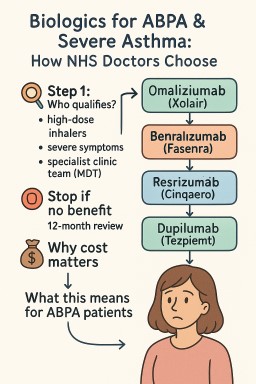
💷 Access to Biologics: Who Can Have Them?
Biologics are highly effective — but they are also expensive treatments, often costing £10,000–£30,000 per year. Because of this, the NHS only offers them to patients who meet strict criteria.
This helps ensure:
-
Fair access
-
Best use of NHS resources
-
That patients are likely to benefit
✅ To qualify for a biologic, patients must typically:
-
Have confirmed severe asthma
-
Symptoms remain poorly controlled despite taking:
-
High-dose inhaled steroids (ICS)
-
Long-acting beta agonists (LABAs)
-
Other controller medication (e.g. montelukast)
-
-
-
Have frequent asthma attacks
-
Usually 2 or more flare-ups in the past year needing:
-
Oral steroids (e.g. prednisolone)
-
A&E or hospital care
-
-
-
Be using their inhalers properly and regularly
-
Doctors will check that medication is being taken as prescribed
-
Inhaler technique must be correct
-
Other problems (like reflux or anxiety) must be addressed first
-
-
Have the right blood or allergy profile
(This depends on which biologic is being considered):
| Biologic | Biomarker Criteria |
|---|---|
| Omalizumab | IgE in range + allergic asthma |
| Mepolizumab/Benralizumab | Eosinophils ≥150–300 cells/µL |
| Dupilumab | Raised FeNO or IgE, plus eosinophilic features |
| Tezepelumab | Works in a wider group, including low eosinophils |
-
Be assessed by a specialist team
-
Biologics are only prescribed after a full multidisciplinary review in a specialist asthma service
-
🔄 After Starting:
-
Patients are reviewed after 3–6 months
-
If there’s no improvement, treatment is stopped
-
Continued use depends on measurable benefit, such as:
-
Fewer attacks
-
Reduced steroid need
-
Better lung function or asthma control scores
-
💬 "Biologics are not a quick fix — but when matched carefully, they can be life-changing."
⏳ When Will I Start Feeling Better?
Most patients begin to feel some improvement within the first few weeks to three months.
🟩 What Other Patients Say:
-
Lynn (USA):
“Within five days, I could tell … I was not coughing as much.”
-
Mena, 17 (USA):
“She doesn’t have to rely on steroids as much.”
“Now I’m stable.” -
Catherine, 88 (UK):
“Since taking biologics, I’ve not had to call the office about breathing problems once.”
-
UK Patient Survey:
“Biologic treatment stopped the disruption of family and social life.”
“Energy and mental health improved by 3 months.”
📈 Typical Timeline of Benefits:
| Time After Starting | What You May Notice |
|---|---|
| 1–2 weeks | Less coughing, better sleep, reduced night symptoms |
| 2–4 weeks | Easier breathing, less tightness, more energy |
| 1–3 months | Fewer flare-ups, less need for oral steroids |
| 3–6 months | Improved walking, daily life, and lung test scores |
| 12 months | Full review of benefit — continued if effective |
📆 How Long Do the Benefits Last?
If the biologic is working and you stay on treatment, the benefits can last for years:
-
Many patients remain stable for 1–5 years or more
-
Biologics are ongoing treatments — not cures, but long-term control
-
If stopped, some patients stay well for a time, while others relapse
💡 Spotlight on Tezepelumab (Tezspire)
Tezepelumab is a newer biologic that works differently from the others — it targets TSLP, an upstream trigger of inflammation. This makes it suitable for a broader range of asthma patients, including those without high eosinophils or obvious allergies.
🔹 How It Works:
-
Blocks TSLP (thymic stromal lymphopoietin) — a key driver of inflammation
-
Works across multiple asthma types (eosinophilic, allergic, non-allergic)
🔹 Dosing:
-
210 mg injection every 4 weeks (subcutaneous)
🔹 Benefits (NAVIGATOR & DESTINATION trials):
-
Reduces asthma attacks by 56% regardless of eosinophil count or allergic status
-
Improvement often seen within 2–4 weeks, with continued benefit over 1–2 years
-
Long-term studies show sustained effectiveness and good safety
-
After stopping, inflammation gradually returns but may remain better than baseline for a while
🧠 Tezepelumab is especially promising for patients who haven’t responded well to other biologics, or who don’t fit into the eosinophilic or allergic categories.
✅ In Summary:
| Question | Typical Answer |
|---|---|
| When will I feel better? | 2–12 weeks, sometimes faster |
| How long does it last? | Months to years if treatment continues |
| What if I stop? | Symptoms may return gradually |
| Who can get a biologic? | Patients meeting NHS criteria, reviewed by specialists |
| Tezepelumab use? | For broad asthma types, including low-eosinophil asthma |
💉 Best Practices for Self-Injecting Biologics
✅ 1. Choose the Right Injection Site
Biologics are usually given subcutaneously (just under the skin).
Most common sites:
-
Abdomen (at least 2 inches away from the belly button)
-
Thighs (top outer area)
-
Sometimes upper outer arm (if someone else is injecting)
👉 Rotate sites to avoid irritation or lumps.
🧊 2. Warm Up the Medicine First
-
Take it out of the fridge 30–60 minutes before injecting
-
Cold biologics can sting — warming it to room temperature reduces discomfort
❌ Never heat in a microwave or hot water — just let it sit at room temperature.
🧼 3. Prepare Properly
-
Wash your hands
-
Clean the injection site with an alcohol swab — let it dry fully before injecting
-
Check the pen or syringe for:
-
Expiry date
-
Clarity of solution (should be clear, no lumps or particles)
-
💡 4. Use the Right Technique
-
If using a pre-filled syringe:
-
Pinch the skin gently
-
Insert the needle at a 45° angle
-
Inject slowly and steadily
-
-
If using an auto-injector (pen):
-
Place flat against the skin
-
Press firmly until you hear a click
-
Hold for the full time recommended (usually 5–15 seconds)
-
Don’t rub the site afterward — this can increase irritation.
🧘♀️ 5. Reduce Pain and Anxiety
-
Breathe out slowly as you inject — this reduces muscle tension
-
Use distraction (music, cold pack, or mental focus techniques)
-
If nervous, consider numbing the skin with an ice pack for 30 seconds before cleaning with alcohol
-
Inject slowly with syringes — fast injection = more sting
🧴 Aftercare
-
Apply light pressure with a cotton ball or tissue
-
Avoid rubbing or massaging
-
Use a cold pack if sore or bruised
-
Report any ongoing redness, swelling, or allergic reaction
🛠️ Tools That Help
-
Needle-free injection devices (limited availability)
-
Numbing creams like lidocaine/prilocaine (available OTC or by GP)
-
Sharps disposal bin — request one from your pharmacy or consultant team
-
Injection reminder apps if on a schedule (e.g. MyTherapy, Medisafe)
🧑⚕️ When to Speak to Your Team
-
If injections remain very painful
-
If you're unsure about technique
-
If you develop redness, swelling, or lumps that last more than 24–48 hours
-
If you feel light-headed or allergic afterward
🧬 Biologic Treatments for ABPA (Allergic Bronchopulmonary Aspergillosis)
Many people with ABPA who continue to experience flare-ups despite steroids and antifungals are now being offered biological therapies—also known as monoclonal antibodies.
These treatments target specific parts of the immune system involved in allergic inflammation. They're often used when:
-
Steroids are needed frequently or at high doses
-
Antifungals alone aren’t enough
-
ABPA keeps recurring and affecting quality of life
💉 Biologics Currently Used in ABPA
The following biologics are being used in the UK, particularly in specialist centres and often in patients with ABPA plus severe asthma or eosinophilic disease:
| Biologic Name | Target | Brand Name | Notes |
|---|---|---|---|
| Omalizumab | IgE | Xolair | Most commonly used; good for high IgE and allergic asthma |
| Mepolizumab | IL-5 | Nucala | For eosinophilic inflammation; steroid-sparing |
| Benralizumab | IL-5 receptor (IL-5Rα) | Fasenra | Rapidly reduces eosinophils; monthly or 8-weekly injection |
| Dupilumab | IL-4 and IL-13 | Dupixent | Used in allergic-type asthma and some ABPA patients |
| Reslizumab | IL-5 | Cinqaero | IV infusion; less commonly used in ABPA |
| Tezepelumab | TSLP (upstream cytokine) | Tezspire | Newest option; blocks multiple inflammatory pathways; doesn’t require high IgE or eosinophils |
👉 Note: No biologic is officially licensed specifically for ABPA, but many are used off-label in patients with overlapping severe asthma or allergic disease.
✅ What Do Patients Say?
Many people treated with biologics report:
-
Fewer flare-ups or “chest infections”
-
Less need for oral steroids
-
Clearer breathing, less coughing, and better energy
Not everyone responds, but many see significant improvement in control and quality of life.
⚠️ Side Effects
Biologics are generally well-tolerated. Possible side effects include:
-
Mild injection site reactions (redness, swelling)
-
Headaches or fatigue
-
Allergic reactions (rare)
They’re usually given every 2–8 weeks as an injection under the skin, sometimes in hospital at first and then possibly at home.
🩺 What to Ask Your Consultant
-
Why have you chosen this biologic for me?
-
Will it help my asthma as well as ABPA?
-
How soon will I know if it’s working?
-
Will I still need antifungals or steroids?
-
Are there any alternatives if this one doesn’t work?
📌 Summary
| Key Point | Biologics in ABPA |
|---|---|
| Used when | Steroids aren’t enough or cause side effects |
| Most used | Omalizumab, Mepolizumab, Tezepelumab |
| Goals | Reduce flares, improve breathing, lower steroid use |
| Licensed for ABPA? | ❌ No – but used off-label in many UK centres |
| NHS funding? | ✅ Yes – when criteria for severe asthma are met |
Omalizumab: how does it help relieve ABPA?
Omalizumab (Xolair) is a monoclonal antibody that can significantly relieve symptoms in patients with Allergic Bronchopulmonary Aspergillosis (ABPA) by targeting the underlying allergic response.
Here’s how it works and why it helps:
🧬 Mechanism of Action
-
Omalizumab binds to free IgE antibodies in the blood.
-
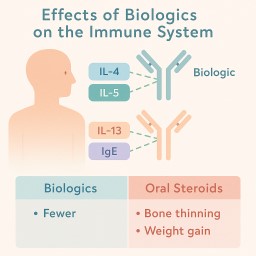
This prevents IgE from attaching to immune cells (like mast cells and basophils), blocking the allergic cascade.
-
Over time, this leads to downregulation of IgE receptors, reducing immune hypersensitivity.
🩺 Benefits for Patients with ABPA
ABPA is driven by an IgE-mediated hypersensitivity to Aspergillus fumigatus, so omalizumab directly targets a key driver of the disease.
✅ Key Clinical Effects:
| Effect | How Omalizumab Helps |
|---|---|
| Reduces airway inflammation | By calming the immune overreaction to Aspergillus |
| Improves asthma control | Fewer exacerbations and better lung function |
| Lowers total IgE levels | A marker of disease activity in ABPA |
| Reduces corticosteroid use | Helps wean off oral steroids safely |
| Improves quality of life | Less coughing, breathlessness, mucus plugging |
📊 Who Responds Best?
-
Patients with uncontrolled ABPA despite steroids and antifungals
-
Those with frequent exacerbations or steroid dependency
-
Particularly helpful in patients with asthma + ABPA
⚠️ Notes
-
Omalizumab is given by injection every 2–4 weeks (dose based on weight and IgE levels).
-
It is not a cure for ABPA but can significantly reduce flare-ups and steroid need.
-
Not all patients respond — monitoring is essential.
Biologics & ABPA - what are they and what can they do?
Biologic medications (also known as biologics) are a class of drugs derived from living organisms or their cells. These treatments are used for various conditions, especially those involving the immune system, such as autoimmune diseases, cancers, and chronic inflammatory disorders. Here’s a breakdown of biologics:
1. What Are Biologics?
- Biologics are large, complex molecules made using biotechnology. They can be derived from living organisms such as bacteria, yeast, or animal cells.
- Unlike traditional medications (chemically synthesized), biologics are produced through genetic engineering or cell culture techniques.
2. Types of Biologic Drugs:
- Monoclonal Antibodies (mAbs): These are engineered antibodies designed to target specific proteins or cells, such as tumor cells or immune system components. Examples include drugs like adalimumab (Humira) for rheumatoid arthritis and rituximab (Rituxan) for certain cancers.
- Interferons: Proteins that modify immune system activity. They are used for conditions like multiple sclerosis and hepatitis C.
- Vaccines: Biologic drugs used to stimulate the immune system to protect against infectious diseases (e.g., the flu vaccine, COVID-19 vaccines).
- Cell and Gene Therapies: These involve altering genes or using stem cells to treat genetic disorders or cancers. CAR T-cell therapies are an example for cancer treatment.
3. Conditions Treated by Biologics:
- Autoimmune Disorders: Such as rheumatoid arthritis, Crohn’s disease, and psoriasis.
- Cancer: Biologics like monoclonal antibodies and immune checkpoint inhibitors target cancer cells.
- Infections: Some biologics, including vaccines, protect against infections like hepatitis, flu, and COVID-19.
- Chronic Inflammatory Conditions: Such as asthma and inflammatory bowel disease (IBD).
4. Advantages of Biologics:
- Targeted Action: Biologics can target specific parts of the immune system or cells involved in disease, leading to more effective treatments with fewer side effects compared to traditional drugs.
- Personalized Treatments: Some biologics can be customized based on a patient's genetics, improving outcomes for certain conditions.
5. Limitations and Side Effects:
- Expensive: Biologics tend to be more expensive than traditional medications due to the complex production process.
- Injection or Infusion: Many biologics are administered through injections or intravenous infusions rather than oral tablets.
- Immune System Effects: Since biologics modify immune system function, they can increase the risk of infections and other immune-related side effects.
Examples of Biologic Medications:
- Humira (adalimumab) for autoimmune diseases.
- Keytruda (pembrolizumab) for cancer treatment.
- Enbrel (etanercept) for rheumatoid arthritis.
Biologics are reshaping the treatment landscape, particularly in conditions where traditional medications were less effective.
In the case of Allergic Bronchopulmonary Aspergillosis (ABPA), biologic medications are increasingly being explored and used as part of treatment, particularly for patients with more severe or resistant forms of the disease. ABPA is an allergic reaction to the fungus Aspergillus, which can lead to airway inflammation and lung damage. Biologic medications, often aimed at modulating the immune system, help in managing this complex condition, especially when conventional treatments like corticosteroids fail to control symptoms or lead to significant side effects.
How Biologics Help in ABPA Treatment:
- Targeting Immune System Pathways:
- Biologics used in ABPA primarily work by targeting specific immune system pathways that drive the inflammatory response triggered by the Aspergillus fungus.
- For example, biologics that target interleukin-5 (IL-5), such as mepolizumab (Nucala), can help reduce eosinophil levels, a type of white blood cell involved in allergic reactions and inflammation in ABPA. Dupixent, another biologic, targets IL-4 and IL-13, which are cytokines involved in the inflammatory cascade in ABPA, potentially improving lung function and reducing exacerbations .
- Omalizumab (Xolair) acts directly on the patients IgE antibodies, preventing them triggering allergic inflammation
- Reducing Steroids - For ABPA patients who require long-term corticosteroid use, biologics may offer an alternative, reducing dependence on steroids and lowering the risk of long-term steroid side effects (e.g., osteoporosis, diabetes, and weight gain).
- Biologics can provide a more targeted approach, addressing the underlying immune mechanism, rather than just suppressing the overall immune response with steroids .
- Clinical Evidence:
- In trials, biologics like mepolizumab have shown improvements in asthma control and reduced exacerbations, suggesting potential benefits for ABPA patients with significant asthma components.
- Dupilumab has also demonstrated potential benefits in patients with ABPA and associated asthma, showing improvements in lung function and reduction in eosinophil levels, thus addressing both the underlying inflammation and allergic reactions .
- Safety and Efficacy:
- While biologics are typically used in cases where standard treatments (steroids, antifungals) are not sufficient or appropriate. These medications are generally well-tolerated, but they do carry risks, such as increased susceptibility to infections due to immune system modulation** .
Summary:
Biologic therapies represent an option for patients with ABPA, particularly those with severe symptoms or who struggle with long-term steroid use. By targeting specific immune pathways, biologics help reduce inflammation and improve lung function without the broad immunosuppression of steroids. Drugs like mepolizumab and dupilumab are showing encouraging results, though their use in ABPA is still being refined and evaluated in clinical trials.
If you're exploring biologics for ABPA treatment, consulting with a specialist in pulmonary or immunologic disorders is crucial, as the benefits and risks of these drugs need to be carefully balanced for each individual patient.
**One common concern is whether these treatments could increase susceptibility to viral infections, particularly respiratory viruses.
Immune Modulation and Viral Infections: Omalizumab (Anti-IgE): Omalizumab reduces IgE levels, which are primarily involved in allergic reactions, not antiviral immunity. Studies show that it may actually decrease the frequency of respiratory viral infections by reducing inflammation and preventing exacerbations triggered by viruses. In clinical trials, omalizumab was not associated with increased viral infection rates and has been shown to lower asthma exacerbations caused by viral infections.
Mepolizumab and Benralizumab (Anti-IL-5): These biologics target IL-5, which reduces eosinophil counts. Eosinophils play a minor role in viral defense, but their reduction does not seem to impair the body's ability to fight viruses significantly. Data suggest that mepolizumab and benralizumab do not increase the incidence of viral infections and can reduce asthma exacerbations, including those triggered by viruses.
Dupilumab (Anti-IL-4/IL-13): Dupilumab inhibits IL-4 and IL-13 signaling, key cytokines in allergic inflammation. It is not associated with increased viral infection susceptibility in clinical trials. It may enhance antiviral defenses by reducing Th2-skewed inflammation, potentially allowing the body to mount a better response to viruses.
Evidence from Studies: Studies have consistently shown that biologics can reduce asthma exacerbations, many of which are triggered by viral infections, suggesting they do not compromise the immune system's ability to fight viruses. No significant increase in viral infections has been observed in large clinical trials for these medications, and they are generally considered safe in this context.
Conclusion: Biologic medications for asthma do not appear to increase vulnerability to viral infections. In fact, they may reduce the risk of virus-induced asthma exacerbations by controlling airway inflammation. However, patients with severe asthma or comorbid conditions should always consult their healthcare provider regarding potential risks.
Developments in Biologic and Inhaled Antifungal medications for ABPA
[et_pb_section fb_built="1" _builder_version="4.20.2" _module_preset="default" custom_padding="5px||5px||true|false" global_colors_info="{}" theme_builder_area="post_content"][et_pb_row _builder_version="4.20.2" _module_preset="default" global_colors_info="{}" theme_builder_area="post_content"][et_pb_column type="4_4" _builder_version="4.20.2" _module_preset="default" global_colors_info="{}" theme_builder_area="post_content"][et_pb_text _builder_version="4.21.0" _module_preset="default" custom_padding="|10px||10px|false|true" global_colors_info="{}" theme_builder_area="post_content"]
ABPA (Allergic Bronchopulmonary Aspergillosis) is a serious allergic disease caused by a fungal infection of the airways. People with ABPA usually have severe asthma and frequent flare-ups that often require long-term use of oral steroids and antibiotics to treat secondary bacterial infections.
The two main treatments for ABPA are antifungal medication and oral steroids. Antifungal medication work by targeting the fungi causing the infection, limiting its growth and spread. This can help reduce the frequency of flare-ups and stabilize the condition but may also cause side effects such as nausea and, more rarely, liver damage. Oral steroids work by reducing inflammation and suppressing the immune system's response to the allergen, which can help control the symptoms of ABPA. However, long-term use can cause significant side effects, including weight gain, mood swings, and adrenal insufficiency.
These side effects can greatly impact quality of life, but both treatments may be necessary to prevent the disease from worsening. Therefore, new or improved treatments are needed.
[/et_pb_text][et_pb_text _builder_version="4.22.2" _module_preset="624b8eae-e2e0-40f4-a48e-83d57e3006b6" global_colors_info="{}" theme_builder_area="post_content"]
Fortunately, there have been recent developments in managing ABPA, and a review by Richard Moss (2023) highlights two promising types of treatment:
- Inhaled antifungal medication treat fungal lung infections by delivering the drug directly to the site of infection. This allows for a higher concentration of the drug to be delivered to the affected area while limiting the exposure of the rest of the body and therefore reduces side effects. For instance, inhaled itraconazole has been shown to reach concentrations high enough to kill or inhibit fungus growth. Further trials will be completed this year (2023) to assess its safety and effectiveness. Although still in development, these drugs offer hope for more effective and better-tolerated treatment options for patients with ABPA.
- Biologic medication is a completely new type of treatment that uses synthetic antibodies to target specific cells or proteins of our immune system instead of using a chemical compound. Omalizumab, a type of biologic, binds to immunoglobulin IgE and deactivates it. IgE is involved in the allergic response our bodies launch against foreign invaders and plays a big role in ABPA symptoms. Deactivation of IgE has been shown to reduce allergic symptoms. In clinical trials omalizumab has been shown to significantly (a) reduced the number of flare-ups compared to pre-treatment, (b) reduced the need for oral steroid use and lowered its necessary dose, (c) increased wean off steroids, (d) improved lung function and (e) improved asthma control. Additionally, other Monoclonal antibodies (Mabs) such as mepolizumab, benralizumab, and dupilumab have shown a reduction in flare-ups, total IgE and a steroid-sparing effect.
[/et_pb_text][et_pb_text _builder_version="4.22.2" _module_preset="default" global_colors_info="{}" theme_builder_area="post_content"]
According to Moss (2023), these new treatment approaches are highly effective in reducing hospital visits. Biologics seem highly effective, with up to a 90% reduction in flare-ups for ABPA patients and up to 98% efficacy in reducing the amount of oral steroid needed by the patient. If these new treatments continue to work well, it could potentially offer a new, higher quality of life for individuals with ABPA . Overall, these findings are promising, but further research is needed to confirm the effectiveness of these treatments specifically for ABPA.
Original paper: https://www.ncbi.nlm.nih.gov/pmc/articles/PMC9861760/
[/et_pb_text][/et_pb_column][/et_pb_row][/et_pb_section]