🦠 Understanding Antibiotic Use in Aspergillosis: A Guide to Antimicrobial Stewardship (AMS)
This information is provided to help you understand your treatment. Always follow your medical team's advice. They will make the best decision for your care based on your individual health needs.
⚖️ What is Antimicrobial Stewardship (AMS)?
Antimicrobial stewardship means using antibiotics responsibly — only when needed, and choosing the most appropriate one for each infection. This helps protect patients from side effects and helps ensure antibiotics remain effective in the future.
For people with chronic lung conditions like chronic pulmonary aspergillosis (CPA), ABPA, or aspergillus bronchitis, this balance is especially important.
🔍 Why Is This Important for Aspergillosis Patients?
-
Antibiotics don’t work for fungal infections, but they may be prescribed if a bacterial infection is also present.
-
Using unnecessary antibiotics can lead to side effects, gut upset, or drug interactions (especially with antifungal medicines).
-
Overuse of broad-spectrum antibiotics can make future infections harder to treat.
Your clinical team carefully considers all of this when prescribing.
🔴 Broad-Spectrum Antibiotics
Broad-spectrum antibiotics target a wide range of bacteria, including helpful ones in your body. They are sometimes necessary, but their use is carefully monitored.
| Examples | Common Uses |
|---|---|
| Co-amoxiclav | Chest infections, dental issues |
| Ciprofloxacin, Levofloxacin | Serious or hospital infections |
| Doxycycline | Chest infections, acne |
| Azithromycin | Atypical pneumonia |
| Meropenem | Resistant or hospital-acquired infections |
🧠 These antibiotics may be used only if clearly needed. Doctors will often review and adjust the treatment after tests.
🟢 Narrow-Spectrum Antibiotics
These target specific bacteria and are usually first choice when the infection source is known.
| Examples | Common Uses |
|---|---|
| Penicillin V | Sore throats, dental infections |
| Flucloxacillin | Skin infections (e.g. infected eczema) |
| Nitrofurantoin | Urinary tract infections |
| Vancomycin (IV) | Resistant bacterial infections |
| Fosfomycin | Resistant urinary infections |
✅ These are often preferred because they reduce the risk of resistance and protect your body’s healthy bacteria.
🤝 What You Can Do
-
Trust your clinical team’s decisions — they are based on guidelines, test results, and your health history.
-
Tell your doctor or pharmacist about all medications you are taking — especially antifungals like itraconazole or voriconazole.
-
Report any side effects or concerns, especially if you notice gut problems or unexpected symptoms.
⚠️ A Note on Drug Interactions
Some antibiotics (like clarithromycin or rifampicin) can reduce how well azole antifungals work. Your doctor will avoid these combinations or adjust treatment accordingly.
✅ Final Reminder
This article is for general understanding only.
Your doctors are trained to choose the safest and most effective treatments for your condition. If you’re ever unsure about why a medication has been prescribed, ask — they’ll be happy to explain.
💡 Dupilumab for ABPA: What You Need to Know Now the Trial Is Complete
A large Phase III trial—called LIBERTY‑ABPA AIRED—has recently completed studying dupilumab in people with ABPA and asthma who frequently exacerbate despite other treatments. Let’s break down what that means and what’s still missing 📌
🗓️ Trial Timeline & Scope
-
Trial completed: Primary data collection finished in July 2023, study closed in February 2024. It enrolled around 170 patients from over 30 sites across several countries including the UK, EU, US, Canada, Japan, and more Wikipedia+15trialsummaries.com+15Clinical Trials Register+15.
-
Design: Randomized, double‑blind, placebo‑controlled over 52 weeks, followed by 12 weeks safety follow‑up trialsummaries.comClinical Trials Register.
📋 What Was Measured?
The trial assessed:
-
Severe respiratory exacerbations (requiring steroids or hospital admission)
-
Lung function changes (e.g. FEV₁)
-
ABPA-related symptoms, quality of life, asthma control
-
Biomarkers including IgE and FeNO
-
Safety and tolerability, including antibody formation to dupilumab Wikipedia+15Clinical Trials+15trialsummaries.com+15
🧬 Why Results Matter
Dupilumab blocks both IL‑4 and IL‑13 pathways, which drive inflammation, mucus, and elevated IgE in ABPA. Early case reports and small series have shown promising benefits, especially in reducing exacerbations and steroid use, but until now, no large randomized trial data were available ScienceDirect+1PMC+1.
❓ What’s Available Now?
-
✅ The trial has finished, but official results have not yet been published or released publicly.
-
🕒 Regulators and sponsors previously estimated publication around late 2023, with actual report likely still under review or preparation ctv.veeva.com+3ScienceDirect+3Clinical Trials+3.
-
📡 Until these results are public, dupilumab remains not officially approved for ABPA, though individual clinicians may consider off‑label use in select cases.
🧾 Summary Table: Where Things Stand
| Status | Current Position |
|---|---|
| Trial status | Completed Feb 2024 |
| Official results | Pending publication |
| Based on early data | Case reports show improvement in exacerbations and steroid reduction |
| Regulatory status | Not yet licensed for ABPA treatment |
| Clinical use now | Only as part of research or off‑label under specialist review |
💬 What Should Patients Do Now?
If you’re managing ABPA and considering biologic options:
-
✅ Ask if longstanding biologics like dupilumab are being considered for your individual case.
-
💬 Be clear that formal approval for ABPA is still pending, pending public release of the trial results.
-
🩺 Consult with your specialist or asthma/respiratory team about possible off‑label use—they can explain access options, benefits, and risks.
🧭 Final Thoughts
The LIBERTY‑ABPA AIRED trial has now completed, marking a major milestone for potential new treatment in ABPA. But until results are published and reviewed, dupilumab remains off-label for this condition.
You may still hear about its use in ABPA from case reports showing positive outcomes—but wider clinical acceptance awaits published study data. If it becomes available, it could offer meaningful benefits—but only if confirmed in research.
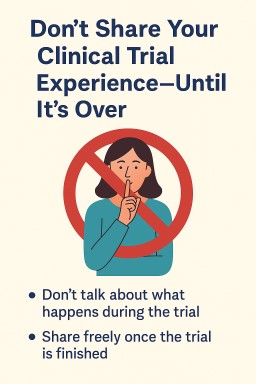
🤐 Why It's Important Not to Share Your Clinical Trial Experience — Until It’s Over
If you have chronic pulmonary aspergillosis (CPA), you may be invited to take part in a clinical trial for a new antifungal medication like rezafungin. That’s exciting — and could help improve treatment for many people in future.
Naturally, people want to support each other by sharing experiences, especially in online support groups. But when it comes to clinical trials, there’s a really important reason why we shouldn’t talk about how we’re feeling while we’re still in the trial.
Here’s why.
🧪 What Are Clinical Trials For?
Clinical trials help doctors and researchers answer important questions like:
-
Does this new treatment work?
-
Is it better than the current treatment?
-
What side effects might it cause?
To get accurate answers, the trial needs to be fair and unbiased — meaning that personal expectations and outside influences shouldn’t affect how people report their symptoms or progress.
📣 The Problem With Sharing During a Trial
If you’re taking part in a trial and say something like:
“I feel great — this new drug is working for me!”
or
“This is making me feel worse than ever — don’t join!”
...other people may change how they think and feel based on your comment.
This is called bias. It can:
-
Make others expect the same good (or bad) result
-
Affect how people rate their own symptoms
-
Cause people to drop out or not join at all
-
Make the trial results less accurate or even unusable
Even well-meaning comments can damage the study, especially if the trial is small (like most CPA studies are).
🕵️♀️ What If It’s a Blinded Trial?
Some trials are "blinded", meaning you don’t know whether you're getting the new treatment or a standard one (or placebo).
But if people start guessing or posting:
“I’m sure I’m on the real drug — I feel amazing!”
...then other people might also guess, or feel disappointed — which again, affects how results are reported.
🚦When Is It Safe to Share?
💬 After the trial is over and the results are published, you can talk freely about your experience.
In fact, patient voices are vital at that stage — they help others understand what it’s like to be part of a trial and whether new treatments are helpful in real life.
💡 What You Can Say During the Trial
You can still help raise awareness without compromising the study. For example:
-
✅ “I’m taking part in a CPA trial – ask your doctor if you might be eligible.”
-
✅ “There’s a study on a new antifungal — here’s the link to the official trial page: clinicaltrials.gov/study/NCT06794554”
-
✅ “I’m proud to be contributing to research — happy to share my experience once the trial ends.”
Just don’t talk about how the treatment is affecting you until the trial is complete.
🙏 Why This Matters
By keeping quiet during the trial, you're:
-
Protecting the integrity of the study
-
Helping future patients get trustworthy answers
-
Supporting the research team who need clear, unbiased data
You’re not just taking part in a trial — you’re helping build evidence that others will depend on for years to come.
🧭 Summary
| ✅ Do | ❌ Don’t |
|---|---|
| Tell people a trial exists | Share how the treatment is affecting you |
| Encourage others to talk to their doctor | Post guesses about which drug you’re on |
| Wait until the trial ends to share experiences | Influence others to join based on your results |
If you're ever unsure, ask your clinical trial team or group moderator — they'll be glad to help. Your role in research is important, and your silence now is a powerful act of support for science, fairness, and future care.
🧾 Rezafungin: A New Antifungal Being Trialled for CPA
Some people with chronic pulmonary aspergillosis (CPA) have trouble tolerating standard antifungal medications. Commonly used drugs like voriconazole and posaconazole can cause serious side effects such as hallucinations, liver enzyme disturbances, or gut problems. When these medications can’t be used, options become limited.
A new antifungal, rezafungin, is now being studied as a possible treatment for CPA — especially in people who can't tolerate azoles. It is not yet approved for aspergillosis, but a major clinical trial is under way.
🧬 What Is Rezafungin?
Rezafungin is part of a newer group of antifungal drugs called echinocandins. These work by weakening the fungal cell wall — a very different mechanism to azole drugs like itraconazole or voriconazole.
Key features:
-
Given as a weekly intravenous (IV) drip
-
Long-acting: stays in the body for days after each dose
-
Designed to provide high drug levels in the lungs and bloodstream
-
Early studies show less frequent side effects than with some older antifungals
It is already licensed for treatment of Candida bloodstream infections but is being studied now for CPA.
🧪 Current Research: Trial for CPA
A clinical trial is currently recruiting people with CPA who:
-
Cannot take azole antifungals because of side effects or resistance
-
Need alternative or combination therapy
This trial (called REZAFUNGin Efficacy and Safety for Aspergillus – CPA) is being conducted in the UK and internationally. The goal is to test whether rezafungin is safe and effective in CPA patients who have few remaining options.
🔗 View the clinical trial (NCT06794554)
📊 What Have Previous Studies Found?
While studies in CPA are just beginning, previous trials in other fungal infections provide important clues:
✅ Phase 2 & 3 Studies (Candida Infections)
-
Rezafungin was found to be as effective as daily echinocandins (like caspofungin)
-
Once-weekly dosing worked just as well as daily treatment
-
Side effects were mild, and liver toxicity was rare
-
No CNS side effects (like hallucinations) were reported
🧫 Laboratory Evidence
-
Rezafungin is active against Aspergillus fumigatus, including some azole-resistant strains
-
It reaches good levels in lung tissue — an important feature for CPA
-
May be used alone or with another antifungal in complex cases
🩺 Case Example
A recent case report described successful treatment of chronic pulmonary aspergillosis using rezafungin plus voriconazole in a patient with resistant infection (Oxford University Press, 2024).
⚠️ Is Rezafungin Available Now?
Not yet. Rezafungin is only available for CPA:
-
Through a clinical trial, or
-
By special approval for compassionate use in selected cases
It is not currently licensed for aspergillosis in the UK or elsewhere.
💬 What Should I Discuss with My Doctor?
If you're considering participation in a clinical trial or if standard treatments have failed, you might ask:
-
Am I eligible for the rezafungin CPA trial?
-
What are the benefits and risks of trying this treatment?
-
Will I still need other antifungals (e.g. azoles or amphotericin)?
-
How often will I need blood tests and hospital visits?
-
Will this help if I have azole resistance or liver side effects?
📌 Summary
Rezafungin is a new antifungal drug being tested for people with chronic pulmonary aspergillosis who cannot take older treatments. It offers once-weekly dosing and early signs suggest a favourable safety profile, including in patients with liver concerns or those who had side effects from azoles.
Although not yet widely available, it may offer hope for people with limited options. If you or someone you know is struggling with antifungal intolerance, you may wish to speak to your medical team about the CPA clinical trial or explore compassionate access routes.
👉 Learn more or check trial sites:
🔗 https://clinicaltrials.gov/study/NCT06794554
🔬 Emerging Research for Aspergillosis
Aspergillosis is a complex group of diseases caused by the Aspergillus fungus. Ongoing research is uncovering new ways to diagnose, treat, and prevent these conditions—offering hope for improved care and long-term outcomes. This page outlines current areas of promising research relevant to patients, carers, and healthcare professionals.
⏱️ Has Research Accelerated Over Time?
Yes. Over the last 40 years, research into aspergillosis and fungal infections has significantly accelerated due to:
- Rising awareness of fungal diseases in immunocompromised patients
- Improved diagnostic technology (e.g. PCR, lateral flow tests, next-gen sequencing)
- New drug development in response to growing azole resistance
- Greater investment from both academic institutions and industry
- Dedicated centres like the UK National Aspergillosis Centre driving specialist research
- Fungal infections gaining WHO recognition as emerging public health threats
In the 1980s and 1990s, progress was relatively slow. Since the early 2000s—and especially after the COVID-19 pandemic revealed the risks of fungal co-infection—momentum has increased markedly.
1. 🧪 Antifungal Drug Development
Resistance to azole antifungals is a growing concern. Several new antifungal agents are in development:
🔸 Olorofim (F2G)
- First-in-class orotomide antifungal
- Shows activity against Aspergillus, including azole-resistant strains
- Currently in phase III trials for invasive and chronic pulmonary aspergillosis
🔸 Ibrexafungerp and Fosmanogepix
- New antifungals with different mechanisms of action
- Potentially effective in combination or for resistant cases
🔸 Inhaled Antifungals
- Trials of inhaled itraconazole, posaconazole, and PC945 (opelconazole) for direct delivery to the lungs
- Aim: higher local drug concentrations with fewer side effects
2. 🧬 Biologics and Immune Modulation
🧭 What's Next in Biologic Therapies for Severe Asthma?
Several next-generation biologics are under development, aiming to:
- Broaden coverage for patients who don't respond to existing biologics
- Target upstream pathways (beyond IL‑5, IL‑4/13, or IgE)
- Offer once-yearly dosing or dual-target activity
Examples include:
- Depemokimab: A long-acting anti-IL‑5 antibody in phase 3 trials (GSK)
- CSJ117: An inhaled anti-TSLP monoclonal antibody fragment (Novartis)
- RG6354: Targeting IL-33 pathway, an upstream trigger in type 2 and non-type 2 asthma
- Dual Biologics: Exploratory research combining two targets (e.g., IL‑5 + IL‑4 or TSLP + IL‑13)
These developments may also benefit subsets of aspergillosis patients with severe asthma or ABPA who have not fully responded to current biologics. Research is exploring biologic therapies that reduce allergic inflammation or modulate immune response, particularly for ABPA (Allergic Bronchopulmonary Aspergillosis) and overlapping asthma subtypes.
✅ Biologics Currently in Use for ABPA
Omalizumab (Xolair) – Anti-IgE
- Target: IgE antibody—blocks allergic immune response to Aspergillus antigens.
- Evidence: Studies show significant reductions in exacerbations, IgE, steroid use, and improved lung function.
- Clinical Use: Widely used off-label in ABPA patients with raised IgE and asthma features.
Mepolizumab (Nucala) – Anti–IL‑5
- Target: IL‑5 cytokine—reduces eosinophil inflammation.
- Use: Steroid-sparing and symptom control in eosinophilic ABPA.
Benralizumab (Fasenra) – Anti–IL‑5 Receptor
- Target: IL‑5Rα—causes rapid eosinophil depletion.
- Use: Clearing mucus plugs and reducing flares; often used after mepolizumab failure.
Dupilumab (Dupixent) – Anti–IL‑4Ra
- Target: IL‑4/IL‑13 pathway—type 2 inflammation.
- Use: Shown to reduce IgE levels and ABPA exacerbations.
Tezepelumab (Tezspire) – Anti‑TSLP
- Target: TSLP—broadly suppresses upstream allergic inflammation.
- Evidence: Early reports suggest benefit in ABPA patients, though data are limited.
📊 Real-World Effectiveness
UK-based retrospective study (2014–2022):
- 74 ABPA patients treated with biologics
- 65% showed ≥50% reduction in steroid use after 12 months
- 35% switched due to lack of effect or side effects
📌 Summary Table of Biologics
| Biologic | Target | Use in Aspergillosis | Key Benefits |
|---|---|---|---|
| Omalizumab | IgE | ABPA with raised IgE | ↓ Exacerbations, ↓ steroids, ↑ FEV₁ |
| Mepolizumab | IL‑5 | Eosinophilic ABPA | Steroid-sparing, symptom control |
| Benralizumab | IL‑5Rα | Refractory cases | Mucus clearance, eosinophil depletion |
| Dupilumab | IL‑4/IL‑13 | Mixed allergic/eosinophilic ABPA | ↓ IgE, ↓ flares |
| Tezepelumab | TSLP | Emerging, broad asthma-ABPA | Broad inflammation control |
3. 🧫 Diagnostic Advances
Improved diagnostics aim to detect disease earlier and more accurately:
- Lateral flow tests (e.g., Aspergillus-specific LFD) for rapid diagnosis
- PCR testing and galactomannan assays in blood, sputum, or BAL
- Aspergillus-specific IgG and IgE testing to distinguish CPA, ABPA, and colonisation
- Next-generation sequencing (NGS) for strain typing and resistance detection
4. 🌡️ Non-Pharmacological Research
🌀 Airway Clearance and Physiotherapy
- Trials assessing flutter devices, oscillating PEP, and manual physiotherapy in chronic aspergillosis and bronchiectasis
🥦 Nutrition and Gut-Lung Health
- Increasing interest in the role of dietary fibre, gut microbiome, and short-chain fatty acids in immune defence and lung inflammation
💨 Air Quality and Exposure
- Home-based studies evaluating the impact of HEPA filters, spore counts, and environmental remediation
5. 🛡️ Preventative Strategies
🫁 Lung/Nasal Coatings (Experimental)
- Early research into coating the lungs or nasal passages to prevent infection
- Not yet in human trials for aspergillosis, but promising in animals for viral and bacterial prevention
💉 Vaccines
- No approved vaccines yet, but exploratory work is underway for high-risk populations
6. 🧫 Clinical Trials in Aspergillosis
A wide range of clinical trials are currently underway or recently completed, focusing on new antifungals, biologics, and non-pharmacological interventions:
🧪 Antifungal Trials
- Rezafungin – A long-acting echinocandin administered once weekly, currently in trials for prevention and treatment of invasive fungal infections, including those caused by Aspergillus species
- Olorofim (F2G) – Phase III trials for CPA and invasive aspergillosis
- PC945 (Opelconazole) – Inhaled triazole for CPA and prophylaxis in immunocompromised patients
- Fosmanogepix and Ibrexafungerp – Investigated in resistant and invasive fungal disease
🧬 Biologic Trials
- Tezepelumab and Dupilumab – Trials involving patients with ABPA and severe asthma
- Depemokimab (GSK) – Phase III trials for long-acting IL‑5 blockade
🌡️ Other Trials
- Airway clearance studies – Use of physiotherapy and flutter/PEP devices in chronic pulmonary aspergillosis
- Gut microbiome and fibre supplementation – Exploring anti-inflammatory potential in lung disease
These trials often recruit patients from UK centres including the National Aspergillosis Centre, and are registered on databases such as ClinicalTrials.gov.
7. 🤝 Patient Support and Outcomes Research
📊 Real-World Evidence
- Registries and observational studies (e.g., LIFE, FungiScope) gathering long-term data on patients with CPA, ABPA, SAFS, and invasive disease
👥 Quality of Life and Patient-Reported Outcomes
- Surveys and tools to measure impact of fatigue, breathlessness, mental health, and medication side effects
- Aim: improve personalised care and support services
🧭 Where to Find Updates
- ClinicalTrials.gov – searchable by "aspergillosis"
- Aspergillosis.org – for patient-friendly research summaries
- National Aspergillosis Centre (UK) – involved in many UK-based studies
- Journal of Fungi, Medical Mycology, Clinical Infectious Diseases – leading sources of peer-reviewed studies
📢 Final Word
Research into aspergillosis is accelerating across drug development, diagnostics, prevention, and patient support. While not all options are available yet, many are in trials or early clinical use. Staying informed and involved—whether through trial participation or feedback—helps shape better care for all.
Updated July 2025 – suitable for patients, clinicians, and advocacy groups.
🫁 Could Lung or Nasal Coatings Help Prevent Aspergillosis?
As research into new ways of preventing lung infections advances, some patients with aspergillosis are asking whether coating the lungs or airways—with a protective spray, gel, or surfactant—might one day protect them from fungal disease.
Here’s what the science says so far.
🔬 What Is Being Researched?
Scientists are currently studying ways to coat the lungs or nasal passages with a protective substance designed to:
- Trap or neutralise viruses, bacteria, or fungal spores
- Stabilise the lung or airway lining
- Prevent inflammation or infection from taking hold
These coatings may come in the form of:
- Dry powder aerosols (inhaled)
- Drug-free nasal gels or sprays
Importantly, these are being developed as preventative measures, not as treatments for people already ill.
🧪 Current Research: Early-Stage, Not Yet for Aspergillosis
1. Dry Powder Lung Surfactants
- These are based on natural surfactants that coat the lungs and keep the air sacs (alveoli) open.
- Tested in animals (e.g., lambs, rabbits) with good results in preventing respiratory distress or injury.
- Used mostly in neonatal care for premature babies.
- Not yet tested for fungal infections or chronic diseases like aspergillosis.
2. Nasal Gel-Coating Sprays
- These sprays form a temporary coating in the nose and upper airways, shown in mice to block viruses like flu or COVID-19.
- Protective effect may last several hours.
- Still in animal testing—no human trials or approvals yet.
- No evidence yet that they can prevent fungal infections like Aspergillus.
📌 Are These Coatings Available Yet?
No. As of now:
- There are no licensed lung or nasal sprays designed to prevent aspergillosis or other fungal lung infections.
- Most studies are in pre-clinical stages (animal research only).
- It may be several years before any human trials begin.
🛡️ Who Might Receive These Preventatives in the Future?
If future research proves these coatings are safe and effective, likely priority groups would include:
🎯 High-risk populations:
- People with chronic aspergillosis (CPA) or ABPA
- Patients on long-term steroids or immunosuppressants
- Individuals with bronchiectasis, COPD, or cystic fibrosis
- Transplant recipients or those with cancer or immune deficiencies
- Elderly people, especially in care homes
- Healthcare or construction workers exposed to dust, spores, or mould
- Hospitalised or ventilated patients (e.g. risk of CAPA in ICU)
❗ What Aspergillosis Patients Should Know
- These technologies are not available yet and remain in the research phase.
- They are being explored as preventative tools, not as treatment for existing fungal infections.
- There is no evidence yet they can prevent Aspergillus infections—but the research is promising.
✅ What You Can Do Now
Until better preventatives are developed, people with aspergillosis can reduce risk by:
- Avoiding high-risk environments (e.g., compost, renovation dust, decaying vegetation)
- Using prescribed antifungals or steroids correctly
- Supporting immune health (e.g., good nutrition, rest, fibre-rich diet)
- Asking doctors about biologics or ongoing research trials if relevant
📘 Final Word
While the idea of coating the lungs or nose to stop infections sounds futuristic, it’s grounded in real science. For people vulnerable to fungal lung disease, this kind of innovation may one day offer protection—especially for those on immunosuppressive treatments or with fragile lungs.
But for now, the best defence remains personalised treatment, avoidance strategies, and good communication between specialists and GPs. We’ll keep watching this space closely as research develops.
Biologics and Long Term Side Effects
✅ What Are Biologics?
Biologics are targeted treatments made from living cells. They work by blocking parts of the immune system that cause inflammation — for example:
-
IL-4, IL-5, IL-13: linked to eosinophilic inflammation
-
IgE: linked to allergies and ABPA
They are not immunosuppressants like steroids or chemotherapy, but rather immune modulators.
💊 Long-Term Side Effects – What Do We Know?
👨⚕️ What research and experience show:
| Biologic | Used for | Long-term safety known? | Side effects most reported |
|---|---|---|---|
| Omalizumab (Xolair) | Allergic asthma, ABPA | 20+ years of use | Injection site reactions, headache, very rare anaphylaxis |
| Mepolizumab (Nucala) | Eosinophilic asthma, CPA | 10+ years | Fatigue, headache, shingles (rare), mild infections |
| Benralizumab (Fasenra) | Severe asthma, CPA | ~6–7 years | Headache, pharyngitis, injection site issues |
| Dupilumab (Dupixent) | Asthma, eczema, nasal polyps | 6–8 years | Eye dryness/redness, cold sores, joint pain (rare) |
| Tezepelumab (Tezspire) | Severe asthma | ~2 years | Sore throat, joint pain, injection site reactions |
⚠️ Possible Long-Term Concerns (but rare)
-
Infections: Some concern about slightly increased risk of herpes zoster (shingles) or respiratory viruses, but overall risk is very low compared to steroids.
-
Immunogenicity: Your body might develop antibodies to the drug over time, reducing its effect — this is more a loss of benefit, not a dangerous side effect.
-
Cancer risk: No consistent evidence linking asthma/ABPA biologics to cancer.
-
Unknowns: Because some biologics are new (e.g. tezepelumab), we don't yet have 20-year data — but so far the safety profile is reassuring.
🩺 Compared to Oral Steroids
| Treatment | Side Effects Over Time |
|---|---|
| Steroids (e.g. prednisolone) | Weight gain, diabetes, infections, bone thinning, cataracts, adrenal suppression |
| Biologics | Mostly minor – injection site pain, headache, mild infection risk, rare allergic reaction |
So in most cases, biologics reduce the need for steroids and therefore reduce long-term harm.
💬 Patient Experience
Most patients report:
-
Improved quality of life
-
Reduced asthma/ABPA attacks
-
Fewer hospital visits
-
Very few stop due to side effects
✅ Summary
| Question | Answer |
|---|---|
| Do biologics have long-term side effects? | Usually mild and rare; mostly injection reactions or mild infections |
| Are they safer than long-term steroids? | Yes, especially over years |
| Should I be worried? | Not usually — but always monitor with your team |
| How long have they been used? | 6–20+ years, depending on the biologic, with very good safety data |
🛡️ How Your Care is Changing: Understanding Antimicrobial Stewardship
A guide for patients with aspergillosis and chronic lung conditions
If you're being treated for chronic pulmonary aspergillosis (CPA), ABPA, or any long-term lung condition, you might notice changes in the way doctors use antifungal and antibiotic medicines. These changes are part of a worldwide effort to tackle antimicrobial resistance (AMR) — and to make sure the right treatment is used, in the right place, for the right reason.
💬 What is Antimicrobial Stewardship?
Antimicrobial stewardship (AMS) means using antifungal and antibiotic medications responsibly, so they work better now and stay effective for the future.
It’s about:
-
Using the right medication
-
In the right place
-
For the right reason
-
At the right dose and duration
This helps ensure patients get better faster, and we all stay protected from drug-resistant infections.
🔬 What Is Antimicrobial Resistance?
Antimicrobial resistance (AMR) happens when bacteria or fungi evolve and stop responding to medicines that used to work. This makes infections:
-
Harder to treat
-
More likely to come back
-
More dangerous for people with lung or immune conditions
There are two major types:
-
Antibiotic resistance (bacteria)
-
Antifungal resistance (fungi, including Aspergillus fumigatus)
💊 Antibiotics: Broad vs Narrow Spectrum
Doctors aim to use targeted antibiotics wherever possible. Here’s how they differ:
| Type | Description | Examples | Used For |
|---|---|---|---|
| Broad-spectrum | Kills a wide range of bacteria | Co-amoxiclav, meropenem, ceftriaxone | Sepsis, serious infections |
| Narrow-spectrum | Targets specific bacteria | Penicillin, nitrofurantoin, flucloxacillin | Simple infections |
🧪 Doctors may start with broad-spectrum drugs in emergencies but switch to narrow-spectrum when test results are available — this is called de-escalation.
🦠 Antifungal Resistance and Aspergillosis
People with CPA or ABPA are often treated with antifungals like:
-
Itraconazole
-
Voriconazole
-
Posaconazole
-
Isavuconazole
But fungi can develop resistance, especially when:
-
Medications are used long-term
-
Fungi are exposed to azole sprays on crops and flowers
You may inhale resistant spores from:
-
Compost, potting soil, or garden centres
-
Fresh flowers (especially imported ones)
🏥 What Might You Notice in Hospital?
✅ Shorter or targeted treatment
-
You may be on 5–7 days of antibiotics/antifungals
-
Switch from IV to tablets happens earlier once you're stable
✅ Treatment reviews
-
Your medication will be reviewed within 48–72 hours
-
Changes may be made based on lab results
✅ More testing
-
Blood, sputum, or biopsy samples help identify infections and resistance
-
Ensures you get the right treatment
✅ Specialist involvement
-
An infection or respiratory consultant may review your case if resistant infection is suspected
✅ Infection control
-
You may notice:
-
No fresh flowers
-
HEPA filters in some wards
-
Staff using extra precautions to prevent airborne infections
-
🏡 What Might You Notice From Your GP?
✅ More specific prescribing
-
GPs are less likely to give antibiotics “just in case”
-
More narrow-spectrum choices based on the suspected infection
✅ Diagnostic support
-
GPs may send sputum or urine samples before prescribing
-
May test your blood for antifungal levels (TDM)
✅ Home safety advice
You may be advised to:
-
Avoid indoor compost or plant pots
-
Wear FFP2/FFP3 masks when gardening
-
Keep indoor air well ventilated
🧬 New Antifungals Being Protected for Patient Use
Several antifungals are in development and being reserved just for medical use (not agriculture), including:
| Drug | What it is | Why it matters |
|---|---|---|
| Rezafungin | Weekly IV echinocandin | Long-lasting for serious infections |
| Ibrexafungerp | First oral alternative to azoles | Trials for aspergillosis |
| Olorofim | New class (DHODH inhibitor) | Active against resistant Aspergillus |
| Opelconazole | Inhaled antifungal | Direct treatment to the lungs |
| Fosmanogepix | Novel target | Works against drug-resistant fungi |
🧠 What This All Means for You
These changes are about:
-
Better outcomes — faster recovery with fewer side effects
-
Preventing resistance — protecting future treatments
-
More personalised care — based on test results and your condition
✅ What You Can Do
| Action | Why It Helps |
|---|---|
| Take medications exactly as prescribed | Prevents underdosing and resistance |
| Don’t stop treatment early | Even if you feel better |
| Ask if your treatment has been reviewed | Encourages early switch or adjustment |
| Use a mask and gloves for gardening | Reduces spore exposure |
| Avoid fresh flowers and compost indoors | Especially in bedrooms or when unwell |
| Report any new or worsening symptoms | Resistance may be developing |
| Ask about resistance testing if you’re not improving | Labs can check fungal response |
| Stay informed and speak up | You’re part of the stewardship solution |
📌 In Summary: Stewardship in Action
Antimicrobial stewardship is not about doing less — it's about doing things more precisely.
It’s how your healthcare team makes sure you receive:
The right medication, in the right place, for the right reason.
🔗 Want to Learn More?
💊 General Strategies to Reduce Antimicrobial Resistance in Clinical Practice
1. IV to Oral Switch (IVOS)
One of the most effective and safe interventions in antimicrobial stewardship.
🔁 Why switch from IV to oral early?
-
Reduces complications (e.g. line infections, thrombosis)
-
Lowers costs and bed-days
-
Improves patient comfort and mobility
-
Oral options (e.g. ciprofloxacin, fluconazole, linezolid) are highly bioavailable, often matching IV efficacy
✅ When is IVOS appropriate?
-
Clinical improvement seen
-
Source controlled
-
Oral route available and tolerated
-
Suitable oral alternative exists
NHS guidance: "Start smart – then focus" encourages early IVOS reviews within 48–72 hours of antibiotic initiation.
2. "Start Smart – Then Focus" (UK NHS Framework)
This key NHS antimicrobial policy includes:
-
Start Smart: Prescribe antibiotics appropriately from the beginning
-
Then Focus:
-
Review at 48–72 hours
-
Consider stop, switch, change, or continue
-
Document clearly in records
-
Supported by NICE guidelines and UKHSA audits
3. Shorter Duration of Therapy
For many infections, shorter courses (e.g. 5–7 days instead of 10–14) are now preferred.
Examples:
-
Community-acquired pneumonia: 5 days
-
Pyelonephritis: 7 days
-
Cellulitis: 5–7 days
This reduces resistance pressure and side effects.
4. Diagnostics-Guided Prescribing
-
Procalcitonin and CRP tests can help distinguish bacterial from viral infections
-
Rapid PCR, MRSA, or blood culture diagnostics guide targeted therapy
The aim is avoid empirical broad-spectrum antibiotics where possible.
5. Restricted Prescribing Policies
-
Certain high-risk drugs (e.g. carbapenems, vancomycin, antifungals) are restricted to ID approval
-
Antimicrobials are tiered by risk (e.g. traffic light systems) to encourage narrow-spectrum use
6. Antimicrobial Stewardship Teams (ASTs)
Multidisciplinary teams:
-
Lead on stewardship strategy
-
Audit antimicrobial use
-
Provide decision support for complex cases
-
Educate staff and update local formularies
In the NHS, stewardship is a CQUIN target (incentivised performance indicator).
7. Education and Behaviour Change
-
Mandatory AMS training for junior doctors and prescribers
-
Behavioural nudges in electronic prescribing systems (e.g. default shorter durations, alert for IVOS)
8. Surveillance and Reporting
-
ePAMS+, ESPAUR, and PHE Fingertips dashboards track:
-
Prescribing by hospital/unit
-
Resistance trends
-
Audit compliance with IVOS, duration, and documentation
-
9. Patient-Facing Initiatives
-
"Antibiotic Guardian" and leaflets explaining viral vs bacterial infections
-
Empowering patients to ask:
"Do I really need antibiotics? When can I switch to tablets?"
📦 Summary Table: Key Interventions
| Strategy | Purpose |
|---|---|
| IV to Oral Switch | Reduce IV duration, speed discharge |
| Review at 48–72 hrs | Reassess need, de-escalate if possible |
| Shorter therapy courses | Lower resistance pressure |
| Targeted diagnostics | Support narrow-spectrum prescribing |
| Prescribing restrictions | Protect last-resort antimicrobials |
| Stewardship teams | Oversee, audit, educate |
| Surveillance & feedback | Monitor trends, guide policy |
🦠 Antifungal Resistance: What It Is, How It Happens, and Why It Matters
Antifungal resistance is a growing global health threat, especially for people with lung conditions like chronic pulmonary aspergillosis (CPA) or allergic bronchopulmonary aspergillosis (ABPA). Just like bacteria can become resistant to antibiotics, fungi like Aspergillus fumigatus can develop resistance to antifungal drugs — making infections harder or even impossible to treat.
🔍 What Is Antifungal Resistance?
Antifungal resistance occurs when fungi evolve in ways that allow them to survive exposure to medications that used to kill them or stop their growth. This makes standard treatments less effective and increases the risk of:
-
Treatment failure
-
Prolonged illness
-
More severe infections
-
Increased hospital stays and costs
-
Higher death rates in vulnerable patients
🧬 How Does It Develop?
Fungi become resistant through genetic changes, often due to:
-
Long-term antifungal treatment in patients
-
Widespread environmental exposure to antifungal chemicals — especially azoles used on crops
Once resistance develops, the fungus may stop responding to key drugs like:
-
Itraconazole
-
Voriconazole
-
Posaconazole
-
Isavuconazole
These are the mainstays of treatment for aspergillosis and other serious fungal infections.
🌾 The Role of Agriculture: A Hidden Driver
Many resistant strains of Aspergillus don’t develop in people — they develop in the environment, especially in farmland and flower production areas.
Why?
The azole fungicides used on crops are chemically very similar to the azoles used in human medicine. They target the same fungal enzyme (CYP51, involved in cell wall formation). Fungi exposed repeatedly to these sprays can adapt — and the resulting resistant spores can:
-
Survive in soil, compost, and plant debris
-
Be carried on the wind
-
Be inhaled by people — especially those with weakened lungs or immune systems
High-risk areas include:
-
Grain farming (wheat, barley, maize)
-
Fruit production (apples, grapes, citrus)
-
Ornamental flowers (e.g., roses, tulips, chrysanthemums) — especially when imported or mass-grown
-
Garden centres and potting compost
🏠 Exposure at Home: Flowers, Soil, and More
People may unknowingly bring resistant Aspergillus spores into their homes through:
-
Fresh cut flowers (especially from florists using treated imports)
-
Potting compost or stored bulbs
-
Uncovered soil and plant material indoors
This is particularly dangerous for those with lung conditions, suppressed immunity, or recent surgery.
Practical tips:
-
Avoid keeping fresh flowers or pot plants in bedrooms or living areas
-
Use gloves and masks (FFP2 or FFP3) when handling soil or compost
-
Ventilate indoor spaces after gardening
💊 What’s Being Done: Medical, Policy, and Drug Development
1. Reserving drugs for clinical use
New antifungal drugs with novel mechanisms are being designed exclusively for medical use. Some are already approved or in late clinical trials:
| Drug | Type / Mechanism | Status | Notes |
|---|---|---|---|
| Rezafungin | Echinocandin (IV, once-weekly) | Approved 2023 (US/EU) | For Candida, with long half-life |
| Ibrexafungerp | Oral glucan synthase inhibitor | Approved 2021 (US) | Active against resistant Candida, in trials for Aspergillus |
| Oteseconazole | Oral tetrazole | Approved 2022 (US) | Less toxicity, fewer interactions |
| Olorofim | Pyrimidine synthesis inhibitor | Late trials | First in class, active against Aspergillus |
| Fosmanogepix | GWT1 enzyme inhibitor | Trials | New target, good against multi-drug resistant fungi |
| Opelconazole | Inhaled azole | Trials | Direct lung delivery, potential for aspergillosis |
Many of these drugs are being deliberately withheld from agriculture to protect their effectiveness.
2. Policy & regulation
-
The “One Health” approach is gaining ground: it recognises the links between human, animal, and environmental health.
-
Some countries are monitoring soil and air for resistant fungi (e.g. Netherlands, UK).
-
Campaigns are underway to regulate or ban agricultural use of triazoles that drive cross-resistance.
-
Hospitals increasingly restrict fresh flowers in high-risk wards to protect immunocompromised patients.
🧭 What Needs to Happen Next
-
Tighter coordination between agricultural and medical authorities to regulate antifungal use
-
Incentives for developing safer, non-cross-reactive fungicides for farming
-
Increased global surveillance of resistant fungi in both clinical and environmental settings
-
Patient and public education about the risks and how to reduce exposure
🧠 What Patients Can Do
If you live with aspergillosis, chronic lung disease, or weakened immunity:
✅ Take your antifungal medicine exactly as prescribed
✅ Don’t stop or change treatment without medical advice
✅ Ask about resistance testing if symptoms worsen
✅ Avoid exposure to soil, compost, and fresh flowers
✅ Use respiratory protection (FFP2/FFP3 masks) in dusty or mouldy environments
✅ Advocate for better public policies on antifungal stewardship