🧩 NAC Aspergillosis Research Digest Aspergillosis (October 2025: week 43)

Highlights

  • Post‑transplant GVHD & IFI risk: In paediatric liver transplant recipients with GVHD, invasive fungal infection (aspergillosis/candidiasis) was the dominant cause of death; paper advocates PK‑guided monitoring of JAK inhibitors and tacrolimus for safer immunosuppression. (Pediatr Transplant; free full text) PMID: 41039701 | PMCID: PMC12491760
  • Inhaled opelconazole: In‑vitro + clinical data suggest negligible drug–drug interaction (DDI) risk for the investigational inhaled triazole opelconazole, supporting development for pulmonary aspergillosis. (JAC) PMID: 41105437
  • Isavuconazole DDI mapping: PBPK modelling compares isavuconazole with other azoles and proposes model‑informed dosing for anticancer drugs—useful in haem‑onc co‑prescribing. (CPT:PSP) PMID: 41104611
  • CAR‑T fungal infections: Registry analysis after CD19 CAR‑T for B‑cell lymphoma reports invasive aspergillosis as the commonest mould IFI (11/32). (CMI) PMID: 41109429
  • Air pollution & IPA: Two multicentre cohorts link higher fine particulate (PM2.5) exposure before admission with invasive pulmonary aspergillosis in severe pneumonia. (EBioMedicine) PMID: 41106023
  • Mechanisms of resistance/virulence: A bioRxiv preprint identifies a long non‑coding RNA (afu‑182) that modulates triazole susceptibility and virulence in A. fumigatus. (Preprint) PPR: PPR1101933
  • Burden estimates (Poland): National modelling updates burden for IA, CPA, ABPA, SAFS—useful for service planning and advocacy. (Sci Rep; open) PMID: 41087447 | Full text

Diagnostics

  • Dental/ENT interface: In a retrospective implant‑centred series, chronic sinusitis and aspergillosis were histopathologically confirmed in a subset of sinus augmentation candidates; authors discuss when 3D imaging is warranted pre‑procedure. (Int J Oral Maxillofac Implants) PMID: 41105467
  • Environmental surveillance: Post‑hurricane housing study identified Aspergillus spp. in water‑impacted homes, contextualising environmental exposure risk for ABPA/CPA. (Sci Rep; open) PMID: 41087584

Therapeutics & stewardship

  • Opelconazole (inhaled triazole) DDI profile appears favourable (see above). Consider future role for adjunct/targeted lung delivery once efficacy data mature. PMID: 41105437
  • Isavuconazole PBPK‑based recommendations may aid co‑administration with anticancer agents; still requires centre‑specific DDI checks and, where available, TDM. PMID: 41104611
  • Novel antifungal target: A selective acetyl‑CoA synthetase inhibitor shows antifungal activity in Nat Commun—early‑stage discovery but potentially relevant to future azole‑resistant IA/CPA. (Nat Commun; open) PMID: 41087359

Epidemiology & special populations

  • CAR‑T recipients: IA predominance among mould IFIs underscores the need for surveillance, rapid diagnostics (GM/PCR), and early therapy in post‑CAR‑T care pathways. PMID: 41109429
  • Air quality: Association between PM2.5 and IPA suggests including environmental history in risk assessments for severe pneumonia patients. PMID: 41106023
  • Veterinary reservoir: Review from Turkey highlights aspergillosis as a major poultry disease—relevance for occupational exposures and broader One‑Health messaging. (Vet Med Sci; open) PMID: 40988581

Surgery & case‑based learning

  • CPA with infected bulla: Case report supports surgical resection as an option in selected CPA phenotypes with localised disease. (Clin Case Rep; open) PMID: 41103592

Guidance / practice notes

  • For post‑transplant GVHD, ensure PK monitoring (tacrolimus, JAK inhibitors) and early IFI screening (GM/LFA ± PCR) to balance GVHD control against infection risk. PMID: 41039701
  • In CAR‑T and severe pneumonia pathways, include combined diagnostics (BAL GM, Aspergillus PCR ± culture) and rapid initiation of active triazoles where IA is probable.
  • Consider air quality and environmental exposures (post‑disaster housing, poultry) in patient education and prevention.

References & links

  • Sawada K et al. PK Monitoring of JAK Inhibitor and Tacrolimus in post‑LT GVHD. Pediatr Transplant. 2025. PMID: 41039701 | PMCID: PMC12491760
  • Cass LMR et al. Opelconazole DDIs. J Antimicrob Chemother. 2025. PMID: 41105437
  • Goosen TC et al. Isavuconazole DDI PBPK. CPT: Pharmacometrics Syst Pharmacol. 2025. PMID: 41104611
  • Bouvier A et al. IFIs after CD19 CAR‑T. Clin Microbiol Infect. 2025. PMID: 41109429
  • Zhou H et al. PM2.5 & IPA. EBioMedicine. 2025. PMID: 41106023
  • Poudyal NR et al. lncRNA afu‑182 & azole susceptibility. bioRxiv. 2025. Preprint
  • Tamagawa K et al. Lung resection in CPA with infected bulla. Clin Case Rep. 2025. PMID: 41103592
  • Vélez‑Torres LN et al. Aspergillus in water‑impacted homes. Sci Rep. 2025. PMID: 41087584
  • Krzyściak PM et al. Burden of serious mycoses in Poland. Sci Rep. 2025. PMID: 41087447
  • Alhassani ANA et al. Aspergillosis in poultry (Turkey). Vet Med Sci. 2025. PMID: 40988581


🧩 NAC Aspergillosis Research Digest — Focus: Chronic Aspergillosis (October 2025: week 42)

🧬 Focus Review — Chronic Aspergillosis (October 2025)

Here are peer-reviewed papers on chronic aspergillosis published in the last month:

1. Improving Diagnostic Sensitivity Using Species-Specific IgG (Sep 2025)

  • This study investigated better blood tests to diagnose CPA by measuring IgG antibodies not just to Aspergillus fumigatus but also to other common Aspergillus species.

  • They found adding antibodies against non-fumigatus species identified more CPA cases that would have been missed by the standard A. fumigatus test alone.

  • The treatment results were similar regardless of which Aspergillus species was involved.

  • This means broader antibody testing improves diagnosis without changing expected outcomes.

  • Read full paper on PubMed

2. Prevalence and Impact of Bacterial Co-infections in CPA (April 2025)

  • This study looked at how often bacterial infections occur alongside CPA and their effect on patients.

  • About 21% of CPA patients had bacterial co-infections.

  • However, having a bacterial co-infection did not significantly change mortality rates compared to those without.

  • This highlights the need to assess for bacteria but suggests it may not worsen long-term outcomes.

  • Read full paper on PMC

3. Non-invasive Monitoring Using Serology and HRCT Imaging (June 2025)

  • Researchers combined blood antibody tests and high-resolution chest CT scans to identify active Aspergillus infections in chronic lung disease patients.

  • This method distinguished active infections from colonization without invasive procedures.

  • It supports using combined non-invasive tests to decide who needs further invasive diagnostics or antifungal treatment.

  • This approach helps avoid unnecessary treatments and invasive tests.

  • Read full paper on Frontiers

In short: these studies improve how doctors diagnose and monitor CPA — by expanding antibody testing beyond classic targets, recognizing the role but limited impact of bacterial co-infections, and using combined non-invasive testing strategies to guide management safely and effectively.


🧠 Understanding Regulatory T Cells (Tregs) in Aspergillosis

How our immune system’s “brakes” help balance allergy and infection


🏅 2025 Nobel Prize in Medicine: Celebrating a Breakthrough in Immune Regulation

On 6 October 2025, the Nobel Prize in Physiology or Medicine was awarded to Mary E. Brunkow, Fred Ramsdell, and Shimon Sakaguchi for discovering regulatory T cells (Tregs) and the FOXP3 gene — the master switch that controls immune tolerance.

Their work revealed how the immune system prevents itself from attacking the body’s own tissues. This discovery has since guided the development of immune-modulating therapies now used in cancer, autoimmune, and allergic diseases.

This Nobel recognition highlights how understanding Tregs can lead to smarter, safer therapies — including future immune-based treatments for Allergic Bronchopulmonary Aspergillosis (ABPA) and Chronic Pulmonary Aspergillosis (CPA), where immune balance is disrupted.


🔍 What Are Regulatory T Cells?

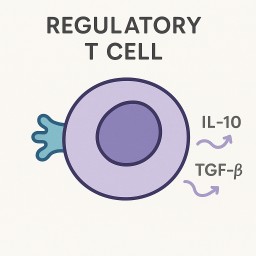
Regulatory T cells (Tregs) are a specialised group of white blood cells (lymphocytes) that act as the “brakes” of the immune system.
They prevent excessive inflammation and protect the body from overreacting to harmless particles such as dust, pollen, or Aspergillus spores.

Tregs work by releasing interleukin-10 (IL-10) and transforming growth factor-beta (TGF-β), two powerful calming signals that suppress over-active helper T cells (Th2 and Th17) and reduce allergic or inflammatory damage.


🦠 Aspergillus and the Immune System

Everyone inhales Aspergillus spores daily.
In healthy people, the immune system quickly clears them. But in individuals with asthma, allergies, or lung damage, the immune response can become unbalanced:

Form of Aspergillosis Main Immune Problem Treg Function
Allergic Bronchopulmonary Aspergillosis (ABPA) / Severe Asthma with Fungal Sensitisation (SAFS) The immune system over-reacts to Aspergillus allergens, causing inflammation, mucus plugging, and airway obstruction Too few or weak Tregs → loss of immune control
Chronic Pulmonary Aspergillosis (CPA) Ongoing fungal growth with persistent inflammation and fibrosis Excess local Treg activity may dampen antifungal defence
Invasive Aspergillosis (IA) Profound immune weakness (e.g., after chemotherapy, corticosteroids, or organ transplant) Tregs can further suppress protective antifungal responses

⚖️ The Delicate Balance

The immune system must balance acceleration and braking:

  • Too little Treg control → allergic inflammation and tissue damage.

  • Too much Treg control → poor antifungal clearance and chronic infection.

The ideal is immune equilibrium — strong enough to fight Aspergillus, but calm enough to prevent lung injury.


💊 Treatments That Influence Regulatory T Cells

Several therapies already used for aspergillosis or severe asthma may influence Treg activity:

Therapy Possible Effect on Tregs
Corticosteroids (e.g., prednisolone) Reduce inflammation and may increase IL-10-producing Tregs
Biologic therapies (omalizumab, mepolizumab, dupilumab) Indirectly restore Treg–Th2 balance by blocking overactive allergy pathways
Vitamin D supplementation Promotes stable and functional Tregs; deficiency linked with severe ABPA
Healthy gut microbiome (dietary fibre, probiotics) Gut–lung axis supports Treg generation via short-chain fatty acids
Low-dose interleukin-2 (IL-2) therapy (research stage) Expands Tregs selectively — now in early clinical trials for allergic and autoimmune disease

🔬 Current Research Directions

Researchers are studying:

  • Differences in Treg profiles between ABPA, SAFS, CPA, and healthy lungs

  • How biologic therapies and antifungal drugs affect the Treg–Th2–Th17 balance

  • Whether IL-2-based immune modulation could calm allergic flares without immunosuppression

  • The influence of the airway microbiome on lung Treg activity

These studies aim for personalised immune therapy, tailoring treatment to each patient’s immune pattern.


💬 Take-Home Message

Regulatory T cells are the peacekeepers of the immune system.
Their discovery — now honoured by the 2025 Nobel Prize — transformed our understanding of allergy, infection, and autoimmunity.

In aspergillosis, restoring Treg balance could one day:

  • Calm allergic inflammation in Allergic Bronchopulmonary Aspergillosis (ABPA)

  • Limit lung scarring and fibrosis in Chronic Pulmonary Aspergillosis (CPA)

  • Support better fungal control without harmful over-suppression

By understanding these immune “brakes,” researchers hope to keep both Aspergillus and the immune system under control — balanced, not overactive.


🔍 Aspergillosis: Recent Highlights & Key Publications October 2025 (Week 41)

Revised ISHAM-ABPA working group guidelines (2024)

  • Scope & criteria: Codifies ABPA diagnosis around mandatory Aspergillus sensitisation (specific IgE or SPT) plus total IgE ≥ 500 IU/mL, with supporting features (Aspergillus-specific IgG/precipitins, eosinophilia, imaging with central bronchiectasis/mucus plugging). Distinguishes ABPA vs. ABPM (other fungi) and sets clinical states (acute, response, exacerbation, remission).

  • Treatment pathways: For acute ABPA, permits oral corticosteroids or itraconazole as first-line; combination is reasonable in severe disease or frequent relapsers. Provides steroid-sparing strategies (itraconazole/voriconazole/posaconazole) and practical taper schedules.

  • Biologics & monitoring: Positions omalizumab/mepolizumab/dupilumab for recurrent/exacerbation-prone ABPA. Recommends multidimensional response criteria (symptoms, exacerbations, lung function, IgE kinetics, radiology) rather than IgE alone.

  • Paper (Eur Respir J) · PubMed · OA summary (PMC).

BTS Clinical Statement on Aspergillus-Related Chronic Lung Disease (2025)

  • Who it’s for: UK-focused guidance to help respiratory teams manage CPA, aspergilloma, chronic airway disease with Aspergillus, and allergic phenotypes in secondary care.

  • CPA approach: Emphasises radiology over time (HRCT), microbiology/Aspergillus-IgG, and exclusion of mimics (NTM, malignancy). Advises long-term azoles (with TDM & LFTs), and when to consider surgery (haemoptysis/aspergilloma).

  • Service model: Encourages early referral/MDT (radiology, mycology, thoracic surgery, interventional radiology), signposts NAC pathways, and sets pragmatic follow-up intervals (clinical, radiology, serology).

  • BTS page · News item · (access via Thorax from BTS page).

Consensus guidelines for invasive aspergillosis (ECMM/ISHAM CAPA; 2021)

  • Definitions: Introduces proven/probable/possible CAPA using clinical + mycological evidence (BAL/TA culture or PCR, GM thresholds, imaging).

  • ICU nuance: Acknowledges non-neutropenic ICU patients (COVID/influenza) can develop IA with atypical imaging and lower fungal burdens; endorses combined biomarker strategies (BAL GM/PCR ± serum GM).

  • Therapy: Positions voriconazole/isavuconazole as first-line; L-AmB where resistance or intolerance suspected. Flags early initiation on high suspicion to improve outcomes.

  • Paper (Lancet Infect Dis) · PubMed · ECMM guideline hub.

Epidemiology & Clinical Cohorts

Marseille 2-year retrospective cohort — CPA & ABPA insights (2025)

  • Design: Single-centre retrospective study applying ESCMID CPA criteria and modified ISHAM ABPA criteria to consecutive referrals.

  • Findings: High rate of diagnostic overlap (allergy + chronic infection features). Delays to diagnosis common, especially where IgG negative/indeterminate but GM/BAL/PCR positive.

  • Implication: Supports multimodal testing (serology, GM/PCR, serial imaging) and repeat sampling in indeterminate cases; highlights value of centre-based MDT.

  • PubMed · (preprint/alt copies if needed: SSRN/other listing, ResearchGate record).

Invasive aspergillosis in ICU settings (2025 review)

  • Epidemiology: IA increasingly reported in severe viral pneumonias (COVID, influenza); mortality ~40–50% depending on definition and antifungal timing.

  • Diagnostics: BAL GM outperforms serum GM in non-neutropenic ICU; PCR adds sensitivity but needs pre-test probability framing to avoid over-calling colonisation.

  • Care points: Advocate protocolised screening (e.g., twice-weekly BAL GM/PCR in high-risk ventilated patients) and earlier empiric therapy when criteria met.

  • Open access review (Frontiers, 2025) · (alt listing: ResearchGate record).

Review: Invasive aspergillosis — scope & new species (2024)

  • Landscape: Expands on non-fumigatus Aspergillus species, cryptic species with distinct susceptibility patterns, and emerging hosts (advanced COPD, cirrhosis, ICU).

  • Resistance: Summarises azole resistance mechanisms (cyp51A variants, TR34/L98H, TR46/Y121F/T289A) and notes environmental selection via triazole fungicides.

  • Practice: Reinforces susceptibility testing and situational use of L-AmB or isavuconazole where resistance is likely.

  • Review (ScienceDirect).

Diagnostics: Biomarkers, Molecular, Imaging & Novel Methods

GM antigen & Aspergillus IgG negative “escape” cases

  • Problem: In suspected CPA/airway disease, Aspergillus-IgG can be false-negative early or in immunomodulated hosts.

  • Finding: High GM titres (especially BAL) can help “rescue” such cases, prompting treatment or further invasive sampling.

  • Clinical use: In IgG-negative but high-suspicion scenarios, pair BAL GM + PCR and repeat serology; avoid reliance on single negative IgG.

  • OA study (2025) · PubMed. (See also general GM/BDG performance review: Medicine 2024).

Molecular diagnosis, qPCR & NGS advances (2025 review)

  • Performance: qPCR improves sensitivity vs culture/microscopy; specificity hinges on contamination control and clinical context.

  • Best practice: Combine qPCR with GM/BDG in high-risk patients; consider cycle thresholds and duplicate positivity to support true infection.

  • NGS: Useful for broad pathogen screens or resistant/cryptic species; needs standardisation and careful interpretation.

  • OA review (Front Cell Infect Microbiol, 2025). British Thoracic Society

Microscopy, GM, PCR comparative pilot (2025)

  • Design: Head-to-head assay comparison across serum/BAL/sputum against a composite clinical reference.

  • Takeaway: No single test is definitive; dual-modality (e.g., BAL GM + PCR) yields best balance. Microscopy remains specific but insensitive.

  • Study (ScienceDirect). ERS Publications

Emerging spectroscopy / imaging techniques (TERS)

  • What it is: Tip-enhanced Raman spectroscopy mapping conidial wall components (melanin, polysaccharides, proteins) at nanoscale.

  • Why it matters: Potential to differentiate strains or track resistance-linked wall changes; currently preclinical, not diagnostic.

  • AIP Applied Physics Letters (2025) · arXiv preprint.

Therapeutics, Resistance & New Drugs

Olorofim (F901318) — Phase IIb results (2025)

  • Population: Refractory invasive mould disease (including azole-resistant Aspergillus), many salvage scenarios.

  • Efficacy: Global response ~29% (D42) and ~27% (D84); when counting stable disease, success rises to ~75% (D42) and ~63% (D84).

  • Safety: Transaminase elevations ~10%, mostly reversible with dose interruption/adjustment; no treatment-related deaths reported.

  • Use case: Salvage/compassionate therapy where standard options fail or resistance limits choices; monitor LFTs and DDIs.

  • PubMed · Lancet Infect Dis abstract. (Trial record: NCT03583164).

Review of olorofim in aspergillosis

  • MoA: Inhibits dihydroorotate dehydrogenase (DHODH), blocking de novo pyrimidine synthesis (novel class, no cross-resistance with azoles/echnocandins/AmB).

  • Signals: Case series in azole-resistant disease (incl. CGD) report clinical/radiologic remission; combination strategies under study.

  • Caveats: Access via trials/managed access; need phase III data and resistance surveillance under use pressure.

  • epocrates.com

Pipeline and alternative antifungals

  • Fosmanogepix (Gwt1 inhibitor): Oral/IV; activity against Candida/Aspergillus; CNS penetration promising; phase II positive signals.

  • Rezafungin (long-acting echinocandin): Weekly IV dosing enables OPAT; emerging real-world data in invasive disease and step-down.

  • Ibrexafungerp (tricohalose class/β-glucan): Oral; Aspergillus data limited (better for Candida), but combinations explored.

  • New azoles (isavuconazole real-world/TDM): Use where voriconazole intolerance or QT issues exist.

  • (See contemporary reviews; real-world rezafungin data below.)

Rezafungin (real-world, 2025) — OPAT-friendly weekly echinocandin; emerging safety/utility data.

Azole resistance & clinical implications

  • Drivers: Agricultural triazoles select environmental cyp51A mutations; patients can acquire primary resistant strains.

  • Practice changes: Where resistance prevalence is ≥10%, consider empiric L-AmB or isavuconazole until susceptibility known; always request AFST when feasible.

  • Nature Communications 2024 · Review PubMed.

Therapeutic drug monitoring & combination strategies

  • TDM: Essential for voriconazole/posaconazole (target troughs, avoid toxicity). Isavuconazole TDM less routine, but consider in extremes.

  • Combinations: Azole + echinocandin in refractory disease or high burden IA; AmB-based combos when resistance suspected. Evidence heterogeneous—use in expert-guided salvage.

  • (Covered within recent IA/therapy reviews above.)

Immunology, Host Responses & Biologics

Immunopathogenesis review (2023)

  • Pathways: Th2-skewed responses drive ABPA/SAFS (IgE/eosinophilia); defects in phagocyte function (neutropenia, CGD, high-dose steroids) predispose to invasive disease.

  • Mediators: Roles for IFN-γ, IL-5/IL-13, mucus hypersecretion, and airway remodelling; supports biologic targeting in allergic phenotypes.

  • OA review (Front Immunol 2023).

Biologics in ABPA / severe asthma

  • When to use: Relapsing ABPA, frequent steroid bursts, or steroid toxicity despite azole therapy.

  • Agents & effects: Omalizumab (anti-IgE) reduces exacerbations/steroid need; mepolizumab/benralizumab (anti-IL-5/IL-5R) tackle eosinophilia; dupilumab (anti-IL-4Rα) addresses Th2 axis and mucus/plugging.

  • Integration: Keep antifungal therapy for fungal burden; use biologics to control inflammation/exacerbations and spare steroids; monitor IgE dynamics and radiology.

  • ISHAM ABPA paper · PubMed.

🌟 Biologics and the Future: A Toolkit for Severe Asthma, ABPA & Beyond

Many people with severe asthma or Allergic Bronchopulmonary Aspergillosis (ABPA) now have access to biologic medicines — treatments that block very specific signals in the immune system. For some, the results can feel miraculous. For others, the effect may fade or never fully take hold. But the exciting news is that science is building a toolkit of biologics that can be matched more closely to each person.


✨ Why biologics sometimes stop working

  • Biologics like tezepelumab (which blocks TSLP) can give dramatic improvements, but in some people the benefit doesn’t last.

  • That may be because the immune system “switches pathways” — other signals (like IL-5 or IL-13) start to dominate.

  • It doesn’t mean treatment is over — it means we need to try a different tool in the kit.


🧰 The current toolkit

Each biologic blocks a different “messenger” (called cytokines) in the immune system:

  • IgE blocker (omalizumab): helps in allergy-driven asthma/ABPA.

  • IL-5 / IL-5R blockers (mepolizumab, benralizumab, reslizumab, and soon depemokimab): reduce eosinophils (a type of white blood cell) that cause inflammation.

  • IL-4 / IL-13 blocker (dupilumab): controls type-2 inflammation, also helpful in eczema and nasal polyps.

  • TSLP blocker (tezepelumab): targets an “alarmin” high up in the pathway, useful across many asthma types.

  • IL-33 blockers (in development): another upstream “alarmin” that could help in the future.


🚀 What’s new and coming soon

  • Depemokimab: a long-acting IL-5 treatment, given only twice a year.

  • Inhaled anti-TSLP: same target as tezepelumab, but in inhaler form.

  • IL-33 blockers: still experimental, but promising because IL-33 is involved in fungal allergy and ABPA.


💡 What this means for ABPA

  • ABPA involves allergy (IgE), eosinophils (IL-5), and other signals like IL-33.

  • That’s why some patients respond to omalizumab, others to mepolizumab/benralizumab, others to dupilumab, and some to tezepelumab.

  • In the future, doctors may be able to choose the exact biologic (or even combination) that best matches your immune profile — just like targeted cancer treatments today.


🧩 The Biologic Toolkit (summary table)

Target Signal Biologics How it Helps Relevance to ABPA
IgE (allergy antibody) Omalizumab Calms allergic reactions Useful when IgE is high and fungus/allergy is a trigger
IL-5 / IL-5R (eosinophils) Mepolizumab, Benralizumab, Reslizumab, Depemokimab (6-monthly) Reduces eosinophils that damage lungs Helpful in many ABPA patients with high eosinophils
IL-4 / IL-13 (type-2 inflammation) Dupilumab Reduces mucus, inflammation, and steroid need Good in patients with eczema or nasal polyps alongside ABPA
TSLP (alarmin, upstream trigger) Tezepelumab, Inhaled anti-TSLP (in trials) Blocks an “early alarm” that activates many asthma pathways Early evidence: big improvements in some ABPA patients
IL-33 / ST2 (alarmin) Itepekimab, Astegolimab (in development) Switches off another early “danger signal” IL-33 is strongly linked to fungal allergy → promising for ABPA

🫁 COPD, Bronchiectasis & Mucus Plugging

  • COPD: Some biologics (like anti-IL-5) show benefit in patients with high eosinophils, and IL-33 blockers are being tested. Not yet routine NHS use.

  • Bronchiectasis: Biologics mainly help when asthma/ABPA overlap is present. Airway infections remain the bigger challenge.

  • Mucus plugging: Dupilumab can reduce mucus production. Other biologics may help indirectly, but airway clearance techniques remain essential.


💷 Why new medicines are expensive

  • Developing a new drug takes 10–15 years and can cost over £1 billion.

  • Most drugs fail — profits from a few successes must cover all the failures.

  • Patents give companies a period of exclusivity to recover costs, after which cheaper copies (generics or biosimilars) appear.


📊 Open market vs NHS

  • In the US (open market), companies set prices, and insurers or patients decide if they can pay → faster access, but very high costs and inequality.

  • In the UK (NHS), the system is funded by taxpayers. NICE weighs up cost vs benefit before approving drugs → slower access sometimes, but once approved, everyone gets it fairly.


🧬 Rare diseases and fungal infections

  • For rare diseases like ABPA and CPA, the market is too small to attract big pharma on profit alone.

  • Organisations like GAFFI (Global Action for Fungal Infections) and DNDi (Drugs for Neglected Diseases initiative) work with universities, charities, and governments to develop antifungals.

  • Examples:

    • Olorofim (F2G, UK biotech): a brand-new antifungal class, developed with public and charity support.

    • Rezafungin: a long-acting antifungal supported by government and public funding.

  • Without these partnership models, fungal drugs for ABPA/CPA would likely not exist.


🌈 The takeaway

  • Biologics are transforming treatment for asthma and ABPA — and new ones are coming.

  • If one biologic doesn’t work, others may.

  • COPD, bronchiectasis, and mucus plugging may also benefit in future.

  • New drugs are costly to develop, but the NHS negotiates to keep access fair.

  • For rare diseases like ABPA/CPA, partnerships and advocacy are crucial to get new drugs developed at all.


📖 Glossary of Acronyms

ABPAAllergic Bronchopulmonary Aspergillosis
A lung condition caused by allergy to Aspergillus fungus, leading to inflammation, mucus plugging, and lung damage.

CPAChronic Pulmonary Aspergillosis
A long-term lung infection with Aspergillus fungus, usually in people with existing lung disease.

COPDChronic Obstructive Pulmonary Disease
A group of lung conditions (like chronic bronchitis and emphysema) that cause breathing difficulties.

NHSNational Health Service
The publicly funded healthcare system in the UK.

NICENational Institute for Health and Care Excellence
The body that decides which treatments the NHS should fund, based on cost and benefit.

QALYQuality-Adjusted Life Year
A way of measuring the benefit of a treatment: how much it improves both the length and quality of life.

ILInterleukin
A type of messenger protein (cytokine) used by the immune system to trigger inflammation. Different ILs have numbers (IL-4, IL-5, IL-13, IL-33).

IgEImmunoglobulin E
An antibody linked to allergies. Very high IgE levels are common in asthma and ABPA.

TSLPThymic Stromal Lymphopoietin
An “alarmin” (early danger signal) that tells the immune system to start reacting. Blocked by tezepelumab.

ST2Suppression of Tumorigenicity 2
The receptor for IL-33. Drugs like astegolimab block this pathway.

GAFFIGlobal Action For Fungal Infections
A non-profit organisation pushing for better care, awareness, and research into fungal disease.

DNDiDrugs for Neglected Diseases initiative
An international group that develops treatments for rare or overlooked diseases (including fungal infections).

EAMSEarly Access to Medicines Scheme
A UK programme that allows patients to use promising medicines before full approval.

FDA / EMA / MHRAFood and Drug Administration (US) / European Medicines Agency (EU) / Medicines and Healthcare products Regulatory Agency (UK)
The agencies that approve and regulate medicines.


Mast Cell Activation Syndrome (MCAS), Mastocytosis, and Aspergillosis: What Patients Need to Know

What is MCAS?

Mast cells are immune cells that release chemicals like histamine to fight infection and respond to allergens. In Mast Cell Activation Syndrome (MCAS), mast cells release their chemicals too easily or too often.

This can cause a wide range of allergy-like symptoms, including:

  • Flushing, itching, hives

  • Wheezing or chest tightness

  • Abdominal pain, diarrhoea, nausea

  • Drop in blood pressure, dizziness, “anaphylaxis-like” episodes

  • Fatigue and brain fog

Unlike systemic mastocytosis (see below), in MCAS the number of mast cells is normal — they are just overactive.


What is Mastocytosis?

Mastocytosis is a rare disease where the body makes too many mast cells, which then build up in the skin, bone marrow, or other organs.

  • Symptoms can include skin spots (urticaria pigmentosa), itching, flushing, abdominal pain, or even severe allergic reactions.

  • It is usually diagnosed with a bone marrow biopsy, persistently raised tryptase levels, and sometimes genetic testing (KIT mutations).

  • It is much rarer than MCAS — affecting perhaps 1 in 10,000–20,000 people.

  • Unlike MCAS, it is well-recognised by the NHS and has clearer diagnostic criteria.

👉 Key difference:

  • Mastocytosis = too many mast cells (rare, testable, well-defined).

  • MCAS = mast cells behaving abnormally (more common, debated, less defined).


Why is MCAS controversial?

The problem is not whether patients are unwell — their symptoms are very real. The debate is about diagnosis:

  • No gold-standard test: mast cell markers (tryptase, histamine, prostaglandins) fluctuate, so results may be normal between flares.

  • Overlapping symptoms: MCAS can look like asthma, ABPA, IBS, coeliac disease, POTS, autoimmune disease, or anxiety.

  • Different acceptance worldwide: in the US and Germany, MCAS is more widely recognised; in the NHS, it is rarely diagnosed formally.

  • Risk of mislabelling: some doctors fear that calling everything “MCAS” could delay other correct diagnoses.


MCAS is still being debated and developed

It is important to understand that MCAS is a work in progress:

  • International allergy bodies (AAAAI, EAACI, WAO) are actively developing clearer diagnostic criteria.

  • Research is ongoing into more reliable biomarkers (tryptase, histamine metabolites, prostaglandin D2) and genetic links.

  • Different schools of thought: some specialists see MCAS as common and under-recognised, others worry about overdiagnosis.

  • NHS position: the UK is cautious, waiting for stronger evidence before making MCAS a routine diagnosis.

  • Future direction: most experts expect MCAS will eventually be better defined, possibly with subtypes (allergic, autoimmune, idiopathic), clearer tests, and tailored treatments such as biologics.

👉 For now, patients should know: MCAS is real for many, but it remains under scientific development, which is why experiences differ depending on which doctor you see.


MCAS and Aspergillosis – is there a link?

There is no proven direct link between MCAS and aspergillosis, but there are overlaps:

  • In Allergic Bronchopulmonary Aspergillosis (ABPA), mast cells release histamine and other mediators in response to Aspergillus spores — very similar to MCAS.

  • In Chronic Pulmonary Aspergillosis (CPA), mast cells are found in lung tissue, but their role isn’t well understood.

  • Both conditions can cause wheeze, fatigue, breathlessness, and allergic-type symptoms, though for different reasons.

Some specialists suggest patients with very sensitive mast cells may react more strongly to fungal exposure. Conversely, chronic fungal inflammation may “prime” mast cells to overreact.


Why careful diagnosis matters

It’s possible to see a patient who looks like they have MCAS but actually responds to another diagnosis and treatment:

  • Asthma/ABPA → inhaled steroids, biologics, antifungals

  • POTS → fluids, salt, and blood-pressure medicines

  • Coeliac disease/IBS → dietary management

  • Autoimmune disease → immunosuppressants

This is why doctors are cautious: assuming MCAS too quickly could delay the right treatment.


What the future may hold

  • Better definitions: international allergy societies are working on clearer criteria to separate MCAS from other conditions.

  • More research: scientists are studying mast cell biology, genetics, and biomarkers.

  • Improved treatments: antihistamines, mast cell stabilisers, and leukotriene blockers are already used; biologics (like omalizumab or dupilumab) are being studied.

  • Greater NHS recognition: if stronger evidence emerges, MCAS is more likely to be formally recognised in the UK.


Differences between countries

  • In the US and Germany, MCAS is more widely recognised, and patients may find it easier to get the label and access to mast-cell–targeted treatments (antihistamines, leukotriene blockers, mast cell stabilisers, biologics in some cases).

  • In the UK/NHS, doctors are much more cautious and rarely use “MCAS” as a formal diagnosis, even when symptoms fit. Treatment is often offered pragmatically, without the label.

  • Does this mean outcomes are better in the US/Germany?

    • There is no strong evidence yet that patients in those countries do better long-term just because they get the MCAS diagnosis.

    • What’s different is mostly access to recognition and treatment, not proven improvements in quality of life compared with the UK.

    • Ongoing research is needed to show whether having the diagnosis itself improves patient outcomes.


Key take-home message for aspergillosis patients

  • MCAS is real for patients, but controversial in medicine. The debate is about safe diagnosis, not whether people are genuinely unwell.

  • Mastocytosis is different: it is rare, clearly defined, and testable — whereas MCAS is more common but less well recognised.

  • Aspergillosis overlaps with MCAS because both involve mast cell activity and histamine release, especially in ABPA.

  • Different countries handle it differently: US/Germany diagnose it more often, the UK is cautious — but there is no clear proof yet that outcomes are better where it’s recognised more widely.

  • The most important thing is to get a careful, accurate diagnosis, so the right treatment can be given — whether that turns out to be MCAS, asthma, ABPA, or another condition.


👉 In short: Mastocytosis is rare and well-defined. MCAS is more common but debated. Both share features with aspergillosis, especially ABPA. MCAS is still being researched and developed, and while some countries recognise it more widely, there’s no solid evidence yet that this leads to better outcomes than the cautious UK approach.


National Aspergillosis Centre Video Recordings

NAC Monthly Patient Meetings

The NAC monthly patient meetings provide a friendly, supportive, and informative space for anyone living with aspergillosis or related conditions. Hosted by the National Aspergillosis Centre (NAC), these sessions bring together patients, carers, and healthcare professionals to:

  • share personal experiences

  • ask questions in a safe environment

  • hear the latest updates on treatments, research, and self-care strategies

🎥 Watch past sessions
Our YouTube channel now has 87 recordings, covering everything from expert talks to personal patient stories. Whatever your stage in the journey — newly diagnosed or managing your condition for years — you’ll find something helpful and relatable.

👉 Browse all recordings here


Recent Highlights

  • September — Explored how Artificial Intelligence can support patients in finding trustworthy information. We also answered community questions about biologic medications, looking at what research tells us about their long-term effectiveness in asthma and ABPA.

  • August — Focused on new biologics for severe asthma, discussing why they don’t always work for everyone, and why some patients see benefits fade over time.

  • July — Shared updates from the British Thoracic Society meeting in Manchester, plus further insights into what the future may hold for biologic treatments.


💡 Whether you want practical advice, the latest medical updates, or simply the chance to connect with others who truly understand your journey, the NAC monthly meetings are here for you.


Brensocatib for Aspergillosis Patients: A New Approach to Managing Bronchiectasis and Inflammation

Brensocatib is a promising investigational medication currently under evaluation for the treatment of non-cystic fibrosis bronchiectasis (NCFBE) and other neutrophil-driven diseases, including conditions related to Aspergillus infections like aspergillosis. This article explores how brensocatib may benefit patients with aspergillosis, particularly those dealing with bronchiectasis and other complications that arise from chronic Aspergillus infections.

Note that brensocatib is NOT a cure for bronchiectasis or aspergillosis.

What is Brensocatib?

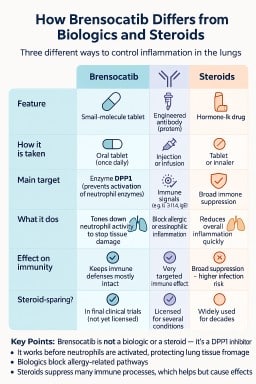
Brensocatib is an oral Dipeptidyl Peptidase 1 (DPP-1) inhibitor, a new class of drugs that targets neutrophil serine proteases, which are enzymes involved in the inflammation and tissue damage seen in chronic respiratory diseases. By inhibiting DPP-1, brensocatib reduces the activation of these destructive enzymes, leading to less inflammation and potentially slowing disease progression.

In clinical trials, brensocatib has shown significant promise in reducing the frequency of pulmonary exacerbations and slowing the decline in lung function for patients with bronchiectasis. This makes it an intriguing treatment option for individuals with Aspergillus-related diseases like chronic pulmonary aspergillosis (CPA), allergic bronchopulmonary aspergillosis (ABPA), and other forms of aspergillosis.

How Brensocatib May Benefit Aspergillosis Patients

1. Impact on Bronchiectasis in Aspergillosis

For many aspergillosis patients, bronchiectasis—a condition characterized by the permanent dilation of the bronchi—is a significant complication. In ABPA and CPA, Aspergillus infection contributes to chronic inflammation in the lungs, which can lead to bronchial damage and bronchiectasis. This increases the risk of frequent exacerbations and lung function decline.

Brensocatib works by reducing neutrophil-driven inflammation in the lungs, which could help prevent further lung damage and progression of bronchiectasis. By reducing inflammation and improving airway function, brensocatib may offer significant benefits for aspergillosis patients with bronchiectasis or chronic lung damage from fungal infections.

2. Reducing Pulmonary Exacerbations

One of the key benefits of brensocatib is its ability to reduce exacerbations, which are common in both ABPA and CPA. These flare-ups can lead to increased inflammation, infection, and lung tissue damage, further complicating the disease. The ASPEN trial (Phase 3 study) demonstrated that brensocatib significantly reduced the annualized rate of pulmonary exacerbations in patients with non-cystic fibrosis bronchiectasis. This benefit may extend to patients with aspergillosis, as frequent exacerbations can worsen lung function and overall health.

3. Slowing the Decline in Lung Function

Brensocatib also helps slow the decline in lung function, which is crucial for aspergillosis patients whose lung health may already be compromised by the infection. In chronic pulmonary aspergillosis (CPA), lung function decline can be progressive and irreversible without effective management. By reducing inflammation and exacerbations, brensocatib may help stabilize lung function and improve long-term outcomes for these patients.

4. Managing Chronic Inflammation in ABPA and CPA

Both ABPA and CPA are characterized by chronic inflammation in the airways. Brensocatib targets the underlying cause of much of this inflammation—neutrophil serine proteases—by inhibiting their activation. This could help reduce the chronic inflammation that causes damage to the airways and makes symptoms like cough, wheezing, and mucus production worse. For patients with aspergillosis and related respiratory complications, controlling this inflammation is key to managing symptoms and improving quality of life.

Clinical Evidence Supporting Brensocatib

The ASPEN trial, which included patients with bronchiectasis, demonstrated that brensocatib not only reduced exacerbations but also slowed the progression of lung function decline, as measured by forced expiratory volume in one second (FEV₁). Patients on brensocatib had a higher proportion of exacerbation-free days and better overall lung function than those on a placebo.

Although this trial did not focus solely on aspergillosis, its positive results suggest that brensocatib could be a valuable option for managing the lung damage and inflammation caused by Aspergillus infections, particularly in patients who have developed bronchiectasis as a result of the infection.

Safety and Side Effects

Like any medication, brensocatib can have side effects. The most common side effects observed in clinical trials included:

  • Hyperkeratosis (thickening of the skin)

  • Periodontal issues (such as gum inflammation)

  • Headache

  • Cough

  • Nasopharyngitis (inflammation of the nasal passages)

These side effects were generally mild to moderate. As brensocatib is still being evaluated for regulatory approval, ongoing monitoring and further clinical studies will help clarify its long-term safety profile.

Regulatory Status

Brensocatib has received FDA Priority Review for the treatment of non-cystic fibrosis bronchiectasis, and a decision is expected by August 12, 2025. If approved, it could become the first FDA-approved treatment for bronchiectasis and the first DPP-1 inhibitor for neutrophil-driven diseases. In the UK, Insmed, the manufacturer of brensocatib, has submitted a marketing authorization application to the MHRA. Pending approval, brensocatib could be available to patients in the UK by late 2025 or early 2026.

Conclusion

For aspergillosis patients, particularly those with bronchiectasis and chronic inflammation, brensocatib represents an exciting new treatment option. By targeting neutrophil-driven inflammation, reducing exacerbations, and slowing the decline in lung function, brensocatib offers hope for managing the long-term complications of Aspergillus infections. While it is still undergoing regulatory review, the clinical evidence supporting its efficacy suggests that it could become a valuable addition to the treatment arsenal for patients with aspergillosis.


Debate: Gender Bias in Science and Clinical Trials & Why It Matters to Patients

Introduction: A History of Exclusion For decades, medical research and clinical trials were built around a default male body. Women were routinely excluded from studies out of concern for hormonal variation, pregnancy risks, or assumptions that female responses would mirror male ones. The consequences? Misdiagnoses, incorrect dosing, side effects overlooked in women, and entire conditions dismissed as psychological.

This pattern of systemic gender bias has had real-life consequences for millions of women, especially those living with chronic or misunderstood illnesses like ME/CFS (Myalgic Encephalomyelitis/Chronic Fatigue Syndrome), long COVID, autoimmune diseases — and potentially, aspergillosis.


Section 1: Real Consequences of Exclusion

Why Gender Bias Matters in Asthma and Aspergillosis
Both asthma and aspergillosis are diseases where gender can influence immune response, disease progression, and side effects of treatment. Women are more likely to develop certain asthma subtypes (e.g., late-onset eosinophilic asthma), which overlap with allergic fungal conditions like ABPA. They may also experience more frequent exacerbations and are more vulnerable to long-term steroid side effects such as adrenal insufficiency and bone loss. Despite this, sex-specific analysis is rare in fungal disease trials, and asthma research has only recently begun to explore these differences.

Is Gender Relevant in Aspergillosis? While aspergillosis affects people of all sexes, some patterns suggest potential sex differences in prevalence, diagnosis, immune response, and treatment side effects:

  • Chronic Pulmonary Aspergillosis (CPA) appears more common in men, especially in post-TB or COPD populations, but women may experience more severe fatigue or be underdiagnosed.
  • In ABPA (Allergic Bronchopulmonary Aspergillosis), hormonal differences may influence disease severity, and women often report more exacerbations or sensitivity to long-term steroid treatment.
  • Invasive aspergillosis is less well studied for sex differences, though some research in animal models suggests hormonal influences on fungal immunity.
  • Women may also be more vulnerable to side effects of antifungals and corticosteroids, such as adrenal suppression, hearing loss, or osteoporosis.

Despite these observations, most clinical studies do not stratify by sex or explore gender-specific differences, leaving important questions unanswered.

A Message to Women Living with Aspergillosis
If you're reading this as a woman affected by aspergillosis, please don’t feel discouraged. While we highlight gaps in past research, the goal is to push for better inclusion, not to suggest you're being overlooked in care. You are not alone. Clinicians are becoming more aware of these issues, and researchers — especially in the UK — are actively working to close the gender gap. Patient groups and specialist centres like the NAC are also strong advocates for fair, personalised treatment. Your voice matters, and being informed is a powerful step in making future care better for everyone.

Clinical trials that exclude or underrepresent women have led to:

  • Drugs that stay longer in women's bodies (e.g., Zolpidem) causing next-day drowsiness and driving risk
  • Heart medications being under-prescribed to women, because early trials only studied men
  • Misunderstanding of how autoimmune diseases develop and respond to treatment
  • Failure to understand symptoms unique to women, such as how heart attacks present differently

Historically, women were also more likely to have their physical symptoms dismissed as anxiety or "hysteria." ME/CFS, a condition affecting mostly women, was dismissed for decades as psychological. When patients with ME later caught COVID-19, many were again left behind as new post-viral syndromes took priority.

For patients with aspergillosis, particularly chronic forms like CPA or ABPA, the relevance is clear. These conditions are under-researched and under-recognised, and early studies may not fully reflect how they impact women. Steroid-related side effects like osteoporosis, adrenal suppression, and hearing loss may differ by sex — yet sex-stratified data is rarely available.


Section 2: Has Anything Changed?

Yes. In the UK, the National Institute for Health and Care Research (NIHR) and the Medical Research Council (MRC) have taken steps to improve inclusion:

  • NIHR-funded studies are expected to include representative populations and report on diversity
  • UK Research and Innovation (UKRI) promotes equality in trial design, including sex and gender analysis
  • The DecodeME study (the world’s largest ME/CFS genetics study, based in the UK) is actively engaging with female participants

But gaps remain — especially in rare diseases, chronic illnesses, and reproductive health. For fungal disease and aspergillosis specifically, many trials still do not analyse sex-specific outcomes, despite women forming a significant proportion of the affected population.


Section 3: Are Women Now Being Protected Too Much? Some worry that extra precautions — like excluding women from early-phase trials — may backfire:

  • Delaying access to life-changing drugs
  • Forcing women to wait until post-marketing surveillance to be included
  • Excluding pregnant and breastfeeding women entirely, even when they are at high risk (e.g., in pandemics)

This creates a paradox: either women are harmed by being ignored, or excluded "for their safety."

The solution is not to avoid studying women — but to design smarter, safer, inclusive trials from the beginning.


Section 4: Will We Need Two Trials — One for Men, One for Women? This concern is understandable. Stratifying data by sex, running subgroup analyses, and including both pre- and post-menopausal women does cost more.

But it's not about running two separate trials. It's about:

  • Recruiting balanced numbers of men and women
  • Analysing sex-specific outcomes from one trial
  • Designing adaptive trials or pooled data studies

Neglecting sex differences costs more in the long run — through failed drugs, recalls, and harm to patients.


Section 5: Positive Examples of Progress

  • UK heart disease research now includes female-specific risk factors and symptom profiles in NICE guidance
  • Autoimmune research increasingly uses female animal models and stratifies analysis by sex
  • Endometriosis, menopause, and menstrual health are finally getting targeted research funding in the UK
  • DecodeME is helping uncover the genetic basis of ME/CFS with full inclusion of women
  • Long COVID clinics in the NHS are building on lessons from women-led ME/CFS research
  • New studies on asthma and fungal allergy (e.g., ABPA) are beginning to explore hormonal and immunological factors that may differ by sex

Section 6: Where Patients Fit In Patients have led many of these changes:

  • Women with ME, long COVID, POTS, or fibromyalgia have insisted their experiences are real
  • Advocacy groups in the UK (e.g. Action for M.E., LongCovidSOS, National Aspergillosis Centre support groups) have pushed for sex-specific research
  • Patient-led data collection and patient involvement in trial design are now expected in NIHR-funded studies
  • In rare fungal diseases like CPA, SAFS, and ABPA, patients can support research by contributing to trials that welcome women and report on sex-specific outcomes

Conclusion: A Call to Patients This isn’t just a scientific issue — it’s a patient rights issue. Without full inclusion of women in research, we can't expect safe, effective, and equitable treatments.

Ask questions. Share your stories. Advocate for better science. And when possible, participate in trials that commit to transparency and inclusivity.

For patients with aspergillosis, the message is clear: We need sex-aware, inclusive research to understand this complex disease in all its forms — and that means including and reporting on women properly.

Medicine must work for everyone — not just the default male.


💬 What Would Help You Consider Taking Part in a Clinical Trial?

As part of the aspergillosis community — whether you're a patient, carer, or supporter — your voice matters. We’d like to ask:

What would make you feel more confident or willing to consider taking part in a clinical trial?

We’re not asking you to sign up.
We’re asking you to help us understand what matters — so we can make trials feel safer, clearer, and more patient-friendly for everyone.


🧠 We Understand the Hesitations

Over the years, we’ve heard a range of understandable concerns:

  • “Will I be safe?”

  • “Will this interfere with my current treatment?”

  • “What if it’s a waste of time?”

  • “I don’t want to be pressured or used.”

Some of this worry comes from the way trials have been presented in the past, or from media coverage about vaccines or experimental drugs. And we get it — it’s not easy to agree to something unknown, especially when your health is already fragile.


🧭 But Trials Can’t Happen Without You — and in Aspergillosis, It’s Especially Difficult

The reality is:

It’s harder than ever to find people willing to take part in clinical trials.

And for a condition like aspergillosis, that challenge is even greater.

Why?

  • It’s a rare condition, so there are fewer eligible patients

  • It’s a complex condition, often involving other lung diseases, steroid use, or immunosuppression

  • People living with aspergillosis often deal with unpredictable flare-ups, fatigue, or long-term medication side effects, which can make the idea of extra appointments or uncertainty even harder

Even when promising new treatments (like biologics or inhaled antifungals) are ready to be tested, many trials can’t go ahead — or finish — because not enough people can or are willing to volunteer.

This means slower progress, longer waits for new treatment options, and missed opportunities for care to improve.


🙏 So We’re Asking You:

If you’ve ever taken part in a trial — what helped you say yes?

If you haven’t — what would you need in order to even consider it?

Would it help to:

  • Know more about your rights and safety?

  • Speak to someone who’s done it before?

  • Read a simple explanation of what the trial involves?

  • Have the option to talk it through without pressure?

Whatever your answer — it matters.


💡 Would a "Patients for Clinical Trials" Page on Aspergillosis.org Help?

We’re thinking of creating a page that would:

  • Explain what clinical trials are (and aren’t) — in plain English

  • Share real stories from patients who’ve taken part

  • Offer clear information about trial opportunities — without pressure

  • Answer your most common questions honestly

  • Give you a place to register interest or ask questions — even anonymously

Would something like that make a difference for you?
What would it need to include to feel useful, safe, and respectful?


💬 Help Us Get This Right

We’re not asking you to sign up.
We’re asking for your input.

Because the biggest thing holding back better treatment for aspergillosis is not the science — it’s how hard it is to find people willing or able to take part.

That’s no one’s fault. But we’d like your help to improve it.

You can reply in the support group, message us privately, or fill out an anonymous form (coming soon).


🧩 Together, We Can Make Trials More Patient-Centred

Your feedback could:

  • Help new patients feel less afraid

  • Improve how trials are explained

  • Make the process more flexible, respectful, and supportive

Because better treatments for aspergillosis start with listening — and they start with you.

Click here to add your comments or suggestions