📘 Managing IgE Levels in ABPA: What Happens After Treatment?
If you have ABPA (Allergic Bronchopulmonary Aspergillosis), you’ve likely been told your IgE levels are high. Many patients ask:
“Once my IgE goes down with treatment, how do I keep it down without staying on steroids or antifungals forever?”
This guide explains why IgE is important, how it’s treated, and what long-term steps you can take to stay well.
🧪 What is IgE and Why Is It High in ABPA?
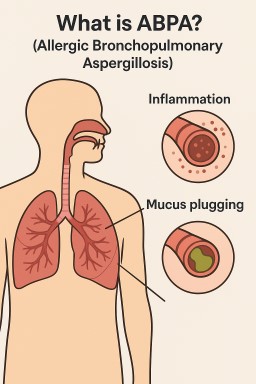
IgE (Immunoglobulin E) is an antibody your immune system makes in response to allergens. In ABPA, your immune system overreacts to Aspergillus, a common fungus, causing inflammation in the lungs. This leads to:
-
High total IgE levels (often over 1,000–10,000 IU/mL)
-
Symptoms like coughing, wheezing, and mucus plugs
-
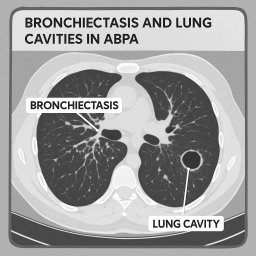
Lung changes on scans, if untreated
🎯 Treatment Goals
Treatment aims to:
-
Lower inflammation
-
Reduce the fungal burden
-
Bring IgE levels down (a marker that your inflammation is settling)
-
Prevent long-term lung damage
You might be treated with:
-
Oral steroids (e.g. prednisolone)
-
Antifungal tablets (e.g. itraconazole or voriconazole)
These medications help bring IgE levels down, sometimes dramatically. But they can’t usually be taken forever — long-term use may cause side effects.
🔄 After IgE Drops – What Next?
Even after successful treatment, ABPA can flare up again. So the key questions become:
How do we keep IgE low?
How do we prevent future flare-ups?
🧭 Long-Term Management Options
1. Close Monitoring
-
IgE is checked every 2–6 months
-
Doctors look for a doubling in IgE — this can mean a flare is starting
-
Regular chest scans and lung function tests are also used to spot changes early
2. Tapering Medication
-
Steroids are slowly reduced, not stopped suddenly
-
Your doctor will watch for any return of symptoms or rise in IgE
3. Biologic Treatments
Some newer medications can help long-term, especially if you:
-
Have frequent flare-ups
-
Can’t reduce steroids safely
-
Have asthma or eosinophilic inflammation
These include:
-
Omalizumab (anti-IgE antibody)
-
Mepolizumab / Benralizumab (target eosinophils)
-
Dupilumab (blocks part of the allergy pathway)
Biologics are usually injections given every 2–4 weeks, and can help reduce relapses and steroid need.
🏡 Lifestyle & Environmental Tips
Reducing your exposure to Aspergillus can help keep IgE from rising again.
🔹 Avoid:
-
Damp or moldy areas
-
Compost, rotting leaves, hay, or soil dust
-
Rooms with poor ventilation
🔹 Use:
-
Ventilate your home well (eg open windows/extractor fans)
-
A HEPA-filter air purifier at home
-
An FFP2/FFP3 mask when doing dusty activities (gardening, cleaning mold)
🥗 Eat for Immune Support:
-
Anti-inflammatory foods (vegetables, oily fish, berries)
-
Reduce sugar (high sugar may promote inflammation)
-
Stay well hydrated
-
Ask your doctor about vitamin D — it may help regulate immunity
📅 Follow-up Schedule (General examples, yours may differ)
| Time Since Treatment | What to Expect |
|---|---|
| 1–3 months | Blood tests (IgE, eosinophils), lung check |
| 3–6 months | Check for symptoms, possibly repeat IgE |
| 6–12 months | CT scan or lung function, if needed |
| After 1 year | Stable patients may have annual reviews |
Let your team know if any symptoms return — even if your last IgE result was stable.
🧠 Final Thoughts
-
You may always have “elevated” IgE compared to someone without ABPA — that’s okay. The goal is stability, not “zero IgE”.
-
Many patients live well with ABPA for years by learning to manage flare-ups early and avoiding fungal exposure.
-
Ask your clinic about your personal IgE pattern — some people flare with small changes; others don’t.
-
Support groups and educational resources (like aspergillosis.org) can help you stay informed and confident.
📩 Have questions for your team?
Bring these up at your next appointment:
-
Can I reduce my medication safely?
-
Could I benefit from a biologic?
-
How often should I check my IgE?
-
How can I reduce exposure at home?
🏠 NICE Guidance on Damp and Mould (NG149) — Simple Summary
1. Health Risks
-
Damp and mould produce spores and irritants that can trigger or worsen respiratory and heart conditions, including asthma, bronchitis, and fungal infections, like aspergillosis Link
-
They can also affect skin, eyes, and mental wellbeing, especially in vulnerable people such as those with asthma, COPD, babies, pregnant women, and older adults .
2. When Health Issues Worsen
If you experience repeated cough, wheeze, or other breathing issues — and your home has damp or mould — health professionals are advised to:
-
Ask about your home conditions
-
Help you arrange a housing assessment by the council Link
3. Landlord and Council Responsibilities
Landlords and councils should:
-
Act quickly and sensitively when damp or mould is reported — medical proof is not required Link
-
Identify and fix the root cause (e.g., faulty guttering leading to mould) — not just clean it off Link.
-
Keep clear records, follow up after repairs, and inspect properties periodically to prevent recurrence Link
4. Tenant Health Priority
Homes with serious damp and mould are classed as Category 1 hazards under UK housing law, meaning they pose an immediate health risk. Councils must act — they can enforce repairs, impose notices, or carry out work themselves Link.
5. How You Can Use This with Your Council
-
Point to NICE NG149 guidance to emphasise that damp and mould are a legal and health priority.
-
Remind them that action must be urgent, especially for people with lung conditions.
-
Ask them to identify and fix the cause, not just scrub the mould — like ensuring guttering is repaired and mould-prone areas are treated and dried.
-
Ask for a follow-up inspection to confirm the problem is resolved.
📩 Suggested Wording to Share with Your Council
“According to NICE guidance (NG149), damp and mould in homes are considered serious health hazards — especially for people with lung conditions like aspergillosis. Councils and landlords must act quickly to fix the root cause, not just remove visible mould. These guidelines recognise that even without medical proof, urgent action is required to protect tenants’ health.”
🏥 Can a GP Refer You Directly to the National Aspergillosis Centre (UK)?
❌ Unfortunately, no — not directly.
The NAC is a tertiary referral centre, meaning that:
-
Referrals must come from a hospital consultant (usually a respiratory or infectious diseases specialist)
-
The NAC cannot accept direct referrals from GPs or from patients themselves
This is due to NHS policy and service structure — not because they don’t want to help.
✅ What Your GP Can Do:
Even though they can’t refer you directly, your GP can advocate on your behalf and help move things forward by:
-
Writing to your current hospital consultant to request:
-
A second opinion from NAC
-
Transfer of care or joint management with NAC
-
Review of your images, sputum results, and previous history
-
-
If your current hospital won’t cooperate, your GP can:
-
Refer you to a different respiratory consultant (at another hospital if needed)
-
Ask that this new consultant considers NAC referral
-
-
If your case involves rare, persistent, or poorly controlled lung disease with suspected Aspergillus involvement, the NAC is usually happy to review — but only after that consultant request is made.
📂 What to Send (via the consultant)
Your hospital team (at your GP’s request) should ideally send:
-
Latest CT scans and chest X-rays
-
Sputum culture results
-
Total and specific IgE / Aspergillus IgG
-
A clear clinical history summary
-
Any previous diagnosis letters or clinic notes
🗣️ If You’re Still Not Getting Help
If your current consultants won’t help and your GP is willing, you might also:
-
Ask your GP to refer you to a private respiratory specialist (for one appointment only) who may agree to refer you to NAC from there.
-
Or contact your local Patient Advice and Liaison Service (PALS) to escalate the block in access.
💬 Suggested Wording for Your GP:
“I’ve had long-standing respiratory symptoms with suspected Aspergillus involvement and limited progress under my current hospital team. I understand referral to the National Aspergillosis Centre requires a hospital consultant, but would you be willing to request that my current team (or an alternative respiratory consultant) considers this referral on my behalf?”
💡 Summary:
-
❌ GPs cannot refer you directly to NAC
-
✅ Your GP can request your hospital consultant do it — and advocate for you
-
🛑 If you're being blocked, ask to be referred to another consultant who may be more open to referring to NAC
🏥 Surgery in Patients with ABPA or CPA: Can It Worsen Symptoms, and Should It Proceed?
Patients with Aspergillus-related lung diseases, such as Allergic Bronchopulmonary Aspergillosis (ABPA) and Chronic Pulmonary Aspergillosis (CPA), sometimes report worsened symptoms after undergoing surgery under general anaesthetic. While this is a recognised clinical pattern, it does not mean surgery should be avoided. Instead, it requires preparation and close perioperative management to reduce risk.
🔍 Can Surgery Worsen Aspergillosis Symptoms?
Yes — and here's why:
✳️ 1. Airway Irritation from Intubation
-
Endotracheal tubes can irritate airways already inflamed by ABPA or structurally altered by CPA.
-
Mechanical ventilation can impair mucus clearance and exacerbate cough or infection.
✳️ 2. Postoperative Immunosuppression
-
Surgery temporarily suppresses immune function.
-
Perioperative corticosteroids or stress-induced immune suppression can permit fungal flare-ups or reactivation.
✳️ 3. Impaired Mucus Clearance
-
Pain, immobility, and sedation reduce the patient’s ability to cough and clear secretions.
-
In CPA or ABPA, this can lead to plugging, fungal regrowth, or secondary bacterial infection.
✳️ 4. Drug Interactions
-
Azole antifungals (e.g. itraconazole, posaconazole) interact with many anaesthetics, opioids, and steroids.
-
These interactions can alter drug levels, reduce antifungal efficacy, or increase toxicity risk.
✳️ 5. Stress and Inflammation
-
Surgical stress may worsen the inflammatory or allergic component of ABPA.
-
CPA-related cavities may bleed or become re-infected post-op.
✅ Should Surgery Still Go Ahead?
Yes — surgery can and often should proceed when it is medically indicated.
Delaying needed procedures (e.g. for cancer, fractures, or pain relief) can lead to worse outcomes than the potential risks related to aspergillosis.
🛡️ Recommended Precautions
🔷 Pre-Operative Planning
-
Ensure all care teams are aware of the diagnosis.
-
Review lung imaging, baseline oxygenation, and current antifungal/steroid regimens.
-
Arrange for pre-op airway clearance if sputum is a concern.
🔷 Antifungal Management
-
Continue antifungal therapy through the perioperative period.
-
Use IV formulations if oral administration isn’t possible.
-
Check for drug interactions with anaesthetic or post-op medications.
🔷 Steroid Cover (ABPA and CPA on steroids)
-
Patients on chronic steroids may need perioperative hydrocortisone supplementation (adrenal cover).
-
Apply “sick day rules” or use the patient’s adrenal insufficiency plan, if applicable.
🔷 Post-Op Monitoring
Watch for:
-
Worsening cough, breathlessness, or sputum
-
Fever or signs of secondary infection
-
Raised IgE (in ABPA) or haemoptysis (in CPA)
-
Any signs of antifungal failure or drug toxicity
⚠️ When Might Surgery Be Delayed?
Consider postponing non-urgent surgery if:
-
There is active haemoptysis
-
The patient has uncontrolled inflammation or fungal burden
-
A recent scan shows expanding cavities or new infiltrates
-
Antifungal resistance is suspected or not yet managed
💬 Key Message for Patients
“Having ABPA or CPA doesn’t mean you can’t have surgery — but we do need to take extra care around your airways, your antifungal treatment, and your recovery. With the right team and planning, we can safely support you through your procedure.”
Adrenal Insufficiency in Aspergillosis: Important Risks for Patients and GPs

🫁 Who is at Risk?
People with aspergillosis — especially ABPA (Allergic Bronchopulmonary Aspergillosis) and CPA (Chronic Pulmonary Aspergillosis) — are often treated with:
- Steroids (inhaled or oral, such as fluticasone or prednisolone)
- Azole antifungal medications (like itraconazole, voriconazole, posaconazole)
Both of these can affect the adrenal glands, though azole antifungals only do so indirectly in combination with a steroid medication. When used together, or when steroids are used on their own for long periods of time at a high dose, they can significantly increase the risk of a serious condition called adrenal insufficiency (AI) — when the body can’t produce enough cortisol to respond to stress or illness.
💊 Why Azole Antifungals Make This Worse
Azoles (itraconazole, voriconazole, posaconazole) block liver enzymes (CYP3A4) that normally break down inhaled or oral steroids. As a result:
- Even inhaled steroids (like fluticasone or budesonide) can build up in the body
This can lead to systemic steroid effects, including:
- Adrenal suppression
- Cushing’s-like symptoms (weight gain, moon face, skin thinning)
- Higher risk of adrenal crisis if steroids are stopped too fast or during illness
This is especially well documented with fluticasone + itraconazole — a known high-risk combination.
🚨 What is Adrenal Insufficiency?
Adrenal insufficiency means your adrenal glands cannot produce enough cortisol, the hormone your body needs to:
- Regulate blood pressure and sugar
- Respond to infections and illness
- Maintain energy, mood, and salt balance
Without cortisol, even a minor illness can become life-threatening — this is called an adrenal crisis.
🔍 Warning Signs of Adrenal Suppression
- Fatigue and muscle weakness
- Low mood or confusion
- Weight loss or loss of appetite
- Dizziness when standing (low blood pressure)
- Nausea, abdominal pain
- Skin changes (e.g. thin skin, stretch marks, bruising)
- Cushingoid appearance (round face, fat on upper back)
- During stress (infection, surgery, trauma), people may:
- Vomit or collapse
- Become drowsy or disoriented
- Experience dangerously low blood pressure or blood sugar
🛡️ What GPs and Patients Should Do
For GPs:
- Be alert to the interaction between inhaled corticosteroids and azoles
- If a patient is using inhaled fluticasone or budesonide and starts azoles:
- Consider switching to a non-CYP3A4-metabolised inhaler (e.g. beclometasone)
- Monitor for signs of adrenal suppression or Cushing’s
- If adrenal insufficiency is suspected:
- Arrange morning cortisol testing
- Consider Short Synacthen Test (SST)
- Educate patients on sick day rules and ensure:
- A steroid emergency card is provided
- An adrenal crisis plan is in place
- Emergency hydrocortisone is prescribed if needed
For Patients:
Tell your GP or specialist if you are on:
-
- Azoles (like itraconazole, posaconazole)
- Any form of steroids (inhaled, nasal, oral, injected)
- Never stop steroids suddenly — they may need to be reduced slowly
- Report symptoms like fatigue, nausea, or dizziness
- Ask about a sick day plan — you may need to double your steroid dose during illness
- If you become very unwell, tell emergency services you are at risk of adrenal crisis
💬 Summary
Adrenal insufficiency is a real and under-recognised risk in aspergillosis — especially when azole antifungals are used alongside inhaled or oral steroids. Patients and GPs should work together to prevent and manage this serious complication.
⚠️ Summer 2025 Travel Warning: Fungal Lung Infections a Hidden Risk

Important information for UK travellers, GPs and patients with chronic lung conditions
As more UK residents prepare to travel this summer — whether for holidays, charity work, military duty, or visiting family abroad — it’s important to raise awareness of a growing health risk that is often overlooked: fungal lung infections.
These conditions can be serious, persistent, and easily mistaken for other illnesses — including long COVID, TB, or bacterial pneumonia.
🌍 Fungal Infections Can Be Acquired Abroad — and Not Just in the Tropics
Fungal spores live in soil, compost, dust, and decaying organic matter. In many parts of the world, especially dry or tropical climates, travellers can unknowingly inhale spores that can cause long-term lung disease — often weeks or months after returning to the UK.
🧳 Key Risk Regions and Infections
🇺🇸 Valley Fever (Coccidioidomycosis)
-
Endemic to the southwestern United States — including Arizona, California, Nevada, Texas, and New Mexico
-
Caused by inhaling Coccidioides spores from dry, dusty soil
-
Affects travellers, farm workers, and military personnel
-
Can cause chronic cough, fatigue, joint pain, and lung nodules
❗ UK patients with unexplained lung symptoms should be asked about travel to these areas — Valley Fever can mimic CPA or even lung cancer.
🌎 Other Endemic Fungal Risks for Travellers
| Disease | Region(s) | Typical Exposure |
|---|---|---|
| Histoplasmosis | Central/South America, Africa, Asia | Caves, bird/bat droppings, demolition sites |
| Blastomycosis | Central USA (Great Lakes, Mississippi) | Soil, wood, riverside areas |
| Paracoccidioidomycosis | Brazil, Colombia | Rural farming dust |
| Talaromycosis | SE Asia, Southern China, India | Dusty environments (esp. in immunocompromised) |
| Sporotrichosis | Latin America, Africa, Japan | Plant thorns, soil, cat scratches |
| Cryptococcosis | Worldwide | Bird droppings, tree bark |
🌾 UK Risks Still Apply at Home
Even without travel, UK residents can develop Aspergillus-related conditions (CPA, ABPA) through:
-
Gardening (esp. with compost)
-
Farming or stables
-
Building or renovation work
-
Damp housing
Drug-resistant Aspergillus fumigatus is also rising in the UK — partly due to the use of agricultural fungicides.
🩺 Advice for GPs and Respiratory Teams
Ask:
-
Have you travelled to dry, dusty regions or tropical countries this year?
-
Have you been exposed to soil, caves, animals, compost, or renovation dust?
-
Do you have underlying lung disease (e.g. asthma, COPD, bronchiectasis)?
Consider:
-
Fungal testing (Aspergillus IgG/IgE, fungal cultures)
-
CT imaging for persistent nodules or cavitations
-
Early referral to respiratory or infectious disease specialists
-
Contacting the National Aspergillosis Centre for persistent or complex cases
✅ What Travellers Can Do
-
Wear a dust mask when gardening, hiking, or working around soil
-
Avoid enclosed spaces with bird or bat droppings
-
Seek help if you return from travel and develop:
-
A cough that won’t go away
-
Fatigue, fever, or weight loss
-
Chest tightness or unexplained breathlessness
-
📌 Final Reminder
Fungal infections are not rare — they’re under-recognised.
This summer, think fungal if you or your patient return from travel with persistent lung symptoms. Early diagnosis can make all the difference.
🌿 Tezepelumab (Tezspire) and ABPA: What You Need to Know
If you’ve been living with ABPA and find your symptoms keep coming back despite steroids and antifungal treatment, your consultant may suggest a biologic (monoclonal antibody). One of the newer options being offered to some patients in the UK is Tezepelumab, brand name Tezspire.
💡 What is Tezepelumab?
Tezepelumab is a biologic injection that targets a molecule called TSLP (thymic stromal lymphopoietin). TSLP is an early trigger in the chain reaction that leads to inflammation in the lungs. By blocking it, Tezepelumab can calm multiple allergic and eosinophilic pathways, which makes it different from most other biologics that only block one type of inflammation.
✅ Who Might Be Offered Tezepelumab?
Tezepelumab is approved by NICE for use in the NHS in people aged 12+ with severe asthma, especially those who:
-
Are on high-dose inhaled steroids and still struggling
-
Have had 3+ asthma flare-ups in the last year, or
-
Need to take regular oral steroids
If you have both ABPA and severe asthma, you might be offered Tezepelumab—even though it isn’t specifically licensed for ABPA.
🔍 How Does It Compare to Other Biologics?
Here’s a quick comparison:
| Biologic Name | Target | NHS Use | Needs High IgE or Eosinophils? |
|---|---|---|---|
| Omalizumab | IgE | Severe allergic asthma | ✅ Yes – High IgE needed |
| Mepolizumab | IL-5 | Eosinophilic asthma | ✅ Yes – High eosinophils needed |
| Benralizumab | IL-5 receptor | Eosinophilic asthma | ✅ Yes |
| Dupilumab | IL-4/13 | Allergic asthma | ❌ No, but usually allergy-type |
| Tezepelumab | TSLP (upstream) | Severe asthma (NICE-approved) | ❌ No – works across all types |
🧠 Why this matters: If your IgE or eosinophil levels aren’t high, Tezepelumab may still work for you—even when other biologics aren't suitable.
💷 Is Tezepelumab Expensive?
Yes—but it's funded on the NHS for patients who meet NICE criteria.
-
List price: ~£1,265 per injection (monthly)
-
NHS pays less through a confidential discount agreement
-
It’s not necessarily cheaper than other biologics, but it offers wider eligibility and broad activity
⚖️ Is It Better Than Other Biologics?
It depends. Some patients respond well to older biologics like omalizumab or mepolizumab, especially if their ABPA overlaps with allergy or eosinophilic asthma. But Tezepelumab may be a better fit if:
-
You don’t qualify for the others (e.g. your IgE is too low)
-
You’ve tried other biologics and they didn’t help enough
-
Your ABPA overlaps with hard-to-control asthma
While Tezepelumab isn’t licensed specifically for ABPA, its upstream targeting may help reduce flare-ups in those with overlapping conditions.
💉 Side Effects
Most people tolerate Tezepelumab well. Possible side effects include:
-
Injection site reactions (redness, swelling)
-
Headache or sore throat
-
Allergic reaction (rare)
It's given by subcutaneous injection once a month, often at hospital initially, but home administration may be an option later on.
👩⚕️ What to Ask Your Consultant
-
Why are you recommending this biologic for me?
-
Will it help with both my ABPA and asthma?
-
How soon should I expect results?
-
Can I stop steroids if this works?
Keeping a symptom diary and reporting back is really useful to your team.
🧾 Summary
| Question | Tezepelumab (Tezspire) Answer |
|---|---|
| Licensed for ABPA? | ❌ No, but used off-label when asthma overlaps |
| Approved for NHS use? | ✅ Yes – via NICE for severe asthma |
| IgE or eosinophils needed? | ❌ No |
| Dose/frequency | Monthly injection |
| Broad anti-inflammatory effect? | ✅ Yes – acts early in the pathway |
Tezepelumab is opening new doors for people with ABPA and severe asthma who’ve struggled with flare-ups, steroid side effects, or biologics that didn’t work. It’s not for everyone, but it’s worth a conversation with your specialist.
Understanding Aspergillosis: A Guide for Expert Patients and Clinical Professionals
Aspergillosis is an umbrella term for a group of diseases caused by infection or hypersensitivity to fungi in the Aspergillus genus, most commonly Aspergillus fumigatus. The spectrum of disease ranges from benign colonisation to aggressive, life-threatening invasive infection, depending on the host’s immune status and pre-existing lung condition.
🔍 Main Forms of Aspergillosis
| Type | Description | Typical Host |
|---|---|---|
| Allergic Bronchopulmonary Aspergillosis (ABPA) | A hypersensitivity reaction to A. fumigatus in the airways, with airway inflammation and mucus plugging | Asthma or cystic fibrosis patients |
| Chronic Pulmonary Aspergillosis (CPA) | Long-term infection of damaged lung tissue; may form cavities, fibrosis, or fungal balls (aspergilloma) | Patients with COPD, TB history, sarcoidosis, or bronchiectasis |
| Aspergilloma | A fungal ball within a lung cavity, often seen in CPA | Pre-existing lung cavity from TB or sarcoidosis |
| Invasive Aspergillosis (IA) | Rapid tissue-invasive fungal infection, often bloodstream dissemination | Immunocompromised hosts (neutropenia, transplant, high-dose steroids, haematological malignancy) |
| Sinopulmonary and Disseminated Aspergillosis | Involvement of sinuses, CNS, bone, or multiple organs | Usually in immunocompromised or advanced disease |
| Allergic Aspergillus Sinusitis (AAS) | Similar to ABPA but in the sinuses | Atopic individuals, often with nasal polyposis |
👥 Who Is Vulnerable?
Risk varies by form:
1. ABPA
-
Adults or children with moderate-to-severe asthma
-
Patients with cystic fibrosis
2. CPA / Aspergilloma
-
Structural lung disease: TB scarring, COPD, sarcoidosis, bronchiectasis
-
Immune dysregulation: diabetes, corticosteroid use
3. Invasive Aspergillosis
-
Neutropenic patients (especially haematological malignancies)
-
Solid organ or stem cell transplant recipients
-
Chronic granulomatous disease
-
ICU patients (especially with influenza or COVID-19)
⚠️ Main Symptoms and Diagnostic Red Flags
| Symptom | Suggestive Of |
|---|---|
| Persistent cough, often productive | ABPA or CPA |
| Wheeze, breathlessness, chest tightness | ABPA |
| Haemoptysis (mild to severe) | Aspergilloma, CPA, sometimes ABPA |
| Weight loss, fatigue, night sweats | CPA or IA |
| Facial pain, nasal discharge | Aspergillus sinusitis |
| Fever, hypoxia, sepsis signs | Invasive aspergillosis |
🧪 Diagnosis
📌 ABPA
-
Elevated total IgE (>1000 IU/mL)
-
Raised Aspergillus-specific IgE/IgG
-
Eosinophilia
-
Chest CT: central bronchiectasis, mucus impaction ("finger-in-glove")
-
Positive sputum culture or PCR for A. fumigatus
📌 CPA
-
Symptoms >3 months
-
Chest imaging: cavitary lesions, fungal ball, pleural thickening
-
Positive Aspergillus IgG
-
Repeated positive cultures/PCR from sputum or BAL
-
Exclusion of TB and other mimics
📌 Invasive Aspergillosis
-
Imaging: halo sign, air crescent sign on CT
-
Serum galactomannan, (1→3)-β-D-glucan, PCR
-
BAL galactomannan and culture
-
Tissue biopsy (definitive)
💊 Treatment Approaches
🟦 ABPA
-
Oral corticosteroids (mainstay)
-
Itraconazole or posaconazole to reduce fungal burden
-
Biologics (e.g. omalizumab, mepolizumab, benralizumab) in steroid-dependent or resistant cases
🟧 CPA
-
Long-term triazole antifungals (e.g. itraconazole, voriconazole, posaconazole)
-
Monitoring of serum drug levels, liver function
-
Surgical resection in selected cases (aspergilloma)
-
Inhaled amphotericin B in refractory cases
🟥 Invasive Aspergillosis
-
Voriconazole (first-line)
-
Liposomal amphotericin B (alternative)
-
Duration: typically 6–12 weeks
-
Manage immunosuppression, treat underlying disease
🧭 Monitoring and Follow-up
-
Serial imaging (CT or X-ray)
-
Aspergillus IgG/IgE titers
-
Liver function and antifungal serum levels
-
Patient-reported symptom scores and quality of life
📚 Further Information and Resources
-
National Aspergillosis Centre (NAC): aspergillosis.org,
-
UK Clinical Guidelines: BTS CPA Guidelines (2016), ERS ABPA position paper (2020)
-
Support Groups: NAC Patient Support Facebook Group, Aspergillosis Trust
-
Referral Pathway: Respiratory teams can refer to NAC via NHS e-Referral system or Advice & Guidance. NAC is a tertiary NHS service so referrals cannot be made by a GP.
- More Than a Referral Centre: How the National Aspergillosis Centre Supports Patients and Healthcare Professionals Across the UK
- Professional Aspergillosis Update: May 2026
- What the UK Infection Workforce Report Means for Aspergillosis Patients and Specialists
- Why Antifungal Drug Interactions Matter — and How AntifungalInteractions.org Can Help
- Weekly Aspergillosis Research Update April – May 2026
- Weekly Aspergillosis Research Update: Week ending 27 April 2026
- Can Aspergillosis Be Cured? Understanding Treatment, Control, and Long-Term Therapy
- When ‘chest infections’ don’t respond: when to suspect ABPA or CPA (Clinical perspective)
- AntifungalInteractions.org – A Specialist Resource for Safer Antifungal Treatment
- Aspergillosis and Diet: coping with weight loss, poor appetite, food avoidance and stomach symptoms
COVID-19 Associated Pulmonary Aspergillosis (CAPA) for Expert Patients and non-Specialist Clinicians
Expert Information for Patients, GPs, and Specialist Nurses
🔎 What Is CAPA?
CAPA is a form of invasive pulmonary aspergillosis (IPA) that develops in patients with severe COVID-19, particularly those in intensive care units (ICU) with acute respiratory distress syndrome (ARDS). It is an opportunistic fungal infection caused by Aspergillus fumigatus, occurring without traditional risk factors such as neutropenia.
CAPA is part of the broader group of IAPA (Influenza-Associated Pulmonary Aspergillosis) and VAPA (Viral-Associated Pulmonary Aspergillosis).
🧬 Pathophysiology
-
Severe viral pneumonia (COVID-19) damages the airway epithelium.
-
Inhaled Aspergillus spores invade damaged lung tissue.
-
Corticosteroids (e.g. dexamethasone), immunomodulators (e.g. tocilizumab), and prolonged ventilation increase susceptibility.
👥 Who Is at Risk?
Primarily affects patients with:
-
Severe COVID-19 pneumonia, especially those with:
-
ICU admission
-
Mechanical ventilation
-
ARDS
-
-
Corticosteroid therapy or IL-6 inhibitors (e.g. tocilizumab)
-
Underlying lung disease (COPD, asthma)
-
Diabetes mellitus
📍 CAPA may occur even in immunocompetent individuals due to local lung immune disruption.
⚠️ Clinical Features
Often non-specific and difficult to distinguish from worsening COVID-19:
-
Persistent or worsening respiratory failure
-
New pulmonary infiltrates on imaging
-
Fever despite antibacterial therapy
-
Haemoptysis or pleuritic chest pain (less common)
-
Increased oxygen or ventilatory support requirement
🧪 Diagnosis
CAPA is challenging to diagnose and relies on clinical suspicion, radiology, and mycological evidence.
Diagnostic Tools:
-
CT Chest:
-
Nodules, cavitations, halo sign (often non-specific in COVID)
-
-
Bronchoscopy with BAL:
-
Galactomannan (BAL GM ≥1.0 = probable CAPA)
-
Culture and PCR for Aspergillus
-
-
Serum Galactomannan or β-D-glucan:
-
May be positive but less sensitive than BAL
-
-
Histopathology (rarely obtained due to ICU setting)
Diagnostic Categories (ECMM/ISHAM 2020):
-
Proven: histology showing fungal invasion
-
Probable: radiology + mycology from BAL
-
Possible: suggestive clinical picture + limited microbiology
💊 Treatment
First-Line:
-
Voriconazole (IV or oral)
-
Isavuconazole (alternative with fewer side effects)
-
Consider liposomal amphotericin B if azole resistance or intolerance
Additional Considerations:
-
Therapeutic drug monitoring (TDM) required for voriconazole
-
Duration: typically 6–12 weeks depending on response and immune status
-
Minimise immunosuppression where possible
Empirical antifungal therapy may be started in ICU when suspicion is high, even before full confirmation.
🧾 Monitoring
-
Respiratory function
-
Repeat imaging to assess progression or resolution
-
Serum galactomannan
-
Liver function, renal function, and drug levels
-
Screen for drug interactions (especially with azoles)
📚 More Information
-
CAPA is a recently recognised entity, requiring close coordination between ICU, respiratory, and infectious disease teams.
-
Early antifungal treatment improves outcomes, but diagnosis is often delayed due to overlapping features with COVID-19 pneumonia.
-
Resources: ECMM/ISHAM CAPA definitions, aspergillosis.org
Severe Asthma with Fungal Sensitisation (SAFS) for Expert Patients and non-Specialist Clinicians
Expert Information for Patients, GPs, and Specialist Nurses
🔎 What Is SAFS?
SAFS describes a clinical subgroup of patients with severe asthma who are sensitised to environmental fungi, particularly Aspergillus fumigatus, but who do not meet criteria for ABPA (i.e. no high total IgE or central bronchiectasis).
Fungal sensitisation may contribute to poor asthma control, airway inflammation, and increased exacerbations.
🧬 Pathophysiology
-
IgE-mediated sensitisation to fungi in the airways
-
Chronic airway inflammation exacerbated by fungal allergens
-
Unlike ABPA, no eosinophilia, mucus plugging, or significant IgE rise
👥 Who Is at Risk?
SAFS affects adults or children with:
-
Severe asthma (high-dose ICS + additional controller medication)
-
Recurrent exacerbations or persistent symptoms
-
Evidence of IgE sensitisation to fungi, especially A. fumigatus, Alternaria, Cladosporium
It may overlap with ABPA, and some patients may transition between the two.
⚠️ Common Symptoms
-
Poor asthma control despite optimal treatment
-
Frequent exacerbations
-
Airflow limitation (FEV1 often <80%)
-
Increased oral corticosteroid use
-
Wheeze, cough, chest tightness
🧪 Diagnosis
SAFS is a diagnosis of exclusion in patients with severe asthma and fungal sensitisation, but without ABPA.
Required Features:
-
Severe asthma, typically on BTS Step 4–5 therapy
-
Positive fungal-specific IgE (skin prick or blood) to at least one fungus
-
Aspergillus fumigatus most common
-
-
No ABPA: i.e., total IgE <1000 IU/mL, no eosinophilia, no central bronchiectasis
Investigations:
-
Skin prick testing or specific IgE blood test
-
Total IgE to exclude ABPA
-
CT chest to rule out ABPA or CPA
-
Sputum culture for A. fumigatus (not required for diagnosis)
💊 Treatment
Antifungal Therapy:
-
Itraconazole (first-line): 3–6 months may improve asthma control, reduce exacerbations
-
Posaconazole (alternative)
-
Liver function and drug levels must be monitored
The EVITA 3 and Fungal Asthma trials suggest modest benefit with antifungal therapy in SAFS.
Asthma Management:
-
High-dose inhaled corticosteroids + LABA
-
Leukotriene receptor antagonists
-
Macrolides in selected patients (anti-inflammatory benefit)
-
Biologics:
-
Omalizumab (anti-IgE)
-
Mepolizumab, Benralizumab (anti-IL-5)
-
Dupilumab (anti-IL-4/13)
-
🧾 Monitoring
-
Asthma control questionnaires (ACT, ACQ)
-
Exacerbation frequency
-
Spirometry
-
Fungal IgE titres (do not typically change with treatment)
-
LFTs and drug levels if on antifungals
📚 More Information
-
SAFS patients often benefit from review in a specialist asthma clinic or severe asthma network centre.
-
Overlap with ABPA: patients should be periodically reassessed to detect transition to ABPA.
-
Patient resources: aspergillosis.org, Asthma + Lung UK, BTS asthma guidelines
- Resource: SAFS