**How the Immune System Knows What Is “Self”:
A Patient-Friendly Explanation**
Part of the Aspergillosis Immune System Knowledge Hub
Your immune system must be aggressive enough to fight infection — yet gentle enough not to damage your own organs. To achieve this balance, it uses several sophisticated systems to distinguish “self” from “non-self.”
🆔 1. Identity Badges on Every Cell (MHC)
All your cells display special proteins called MHC molecules, which act like ID badges.
They say:
“I belong to this body — do not attack me.”
Immune cells constantly check these badges.
-
Normal MHC → safe
-
Missing/damaged MHC → suspicious
-
Viral or fungal proteins presented on MHC → attack triggered
🧪 2. Immune Training in the Thymus
T cells undergo training in the thymus, where:
-
harmful T cells that attack your own tissues are destroyed
-
safe T cells are allowed to mature
-
tolerance is established early in life
This is called central tolerance.
🛡 3. Regulatory T Cells — the Immune “Brakes”
These cells prevent overreaction and calm inflammation.
They stop the immune system attacking:
-
your lungs
-
your adrenal glands
-
your skin
-
your nerves
-
any part of your own body
If regulatory T cells fail, autoimmune disease can develop.
🚨 4. Danger Signals — The Immune System Reacts to Threats, Not Just Foreign Material
The immune system does not attack everything foreign.
It attacks things that appear:
-
dangerous
-
infected
-
damaged
-
inflamed
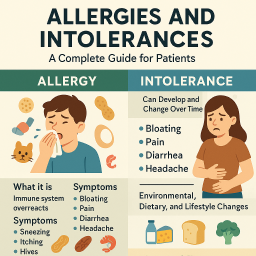
This is why harmless substances (pollens, dust, Aspergillus spores) can become allergens — the immune system labels them incorrectly.
🦠 5. The Microbiome Helps Train Immune Tolerance
Healthy bacteria in the gut, skin, and lungs help the immune system learn:
-
what to attack
-
what to ignore
-
how strongly to react
A disrupted microbiome can increase the risk of allergy and autoimmunity.
🧠 6. Why This Matters for Aspergillosis Patients
Understanding immune tolerance helps explain:
-
why some people get allergy (ABPA)
-
why some people get chronic infection (CPA)
-
why a few people develop autoimmune issues, including Addison’s or thyroid disease
-
how treatments such as biologics work
-
why inflammation can flare even without new infection
Next articles:
- **Understanding your immune system
- How the Immune System Knows “Self”
- What Happens in Autoimmune Disease (Addison’s Explained)
- Eosinophils and Type-2 Inflammation in Aspergillosis
- **Where Do All These Immune Cells Live, and Where Are They Made?