Primary Ciliary Dyskinesia (PCD), Fertility and Aspergillosis

Understanding a rare condition that may overlap with ABPA and bronchiectasis
People living with chronic lung conditions such as asthma, bronchiectasis or ABPA (Allergic Bronchopulmonary Aspergillosis) are sometimes investigated for other underlying conditions that may help explain repeated chest infections, mucus problems or long-term lung damage. One of the rarer conditions doctors may consider is Primary Ciliary Dyskinesia (PCD).
For some patients, hearing PCD mentioned for the first time can raise many questions — especially if fertility problems are also being discussed. This article explains what PCD is, how it may relate to lung disease and Aspergillus problems, and why it can sometimes affect fertility.
Key points
- Primary Ciliary Dyskinesia (PCD) is a rare inherited condition affecting the body's mucus-clearing system.
- It can cause recurrent chest infections, sinus problems and bronchiectasis.
- Some people with PCD may also develop fungal sensitisation or ABPA.
- Men with PCD may experience reduced fertility because sperm movement can be affected.
- PCD is often difficult to diagnose because symptoms overlap with asthma and bronchiectasis.
- Specialist testing is usually needed for diagnosis.
- Having ABPA does not automatically mean someone has PCD.
What is Primary Ciliary Dyskinesia?
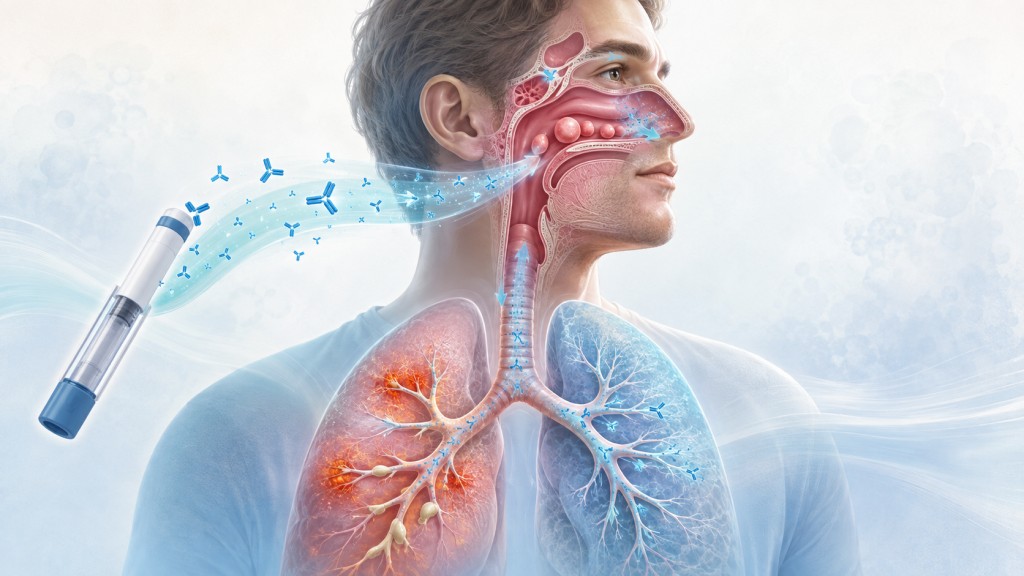
Primary Ciliary Dyskinesia is a genetic condition affecting tiny hair-like structures called cilia.
These microscopic structures line parts of the body including the airways, sinuses, ears and reproductive tract. Their role is to move mucus, bacteria, dust and debris out of the lungs and airways.
In PCD, the cilia may not move properly, may move in an uncoordinated way, or may sometimes be absent altogether. As a result, mucus clearance becomes much less effective.

Why mucus clearance matters
Healthy lungs constantly produce mucus to trap particles and germs. Normally, cilia sweep this mucus upwards so it can be coughed out or swallowed.
When the system does not work properly, mucus becomes harder to clear. Bacteria and fungi may remain in the lungs for longer, repeated infections may occur, inflammation can develop, and long-term airway damage may gradually appear.
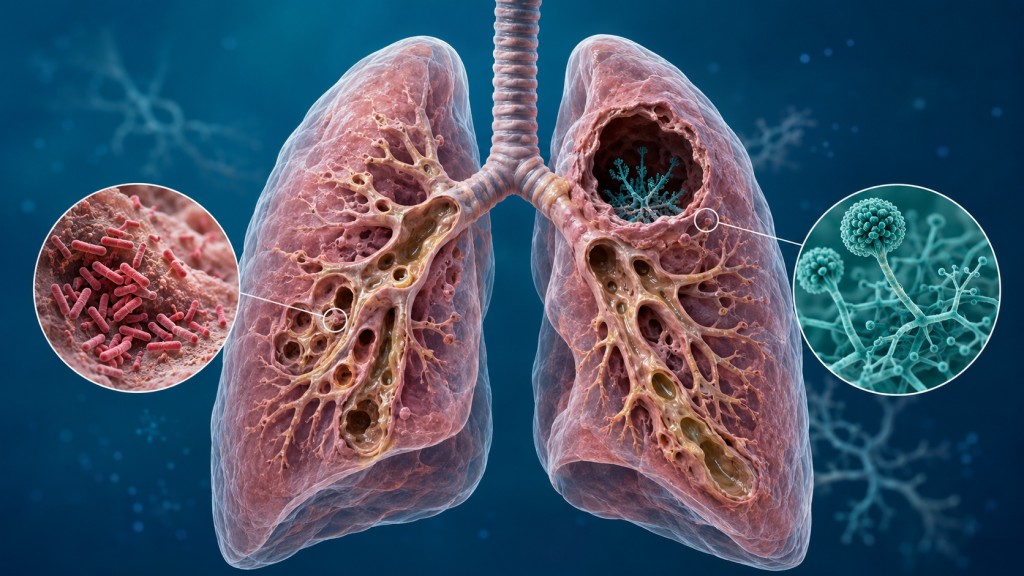
Over time, this can contribute to bronchiectasis, a condition where the airways become widened, damaged and more prone to infection.
Symptoms of PCD
Symptoms vary between individuals, but may include:
Chest and lung symptoms
- Chronic wet or productive cough
- Recurrent chest infections
- Bronchiectasis
- Wheezing
- Breathlessness
- Difficulty clearing mucus
Ear, nose and sinus symptoms
- Chronic sinusitis
- Nasal congestion
- Glue ear
- Recurrent ear infections
- Hearing problems
Other possible clues
- Symptoms beginning in childhood
- Frequent courses of antibiotics
- Persistent daily mucus production
- Situs inversus, where some internal organs are positioned differently, in some people
Not everyone with PCD has all these symptoms.
How could PCD relate to ABPA or Aspergillus?
ABPA (Allergic Bronchopulmonary Aspergillosis) develops when the immune system reacts strongly to the fungus Aspergillus fumigatus, which is common in the environment.
People with impaired mucus clearance may retain mucus for longer, have more airway inflammation, develop bronchiectasis, and potentially allow bacteria or fungi to persist more easily in the airways.
This does not mean PCD directly causes ABPA. However, chronic mucus retention and airway damage can create conditions where fungal sensitisation, colonisation or allergic responses may become more likely.
Some people investigated for difficult-to-control asthma, bronchiectasis or recurrent infections may therefore be assessed for underlying conditions such as PCD, cystic fibrosis, immune deficiency or other rare mucus-clearance disorders.
PCD and fertility
One reason PCD can be emotionally difficult to process is that it may affect fertility.
In men
Sperm movement relies on structures very similar to cilia. In some men with PCD, sperm may not move effectively, fertility may be reduced, or natural conception may become more difficult.
This does not necessarily mean infertility is absolute. Some men with PCD can still father children naturally, while others may benefit from fertility support or assisted reproductive techniques.
In women
Some women with PCD may also experience reduced fertility because cilia help move eggs through the fallopian tubes, although effects are often less severe and more variable than in men.
How is PCD diagnosed?
Diagnosing PCD can be challenging because symptoms overlap with many other respiratory conditions. Patients are often referred to specialist centres for assessment.
Testing may include:
- Nasal nitric oxide testing: people with PCD often have unusually low levels of nasal nitric oxide.
- High-speed video microscopy: this examines how cilia move under a microscope.
- Electron microscopy: this examines ciliary structure in detail.
- Genetic testing: many genes linked to PCD have now been identified.
- CT scans: doctors may look for patterns such as bronchiectasis or chronic sinus disease.
Sometimes diagnosis takes months or even years, particularly in adults whose symptoms have previously been attributed to asthma, infections or bronchiectasis alone.
Why diagnosis can be delayed
PCD is rare and its symptoms can resemble asthma, recurrent viral infections, chronic sinusitis, Chronic Obstructive Pulmonary Disease (COPD), bronchiectasis or “just bad lungs”.
Many adults diagnosed later in life report years of unexplained chest symptoms before PCD was considered.
Treatment and management
There is currently no cure for PCD itself, but treatment focuses on reducing lung damage and improving mucus clearance.
Management may include:
- Airway clearance physiotherapy
- Nebulised saline
- Prompt treatment of infections
- Exercise
- Sinus management
- Vaccinations
- Monitoring for bronchiectasis
Some patients may also require management of associated conditions such as asthma, bronchiectasis or ABPA.
Emotional impact
Being investigated for a rare condition can feel overwhelming, especially when fertility concerns are raised unexpectedly.
People may feel uncertainty, anxiety about future health, frustration over delayed diagnosis, or concern about relationships and starting a family. These reactions are understandable.
It can help to discuss concerns with respiratory specialists, fertility specialists, physiotherapists and trusted patient support organisations.
Important reassurance
- Having ABPA does not mean you have PCD.
- Fertility problems can have many different causes.
- PCD remains a relatively rare condition.
- Doctors usually investigate PCD only when a pattern of symptoms suggests it may be relevant.
Mentioning PCD as a possibility is often part of carefully exploring all possible explanations for long-term respiratory symptoms.
Questions you may wish to ask your medical team
- Why are you considering PCD?
- What features suggest it?
- What tests are planned?
- Could another condition explain my symptoms?
- Should fertility assessment be considered?
- Is referral to a specialist PCD centre needed?
When to seek medical advice
You should seek medical advice if you experience worsening breathlessness, coughing up blood, severe chest infections, unexplained weight loss, persistent fevers, or rapidly worsening mucus production.
Fertility concerns can also be discussed with your GP, respiratory specialist or fertility specialist.
Further information
References
- Lung + Asthma PCD
- PCD Support UK.
- European Respiratory Society guidelines for the diagnosis of Primary Ciliary Dyskinesia.
- NHS England. National Primary Ciliary Dyskinesia Service.
Last reviewed: May 2026
This article is for general educational purposes only and is not a substitute for personalised medical advice.
Bronchiectasis in Aspergillosis Patients
Many people with aspergillosis also develop bronchiectasis, a condition in which some of the airways in the lungs become permanently widened and damaged. Understanding bronchiectasis can help explain many symptoms experienced by patients with Allergic Bronchopulmonary Aspergillosis (ABPA – Allergic Bronchopulmonary Aspergillosis) and Chronic Pulmonary Aspergillosis (CPA – Chronic Pulmonary Aspergillosis).
Although bronchiectasis cannot usually be reversed, it can often be managed effectively, and understanding how it works helps patients recognise symptoms and flare-ups early.
The airways of the lungs
Your lungs contain a branching network of tubes called bronchi and bronchioles that carry air in and out of the lungs.

Air travels through the trachea (windpipe) into the bronchi, which then divide repeatedly into smaller and smaller tubes called bronchioles. At the ends of the bronchioles are millions of tiny air sacs called alveoli, where oxygen moves into the bloodstream.
The lining of the airways produces a thin layer of mucus that traps dust, bacteria and fungal spores that we breathe in every day.
Tiny hair-like structures called cilia move this mucus upward toward the throat, where it can be swallowed or coughed out. This system acts like a self-cleaning escalator, helping keep the lungs clear.
What is bronchiectasis?

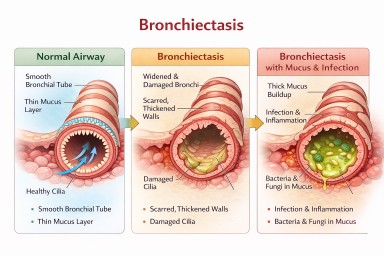
In bronchiectasis, some of the airways become permanently widened and damaged.
When this happens:
-
the airway walls become inflamed and weakened
-
the tubes widen and lose their normal shape
-
mucus becomes harder to clear
-
bacteria and fungi can grow in trapped mucus
Over time, this leads to repeated infections and inflammation.
Doctors often describe bronchiectasis as a vicious cycle:
-
Infection or inflammation damages the airway
-
The airway widens and mucus clearance becomes poor
-
Mucus builds up in the airway
-
Bacteria and fungi grow in the mucus
-
Infection and inflammation occur again
Without treatment, this cycle can gradually worsen airway damage.
Why bronchiectasis is common in aspergillosis
Bronchiectasis is particularly common in patients with aspergillosis, especially in ABPA.
In ABPA, the immune system reacts strongly to Aspergillus spores in the airways. This causes:
-
allergic inflammation in the bronchi
-
thick mucus plugs
-
repeated airway irritation
Over time, this inflammation can damage the airway walls and lead to bronchiectasis, often affecting the central airways of the lungs.
Once bronchiectasis develops, mucus becomes harder to clear, which can allow bacteria and fungi such as Aspergillus to persist in the lungs.
Symptoms of bronchiectasis
Many symptoms of bronchiectasis overlap with those of aspergillosis.
Common symptoms include:
-
persistent cough
-
regular sputum (phlegm) production
-
breathlessness
-
fatigue
-
frequent chest infections
Sputum may be:
-
clear
-
yellow or green
-
occasionally blood-streaked
In people with ABPA, patients sometimes cough up thick mucus plugs, which may appear brown or rubbery.
How bronchiectasis is diagnosed
Bronchiectasis is usually diagnosed using a High Resolution CT (HRCT) scan of the lungs.
On a CT scan, doctors may see:
-
widened airways
-
thickened airway walls
-
mucus plugs
-
airways extending closer to the edge of the lung than normal
Radiologists sometimes describe a typical appearance called the “signet ring sign”, where the widened airway appears larger than the nearby blood vessel.
Bronchiectasis and aspergillosis flare-ups
Because bronchiectasis and aspergillosis affect the same airways, it can sometimes be difficult for patients to recognise whether worsening symptoms are caused by:
-
a bronchiectasis infection, or
-
an aspergillosis flare-up.
Understanding the differences can help patients recognise when to seek medical advice.
Bronchiectasis exacerbations
Bronchiectasis flare-ups are usually caused by bacterial infection in trapped mucus.
Patients may notice:
-
increased sputum production
-
sputum becoming yellow or green
-
increased coughing
-
fever or feeling unwell
-
breathlessness
Many patients describe bronchiectasis exacerbations as feeling like a chest infection.
Treatment usually involves:
-
antibiotics
-
airway clearance physiotherapy
-
increased mucus clearance
Aspergillosis flare-ups
Aspergillosis flare-ups are usually caused by fungal activity or immune reactions to Aspergillus.
Patients may notice:
-
worsening wheezing
-
chest tightness
-
increased breathlessness
-
thick mucus plugs
Some patients cough up:
-
brown mucus
-
rubbery mucus plugs
-
mucus shaped like small airway casts
In Chronic Pulmonary Aspergillosis, patients may also experience:
-
persistent cough
-
fatigue
-
weight loss
-
occasionally coughing blood
Treatment may involve:
-
steroid treatment
-
antifungal medication
-
biologic therapies in ABPA
Key differences patients often notice
| Feature | Bronchiectasis flare-up | Aspergillosis flare-up |
|---|---|---|
| Main cause | Bacterial infection in trapped mucus | Fungal activity or immune reaction to Aspergillus |
| Sputum colour | Yellow or green | Brown mucus plugs or thick sticky mucus |
| Fever | More common | Less common |
| Wheezing | Sometimes present | Often worse |
| Feeling like a chest infection | Common | Less typical |
| Response to antibiotics | Usually improves | Usually little improvement |
| Mucus plugs | Less common | More common in ABPA |
| Blood tests | Usually unchanged | IgE may rise in ABPA |
Both conditions can occur together
In reality, bronchiectasis and aspergillosis often interact with each other.
For example:
-
ABPA can cause bronchiectasis
-
bronchiectasis allows fungi and bacteria to remain in mucus
-
infection and fungal inflammation can occur at the same time
Doctors may investigate flare-ups using:
-
sputum cultures
-
blood tests (for example IgE levels in ABPA)
-
CT scans
-
inflammatory markers
Why airway clearance is important
Because bronchiectasis makes mucus harder to clear, airway clearance physiotherapy becomes a key part of treatment.
Common techniques include:
-
Active Cycle of Breathing Technique (ACBT)
-
Autogenic drainage
-
oscillating devices such as Flutter or Acapella
Regular airway clearance helps:
-
remove mucus from the lungs
-
reduce infections
-
improve breathing
-
reduce cough
For patients with aspergillosis, clearing mucus may also help remove fungal material from the airways.
When patients should seek medical advice
Patients should contact their healthcare team if they notice:
-
rapidly increasing sputum
-
fever or feeling unwell
-
coughing blood
-
severe breathlessness
-
large mucus plugs
Early treatment can often prevent a mild flare-up from becoming a more serious infection.
The key message
Bronchiectasis means that some airways in the lungs have become permanently widened, making mucus harder to clear.
However, many people with aspergillosis and bronchiectasis live active lives with stable lung function.
With good treatment, airway clearance, and early management of infections, bronchiectasis can often be well controlled for many years.