📁 Coping with Steroid Side Effects and Finding Balance: A Guide for Aspergillosis Patients

Living with chronic forms of aspergillosis—such as chronic pulmonary aspergillosis (CPA), allergic bronchopulmonary aspergillosis (ABPA), severe asthma with fungal sensitisation (SAFS), or Aspergillus bronchitis—often means taking corticosteroids like prednisolone or hydrocortisone. These powerful medicines can be life-saving, but they also come with physical and emotional side effects, especially at high doses or when taken over long periods.

This guide is here to support you with practical tips, patient stories, and advice on reducing steroids while maintaining your quality of life.


🔊 What Do Steroids Do?

Steroids reduce inflammation and calm overactive immune responses. They're commonly used in aspergillosis to:

  • Manage allergic reactions (e.g. in ABPA)
  • Control lung inflammation
  • Treat adrenal insufficiency or steroid withdrawal symptoms

🔁 Why Reducing Steroids Can Be So Difficult

Steroids are very effective but also powerful. Tapering the dose can cause:

  • Return of pain, fatigue, breathing problems, or inflammation
  • Steroid withdrawal symptoms (fatigue, low mood, joint pain)
  • Adrenal suppression if the body has stopped making its own cortisol

Many patients report:

“I reduced by 1mg and everything fell apart.” “I want to be on less, but life is unbearable when I try.”

You are not failing. Finding the right dose is a balance between lowering risks and keeping your life manageable.


🛋 Common Side Effects and What You Can Do

Side Effect Tips to Cope
Increased appetite Plan balanced meals, high-fibre snacks, drink water, be kind to yourself
Weight gain / swelling Gentle movement, reduce salt, try pressotherapy (discuss with your team)
Mood swings or anxiety Talk about it, track your feelings, ask about counselling or peer support
Insomnia Avoid caffeine late, consider timing of dose, try a calming bedtime routine
"Moon face" / puffiness Often fades when dose is reduced; hydrate and moisturise
Muscle/joint pain or weakness Gentle stretches, walking, low-impact activity, speak to a physio if needed
Bruising/thin skin Moisturise, protect from bumps, avoid strong detergents
Raised blood sugar Eat regularly, reduce sugary drinks, ask about monitoring if concerned
Bone thinning Ask about calcium, vitamin D, or bone-protecting medications
Adrenal suppression Never stop suddenly; always taper with a doctor's guidance

👥 Real Patient Stories and Analogies

🐻 Alison's Bears

“There are two bears inside me. Prednisone Bear is wild and wants to eat and sleep and snap. But Rusty McTravel Bear is my real self—gentle, curious, slowly trying to get back on the road. I’ve learned to recognise the first and nurture the second.”

🏎️ The Revving Car

“Being on steroids sometimes feels like a car with the engine revving but the brakes on. You’re buzzing, but you’re stuck. Try easing the brakes: take a walk, make tea, do something simple to use the energy.”


🚩 Finding Your Balance: When Less Isn't Always Better

✅ Go slow

  • Taper in small steps—as little as 0.5–1mg at a time
  • Wait several weeks between reductions

✅ Keep a steroid diary

  • Note dose, mood, sleep, symptoms, activity
  • This helps identify your "minimum effective dose"

✅ Accept that a small maintenance dose may be necessary

  • You are not failing if you need 2mg, 5mg, or 7.5mg long-term
  • The goal is a life worth living, not perfection

✅ Ask about alternatives

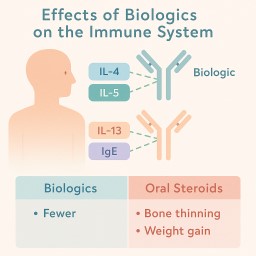
  • Inhaled steroids, antifungals, or biologics might help reduce systemic steroid use

✅ Consider adrenal testing

  • Especially if you feel unwell during tapering or on low doses

🛏️ Other Strategies That May Help

  • Pressotherapy for leg pain and swelling
  • Mindfulness or breathing exercises for anxiety or insomnia
  • Peer support (online or in person)
  • Short-term plans: some patients use a "rescue dose" plan for flare-ups
  • Talk to your care team: never reduce on your own without guidance

💼 Summary

Reducing or living with steroids is not just about doses. It’s about protecting your body and your sense of self. If a small daily dose keeps you functioning, that is not weakness—it’s balance.

You are not alone. Many in the aspergillosis community are navigating this same path.

“The right dose is the one where I can breathe, move, smile — and still feel like myself.”


Understanding the Side Effects of Long-Term Prednisolone Use

Prednisolone is a widely used and effective medication for managing inflammation in aspergillosis. However, when taken for more than 3–4 weeks—especially at moderate or high doses—it can cause unwanted effects in different parts of the body. Knowing what to expect and how to reduce risks can help you feel more in control of your treatment.

Prednisolone is a synthetic form of cortisol, a hormone your body normally produces to manage stress and inflammation. When you take it in larger-than-natural amounts over time, it can interfere with how your body handles fluids, sugar, bone rebuilding, immune function, and even mood and sleep.

Below are the most common side effects and why they happen:

Common Side Effects and Why They Happen

Prednisolone mimics cortisol, a hormone naturally made by your body. But when taken in higher-than-natural amounts over a long time, it can disrupt many systems. Here's why these side effects happen:

  • Weight gain and fluid retention – Steroids affect how your body processes salt and water, leading to bloating and weight changes.
  • Moon face – Fat redistributes to the face, neck, and abdomen.
  • Thinning skin and bruising – Steroids reduce collagen production, making skin fragile.
  • High blood pressure – Caused by fluid retention and effects on blood vessel tone.
  • Increased risk of infections – Steroids suppress your immune system, making it harder to fight infections.
  • Osteoporosis – Steroids interfere with calcium absorption and bone rebuilding.
  • Muscle weakness – Corticosteroids break down protein, reducing muscle strength, especially in the thighs and upper arms.
  • Mood and sleep changes – Steroids can affect the brain’s chemistry, causing anxiety, insomnia, or mood swings.
  • Eye problems – Long-term use can raise pressure in the eyes or cloud the lens (cataracts).
  • High blood sugar or diabetes – Steroids make it harder for your body to use insulin effectively. **

What You Can Do to Minimise Side Effects

Managing steroid side effects involves a combination of lifestyle choices and medical support:

Strategy Why It Helps
Use the lowest effective dose Reduces cumulative exposure to steroid side effects
Switch to hydrocortisone when appropriate Mimics natural cortisol and is better tolerated long term
Monitor blood pressure, bone health, and blood sugar Early detection helps prevent complications
Take calcium, vitamin D, and possibly bone-strengthening medications Supports healthy bones
Exercise regularly Maintains strength, mobility, and mood
Eat a balanced diet low in salt and sugar Helps manage weight, BP, and blood sugar
Keep up with regular medical reviews Ensures your treatment is safe and effective

Trusted Resources and Support

You're not alone in managing steroid side effects. These resources offer guidance and community support:

Taking charge of your health with the support of your care team can greatly reduce the risks of long-term steroid use.

How to Lessen the Impact of Side Effects

Many of the risks of long-term prednisolone use can be reduced by making small lifestyle changes and working closely with your medical team. These steps can help protect your bones, heart, immune system, and overall wellbeing: You may also find support through:

  • Downloadable Steroid Emergency Cards (UK): https://www.endocrinology.org/adrenal-crisis
  • National Aspergillosis Centre patient resources: https://aspergillosis.org
  • Patient support groups such as the Aspergillosis Trust or National Aspergillosis Centre's patient forum
  • Your pharmacist, who can help with medication side effects and monitoring
  • Specialist endocrine nurses if adrenal insufficiency is diagnosed

Final Thoughts

Long-term steroid use helps many aspergillosis patients control inflammation and stay well. But it comes with responsibilities — particularly the need to monitor for adrenal suppression.

Understanding the HPA axis, recognising symptoms of AI, and knowing when and how to stress dose can empower you to live safely and confidently with aspergillosis.

Always talk to your specialist team if you’re unsure about fatigue, tapering, or illness management. You are not alone — and support is available.


When to Speak Up About Side Effects

For patients and carers managing aspergillosis treatment


Why this matters

Treatment for aspergillosis is often long-term and involves medications that can affect people in different ways. It's important to know that you don’t have to suffer in silence. Recognising side effects early and reporting them can help you stay well and improve your quality of life.


Medications commonly used in aspergillosis

Antifungals
Voriconazole, Posaconazole, Itraconazole, Isavuconazole

Steroids
Prednisolone (oral), Inhaled corticosteroids

Biologic therapies
Omalizumab (anti-IgE), Mepolizumab/Benralizumab (anti-IL-5), Dupilumab (anti-IL-4/IL-13)


What to watch for

Note: These side effects range from common to rare. Most people do not experience all of them, but it's important to be aware of what might occur. If you’re unsure whether a symptom is related to your medication, always ask.

Cardiac side effects (uncommon to rare, but important to report)

  • Palpitations (racing or irregular heartbeat)
  • Dizziness or fainting
  • Swelling in the legs or ankles
  • Chest pain or tightness
  • Changes in blood pressure or heart rhythm (QT prolongation) (can occur with antifungals or steroids)
  • Palpitations (racing or irregular heartbeat)
  • Dizziness or fainting
  • Swelling in the legs or ankles
  • Chest pain or tightness
  • Changes in blood pressure or heart rhythm (QT prolongation)

Let your healthcare team know if you have a history of heart conditions, or experience any of these symptoms during treatment.

Antifungal side effects (common to occasional)

  • Skin rash, burning, or sun sensitivity, even indoors (through windows or from reflected light)
  • Visual changes (blurred vision, colour distortion, photophobia)
  • Liver enzyme abnormalities (can show up on blood tests)
  • Nausea, abdominal discomfort, or taste changes
  • Hallucinations, anxiety, or confusion (rare but serious — seek help immediately)

Steroid side effects (common with long-term use)

  • Mood swings, anxiety, or irritability
  • Insomnia or restlessness
  • Increased appetite or weight gain
  • High blood sugar, especially if diabetic
  • Bone thinning (osteoporosis) over time
  • Skin thinning, easy bruising, or delayed healing
  • Eye pressure/glaucoma or cataracts (with long-term use)

Biologic side effects (generally well-tolerated; uncommon side effects listed below)

  • Localised reactions at the injection site (pain, swelling, redness)
  • Headache, fatigue, or low-grade fever
  • Worsening eye symptoms, especially with dupilumab (e.g. dry eyes, redness)
  • Rare: allergic reactions or increased infection risk (let your team know if you’re feeling unwell after a dose)

When to get in touch

You should contact your care team if:

  • A side effect is persistent, worsening, or interfering with your daily life
  • You notice any mental health changes (anxiety, low mood, agitation)
  • You feel dizzy, unwell, or unable to tolerate food or fluids
  • There are signs of infection (e.g. fever, cough, chills, pain)
  • You are unsure whether what you’re feeling is a side effect or something else

You're not being a nuisance

Asking questions or raising concerns is part of staying safe. Medications can usually be adjusted, paused, or switched — but your team needs to know how you’re feeling to make those decisions. You are an expert in your own experience.


Tip: Keep a side effect diary

  • Note any changes in sleep, mood, appetite, skin, or digestion
  • Bring this with you to appointments
  • If helpful, ask a family member or friend to help observe changes

COVID Vaccination Side Effects

[et_pb_section fb_built="1" admin_label="section" _builder_version="4.16" global_colors_info="{}" theme_builder_area="post_content" custom_padding="7px||7px||true|false"][et_pb_row admin_label="row" _builder_version="4.16" background_size="initial" background_position="top_left" background_repeat="repeat" global_colors_info="{}" theme_builder_area="post_content"][et_pb_column type="4_4" _builder_version="4.16" custom_padding="|||" global_colors_info="{}" custom_padding__hover="|||" theme_builder_area="post_content"][et_pb_text admin_label="Text" _builder_version="4.16" background_size="initial" background_position="top_left" background_repeat="repeat" global_colors_info="{}" theme_builder_area="post_content"]Now that the rollout of the second COVID vaccination (using the Pfizer/BioNTech and Oxford/AstraZeneca vaccines) are well underway in the UK attention in our aspergillosis patient communities has turned to the potential for side effects caused by these medications.

Most people suffer few or no side effects from either vaccine other than having a slightly sore arm for a day or two or feeling a few aches. Doctors are recommending that we take paracetamol to relieve those symptoms.

The UK government has now published more detailed information on side effects and all three vaccinations currently in use in the UK (a third vaccine named Moderna has recently started to be used). You can read this information at the links below:

AstraZeneca

Pfizer/BioNTech

Moderna

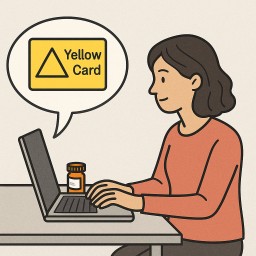
You can also report any suspected side effect.

Full details of the UK COVID-19 vaccine program are given here.[/et_pb_text][/et_pb_column][/et_pb_row][/et_pb_section]