🟦 Key Patient Advice for Starting Voriconazole

When starting voriconazole for the first time, it's important to provide clear, practical, and safety-focused information. Here's what a patient should be told:


1. How to Take It:

  • Take voriconazole on an empty stomach — at least 1 hour before or 1 hour after food.

  • Take it exactly as prescribed — usually twice daily at regular times.

  • Don’t stop suddenly unless advised.


2. Common Side Effects to Watch For:

  • Visual disturbances (blurry vision, changes in color or brightness) — often early on and usually temporary.

  • Photosensitivity (sunburn easily) — wear sunscreen and protective clothing.

  • Nausea or upset stomach

  • Skin rashes — report any rash, as rare serious reactions can occur.

  • Liver irritation — signs include dark urine, yellowing of skin/eyes, or upper right abdominal pain.


3. Serious Side Effects – Report Immediately:

  • Visual symptoms that worsen or don’t go away

  • Severe rash or peeling skin

  • Confusion, hallucinations, or tremors

  • Signs of liver trouble (yellow eyes, dark urine, pale stools)


4. Blood Monitoring Needed:

  • Liver function tests (LFTs) are usually checked before treatment and regularly during treatment.

  • Blood levels of voriconazole may also be monitored, especially if:

    • You're not responding

    • Side effects occur

    • You're on other medications that interact


5. Medication Interactions:

Voriconazole interacts with many drugs including:

  • Steroids (may increase steroid levels)

  • Warfarin, statins, some diabetes medications

  • Proton pump inhibitors (like omeprazole)

  • Some heart or seizure drugs

Always tell your doctor or pharmacist about all medications and supplements.


6. Driving and Activities:

  • Avoid driving or operating machinery if you have visual symptoms or feel dizzy.


7. Alcohol and Grapefruit:

  • Avoid or limit alcohol, as it may increase side effects.

  • Avoid grapefruit — it can affect how voriconazole is processed.


Could You Help Transform the Future of CPA Treatment?

Join the INCAS Trial at the National Aspergillosis Centre

If you’ve recently been diagnosed with chronic pulmonary aspergillosis (CPA) and are starting antifungal treatment, you may be eligible to take part in a pioneering clinical trial that could shape the future of care. If that is the case we will approach you to ask if you would like to join.

CPA is a long-term lung infection caused by the fungus Aspergillus, often in people with conditions like COPD or previous tuberculosis. It leads to progressive lung damage, frequent infections, and significant impact on quality of life. Current antifungal treatments help only about 60% of patients, and many face relapses, side effects, and long-term medication use.

The INCAS trial is testing whether adding a naturally occurring immune protein called interferon-gamma to standard antifungal therapy can lead to better outcomes — fewer infections, less lung damage, and improved day-to-day wellbeing. Interferon-gamma is already used safely in the NHS for other conditions, and early research at the National Aspergillosis Centre (NAC) has shown promising results for CPA.


What Is Involved?

If you choose to take part:

  • You’ll continue with standard antifungal treatment

  • You may be randomly assigned to receive interferon-gamma injections for 12 weeks (3 injections per week)

  • You’ll receive regular follow-up with chest scans, symptom tracking, and support from our expert team

All patients are closely monitored to ensure safety and comfort throughout the trial.


What Have Previous Participants Said?

Patients who took part in earlier studies shared their experiences with honesty and encouragement:

“They are missing a great opportunity… I certainly didn’t want to inject, but I need to be well, and this was a good chance at fewer infections and damping down the Aspergillus.”

“I only had one bad day — I phoned the NAC nurses, who reassured me it was expected and to carry on. Now, side effects are mild and usually gone by lunchtime. They don’t stop me like the chest problems used to.”

“I would really encourage patients to seize this chance of having gamma interferon.”

Others mentioned they were concerned at first about injections or travel, but found ways to manage:

“It doesn’t always hurt — yellow paediatric needles are the key, and a bit of tummy fat helps. Legs rarely hurt.”
“Travel’s harder now that my husband has trouble with his sight… but I understand the issue and can empathise.”


Is It Safe? What About Side Effects?

In our previous study, interferon-gamma was generally well tolerated. Some patients had mild flu-like symptoms after the injection, but these usually faded with time and were far less disruptive than a flare of CPA itself. Your care team will work closely with you and adjust support as needed.

This trial is all about learning more — not only about effectiveness, but also how easy and acceptable the treatment is for patients. The insights we gain will help shape a larger trial and may eventually transform the standard of care for CPA.


Why Take Part?

CPA affects around 3,600 people in the UK, with mortality as high as 40% within five years. If interferon-gamma proves successful, it could:

  • Shorten treatment durations

  • Reduce relapses

  • Improve quality of life for you and others

  • Open the door for better treatments in other chronic lung diseases too

You won’t just receive expert support from the UK’s leading CPA centre — you’ll help build the future of care.

“I wouldn’t be influenced by being paid. I’d be more concerned about safety and careful monitoring – which I got.”

🔗 Learn more at clinicaltrials.gov/NCT05653193 or speak to your team at the National Aspergillosis Centre.

You could be part of something that changes CPA care for good.


Which types of medical practitioners can we rely on for illness in general, and why?

Which types of medical practitioners can we rely on for illness in general, and why? That’s a really smart way to think about navigating healthcare. Whether it’s a long-term condition, a mystery illness, or just keeping well, here’s a rundown of who can help, and what each brings to the table.


👩‍⚕️ 1. General Practitioner (GP) / Primary Care Doctor

Why:

  • Your first point of contact.

  • Coordinates your overall care.

  • Knows your history, medications, and context.

  • Can spot red flags, order initial tests, and refer you to specialists.

Trust for:

  • Ongoing care, prescriptions, chronic illness monitoring.

  • Referrals to appropriate specialists.

  • Managing multiple conditions together.


🏥 2. Specialist Consultants

Why:

  • Deep expertise in a particular system or illness (e.g., lungs, heart, kidneys, neurology, skin).

  • Offer diagnosis, long-term management, and access to newer treatments.

Types to know:

  • Respiratory Physician – lungs, asthma, COPD, infections, ABPA, CPA, etc.

  • Cardiologist – heart issues, blood pressure, rhythm problems.

  • Neurologist – brain and nervous system.

  • Nephrologist – kidneys.

  • Gastroenterologist – digestive system.

  • Rheumatologist – autoimmune and inflammatory disease.

  • Endocrinologist – hormones, diabetes, thyroid, adrenal glands.

  • Dermatologist – skin, rashes, allergy-related problems.

  • Haematologist – blood disorders.

  • Infectious Disease – complex infections, immune-related infections.


🧠 3. Psychologist / Psychiatrist

Why:

  • Health isn't just physical. Chronic illness can bring anxiety, depression, fatigue, trauma.

  • Psychologists support coping, adjustment, and therapy.

  • Psychiatrists focus on medical treatment for mental health.


💉 4. Pharmacist

Why:

  • Medication experts.

  • Can advise on side effects, drug interactions, and how to take meds safely.

  • Some can do blood pressure checks, minor illness prescribing, and reviews.


🧪 5. Specialist Nurses

Why:

  • Often work alongside consultants (e.g., asthma nurse, diabetes nurse).

  • Provide detailed care, education, and monitoring.

  • Easier to access and often more time to talk through things.


🧬 6. Clinical Immunologist / Allergist

Why:

  • Especially useful in undiagnosed illnesses, fatigue syndromes, immune dysfunction, unusual infections, or multiple sensitivities.


🧘‍♀️ 7. Allied Health Professionals

  • Physiotherapists – recovery, mobility, lung clearance, joint problems.

  • Occupational Therapists – daily living support, adaptations, fatigue pacing.

  • Dietitians – nutrition support for chronic conditions or allergies.

  • Speech & Language Therapists – voice, swallowing, and breathing coordination.


💻 8. Specialist Centres / Multidisciplinary Teams

Why:

  • Some conditions need a joined-up approach. These centres pool multiple experts in one team.

  • Great for rare, chronic, or complex conditions like autoimmune disease, rare infections, or multisystem illness.


🔎 Bonus: Second Opinions

Sometimes, even the best doctors don’t have all the answers. Getting a second opinion—especially from someone in a specialist centre—can unlock progress or new treatment options.

Why We Rely on Medically Trained Practitioners

Medically trained practitioners—such as doctors, nurses, physiotherapists, and pharmacists—are trusted because they follow science-based training, clinical guidelines, and ethical standards. They:

  • Use evidence to guide decisions
  • Are trained to diagnose and treat a wide range of health conditions
  • Understand the interactions and risks of different treatments
  • Are accountable to professional regulatory bodies

When choosing someone to support your care, it's important to make sure they are registered with a professional body, which means they are properly trained, regulated, and insured.

Here are examples of registered professional groups in the UK:

  • GMC – General Medical Council (doctors)
  • NMC – Nursing and Midwifery Council (nurses, midwives)
  • HCPC – Health and Care Professions Council (physiotherapists, dietitians, paramedics, and others)
  • GPhC – General Pharmaceutical Council (pharmacists)
  • CNHC – Complementary and Natural Healthcare Council (some complementary therapists)
  • BAcC – British Acupuncture Council (acupuncturists)
  • GOsC – General Osteopathic Council (osteopaths)
  • GCC – General Chiropractic Council (chiropractors)

Choosing someone from these groups helps ensure you receive safe, professional, and accountable care.

  1. Always tell your doctor or nurse about any therapies, supplements, or herbal products you're using.
  2. Don’t stop prescribed treatments unless your doctor agrees.
  3. Choose qualified practitioners who are registered with a professional body (like CNHC, BAcC, or HCPC).
  4. Start slowly and track your symptoms.
  5. Use trusted sources for health information (NHS, hospital websites, academic studies).

Considering Complementary or Alternative Therapies? Here's What You Need to Know

Outside of intensive care units, aspergillosis is usually a chronic disease that is lifelong. It can be difficult to keep a consistent quality of life while being treated for Chronic Pulmonary Aspergillosis (CPA) or Allergic Bronchopulmonary Aspergillosis (ABPA) as the medications used are powerful with potential for causing side effects and interfering with some of your other medications. Understandably, many longer-term patients look for more answers from unconventional complementary or alternative medicine practitioners, so how can we help them do that safely? This article sets out to help:

Introduction. Many people living with chronic illness, pain, fatigue, or breathing issues turn to complementary therapies to feel better, reduce side effects, and support their overall well-being. This guide will help you make safe, informed choices if you're thinking about including complementary approaches alongside your usual medical care.


What Are Complementary Therapies? Complementary therapies are treatments used alongside your usual medical care. They are different from "alternative therapies," which are used instead of conventional medicine. When used correctly, complementary therapies can help improve quality of life, reduce symptoms, and support emotional well-being.

Examples include:

  • Meditation and mindfulness
  • Nutritional therapy
  • Gentle movement (like yoga, tai chi)
  • Acupuncture
  • Massage therapy
  • Herbal supplements

Is There Any Evidence They Work? Some complementary therapies have been studied and show real benefits:

  • Mind-body practices (like breathing exercises, meditation, and CBT) are proven to help with anxiety, breathlessness, and chronic pain.
  • Nutrition and anti-inflammatory diets (like the Mediterranean diet) support overall health and reduce inflammation.
  • Acupuncture may help some people with pain, nausea, or fatigue.
  • Certain supplements (like vitamin D, magnesium, and omega-3s) are helpful if you have a deficiency.

Not all therapies have strong evidence. Some can be expensive or unnecessary. It's important to talk to your healthcare team and do your research.


How to Use Complementary Therapies Safely

  1. Always tell your doctor or nurse about any therapies, supplements, or herbal products you're using.
  2. Don’t stop prescribed treatments unless your doctor agrees.
  3. Choose qualified practitioners who are registered with a professional body (like CNHC, BAcC, or HCPC).
  4. Start slowly and track your symptoms.
  5. Use trusted sources for health information (NHS, hospital websites, academic studies).

Questions to Ask Before Trying a New Therapy

  • What are you hoping this therapy will help with?
  • Is there scientific evidence to support it?
  • What are the risks or side effects?
  • Is the practitioner qualified and insured?
  • Could it interfere with my medications or condition?

Examples of Safe and Evidence-Based Complementary Therapies

Goal Therapy Evidence Level
Reduce anxiety or breathlessness Mindfulness, breathing physio Strong
Support joint and muscle pain Tai chi, massage, acupuncture Moderate
Improve energy and wellbeing Nutrition support, yoga Moderate to strong
Manage inflammation Anti-inflammatory diet, omega-3s Strong


Considering Alternative Therapies? What You Should Know

Alternative therapies are treatments that are used instead of conventional medical care. Some people turn to them out of frustration, fear of side effects, or belief in more “natural” healing methods.

While some approaches may seem appealing, it's important to understand the risks, limitations, and lack of regulation that often surround alternative therapies.


What Counts as an Alternative Therapy? Common examples include:

  • Using only herbal remedies or detoxes instead of prescribed medications
  • Rejecting chemotherapy or antibiotics for serious illness
  • Relying on homeopathy for infections or chronic disease
  • Unregulated “energy healing” or “cleanses” with no scientific backing

Risks of Using Alternative Therapies Instead Of Medical Care

Risk Why It Matters
Delayed treatment Can allow serious conditions to worsen (e.g., cancer, infection, asthma flare)
Interactions with meds Herbs and supplements can interfere with prescription drugs
False claims Some therapies promise cures with no proof, wasting time and money
Unregulated practitioners No licensing means anyone can offer therapy with no safety checks

What Does the Evidence Say?

  • Homeopathy: Consistently shown to perform no better than placebo in high-quality studies.
  • “Detox” treatments: Most are not evidence-based; your liver and kidneys already detox your body.
  • Raw food or extreme diets: Can lead to malnutrition or worsen chronic illness.
  • Anti-vaccine or anti-medical ideologies: Can be harmful and undermine public health.

Some alternative therapies have spiritual or emotional value, but they should not replace evidence-based treatment for serious health conditions.

Why Do Alternative Practitioners Offer These Treatments? Not all alternative practitioners are motivated by money. Many genuinely believe in the value of their approach, often drawing on personal experiences or longstanding traditions. Their justifications may include:

  • A belief in the body's natural ability to heal itself
  • Disappointment with conventional medicine's limits
  • Cultural or spiritual views of illness and healing
  • A desire to offer more time, empathy, or individualised care

That said, it’s also true that some providers operate in unregulated markets and may promote costly or unproven treatments. Patients should stay informed, ask critical questions, and seek practitioners who work ethically and transparently.


Safer Ways to Explore Holistic Health If you’re drawn to alternative ideas because you want:

  • Fewer medications
  • More control
  • A natural approach
  • Better quality of life

Talk to your doctor or nurse about complementary options that are safe, evidence-based, and compatible with your condition.


Final Thoughts Complementary therapies can be a valuable part of your health journey when used wisely. They are not a replacement for medical treatment, but they can complement it beautifully. Stay informed, ask questions, and work with your healthcare team to find what works best for you.

Want to know more? Talk to your GP, specialist nurse, or physiotherapist about safe ways to explore complementary care. They may also be able to refer you to trusted practitioners.
Read NHS Complementary and Alternative Medicine


Understanding Drug Interactions with Antifungal Medications

Information for patients and carers receiving treatment for aspergillosis


Why drug interactions matter

Many antifungal medications used to treat aspergillosis can affect — or be affected by — other medicines you may be taking. These drug interactions can change how well a medication works, increase side effects, or cause unexpected reactions.

Knowing what to watch for and sharing your full medication list with your healthcare team can help keep you safe.


Antifungal medicines that interact with other drugs

Common antifungals:

  • Voriconazole
  • Posaconazole
  • Itraconazole
  • Isavuconazole

These drugs are processed through the liver and can interfere with enzymes (like CYP3A4) that control how other medications are broken down.


Examples of drugs that may interact

Heart medications

  • Statins (e.g. simvastatin) — can build up and cause muscle damage
  • Calcium channel blockers (e.g. amlodipine) — may cause low blood pressure
  • Warfarin and other anticoagulants — may require closer INR monitoring

Mental health medications

  • SSRIs (e.g. sertraline, fluoxetine) — can increase side effects
  • Benzodiazepines (e.g. diazepam) — may be stronger or last longer

Steroids

  • Prednisolone — levels may increase with antifungals, increasing risk of side effects

Immunosuppressants

  • Tacrolimus, cyclosporine — antifungals can raise their levels significantly

Other

  • Oral contraceptives — effectiveness may be reduced (use backup contraception)
  • Some diabetes medications — risk of low or high blood sugar
  • Antacids or proton pump inhibitors — can reduce absorption of antifungals

What you can do

  • Make sure your drug list is kept up to date and brought to every clinic visit or hospital appointment
  • You can ask your pharmacist or look up your medicines in the British National Formulary (BNF) or NHS Medicines A-Z to find out more about possible interactions. The Fungal Infection Trust also maintains a list specifically for antifungal medication
  • Always give your care team a full, up-to-date medication list, including over-the-counter medicines, supplements, and herbal remedies
  • Don’t stop or start any medicines without checking first
  • Let your GP and pharmacist know you're taking antifungal treatment
  • Ask your team if your medication needs to be monitored more closely (e.g. blood levels)

Signs of a potential drug interaction

  • Unexplained dizziness, fainting, or fast heart rate
  • New or worsening side effects
  • Signs of toxicity (nausea, confusion, muscle pain, tremors)
  • Bleeding or bruising more easily

If you notice anything unusual, contact your healthcare team or pharmacist.


When to Speak Up About Side Effects

For patients and carers managing aspergillosis treatment


Why this matters

Treatment for aspergillosis is often long-term and involves medications that can affect people in different ways. It's important to know that you don’t have to suffer in silence. Recognising side effects early and reporting them can help you stay well and improve your quality of life.


Medications commonly used in aspergillosis

Antifungals
Voriconazole, Posaconazole, Itraconazole, Isavuconazole

Steroids
Prednisolone (oral), Inhaled corticosteroids

Biologic therapies
Omalizumab (anti-IgE), Mepolizumab/Benralizumab (anti-IL-5), Dupilumab (anti-IL-4/IL-13)


What to watch for

Note: These side effects range from common to rare. Most people do not experience all of them, but it's important to be aware of what might occur. If you’re unsure whether a symptom is related to your medication, always ask.

Cardiac side effects (uncommon to rare, but important to report)

  • Palpitations (racing or irregular heartbeat)
  • Dizziness or fainting
  • Swelling in the legs or ankles
  • Chest pain or tightness
  • Changes in blood pressure or heart rhythm (QT prolongation) (can occur with antifungals or steroids)
  • Palpitations (racing or irregular heartbeat)
  • Dizziness or fainting
  • Swelling in the legs or ankles
  • Chest pain or tightness
  • Changes in blood pressure or heart rhythm (QT prolongation)

Let your healthcare team know if you have a history of heart conditions, or experience any of these symptoms during treatment.

Antifungal side effects (common to occasional)

  • Skin rash, burning, or sun sensitivity, even indoors (through windows or from reflected light)
  • Visual changes (blurred vision, colour distortion, photophobia)
  • Liver enzyme abnormalities (can show up on blood tests)
  • Nausea, abdominal discomfort, or taste changes
  • Hallucinations, anxiety, or confusion (rare but serious — seek help immediately)

Steroid side effects (common with long-term use)

  • Mood swings, anxiety, or irritability
  • Insomnia or restlessness
  • Increased appetite or weight gain
  • High blood sugar, especially if diabetic
  • Bone thinning (osteoporosis) over time
  • Skin thinning, easy bruising, or delayed healing
  • Eye pressure/glaucoma or cataracts (with long-term use)

Biologic side effects (generally well-tolerated; uncommon side effects listed below)

  • Localised reactions at the injection site (pain, swelling, redness)
  • Headache, fatigue, or low-grade fever
  • Worsening eye symptoms, especially with dupilumab (e.g. dry eyes, redness)
  • Rare: allergic reactions or increased infection risk (let your team know if you’re feeling unwell after a dose)

When to get in touch

You should contact your care team if:

  • A side effect is persistent, worsening, or interfering with your daily life
  • You notice any mental health changes (anxiety, low mood, agitation)
  • You feel dizzy, unwell, or unable to tolerate food or fluids
  • There are signs of infection (e.g. fever, cough, chills, pain)
  • You are unsure whether what you’re feeling is a side effect or something else

You're not being a nuisance

Asking questions or raising concerns is part of staying safe. Medications can usually be adjusted, paused, or switched — but your team needs to know how you’re feeling to make those decisions. You are an expert in your own experience.


Tip: Keep a side effect diary

  • Note any changes in sleep, mood, appetite, skin, or digestion
  • Bring this with you to appointments
  • If helpful, ask a family member or friend to help observe changes

Voriconazole and Sun Sensitivity

People taking voriconazole need to be very cautious in the sun because this antifungal can cause photosensitivity reactions—meaning the skin becomes more sensitive to sunlight, even through glass or on cloudy days. This can lead to severe sunburn, skin blistering, and long-term damage, including premalignant and malignant skin changes (like squamous cell carcinoma), especially with prolonged use.

Here’s what people on voriconazole should do to protect themselves:


☀️ Sun Safety Tips for Voriconazole Users

  1. Avoid direct and reflected sunlight:

    • Try to stay indoors between 10 a.m. and 4 p.m., when UV rays are strongest.

    • Choose shaded routes or walk on the shady side of the street.

    • Avoid indirect or reflected sunlight (e.g. off windows, water, sand, snow)
  2. Wear protective clothing:

    • Long-sleeved tops, trousers, and wide-brimmed hats are essential.

    • Consider UV-protective clothing (many brands offer this specifically).

    • Use UV-protective sunglasses to shield your eyes.

  3. Use high-factor sunscreen:

    • Broad-spectrum SPF 50+ sunscreen is best.

    • Apply generously to all exposed skin, including hands, ears, and neck.

    • Reapply every 2 hours, and after sweating or washing.

  4. Avoid sunbeds and tanning lamps:

    • Artificial UV exposure can also cause damage.

  5. Check windows:

    • UV-A rays can penetrate glass, so use UV-filtering films on car and home windows if needed.

  6. Regular skin checks:

    • Long-term voriconazole use has been linked to skin cancer, especially in immunocompromised individuals.

    • See a dermatologist regularly, and report any new or changing skin lesions.


⚠️ Signs of Photosensitivity to Watch For:

  • Red, itchy, or painful rash in sun-exposed areas

  • Skin blistering or peeling

  • New moles or spots, or changes to existing ones


If you're on long-term voriconazole and sun exposure is unavoidable, it might be worth discussing alternative antifungal treatments with your doctor, especially if skin damage begins to occur.

Here’s a mix of recommended sunscreens and UV-protective gear that people on voriconazole (especially those with prolonged use or immunosuppression) often find effective. These are high-protection, broad-spectrum, and suitable for sensitive or compromised skin.


🧴 Top Sunscreens for Voriconazole Users

🇬🇧 Available in the UK

  1. La Roche-Posay Anthelios UVMune 400 Invisible Fluid SPF 50+

    • Extremely high UVA/UVB protection.

    • Lightweight, non-greasy, great for sensitive skin.

    • Popular among transplant and cancer patients for sun protection.

  2. Altruist Dermatologist Sunscreen SPF 50/50+

    • Developed by a UK dermatologist.

    • Broad-spectrum, affordable, fragrance-free.

    • Available in bulk (good for daily use on large areas).

  3. Ultrasun Extreme SPF 50+

    • Long-lasting protection, water-resistant.

    • Ideal for extreme sun sensitivity.

    • One application can last several hours if you’re not sweating heavily.

  4. Eucerin Sun Fluid Pigment Control SPF 50+

    • High UVA/UVB and HEVIS (visible light) protection.

    • Helps prevent hyperpigmentation from sun damage.

  5. Heliocare 360° Mineral Tolerance Fluid SPF 50+

    • 100% mineral filters (ideal for highly sensitive or reactive skin).

    • Broad-spectrum including infrared and visible light.

    • Often recommended by dermatologists for patients with photosensitive conditions.


👕 UV-Protective Clothing

Look for clothes labelled UPF 50+ (Ultraviolet Protection Factor), which blocks 98% of UV rays. Here are some trusted brands:

🇬🇧 Available in the UK or for international shipping:

  1. Solbari (Australia/UK)

    • Offers UPF 50+ certified clothing, including hats, long-sleeve tops, trousers, and gloves.

    • Specifically designed for people with photosensitivity and skin cancer risks.

  2. Coolibar (US-based, ships to UK)

    • One of the gold-standard brands for UV-protective clothing.

    • Comfortable, stylish, and medically recommended for sun-sensitive conditions.

  3. Uniqlo Airism Long Sleeve Tops

    • While not marketed as UV-protective, many of their Airism or UV-cut ranges have built-in UV filters.

    • Great for layering or casual use.

  4. Decathlon UV Protection Range

    • Affordable UPF clothing, especially good for outdoor walking and travel.

    • Includes UV-protective hats, neck gaiters, and swimwear.


🕶️ UV-Protective Sunglasses

Make sure they:

  • Are labelled UV400 or 100% UVA & UVB protection

  • Preferably have wraparound lenses to protect the sides

  • Brands: Ray-Ban, Oakley, M&S UV-protection glasses, or Fitovers if you already wear prescription glasses.


What drugs are being developed to reduce steroid intake

New drugs and strategies are being developed or repurposed to reduce or even eliminate the need for steroids in diseases like ABPA, where inflammation is driven by an allergic immune response to Aspergillus.

Here’s a breakdown of what’s already available and what’s on the horizon:


🧬 Biologics – the biggest game-changer

These are antibody-based therapies that target specific immune pathways, rather than suppressing the whole immune system like steroids do.

✅ Already used off-label or in trials for ABPA:

1. Omalizumab (Xolair)

  • Targets IgE (the allergy antibody that’s sky-high in ABPA)

  • Already licensed for severe allergic asthma

  • Studies show it reduces exacerbations, improves lung function, and helps taper off steroids

  • Limitations: expensive, dosing based on IgE levels and weight (difficult in patients with very high IgE)

2. Mepolizumab (Nucala)

  • Targets IL-5, which drives eosinophil activity

  • Approved for eosinophilic asthma

  • Used in some ABPA patients, especially when eosinophils remain high

  • Can help reduce steroid use and fungal exacerbations

3. Benralizumab (Fasenra)

  • Also targets IL-5 receptor – causes direct depletion of eosinophils

  • Similar benefits to mepolizumab but may act faster

  • Small studies and case reports show promise in ABPA and chronic pulmonary aspergillosis with eosinophilia

4. Dupilumab (Dupixent)

  • Blocks IL-4 and IL-13, key drivers of Th2 inflammation

  • Approved for asthma, atopic dermatitis, and nasal polyps

  • Early evidence suggests it may benefit ABPA patients, especially those with co-existing nasal polyps or eczema

  • Could be ideal for steroid-sparing in allergic fungal disease


💊 Antifungals as steroid-sparing agents

Already in use, but still being optimized:

  • Itraconazole

  • Voriconazole

  • Posaconazole

  • Isavuconazole (being explored more recently, better tolerated in some patients)

These reduce fungal burden, which helps turn down the immune overreaction—letting steroids be tapered or even avoided in some patients.


🔬 In Development or Under Investigation

🧪 Tezepelumab

  • Blocks TSLP (thymic stromal lymphopoietin) – an early signal in allergic inflammation

  • In trials for severe asthma

  • May be helpful in ABPA down the line – trials are ongoing

🧪 Anti-IL-33 and Anti-ST2 therapies

  • IL-33 is another "alarmin" involved in allergic responses

  • Still in early stages, but being watched closely for steroid-sparing potential in allergic lung diseases


🌍 Other Strategies Being Studied

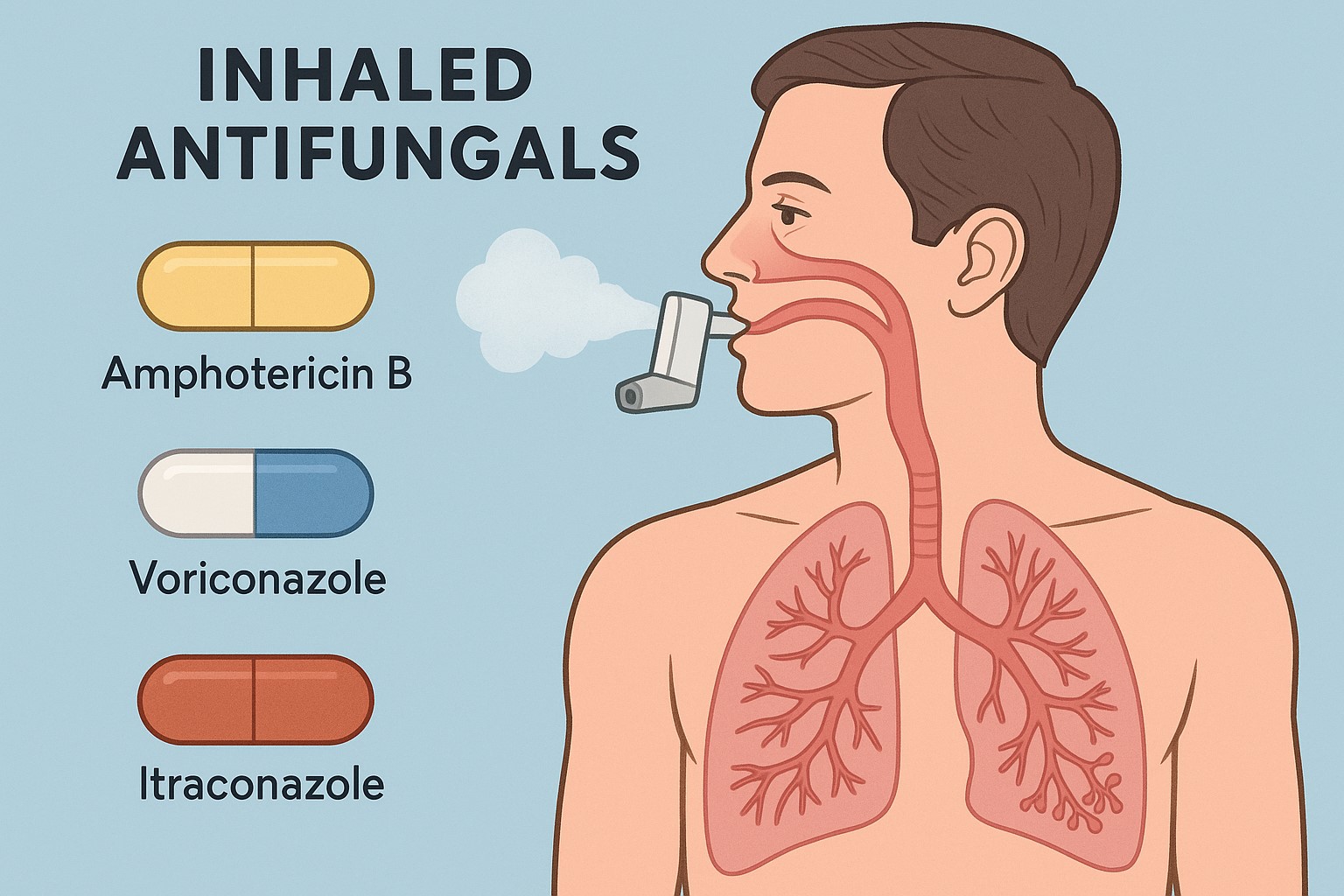
  • Inhaled antifungals (e.g., inhaled voriconazole or amphotericin B) – may reduce systemic side effects

  • Vaccines against Aspergillus – still early stage

  • Mucolytics and anti-inflammatory antibiotics (e.g., azithromycin) as steroid-sparing support in some patients


🤔 What You Can Do Now

  • If you’re struggling with steroid side effects or dependency, it’s totally reasonable to ask your respiratory team:

    • “Am I a candidate for a biologic like omalizumab or mepolizumab?”

    • “Is my antifungal therapy optimized?”

    • “Would a switch to inhaled or combination therapy help reduce my steroid use?”


Swimming for people with aspergillosis

How could you advise someone with aspergillosis who wants to swim but finds the local pool triggers their asthma?

Great question — and can be really important for quality of life. For someone with aspergillosis (especially ABPA or CPA) and asthma that worsens in chlorinated pools, here’s a tailored guide that balances safety with enjoyment:


🏊‍♀️ Swimming with Aspergillosis + Chlorine Sensitivity: A Practical Guide


💡 1. Choose the Right Pool Environment

Goal: Minimise chloramine exposure (which irritates airways).

Best options:

  • Ozone- or UV-treated pools: These significantly reduce chloramine levels.

  • Saltwater pools: Gentler, although still chlorinated (just less harsh).

  • Natural pools or lidos: Often free from chlorine, especially in outdoor settings.

  • Seawater swimming: The ultimate in chlorine-free options if you're near the coast and it's safe.

🚫 Avoid:

  • Indoor pools with poor ventilation

  • Pools that "smell strongly of chlorine" — this usually means high chloramines


🕗 2. Swim at Low-Traffic Times

  • Early morning swims are ideal — before other swimmers add organic matter (sweat, sunscreen, etc.), which reacts with chlorine to form irritants.

  • Ask the pool when they clean/shock it — swimming after that is usually better.


🧤 3. Protect Your Airways

  • Use a nose clip to avoid inhaling water vapor directly through the nasal passages.

  • Consider wearing a light face mask (e.g., FFP2) on the poolside until just before entering, to avoid breathing chloramines in enclosed spaces.

  • Ventolin (salbutamol) or another rescue inhaler should always be close by — even poolside if staff are aware.


💊 4. Pre-medicate if Needed

With your doctor’s advice, consider:

  • Short-acting bronchodilator 15–30 mins before swimming (e.g., salbutamol)

  • Leukotriene receptor antagonists (like montelukast) for added airway protection

  • Nasal rinses or corticosteroid sprays post-swim if you’re prone to sinus issues


🚿 5. Shower Immediately After

To reduce any skin or airway irritation:

  • Warm shower straight after

  • Nasal rinse or saline spray

  • Clean/dry clothes quickly to avoid damp mold exposure


🏞️ 6. Explore Alternative Swimming Options

  • Outdoor pools or lidos

  • Swimming lakes or sea-based pools (like Bude Sea Pool)

  • Private or spa pools with alternative sanitisation systems

  • Aquatherapy centres: Often use lower chemical levels and may cater to sensitive lungs


💬 7. Talk to Pool Staff

Many pools are willing to help. Try:

“I have a medical lung condition that reacts to chloramines — can you tell me when chlorination is lowest or if you use UV systems?”

You might be surprised how supportive they are.


Help Us Explore a New Treatment for Chronic Pulmonary Aspergillosis (CPA)

We’re Recruiting for a Clinical Trial of Interferon-Gamma (IFNγ)

We’re looking for people with chronic pulmonary aspergillosis (CPA) to take part in an exciting clinical trial testing a new treatment approach using interferon-gamma (IFNγ) — a substance that could help the immune system fight the Aspergillus infection more effectively.


What is CPA?

CPA is a long-term lung infection caused by the fungus Aspergillus. It usually affects people with chronic lung diseases like COPD or those who’ve had tuberculosis (TB) in the past. Over time, CPA can cause:

  • Enlarging cavities in the lungs

  • Recurrent chest infections

  • Persistent coughing and fatigue

  • Worsening breathlessness and reduced quality of life

It’s a progressive condition and can be hard to diagnose early. Around 3,600 people are living with CPA in the UK. Without effective treatment, CPA can be life-limiting — up to 4 in 10 people may die within five years of diagnosis.


Current Treatment Challenges

Treatment typically involves long-term antifungal medication, but:

  • Only about 60% of patients improve

  • Treatment can be lifelong, with relapses common

  • There is only one class of oral antifungals available

  • Side effects and high costs are frequent problems

This is why we urgently need better treatment options.


Why Interferon-Gamma?

Our research suggests that many CPA patients may have a weakened immune response, particularly a lower production of interferon-gamma (IFNγ) — a natural substance that helps the body fight fungal infections like Aspergillus.

In small studies, giving IFNγ to patients who didn’t respond to antifungals showed fewer lung flares, fewer hospital stays, and better quality of life. It’s already used safely in other NHS treatments — now we want to explore its role in CPA.


What This Trial Involves

We’re running a randomised clinical trial to test IFNγ in CPA. Here’s what to expect:

  • You must be starting antifungal treatment for CPA

  • You’ll be randomly placed in one of two groups:

    • One group receives IFNγ + antifungals for 12 weeks

    • The other group receives antifungals only

  • We’ll monitor:

    • Changes in lung CT scans

    • Quality-of-life scores

    • Any side effects or problems with tolerability

The trial will include 50 participants in total (25 in each group) and is expected to run until August 2026.


Why Your Participation Matters

By joining this study, you’ll help us find out whether IFNγ could:

  • Improve treatment outcomes

  • Shorten the duration of therapy

  • Prevent relapses

  • Potentially benefit others with chronic lung diseases

If successful, this could lead to a larger trial and possibly a new standard treatment for CPA.


Interested in Taking Part?

You may be eligible if you:

  • Have been diagnosed with CPA

  • Are about to start antifungal treatment

  • Are willing to attend follow-up appointments for 12 weeks

👉 Click here for full details and how to take part