Looking further into the future - could we control lung damage, preserve healthy lung tissue better?
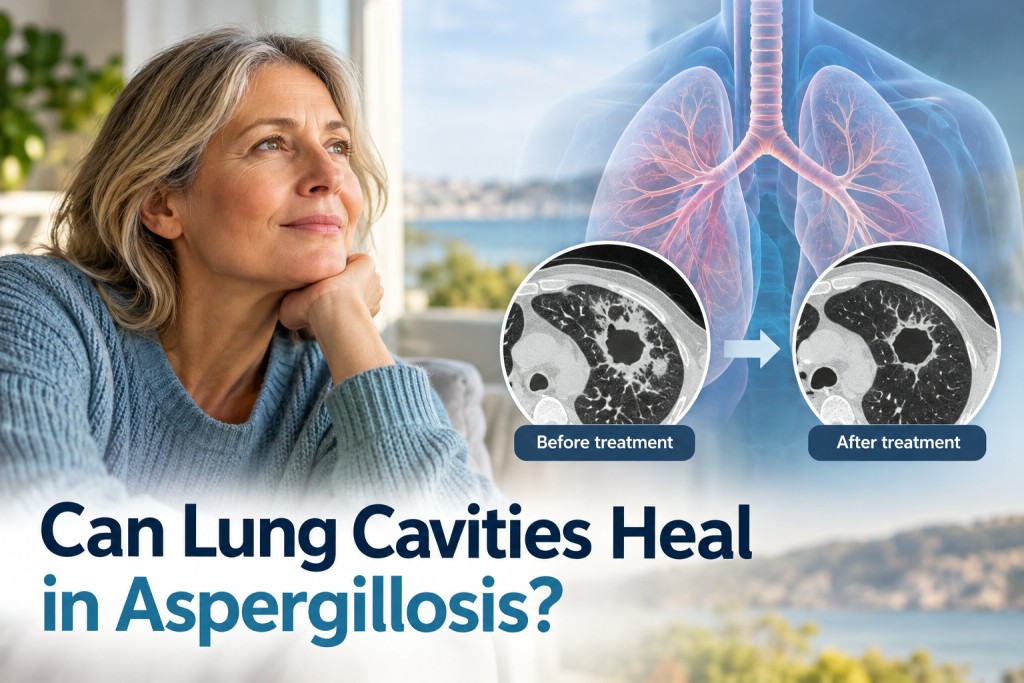
Can Lungs Repair Themselves?
What New Research Means for People with CPA (and Other Aspergillosis)
A recent scientific discovery has helped researchers understand how certain lung cells decide whether to focus on repairing damage or defending against infection. The work, highlighted by the Mayo Clinic and published in Nature Communications, describes a molecular “switch” inside specialised lung cells that influences this balance.
For people living with Chronic Pulmonary Aspergillosis (CPA) — and also those with Allergic Bronchopulmonary Aspergillosis (ABPA) — this kind of research is relevant. But it needs careful explanation.
This is not about rebuilding destroyed lungs.
It is about understanding how to better protect and preserve the lung tissue that remains.
The Discovery: A “Repair vs Defence” Switch
Researchers identified a regulatory circuit in alveolar type II (AT2) cells — specialised cells that:
-
Produce surfactant (which keeps air sacs open)
-
Act as a reserve “repair” population in the lung
-
Can regenerate other essential lung cells after injury
The study showed that these cells operate under tight control. When infection is present, they prioritise defence. When injury needs healing, they can switch into repair mode.
The key insight is that this switch is biologically regulated. It is not random. That means, in theory, it may one day be possible to influence it.
What “Repair” Means — and What It Does Not Mean
When we talk about lung repair in this context, we must be very clear.
It does not mean:
-
Lung cavities caused by CPA will close in the foreseeable future
-
Established fibrosis will melt away
-
Bronchiectasis will reverse
-
Severely distorted lung architecture will rebuild
CPA cavities represent major structural remodelling — destruction of alveoli, scarring, altered blood supply, and thickened pleura. Reconstructing that complex architecture is biologically extremely challenging and not currently realistic within the next decade.
What repair does realistically mean
In chronic lung disease, “repair” is more likely to mean:
-
Supporting survival of remaining alveoli
-
Preventing excessive fibrotic signalling
-
Helping lung lining cells recover more efficiently after inflammation
-
Reducing cumulative injury from repeated infection
-
Slowing progression of structural change
In other words:
Not rebuilding what is gone — but better protecting what remains.
For many people with CPA, this is a crucial distinction.
Why Preservation Is a Major Goal in CPA
CPA usually develops in lungs already weakened by conditions such as tuberculosis, non-tuberculous mycobacteria, chronic obstructive pulmonary disease, or severe pneumonia.
Over time, CPA can lead to:
-
Expanding cavities
-
Progressive scarring
-
Reduced gas exchange
-
Reduced exercise tolerance
Many patients have limited lung reserve. Even small additional losses of functioning lung tissue can significantly increase breathlessness or fatigue.
If future therapies could slow the rate of progression — even modestly — that would meaningfully affect long-term outcomes.
Flattening the decline curve is not trivial. It changes quality of life.
Why This Also Matters in ABPA
In ABPA, repeated inflammatory episodes can lead to:
-
Airway remodelling
-
Mucus plugging
-
Development or progression of bronchiectasis
Better control of inflammatory signalling — combined with improved epithelial recovery — could reduce long-term airway damage.
Again, this is about preservation rather than reversal.
Where Development Has Reached
The current research is still laboratory-based. It used advanced techniques such as:
-
Single-cell sequencing
-
Imaging of lung tissue
-
Preclinical models of injury
No human treatments based on this discovery are yet available.
However, the significance lies in identifying:
-
A defined molecular pathway
-
A controllable regulatory mechanism
-
A clearer understanding of why repair fails in chronic inflammation
That foundational knowledge is what eventually allows targeted drug development.
The Balance Challenge in Aspergillosis
There is an additional complexity in fungal lung disease.
Any attempt to promote repair must not weaken antifungal defence.
The immune system must:
-
Control Aspergillus
-
Avoid causing excessive inflammatory damage
Future therapies would need to strike that balance carefully.
What This Means for Patients Now
This discovery does not change current treatment.
The most effective preservation strategies today remain:
-
Consistent antifungal therapy when indicated
-
Careful inflammatory control
-
Biologic therapies where appropriate
-
Airway clearance
-
Vaccination and infection prevention
-
Avoiding damp and mould exposure
-
Pulmonary rehabilitation
These measures are already forms of lung preservation.
A Realistic and Hopeful Perspective
It is unlikely that cavities from CPA will be repaired in the near future.
It is realistic that within the next 5–10 years we may see improved strategies aimed at:
-
Slowing structural progression
-
Supporting endogenous repair cells
-
Reducing fibrotic signalling
-
Improving recovery after exacerbations
For people living long-term with CPA or ABPA, even incremental preservation could significantly affect independence and quality of life.
The science is still early — but understanding how the lung decides to repair itself is an important step forward.
Reference
Sawhney, A.S., Deskin, B.J., Cai, J. et al. A molecular circuit regulates fate plasticity in emerging and adult AT2 cells. Nat Commun 16, 8924 (2025). https://doi.org/10.1038/s41467-025-64224-1
TIMM 2025 – Aspergillosis-Relevant Highlights for Non-Specialist Professionals
BRIEFING: Key Aspergillosis Themes from TIMM 2025
(For non-specialist professionals and patient advocates)
The 2025 TIMM abstracts show continuing concern around rising azole resistance, emerging Aspergillus species, and ongoing diagnostic challenges in chronic and invasive disease. A growing number of studies highlight the importance of environmental surveillance, molecular diagnostics, and recognising less typical at-risk groups such as people with viral pneumonias, COPD, and those receiving new biologics or immunomodulators.
Clinical messages for non-specialists:
1. Environmental and agricultural azole use remains a major resistance driver
Multiple studies (Latin America, Spain, Belgium) confirm that agricultural triazoles continue to select for resistant Aspergillus fumigatus. Resistant strains do reach hospital environments, including ICUs and haematology wards.
Implication:
Healthcare teams must remain alert to azole treatment failure, consider susceptibility testing, and recognise that resistance is no longer rare.
2. Cryptic and emerging Aspergillus species are increasingly recognised
Traditional diagnostics often miss less common species such as A. turcosus, A. hiratsukae, and A. pseudodeflectus.
MALDI-TOF may misidentify these species; molecular sequencing gives clearer answers.
Implication:
If disease progresses unexpectedly or does not respond to standard therapy, consider the possibility of an unusual Aspergillus species.
3. New risk groups for invasive aspergillosis
Studies from Europe highlight increasing cases of IA in:
-
Severe viral pneumonia (RSV, influenza, COVID-19)
-
Patients receiving modern biologics (tocilizumab, oblituzumab)
-
Children with haematological cancers
-
Lung transplant recipients (with late-onset IA)
-
COPD patients or those without classical immunosuppression
Implication:
Non-specialists should be aware that IA is no longer confined to neutropenia or transplant; clinicians should maintain suspicion in severely unwell respiratory patients.
4. Diagnostic testing improves when multiple methods are combined
Several abstracts show:
-
Combining galactomannan + PCR on BAL substantially improves detection.
-
Western blot + IgE/IgG pairing improves ABPA and CPA diagnosis.
-
ICAP alone has a very high false-positive rate.
Implication:
Do not rely on a single test. ABPA and CPA particularly require combined clinical + radiological + serological evidence.
5. Aspergillus biofilms remain important and difficult to treat
Biofilm studies show that:
-
Mature Aspergillus biofilms are highly drug-tolerant.
-
Co-habiting bacteria (e.g., Stenotrophomonas maltophilia) enhance biofilm stability.
-
Biofilms may explain chronic, relapsing airways disease patterns in CPA/ABPA/bronchiectasis patients.
Implication:
Patients with chronic or relapsing symptoms may have biofilm-driven inflammation and reduced antifungal penetration.
6. Mortality in invasive disease remains high
Reports from transplant units and paediatric oncology centres show:
-
58% mortality in paediatric invasive aspergillosis.
-
6% IA-related mortality in lung transplant cohort (with many later indirect deaths).
-
Early diagnosis and correct drug choice remain critical.
Implication:
Prompt recognition and appropriate antifungal selection (including combination therapy when needed) remain essential.
TABLE OF ALL RELEVANT ASPERGILLUS / ASPERGILLOSIS / ANTIFUNGAL ABSTRACTS
(From full-document review; includes resistance, diagnostics, epidemiology, biofilms, and case reports)
| ID | Title / Topic | Type |
|---|---|---|
| Latin America Environment Study | Environmental azole resistance across 12 countries; 2152 A. fumigatus isolates | Environmental / Resistance |
| P026 | A. fumigatus in Belgian hospitals: triazole resistance surveillance | Environmental / Clinical resistance |
| 27-Year Spain Study (Ashraph et al.) | 118 azole-resistant strains; multiple fungicide resistance mechanisms | Environmental / Genomics / Resistance |
| P317 | Invasive sinus aspergillosis by A. hiratsukae in transplant recipient | Case report / Cryptic species |
| CPA Case – A. pseudodeflectus | Chronic necrotising CPA from rare Usti-section Aspergillus | CPA / Case |
| P389 | Metagenomics confirming mixed Aspergillus infection (A. niger + A. terreus) | Diagnostics / Mixed infection |
| A. turcosus fatal IA case | Cryptic fumigati species causing fatal invasive infection | Case report / Cryptic species |
| P213 | Difficult CPA diagnosis in COPD | CPA / Clinical |
| P224 | Recurrent maxillary sinus aspergilloma with bone destruction | Sinus aspergillosis |
| P267 | Epidemiology of Aspergillus-related lung disease (IPA, CPA, ABPA) in Marseille | Epidemiology |
| P252 | Species distribution in 418 filamentous fungal infections – Aspergillus dominant | Epidemiology |
| Lung transplant cohort (1100 pts) | IPA incidence, risk factors, treatment outcomes | IPA / Transplant |
| Paediatric oncology IA cohort | 43 cases; high mortality | Paediatric IA |
| P352 | RSV-associated invasive pulmonary aspergillosis | Viral-associated IPA |
| Asp-WB + ICAP combination study | Improved diagnosis of ABPA/CPA; ICAP alone widely false positive | Diagnostics |
| Molecular vs GM vs culture study | PCR on BAL highly accurate for Aspergillus detection | Diagnostics |
| P154 | Lateral flow assay (LFA) for Aspergillus in sputum/serum | Diagnostics |
| Mixed biofilm GAG study | Bacterial–fungal synergy increases biofilm resilience | Biofilms / Pathogenesis |
| P090 | Aspergillus biofilm extracellular matrix across strains and mixed species | Biofilms |
| TB–fungal co-infection (Aspergillus rare but present) | 7 Aspergillus co-infections among TB cohort | Epidemiology |
TABLE OF ALL RELEVANT ASPERGILLUS / ASPERGILLOSIS / ANTIFUNGAL ABSTRACTS WITH SUMMARIES
ENVIRONMENTAL & RESISTANCE STUDIES
1. Latin America Environmental Study
Topic: Air sampling in 12 countries: azole-resistant A. fumigatus widely present.
Summary: Large-scale citizen-science sampling found resistant Aspergillus spores across cities, rural sites, and farms. Confirms that humans inhale resistant strains from the environment, not just healthcare settings.
2. P026 — A. fumigatus in Belgian Hospitals
Topic: Hospital environmental surveillance for triazole resistance.
Summary: Resistant strains were found inside clinical areas, indicating they can enter hospitals via outdoor air. Important for infection control planning and for selecting appropriate antifungal therapy.
3. 27-Year Spanish Resistance Evolution Study (Ashraph et al.)
Topic: 118 azole-resistant isolates characterised over nearly three decades.
Summary: Shows a clear link between agricultural fungicide exposure and clinical resistance. Some strains developed multi-fungicide resistance, not just medical azoles.
CLINICAL CASES & CRYPTIC SPECIES
4. P317 — A. hiratsukae Sinusitis in Transplant Patient
Topic: Rare Aspergillus species causing invasive sinus disease.
Summary: Standard tests misidentified the fungus. Molecular sequencing confirmed a rare species. Highlights the need for advanced diagnostics when patients fail to improve.
5. CPA Case — A. pseudodeflectus
Topic: Chronic pulmonary aspergillosis caused by an unusual species.
Summary: Routine ID methods mislabelled the organism. Demonstrates cryptic species can cause CPA and may have different antifungal patterns.
6. Mixed A. niger + A. terreus Wound Infection (Metagenomics)
Topic: Mixed Aspergillus infection detected only by sequencing.
Summary: Traditional culture missed the second species. Mixed infections may explain poor responses to treatment.
7. A. turcosus Fatal IA Case
Topic: Rare fumigati section species.
Summary: Standard MALDI-TOF misidentified the species. High mortality emphasises why correct species identification matters for appropriate antifungal choice.
8. P213 — CPA Misdiagnosed as COPD
Topic: Chronic necrotising CPA mimicking COPD exacerbations.
Summary: Symptoms and imaging resembled COPD flare-ups. Only biopsy and molecular tests confirmed CPA. Highlights need for fungal testing in patients with atypical COPD.
9. P224 — Recurrent Maxillary Sinus Aspergilloma
Topic: Aspergillus sinus infection with bone involvement.
Summary: Shows how aspergilloma can recur if fungal debris remains or anatomy predisposes to blockage. ENT review and sometimes surgery are essential.
EPIDEMIOLOGY & COHORT STUDIES
10. P267 — Aspergillus Lung Disease in Marseille
Topic: Mix of ABPA, CPA and IPA.
Summary: Many ABPA cases were untreated or misclassified. Underlines widespread under-diagnosis and need for education of clinicians.
11. P252 — Species Distribution in 418 Fungal Infections
Topic: Large clinical review of filamentous fungi.
Summary: Aspergillus was the most common mould isolated, with A. fumigatus dominating. Confirms its continuing role as the most clinically significant mould.
12. Lung Transplant Cohort (1100 patients)
Topic: IA incidence, timing, species distribution and outcomes.
Summary: Early IA occurred from colonisation or environmental exposure; late IA linked to rejection and immunosuppression. Mortality remains high.
13. Paediatric Oncology IA Cohort
Topic: 43 children with invasive aspergillosis.
Summary: Mortality 58%. Mostly in acute leukemias. Underscores need for rapid testing and early therapy in children.
14. P352 — RSV-Associated Invasive Aspergillosis
Topic: Expanding “viral-associated pulmonary aspergillosis” beyond influenza and COVID-19.
Summary: RSV can also predispose immune-competent patients to IA. Important emerging risk category.
DIAGNOSTICS
15. Asp-Western Blot + IgE/IgG Combination Study
Topic: Diagnostic accuracy for ABPA/CPA.
Summary: Combining tests improves accuracy. ICAP alone is unreliable, with high false positives.
16. Molecular vs GM vs Culture Study (Italy)
Topic: Diagnostic accuracy of PCR on BAL.
Summary: PCR in BAL fluid was the most sensitive method. Combining PCR + galactomannan gave the best results.
17. P154 — Lateral Flow Assay (LFA)
Topic: Rapid point-of-care test for Aspergillus antigen.
Summary: Good performance in pre-treated sputum and serum. Promising as a rapid triage tool.
BIOFILM & PATHOGENESIS
18. Mixed Biofilm Study — A. fumigatus + S. maltophilia
Topic: How fungi and bacteria form stabilised mixed biofilms.
Summary: The Aspergillus biofilm sugar GAG enhances bacterial adhesion. Explains why some patients have stubborn, relapsing infections.
19. P090 — Biofilm Extracellular Matrix Study
Topic: Differences in matrix structure across Aspergillus strains.
Summary: Certain strains form thicker, more drug-resistant biofilms. May explain different patient responses to the same antifungal treatment.
TB CO-INFECTION (Aspergillus-related)
20. TB + Fungal Co-infection Study
Topic: TB patients screened for fungal disease.
Summary: Aspergillus infections were rare but present. Highlights need to consider CPA in chronic post-TB lung damage.
🌬️ Inhaled Antifungal Treatments for Chronic Pulmonary Aspergillosis (CPA)
Updated: October 2025
💡 Why are inhaled antifungals being developed?
For people living with Chronic Pulmonary Aspergillosis (CPA), treatment usually involves long courses of oral antifungal tablets such as itraconazole, voriconazole, or posaconazole.
These medicines circulate through the whole body to reach the lungs — but sometimes they cause side-effects, interact with other drugs, or fail to reach high enough levels in thick mucus, cavities, or scarred areas of lung tissue.
Inhaled antifungal therapy aims to solve this problem by delivering medicine directly to the lungs using a nebuliser or inhaler device.
This can potentially mean:
-
✅ Higher drug levels exactly where infection is active
-
⚡ Faster local action
-
🚫 Fewer whole-body side-effects
-
🧩 Fewer drug interactions
This approach is especially promising for patients with localized lung disease, such as CPA or aspergillus bronchitis, where the fungus lives in damaged parts of the lung.
💊 Current inhaled antifungal options (used off-label)
🧪 Nebulised Amphotericin B
At the moment, nebulised amphotericin B is the only inhaled antifungal used in hospitals, although it is off-label for CPA.
It is more commonly used to prevent infection in people who have had a lung transplant or who are severely immunocompromised.
In some specialist centres, it may be used as maintenance therapy or an add-on for CPA if other antifungals have not worked or cannot be tolerated.
Advantages
-
High concentration in lung tissue
-
Minimal effects on other organs (especially the kidneys)
Drawbacks
-
Possible airway irritation (cough, tight chest, wheezing)
-
Requires specialist supervision and appropriate nebuliser equipment
🔬 New treatments in development
💨 Opelconazole (also called PC-945)
Opelconazole is a new inhaled triazole antifungal developed by Pulmocide Ltd in the UK.
It works in the same way as existing azole antifungals — by blocking the fungal enzyme CYP51 — but has been specially designed to stay in the lungs and minimise side-effects elsewhere.
In laboratory and early human studies, opelconazole has shown:
-
Strong activity against Aspergillus fumigatus
-
High and lasting drug levels in the lungs
-
Very low blood levels (reducing risk of toxicity and drug interactions)
-
Good tolerability in early trials
Although not yet licensed, it has been used compassionately in small numbers of patients with difficult-to-treat lung aspergillosis at centres such as Manchester and London.
🧾 Current and recent clinical trials
| Trial ID | Treatment | Condition | Purpose / Summary | Status |
|---|---|---|---|---|
| NCT06447402 | Nebulised Amphotericin B vs Saline | Chronic Pulmonary Aspergillosis | Tests whether regular nebulised amphotericin can help prevent CPA relapse compared with saline. | Recruiting |
| NCT03656081 | Itraconazole ± Nebulised Liposomal Amphotericin B | CPA | Compares oral itraconazole alone versus itraconazole plus inhaled amphotericin for symptom and scan improvement. | Completed – results pending |
| NCT05238116 | Inhaled Opelconazole + Standard Therapy | Refractory Invasive Pulmonary Aspergillosis | Phase 3 trial evaluating safety and added benefit of inhaled opelconazole. UK, EU, and US sites. | Recruiting |
| NCT05037851 | Inhaled Opelconazole (PC-945) | Post-Lung Transplant Prophylaxis | Assesses prevention of fungal infection after transplant. Found well tolerated. | Completed |
| PubMed 34058036 | Nebulised Amphotericin B vs Oral Itraconazole | Pulmonary Aspergilloma (CPA subset) | Six-month open study found similar improvement rates between inhaled amphotericin and oral itraconazole. | Completed |
👉 You can look up any of these studies on ClinicalTrials.gov by entering the trial ID (e.g. NCT06447402).
⚠️ Things to keep in mind
-
Not yet routine — Inhaled antifungals are available only in research or specialist centres.
-
Limited evidence — Most data come from transplant or invasive aspergillosis studies, not chronic infection.
-
Delivery challenges — Damaged or scarred areas of lung may be hard for inhaled drugs to reach.
-
Possible side-effects — Coughing or mild bronchospasm are common; pre-treatment with an inhaler may help.
-
Monitoring still needed — Even with inhaled therapy, your care team will continue to check symptoms, lung scans, and blood markers (such as Aspergillus IgG).
🧭 Questions to ask your specialist
If you are interested in this type of therapy, you could ask:
-
Does my centre offer nebulised amphotericin as part of CPA care?
-
Are there any clinical trials nearby (for example NCT06447402 or NCT05238116)?
-
Could an inhaled antifungal be used with my current oral treatment?
-
What are the side-effects and how are they monitored?
-
What nebuliser device is required and how often would I use it?
🏥 UK research centres involved
Current UK involvement is mainly through:
-
National Aspergillosis Centre, Wythenshawe Hospital (Manchester)
-
Royal Brompton and Harefield Hospitals (London)
-
UK transplant centres participating in Pulmocide’s opelconazole studies
🗝️ Key takeaway
Inhaled antifungal medicines are an exciting development that could make CPA treatment safer and more targeted in the future.
For now, they are mainly available through clinical trials or specialist centres, but the early results are promising — especially for those who have struggled with oral antifungal side-effects or limited success.
If you’re interested, speak to your CPA specialist or the National Aspergillosis Centre team about ongoing research and eligibility.
💚 Living With Aspergillus fumigatus and Starting Antifungal Treatment
Question: “I have Aspergillus fumigatus and I’d like to ask a few questions.
After starting antifungal treatment, how long did it take before you noticed improvement or a stop in the bleeding cough?
Has anyone reached a stable condition or full recovery?
Please share your experiences — it would really help to hear from you.” 💚
🌿 A Supportive Note
Many people ask this question when they first begin treatment — and it’s a very normal concern. Aspergillus fumigatus can cause a range of lung problems such as chronic pulmonary aspergillosis (CPA), aspergilloma, or Allergic Bronchopulmonary Aspergillosis (ABPA), and each responds differently to antifungal therapy.
Improvement can take time and patience.
Some notice changes within weeks, while for others, it can take several months before symptoms start to ease or stabilise.
💊 Understanding How Antifungal Treatment Works
Antifungal medicines — such as itraconazole, voriconazole, or posaconazole — don’t destroy Aspergillus overnight.
They work by slowing or stopping fungal growth, allowing the body’s immune system and lung healing processes to gradually take over.
Because these infections are often chronic, the goal is usually to:
-
Control symptoms
-
Prevent further damage
-
Reduce inflammation and flare-ups
-
Stabilise lung function
For most patients, this means aiming for long-term stability rather than complete eradication of the fungus.
⏳ How Long Before You Feel Better?
Every patient is different, but this is a general pattern doctors often see:
| Time after starting treatment | What you might notice |
|---|---|
| First few weeks | Some reduction in coughing or mucus; fewer night sweats; side effects settling as your body adjusts. |
| 1–3 months | Energy may start to improve; less coughing or blood in sputum; breathing slightly easier. |
| 3–6 months | Signs of stability — symptoms no longer worsening, CT scans showing improvement, or blood markers (e.g. Aspergillus IgG) falling. |
| 6–12 months | Some people achieve remission or long-term stability. For others, antifungal therapy continues as maintenance. |
If you have a fungal ball (aspergilloma), improvements are often slower, and sometimes bleeding episodes take longer to settle.
🩸 About Bleeding (Haemoptysis)
Coughing up blood can be one of the most distressing symptoms.
It usually improves once antifungals reduce inflammation, but if bleeding continues:
-
Doctors may prescribe tranexamic acid to help the blood clot more easily.
-
In some cases, embolisation (a targeted procedure to seal a bleeding blood vessel) may be needed.
-
Ongoing bleeding should always be reported — even small amounts — so your team can reassess treatment or check for infection changes.
🫁 Why “Stable” Can Be a Positive Outcome
Although “cure” is possible in some early or mild cases, most people live with aspergillosis as a chronic condition.
With consistent antifungal therapy, airway clearance, and monitoring, many reach a stable stage — where symptoms are minimal, life feels more predictable, and flare-ups are rare.
This stability is a real success.
It means your body and treatment are keeping the infection under control, preventing further lung damage.
💚 Real Experiences
Patients often describe:
-
Energy and breathlessness improving slowly
-
Bleeding stopping after several months
-
A new sense of normality once medication side effects settle
Some take antifungals for a set course (e.g. 6–12 months), while others remain on long-term maintenance to stay stable.
It’s common for treatment to be adjusted based on blood levels, side effects, or new sputum results.
💬 Patient Voices
Many people in our community say they wish they’d known:
-
“Improvement isn’t quick — it’s gradual, but it does come.”
-
“Side effects can be managed — don’t stop without advice.”
-
“It’s okay to ask your team what ‘stable’ looks like for you.”
-
“You’re not alone — others have been through this too.”
🧭 Looking After Yourself Along the Way
-
Keep up airway clearance (physiotherapy, saline nebulisers, or airway devices).
-
Attend regular clinic appointments for blood levels and liver tests.
-
Report side effects early — dose adjustments or switching antifungals often helps.
-
Maintain good nutrition and hydration.
-
Reach out for emotional support. Living with a chronic infection can be mentally exhausting; anxiety and fatigue are common.
💬 We’d Love to Hear From You
If you’ve been through antifungal treatment, please share your story:
-
How long it took before you felt a difference
-
What helped you most
-
How you manage side effects or flare-ups
Your experience could make a real difference to someone who’s just starting this journey. 💚
Other forms of aspergillosis: Aspergilloma (Fungal Ball in the Lung)
Aspergilloma (Fungal Ball in the Lung)
An aspergilloma is a clump of fungus (usually Aspergillus) that grows inside an old cavity in the lung. These cavities often form after conditions like tuberculosis (TB), other lung infections, or lung disease. The fungus does not usually invade healthy lung tissue, but it uses the cavity as a space to grow.
How common is aspergilloma?
-
Aspergillomas are uncommon overall, but they are more likely to appear in people who have had tuberculosis in the past.
-
In some countries where TB is (or was) common, aspergillomas are found quite frequently.
-
In countries like the UK, they are rare, but can still happen in people with conditions such as COPD, sarcoidosis, or after lung surgery.
-
Doctors often describe aspergilloma as part of the wider group of conditions called chronic pulmonary aspergillosis (CPA).
What are the symptoms?
-
Many people with an aspergilloma have very few symptoms at first – sometimes only a cough.
-
The most serious problem is bleeding from the lungs (haemoptysis). This can range from small streaks of blood in the sputum to heavy, life-threatening bleeding.
-
Some people may also have chest infections, breathlessness, or tiredness if other lung problems are present.
How is it found?
-
An aspergilloma usually shows up on a chest scan (X-ray or CT).
-
It often looks like a round “ball” inside a cavity in the upper part of the lung.
-
Sometimes it can move around a little inside the space.
-
Important note: Aspergillomas are not cancer, but they can sometimes be mistaken for cancer on scans. For this reason, doctors may arrange extra tests (such as blood tests, repeat scans, or sometimes biopsy) and may refer patients to the National Aspergillosis Centre (NAC) to be certain of the diagnosis.
Who looks after you?
-
At your local hospital, aspergillomas are usually managed by a respiratory (chest) specialist doctor.
-
Depending on your situation, they may also work with:
-
Thoracic surgeons (for possible surgery)
-
Radiologists (for scans or embolisation)
-
Infectious diseases doctors (for antifungal treatment)
-
-
If your case is complex, unclear, or high-risk, your local team can refer you to the National Aspergillosis Centre (NAC) at Wythenshawe Hospital, Manchester. NAC is the UK’s only NHS specialist centre for aspergillosis and provides expert diagnosis, advanced testing, and treatment advice, often working alongside your local hospital team.
What is the outlook (prognosis)?
-
Some aspergillomas remain stable for years and cause very few problems.
-
A small number may even disappear on their own, although this is unusual.
-
The main risk is serious bleeding, which can be sudden. This is why regular check-ups are important.
-
Surgery to remove the part of lung with the aspergilloma is usually the most effective treatment and can be curative in suitable patients.
-
For people who cannot have surgery, treatments such as blocking bleeding vessels (embolisation) or instilling antifungal medicine into the cavity can sometimes help, but problems may return.
🚨 Emergency: If you cough up blood 🚨
-
Small streaks of blood (mild):
-
Stay calm – these often stop by themselves.
-
Contact your hospital team promptly to let them know.
-
Keep a record of how much and how often it happens.
-
-
More than a few teaspoons, clots, or ongoing bleeding (moderate to heavy):
-
Call 999 (UK) or go to A&E immediately.
-
Sit upright to help protect the other lung.
-
Take this leaflet or your aspergillosis care details with you.
-
-
Very heavy bleeding (life-threatening):
-
Treat this as an emergency.
-
Emergency doctors may use medicine to help blood clot, a procedure to block the bleeding vessel (embolisation), or surgery if possible.
-
⚠️ Always report any bleeding to your doctor, even if it seems small.
Treatment options
-
No treatment may be needed if the aspergilloma is small, not causing bleeding, and the person feels well. Regular monitoring is important.
-
Surgery is the most effective treatment if the fungal ball is causing repeated or heavy bleeding.
-
Antifungal tablets are sometimes used before or after surgery, but on their own they are usually not very effective.
-
Tranexamic acid – a medicine that helps the blood clot – is sometimes prescribed to reduce or control bleeding. It can be taken by mouth or given in hospital if bleeding is significant. It does not remove the aspergilloma but can help keep bleeding under control.
-
Other treatments for people who cannot have surgery include:
-
Blocking the bleeding blood vessels (embolisation) – this can stop bleeding, but the effect may not last.
-
Instilling antifungal medicine directly into the cavity – less common, results vary.
-
Key points for patients
-
An aspergilloma is not cancer, but because it can sometimes look like cancer on scans, careful checks and sometimes referral to the NAC are needed.
-
The main risk is bleeding, which may require urgent treatment.
-
Surgery offers the best chance of cure, but only if lung function allows.
-
If you have an aspergilloma, you should:
-
Attend regular hospital check-ups.
-
Report any coughing up of blood immediately.
-
Take tranexamic acid if prescribed for bleeding, but also inform your doctor if bleeds occur.
-
Avoid blood-thinning medicines (like aspirin, ibuprofen, or some herbal remedies) unless your doctor prescribes them.
-
Chronic Pulmonary Aspergillosis (CPA) – Information For Family and Friends
Print this off or share electronically
WHAT IT IS
CPA (Chronic Pulmonary Aspergillosis) is a long-term lung infection caused by the Aspergillus fungus. It often develops where lungs are already damaged (e.g., TB, COPD, bronchiectasis, sarcoidosis) and may form cavities, sometimes with fungal balls (aspergillomas).
WHAT IT'S NOT
-
Not contagious – you can't catch CPA.
-
Not poor hygiene – spores are everywhere in the air.
-
Not the patient's fault – flare-ups or setbacks happen because of the illness, not something they did wrong.
WHY AREN'T OTHERS AFFECTED?
Most people remove spores without trouble. CPA appears when lungs are already damaged or the immune system can't fight the fungus well – after past infections, chronic lung disease, or weakened defences. It's not about choices; it's lung history and chance.
TYPICAL SYMPTOMS
-
Persistent cough (sometimes with blood)
-
Breathlessness
-
Fatigue and low energy
-
Weight loss
-
Recurring chest infections
WORST SYMPTOMS
-
Coughing up blood – can be small streaks or larger amounts; sudden and frightening; urgent if heavy.
-
Severe fatigue – can stop even simple tasks; not just ‘tiredness’.
TREATMENT
-
Long-term antifungal medication
-
Regular scans and blood tests
-
Surgery in selected cases
THE REALITY
CPA is a serious, long-term condition. On bad days, people may not be able to do much at all. Symptoms can dominate daily life and limit social plans – cancelled arrangements are the illness talking, not them. It can also make people feel grumpy or irritable – not because they don't care, but because constant symptoms, tiredness, and limits on daily life are frustrating and exhausting. There’s often a mental load too – always thinking about avoiding dust, damp, or mould spores, and sometimes feeling overcautious about activities like going on boats, visiting old buildings, or anywhere that might harbour moisture or mould. This risk-checking is a form of self-protection, even if it means missing out.
It’s important to mention the mood swings and fatigue caused not only by the disease but also by the medication. For some, constant hand tremors are also part of daily life — these are often misunderstood by others.
LOOKING AHEAD
-
With effective treatment – Many people can keep the infection stable for years, control symptoms, and stay independent.
-
Risks – CPA can slowly progress, and severe flare-ups (like coughing large amounts of blood) may need urgent treatment.
-
Change over time – The illness can be stable for long periods, but it often needs lifelong monitoring and treatment changes. Support from specialists helps keep people well for longer.
ENVIRONMENTAL TRIGGERS & PROTECTION
Some people with CPA need to avoid environments with high levels of dust or fungal spores. This includes gardening, composting, building work, or damp/mouldy places. Wearing a protective mask during these activities can help reduce risk. Avoiding these triggers is about preserving lung health – not being fussy or antisocial.
HOW FRIENDS AND FAMILY CAN BEST HELP
-
Respect limits – breathlessness, fatigue, or coughing up blood can stop plans at short notice; it's not a choice.
-
Minimise exposure risks – avoid inviting them to dusty, damp, or mouldy places.
-
Offer practical help – driving to appointments, carrying shopping, or helping at home during flare-ups.
-
Be patient with mood changes – grumpiness can come from exhaustion and constant vigilance against triggers.
-
Talk openly about safety – if you suggest an outing, ask “Would this feel safe for you?”
-
Stay connected – even if they can't join in physically, a call or small gesture keeps them included.
MORE INFORMATION & SUPPORT
National Aspergillosis Centre (UK): https://mft.nhs.uk/wythenshawe/services/infectious-diseases/national-aspergillosis-centre/
Patient information & community: https://aspergillosis.org
📘 What is CPA? (Chronic Pulmonary Aspergillosis)
Patient handout for A&E staff who are not aware of aspergillosis.
What is CPA?
CPA is a chronic fungal infection of the lungs caused by Aspergillus, most often in people who already have damaged lungs from conditions like tuberculosis, COPD, lung cancer, or sarcoidosis.
Unlike ABPA, CPA is a true infection, not an allergic reaction. It is not contagious but can slowly destroy lung tissue if not treated.
Symptoms
-
Chronic cough, often with mucus
-
Coughing up blood (haemoptysis)
-
Fatigue, low-grade fever
-
Unexplained weight loss
-
Breathlessness
-
Recurrent chest infections not responding to antibiotics
Diagnosis
-
CT scan of the chest showing cavities, nodules, or fungus balls (aspergillomas)
-
Aspergillus IgG antibody (usually raised)
-
Positive sputum PCR or culture for Aspergillus
-
Exclude TB and malignancy
Treatment
-
Long-term antifungal therapy (e.g. itraconazole, voriconazole, posaconazole)
-
Monitor blood levels and liver function
-
Surgery or embolisation if severe bleeding occurs
-
Supportive care: oxygen, nutrition, physiotherapy
Key Points for A&E:
✅ CPA is a progressive fungal infection, not a typical bacterial pneumonia
✅ May present with haemoptysis, respiratory distress, or systemic illness
✅ Review current antifungal treatment and potential drug interactions
✅ Consider urgent chest CT and specialist referral if patient is unwell
📍 For specialist support:
National Aspergillosis Centre (NAC)
🏥 Wythenshawe Hospital, Manchester University NHS Foundation Trust
🌐 NAC homepage on MFT website https://mft.nhs.uk/wythenshawe/services/infectious-diseases/national-aspergillosis-centre/
🌐 www.aspergillosis.org
📞 Daytime contact: 0161 291 2891 or 0161 291 4362
📞 Urgent out-of-hours: Call Wythenshawe switchboard on 0161 998 7070
📢 Ask for the on-call Infectious Diseases Consultant
❤️🩹 Other forms of Aspergillosis: Aspergillus Endocarditis, Understanding a Rare Heart Infection
🫀 What Is It?
Aspergillus endocarditis is a rare infection of the heart’s inner lining (endocardium) caused by the fungus Aspergillus. This condition affects the heart valves (native or prosthetic), the inner wall of the heart, or even devices such as pacemaker leads. The fungus forms large masses called vegetations and can spread to the brain or other organs.
📉 How Rare Is It?
This is among the rarest forms of aspergillosis:
| Type of Aspergillosis | Estimated Cases per 100k | Commonality |
|---|---|---|
| ABPA | 40–60 | Moderately common |
| CPA | 3–4 | Uncommon |
| Aspergilloma | 0.5–1 | Rare |
| Aspergillus Empyema | <0.1 | Very rare |
| Aspergillus Endocarditis (AE) | <0.05 | Extremely rare |
⚠️ Who Is at Risk?
AE usually occurs in individuals who:
-
Are immunocompromised (e.g., cancer chemotherapy, transplant recipients, high-dose steroids)
-
Have heart valve abnormalities or a prosthetic valve
-
Had cardiac surgery or devices placed
-
Are critically ill or have severe fungus in the bloodstream
Even with these factors, AE remains extremely uncommon, but its rapid progression makes awareness and early treatment crucial.
🩺 How It’s Diagnosed
Diagnosis is challenging due to:
-
Negative blood cultures (blood tests usually don’t detect Aspergillus)
-
Symptoms often include fever, new heart murmur, or emboli (e.g., stroke)
-
Echocardiograms (TTE/TEE) may reveal large vegetations or abscesses
-
Valve or embolus tissue tested via PCR or galactomannan confirms diagnosis
⏳ Prognosis
-
AE has a very high mortality rate, ranging from 50–90%, often due to delayed diagnosis
-
Even with treatment, survival is around 50–60% with surgery and antifungals; without surgery, survival falls below 5–10%
💊 Current Treatment Guidelines
🛠️ 1. Early Surgical Intervention + Antifungal Therapy
-
Surgery to remove infected tissue and replace valves is essential
-
Voriconazole (an antifungal) is the preferred medication; liposomal amphotericin B is an alternative
-
Combined therapy (two antifungals) may improve outcomes in certain cases
🕰️ 2. Long-Term or Lifelong Antifungal Treatment
-
Lifelong antifungals may be needed to prevent recurrence, especially when prosthetic valves are involved
🧪 3. Monitoring and Follow-Up
-
Regular monitoring through clinical exams, echocardiograms, and possibly biomarkers
-
Watch for signs of relapse or emboli (e.g., neurological symptoms)
📘 Case Insights
-
A patient with a prosthetic aortic valve had ≥60% survival with surgery + voriconazole and long-term suppressive treatment
-
Another recovered from native valve involvement with combined antifungal therapy and surgery, despite being previously healthy
-
Without surgery and antifungals, AE is almost always fatal — mortality approaches 100%
✅ What This Means for Patients
-
AE is extremely rare, particularly compared to other forms like ABPA or CPA.
-
It occurs mostly in people with significant risk factors — immunosuppression, prior heart surgery, or invasive devices.
-
If suspected, early recognition and referral to a specialist center is urgent.
-
Treatment combines surgery and antifungals, and usually requires long-term care.
🧭 Bottom Line
Aspergillus endocarditis is a serious and rare complication. While most people with aspergillosis (like ABPA or CPA) will never develop it, anyone with heart valve issues and severe immune weakness should be vigilant.
With early, specialist treatment, recovery is possible — but only if the condition is identified and treated quickly.
🛡️ Understanding Your Risk: Aspergillosis, Steroids, and the Immune System
If you’ve been diagnosed with an Aspergillus-related condition, such as chronic pulmonary aspergillosis (CPA), ABPA, or a fungal ball (aspergilloma), you might wonder:
“Am I immunocompromised? And do steroids or biologics put me at more risk?”
The answers depend on your underlying health, medications, and how your body responds to Aspergillus.
🌍 Aspergillus is Common — But Not Harmless
Aspergillus is a type of mould found everywhere — in soil, air, and dust. Most people breathe it in daily without problems. But in some people, it can:
-
Trigger an allergic reaction (ABPA or fungal sinusitis)
-
Cause infection in damaged lungs (CPA or aspergilloma)
-
Spread aggressively in those with very weak immune systems (invasive aspergillosis)
Understanding your level of immune defence helps explain your risk and how your treatment should be managed.
🧬 Levels of Immunocompromise: What They Mean
Immunosuppression isn't black-and-white — it's a spectrum. Here's how it applies to people with or at risk of aspergillosis:
🔴 High-Level Immunosuppression (High Risk)
-
Recent chemotherapy or bone marrow transplant
-
Stem cell or organ transplant
-
Severe neutropenia (very low white blood cell count)
-
High-dose steroids (e.g. ≥20 mg prednisolone daily for weeks)
-
Uncontrolled HIV/AIDS
-
Intensive care or mechanical ventilation
🧠 These people are at risk of serious, fast-spreading infections — including invasive aspergillosis (IA), which is rare but life-threatening.
🟠 Moderate Immunosuppression (Common in Aspergillosis Patients)
-
Long-term low-to-moderate steroids (e.g. <10–15 mg prednisolone)
-
Biologics for asthma (e.g. omalizumab, benralizumab)
-
Chronic lung disease (COPD, bronchiectasis, asthma)
-
Diabetes, malnutrition, or genetic immune traits
-
Previous TB, sarcoidosis, or other lung damage
🧠 This group is at greater risk of chronic forms of aspergillosis — especially CPA, ABPA, and aspergillus bronchitis.
🟢 Low or No Immunosuppression (Low Risk)
-
People with well-controlled asthma or sinusitis
-
Those on occasional short courses of steroids
-
No major lung or immune conditions
🧠 This group is unlikely to develop aspergillosis.
💊 What if You Already Have Aspergillosis?
If you’ve been diagnosed with CPA, ABPA, aspergilloma, or sinus disease caused by Aspergillus, some treatments may still increase your vulnerability if not carefully managed.
❗ Steroids (e.g. Prednisolone)
-
Help control inflammation (especially in ABPA)
-
But also suppress immunity, making it easier for Aspergillus to grow
-
Can worsen CPA or increase risk of bleeding in aspergilloma
-
Risk rises with higher doses and longer courses
🟠 If steroids are needed, they should usually be combined with antifungal medication (like itraconazole or voriconazole) to keep fungal growth in check.
❗ Biologics for Asthma (e.g. Omalizumab, Mepolizumab)
-
Target allergic inflammation without broadly suppressing the immune system
-
Don’t usually increase the risk of invasive fungal infections
-
May slightly alter how your immune system responds to Aspergillus
🟠 Biologics can be helpful in ABPA and severe asthma, but regular monitoring is still important.
🔍 Summary Table: Common Risk Factors and What They Mean
| Factor | What It Does | What to Watch For |
|---|---|---|
| Long-term steroids | Suppress immune cells, reduce inflammation | Use with antifungals; monitor closely |
| Biologics for asthma | Modulate immune pathways (e.g. IgE, IL-5) | Safe in most; watch for subtle effects |
| TB, sarcoid, or other lung scarring | Leaves cavities that allow fungal growth | Regular scans and blood tests |
| Diabetes or malnutrition | Affects immune function and tissue repair | Keep well-managed |
| Low white blood cells (neutropenia) | Limits ability to fight fungal infection | Urgent action needed if fever or unwell |
| Lung diseases (COPD, asthma, bronchiectasis) | Reduce local lung defences | Increases risk of CPA, ABPA, or colonisation |
✅ What Can You Do to Stay Safe?
-
Take antifungals as prescribed, especially if you're on steroids or biologics
-
Avoid unnecessary long-term steroid use — use the lowest dose for the shortest time
-
Report new or worsening symptoms early — especially breathlessness, coughing blood, fatigue, or sinus pain
-
Have regular follow-ups with your respiratory or infectious diseases team
-
Don’t stop any medication suddenly — especially steroids — without medical advice
💬 Final Reassurance
Having aspergillosis doesn’t mean you’re severely immunocompromised — but some treatments can increase your risk if not managed carefully. With the right balance of antifungals, asthma treatments, and medical support, many people live well with ABPA, CPA, and related conditions.
Aspergilloma: Complete Patient Guidance
🦠 Aspergilloma: Complete Patient Guidance
📌 What Is an Aspergilloma?
An aspergilloma, or fungal ball, is a clump of Aspergillus fungus, mucus, and dead tissue that forms in a pre-existing cavity in the lungs. These cavities often result from conditions like:
-
Bronchiectasis
-
Tuberculosis (TB)
-
Emphysema
-
Sarcoidosis
The fungal ball is typically non-invasive, but it can still cause significant problems such as persistent coughing, airway obstruction, and especially hemoptysis (coughing up blood).
🔁 Which Comes First: Bronchiectasis or Aspergilloma?
This varies by patient:
-
In most cases, bronchiectasis develops first, creating abnormal airway spaces where Aspergillus can settle and grow.
-
In others, the presence of a fungal ball may worsen existing bronchiectasis through inflammation and mechanical irritation.
⚠️ Risks of Leaving Aspergilloma Untreated
If unmanaged, aspergillomas can cause:
1. Fungal Ball Growth
-
The ball can enlarge, worsening obstruction or symptoms.
2. Severe Bleeding
-
The ball can erode nearby blood vessels and lead to potentially fatal hemoptysis.
3. Worsening Lung Function
-
Chronic inflammation and local damage can lead to scarring and reduced breathing capacity.
4. Progression to Chronic Pulmonary Aspergillosis (CPA)
-
Over time, the infection can spread into surrounding lung tissue and evolve into CPA, which is harder to treat and more systemic.
⚕️ Treatment Options for Aspergilloma
✅ 1. Surgery (Lobectomy or Segmentectomy)
-
Surgery involves removing the cavity and fungal ball and is considered a definitive treatment, especially when:
-
There is severe or repeated bleeding
-
The fungal ball is enlarging
-
Lung function is still sufficient
-
Limitations:
-
Expensive and high-risk, especially in patients with poor lung function.
-
Post-surgical complications can include air leaks, infections, or respiratory failure.
🛑 Important: Fungal ball regrowth after surgery is possible, especially if underlying lung disease (like bronchiectasis or cavities from TB) remains. This happens in 5 - 15% of patients. Aspergillus can recolonize new or residual cavities, particularly if exposure to spores continues. Therefore, continued monitoring and preventive care are essential even after surgery.
⚠️ Non-Surgical Options (If Surgery Is Too Risky or Unaffordable)
1. Observation
-
For patients with no bleeding and stable imaging, regular monitoring is safe.
-
Includes imaging every 6–12 months and symptom review.
2. Oral Antifungal Therapy
-
Drugs like itraconazole, voriconazole, or posaconazole may help:
-
Reduce fungal burden
-
Minimize inflammation
-
Delay progression to CPA
-
-
They do not eliminate the fungal ball but may reduce symptoms or stop growth.
3. Embolization (BAE)
-
Used to control bleeding by blocking the feeding blood vessels.
-
Less invasive than surgery, but the bleeding may recur.
4. Inhaled Antifungals
-
Nebulized amphotericin B may reduce local fungal activity.
-
Used in some specialist centres for high-risk, inoperable patients.
🛡️ Supportive Management
For co-existing bronchiectasis and aspergilloma, supportive care is vital:
-
Continue mucus clearance (e.g. Fluimucil, chest physiotherapy)
-
Avoid dust, mold, compost, rotting vegetation, or ivy
-
Use FFP2/FFP3 masks during risky exposures
-
Get vaccinated (e.g., flu, pneumococcus, COVID-19)
-
Monitor for new or worsening symptoms
🧾 Summary Table of Aspergilloma Treatments
| Option | Removes Aspergilloma? | Used When | Cost/Risk |
|---|---|---|---|
| Surgery (resection) | ✅ Yes | Hemoptysis, large fungal ball | High cost/risk |
| Antifungal meds | ❌ No (but may help) | Symptoms or growth risk | Moderate |
| Observation only | ❌ No | No symptoms or stable | Low |
| Embolization (BAE) | ❌ No | Bleeding emergency | Moderate |
| Inhaled antifungals | ❌ No (experimental) | Adjunct or palliative | Variable |
🩺 Final Thoughts
-
Surgery is curative but not always an option—due to risk, cost, or lung function.
-
Fungal ball regrowth can occur, even after surgery, especially if cavities remain and exposure to spores continues.
-
Long-term monitoring, antifungal support, and environmental precautions are critical.
-
If you experience bleeding, sudden worsening cough, or weight loss, seek medical help immediately.