Chronic Pulmonary Aspergillosis (CPA) for Expert Patients and Non-Specialist Clinicians

Expert Information for Patients, GPs, and Specialist Nurses


🔎 What Is CPA?

Chronic Pulmonary Aspergillosis (CPA) is a long-term fungal lung infection caused by Aspergillus, typically A. fumigatus. It occurs in individuals with underlying lung damage and can progress slowly over months to years. It includes several subtypes ranging from cavitary lesions to fibrosing disease and fungal balls (aspergillomas).


🧬 Subtypes of CPA

Subtype Description
Simple aspergilloma Fungal ball within a pre-existing lung cavity
Chronic cavitary pulmonary aspergillosis (CCPA) Multiple cavities ± fungal balls; progressive
Chronic fibrosing pulmonary aspergillosis Advanced form with fibrosis and volume loss
Subacute invasive aspergillosis (SAIA) Intermediate between CPA and invasive disease; more rapid progression over weeks to months
Aspergillus nodules Discrete nodules without cavitation; may mimic malignancy

👥 Who Is at Risk?

CPA typically affects people with pre-existing lung disease or immune dysfunction, including:

  • Tuberculosis (old or active)

  • COPD and emphysema

  • Bronchiectasis

  • Sarcoidosis

  • Prior pneumothorax

  • Lung cancer or surgery

  • Diabetes mellitus

  • Low-dose or chronic steroid use


⚠️ Common Symptoms

CPA symptoms often evolve insidiously over >3 months:

  • Chronic productive cough

  • Haemoptysis (may be mild or massive)

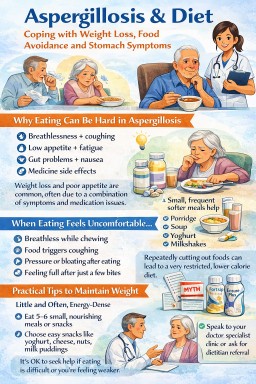
  • Fatigue and weight loss

  • Breathlessness

  • Chest discomfort

  • Fever (occasional)


🧪 Diagnosis

Diagnosis of CPA requires the combination of:

  1. Symptoms ≥3 months

  2. Imaging:

    • CT chest: cavitary lesions, pleural thickening, aspergilloma, fibrotic changes

  3. Microbiology:

    • Positive sputum culture, PCR, or histopathology for A. fumigatus

  4. Serology:

    • Elevated Aspergillus IgG antibodies (essential for diagnosis)

  5. Exclusion of other diseases:

    • Especially active TB, malignancy, and bacterial infections


💊 Treatment

First-Line:

  • Oral triazole antifungals (minimum 6 months, often longer)

    • Itraconazole

    • Voriconazole

    • Posaconazole

  • Therapeutic drug monitoring is crucial

Additional:

  • Inhaled antifungals (e.g. amphotericin B) in selected cases

  • Surgery for localised disease or life-threatening haemoptysis (if fit)

  • Bronchial artery embolisation for bleeding control

  • Physiotherapy and nutritional support


🧾 Monitoring

  • CT scan every 3–6 months during treatment

  • Aspergillus IgG titres to monitor disease activity

  • Liver function and antifungal levels (monthly at minimum)

  • Symptom tracking (cough, energy, weight, breathlessness)


📚 More Information


How Weather Affects CPA and ABPA – and What You Can Do About It

Living with Chronic Pulmonary Aspergillosis (CPA) or Allergic Bronchopulmonary Aspergillosis (ABPA) means being aware not just of your lungs, but also of what’s happening outside your window. Weather — especially wind, humidity, temperature, and seasonal changes — can have a real impact on breathing, energy levels, and symptom control. Here’s why, and what you can do to stay ahead of it.


🌬️ Windy Days: A Hidden Risk

Windy weather stirs up fungal spores, dust, and other irritants. For people with CPA or ABPA, this matters because:

  • Aspergillus spores are more airborne on windy days, increasing the risk of exposure.

  • In ABPA, this can trigger allergic inflammation — causing wheeze, tight chest, and coughing.

  • In CPA, inhaling spores can worsen existing infection or symptoms, particularly if lung cavities are already inflamed or colonised.

What you can do:

  • Avoid being outdoors for long periods on very windy days, especially in dry weather.

  • If you must go out, wear a well-fitted mask (e.g., FFP2 or FFP3).

  • Shower and change clothes when you come in — spores can cling to skin and fabric.


🌡️ Temperature Extremes: Cold or Hot

  • Cold air can tighten the airways, leading to breathlessness and coughing.

  • Hot, humid weather can feel heavy on the chest and worsen fatigue.

  • Both extremes may contribute to oxygen desaturation and general discomfort.

What you can do:

  • In cold weather: Breathe through your nose or wear a scarf or mask to warm the air before it hits your lungs.

  • In hot weather: Stay hydrated, rest in cool rooms, and avoid going out during peak heat.


🌧️ Rain and Damp Weather

Rain might temporarily reduce airborne spores, but damp conditions indoors (e.g., from leaks or poor ventilation) can allow Aspergillus to grow on walls, furniture, or in bathrooms.

What you can do:

  • Use a dehumidifier indoors and ensure good ventilation.

  • Fix any damp or mould problems promptly.

  • Clean areas like windowsills and shower tiles regularly with anti-fungal solutions* see accompanying post for more details .


🌸 Pollen and Seasonal Changes

  • In ABPA, allergic responses can be triggered or worsened in spring and summer, when other environmental allergens (like pollen or grass) are high.

  • These allergens can amplify immune responses already sensitised to Aspergillus.

What you can do:

  • Monitor pollen forecasts and avoid high-pollen areas on bad days ** see forecast details here.

  • Keep windows closed during peak pollen hours.

  • Consider using HEPA filters in the home.


📉 Barometric Pressure Drops

Some people notice worsened symptoms just before storms or weather changes — this may be due to changes in air pressure affecting breathing or causing low mood and fatigue.

What you can do:

  • Track weather patterns (ie. keep a diary) if you notice recurring patterns with your symptoms.

  • Speak with your care team if you feel you’re more vulnerable during certain types of weather — you might benefit from adjustments to medications or a rescue plan.


🚨 When to Seek Help

If you experience:

  • Oxygen saturations dropping below 92% and not improving within 20–30 minutes,

  • Rapid breathing, chest tightness, or a pounding heart that doesn’t settle,

  • Confusion, faintness, or signs of a flare-up that feels “different” from usual,

Don’t wait — contact 111 or go to A&E. You know your body best, but these signs mean your lungs are struggling.


How to Prepare for Weather Sensitivity

  • Keep a symptom diary linked to weather changes — it helps your specialist spot patterns.

  • Ask your consultant if you should have:

    • A rescue inhaler (e.g., salbutamol),

    • A short-term steroid plan (for ABPA flares),

    • Portable oxygen or a pulse oximeter for home monitoring.

  • Have a weather-safe plan for exercise — walking indoors or using a treadmill can help stay active without exposure.


🧘‍♀️ Final Thought

You can’t control the weather, but you can control your environment and how you respond to it. Understanding how CPA and ABPA react to different conditions helps you stay safe, informed, and in charge of your health.

If you’ve noticed your symptoms worsen in certain weather, don’t hesitate to mention it to your specialist — it’s a valuable piece of your health puzzle.


🌱 Safe Handling of Plants, Compost, and Soil for People with CPA

If you work with flowers, compost, mulch, or soil—as many people with CPA (chronic pulmonary aspergillosis) do—you’re regularly exposed to Aspergillus spores. Some of these may be resistant to antifungal medications, making workplace precautions even more important.

🧫 Why It's a Concern

  • Widespread Azole Fungicide Use: Agricultural fungicides share chemical similarities with medical antifungal drugs (like itraconazole and voriconazole), leading to resistant strains of Aspergillus fumigatus in the environment.

  • Environmental Reservoirs: Garden centres, compost heaps, potting sheds, and greenhouses can all harbor resistant spores.

  • Clinical Risk: If resistant spores are inhaled and cause infection, treatment becomes more difficult, requiring second-line drugs that may be less effective or more toxic.


✅ How You Can Protect Yourself While Staying on the Job

You don’t have to give up the work you love. With smart precautions and awareness, you can continue safely:

🛡️ Protect Yourself from Airborne Spores

  • Wear a certified FFP2, FFP3, or N95 mask (not a surgical or cloth mask).

  • Avoid opening compost bags or disturbing dry materials indoors.

  • Prioritise outdoor tasks or ensure good ventilation in work areas.

🧤 Glove Up and Gear Down

  • Use gloves when handling compost, soil, or mulch.

  • Change clothes after work and shower to remove spores from your skin and hair.

  • Keep work footwear separate from household shoes.

🧼 Wash Hands Frequently

  • Always wash your hands:

    • After handling compost, soil, or cut plants

    • After removing gloves or masks

    • Before eating or drinking

  • Use soap and warm water for at least 20 seconds. If unavailable, use hand sanitiser (minimum 60% alcohol).


🧼 Why Hand Hygiene Really Matters with CPA

Even though Aspergillus is primarily inhaled, clean hands help reduce accidental transfer of spores to your face, nose, and mouth. Here's why hand hygiene is especially important for people with CPA:

  • Reduces risk of transferring spores from contaminated surfaces or tools to your face.

  • Prevents secondary infections from viruses or bacteria, which are harder to fight with weakened lungs.

  • Supports immune safety if you’re taking antifungals, steroids, or immunosuppressants.


🔬 Stay on Top of Health Monitoring

  • Tell your respiratory team about your occupational exposure.

  • If your symptoms change or your antifungal treatment stops working, request resistance testing (not always automatic).

  • Keep up with routine blood tests, scans, and sputum cultures.


🌍 The Bigger Picture

Antifungal resistance in the environment is rising across the UK and Europe. Garden centres and plant-heavy environments are now recognised as higher-risk zones for people with CPA. But with protective equipment, hygiene routines, and regular monitoring, it's entirely possible to keep working safely—especially when your job brings purpose and joy.


🌱 Risks of Gardening for ABPA/CPA Patients

  • High fungal spore exposure: Soil, compost, leaf mould, mulch, and rotting vegetation are rich in Aspergillus fumigatus and other mold spores.

  • Spores can trigger ABPA flares or worsen CPA progression, especially in immunocompromised or structurally damaged lungs.

  • Bagged compost is particularly risky—opening bags or mixing damp materials can release a high spore load (documented in outbreaks and case reports).


Benefits of Gardening

  • Mental health: Gardening reduces stress, anxiety, and depression, which are common in chronic lung disease.

  • Physical activity: Gentle exercise helps preserve lung function and general health.

  • Quality of life: A fulfilling hobby with strong therapeutic and social value for many.


🛡️ Risk Reduction Strategies (If Continuing Gardening)

If the patient chooses to keep gardening:

  1. Avoid compost, mulch, and leaf mould – especially bagged compost.

  2. Use sealed, peat-free, low-dust alternatives if composting is essential.

  3. Wear a well-fitted FFP2 or FFP3 respirator when handling soil or dusty material.

  4. Wet down soil before working to reduce airborne dust.

  5. Garden in open air, not greenhouses or sheds, where spores can concentrate.

  6. Shower and change clothes immediately after gardening.

  7. Consider delegating high-risk tasks (e.g. compost turning) to someone else.


🧭 Summary: Risk–Benefit Decision

Patient Type Recommendation
Stable ABPA Can garden with precautions
CPA, mild/stable Garden with strong precautions, avoid compost
CPA, moderate-severe or immunosuppressed Avoid gardening unless cleared by specialist
Recent flare or hospitalization Avoid until stabilized

Ultimately, this should be a shared decision based on:

  • Severity and stability of lung disease

  • Individual mental health benefits

  • Availability of safe gardening practices


🌸 Spring & Summer Advice for ABPA and CPA Patients

🟡 1. Watch for Rising Mold and Pollen Levels

  • Spring = exploding pollen (trees first, then grasses).

  • Early summer = mold spore counts rise sharply (especially after rain or damp evenings).

  • Pollen and mold are inflammatory triggers for ABPA.

  • CPA patients also risk extra mucus, chest tightness, and infections after pollen/mold exposure.

Action: ✅ Check daily mold and pollen forecasts (AccuWeather, Met Office, University of Worcester).
✅ On high pollen/high spore days → limit time outdoors, mask if needed, and keep windows closed.


🔵 2. Avoid Gardening Without Protection

  • Soil and compost are full of Aspergillus and other molds — especially after spring rains.

  • Even "dry" gardens can have dangerous spore clouds when digging, mowing, or raking leaves.

Action: ✅ Wear an FFP2/N95 mask for light gardening.
✅ For heavy work (mowing, compost turning), use an FFP3/N99 mask (preferably valved).
✅ Shower and change clothes immediately after heavy garden work.


🟠 3. Stay Cool but Stay Safe Indoors

  • Summer heat = open windows — but warm damp air boosts indoor mold growth.

  • CPA patients are especially vulnerable to indoor mold spores triggering flares.

Action: ✅ Use fans, shades, or air conditioning to cool the house without leaving windows wide open all day.
✅ If you open windows, close them at night when humidity rises.
✅ Use a dehumidifier if your home gets humid (>50% humidity inside = higher mold risk).


🔴 4. Hydrate and Protect Airways

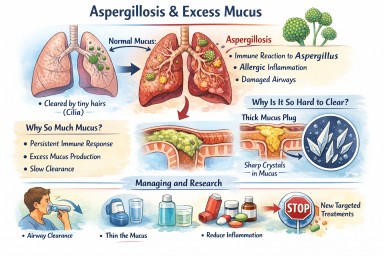
  • Warm weather dries out airways, making mucus thicker and harder to clear — dangerous for CPA.

  • ABPA patients also get thicker mucus in drier air, risking plugging and flares.

Action: ✅ Drink plenty of water (keep mucus thin).
✅ Consider using a saline nasal spray or humidifier if indoors with air conditioning.
✅ Continue any airway clearance techniques your doctor or physio recommended.


🧹 5. Be Extra Cautious After Rain

  • After a spring/summer rainstorm, mold spore counts spike massively outdoors.

  • Within hours of rain stopping, air can be thick with spores — even if it smells fresh.

Action: ✅ If you're outside right after rain, mask up.
✅ Prefer next-day outings once things dry fully.


🚨 Bonus Caution for CPA:

  • CPA patients are prone to bacterial infections after pollen/mold exposure + mucus retention.

  • Any sudden worsening of cough, fever, or chest pain → seek help fast (don't wait days).

Spring/summer CPA flares often start as "just pollen" or "just tiredness" but can tip into infections without quick action.


🎯 Simple Spring & Summer Rule for ABPA/CPA

If it’s damp, dusty, or smells “earthy” outside → mask up.
If pollen count is high → limit time outdoors.
Stay hydrated, stay cool, and protect your lungs.


✅ Quick Mini Checklist:

Risky Activity What to Do
Gardening FFP2/FFP3 mask + change clothes
After rain Mask up or delay outing
High pollen/mold forecast Indoor day or short trip with mask
Open windows at night Avoid or control humidity indoors
Feeling tight or coughing Rest + rescue inhaler if prescribed

🧡 You absolutely can enjoy spring and summer —

you just need to plan ahead, protect yourself smartly, and listen carefully to your body.


Could You Help Transform the Future of CPA Treatment?

Join the INCAS Trial at the National Aspergillosis Centre

If you’ve recently been diagnosed with chronic pulmonary aspergillosis (CPA) and are starting antifungal treatment, you may be eligible to take part in a pioneering clinical trial that could shape the future of care. If that is the case we will approach you to ask if you would like to join.

CPA is a long-term lung infection caused by the fungus Aspergillus, often in people with conditions like COPD or previous tuberculosis. It leads to progressive lung damage, frequent infections, and significant impact on quality of life. Current antifungal treatments help only about 60% of patients, and many face relapses, side effects, and long-term medication use.

The INCAS trial is testing whether adding a naturally occurring immune protein called interferon-gamma to standard antifungal therapy can lead to better outcomes — fewer infections, less lung damage, and improved day-to-day wellbeing. Interferon-gamma is already used safely in the NHS for other conditions, and early research at the National Aspergillosis Centre (NAC) has shown promising results for CPA.


What Is Involved?

If you choose to take part:

  • You’ll continue with standard antifungal treatment

  • You may be randomly assigned to receive interferon-gamma injections for 12 weeks (3 injections per week)

  • You’ll receive regular follow-up with chest scans, symptom tracking, and support from our expert team

All patients are closely monitored to ensure safety and comfort throughout the trial.


What Have Previous Participants Said?

Patients who took part in earlier studies shared their experiences with honesty and encouragement:

“They are missing a great opportunity… I certainly didn’t want to inject, but I need to be well, and this was a good chance at fewer infections and damping down the Aspergillus.”

“I only had one bad day — I phoned the NAC nurses, who reassured me it was expected and to carry on. Now, side effects are mild and usually gone by lunchtime. They don’t stop me like the chest problems used to.”

“I would really encourage patients to seize this chance of having gamma interferon.”

Others mentioned they were concerned at first about injections or travel, but found ways to manage:

“It doesn’t always hurt — yellow paediatric needles are the key, and a bit of tummy fat helps. Legs rarely hurt.”
“Travel’s harder now that my husband has trouble with his sight… but I understand the issue and can empathise.”


Is It Safe? What About Side Effects?

In our previous study, interferon-gamma was generally well tolerated. Some patients had mild flu-like symptoms after the injection, but these usually faded with time and were far less disruptive than a flare of CPA itself. Your care team will work closely with you and adjust support as needed.

This trial is all about learning more — not only about effectiveness, but also how easy and acceptable the treatment is for patients. The insights we gain will help shape a larger trial and may eventually transform the standard of care for CPA.


Why Take Part?

CPA affects around 3,600 people in the UK, with mortality as high as 40% within five years. If interferon-gamma proves successful, it could:

  • Shorten treatment durations

  • Reduce relapses

  • Improve quality of life for you and others

  • Open the door for better treatments in other chronic lung diseases too

You won’t just receive expert support from the UK’s leading CPA centre — you’ll help build the future of care.

“I wouldn’t be influenced by being paid. I’d be more concerned about safety and careful monitoring – which I got.”

🔗 Learn more at clinicaltrials.gov/NCT05653193 or speak to your team at the National Aspergillosis Centre.

You could be part of something that changes CPA care for good.


Help Us Explore a New Treatment for Chronic Pulmonary Aspergillosis (CPA)

We’re Recruiting for a Clinical Trial of Interferon-Gamma (IFNγ)

We’re looking for people with chronic pulmonary aspergillosis (CPA) to take part in an exciting clinical trial testing a new treatment approach using interferon-gamma (IFNγ) — a substance that could help the immune system fight the Aspergillus infection more effectively.


What is CPA?

CPA is a long-term lung infection caused by the fungus Aspergillus. It usually affects people with chronic lung diseases like COPD or those who’ve had tuberculosis (TB) in the past. Over time, CPA can cause:

  • Enlarging cavities in the lungs

  • Recurrent chest infections

  • Persistent coughing and fatigue

  • Worsening breathlessness and reduced quality of life

It’s a progressive condition and can be hard to diagnose early. Around 3,600 people are living with CPA in the UK. Without effective treatment, CPA can be life-limiting — up to 4 in 10 people may die within five years of diagnosis.


Current Treatment Challenges

Treatment typically involves long-term antifungal medication, but:

  • Only about 60% of patients improve

  • Treatment can be lifelong, with relapses common

  • There is only one class of oral antifungals available

  • Side effects and high costs are frequent problems

This is why we urgently need better treatment options.


Why Interferon-Gamma?

Our research suggests that many CPA patients may have a weakened immune response, particularly a lower production of interferon-gamma (IFNγ) — a natural substance that helps the body fight fungal infections like Aspergillus.

In small studies, giving IFNγ to patients who didn’t respond to antifungals showed fewer lung flares, fewer hospital stays, and better quality of life. It’s already used safely in other NHS treatments — now we want to explore its role in CPA.


What This Trial Involves

We’re running a randomised clinical trial to test IFNγ in CPA. Here’s what to expect:

  • You must be starting antifungal treatment for CPA

  • You’ll be randomly placed in one of two groups:

    • One group receives IFNγ + antifungals for 12 weeks

    • The other group receives antifungals only

  • We’ll monitor:

    • Changes in lung CT scans

    • Quality-of-life scores

    • Any side effects or problems with tolerability

The trial will include 50 participants in total (25 in each group) and is expected to run until August 2026.


Why Your Participation Matters

By joining this study, you’ll help us find out whether IFNγ could:

  • Improve treatment outcomes

  • Shorten the duration of therapy

  • Prevent relapses

  • Potentially benefit others with chronic lung diseases

If successful, this could lead to a larger trial and possibly a new standard treatment for CPA.


Interested in Taking Part?

You may be eligible if you:

  • Have been diagnosed with CPA

  • Are about to start antifungal treatment

  • Are willing to attend follow-up appointments for 12 weeks

👉 Click here for full details and how to take part


ABPA & CPA: Patient priorities

We have launched a new section that lists the commonest symptoms reported by our patient groups and offers tips on how to manage them.

WAD QoL 2025

In Their Words: CPA & ABPA


CPA patients have impaired neutrophil response to infection

A new paper from a research group in India has compared people who have tuberculosis (Tb) with those who have Tb and then developed chronic pulmonary aspergillosis (CPA). CPA develops in patients with Tb quite commonly and for many years it has been speculated that the mould grows on the lung scar tissue left behind by a Tb infection.


The researchers looked at many components of the patient’s immune system to try to see if any differed between the two as this would potentially tell them why one patient might develop CPA while another doesn’t.


Significantly the research team found that those patients who went on to develop CPA had reduced intensity of ‘neutrophil burst’, which is the release of reactive oxygen chemicals that are important in the fight against infection. They also had impaired Th1 cell response which is important as Th1 cells are part of the patient’s normal response to infection and they produce cytokines like interferon-gamma (IFN-γ), interleukin-2 (IL-2), and tumor necrosis factor-alpha (TNF-α). In turn, these trigger cytokines activate macrophages, enhance the phagocytic (pathogen-eating!) ability of immune cells, and stimulate the production of antibodies that mark pathogens for attack.


In short, we now have a clearer understanding of at least one part of the immune system of a CPA patient that isn’t working as well as it should, and which would directly lead to them being more vulnerable to infection.


The next question is ‘why are these patients unable to produce the normal levels of neutrophil burst and Th1 cell response?’ There are several possibilities including:


    • Genetic disorder
    • Immunosuppressive medication
    • Chronic diseases eg diabetes, renal failure, liver disease
    • Malnutrition/eg Vitamin D deficiency
    • Alcohol abuse
    • Severe infection
    • HIV
    • Exposure to some toxins (eg mercury, lead
    • Autoimmune disorder


Some of these may apply to the patients in this study but it is not yet clear which are the most likely. There is more work to do!


What does this mean for treatment of CPA?


The INCAS study, sets out to assess if CPA patients benefit when they are given supplementary doses of interferon-gamma. This is one of the cytokines found to be inhibited in CPA patients in the study discussed above, so if these patients improve it is good evidence that we have found one of the important causes of susceptibility to CPA, and we will already have a medication to partly treat it.

Living with CPA and ABPA

[et_pb_section fb_built="1" _builder_version="4.18.0" _module_preset="default" global_colors_info="{}" theme_builder_area="post_content" custom_padding="8px||2px|||"][et_pb_row _builder_version="4.18.0" _module_preset="_initial" custom_margin="-21px|auto||auto||" global_colors_info="{}" theme_builder_area="post_content" custom_padding="40px|0px|40px|0px|true|true"][et_pb_column type="4_4" _builder_version="4.18.0" _module_preset="default" global_colors_info="{}" theme_builder_area="post_content"][et_pb_text _builder_version="4.18.0" _module_preset="default" global_colors_info="{}" theme_builder_area="post_content"]

Gwynedd was formally diagnosed with CPA and ABPA at the National Aspergillosis Centre in 2012. Below she lists some of the symptoms she experiences and what she has found helpful in managing the conditions. 

These symptoms fluctuate and can be very insignificant until a flare-up occurs. Then they can be severe enough to alter what I can do in a day. 

  • Tightening of the chest and or upper airway.
  • Inflammation can be felt as heat and a 'zingyness' in my chest.
  • Pain and discomfort over my back in my lungs.

Self-help

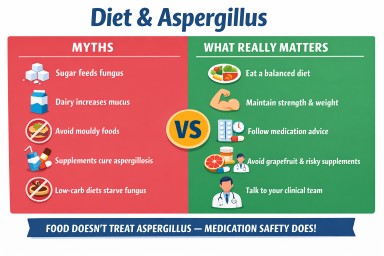
  • A healthy diet, as recommended by the dietetic society or as guided by a consultant or specialist nurse. 
  • Extra protein where one is underweight. 
  • Exercise is essential for my mental well-being and helps me with chest clearing.

My local respiratory consultant firmly believes in the benefits of Yoga and slower breathing to help with chest clearance and relaxation, which reduces inflammation and anxiety and aids the immune system. 

Anxiety is a side effect of ABPA & CPA as both conditions are debilitating, and fluctuations occur seemingly with no warning. It is not unreasonable to feel anxious about this diagnosis. Treatments help, as do lifestyle changes. 
[/et_pb_text][/et_pb_column][/et_pb_row][/et_pb_section]